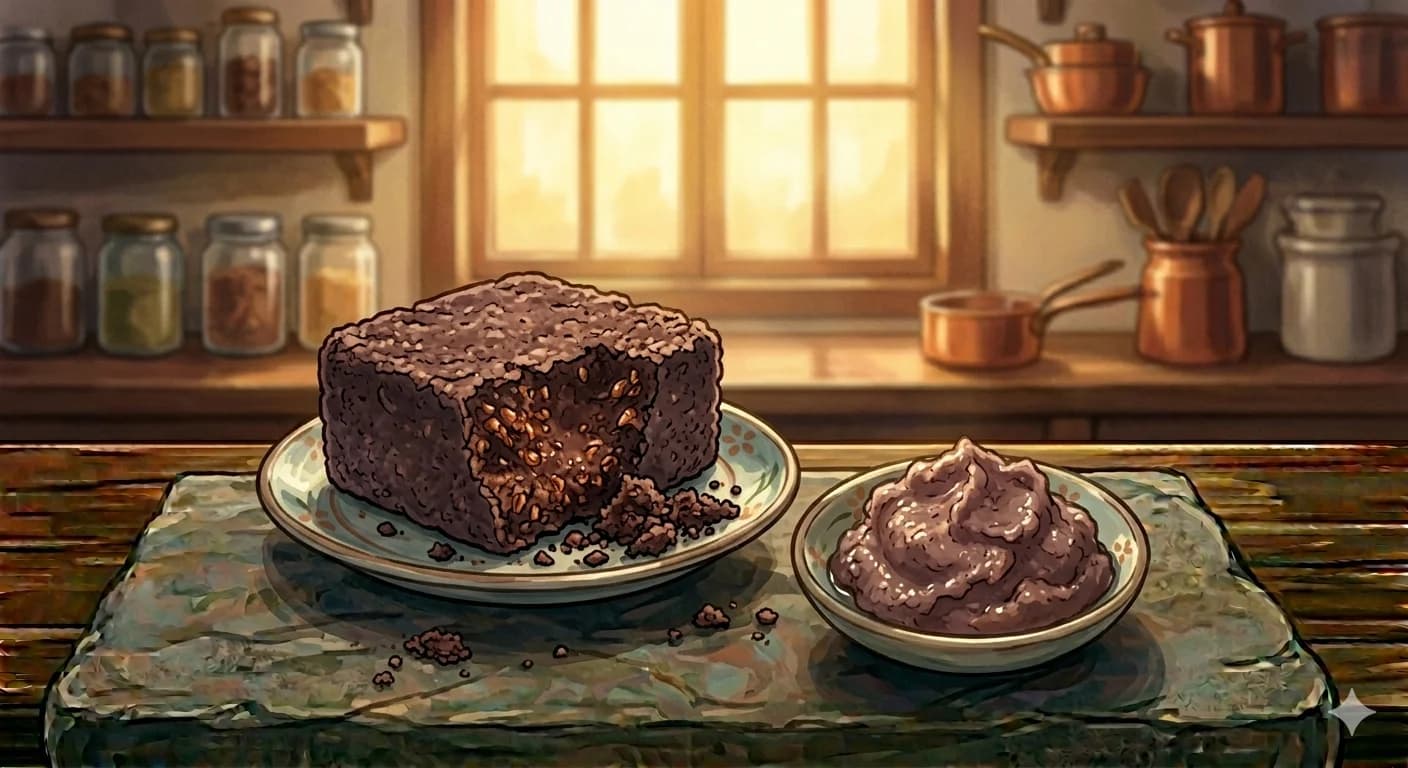
Shrimp Paste
Also known as: Belacan, Terasi, Kapi, Mam Ruoc, Bagoong, Gkapi, Petis Udang
Shrimp paste is one of the most powerful flavor ingredients in Southeast Asian cooking — a dense, pungent, deeply fermented condiment made from tiny shrimp or krill that have been salted, sun-dried, and aged into a concentrated block or paste. It smells overwhelming raw, but transformed by heat, it becomes the invisible backbone of countless dishes.
Every Southeast Asian cuisine has its own version. Thai kapi is soft and purple-gray. Malaysian and Singaporean belacan is pressed into hard, dark blocks. Indonesian terasi (or trassi) ranges from soft to brick-hard. Vietnamese mam ruoc is wet and pourable. Filipino bagoong comes in chunky and smooth varieties. They all share the same fundamental character: intensely savory, deeply umami, and irreplaceable.
If you have ever wondered why restaurant-quality pad Thai, nasi lemak, or Malaysian curry tastes different from your home version, shrimp paste is very likely the missing ingredient. A teaspoon transforms a dish. It does not make food taste like shrimp — it makes food taste complete.
Key facts at a glance:
- Fermented salted shrimp or krill — aged from weeks to months
- Umami powerhouse — extremely high in glutamic acid and other savory compounds
- Must be cooked before eating — toasting or frying removes raw pungency
- Varies by country — Thai kapi, Malaysian belacan, Indonesian terasi, Vietnamese mam ruoc
- A little goes a very long way — typically used in teaspoon quantities
Flavor Profile
Origin
Thailand, Malaysia, Indonesia, Vietnam, Philippines, Myanmar, Southeast Asia
Traditional Medicine Perspectives
Traditional Chinese Medicine
Fermented seafood products are generally classified as salty and warming in TCM. They are associated with the Kidney and Spleen meridians and are considered to nourish yin and support digestive function. However, they are cautioned against in excess due to high sodium content, and individuals with damp-heat conditions are advised to use them sparingly.
Southeast Asian Folk Medicine
Across Southeast Asian folk traditions, shrimp paste was considered a concentrated source of nutrition and vitality, especially important for communities with limited access to fresh protein. In some traditions, it was believed to strengthen the body and support recovery from illness. The high salt content also made it valued as a food preservation tool in tropical climates where spoilage was a constant concern.
Modern Scientific Research
Shrimp paste is remarkably high in free glutamic acid and other umami-active compounds, which explains its powerful flavor-enhancing properties. Studies have measured glutamate levels in fermented shrimp pastes that rival or exceed those found in aged Parmesan cheese and soy sauce, making it one of the most umami-dense ingredients available.
The fermentation process that creates shrimp paste involves complex microbial communities, including halophilic bacteria (salt-loving microorganisms) that break down shrimp proteins into amino acids and peptides. Research has identified bioactive peptides produced during fermentation that have shown antioxidant and ACE-inhibitory activity in laboratory studies, though dietary significance requires further investigation.
Shrimp paste is a significant source of dietary calcium (from the ground shrimp shells), protein, and minerals including iron and zinc. However, it is also very high in sodium, which means it should be used as a seasoning rather than consumed in large quantities. Research on the volatile compounds responsible for shrimp paste’s distinctive aroma has identified hundreds of different molecules, including pyrazines, aldehydes, and sulfur compounds produced during fermentation.
Cultural History
Shrimp paste has been produced across Southeast Asia for centuries, and its origins likely predate written records. The technique of fermenting small marine creatures with salt is one of the oldest food preservation methods in the tropical world, born from the need to preserve abundant coastal seafood in hot climates where fresh fish spoils within hours.
In Malay and Indonesian culture, belacan and terasi are considered essential pantry items on par with salt itself. Traditional production involved spreading tiny shrimp on mats to dry in the sun, then mixing them with salt and packing them into earthenware jars to ferment for weeks or months. The resulting paste was traded inland, bringing the taste of the sea to communities far from the coast. The importance of shrimp paste to regional economies is reflected in place names and cultural festivals across the Malay archipelago.
Each country’s shrimp paste reflects its culinary identity. Thai kapi tends to be milder and is integrated into curry pastes and dipping sauces. Belacan is the foundation of Malay and Nonya sambal. Indonesian terasi anchors the bumbu (spice paste) of Javanese and Balinese cooking. Vietnamese mam ruoc appears in bun bo Hue and as a condiment. This diversity within a single ingredient category speaks to the depth and sophistication of Southeast Asian fermentation traditions.
Culinary Uses
The most important rule with shrimp paste: always cook it before eating. Raw shrimp paste is overwhelmingly pungent. Toasted, fried, or simmered, it transforms into deep, savory richness. For Malaysian sambal belacan — perhaps the most iconic use — wrap a block of belacan in foil and toast it over an open flame or in a dry pan until fragrant and crumbly, then pound it with fresh chilies, lime juice, and a pinch of sugar.
In Thai cooking, shrimp paste (kapi) is pounded into curry pastes (red, green, massaman, panang), where it provides the umami bass note that balances the chili heat, lemongrass, and galangal. It is also the key ingredient in nam prik kapi, a chili dipping sauce served with fried mackerel and steamed vegetables that is deeply beloved in Thai home cooking.
For pad Thai and many Thai stir-fries, shrimp paste is dissolved in a small amount of water or tamarind juice and added to the wok along with the sauce. In Indonesian cooking, terasi is crumbled into the bumbu (spice paste) at the start of cooking and fried with the aromatics — this blooming step is essential for developing the full savory depth of dishes like nasi goreng, gado-gado sauce, and sayur lodeh.
In nasi lemak (Malaysia’s national dish), shrimp paste anchors the sambal that accompanies the coconut rice. In curry laksa, it enriches the coconut curry broth. The paste is versatile enough to enhance soups, stir-fries, curries, sambals, and dipping sauces across the entire region.
Preparation Methods
Toasting is the classic preparation for hard belacan or terasi. Wrap a small piece in foil and hold it over a gas flame with tongs for 1–2 minutes per side, or toast in a dry pan over medium-high heat until fragrant, dry, and crumbly. The smell will be intense — open a window. Once toasted, it crumbles easily and can be pounded into sambal or dissolved into sauces.
For curry pastes and bumbu, shrimp paste is added raw to the mortar or blender along with other aromatics and then cooked when the paste is fried in oil. The frying step accomplishes what toasting does — it transforms the raw pungency into deep savoriness. Add the paste to hot oil and fry, stirring constantly, until the raw smell disappears and you detect a rich, savory aroma.
Soft shrimp pastes like Thai kapi and Vietnamese mam ruoc can be measured with a spoon and added directly to cooking. Start with small amounts — half a teaspoon for a dish serving four — and adjust upward. You can always add more, but you cannot take it out. Store shrimp paste in a tightly sealed container in the refrigerator; the hard varieties keep almost indefinitely, while softer pastes should be used within several months. Wrapping hard belacan in multiple layers of plastic wrap prevents its aroma from perfuming your entire refrigerator.
Comments
Share your thoughts on this ingredient.
Sign in to comment0 Comments