Food isMedicine.
Curated recipes and ingredient knowledge rooted in traditional medicine systems — TCM, Ayurveda, and beyond — confirmed by modern nutrition science.
From the kitchen
Featured Recipes

Bibimbap (Mixed Rice Bowl)
1 hour 10 minutes

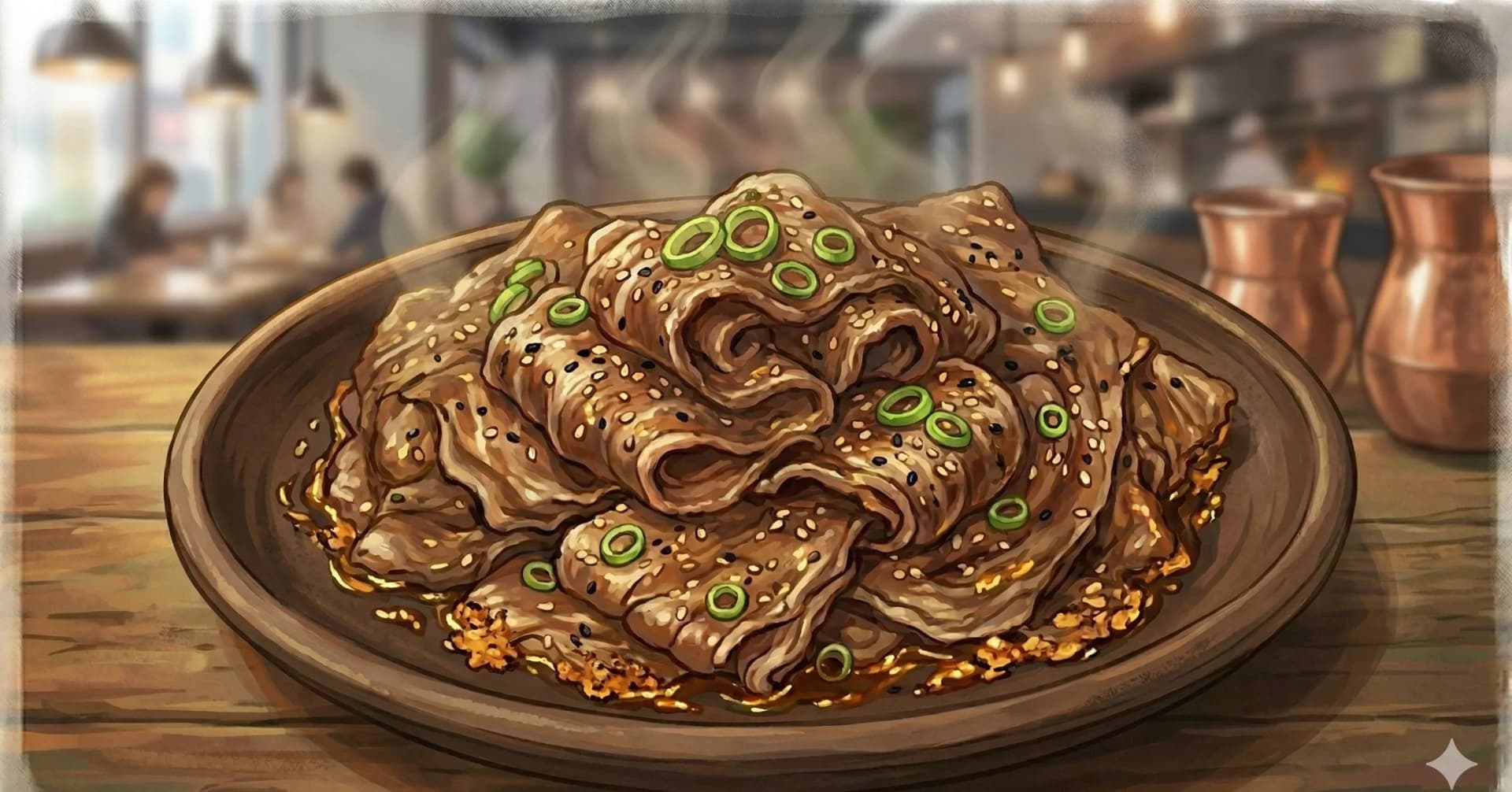
Bulgogi (Korean BBQ Beef)
1 hour 30 minutes

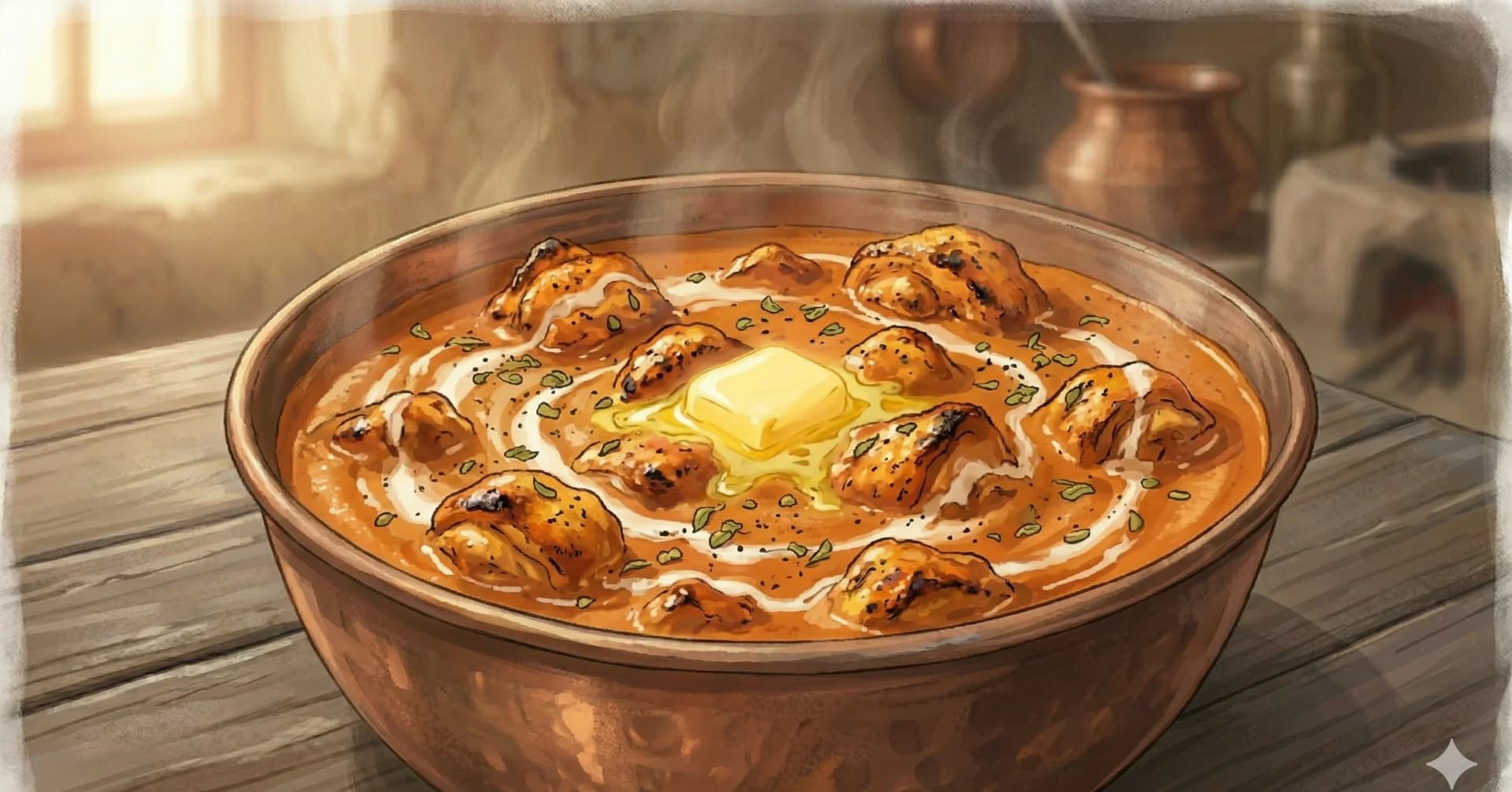
Butter Chicken (Murgh Makhni)
1 hour 15 minutes (plus marinating)

Bak Kut Teh (Pork Bone Tea)
2 hours 50 minutes

Beef Pho (Phở Bò)
4 hours 15 minutes
Curated
Collections


BTS' Favorite Dishes
The favorite Korean dishes of RM, Jin, Suga, J-Hope, Jimin, V, and Jungkook — sourced from interviews, Weverse lives, and Run BTS. Cook what Bangtan eats.
16 recipes
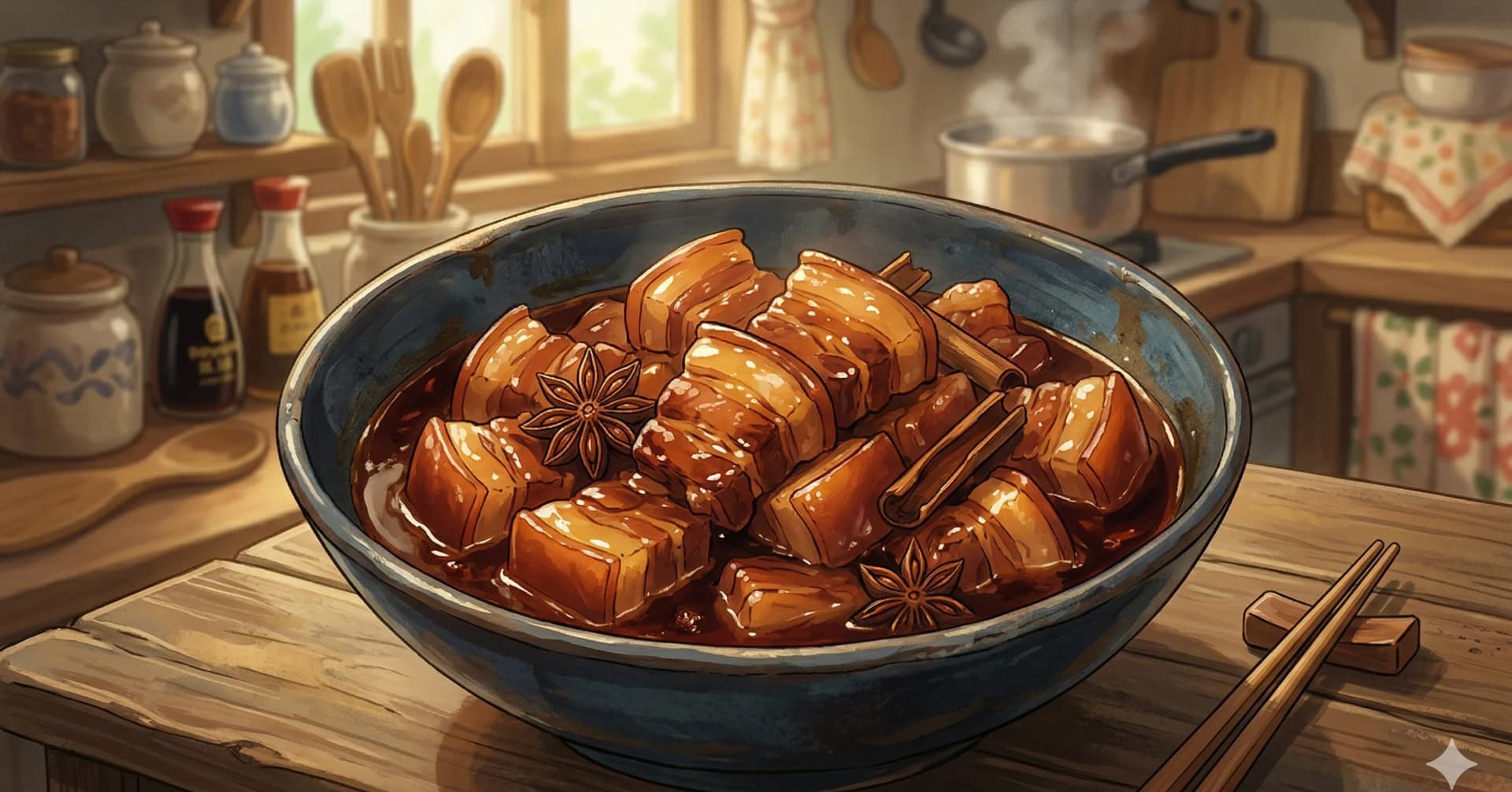


One-Pot Comfort
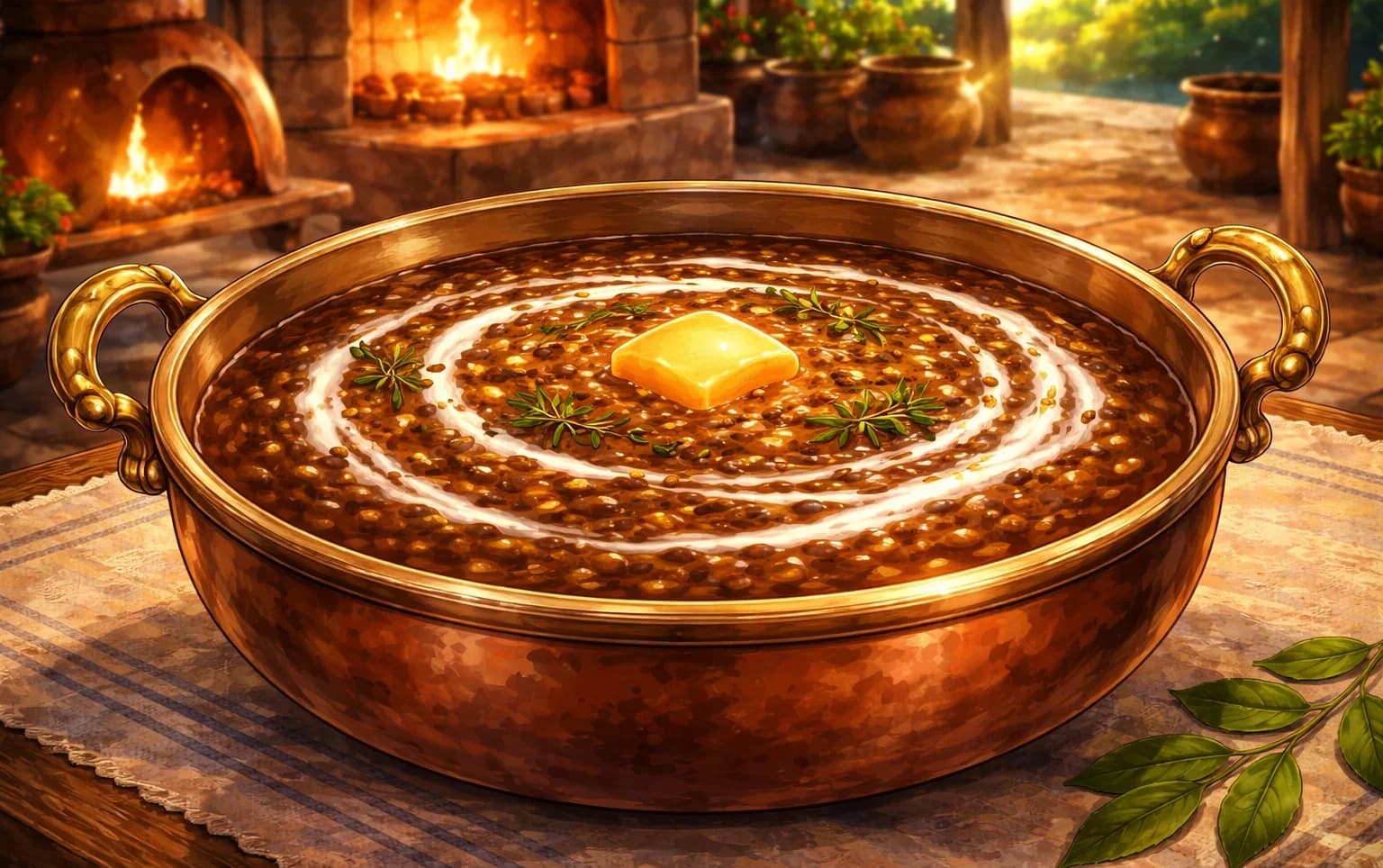
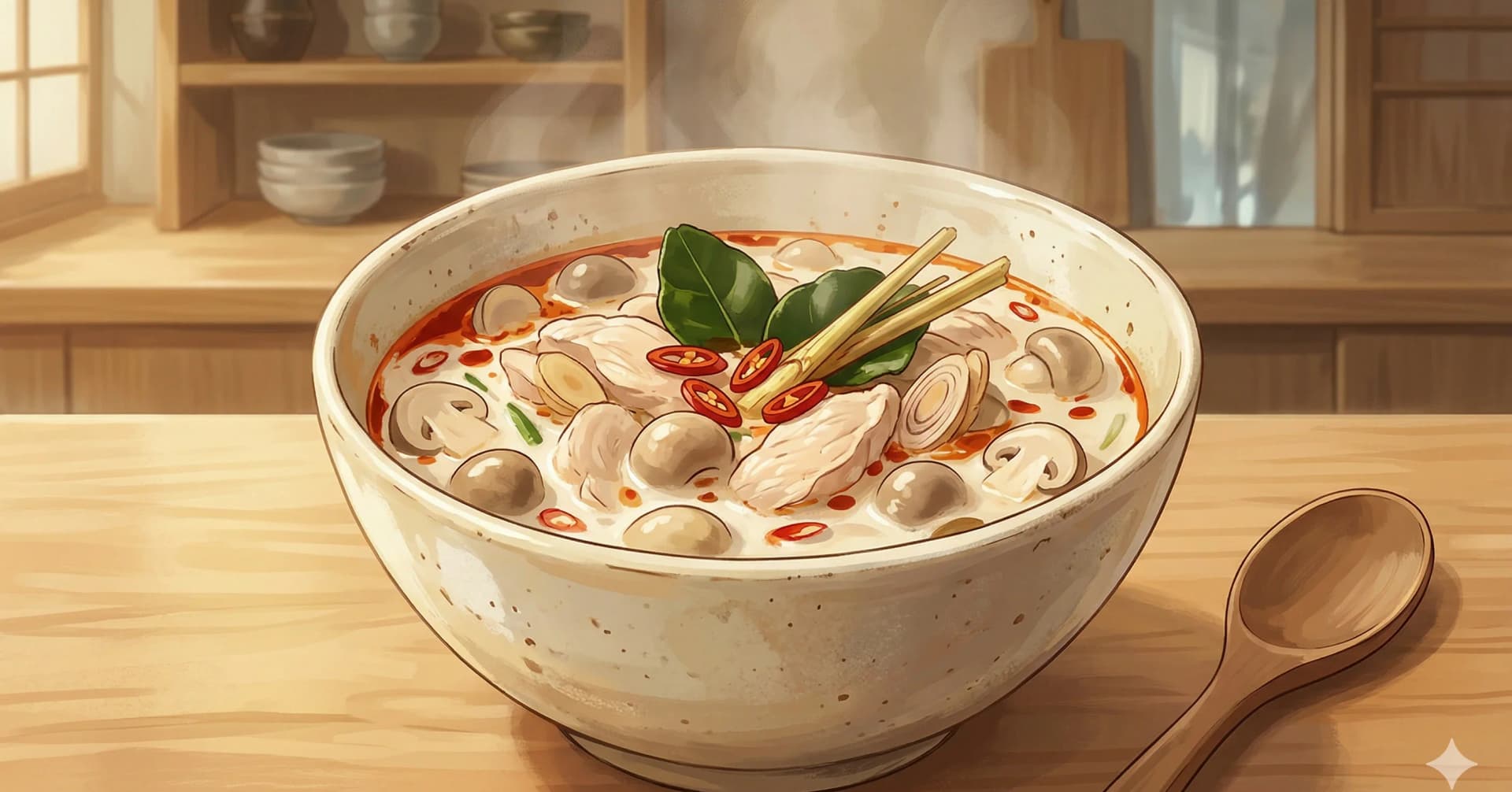
Soups, stews, curries, and braises that need nothing more than a single pot and a little patience. The kind of cooking that fills the house with fragrance and feeds the soul.
16 recipes
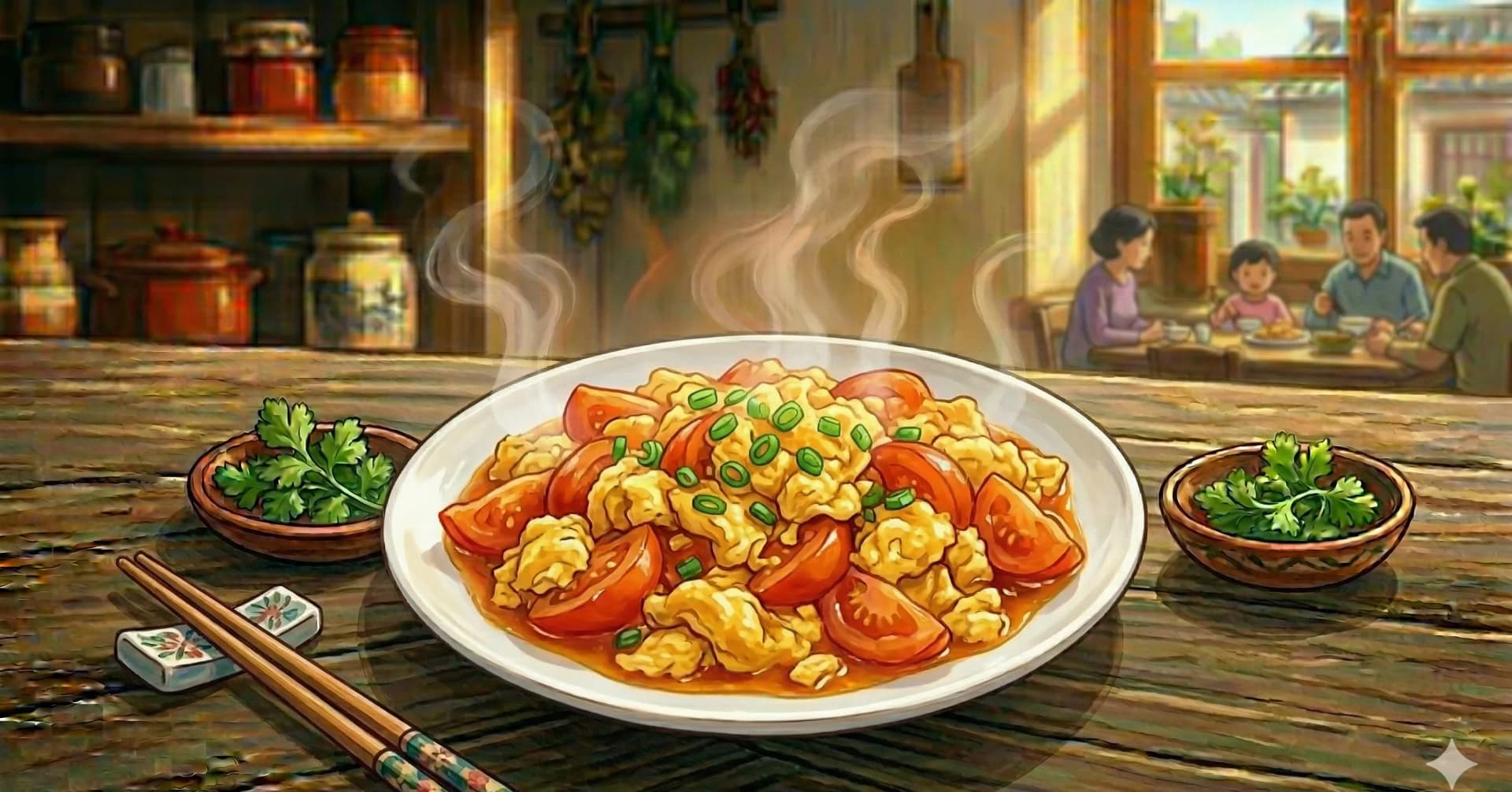

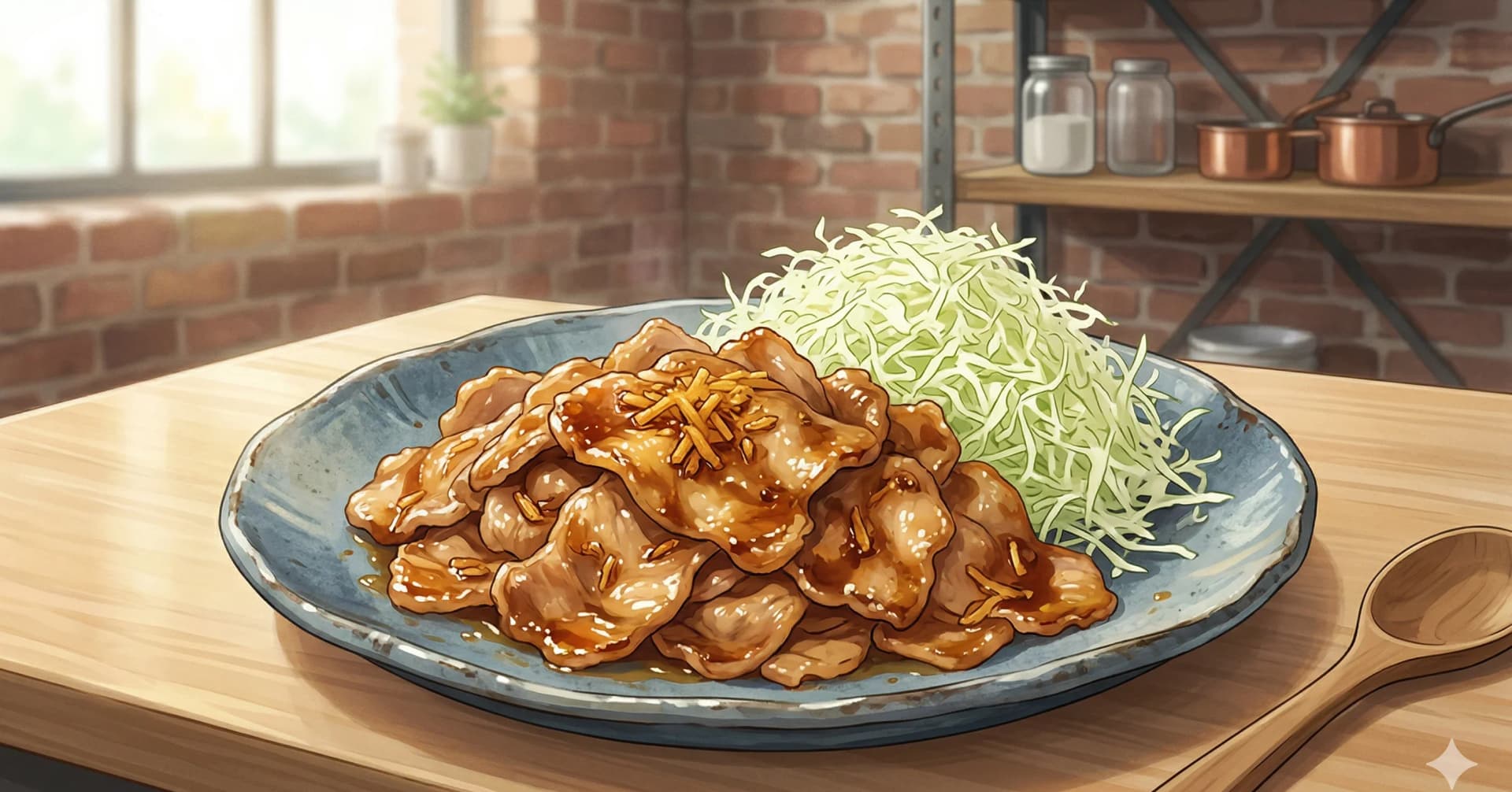
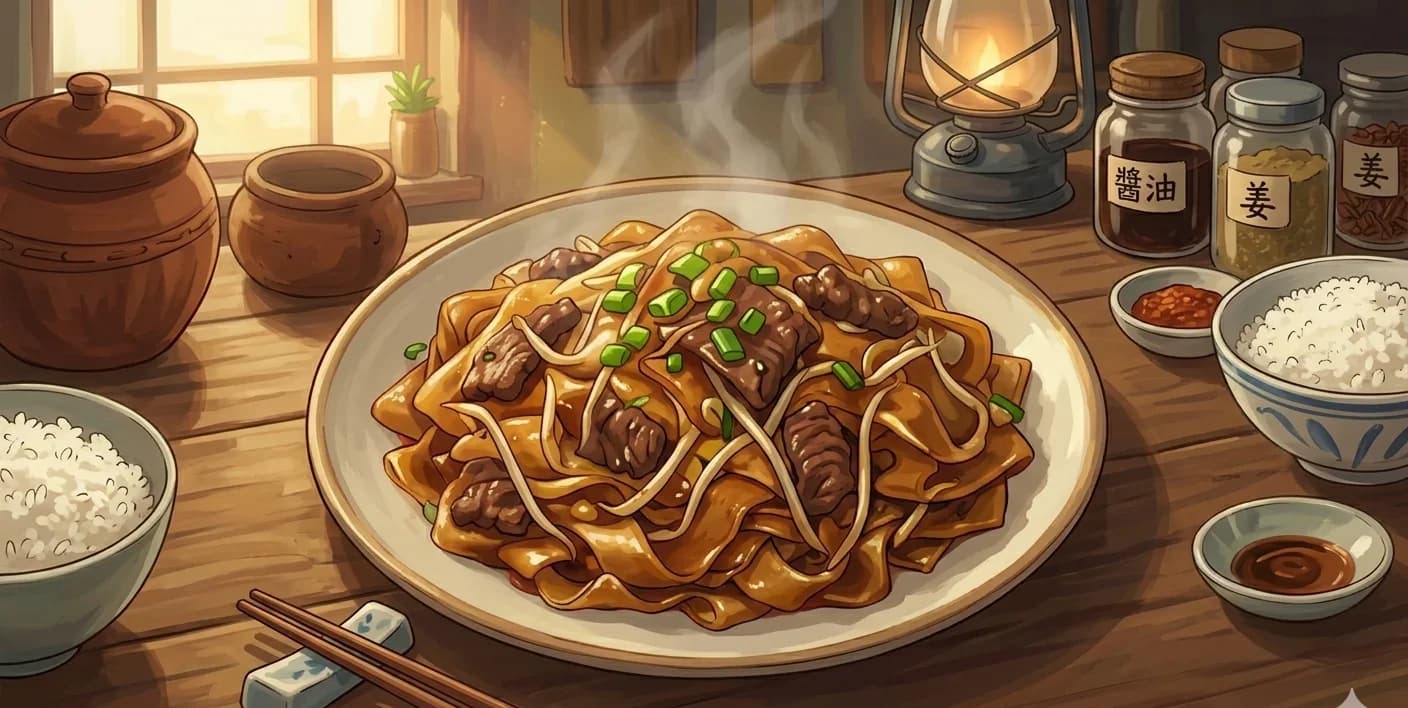

30-Minute Weeknight Dinners
Fast, satisfying meals from across Asia — every recipe on the table in 30 minutes or less. No shortcuts on flavor.
16 recipes
In the pantry
Ingredient Stories

Amchoor
tart, sour, fruity
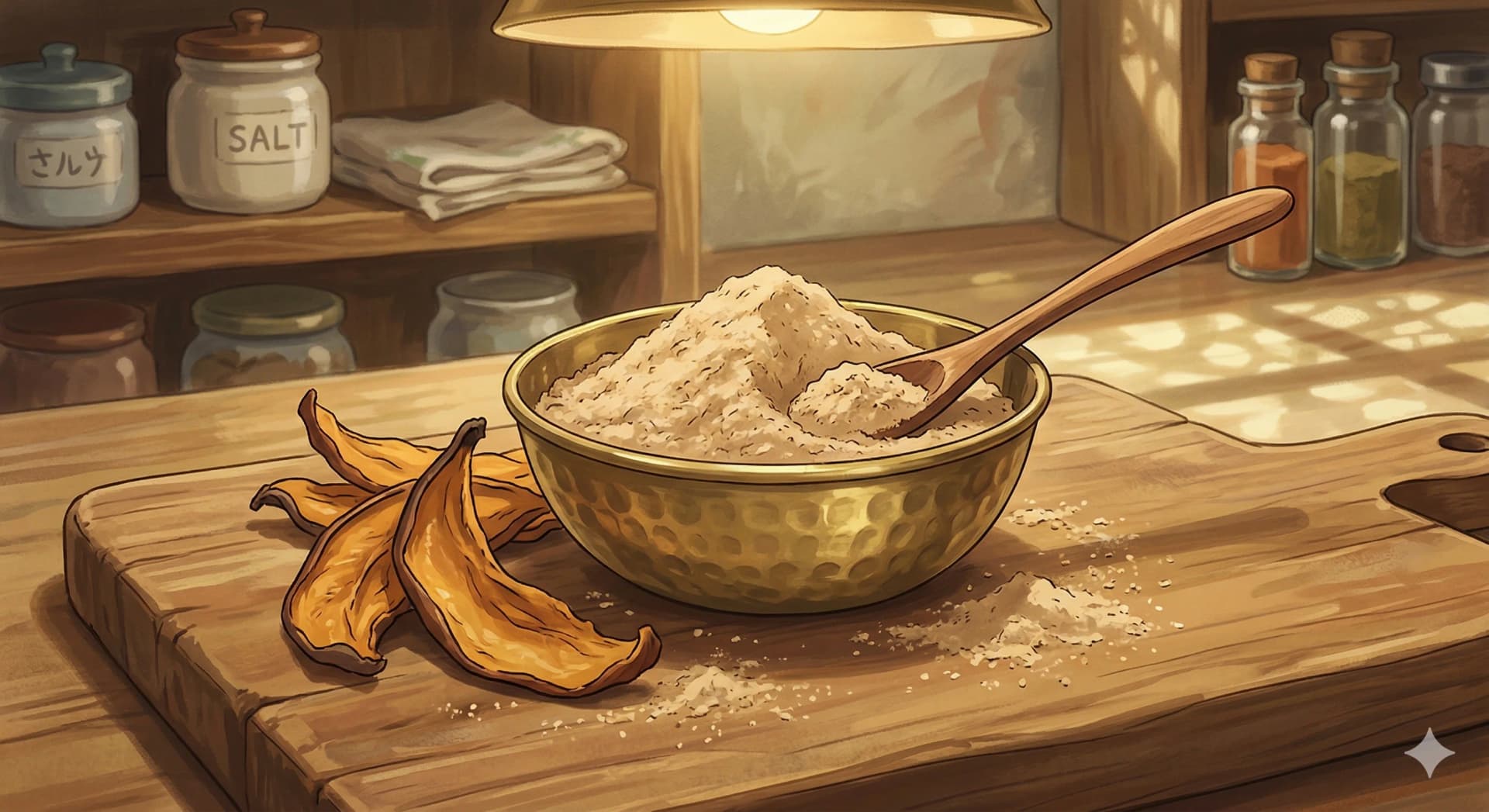
Amchoor is the dried and powdered form of raw, unripe green mangoes. The mangoes are sliced while still hard and sour, sun-dried over several days, and then ground into a fine beige-tan powder with a sharply fruity tartness. What makes amchoor irreplaceable in North Indian cooking is the quality of its sourness. Unlike fresh lemon or lime juice, amchoor adds tartness without adding moisture. This is critical in dry preparations where liquid would ruin the texture — a samosa filling seasoned with amchoor stays crisp and dry, and aloo tikki crust stays firm. > Amchoor provides dry sourness — the defining quality of an entire category of North Indian street food. The powder is deeply embedded in the vocabulary of North Indian spice blending. Chaat masala, the complex, tangy, slightly funky spice blend sprinkled over practically every form of street food from Delhi to Lahore, has amchoor as one of its structural pillars. Without it, chaat masala loses the fruity depth that distinguishes it from a simple salt-and-spice mixture. Key facts at a glance: - Adds sourness without moisture — essential for fried and dry preparations - Foundation of chaat masala — the signature North Indian street food spice blend - Contains mangiferin, a potent antioxidant compound unique to mango - Used in Ayurveda as a mild digestive stimulant - Best added at the end of cooking to preserve its fruity brightness

Amla
intensely sour, astringent, bitter
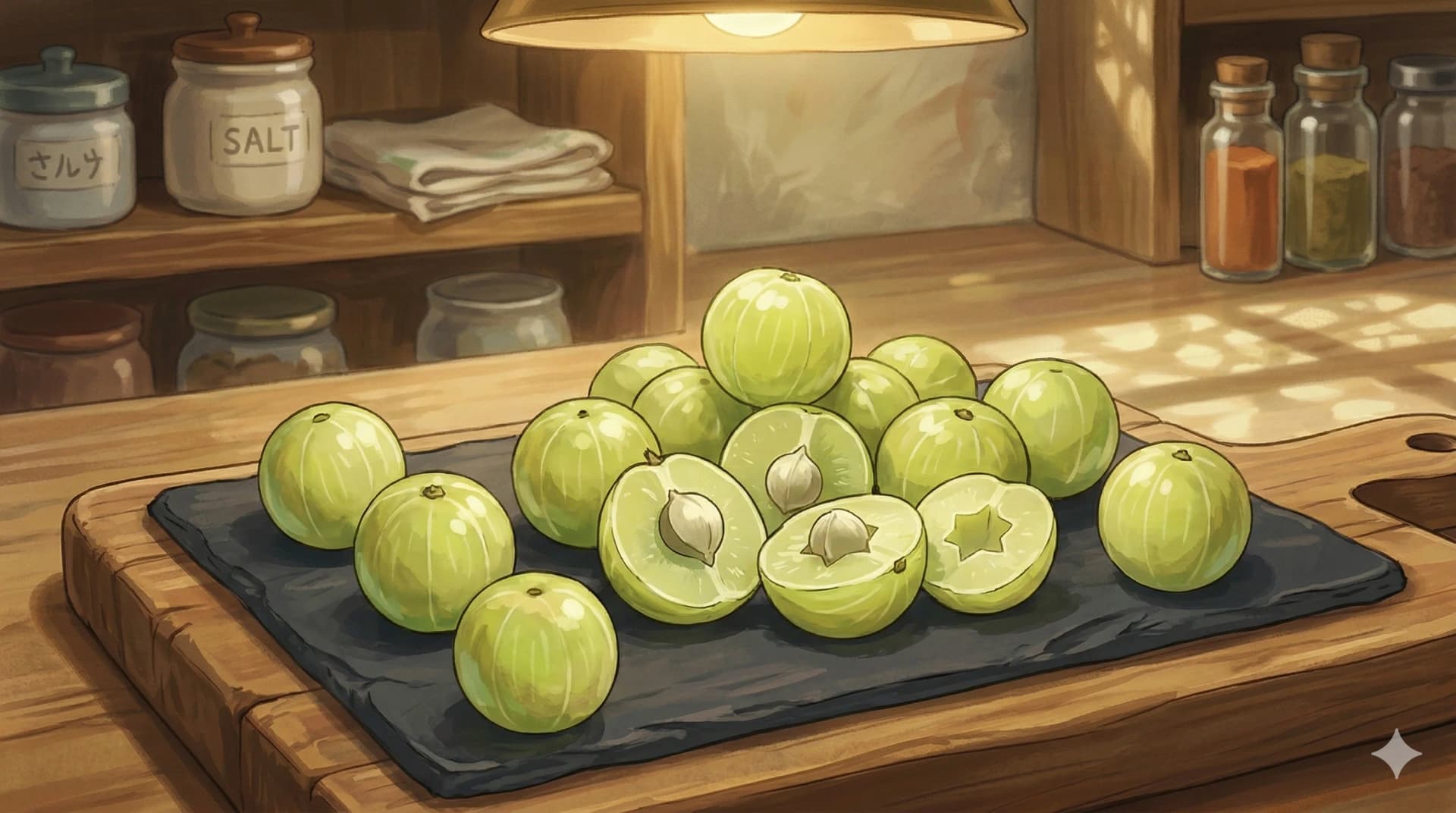
Amla is a small, pale green fruit native to India that occupies a central place in Ayurvedic medicine considered second only to ghee as a rasayana — a rejuvenating food that rebuilds the body's tissues. It is intensely sour, slightly astringent, and strongly bitter when raw, making it unusual as a functional food. Despite its challenging flavor, it is consumed daily across South Asia in powders, pickles, chutneys, and candies, often because people have been told its benefits since childhood.

Arrowhead Root
mildly starchy, slightly sweet, clean
Arrowhead root is a small, smooth-skinned aquatic tuber harvested in late autumn and winter from shallow ponds and paddy fields. The corm has a mildly starchy, slightly sweet flavor with a clean, earthy quality reminiscent of potato. It is a seasonal delicacy in Shanghainese and Cantonese cooking — available only in the colder months — and is one of the traditional New Year ingredients of the Yangtze Delta. > It is a seasonal delicacy in Shanghainese and Cantonese cooking — available only in the colder months — and is one of the traditional New Year ingredients of the Yangtze Delta. Slow-braised with pork fat and soy sauce until caramelized, it achieves extraordinary depth of flavor for such a humble root.

Asafoetida
pungent, sulphurous raw, onion-like when cooked
Asafoetida is one of the most extraordinary ingredients in the spice world: a dried gum resin extracted from the roots and rhizomes of Ferula plants, large perennial herbs native to the arid highlands of Afghanistan, Iran, and Central Asia. In its raw state, it is notorious for an aggressively sulphurous, almost unbearable odor that has earned it the medieval nickname "Devil's Dung." Yet within seconds of hitting hot oil, this same compound transforms into something savory, complex, and deeply reminiscent of slow-cooked onions and garlic. > In its raw state, it is notorious for an aggressively sulphurous, almost unbearable odor that has earned it the medieval nickname "Devil's Dung. This transformation is the central miracle of asafoetida. The spice is sold in two primary forms. Pure resin asafoetida is the raw, unprocessed gum, dark amber or gray-black in color, and extremely potent. Far more common in everyday cooking is compound asafoetida, a yellowish powder in which the resin has been mixed with wheat flour or rice flour as a carrier. This form is easier to measure, mellower in intensity, and more shelf-stable. However, the wheat flour version is not gluten-free, a critical distinction for those with celiac disease or gluten sensitivity who need to seek out specifically gluten-free hing. The amount used in cooking is tiny by almost any standard: a pinch the size of a match head is typically sufficient for a dish serving four. The scale of flavor relative to quantity is unlike almost any other spice, and this economy of use contributes to its mystique. Key facts at a glance: - The scale — Of flavor relative to quantity is unlike almost any other spice, and this economy of use contributes to its mystique. - The amount — Used in cooking is tiny by almost any standard: a pinch the size of a match head is typically sufficient for a dish serving four. - In its — Raw state, it is notorious for an aggressively sulphurous, almost unbearable odor that has earned it the medieval nickname "Devil's Dung. - This transformation — Is the central miracle of asafoetida. - The spice — Is sold in two primary forms. - Pure resin — Asafoetida is the raw, unprocessed gum, dark amber or gray-black in color, and extremely potent.

Ashwagandha
bitter, earthy, slightly sweet
Ashwagandha is one of the most important herbs in Ayurvedic medicine — classified as a rasayana, a rejuvenating agent meant to restore vitality and slow the effects of aging. The name means "smell of horse" in Sanskrit, referencing both its distinctive odor and the traditional belief that consuming it confers the strength and virility of a horse. Its root, when dried and powdered, is incorporated into tonics, warm milks, and medicinal preparations.

Astragalus Root
sweet, mild, bean-like
Astragalus root (huang qi, 黄芪) — pale yellow, flat slices of dried root that look like tongue depressors — is one of the most important tonic herbs in Traditional Chinese Medicine, used for over two thousand years to strengthen the body's defensive energy. The flavor is mildly sweet and faintly bean-like, without any bitterness or strong medicinal taste. This makes astragalus one of the easiest TCM herbs to incorporate into everyday cooking — it blends seamlessly into soups and broths, adding a gentle sweetness. In TCM, astragalus is classified as a qi tonic — specifically one that strengthens "wei qi" (defensive qi), the body's outer protective energy. This traditional understanding has driven significant modern research into astragalus's potential immunomodulatory properties. Key facts at a glance: - Premier qi and immune tonic in Traditional Chinese Medicine - Mildly sweet, no bitterness — one of the easiest medicinal herbs to cook with - Flat, pale yellow root slices — distinctive tongue-depressor shape - Over 2,000 years of documented use — one of the most researched TCM herbs - Not eaten directly — simmered in soups and removed before serving
Discover
Browse by Category
“Every culture that has ever cooked has known, instinctively, that food shapes how we feel.”
Start with what you eat.
Explore our curated collection of recipes and learn the story behind every ingredient — from ancient traditions to modern science.
We’re building this for you. Leave a comment or reach out.