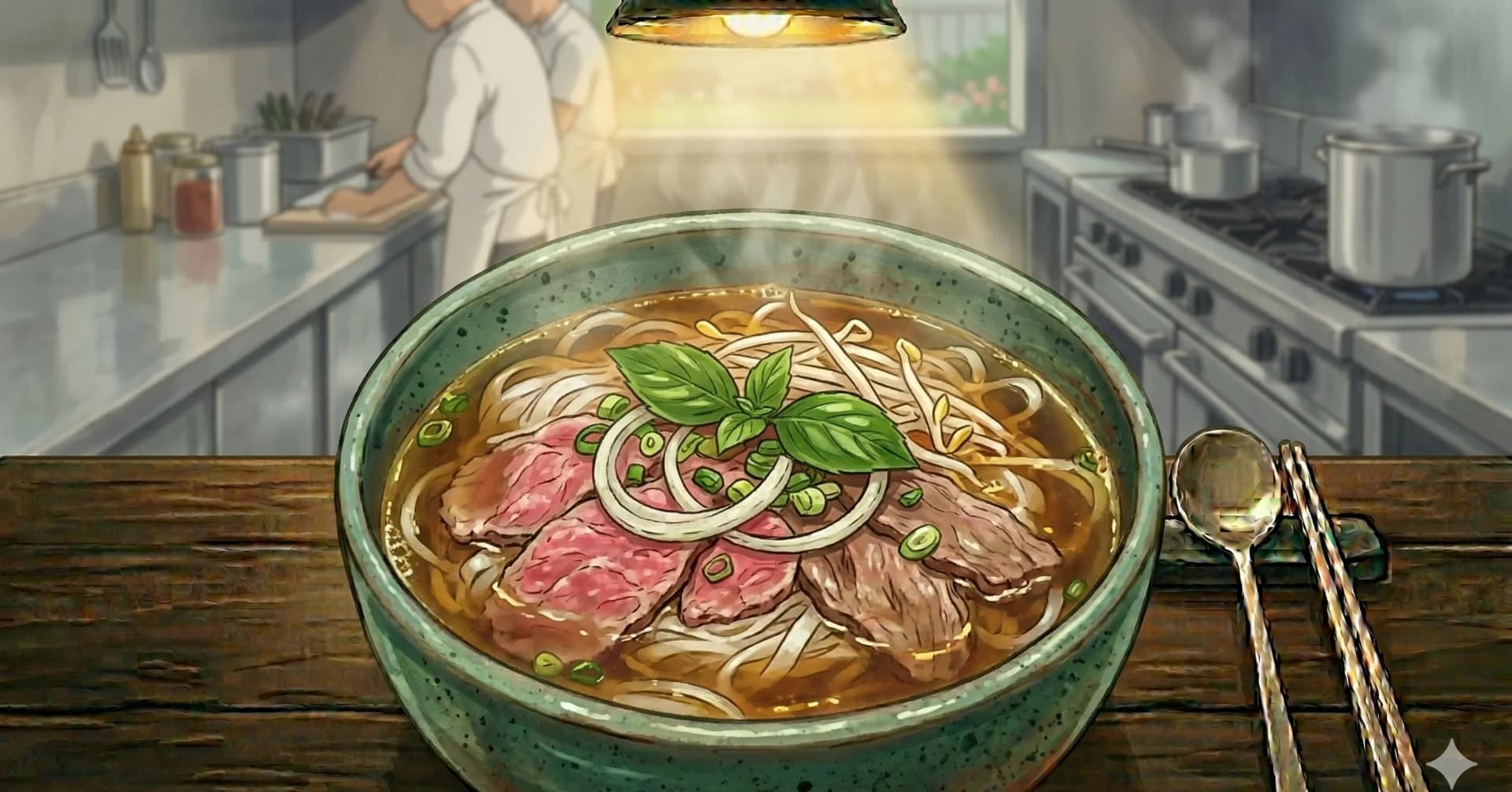
Vietnamese Cuisine
Beef Pho (Phở Bò)
Vietnamese beef noodle soup with charred aromatics, warm spices, and rice noodles
There is a reason pho is the first thing people seek upon landing in Vietnam. Before the noodles, before the herbs, before the thin slices of beef turn from red to blush in the hot liquid, there is the broth. It arrives steaming and impossibly clear, looking almost too light to hold the kind of flavour it carries. Then you taste it and understand that this clarity is the point. Hours of careful simmering, skimming, and restraint have produced something clean and concentrated, beefy and fragrant with cinnamon and star anise, savoury from fish sauce, barely sweet from rock sugar, and alive with the faint smokiness of charred onion and ginger. It is a soup that rewards patience more than technique.
Pho bo is the original pho, born in the early twentieth century in northern Vietnam, likely in the Nam Dinh province south of Hanoi, where French colonial demand for beef created a supply of bones that local cooks turned into soup. The dish migrated south after 1954, picking up more garnishes, more herbs, and a touch more sweetness along the way. Southern-style pho, the version most familiar outside Vietnam, arrives with a generous herb plate, bean sprouts, hoisin, and sriracha on the side. Northern pho comes leaner, with just scallions and a crack of black pepper, trusting the broth to do the talking. This recipe leans southern in its generosity of toppings but stays traditional in its broth, building everything from a combination of brisket, meaty bones, and marrow bones that together produce the three things a proper pho broth needs: deep beef flavour, savoury complexity, and a subtle hint of richness.
If you enjoy the meditative depth of long-simmered broths, you will find good company in bun bo hue, the spicier, more assertive beef noodle soup from central Vietnam, or bo kho, the fragrant beef stew that shares many of the same warm spices but takes them in a thicker, more stew-like direction.
At a Glance
Yield
6 servings
Prep
30 minutes
Cook
3 hours 45 minutes
Total
4 hours 15 minutes
Difficulty
Medium
Ingredients
Broth Ingredients
- 3¼ lbbeef brisket, in one or two large pieces
- 2¼ lbmeaty beef bones (neck bones, knuckle, or oxtail)
- 2¼ lbmarrow bones (leg or shin), cut to expose the marrow
- 3¾ qtwater
- 2large yellow onions, halved through the root
- 1⅔ cupfresh ginger (about 15 cm), split lengthwise
- 10star anise
- 4cinnamon sticks (cassia), each about 8 cm
- 4cardamom pods
- 3 wholecloves
- 1¾ tbspcoriander seeds (about 1 1/2 tablespoons)
- 2½ tspfennel seeds
- 2½ tbsprock sugar, or white sugar
- 1⅔ tspsalt, plus more to taste
- 2¾ tbspfish sauce, plus more to taste
Noodle Ingredients
- 1¾ ozdried flat rice noodles, medium width (or 120 g fresh rice noodles)
Beef Ingredients
- 1 ozbeef eye of round or tenderloin, very thinly sliced (see note below)
- 3to 5 slices cooked brisket from the broth
To Serve
- 7 ozbean sprouts
- 1 bunchThai basil
- 1 bunchfresh cilantro
- 2to 3 limes, cut into wedges
- 2to 3 fresh red chilies, thinly sliced
- 3scallions, thinly sliced
- —Hoisin sauce
- —Sriracha or other chili sauce
Method
- 1
Place the brisket, meaty bones, and marrow bones in a very large stockpot. Cover with cold water by several centimetres. Bring to a vigorous boil over high heat and let it roll for 5 minutes. The water will turn grey and murky with foam and impurities rising to the surface. This is exactly what you want to see. Drain the pot completely, then rinse each piece of bone and meat under running water, scrubbing off any clinging scum. Rinse the pot clean as well. This parboiling step is the single most important thing you can do for a clear, clean-tasting broth.
- 2
While the bones boil, char the aromatics. Heat a heavy skillet (cast iron is ideal) over high heat until it begins to smoke. Place the onion halves cut-side down and the ginger pieces flat-side down directly on the dry surface. Leave undisturbed for 3 to 4 minutes until deep black char marks develop. The kitchen will smell sweetly smoky. Flip and char the other side for another 2 minutes. Alternatively, char them directly over a gas flame using tongs, or under a broiler set to high. The charring adds a subtle smokiness to the broth and mellows the raw bite of the onion and ginger.
- 3
Toast the spices. In a dry skillet over medium heat, combine the star anise, cinnamon sticks, cardamom pods, cloves, coriander seeds, and fennel seeds. Shake the pan frequently, watching the colour closely. After about 3 minutes, when the spices are fragrant and the coriander seeds have darkened a shade, remove from heat. Transfer to a piece of cheesecloth, tie into a bundle, and set aside. If you do not have cheesecloth, a fine mesh spice ball or even a clean cotton tea towel tied with kitchen string will work. Keeping the spices bundled makes straining the broth far easier.
- 4
Return the cleaned bones and brisket to the clean pot. Pour in 3.5 litres of fresh water and bring to a boil over high heat. Add the charred onions, charred ginger, spice bundle, rock sugar, and salt. The water should just barely cover everything. If not, add a little more. Reduce heat to a gentle simmer, with just a few lazy bubbles breaking the surface every few seconds. Cover with the lid slightly ajar and simmer for 3 hours. During the first 30 minutes, check back occasionally to skim any foam or fat that rises. A clear broth requires this early attention.
- 5
After 3 hours, check the brisket. It should be very tender when pierced with a fork but still holding its shape. Remove it from the pot, transfer to a bowl, and cover with a ladleful of broth to keep it moist. Let it cool, then refrigerate until assembly time. Some of the brisket's flavour has gone into the broth, but thin slices of it will still taste beefy and satisfying in the finished bowl.
- 6
Continue simmering the broth with just the bones, uncovered, for another 40 minutes. This final reduction concentrates the flavour and allows the marrow and remaining collagen to dissolve fully into the liquid.
- 7
Strain the broth through a fine mesh strainer (lined with cheesecloth if you want perfect clarity) into a clean pot. Discard the bones, aromatics, and spice bundle. You should have about 2.5 litres of broth. If you have significantly more, simmer uncovered to reduce. If less, add a little water. Stir in the fish sauce. Taste carefully. The broth should be deeply beefy, fragrant with warm spices (star anise and cinnamon should be present but not dominant), savoury from the fish sauce, and just barely sweet. Adjust salt, fish sauce, and sugar until it tastes balanced and full. Keep the broth at a gentle simmer while you prepare the bowls.
- 8
Prepare the rice noodles according to the package directions. Dried noodles typically need a 6 to 8 minute soak in boiling water, then a brief drain. Fresh noodles just need a quick blanch. Use medium-width flat noodles, not the thin vermicelli used for bun dishes or the wide sheets used for pad see ew.
- 9
Slice the raw beef for topping. Partially freeze the eye of round or tenderloin for about 30 minutes to firm it, then slice as thinly as you possibly can, cutting against the grain. The slices should be nearly translucent. Slice the cooked brisket thinly as well, against the grain.
- 10
Assemble each bowl. Place a portion of drained noodles into a deep bowl. Arrange the raw beef slices and cooked brisket slices on top. Scatter a few scallion rings over the meat. Bring the broth to a rolling boil, then ladle about 400 ml of it directly over the raw beef. The boiling broth will cook the thin slices to a soft pink in seconds. If you prefer your beef more cooked, briefly dunk the slices in the simmering broth pot for 10 seconds before placing them in the bowl. Serve immediately with the herb plate alongside and hoisin and sriracha on the table.
Key Ingredient Benefits
Beef bones and marrow: Long-simmered bone broth extracts collagen, which converts to gelatin during cooking and gives the broth its characteristic body. The broth also contains minerals leached from the bones, including calcium, magnesium, and phosphorus, though the concentrations are more modest than often claimed. Marrow is rich in monounsaturated fats (oleic acid, the same fat predominant in olive oil) and contains small amounts of conjugated linoleic acid. In Vietnamese and Chinese traditional medicine, bone broth is considered a nourishing, warming food associated with strengthening the body during recovery.
Star anise (Illicium verum) is the dominant spice in pho and one of the oldest spices in Vietnamese cooking. Its primary flavour compound, anethole, gives it its distinctive liquorice-like warmth. Star anise is a key component of Chinese five-spice powder and appears in traditional Chinese medicine as a warming digestive. The spice also contains shikimic acid, a precursor used in the synthesis of certain antiviral medications. In pho, star anise should be present but restrained, a background warmth rather than an assertive flavour.
Cassia cinnamon (Cinnamomum cassia) is the cinnamon variety used in pho, distinct from the milder Ceylon cinnamon. It contains higher concentrations of cinnamaldehyde, which gives it its assertive, spicy-sweet flavour. Cassia also contains coumarin, a naturally occurring compound that can stress the liver in very large doses, though the amounts present in a bowl of pho are negligible. In Vietnamese herbal traditions, cinnamon bark is associated with warming the body and promoting circulation.
Ginger (Zingiber officinale) contributes gingerols and shogaols, compounds that give it its pungent warmth. Charring the ginger before simmering converts some of the gingerols to zingerone, which has a sweeter, less sharp flavour profile. Ginger has one of the strongest bodies of evidence among culinary spices for digestive benefits, particularly for nausea relief.
Fish sauce (nuoc mam) is the backbone of Vietnamese seasoning, made from small fish (typically anchovies) fermented with salt for 12 to 24 months. High-quality fish sauce is rich in naturally occurring glutamate, the amino acid responsible for umami perception. It also provides small amounts of protein and B vitamins. Sodium content is significant, so add gradually and taste as you go.
Thai basil (Ocimum basilicum var. thyrsiflora) has a distinctive anise-like aroma from its high concentration of estragole and linalool. In Southeast Asian traditional medicine, basil is considered a cooling herb that aids digestion. It is added raw at the table rather than cooked, which preserves its volatile aromatics and gives each bite of pho a burst of freshness.
Why This Works
The combination of brisket, meaty bones, and marrow bones is not arbitrary. Each contributes something different. Brisket has the most concentrated beef flavour of any slow-cooking cut and releases it steadily into the broth over hours. Meaty bones (neck or knuckle) contribute gelatin from their connective tissue, which gives the broth a silky body that you feel on your lips. Marrow bones add a subtle richness, a thin layer of fat that catches the light and carries the spice flavours across your palate. Using only bones, a common shortcut in many online recipes, produces a broth that is hollow in comparison.
Parboiling the bones and meat before building the broth removes blood, denatured proteins, and other impurities that would otherwise cloud the liquid and leave it tasting muddy. This quick boil-and-rinse is universal among Vietnamese pho cooks and Chinese stock makers. Starting with clean bones in fresh water produces the distinctive clarity that separates pho broth from a Western-style brown stock.
Charring the onions and ginger caramelises their sugars and creates Maillard compounds that add a layer of smoky sweetness without any actual smoke. The charring also breaks down the cell walls, allowing the aromatic compounds to release more fully into the broth during the long simmer. This step is one of the defining techniques of pho and shows up in virtually every traditional recipe from Vietnam.
Toasting the spices before simmering them activates fat-soluble flavour compounds (anethole in star anise, cinnamaldehyde in cinnamon, linalool in coriander) by breaking down cell walls and driving off surface moisture. The brief, dry heat intensifies and rounds the flavours, preventing the raw, sharp edge that untoasted spices can contribute.
The fennel seeds, borrowed from some southern Vietnamese and restaurant-style recipes, add a gentle anise-like sweetness that complements the star anise without duplicating it. Fennel contributes a softer, more herbal note that rounds out the spice profile.
Adding fish sauce at the end rather than during simmering preserves its nuanced fermented flavour. Fish sauce added too early can develop a slightly flat, cooked-out quality. Late addition keeps it bright and layered.
Substitutions & Variations
Bone selection: If you cannot find all three types of bones, prioritise brisket and meaty bones. The marrow bones add richness but are less critical for overall flavour. Oxtail is an excellent substitute for meaty bones and adds exceptional gelatin. Boneless beef short ribs can stand in for brisket.
Spices: The core pho spices are star anise and cinnamon. Cardamom, cloves, coriander seeds, and fennel seeds are supporting players. If you are missing one or two of the secondary spices, the broth will still taste like pho. Pre-made pho spice bags (available at Asian grocers) are a reasonable shortcut, though toasting your own whole spices produces better results.
Rock sugar: White sugar works fine. Palm sugar adds a slightly deeper caramel note. The total amount of sweetness should be subtle, just enough to balance the savoury elements without the broth tasting sweet.
Fish sauce: Light soy sauce is the closest substitute, though the flavour profile shifts slightly. Use about 30 ml of soy sauce in place of 40 ml of fish sauce and adjust salt separately.
Raw beef topping: If the idea of rare beef in your soup is unappealing, simply dunk the sliced beef in the simmering broth for 10 seconds before adding it to the bowl. It will cook through completely and still taste tender.
Chicken version: For pho ga, replace the beef and bones with a whole chicken (about 1.5 kg) and use the same aromatics and spice bundle. Simmer for 1 hour, remove the chicken, shred the meat, and strain the broth. The result is lighter and more delicate.
Pressure cooker: An Instant Pot or similar pressure cooker can reduce the broth time to about 45 minutes at high pressure. The broth will be slightly less clear but well-flavoured. Clean the bones with a salt rub rather than parboiling if you prefer, following Vicky Pham's Instant Pot method.
Spicier broth: For a bolder, more assertive bowl, look to bun bo hue, which adds lemongrass, shrimp paste, and annatto oil to the broth. Or explore boat noodles, the Thai beef noodle soup that uses dark soy and sometimes blood for a deeper, more intense experience.
Serving Suggestions
Pho bo is a complete meal in a bowl. The broth, noodles, beef, and herbs provide everything you need. Serve it the traditional way: bowls of soup come out with just noodles, meat, and broth, and everything else arrives on a shared plate for people to add as they eat. The bean sprouts go in for crunch, the Thai basil and cilantro for freshness, the lime for brightness, the chili for heat, and the hoisin and sriracha for those who want a sweeter or spicier bowl. Encourage people to taste the broth on its own first, before adding anything, to appreciate the hours of work that went into it.
For a Vietnamese table spread, pair pho with goi cuon (fresh spring rolls) as a light starter, or set out a plate of cha gio (fried spring rolls) for contrast. Leftover brisket from the broth can be shredded and caramelised in a pan with garlic and a splash of fish sauce for an excellent side.
If you are exploring the broader world of Southeast Asian noodle soups, tom yum goong offers a sharply different experience, built on sour and spicy rather than deep and savoury, while khao soi goes in the opposite direction with a rich coconut curry broth. Together, these soups map the extraordinary range of what a bowl of broth and noodles can become.
Storage & Reheating
Broth: Keeps in a sealed container in the refrigerator for up to 5 days. A layer of fat will solidify on the surface when cold. You can leave it as a natural seal or skim it off before reheating. The broth freezes exceptionally well for up to 3 months. Freeze in portioned containers (about 400 ml per serving) for easy weeknight bowls.
Cooked brisket: Store in the refrigerator, submerged in a little broth, for up to 4 days. Slice cold (it cuts more cleanly when chilled) and warm the slices in the hot broth when serving.
Noodles: Cook fresh for each serving. Leftover rice noodles become gummy and sticky and do not reheat well.
Herb plate and toppings: Prepare fresh. Bean sprouts, basil, and lime wedges lose their crunch and brightness within hours of cutting.
Reheating: Bring the broth to a full boil before ladling over noodles and beef. The broth needs to be genuinely hot to cook the raw beef slices and to warm the noodles through. Add a small splash of fish sauce after reheating if the flavour has flattened.
Cultural Notes
Phở bò, Vietnamese beef noodle soup, is Vietnam's most internationally recognized dish and one of the most successful culinary exports of any single national cuisine in the 20th century. The origin is traced to the early 20th century in the Red River Delta region of northern Vietnam, especially Nam Định province and the villages around it, where it emerged sometime between 1900 and 1915. The recipe is a fusion of three traditions at once: indigenous Vietnamese cooking, French colonial beef-consumption patterns (the French administration brought beef into the Vietnamese diet in real volume), and Chinese influences carried in by immigrant labor populations.
The regional split inside Vietnam is sharp and culturally meaningful. Phở Bắc, the northern style centered in Hanoi, is the older form. The broth is clean and clear with restrained spicing. There is no added sugar. The noodles are flat and narrow. The garnish at the table is minimal: sliced raw beef, scallions, ginger, and not much else. Phở Nam, the southern style centered in Saigon, is the more elaborate restaurant version most foreign diners encounter. Wider rice noodles. A heavier spice profile with cinnamon and star anise pushed forward. Rock sugar added to the broth. A full table-garnish lineup of bean sprouts, basil, lime, chilies, hoisin sauce, and sriracha. The two styles are different enough that you could reasonably treat them as separate dishes.
The international rise of phở followed Vietnamese refugee migration after the fall of Saigon in 1975. Vietnamese refugees arriving in California, Texas, Louisiana, Massachusetts, Toronto, Sydney, Paris, and other cities opened restaurants that featured phở as the signature item, and through the 1980s and 1990s Western consumers gradually learned the soup. By the 2000s, phở had crossed from ethnic-Vietnamese restaurants into mainstream Western food culture. Anthony Bourdain segments, food magazine features, and a growing number of non-Vietnamese chefs running phở variations all played a part. The Oxford English Dictionary added phở as an English word in 2011.
Inside Vietnam, phở is a 24-hour dish. Dedicated phở shops in every city operate from 5 AM through late at night. The bowl is breakfast, lunch, dinner, and a 2 AM after-work meal all at once, depending on who you ask.
Nutrition Facts
Calories: 420kcal (21%)|Total Carbohydrates: 40g (15%)|Protein: 35g (70%)|Total Fat: 14g (18%)|Saturated Fat: 4g (20%)|Cholesterol: 72mg (24%)|Sodium: 780mg (34%)|Dietary Fiber: 0g (0%)|Total Sugars: 2g
You Might Also Like
 Medium
Vietnamese Cuisine
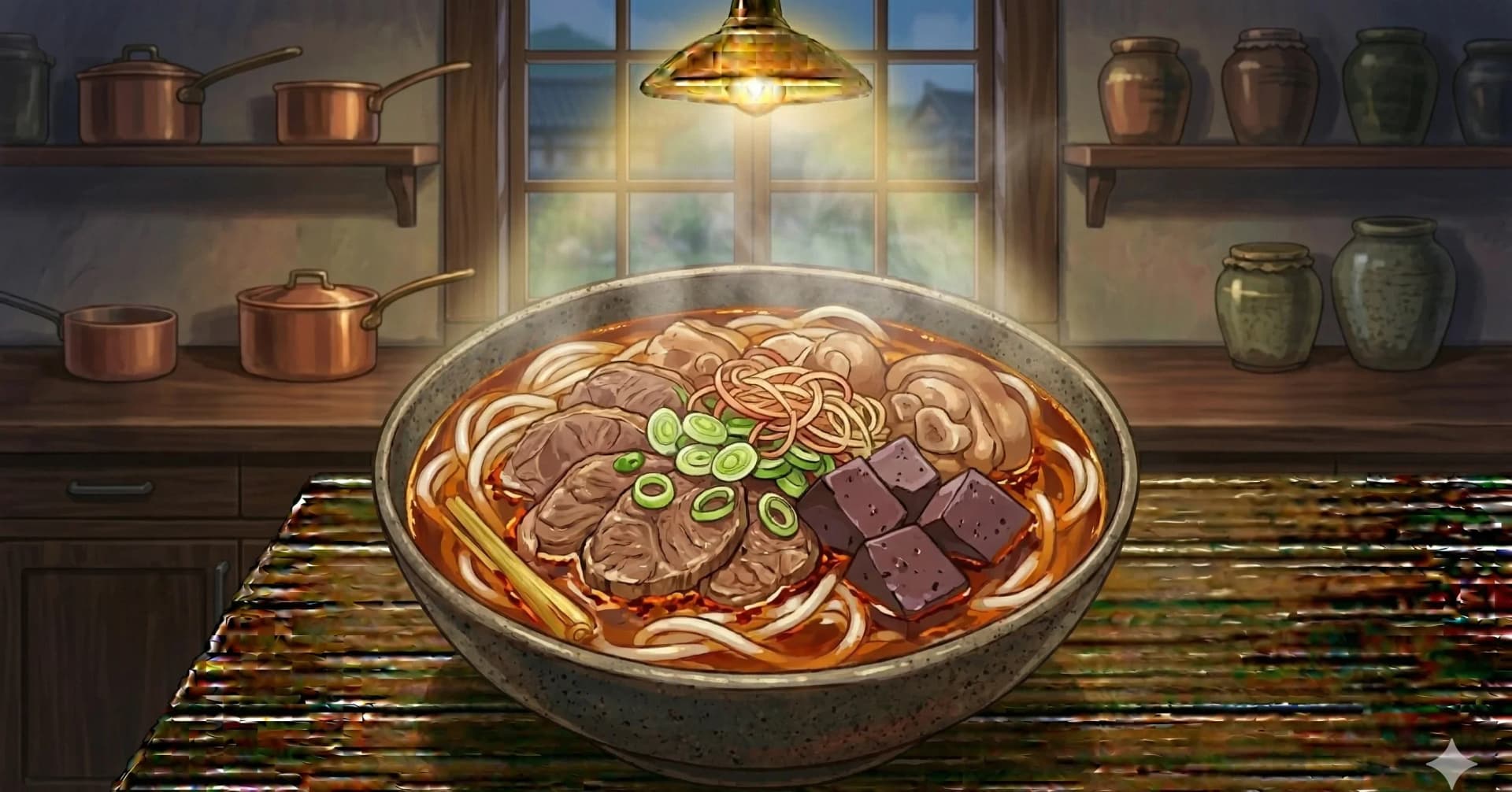
Spicy Beef Noodle Soup (Bún Bò Huế)
3 hours 45 minutes
 Easy
EasyVietnamese Cuisine
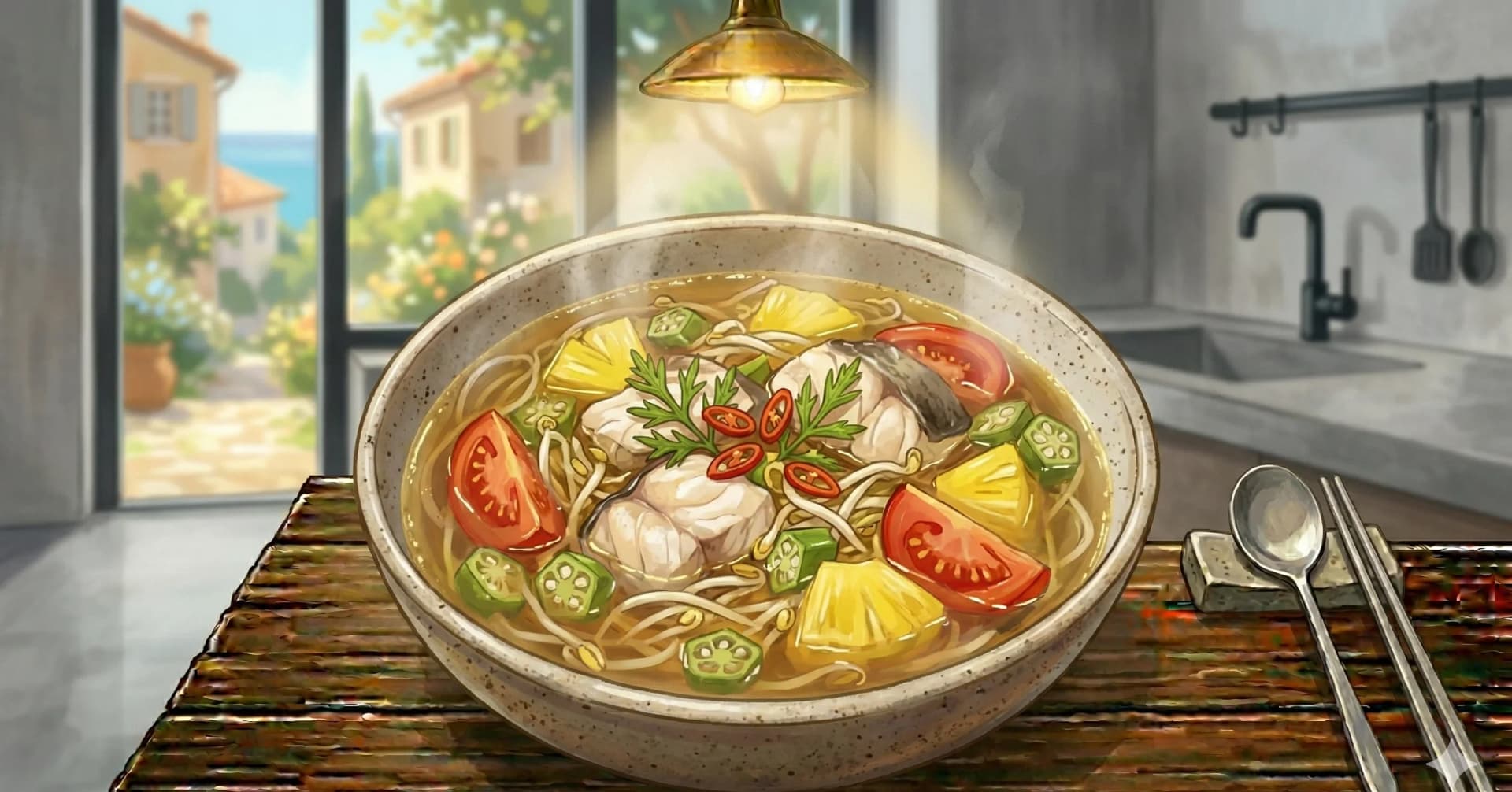
Canh Chua Cá (Vietnamese Sweet and Sour Fish Soup)
35 minutes
 Medium
Thai Cuisine
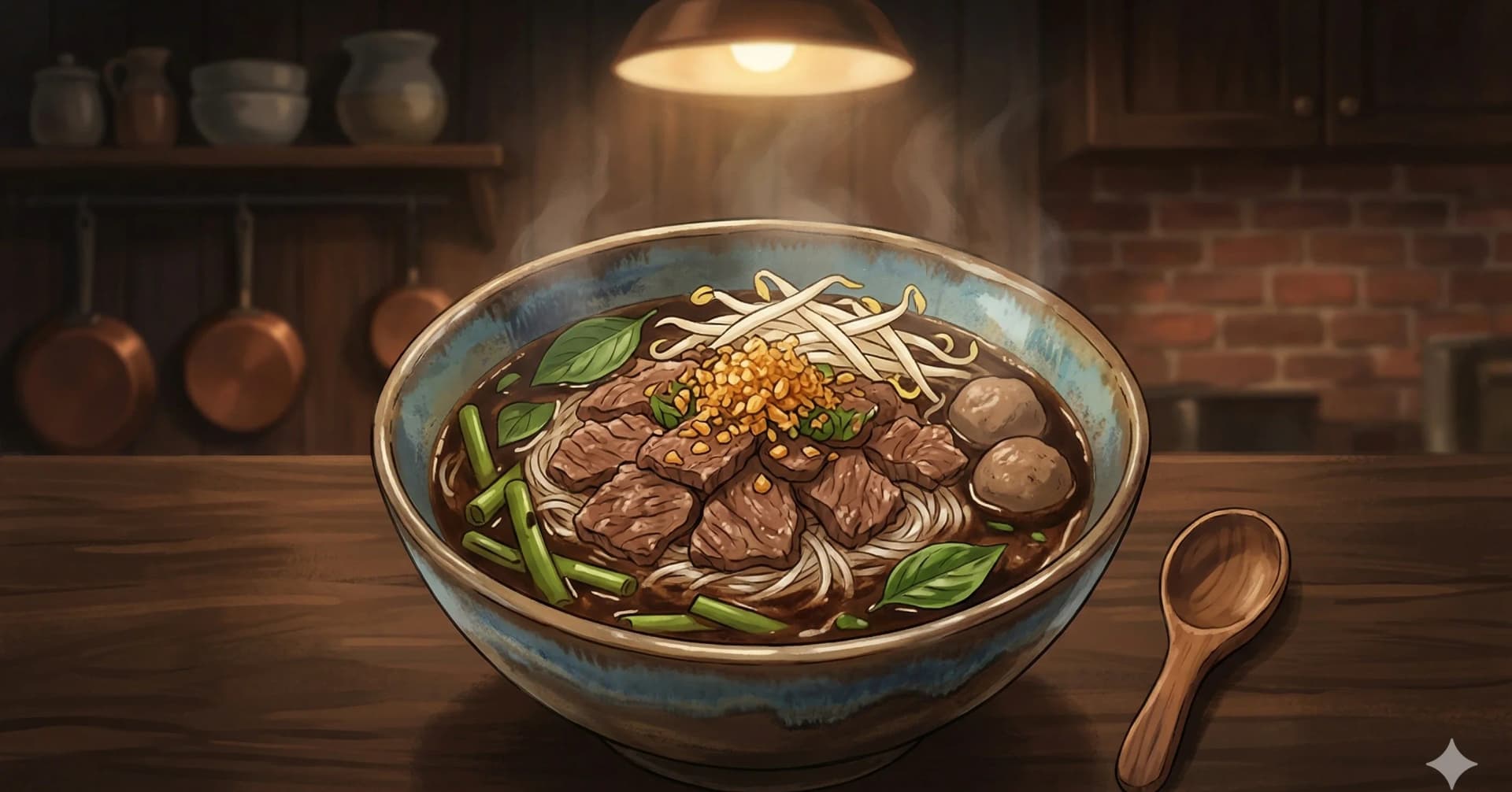
Boat Noodles (ก๋วยเตี๋ยวเรือ)
3 hours 15 minutes
 Medium
Vietnamese Cuisine
Bun Rieu (Vietnamese Crab and Tomato Noodle Soup)
2 hours
Ratings & Comments
Ratings & Comments
Ratings
Share your thoughts on this recipe.
Sign in to rate and comment