Vietnamese Cuisine
Chicken Pho (Phở Gà)
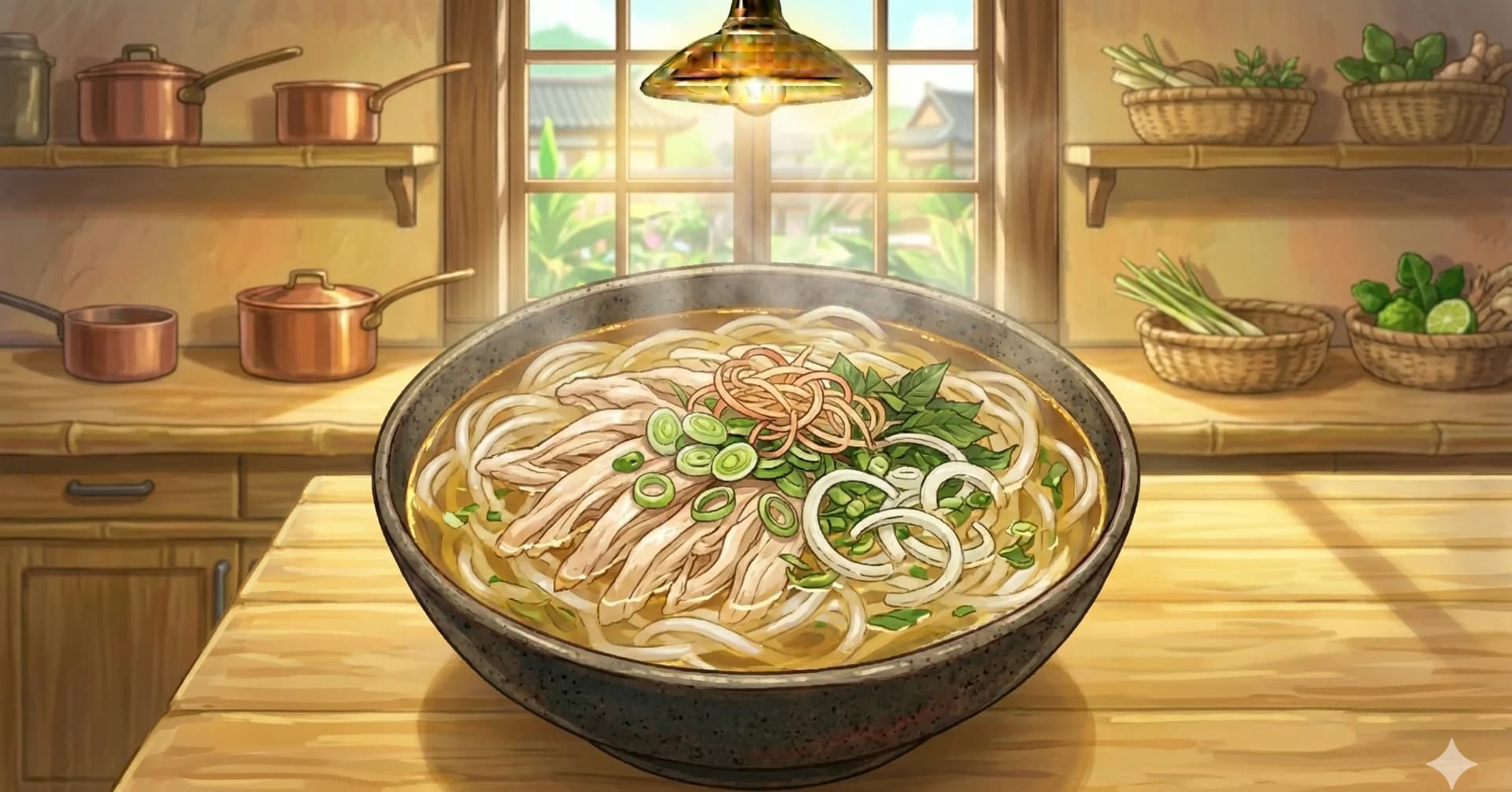
Vietnamese chicken noodle soup with charred ginger and onion, warm spices, and a clear golden broth ladled over rice noodles and fresh herbs
Pho ga is the lighter sibling of pho bo, the beef noodle soup that most of the world encounters first. Where pho bo relies on hours of bone extraction to build a dark, beefy depth, pho ga reaches its peak in about ninety minutes. The broth is golden rather than mahogany, clean on the palate, and perfumed with the same constellation of warm spices: star anise, cinnamon, cloves, coriander, and fennel. The difference is the protein. Bone-in chicken thighs give up their collagen quickly, and the meat stays moist enough to shred into satisfying pieces that drape across the noodles.
Two details separate a good pho ga from a forgettable one. The first is charring. Halved onions and sliced ginger go face-down into a ripping hot pan until they blacken, and that char sweetens the broth and darkens its colour in a way that raw aromatics never will. The second is restraint at the stove. A hard boil turns the broth cloudy and coarse. A bare simmer, lid slightly ajar, produces a broth that is clear, glossy, and full of body. Skim occasionally, keep the heat low, and trust the time.
Pho ga is comfort food in Vietnam for the same reasons chicken soup is comfort food everywhere: it is warm, nourishing, and gentle on the stomach. It appears at breakfast stalls, at bedsides during illness, and at family tables on cool evenings. If you have made samgyetang or tom kha gai, you already understand how chicken and aromatics can produce something far greater than the sum of their parts. This version rewards patience with a bowl of quiet, golden clarity.
At a Glance
Yield
4 to 6 servings
Prep
15 minutes
Cook
1 hour 30 minutes
Total
1 hour 45 minutes
Difficulty
Easy
Ingredients
Broth Ingredients
- 3¼ lbbone-in (about 6–8 pieces), skin-on chicken thighs
- 2 qtwater
- 2medium yellow onions, halved (skin left on)
- 1 piecefresh ginger, sliced into 5 mm rounds (about 5 cm), unpeeled
- 1 tbspneutral oil (vegetable or canola)
- 5 wholestar anise
- 1cinnamon stick (about 8 cm)
- 4 wholecloves
- 2 tspcoriander seeds
- 2 tspfennel seeds
- 1small bunch cilantro stems (reserve the leaves for garnish)
- 2¾ tbspfish sauce, plus more to taste
- 2 tbsprock sugar or white sugar
- ⅔ tspsalt (about 3/4 teaspoon kosher salt)
Noodle Ingredients
- ¾ lbdried flat rice noodles (banh pho, about 3 mm wide), or 600 g fresh
To Serve
- 2scallions, thinly sliced
- 5½ ozbean sprouts (about 3 generous handfuls)
- 1small bunch Thai basil
- 1small bunch fresh mint
- 1small bunch cilantro leaves
- 2limes, quartered
- —Hoisin sauce
- —Sriracha or Vietnamese chili sauce
- 1to 2 fresh red chilies, thinly sliced (optional)
Method
- 1
Heat the oil in a 6-litre stockpot over high heat until it shimmers. Place the onion halves cut-side down and the ginger slices flat against the bottom of the pot. Leave them undisturbed for about 2 minutes until the surfaces blacken and the kitchen fills with a sweet, smoky smell. Flip and char the other side for another 2 minutes. The deep browning is essential, so do not move them too early.
- 2
Add the water and all of the broth ingredients: the chicken thighs, star anise, cinnamon stick, cloves, coriander seeds, fennel seeds, cilantro stems, fish sauce, sugar, and salt. Bring the liquid to a simmer over medium-high heat, then immediately reduce to the lowest setting that still holds a bare, lazy bubble. Set the lid slightly ajar.
- 3
Skim any grey foam and fat that rises to the surface during the first 10 to 15 minutes. This step is what keeps the broth clear and clean-tasting. After that initial skim, the foam slows considerably. Let the broth simmer gently for 1 hour and 15 minutes total. The chicken should be tender enough that it pulls easily from the bone when tested with tongs.
- 4
Remove the chicken pieces to a plate and let them cool for a few minutes until you can handle them. Shred the meat into bite-sized strips using two forks or your fingers, discarding the skin and bones. Set the shredded chicken aside, loosely covered.
- 5
Strain the broth through a fine mesh strainer into a clean pot, pressing gently on the solids to extract their flavour, then discard the spent aromatics. You should have about 1.5 litres of broth. If you have significantly more, simmer uncovered to concentrate the flavour. If less, add a little water. Taste and adjust with more fish sauce for salinity or a pinch of sugar for sweetness. The broth should taste just slightly saltier than you want, because the noodles will absorb some seasoning and dilute it.
- 6
While the broth simmers in its final minutes, prepare the noodles according to the package directions, usually by soaking dried rice noodles in boiling water for 6 to 8 minutes until just tender but still slightly chewy at the centre. Drain thoroughly and rinse briefly with warm water to prevent sticking. Thorough draining matters, as waterlogged noodles will dilute your carefully built broth.
- 7
Arrange the bean sprouts, Thai basil, mint, cilantro, lime wedges, sliced chilies, hoisin, and sriracha on a large plate or board for the table. This herb plate is not a garnish but an essential part of the dish, and each person builds their bowl to taste.
- 8
Divide the drained noodles among deep bowls. Top with a generous mound of shredded chicken, then ladle about 375 ml of hot broth over each serving, enough to nearly submerge the noodles. Scatter sliced scallions over the top. Serve immediately, inviting everyone to add herbs, bean sprouts, a squeeze of lime, and condiments as they like.
Key Ingredient Benefits
Chicken thighs (bone-in, skin-on): Dark meat withstands long simmering without drying out. The bones contribute gelatin, and the skin adds a small amount of fat that enriches the broth. You discard both after cooking, so the final shredded chicken is relatively lean. Chicken provides complete protein and is a source of B vitamins, particularly niacin and B6.
Star anise: The signature spice of pho, contributing its warm, liquorice-like aroma. It contains anethole, which has been studied for antimicrobial and anti-inflammatory activity in laboratory settings. It is used whole and strained out, so you consume only the compounds that dissolve into the broth.
Ginger: Fresh ginger contains gingerols, which convert to shogaols when heated. Both compounds have been traditionally associated with digestive comfort and warmth in Vietnamese and Chinese herbal medicine. Charring the ginger mellows its raw bite and adds sweetness.
Fish sauce: The primary seasoning in Vietnamese cooking, providing glutamates and other umami compounds that deepen the broth beyond what salt alone could achieve. High in sodium, so add it gradually and taste as you go. Vietnamese brands like Red Boat or Three Crabs are widely recommended.
Rice noodles: Naturally gluten-free, made from rice flour and water. They absorb broth readily, which is why thorough draining before assembly matters. Fresh banh pho has a more supple texture than dried but is harder to find outside of Vietnamese grocery stores.
Why This Works
Charring the onion and ginger before they enter the broth is the single most important technique in pho. The Maillard reaction at the charred surface produces hundreds of new flavour compounds, adding caramel sweetness and a faint smokiness that rounds out the broth. Without it, the soup tastes thinner and one-dimensional.
Using bone-in, skin-on chicken thighs rather than breast or boneless cuts provides both collagen and fat. The collagen dissolves into gelatin over the long simmer, giving the finished broth a silky body that coats the noodles and clings to the palate. The fat carries the volatile flavour compounds from the spices, making each sip more aromatic than a lean broth would be.
Toasting the whole spices directly in the broth rather than blooming them separately keeps the process simple without sacrificing flavour. Star anise, cinnamon, cloves, coriander, and fennel form the traditional five-spice backbone of pho. They are used whole so they release their oils gradually and can be strained out cleanly, avoiding the cloudy, gritty quality that ground spices would produce.
Straining and adjusting the broth at the end gives you precise control. The broth concentrates as it reduces, and a final taste for salt, sweetness, and fish sauce depth ensures that every bowl arrives properly seasoned. Seasoning slightly above your target accounts for the dilution that happens when noodles and cold toppings enter the hot broth.
Substitutions & Variations
Whole chicken: A whole 1.5 kg chicken produces a richer broth and a mix of white and dark meat. Simmer it whole, removing the breast meat after 25 to 30 minutes (when it reaches 74C internally) and returning the rest to the pot for the full cooking time. This gives you tender breast slices alongside the shredded dark meat.
Pressure cooker method: For a faster version, char the aromatics as directed, then combine everything in a pressure cooker and cook on high pressure for 25 minutes with a natural release. The broth will not be quite as clear, but the depth of flavour is remarkable for the time invested. This approach draws from Daniel Gritzer's pressure cooker pho ga technique.
Spice blend: Some cooks add 2 to 3 whole cardamom pods to the broth for a more complex fragrance. Others include a small piece of dried liquorice root, a traditional addition in northern Vietnamese pho. Start with the core five spices and experiment from there.
Noodles: If you cannot find flat rice noodles, thin rice vermicelli (bun) works well. The texture will be different, closer to bun thang, but still satisfying. Egg noodles are not traditional but produce a hearty bowl.
Protein swap: Turkey legs or thighs work as a direct substitute, particularly after a holiday. Duck legs produce a richer, gamier broth that is less traditional but delicious.
Lighter broth: For a cleaner, more delicate version, blanch the chicken in boiling water for 2 minutes, drain, and rinse before starting the broth. This removes impurities and produces a very clear soup with less skimming required. Some Vietnamese cooks consider this step essential.
Serving Suggestions
Pho ga is a complete meal in itself, needing nothing more than the herb plate and condiments on the table. If you want to build a larger Vietnamese spread, start with fresh spring rolls or set out a plate of sliced cucumbers and pickled daikon alongside. For a soup-focused dinner exploring how different Asian traditions treat chicken broth, serve smaller portions of pho ga next to bowls of canh ga gung, the simpler Vietnamese ginger chicken soup, or alongside chao ga, a Vietnamese chicken rice porridge that showcases rice as the starch rather than noodles. A side-by-side tasting with samgyetang reveals how Korean cooks build a similarly nourishing chicken soup using ginseng and glutinous rice instead of warm spices and flat noodles. Leftover broth is excellent as the base for a quick egg drop soup the following day, or poured over plain steamed rice as a simple, restorative meal.
Storage & Reheating
Refrigerator: Store the broth and chicken separately in airtight containers for up to 4 days. Keeping them apart prevents the chicken from becoming waterlogged. The broth may gel when chilled, which is a sign of good gelatin extraction and will melt back to liquid when warmed.
Reheating: Warm the broth gently over medium heat until it simmers. Cook fresh noodles just before serving rather than storing them in broth, as they absorb liquid and turn mushy overnight. If you must store assembled bowls, accept that the noodles will soften. Taste the reheated broth and adjust with a splash of fish sauce and a squeeze of lime, as both fade overnight.
Freezing: The broth freezes well for up to 3 months. Freeze in 375 ml portions (one bowl's worth) for easy weeknight meals. Thaw in the refrigerator overnight or gently in a saucepan over low heat. The shredded chicken freezes less gracefully but is acceptable for up to 1 month if well wrapped.
Noodles: Cook rice noodles fresh each time you serve. They do not store or reheat well once cooked. Dried noodles in the pantry mean you are always 10 minutes from a fresh bowl as long as you have broth in the freezer.
Cultural Notes
Phở gà, Vietnamese chicken noodle soup, is the younger sibling of phở bò and a relatively recent addition to the phở family. The chicken version emerged in Hanoi in the mid-1940s during a period when beef was unavailable in northern Vietnamese markets. The French colonial government had banned beef slaughter to preserve cattle for agricultural work, which left Hanoi phở cooks with a problem. They adapted by substituting chicken for beef and chicken broth for beef broth. The result was initially treated as an inferior wartime workaround. Over the following decades it developed its own loyal following.
Today phở gà is considered a distinct and equally legitimate member of the phở family rather than a fallback for the beef original. The chicken broth requires its own technique. Charred ginger and onion. Long-simmered chicken bones. Careful skimming of the surface. A much lighter spice treatment than beef phở. The proper bowl comes out golden rather than the dark amber of phở bò, and many Hanoi cooks consider it the more technically demanding of the two. The reason is simple: there is nowhere to hide an imbalanced broth in the lighter chicken stock. Anything off shows immediately.
Modern Hanoi has several specialized phở gà shops with reputations equal to the famous phở bò institutions. Phở Gà Mai Anh in the Old Quarter (operating since the 1960s), Phở Gà Lâm at Nam Ngư Street, and Phở Gà Phố Quán Thánh are among the most respected. The dish has also migrated south to Saigon and outward to Vietnamese-American restaurants worldwide, where it appears on phở-focused menus as a lighter, milder alternative.
Phở gà has become one of the most successful gateway phở variants for international diners. First-time eaters who find the aggressive flavors of phở bò challenging often find their way to the chicken version first, then come back later for the beef.
Nutrition Facts
Calories: 390kcal (20%)|Total Carbohydrates: 42g (15%)|Protein: 30g (60%)|Total Fat: 14g (18%)|Saturated Fat: 4g (20%)|Cholesterol: 130mg (43%)|Sodium: 780mg (34%)|Dietary Fiber: 0g (0%)|Total Sugars: 2g
You Might Also Like
 Easy
EasyVietnamese Cuisine
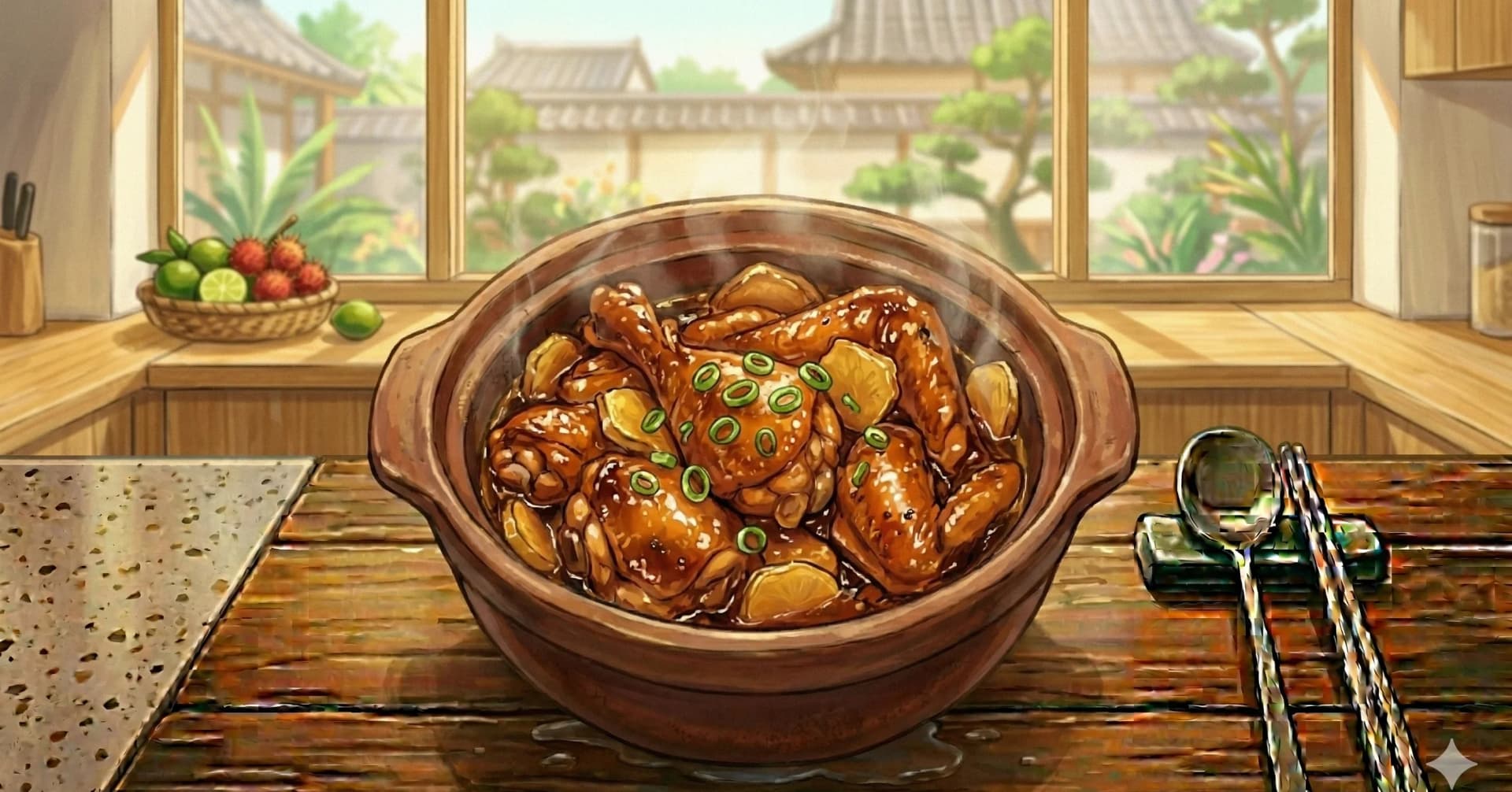
Ga Kho Gung (Vietnamese Caramelized Ginger Chicken)
1 hour
 Easy
EasyVietnamese Cuisine
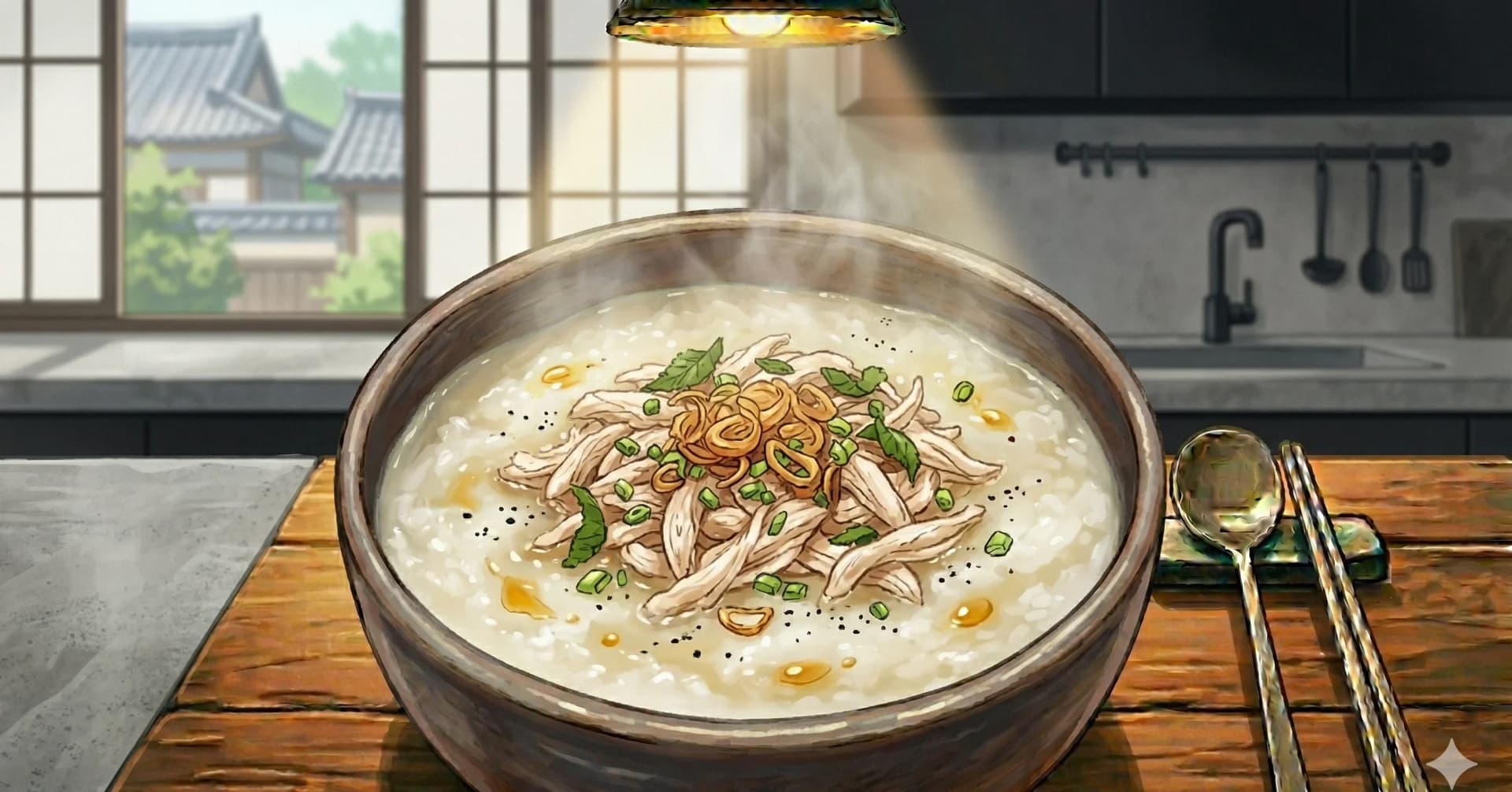
Cháo Gà (Vietnamese Chicken Rice Porridge)
1 hour 30 minutes
 Easy
EasyVietnamese Cuisine
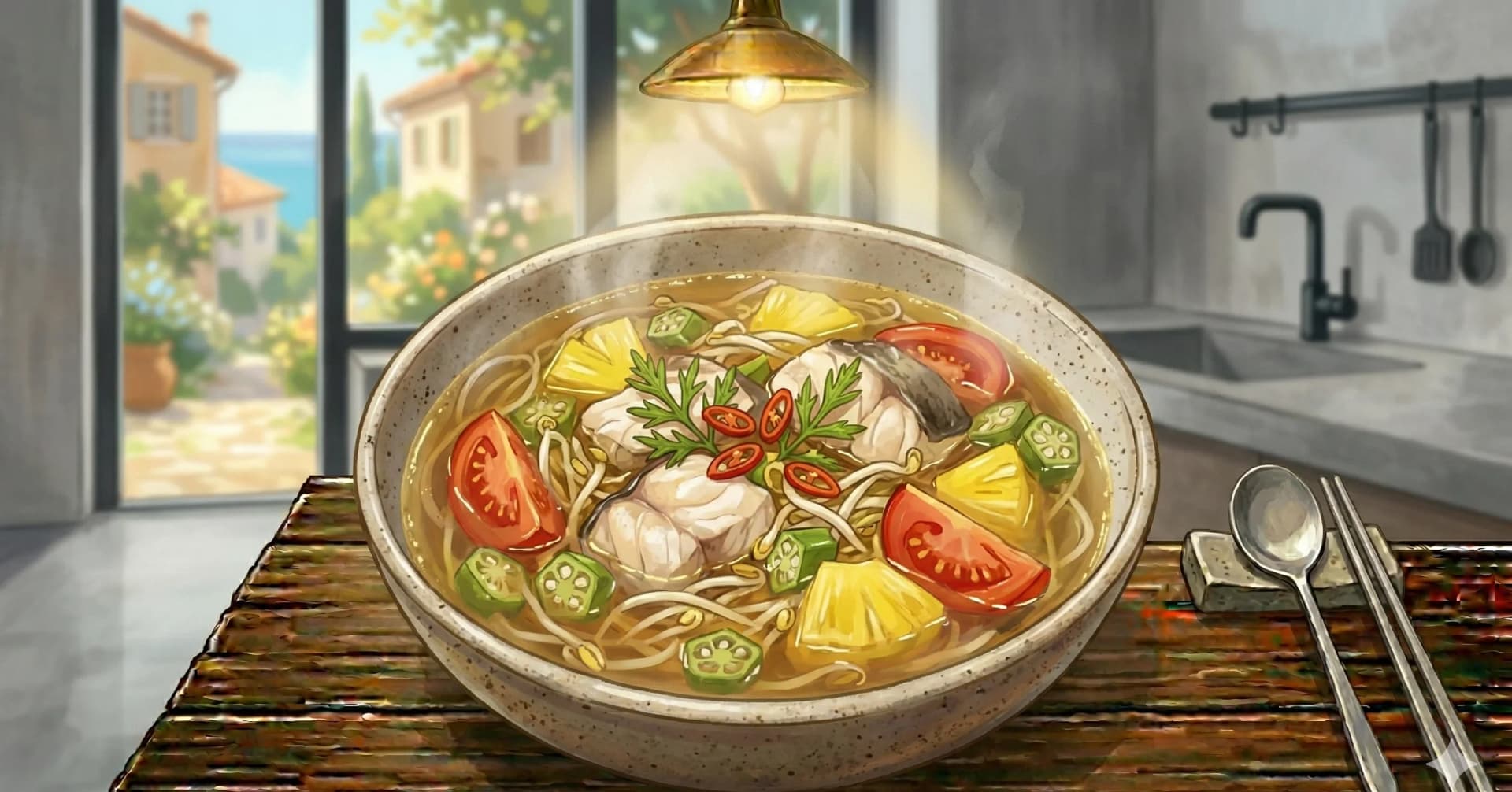
Canh Chua Cá (Vietnamese Sweet and Sour Fish Soup)
35 minutes
 Medium
Vietnamese Cuisine
Bun Rieu (Vietnamese Crab and Tomato Noodle Soup)
2 hours
Ratings & Comments
Ratings & Comments
Ratings
Share your thoughts on this recipe.
Sign in to rate and comment