Vietnamese Cuisine
Hanoi Noodle Soup (Bún Thang)
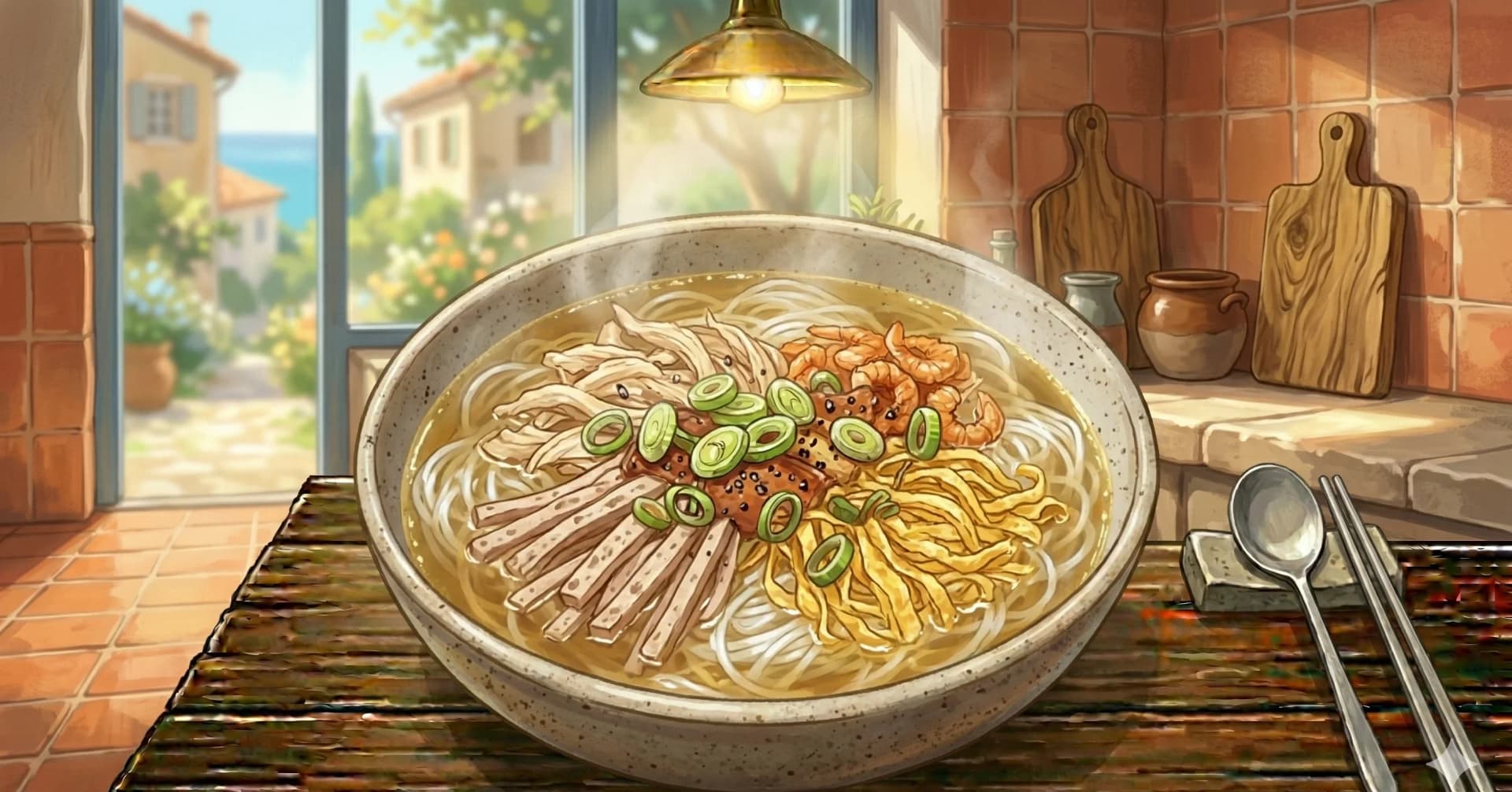
Hanoi's composed chicken vermicelli soup with shredded poultry, egg crepe ribbons, Vietnamese pork roll, and dried shrimp in a clear, delicate broth
Every major Vietnamese city has a noodle soup it considers its own. Saigon has its riotous bun rieu and the fiery bun bo hue that migrated south from the central coast. But Hanoi keeps bun thang, and it guards the dish with a kind of quiet pride. Where most Vietnamese soups invite you to pile the bowl high and doctor the broth beyond recognition, bun thang asks for composure. Each topping is prepared separately, sliced or shredded with care, and arranged in the bowl like brushstrokes rather than thrown in by the fistful. It is the most deliberate noodle soup in Vietnamese cooking.
The name carries its own history. "Thang" is borrowed from the Chinese word for a medicinal decoction, a slow-simmered tonic meant to nourish and restore. The broth reflects that origin. It is built from a whole chicken simmered with dried shrimp, sometimes a small piece of dried squid, and seasoned with restraint so the clean poultry flavour leads. The result is a broth paler and more transparent than pho ga, without the warm spice backdrop of star anise and cinnamon. If pho is opera, bun thang is chamber music.
The toppings tell you this was once a dish made from Tet leftovers. After the Lunar New Year feast, Hanoian cooks would repurpose the boiled chicken, the cha lua pork roll, and the eggs into a composed soup that transformed yesterday's abundance into something refined. That spirit of resourcefulness is still the best way to approach bun thang at home. Prepare each element, give it your attention, and let the bowl come together with the calm patience that Hanoi expects. A small dish of mam tom, the pungent fermented shrimp paste, sits on the side for anyone who wants to push the broth into deeper territory. Try a little. It changes everything.
At a Glance
Yield
6 servings
Prep
1 hour
Cook
1 hour 30 minutes
Total
2 hours 30 minutes
Difficulty
Medium
Ingredients
Broth Ingredients
- 1 wholechicken (about 1.5 kg), giblets removed
- 3¼ qtwater
- 1 ozdried shrimp
- 1small piece dried squid (about 15 g, optional but traditional)
- 1medium yellow onion, halved (about 150 g), skin left on
- 1 piecefresh ginger, halved lengthwise (about 5 cm), unpeeled
- 2¾ tbspfish sauce (about 2 1/2 tablespoons), plus more to taste
- 1¼ tbsprock sugar or white sugar
- ⅞ tspsalt
Egg Crepe Ingredients
- 3large eggs
- 1/4 tspfine sea salt
- 1/2 tspfish sauce
- 2 tspneutral oil
To Serve
- 7 ozVietnamese pork roll (cha lua or gio lua), cut into thin matchsticks
- ½ ozdried shrimp (about 1 1/2 tablespoons), soaked in warm water for 15 minutes and drained
- —Shredded chicken from the broth (see method)
- 4shallots (about 60 g), thinly sliced
- ¼ cupneutral oil, for frying shallots
- 3scallions, green parts only, thinly sliced
- 1small bunch Vietnamese coriander (rau ram), roughly chopped
- 1small bunch cilantro, roughly chopped
- —Freshly ground black pepper
- 1 lbdried rice vermicelli (bun)
- —Fermented shrimp paste (mam tom)
- 2limes, quartered
- 1to 2 fresh red chilies, thinly sliced
- —Fish sauce
Method
- 1
Bring a large stockpot of water to a rolling boil. Lower the whole chicken into the water and blanch for 3 minutes, turning once. This step purges impurities and is the reason the broth will be clear rather than cloudy. Drain and rinse the chicken under cool running water, rubbing gently to remove any grey foam clinging to the skin. Rinse out the pot.
- 2
Return the chicken to the clean pot and add the 3 litres of fresh water. Char the onion halves and ginger by holding them directly over a gas flame with tongs, or by placing them cut-side down in a dry skillet over high heat for 3 to 4 minutes, until blackened and fragrant. Add them to the pot along with the dried shrimp and the dried squid, if using.
- 3
Bring the liquid to a simmer over medium-high heat, then reduce the heat to the lowest setting that maintains a bare, lazy bubble. Set the lid slightly ajar. Skim any foam that rises during the first 10 to 15 minutes. The foam will slow after that. Let the broth simmer gently for about 40 minutes, until a thermometer inserted into the thickest part of the thigh reads 74C and the juices run clear when you pierce the flesh.
- 4
Lift the chicken out carefully using tongs and a large spoon, tilting it so the cavity drains back into the pot. Transfer to a large bowl of ice water and leave for 10 minutes. This cold shock stops the cooking and keeps the meat firm and silky rather than soft and stringy. Return the broth to a gentle simmer and continue cooking for another 30 to 40 minutes to deepen the flavour.
- 5
Once the chicken is cool enough to handle, remove and discard the skin. Pull the meat from the bones in long, even strips, following the grain of the muscle. The shreds should be fine and uniform, about the width of a chopstick. Set aside, loosely covered. Return any bones to the simmering broth for the remaining cook time.
- 6
Season the broth with the fish sauce, sugar, and salt. Stir to dissolve the sugar. Strain through a fine mesh strainer into a clean pot, pressing lightly on the solids. Discard the spent aromatics and bones. Taste and adjust. The broth should be clean, lightly savoury, and just slightly more seasoned than you want to eat on its own, because the noodles will absorb some of that intensity. Keep warm over low heat.
- 7
While the broth simmers, make the egg crepes. Beat the eggs with the salt and fish sauce until smooth, with no streaks of white remaining. Heat a 20 cm nonstick skillet over medium-low heat and brush lightly with oil. Pour in just enough egg mixture to coat the bottom in a very thin layer, tilting and swirling the pan quickly. Cook until the surface is set and the edges curl slightly away from the pan, about 45 seconds. Do not flip. Slide the crepe onto a cutting board. Repeat with the remaining batter, making 3 to 4 thin crepes. Stack the cooled crepes, roll them into a tight cylinder, and slice crosswise into ribbons about 3 mm wide. Fluff the ribbons gently to separate them.
- 8
Prepare the fried shallots. Heat 60 ml of oil in a small saucepan or skillet over medium heat. Add the sliced shallots and stir occasionally. They will take 6 to 8 minutes to turn a deep golden brown. Watch closely at the end, as they go from golden to burnt quickly. Remove with a slotted spoon to a paper towel-lined plate. They will crisp as they cool. Reserve a tablespoon of the shallot oil for drizzling.
- 9
Cook the rice vermicelli according to the package directions, usually by soaking in boiling water for 3 to 5 minutes until just tender but still slightly springy. Drain thoroughly in a colander and rinse briefly with warm water to prevent clumping.
- 10
Assemble each bowl with intention. Place a portion of drained vermicelli in the centre of a deep bowl. Arrange the shredded chicken, egg crepe ribbons, and cha lua matchsticks in separate, neat sections on top of the noodles, leaving each topping visible. Scatter the soaked dried shrimp over one section. Ladle about 400 ml of hot broth gently down the side of the bowl so it rises around the toppings without disturbing them. Top with sliced scallions, chopped Vietnamese coriander, fried shallots, a drizzle of the reserved shallot oil, and a grind of black pepper. Serve immediately with lime wedges, sliced chilies, fish sauce, and a small dish of mam tom on the side.
Key Ingredient Benefits
Whole chicken: Simmering a whole bird produces a more complex broth than parts alone, as the back, neck, and rib bones contribute different levels of collagen and marrow. Chicken is a complete protein source, rich in B vitamins, particularly niacin and B6, and provides selenium and phosphorus.
Dried shrimp (tom kho): These small, sun-dried shrimp are a pantry staple across Vietnamese and Southeast Asian cooking. They are concentrated in protein and calcium, and their pink-orange colour comes from astaxanthin, a carotenoid antioxidant. Choose shrimp that are bright in colour and smell sweet rather than fishy. They keep for months in an airtight container in the refrigerator.
Vietnamese pork roll (cha lua/gio lua): A smooth, bouncy pork sausage made from pork paste pounded until elastic, traditionally wrapped in banana leaves and steamed. Look for it in Vietnamese grocery stores, sold refrigerated in cylindrical logs. The texture should be springy and the flavour clean and mild. It provides protein and is lower in fat than many Western sausages.
Fermented shrimp paste (mam tom): The traditional condiment for bun thang, made from tiny shrimp or krill fermented with salt. It is assertively pungent raw but transforms when stirred into hot broth, adding a deep, oceanic savouriness. Very high in sodium, so use sparingly. In Vietnamese traditional medicine, fermented shrimp products are considered warming and are associated with stimulating the appetite and aiding digestion.
Vietnamese coriander (rau ram): Also called laksa leaf, this peppery, slightly citrusy herb is the signature garnish for bun thang. It has a more assertive flavour than regular cilantro and is used in Vietnamese folk medicine as a digestive aid. If unavailable, a combination of regular cilantro and a few torn mint leaves approximates the effect.
Why This Works
Blanching the chicken before building the broth is the technique that separates a clear bun thang from a murky one. The quick boil draws out blood and water-soluble proteins that would otherwise cloud the liquid. Starting again with fresh water means the broth begins clean and stays that way throughout the simmer.
Dried shrimp and dried squid add an oceanic depth to the broth that chicken alone cannot reach. They contribute glutamates and inosinates, two compounds that combine synergistically to create a perception of umami far stronger than either would produce alone. This is the same principle at work in Japanese dashi, where kombu and katsuobushi magnify each other's savouriness.
Shocking the chicken in ice water after simmering is a technique borrowed from Hainanese chicken rice traditions found across Southeast Asia. The rapid cooling contracts the muscle fibres, keeping the meat taut and slightly springy rather than soft and shreddy. It also sets a thin layer of gelatin just beneath the skin line, though since bun thang removes the skin, the main benefit is texture in the shredded meat.
Arranging the toppings separately rather than tossing them together is not just aesthetic. Each component has a distinct flavour and texture, and keeping them visible lets each person mix the bowl at their own pace, tasting the egg, the pork roll, and the chicken individually before the broth ties everything together.
Substitutions & Variations
Chicken parts instead of whole: If a whole chicken feels unwieldy, use 1.5 kg of bone-in, skin-on chicken thighs and drumsticks. The broth will be slightly less complex than from a whole bird, but still flavourful. Reduce the initial simmer to about 30 minutes before removing the meat.
Egg crepe shortcut: Some Vietnamese home cooks simply scramble the eggs loosely in a pan and chop them, sacrificing the elegant ribbons for speed. The flavour contribution is the same, though the appearance is less traditional.
Without cha lua: If Vietnamese pork roll is unavailable, thinly sliced deli ham or a mild chicken or pork cold cut can stand in. The texture will differ, but the role in the bowl, providing a soft, savoury counterpoint to the chicken, remains the same. In Vicky Pham's approach, the cha lua is considered essential, so seek it out at an Asian grocery store if you can.
Without dried squid: The dried squid adds a faint sweetness and another layer of oceanic flavour to the broth. If you cannot find it, increase the dried shrimp by 15 g. The broth will still be good, just slightly less nuanced.
Richer broth: For a deeper flavour, roast the chicken carcass bones in a 200C oven for 20 minutes before adding them back to the simmering broth. This adds Maillard complexity without clouding the liquid.
Vegetable additions: Some Hanoian versions include a small amount of finely julienned kohlrabi or jicama in the bowl, adding a mild crunch. This is not universal but is a pleasant variation.
Serving Suggestions
Bun thang is a complete meal that needs little beyond the condiments already listed. The bowl is designed to be self-contained, each element carefully considered. If you are building a larger Vietnamese table, start with a plate of goi cuon, the fresh spring rolls, or set out a simple plate of sliced cucumbers and pickled vegetables. For a soup-focused meal that explores the range of Vietnamese noodle bowls, serve smaller portions of bun thang alongside pho ga to taste the difference between Hanoi's two great chicken soups side by side. Where pho ga is warm-spiced and bold, bun thang is spare and composed, and the contrast is striking. If beef is what your table wants, pho bo rounds out a trio that covers the full range of Vietnamese noodle broths. A bowl of chao ga makes a gentler companion, showing how the same chicken broth can become something entirely different when poured over broken-down rice. Leftover broth, if you are fortunate enough to have any, is beautiful ladled over plain steamed rice with a few drops of fish sauce and a handful of herbs for a quiet lunch.
Storage & Reheating
Refrigerator: Store the broth, shredded chicken, egg crepe ribbons, and cha lua in separate airtight containers for up to 3 days. Keeping them apart preserves the texture of each component. The broth may gel when chilled, which indicates good gelatin extraction and will melt smoothly when reheated.
Reheating: Warm the broth over medium heat until it returns to a gentle simmer. Taste and adjust with a small splash of fish sauce, as the seasoning dulls slightly overnight. Cook fresh vermicelli for each serving rather than storing cooked noodles, as rice vermicelli absorbs liquid rapidly and turns soft and clumpy within hours.
Freezing: The broth freezes well for up to 3 months in 400 ml portions. Thaw overnight in the refrigerator or gently in a saucepan. The shredded chicken can be frozen for up to 1 month, wrapped tightly. Egg crepe ribbons do not freeze well and should be made fresh.
Fried shallots: Store in an airtight container at room temperature for up to 1 week. They lose their crunch after a few days, so make a small batch fresh if serving leftover bun thang later in the week.
Cultural Notes
Bún thang is the signature noodle soup of Hanoi and one of the most refined dishes in the entire Vietnamese repertoire. The name carries a hint of its origin: thang originally meant "tonic" or "elixir," pointing at the dish's roots in the Vietnamese restorative-soup tradition. That tradition runs parallel to Korean boyangsik and Chinese tonic soups, with carefully balanced ingredients in a clear, lightly seasoned broth believed to restore physical and spiritual vitality. A proper bowl of bún thang can call for more than twelve distinct components, arranged meticulously, and that complexity is part of why the dish is considered the most technically demanding everyday Vietnamese cooking gets.
The dish traces back to Hanoi's pre-colonial period and was historically tied to Tết, the Lunar New Year. After Tết, households were left with a scatter of small leftover proteins from the holiday's elaborate cooking. Bún thang was the dish that absorbed all of them. The clear broth, built on a long-simmered chicken-and-dried-shrimp base flavored only with fish sauce and a small amount of dried squid, is the spiritual center of the bowl. Hanoi cooks judge each other's bún thang on broth clarity and broth depth first. Nothing else compensates for a weak broth.
The protein arrangement on top is equally important. Thin shredded chicken. Julienned omelet ribbons. Sliced Vietnamese pork roll (giò lụa). Dried shrimp. Fried tofu. Fresh shrimp. Finely chopped scallion. Each component goes into the bowl in its own place, arranged for color and contrast, before the broth is poured over. The result looks deliberate the way a kaiseki tray looks deliberate. The composition is part of the meal.
In modern Hanoi, bún thang sits above bún chả and phở in the prestige order. It belongs to slightly upscale traditional restaurants and to home tables on special occasions. The most respected addresses include Bún Thang Cầu Gỗ (operating since the 1940s), Bún Thang Bà Đức, and Bún Thang Bà Cương, all in the Old Quarter. Unlike phở, bún thang has not really exported. Its technical complexity and its ingredient list have kept it from becoming a global Vietnamese-restaurant standard. Inside Vietnam, though, it remains the refined, court-influenced peak of northern Vietnamese soup cooking.
Nutrition Facts
Calories: 410kcal (21%)|Total Carbohydrates: 42g (15%)|Protein: 30g (60%)|Total Fat: 15g (19%)|Saturated Fat: 4g (20%)|Cholesterol: 130mg (43%)|Sodium: 870mg (38%)|Dietary Fiber: 0g (0%)|Total Sugars: 3g
You Might Also Like
 Easy
EasyVietnamese Cuisine
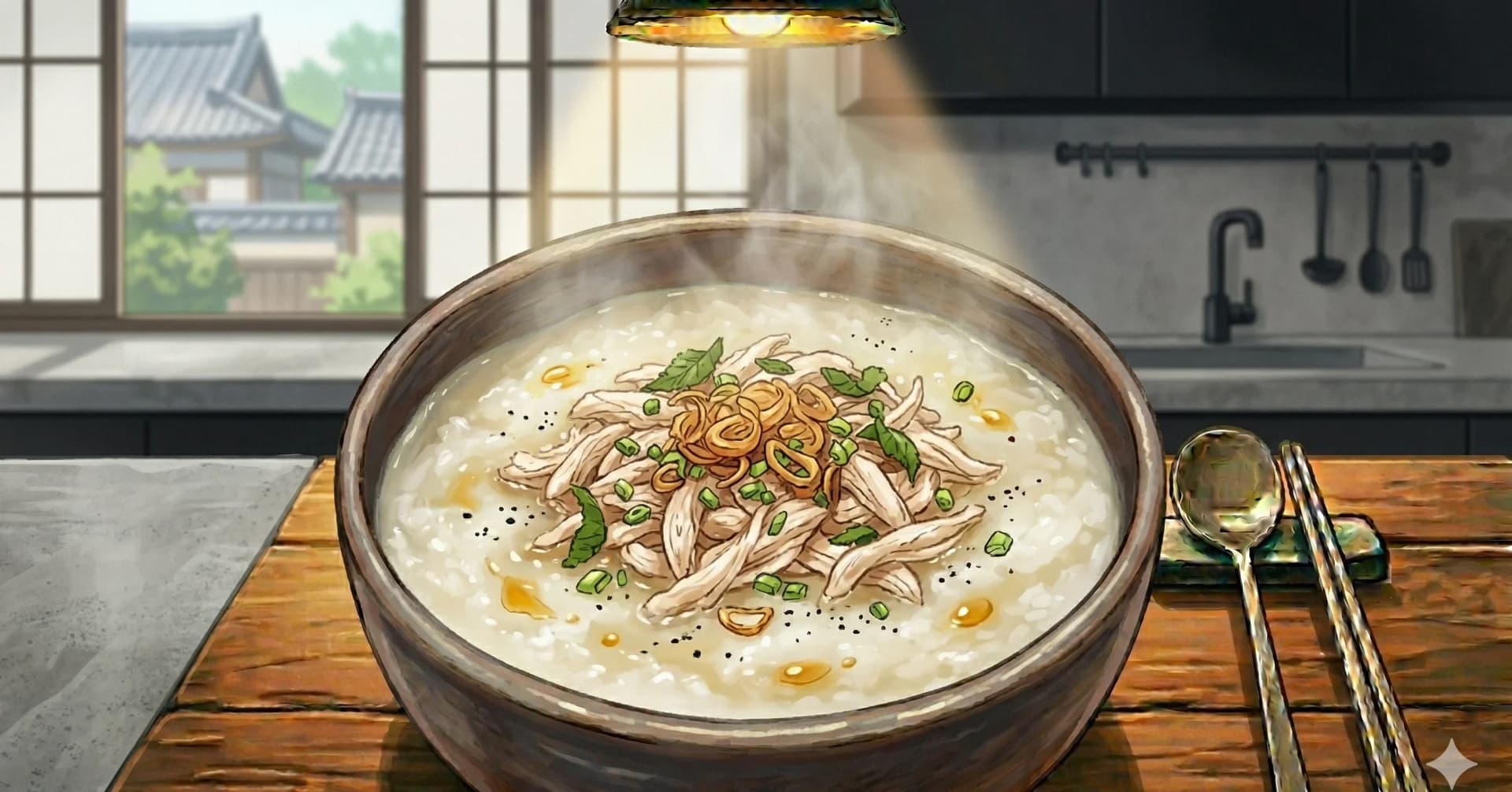
Cháo Gà (Vietnamese Chicken Rice Porridge)
1 hour 30 minutes
 Medium
Vietnamese Cuisine
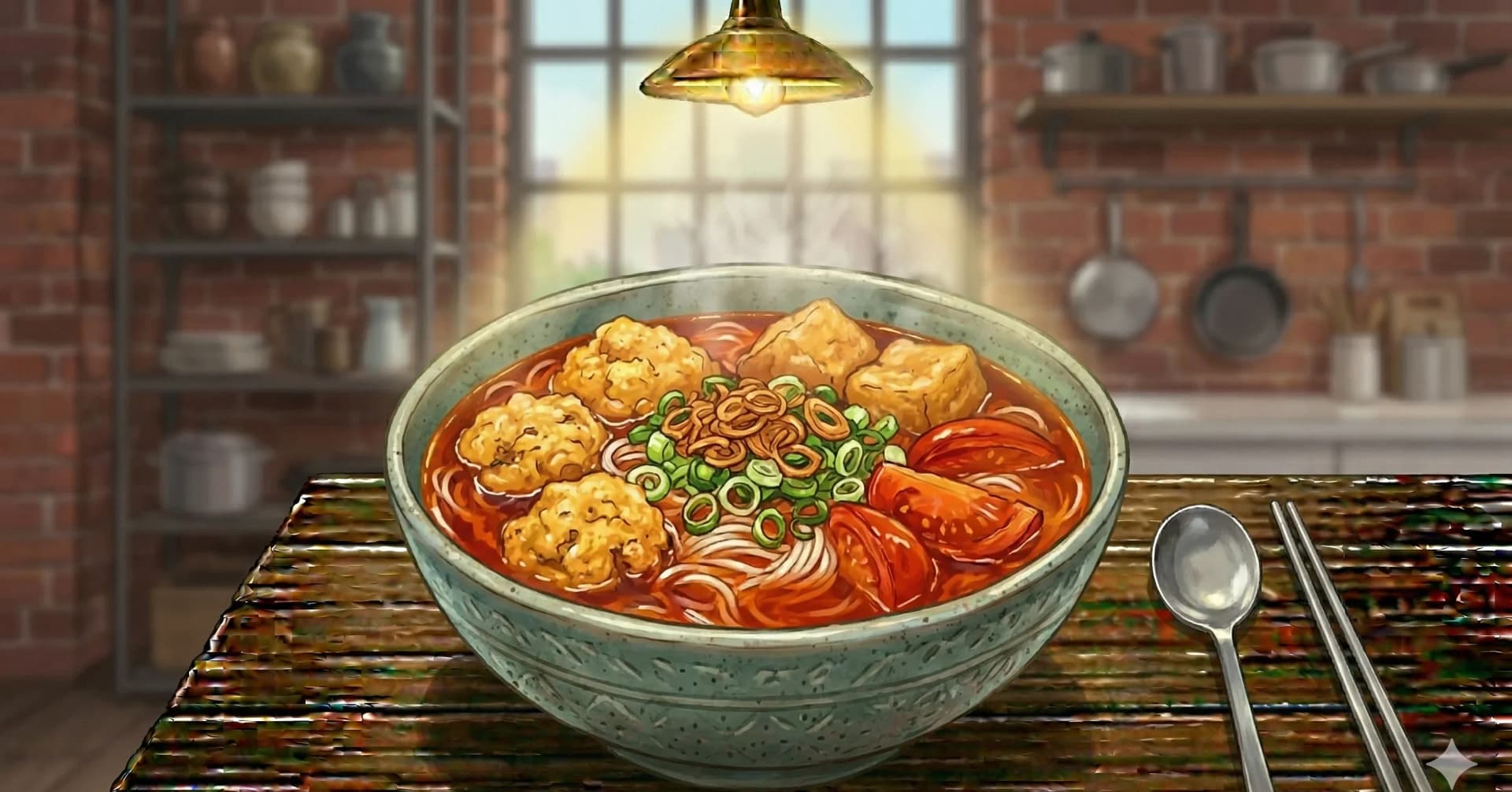
Bun Rieu (Vietnamese Crab and Tomato Noodle Soup)
2 hours
 Easy
EasyVietnamese Cuisine
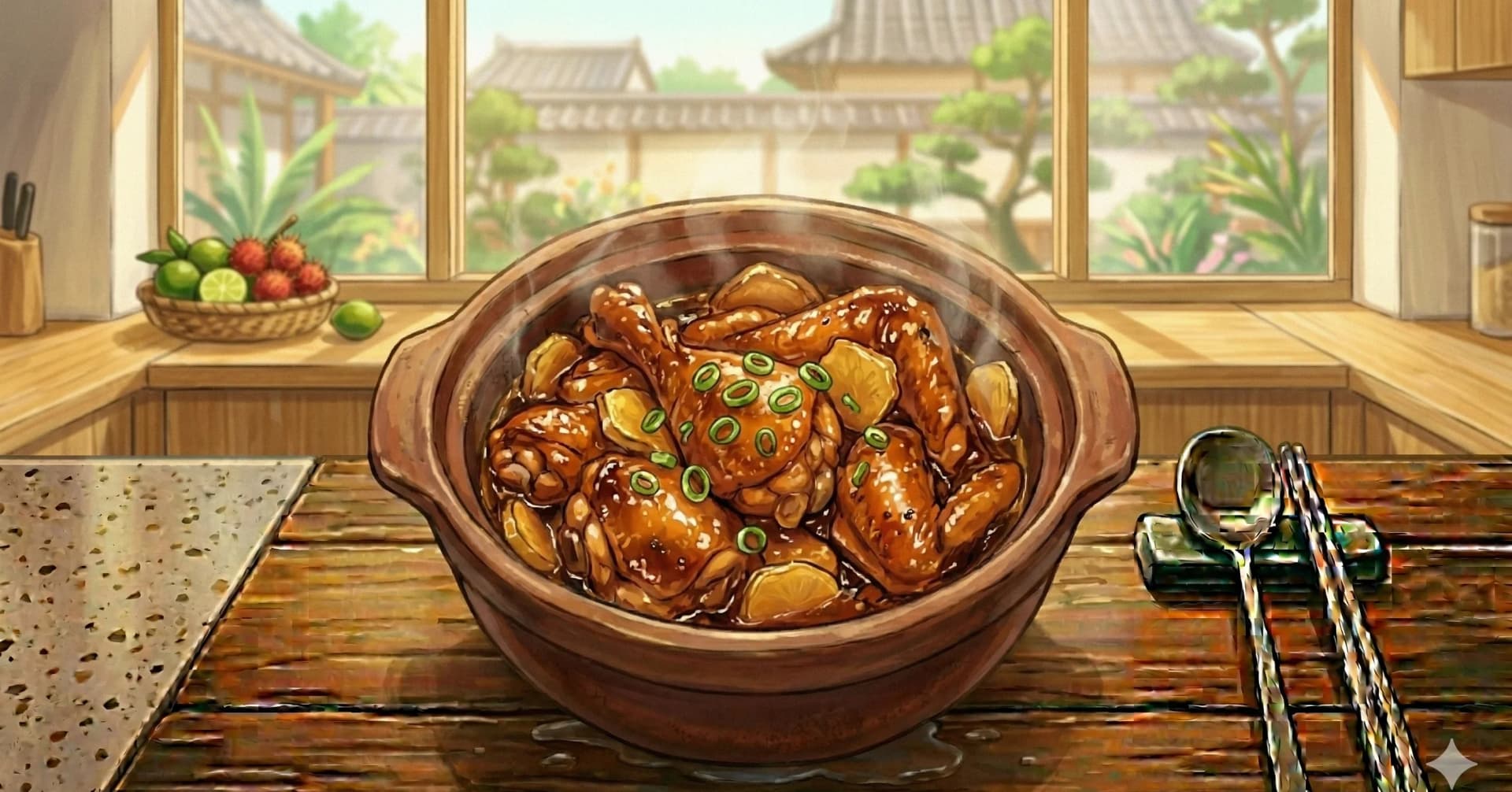
Ga Kho Gung (Vietnamese Caramelized Ginger Chicken)
1 hour
 Involved
Vietnamese Cuisine
Steamed Rice Rolls (Bánh Cuốn)
3 hours 10 minutes
Ratings & Comments
Ratings & Comments
Ratings
Share your thoughts on this recipe.
Sign in to rate and comment