Vietnamese Cuisine
Bo Kho (Vietnamese Beef Stew)
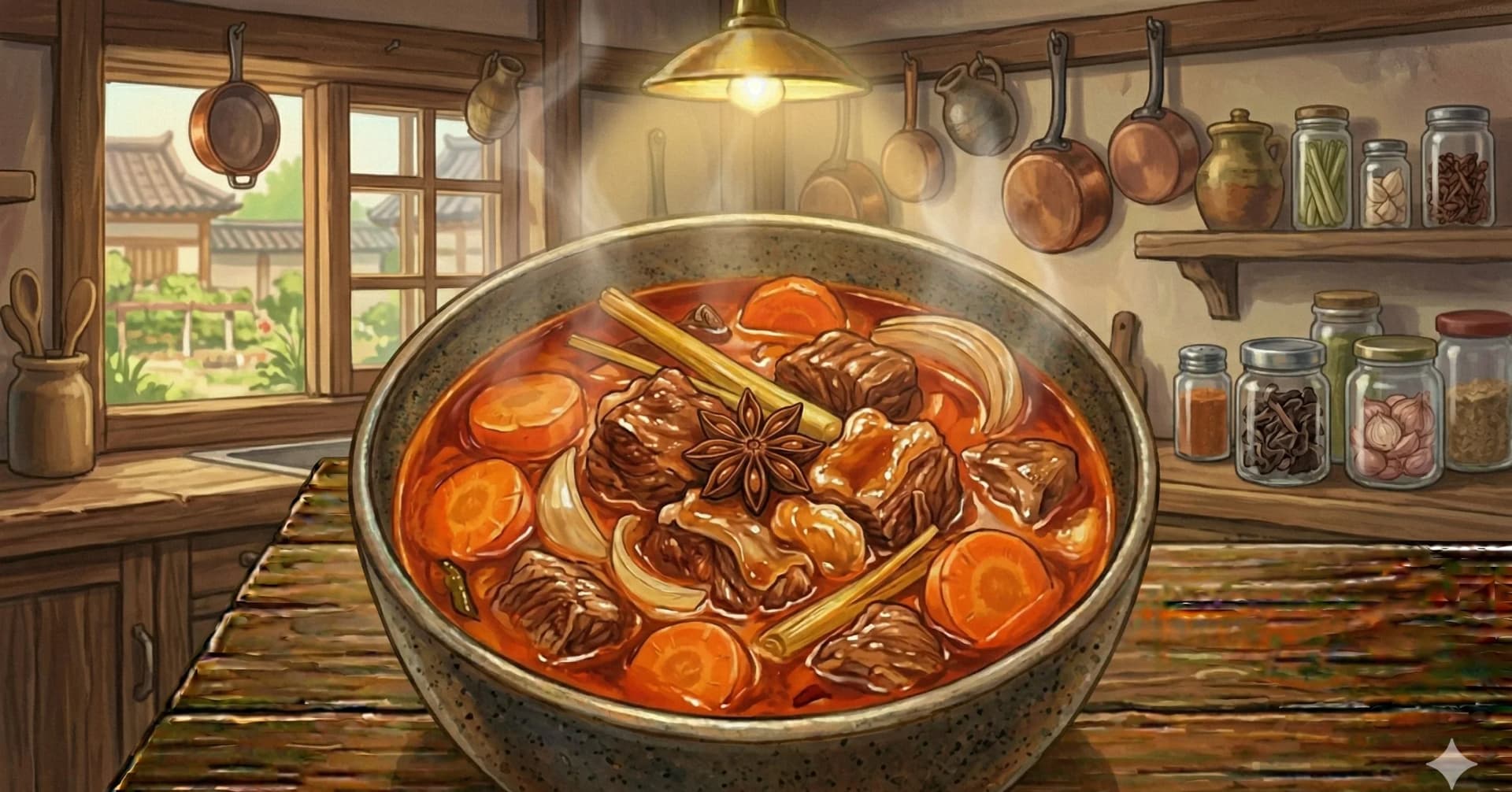
A fragrant, rust-colored Vietnamese beef stew braised with lemongrass, star anise, and cinnamon in a tomato-kissed broth, served with crusty bread or rice noodles
Bo kho belongs to a family of slow-braised dishes found across Vietnam, the kind of cooking that fills a kitchen with warm spice and sweetness hours before the meal is ready. Its name simply means "beef stew," but the flavor tells a more specific story. Lemongrass, star anise, and cassia cinnamon meet tomato paste and a splash of coconut soda, producing a broth that sits somewhere between a French daube and a Southeast Asian curry, belonging fully to neither tradition.
The dish reflects Vietnam's layered culinary history. The braise technique and the baguette served alongside it trace back to French colonial influence, while the aromatics, the lemongrass and ginger and star anise, are unmistakably Southeast Asian. You will find bo kho sold from street carts in Saigon in the early morning hours, ladled over wide rice noodles or into bowls accompanied by torn baguette for dipping. It shares the same appetite for warm spice that runs through pho bo and bun bo hue, though bo kho is thicker, richer, and less concerned with clarity of broth.
The most important step is the marination. Coating the beef in curry powder, garlic, shallots, and a touch of sugar before braising builds a spice crust that deepens as the meat cooks. From there, the process is forgiving. You brown, you simmer, you wait. The connective tissue in beef shank melts into gelatin over low heat, and the broth thickens into something silky and full-bodied without any added starch. Carrots go in near the end, just long enough to turn tender while holding their shape.
This recipe draws primarily from Huy Vu's version, which uses a pre-made bo kho seasoning packet alongside whole spices for layered depth, and incorporates Vicky Pham's technique of marinating with curry powder, minced shallots, and a longer initial sear to build color and flavor in the base.
At a Glance
Yield
6 servings
Prep
30 minutes (plus 2 hours marinating)
Cook
2 hours
Total
4 hours 30 minutes
Difficulty
Easy
Ingredients
Marinade Ingredients
- 2¼ lbbeef shank or boneless beef chuck, cut into 2.5 cm cubes
- 2 tbspsoy sauce
- 2 tbsphoisin sauce
- 1⅔ tspsea salt
- ¼ ozred curry powder
- 2⅓ tspgranulated sugar
- 3¼ tbspgarlic (about 4 cloves), minced
- ¾ ozshallots (about 2 small), minced
Stew Ingredients
- 2 tbspneutral cooking oil or annatto oil
- 1½ tbsptomato paste
- 1medium yellow onion (about 150 g), quartered
- 3¼ tbspfresh ginger (about 4 cm), sliced into coins and gently smashed
- 2 stalkslemongrass, use the bottom 18 cm only, outer layers removed, cut into 10 cm segments and smashed with the flat of a knife
- 3to 4 whole star anise
- 1cassia cinnamon stick (about 8 cm)
- 4to 5 bay leaves
- 2⅛ tsppaprika (about 1 teaspoon, optional, for color)
- 2 tbspdark soy sauce
- 1 tbspfish sauce, plus more to taste
- ¾ cupcoconut soda, such as Coco Rico, or Sprite as a substitute
- 1¼ qtwater, or enough to barely cover the ingredients
- ¾ lbcarrots (about 3 medium), peeled and cut into 2.5 cm chunks
To Serve
- —Vietnamese baguette (banh mi bread), warmed and torn
- —Flat rice noodles (hu tieu or pho noodles), cooked according to package
- —Steamed jasmine rice
- —A handful of fresh Thai basil leaves
- —A handful of fresh cilantro, roughly chopped
- —Thinly sliced red onion
- —Sliced fresh jalapeno or bird's eye chili
- —Lime wedges
- —Salt, black pepper, and lime juice dipping sauce (mix to taste in a small dish)
Method
- 1
Combine the beef cubes with all the marinade ingredients in a large bowl. Toss until each piece is evenly coated. Cover and refrigerate for at least 2 hours. Overnight is better if you can plan ahead.
- 2
Bring a large pot of water to a rolling boil. Add the marinated beef (reserving any marinade liquid clinging to the bowl) and 15 g of salt. Once the water returns to a boil, let it cook for 30 seconds. You will see a raft of grey foam rise to the surface. Drain immediately and rinse the beef under cool running water, rubbing the pieces gently to remove any scum. This blanching step produces a cleaner, more transparent broth. Set the beef aside.
- 3
Return the pot to medium-high heat and add the cooking oil. When the oil shimmers, add the beef in a single layer, working in batches if needed to avoid crowding. Sear until the pieces develop a deep brown crust on at least two sides, about 2 minutes per side. The fond that forms on the bottom of the pot is where much of the stew's flavor lives. Transfer the seared beef to a plate.
- 4
Lower the heat to medium. Add the garlic and paprika to the pot and stir for about 30 seconds until the paprika releases its color and the kitchen smells warm and earthy. Add the tomato paste and cook, stirring constantly, for another minute until it darkens slightly and loses its raw, tinny smell.
- 5
Pour in the coconut soda and stir, scraping up any browned bits from the bottom of the pot. The liquid will bubble and reduce slightly. Add the quartered onion, ginger, lemongrass, star anise, cinnamon stick, bay leaves, dark soy sauce, fish sauce, and water. Return the seared beef and any accumulated juices to the pot. The liquid should just barely cover the meat. If it does not, add water in small increments.
- 6
Raise the heat to high and bring the liquid to a boil. Once it reaches a full boil, reduce the heat to low so the surface barely simmers. You want gentle, lazy bubbles, not a rolling boil. Partially cover the pot. Cook for 1.5 hours, checking once or twice to make sure the simmer stays gentle and the liquid level has not dropped below the meat. Add water if needed.
- 7
After 1.5 hours, test a piece of beef. A fork should slide through with little resistance, and the connective tissue should feel soft and yielding rather than chewy. If the meat still feels firm, continue simmering in 15-minute intervals until it gives way easily.
- 8
Add the carrot chunks and push them below the surface of the broth. Raise the heat slightly and simmer uncovered for 15 to 20 minutes, until the carrots are tender enough that a chopstick passes through without force but they still hold their shape.
- 9
Remove and discard the lemongrass, ginger slices, star anise, cinnamon stick, bay leaves, and onion quarters. Taste the broth carefully. It should be savory, slightly sweet, and warmly spiced with a gentle background of lemongrass. Adjust with more fish sauce for salt, a pinch of sugar for sweetness, or a squeeze of lime if it needs brightness.
- 10
Ladle the stew into deep bowls. Tear Thai basil leaves over the top and scatter with cilantro, sliced red onion, and chili slices. Serve with warmed baguette for dipping, or over flat rice noodles or steamed rice. Set out lime wedges and the salt-pepper-lime dipping sauce on the side.
Key Ingredient Benefits
Beef shank: Shank is the traditional cut for bo kho because it is rich in connective tissue that converts to gelatin during long braising. This gelatin gives the broth a silky body that leaner cuts cannot provide. Shank also contains more collagen per gram than most other cuts. If using chuck, expect a slightly less gelatinous broth but equally tender meat. Both cuts provide roughly 26 g of protein per 100 g of cooked meat.
Lemongrass: The aromatic compounds in lemongrass, primarily citral and geraniol, are volatile and dissipate quickly at high heat. This is why the stalks are smashed rather than finely chopped: the goal is a slow, steady release of fragrance into the broth over the course of the braise, not a sharp burst that fades. In traditional Vietnamese and Thai herbal practice, lemongrass tea is used as a digestive aid. Citral has demonstrated antioxidant activity in laboratory studies, though its effects in culinary quantities are not well established.
Star anise: Each pod contains anethole, the same compound that gives fennel and anise seed their licorice-like flavor. In Chinese and Vietnamese cooking, star anise is rarely used alone. It almost always appears alongside cassia cinnamon, and sometimes cloves, to create a balanced warmth. See the star anise ingredient guide for more on its role in five-spice blends and broths.
Annatto oil: If you use annatto oil (hat dieu mau) instead of neutral oil for the sear, it contributes a natural reddish-orange tint to the broth without altering the flavor significantly. Annatto seeds contain bixin, a carotenoid pigment. This is a traditional technique in Southern Vietnamese cooking to achieve the characteristic color of bo kho without relying heavily on paprika or tomato paste alone.
Why This Works
The double treatment of the beef, blanching first and then searing, addresses two different goals. Blanching removes impurities and blood proteins that would otherwise cloud the broth and leave a metallic taste. Searing after blanching creates a Maillard crust on clean meat, producing fond that dissolves into the braising liquid and gives the broth its savory backbone. Skipping either step produces a noticeably less refined result.
The marinade does more than season the surface. Soy sauce and hoisin contribute both salt and amino acids (glutamate) that enhance the perception of meatiness in the finished broth. The sugar in the marinade assists with browning during the sear, while the curry powder provides a base layer of warm spice that permeates the meat rather than sitting only in the liquid.
Coconut soda serves as a tenderizer and a source of gentle sweetness. The mild acidity and sugar content help break down connective tissue slightly faster than water alone, and the coconut flavor adds a subtle tropical undertone that rounds out the broth. This technique appears in several Vietnamese braises, including thit kho trung, where coconut water or soda plays a similar tenderizing role in the caramel pork sauce.
Star anise, cassia cinnamon, and bay leaves form the aromatic spine. These same warm spices appear in pho bo, where they flavor a clear broth, and in khao soi, where they contribute to a coconut curry base. In bo kho, they work with lemongrass and ginger to create a fragrance that is distinctly Vietnamese, warmer and more herbaceous than the Indian-influenced spice blends found in dishes like massaman curry.
Substitutions & Variations
Protein: Beef tendon is a traditional addition. Cut it into 5 cm pieces and blanch alongside the shank. It needs the full braising time to become soft and gelatinous. Oxtail works beautifully and produces an even richer broth. Bone-in short ribs are another option, though they will need slightly less time (about 1 hour 15 minutes). For a quicker weeknight version, use beef stew meat (pre-cut chuck) and reduce the braising time to about 1 hour.
Vegetables: Potatoes (waxy varieties, cut into 2.5 cm chunks) are a common addition in Southern Vietnam. Add them at the same time as the carrots. Daikon radish, cut into half-moons, is another traditional option. Celery and tomato wedges appear in some home-style versions.
Noodles: Flat rice noodles (hu tieu) are the most traditional noodle pairing. Wide pho noodles work as well. If serving with noodles rather than bread, increase the water by about 250 ml to produce a soupier broth.
Coconut soda: If you cannot find Coco Rico or similar coconut soda, substitute regular cola, Sprite, or plain coconut water. Each adds a slightly different sweetness profile, but all work in the same way. In a pinch, use water with a tablespoon of sugar.
Bo kho seasoning packet: Vietnamese grocery stores carry pre-mixed bo kho seasoning (gia vi bo kho), which typically contains paprika, star anise, garlic, chili, onion, ginger, and cloves. Using one 4 g packet in the marinade and one in the broth replaces the individual curry powder and paprika additions and simplifies the spice work.
Slow cooker or pressure cooker: For a slow cooker, complete steps 1 through 5 on the stovetop, then transfer everything to the slow cooker. Cook on low for 6 to 8 hours or high for 3 to 4 hours. Add carrots in the final hour. For a pressure cooker, cook on high pressure for 35 to 40 minutes with natural release, then add carrots and simmer on saute mode for 10 minutes.
Serving Suggestions
Bo kho is a complete meal in itself with bread or noodles, but it also fits well into a larger Vietnamese spread. Pair it with a bowl of pho bo if you want to compare two Vietnamese beef broths side by side, one clear and delicate, one rich and spiced. Bun bo hue, the fiery lemongrass noodle soup from Hue, makes a natural companion for anyone who wants more heat and a different textural experience. A plate of thit kho trung alongside bo kho offers a study in Vietnamese braising: one built on caramel and coconut, the other on warm spices and tomato.
For a multi-cuisine meal that traces the path of warm spices across Asia, serve bo kho alongside massaman curry or khao soi. All three dishes share a fondness for star anise, cinnamon, and slow-cooked meat, but each interprets those ingredients through a different culinary lens.
Keep the accompaniments simple. Sliced cucumber, fresh herbs, and a sharp dipping sauce of salt, black pepper, and lime juice are all you need on the side. The stew is rich enough that it benefits from something clean and bright to cut through between bites.
Storage & Reheating
Advance preparation: Bo kho tastes better the next day. The spices integrate further, the gelatin sets and re-melts into the broth on reheating, and the meat absorbs more flavor as it cools in the liquid. Making it a day ahead is strongly recommended.
Refrigerator: Store in an airtight container for up to 5 days. A layer of fat will solidify on the surface when chilled, which is normal and helps preserve the stew. It melts back into the broth when reheated.
Reheating: Warm gently on the stovetop over medium-low heat, stirring occasionally. Add a splash of water if the broth has reduced too much during storage. Avoid boiling vigorously, as this can cause the carrots to break apart and the meat to dry out. Microwave reheating works in short intervals, stirring between each.
Freezing: Bo kho freezes well for up to 3 months. For best results, freeze the stew without the carrots (they become mushy on thawing) and cook fresh carrots when you reheat. Portion into individual containers for easy weeknight meals. Thaw overnight in the refrigerator before reheating on the stovetop.
Cultural Notes
Bò kho belongs to the Vietnamese kho family of slow-braised meat dishes. The family is large. Thịt kho tàu, the caramelized pork with eggs. Cá kho tộ, the caramelized fish in a clay pot. Ga kho gung, the ginger-braised chicken. They all share the same technique. You build a sauce on caramelized sugar (called nước hàng or nước màu) and fish sauce and aromatic spices, then braise the protein slowly until the liquid reduces and the meat takes on the deep mahogany color the technique is known for. Kho dishes intensify with overnight rest. They taste better on day two than day one.
Bò kho specifically carries the fingerprints of the French colonial period. The heavy use of cinnamon, star anise, cloves, and bay leaves is European in character. So is the habit of serving the dish alongside crusty bread descended from the French baguette tradition that also gave Vietnam bánh mì. The whole dish shares a recognizable family resemblance to French boeuf bourguignon and other slow European beef braises. But the lemongrass, the fish sauce, and the option of serving it over rice noodles instead of bread mark bò kho as Vietnamese rather than European.
The dish is strongest in central and southern Vietnam, where it shows up at neighborhood restaurants and cơm tấm (broken rice) stalls as a substantial everyday meal. It is also one of the most reliable Vietnamese hangover foods and a go-to rainy-day comfort dish. Southern Vietnam's rainy season runs May through November, and during the wet months Saigon restaurants often run bò kho promotions to bring people in out of the weather. In some regions, the dish is a Lunar New Year (Tết) staple, standing in for the slowly-built, warm-from-the-pot flavors that signal a family gathered indoors.
The classic way to serve bò kho is with both a hunk of crusty Vietnamese baguette for soaking up sauce and a separate bowl of rice noodles for the broth. The two registers give you the same dish in two textures, and most regulars eat both.
Nutrition Facts
Calories: 355kcal (18%)|Total Carbohydrates: 14.5g (5%)|Protein: 35g (70%)|Total Fat: 14.5g (19%)|Saturated Fat: 4.5g (23%)|Cholesterol: 103mg (34%)|Sodium: 870mg (38%)|Dietary Fiber: 1g (4%)|Total Sugars: 8g
You Might Also Like
 Medium
Vietnamese Cuisine
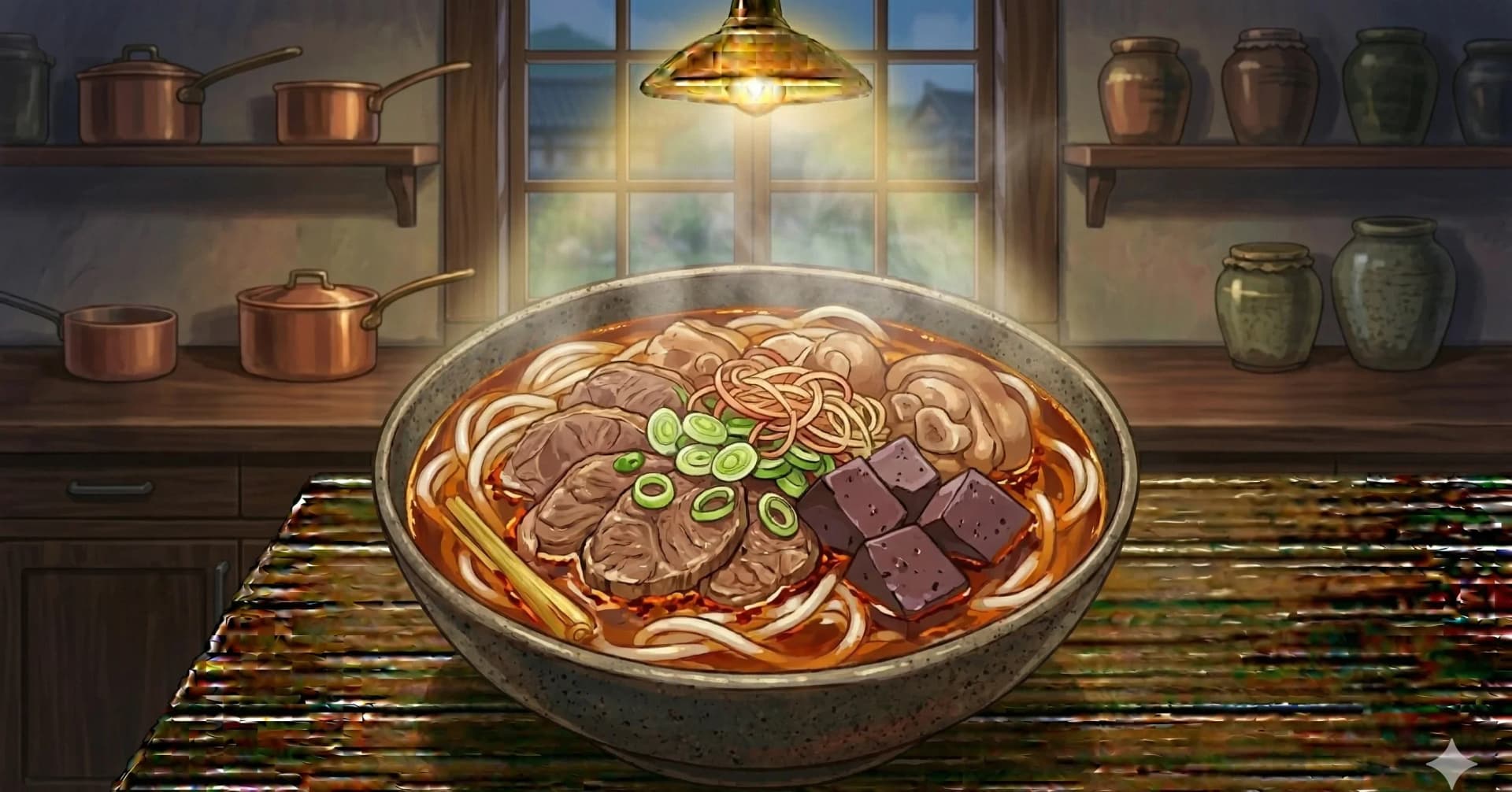
Spicy Beef Noodle Soup (Bún Bò Huế)
3 hours 45 minutes
 Easy
EasyVietnamese Cuisine
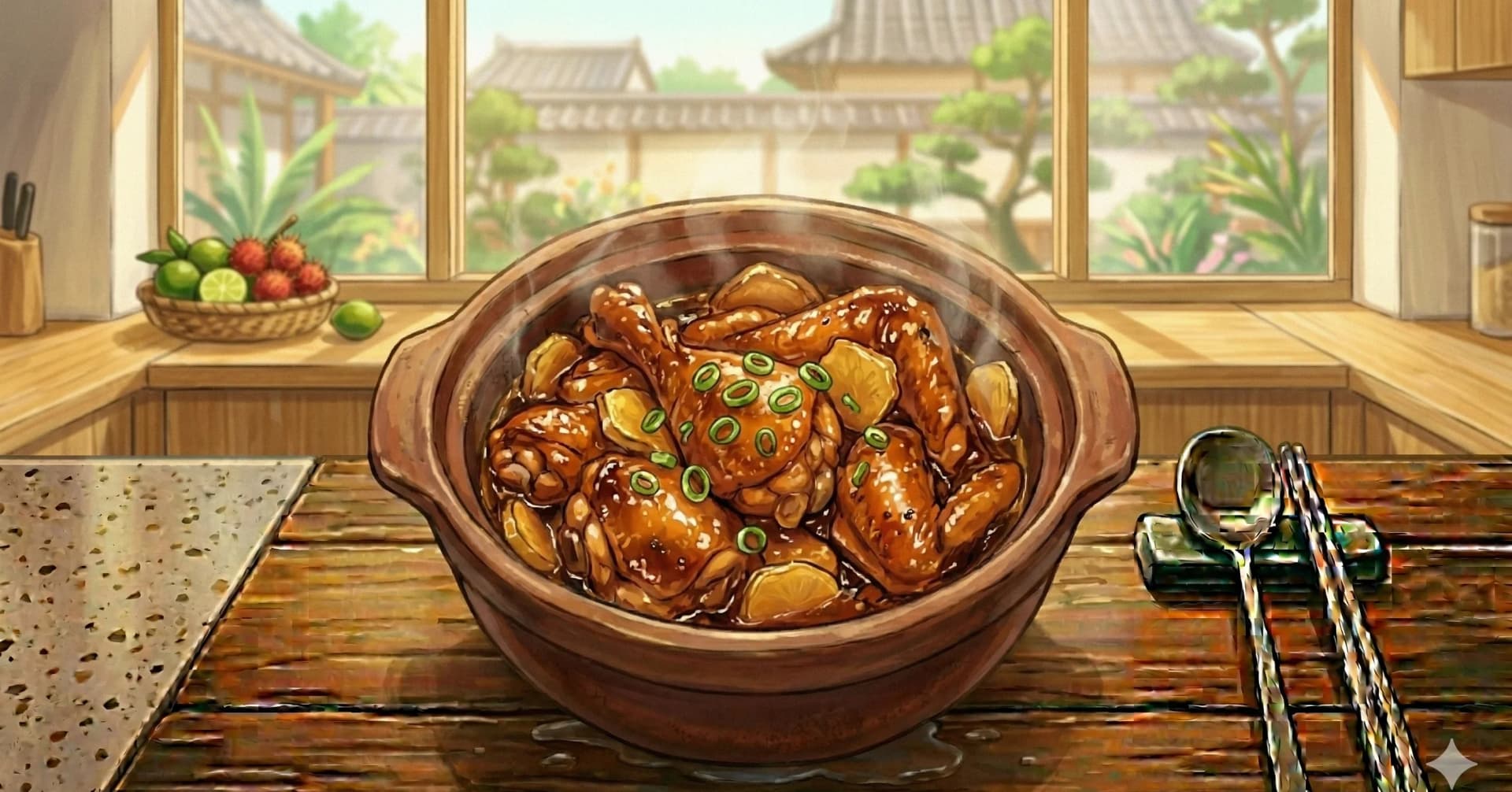
Ga Kho Gung (Vietnamese Caramelized Ginger Chicken)
1 hour
 Easy
EasyVietnamese Cuisine
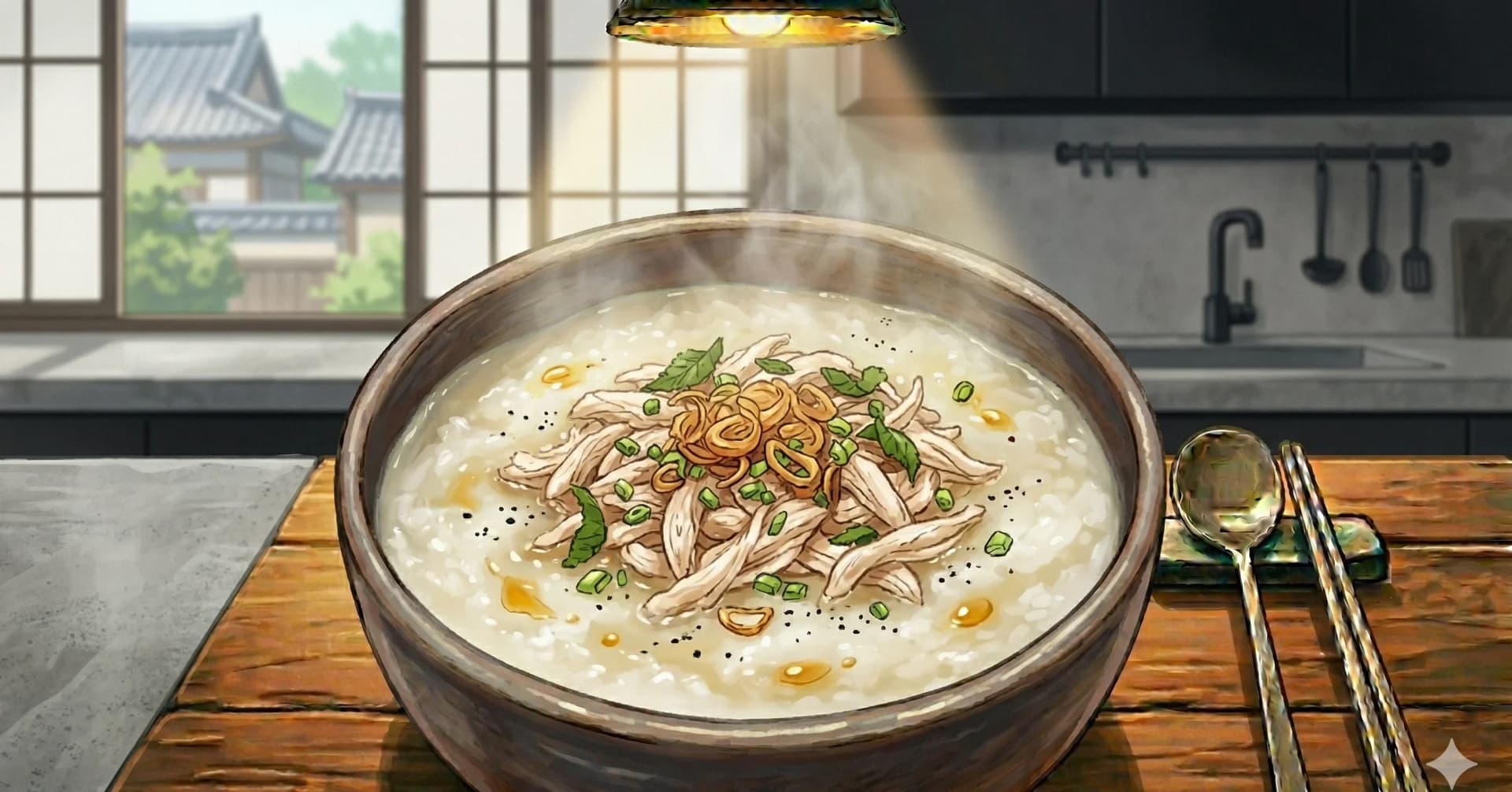
Cháo Gà (Vietnamese Chicken Rice Porridge)
1 hour 30 minutes
 Medium
Vietnamese Cuisine
Bun Rieu (Vietnamese Crab and Tomato Noodle Soup)
2 hours
Ratings & Comments
Ratings & Comments
Ratings
Share your thoughts on this recipe.
Sign in to rate and comment