Vietnamese Cuisine
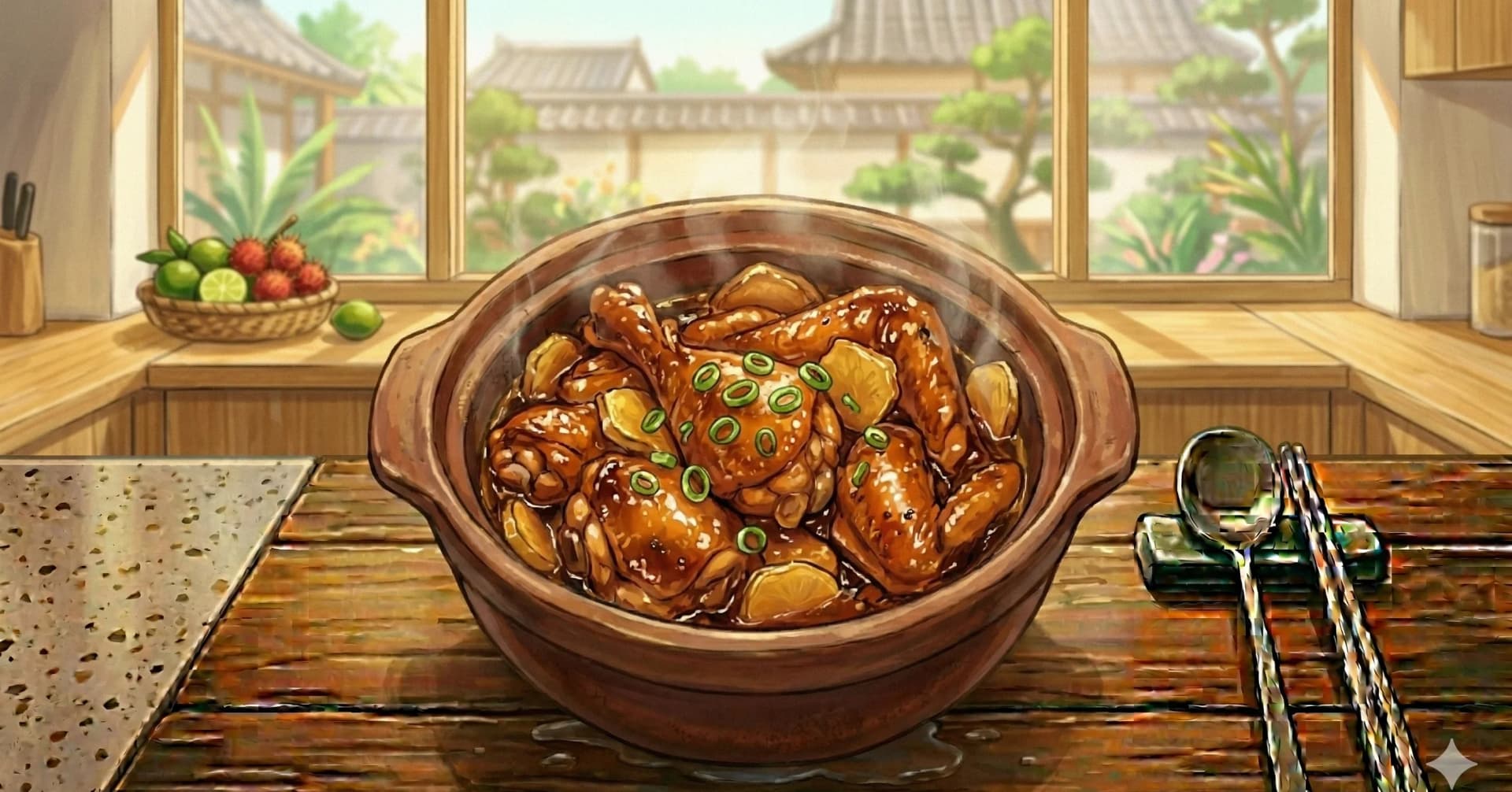
Ga Kho Gung (Vietnamese Caramelized Ginger Chicken)
Chicken braised in caramel sauce with a generous hand of ginger, fish sauce, and black pepper until glossy and deeply savory
Ga kho gung is one of those Vietnamese home-cooking dishes that rarely appears on restaurant menus but sits at the center of countless family tables, particularly in the south. The name translates as "chicken braised with ginger," but that undersells what happens in the pot. Pieces of bone-in chicken simmer in a sauce built from caramelized sugar, fish sauce, and a generous amount of fresh ginger until the liquid reduces to a dark, lacquered glaze that clings to each piece. The ginger is not a background note here. It is the point of the dish, its warmth cutting through the richness of the caramel and the salt of the fish sauce.
The dish belongs to the kho family of Vietnamese braised dishes, the same tradition that gives us thit kho trung, the caramelized pork belly and egg that may be the most beloved home-cooked dish in southern Vietnam. Where thit kho trung relies on coconut water and slow rendering of pork fat, ga kho gung leans on ginger as its defining flavor. In Vietnamese folk medicine, ginger-heavy chicken dishes are considered nourishing during cold weather or recovery from illness. Canh ga gung, a clear ginger chicken soup, serves a similar purpose in lighter form.
The method is forgiving and quick by braising standards. You make a caramel, build the sauce, add the chicken, and simmer for about 30 minutes. The caramel provides color, bitterness, and a faint smokiness that sugar alone cannot replicate. Getting it right is the one step that requires attention: you want dark amber, just past golden, where it smells nutty and faintly bitter. Pull it too early and the sauce tastes flat. Push it too far and you get an acrid note that no amount of fish sauce can fix.
This recipe draws primarily from Vicky Pham's version, supplemented by Hungry Huy's technique and proportions, with the caramel method informed by Runaway Rice's approach.
At a Glance
Yield
4 servings
Prep
20 minutes
Cook
40 minutes
Total
1 hour
Difficulty
Easy
Ingredients
Marinade Ingredients
- 2 lbbone-in, skin-on chicken thighs and drumsticks (about 6–8 pieces), cut through the bone into 5 cm pieces if desired
- 2 tbspfish sauce
- 1¼ tspgranulated sugar
- ⅞ tspfreshly ground black pepper
- 1¾ tbspgarlic (about 2 cloves), minced
- ¾ ozshallots (about 1 medium), thinly sliced
Caramel Ingredients
- 4 tbspgranulated sugar
- 1 tbspwater
Braise Ingredients
- ⅔ cupfresh ginger (about 7 cm), peeled and sliced into thin coins or matchsticks
- 2 tbspfish sauce
- 1 tbspsoy sauce (about 1 tablespoon, optional, for color)
- ¾ cupcoconut water or plain water
- 1¼ tspgranulated sugar, or to taste
- 1to 2 bird's eye chilies, sliced (optional)
- 2scallions, cut into 4 cm lengths, green and white parts separated
- —Freshly ground black pepper
Method
- 1
Place the chicken pieces in a bowl with the fish sauce, sugar, black pepper, garlic, and shallots. Toss until every piece is evenly coated. Set aside at room temperature while you prepare the remaining ingredients, at least 15 minutes. The fish sauce will begin to season the meat and draw out a small amount of moisture that becomes part of the braising liquid later.
- 2
Make the caramel. Combine the sugar and water in a small, dry saucepan over medium heat. Swirl the pan gently but do not stir. The sugar will dissolve, then begin to bubble. Watch the color closely. It will pass through pale gold, then honey, then deep amber. When it reaches a dark amber color and you catch a nutty, slightly bitter aroma, remove the pan from the heat immediately. The whole process takes 3 to 5 minutes. If the caramel starts to smoke or turns nearly black, discard it and start over. A few seconds make the difference between complex bitterness and burnt sugar.
- 3
Working carefully (the caramel is extremely hot), pour approximately 30 ml of the coconut water into the caramel. It will sputter and seize. Return the pan to low heat and stir until the hardened caramel dissolves back into a smooth, dark syrup. Set aside.
- 4
Heat 15 ml of neutral oil in a medium heavy-bottomed pot or clay pot over medium-high heat. Add the scallion whites and ginger slices. Cook, stirring frequently, until the ginger is fragrant and the edges just begin to turn golden, about 2 minutes. The kitchen should smell warm and sharp.
- 5
Add the marinated chicken along with all its accumulated juices. Spread the pieces in a single layer as much as possible. Let them cook undisturbed for 3 to 4 minutes so the undersides develop some color. The skin will release from the pot when it is ready to turn.
- 6
Flip the chicken pieces and pour in the dissolved caramel, the remaining coconut water, fish sauce, and soy sauce if using. Add the optional chilies. Stir gently to distribute the liquid. The sauce should come about halfway up the chicken pieces. If it does not, add water in small splashes.
- 7
Bring the liquid to a boil, then reduce the heat to low so the surface barely bubbles. Cover and simmer for 20 to 25 minutes, turning the chicken once halfway through. The meat should be cooked through and tender, pulling away from the bone slightly when you nudge it with a spoon.
- 8
Remove the lid and raise the heat to medium. Let the sauce reduce for 5 to 8 minutes, spooning it over the chicken occasionally, until it thickens to a glossy, syrupy consistency that coats the back of a spoon. The color should be deep mahogany. Taste and adjust: more fish sauce if it needs salt, a pinch of sugar if the caramel bitterness is too forward, a squeeze of lime if you want brightness.
- 9
Scatter the scallion greens over the top and grind a generous amount of black pepper over the dish. Serve directly from the pot with steamed jasmine rice.
Key Ingredient Benefits
Fresh ginger: The defining ingredient. Look for ginger with smooth, taut skin and a heavy feel in the hand. Wrinkled or lightweight pieces are older and more fibrous. Young ginger (gung non), available at Asian markets in spring and summer, has thinner skin, a milder flavor, and almost no fibers. It is excellent in this dish if you can find it. Store unpeeled ginger wrapped loosely in a paper towel inside a zip-top bag in the refrigerator for up to three weeks, or freeze whole for several months and grate directly from frozen. Ginger has been used in traditional Vietnamese and Chinese medicine for centuries as a warming food believed to support digestion and circulation. Gingerols have been studied in laboratory and clinical settings for anti-nausea and anti-inflammatory properties, though most studies use concentrated extracts rather than culinary amounts.
Chicken thighs and drumsticks: Dark meat is the right choice for braising. It has more intramuscular fat and connective tissue than breast meat, which keeps it moist during the extended cooking time and contributes body to the sauce. Per 100 g of cooked meat, chicken thighs provide roughly 26 g of protein, along with niacin, vitamin B6, selenium, and zinc.
Coconut water: Used in many southern Vietnamese braises as a cooking liquid. It adds a subtle sweetness and a faint roundness that plain water does not provide. Fresh coconut water from young coconuts is ideal but packaged unsweetened coconut water works well. Do not confuse coconut water with coconut milk or coconut cream, which are much richer and would change the character of the sauce entirely.
Fish sauce: The backbone of Vietnamese seasoning. Look for fish sauce with a short ingredient list: anchovies, salt, and water. Higher-quality fish sauce has a deeper amber color and a more complex, less aggressively salty flavor. Red Boat, Megachef, and Three Crabs are widely available and reliable brands.
Why This Works
The caramel sauce is the foundation of the kho braising tradition. When sugar is cooked past the point of simple sweetness into dark amber territory, it undergoes extensive Maillard-adjacent reactions, producing hundreds of new flavor compounds that taste bitter, nutty, and faintly smoky. This complexity is what separates kho dishes from a simple sweet braise. The same caramel technique appears in thit kho trung, where it combines with coconut water and pork fat, and in bo kho, where warm spices join the caramel base.
The generous quantity of ginger serves multiple purposes. Its volatile oils, primarily gingerol and zingiberene, provide the sharp, warming heat that defines the dish. During braising, some of the gingerol converts to zingerone, a compound with a sweeter, less pungent character. This means the ginger flavor softens and rounds out over time rather than becoming harsher. Slicing the ginger into thin coins rather than mincing it ensures a steady release of flavor into the sauce while keeping the pieces large enough to eat alongside the chicken, which is traditional.
Bone-in chicken is essential. The bones and connective tissue release collagen and gelatin into the braising liquid as it simmers, giving the reduced sauce its characteristic body and cling. Boneless chicken would cook faster but produce a thinner, less satisfying sauce. The skin, when left on and given initial contact with the hot pan, renders some of its fat into the braising liquid and picks up the caramel color beautifully.
Fish sauce provides glutamate and salt in a form that integrates seamlessly with the caramel. The combination of caramelized sugar and fermented fish sauce creates a savory-sweet-bitter balance that is one of the signature flavor profiles of southern Vietnamese cooking.
Substitutions & Variations
Protein: Whole chicken wings work well and cook in roughly the same time. Bone-in, skin-on chicken breast can be used but requires careful timing to avoid drying out; reduce the simmering time to 15 minutes. For a richer version, use a whole chicken, cut into pieces through the bone at a Vietnamese or Chinese butcher. Pork chops or pork belly prepared the same way become a variation closer to thit kho, blurring the line between the two dishes.
Ginger quantity: The amount of ginger here is generous but traditional. If you find raw ginger too assertive, reduce the quantity to 40 g. If you enjoy it, increase to 80 g. The ginger mellows considerably during braising, so err on the side of more rather than less.
Caramel shortcut: If the caramel step intimidates you, dissolve 30 ml of dark soy sauce and 15 g of brown sugar into the braising liquid instead. The flavor will not be identical, the sauce will lack the characteristic bitterness and smokiness, but it will still produce a satisfying dish. Alternatively, bottled Vietnamese caramel sauce (nuoc mau or nuoc hang) is sold at Asian grocery stores and can be added directly.
Coconut water: Plain water works as a substitute. The dish will still be good, just without the subtle sweetness. A tablespoon of palm sugar or light brown sugar can approximate the sweetness if desired.
Heat: The bird's eye chilies are optional. For more heat, leave the seeds in or add a sliced red Fresno chili. For no heat at all, omit them entirely. The dish is traditionally mildly spiced, relying on ginger and black pepper for warmth rather than chili.
Clay pot: If you have a Vietnamese clay pot (noi dat), use it. The porous clay absorbs and radiates heat gently, producing a more even braise. Season a new clay pot by soaking it in water overnight before first use.
Serving Suggestions
Ga kho gung is meant to be served with a generous mound of steamed jasmine rice. The sauce is concentrated and salty enough that you want plenty of rice to absorb it. A simple plate of sliced cucumbers or a bowl of lightly pickled daikon and carrot provides the contrast of something cool and crisp between bites.
For a fuller Vietnamese meal, pair ga kho gung with canh ga gung, a clear ginger chicken soup, for a two-course ginger theme that covers both braised and light preparations. Pho ga makes a natural starter or light accompaniment, offering a delicate chicken broth as counterpoint to the rich caramel glaze.
If you are building a Southeast Asian spread, pad krapow brings a different kind of heat and aromatic intensity alongside the mellower warmth of ginger. Ga nuong xa, Vietnamese lemongrass grilled chicken, offers a contrast in cooking method while staying within the same family of Vietnamese chicken dishes. The grilled version is bright and charred where the kho version is dark and saucy.
A plate of steamed or stir-fried greens, water spinach (rau muong) or bok choy, rounds out the meal and provides something green against the deep amber of the chicken. Keep the vegetable preparation simple so it does not compete with the kho.
Storage & Reheating
Advance preparation: Like all kho dishes, ga kho gung improves overnight. The chicken absorbs more of the caramel-ginger sauce as it cools, and the flavors integrate further. Making it the evening before a meal is a good strategy.
Refrigerator: Store in an airtight container for up to 4 days. The sauce will gel slightly when cold due to the gelatin released from the bones and skin. This is a sign of a well-made braise and melts back to a glossy sauce on reheating.
Reheating: Warm gently on the stovetop over medium-low heat, adding a splash of water if the sauce has reduced too much. Spoon the sauce over the chicken as it warms. Avoid high heat, which can cause the caramel to scorch on the bottom of the pot. Microwave reheating works in 30-second intervals, stirring between each.
Freezing: Ga kho gung freezes well for up to 2 months. The sauce protects the chicken from freezer burn. Thaw overnight in the refrigerator before reheating on the stovetop. The texture of the ginger slices may soften slightly after freezing but the flavor remains intact.
Cultural Notes
Gà kho gừng, Vietnamese caramelized ginger chicken, belongs to the broader kho family of slow-braised, caramelized dishes that also includes thịt kho tàu, cá kho tộ, and bò kho. The technique is the same across the family. You build a sauce on caramelized sugar (nước hàng or nước màu), fish sauce, black pepper, and aromatics, then braise the protein slowly until the liquid reduces and the meat takes on the deep mahogany color the family is known for. Inside that family, the ginger-chicken version sits firmly in the everyday rotation, more so in northern and central Vietnam than in the south, where ginger plays a bigger role in everyday cooking generally.
The dish has strong ties to Vietnamese postpartum recovery cooking (ở cữ). The combination of warming ginger and protein-dense chicken is treated as ideal nourishment for new mothers during the traditional 30-to-100-day confinement period. In Vietnamese folk medicine, ginger is one of the most warming ingredients available under the âm-dương hot-cold classification, and gà kho gừng sits at the center of the standard postpartum repertoire alongside canh gà gừng. The same restorative logic extends to general convalescence, the days after surgery, and the first signs of cold-weather illness.
Outside those medicinal contexts, gà kho gừng works as a regular weeknight dinner everywhere in Vietnam. The economics are part of the appeal. Chicken thighs are cheap. The seasoning components are pantry staples. The slow-braise technique works equally well on a budget electric burner or a high-end induction range. The dish also improves noticeably with overnight refrigeration and next-day reheating, which makes it a go-to "tomorrow's lunch" preparation in Vietnamese households.
You will rarely find gà kho gừng on a restaurant menu in Vietnam. Vietnamese restaurants tend to avoid dishes that customers would prefer to eat at home, and this one is too deeply identified as home cooking. It is the kind of dish a Vietnamese person looks forward to eating in their mother's kitchen, not at a restaurant.
Nutrition Facts
Calories: 355kcal (18%)|Total Carbohydrates: 16g (6%)|Protein: 26g (52%)|Total Fat: 21g (27%)|Saturated Fat: 5.5g (28%)|Cholesterol: 154mg (51%)|Sodium: 870mg (38%)|Dietary Fiber: 0g (0%)|Total Sugars: 15g
You Might Also Like
 Easy
EasyVietnamese Cuisine
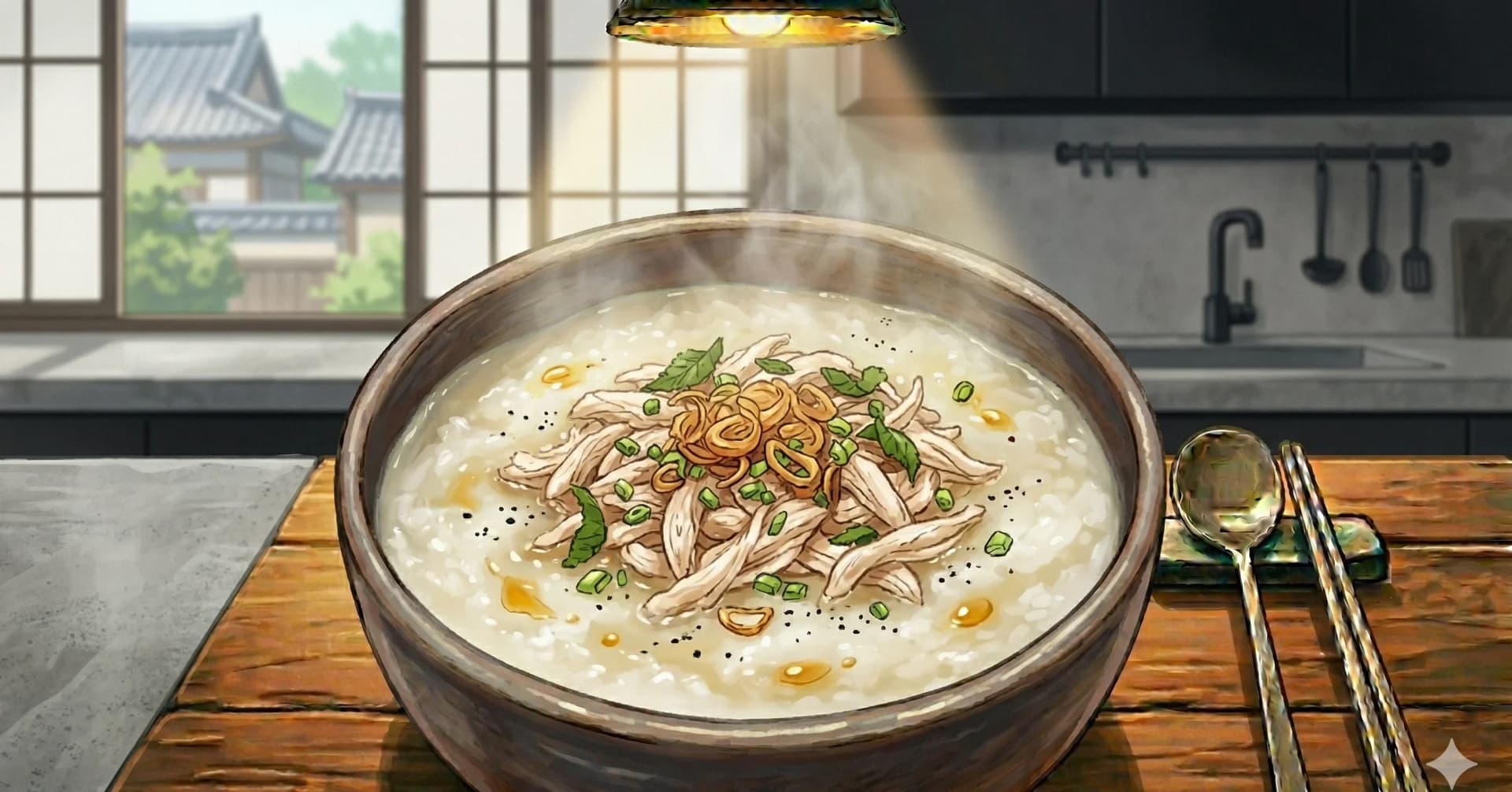
Cháo Gà (Vietnamese Chicken Rice Porridge)
1 hour 30 minutes
 Medium
Vietnamese Cuisine
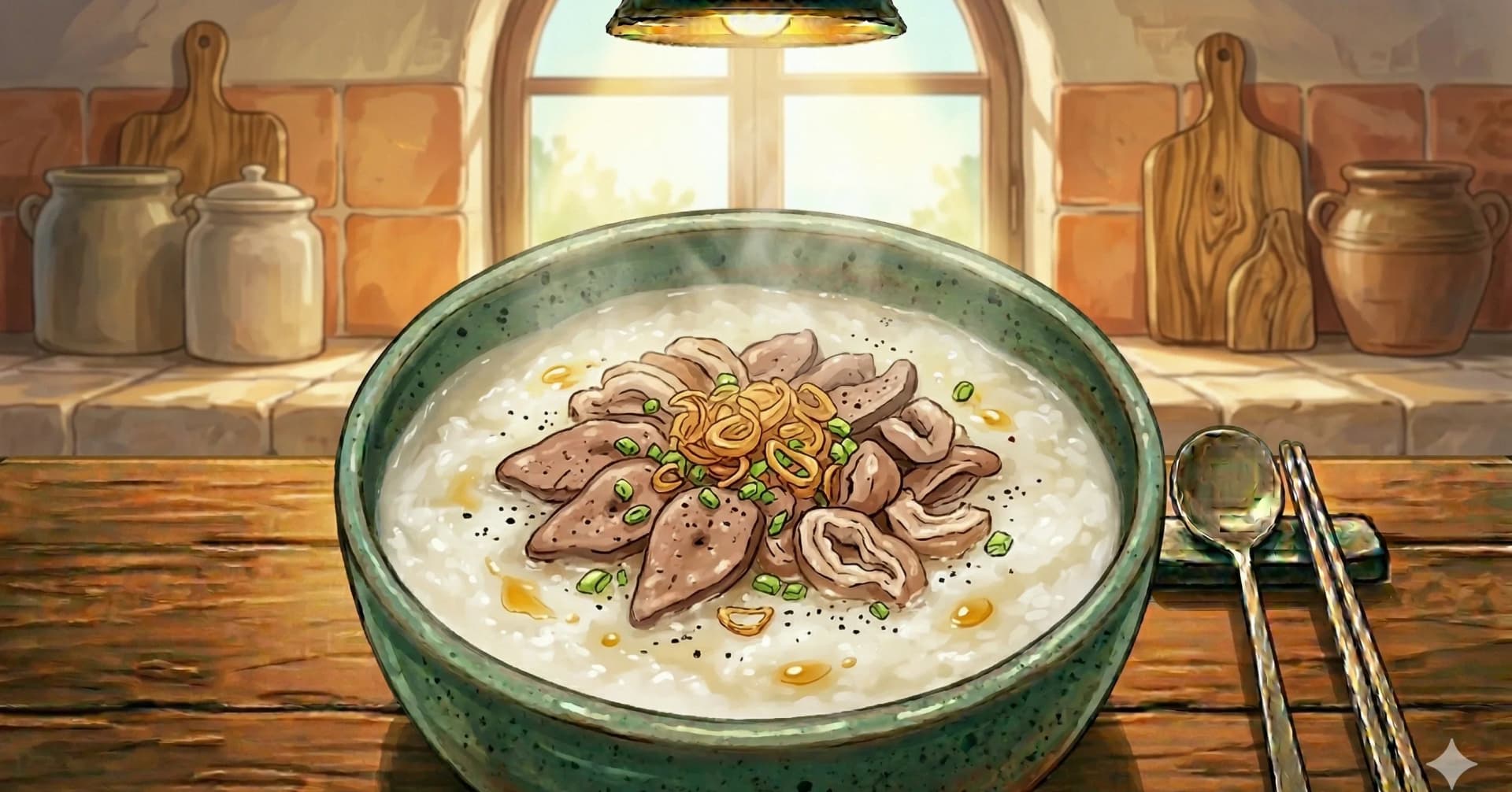
Cháo Lòng (Vietnamese Pork Organ Rice Porridge)
2 hours 15 minutes
 Easy
EasyVietnamese Cuisine
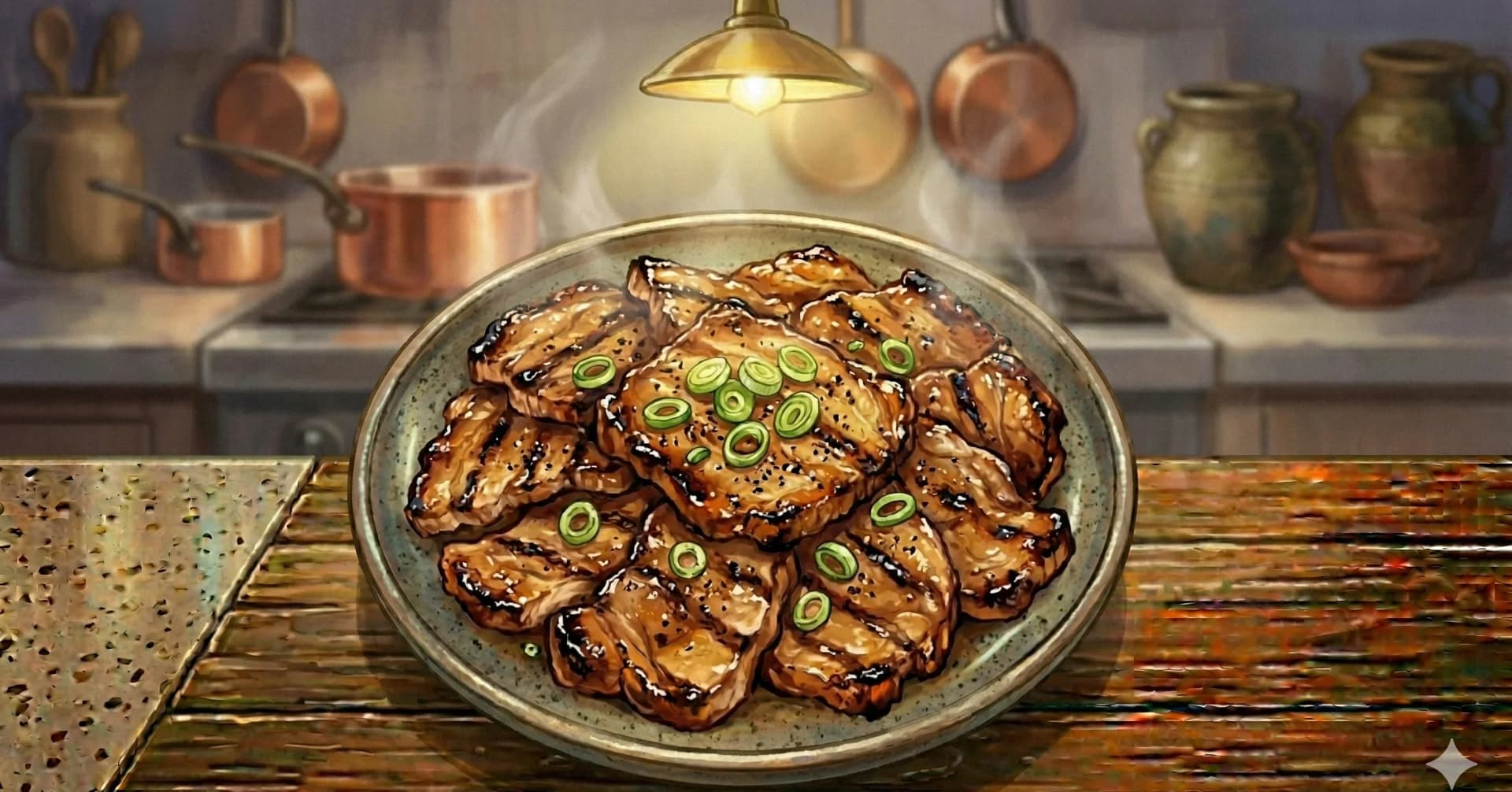
Grilled Lemongrass Pork (Thịt Nướng)
2 hours 30 minutes
 Easy
EasyVietnamese Cuisine
Canh Chua Cá (Vietnamese Sweet and Sour Fish Soup)
35 minutes
Ratings & Comments
Ratings & Comments
Ratings
Share your thoughts on this recipe.
Sign in to rate and comment