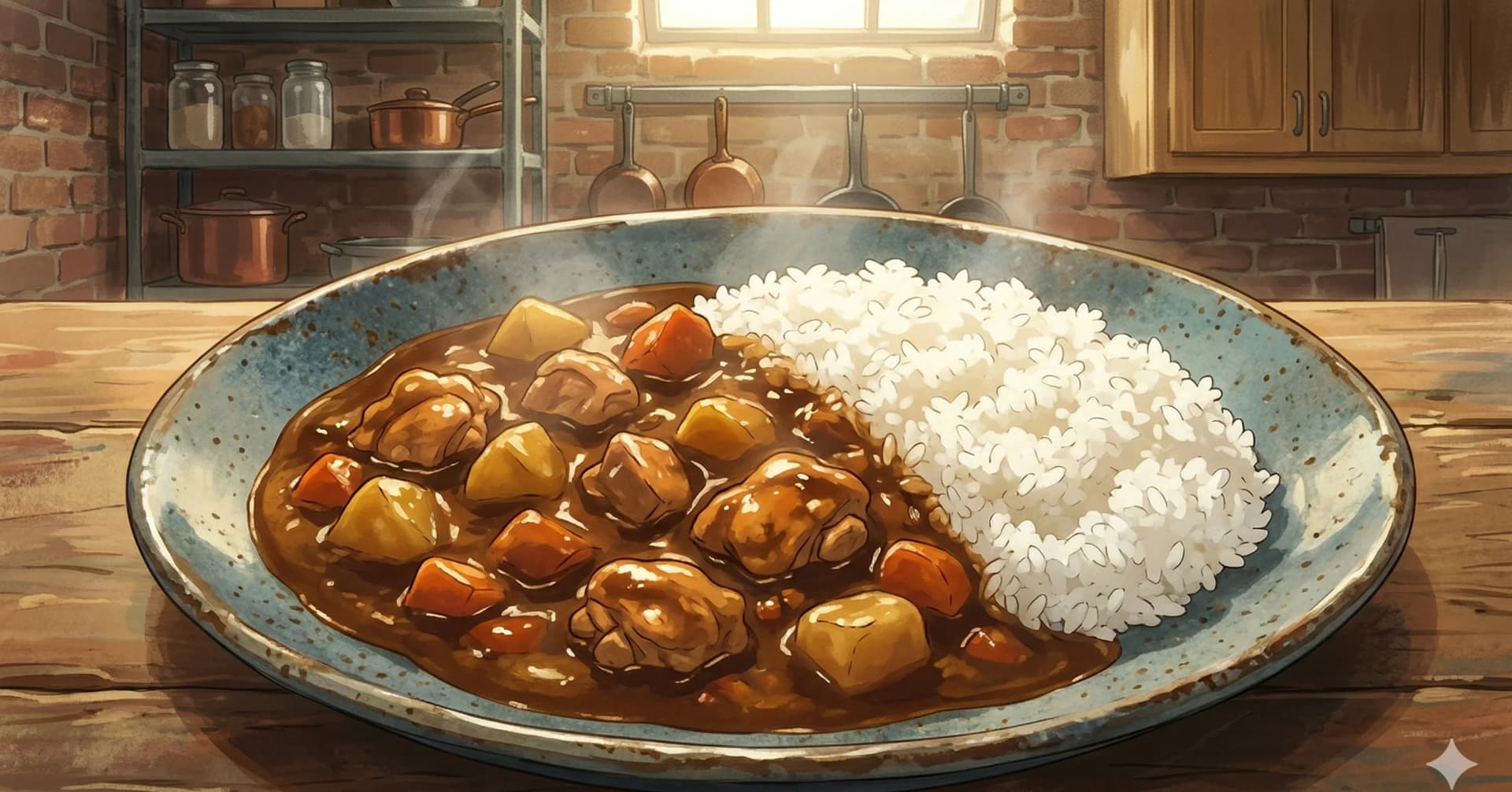
Japanese Cuisine
Kare Raisu (Japanese Chicken Curry Rice)
A gentle, thick chicken curry with potatoes, carrots, and grated apple in a toasted-spice roux, served over short-grain rice
Japanese curry does not announce itself with chili heat or the bright acidity of Southeast Asian curries. It arrives quietly, thick and golden-brown, smelling of toasted flour and warm spice and caramelized onions. It tastes like something between a French stew and an Indian curry, which is essentially what it is. The dish traces its path from India through British naval officers in the late 1800s, adapted by Japanese cooks into something entirely its own. By the mid-twentieth century, packaged curry roux blocks made it one of the most frequently cooked dinners in Japanese households. Nearly every home has a preferred brand and a handful of secret additions.
The texture is the signature. Where a massaman curry or a green curry builds richness through coconut milk, kare raisu gets its body from a cooked roux of butter, flour, and curry powder. The result is a velvety sauce that clings to rice rather than pooling around it. Grated apple and honey contribute a gentle sweetness that Japanese palates expect but that sometimes surprises newcomers. Soy sauce and ketchup, two common additions, add umami depth and a quiet acidity that keeps the sweetness grounded.
This recipe builds the roux from scratch rather than relying on boxed mixes, which often contain palm oil, MSG, and more sodium than most cooks want. The from-scratch version takes about twenty extra minutes and produces a cleaner, more aromatic result. If you have boxed roux on hand and want to use it, the method section includes guidance for that shortcut. Either way, the dish comes together in just over an hour and, like nikujaga and other simmered Japanese comfort foods, it tastes noticeably better the next day.
At a Glance
Yield
8 servings
Prep
20 minutes
Cook
50 minutes
Total
1 hour 10 minutes
Difficulty
Easy
Ingredients
Roux Ingredients
- ½ cupunsalted butter
- ¾ cupplain flour
- ¼ cupJapanese curry powder
- 1 tbspgaram masala
- 1⅛ tspcayenne pepper, optional
Curry Ingredients
- 1½ lbboneless, skinless chicken thighs, cut into bite-sized pieces
- 2large onions (about 670 g total), cut into thick wedges
- 2medium carrots (about 190 g total), peeled and cut into rolling wedges (rangiri)
- 3medium Yukon Gold potatoes (about 430 g total), peeled and cut into 5 cm pieces
- 2 clovesgarlic, minced or grated
- 2½ tspfresh ginger, finely grated
- —Half a medium apple (about 170 g), peeled, cored, and grated
- 1 tbsphoney
- 1 tbspsoy sauce
- 1 tbspketchup
- 4 cupchicken stock or water
- 1½ tbspneutral oil such as vegetable or rice bran
- —Freshly ground black pepper
- —Fine sea salt to taste
To Serve
- —Steamed Japanese short-grain rice (about 200 g uncooked per person)
- —Fukujinzuke (red pickled radish), optional
Method
- 1
Prepare the roux. Melt the butter in a small saucepan over medium-low heat. Add the flour and stir with a wooden spatula until fully combined. Reduce the heat to low and stir constantly for 20 to 25 minutes, adjusting the heat as needed to prevent burning. The mixture will pass through several stages: pale and pasty, then sandy and blonde, then a warm golden brown with a toasted, nutty aroma. When it reaches a medium-brown color similar to peanut butter, remove from the heat. Stir in the curry powder, garam masala, and cayenne if using. The residual heat will bloom the spices. Set aside to cool slightly. (If making ahead, pour into a parchment-lined container, refrigerate until solid, and cut into cubes.)
- 2
Soak the potato pieces in a bowl of cold water for 15 minutes to remove excess starch. Drain and pat dry before using.
- 3
Heat the oil in a heavy-bottomed pot or Dutch oven over medium heat. Add the onion wedges and cook, stirring occasionally, for about 5 minutes until they soften and turn translucent with golden edges. Resist stirring too often so the onions develop some color.
- 4
Add the garlic and ginger to the pot. Stir for about 30 seconds until fragrant. The raw garlic smell should give way to something sweeter and more rounded.
- 5
Season the chicken pieces with black pepper. Add them to the pot and cook, stirring frequently, until the outside of the chicken is no longer pink, about 3 to 4 minutes. The chicken does not need to be cooked through at this stage.
- 6
Pour in the stock. Add the grated apple, honey, soy sauce, and ketchup. Stir to combine. The liquid should barely cover the ingredients. If there is too much liquid, leave the lid off during simmering.
- 7
Add the carrots and potatoes. Bring to a gentle boil, then reduce the heat to medium-low. Skim any foam or scum that rises to the surface with a fine-mesh skimmer. This step produces a cleaner-tasting sauce.
- 8
Cover the pot and simmer for 15 minutes, stirring once or twice. Check the carrots and potatoes with a wooden skewer or the tip of a knife. They should slide through with little resistance. If they are still firm, continue simmering for another 5 minutes.
- 9
Turn off the heat. Scoop a ladleful of the hot cooking liquid into a separate bowl. Add about a quarter of the roux to the ladle and stir until it dissolves completely. Pour the mixture back into the pot and stir. Repeat with the remaining roux in batches. Adding the roux off the heat and in portions prevents lumps from forming.
- 10
Return the pot to medium-low heat. Simmer uncovered for 5 to 10 minutes, stirring frequently and scraping the bottom of the pot to prevent sticking. The sauce will thicken noticeably, going from a brothy consistency to something that coats the back of a spoon and holds a trail when you drag your finger through it.
- 11
Taste and adjust the seasoning. Add salt if needed (the amount depends on the saltiness of your stock). A splash more soy sauce deepens the savory note. A small squeeze of honey rounds any rough edges.
- 12
Serve the curry alongside steamed short-grain rice, spooning the sauce generously over one half of the plate. Set out fukujinzuke on the side for a tangy, crunchy contrast.
Key Ingredient Benefits
Curry powder: Japanese curry powder is milder and sweeter than Indian blends, with a higher proportion of turmeric and fenugreek and less chili. S&B Oriental Curry Powder is the standard brand. If unavailable, a mild Madras curry powder works with slightly different flavor emphasis. Turmeric contains curcumin, studied for anti-inflammatory properties, though the amounts in a serving of curry are relatively small.
Ginger: Fresh ginger contains gingerol, a bioactive compound with studied anti-nausea and anti-inflammatory effects. It appears in traditional Japanese and Chinese herbal medicine as a digestive aid. In this recipe, its role is primarily aromatic, providing a bright, clean note beneath the heavier roux flavors. See the ginger ingredient guide.
Honey: Honey adds a smoother sweetness than sugar and contributes trace enzymes. Importantly, the amylase in honey can break down starch and thin the sauce if added after the roux. Adding it to the broth before the roux, as this recipe directs, cooks out the enzyme and preserves the thick texture.
Yukon Gold potatoes: These hold their shape during simmering better than starchy varieties like russet. They also absorb the curry sauce as they cook, becoming creamy and flavorful throughout. Potatoes provide potassium, vitamin C, and resistant starch, particularly when cooled and reheated, which functions as a prebiotic fiber.
Why This Works
The roux is the structural backbone of this curry. Cooking flour in butter until it reaches a medium brown creates hundreds of new flavor compounds through the Maillard reaction, the same chemistry that gives bread crust and toasted nuts their depth. A darker roux has more flavor but less thickening power, so the medium-brown stage is the sweet spot for Japanese curry: enough toasted character to taste complex, enough starch to produce a thick, clinging sauce.
Adding the roux off the heat and in small increments prevents the starch from seizing into lumps. If you drop all the roux into boiling liquid at once, the outside of each piece gelatinizes instantly and traps raw flour inside. Dissolving it gradually in a ladleful of warm liquid first ensures even dispersion.
Grated apple serves a dual purpose. The natural sugars caramelize during simmering and contribute to the characteristic sweetness of Japanese curry. The pectin in the apple also acts as a secondary thickener, giving the sauce a smoother, more velvety mouthfeel than roux alone provides.
Skimming the broth after the initial boil removes dissolved proteins and impurities that would otherwise cloud the sauce and add a slightly bitter, muddy taste. Japanese cooking places particular emphasis on this step across simmered dishes from nikujaga to tonkotsu ramen, and it makes a noticeable difference.
Substitutions & Variations
Protein: Beef chuck or pork shoulder can replace the chicken. Cut into 3 cm cubes and increase the simmering time to 45 to 60 minutes before adding the roux. Thinly sliced pork belly is another popular choice, common in university cafeterias across Japan. For a dish that shares the slow-braised, meaty quality of this curry, see chicken rendang, which builds depth through a very different spice tradition.
Boxed roux shortcut: If using store-bought Japanese curry roux (such as Vermont Curry, Java Curry, or Golden Curry), skip the homemade roux entirely. Use one full box (about 200 g, typically 8 to 12 servings) and follow the same method. Turn off the heat, dissolve the roux blocks two at a time in a ladle of broth, and stir back into the pot. Simmer for 5 to 10 minutes to thicken. Mixing two different brands or spice levels (one mild, one medium) adds complexity.
Vegetarian version: Replace the chicken with firm tofu, pressed and cut into cubes, or with additional root vegetables such as sweet potato and parsnip. Use vegetable stock and substitute mushroom soy sauce for regular soy sauce to boost the umami.
Spice adjustments: For children, omit the cayenne and garam masala from the roux. The curry powder alone provides gentle warmth without heat. For adults who want more punch, add 2 to 3 g of cayenne or stir a teaspoon of S&B rayu (chili oil) into individual servings at the table.
Extra depth: Stir in 5 ml of instant coffee granules, 10 g of dark chocolate, or 15 ml of Worcestershire sauce with the broth for a richer, more layered flavor. These are common "secret ingredients" in Japanese home cooking.
Serving Suggestions
The classic presentation is a wide plate or shallow bowl with rice on one side and curry on the other, the two just meeting in the middle. Fukujinzuke, the sweet-tangy red pickled radish, is the traditional condiment and provides a crunchy, acidic counterpoint to the rich sauce. Rakkyo (pickled shallots) are the other standard accompaniment.
A simple green salad dressed with a sesame or wafu (Japanese-style) vinaigrette cuts through the heaviness. Tonkatsu (breaded pork cutlet) placed on top of the rice and smothered in curry transforms this into katsu kare, one of Japan's most beloved comfort food combinations.
For a broader Japanese table, serve alongside a bowl of miso soup and a plate of quick pickles. Udon noodles make an excellent alternative to rice, particularly in cooler weather, and are a traditional pairing in Osaka-style curry udon. A light, brothy tonkotsu ramen before the curry provides contrast between the rich and the clean.
Storage & Reheating
Advance preparation: Japanese curry is one of the rare dishes that genuinely tastes better the next day. The roux continues to meld with the broth, the potatoes absorb more sauce, and the overall flavor deepens. Making it a day ahead is encouraged.
Refrigerator: Store in an airtight glass container (glass prevents staining) for up to 3 days. The curry will thicken considerably as it cools, setting almost to a paste. This is normal.
Reheating: Add 60 to 120 ml of water to the chilled curry before reheating on the stovetop over low heat. Stir frequently to prevent the thick sauce from catching on the bottom. Heat gently until it returns to a smooth, pourable consistency. Continue simmering uncovered if you need to reduce it again.
Freezing: The curry freezes well for up to 1 month. Remove potatoes before freezing if you mind the texture change (they become slightly grainy). Thaw in the refrigerator overnight before reheating on the stovetop. The roux can also be frozen separately for up to 4 months, making future batches faster.
Cultural Notes
Karē raisu (カレーライス), Japanese curry rice, has the strangest backstory of any beloved Japanese national dish. It came from the British Royal Navy. Not India, not Southeast Asia. The Meiji government (1868-1912), busy modernizing the country along British lines, imported British naval practices wholesale. One of those practices was a thickened curry stew used to feed sailors a hot standardized meal at sea. The Japanese Imperial Navy adopted it directly.
From the navy, curry leaked into civilian Japan through two channels. First, soldiers carrying recipes home at the end of their service. Second, Japanese spice companies that sniffed an opportunity. House Foods, founded in 1913, and S&B Foods, founded in 1923, became the two giants of Japanese curry and remain so today. The real transformation came in the 1950s, when manufacturers began selling pre-made roux blocks shaped like a chocolate bar. You drop a chunk into a simmering pot of meat and vegetables and dinner is most of the way to done. With that single product, karē raisu stopped being a restaurant dish and became the most reliable weeknight meal in the Japanese home kitchen.
Its cultural place in modern Japan is hard to overstate. National surveys keep finding it ranked as the single favorite dish in school cafeterias. The Japan Maritime Self-Defense Force, descendant of the old Imperial Navy, still serves curry every Friday on its ships. The Friday curry tradition has become a small, much-loved military ritual.
Regional variations have emerged: Hokkaido's sūpu karē (soup curry), Tokyo's classic roux-based bowl, Yokosuka's near-original British-style version, and Osaka's kuro karē (black curry). Taken together, the dish stands as a defining example of yōshoku (洋食), the category of Western-derived food that Japan absorbed so completely it stopped being foreign.
Nutrition Facts
Calories: 1177kcal (59%)|Total Carbohydrates: 193g (70%)|Protein: 33g (66%)|Total Fat: 25g (32%)|Saturated Fat: 9g (45%)|Cholesterol: 95mg (32%)|Sodium: 580mg (25%)|Dietary Fiber: 5g (18%)|Total Sugars: 12g
You Might Also Like
 Easy
EasyVietnamese Cuisine
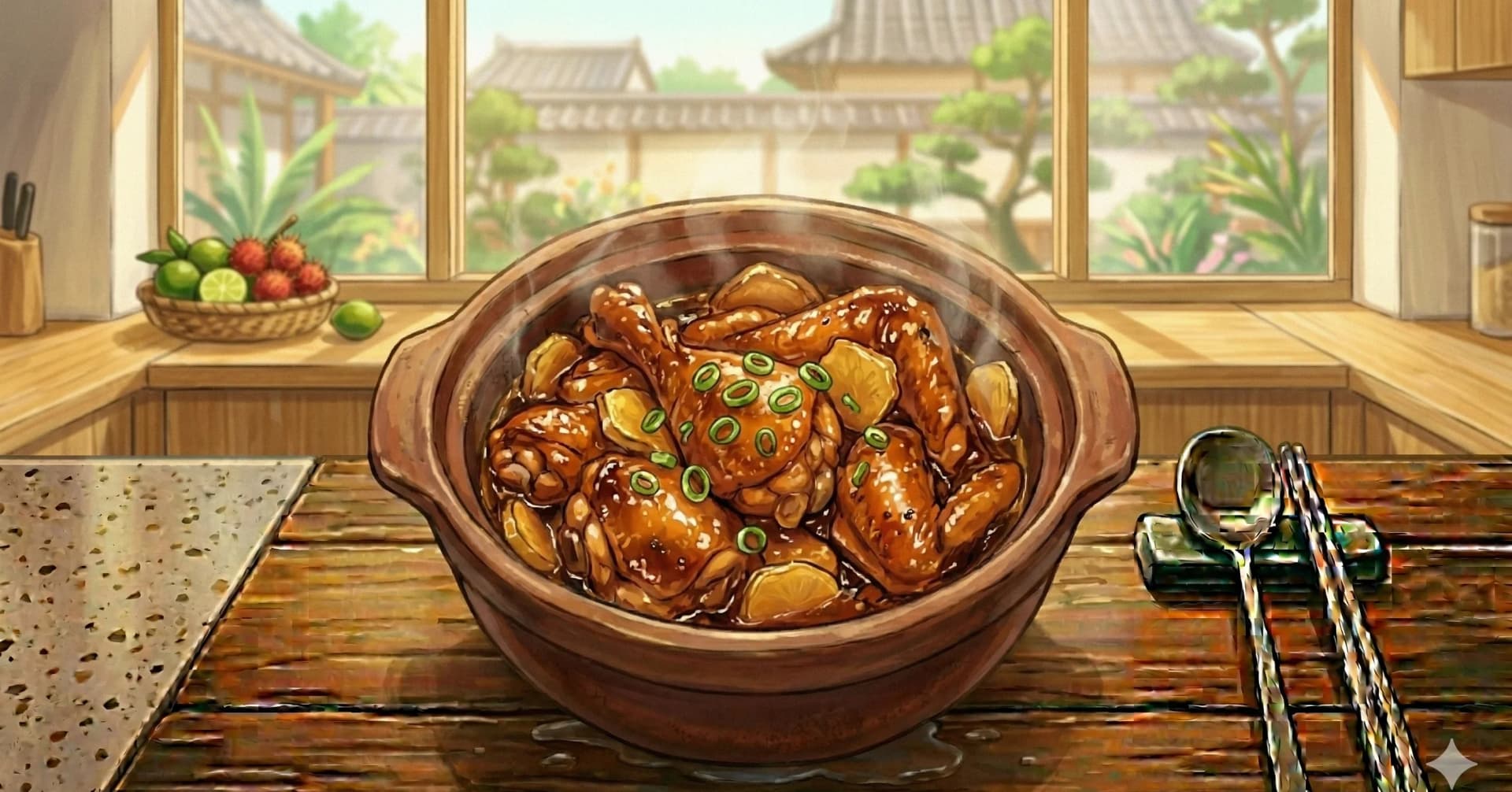
Ga Kho Gung (Vietnamese Caramelized Ginger Chicken)
1 hour
 Easy
EasyVietnamese Cuisine
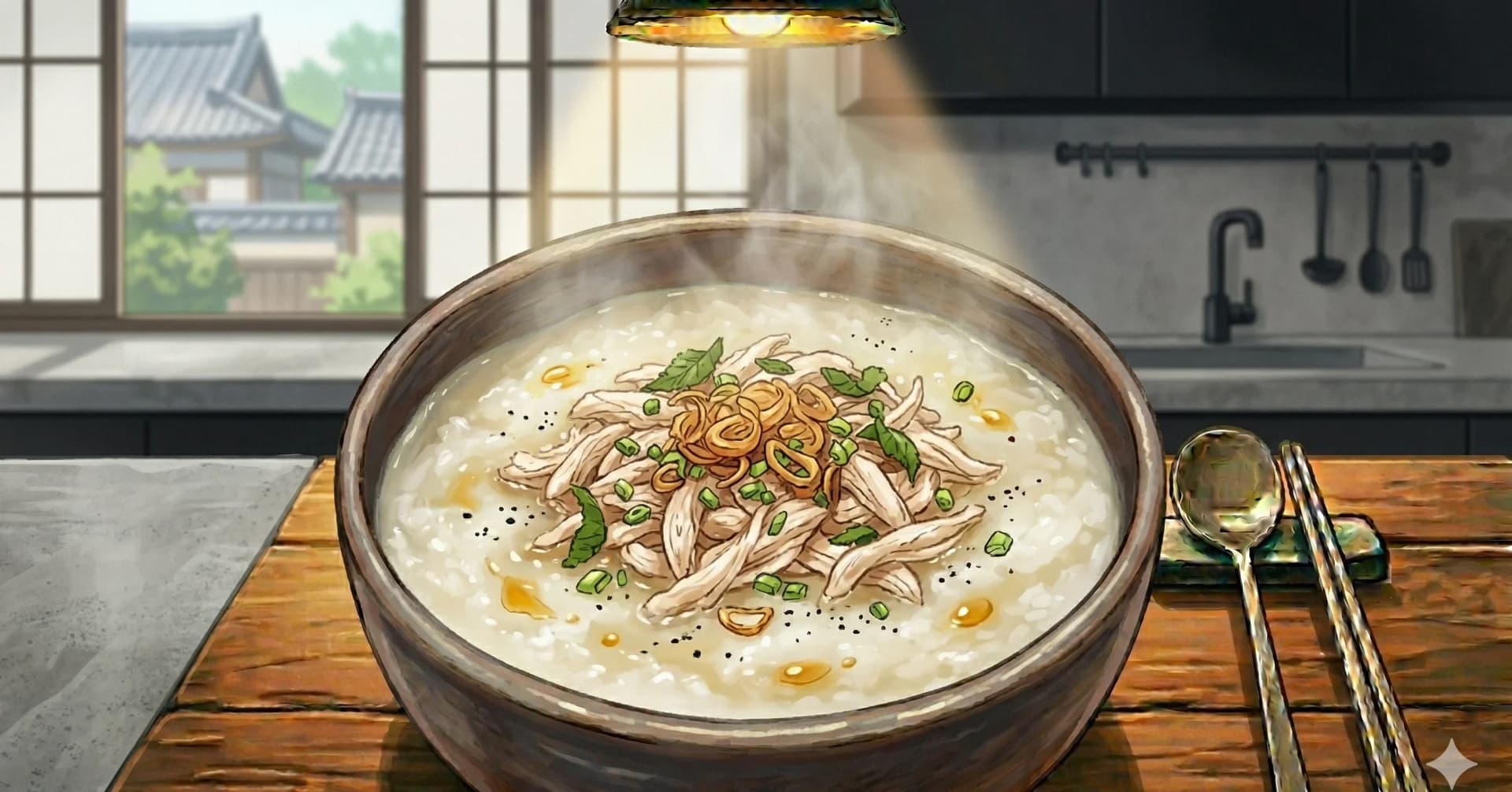
Cháo Gà (Vietnamese Chicken Rice Porridge)
1 hour 30 minutes
 Easy
EasyJapanese Cuisine
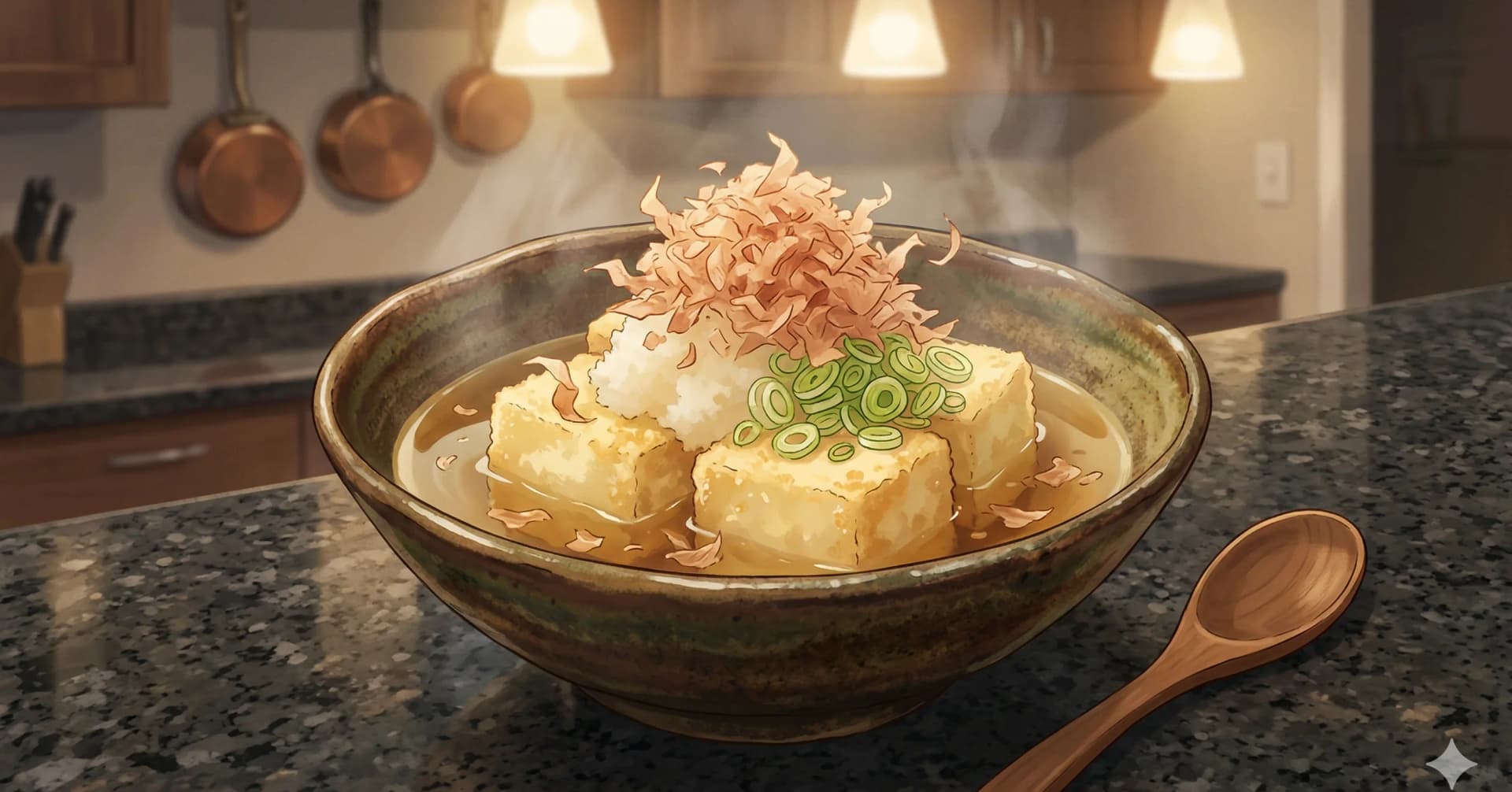
Agedashi Tofu (Fried Tofu in Dashi Broth)
25 minutes
 Easy
EasyCross-Cultural · China
Braised Pork with Potatoes (薯仔炆豬肉)
40 minutes
Ratings & Comments
Ratings & Comments
Ratings
Share your thoughts on this recipe.
Sign in to rate and comment