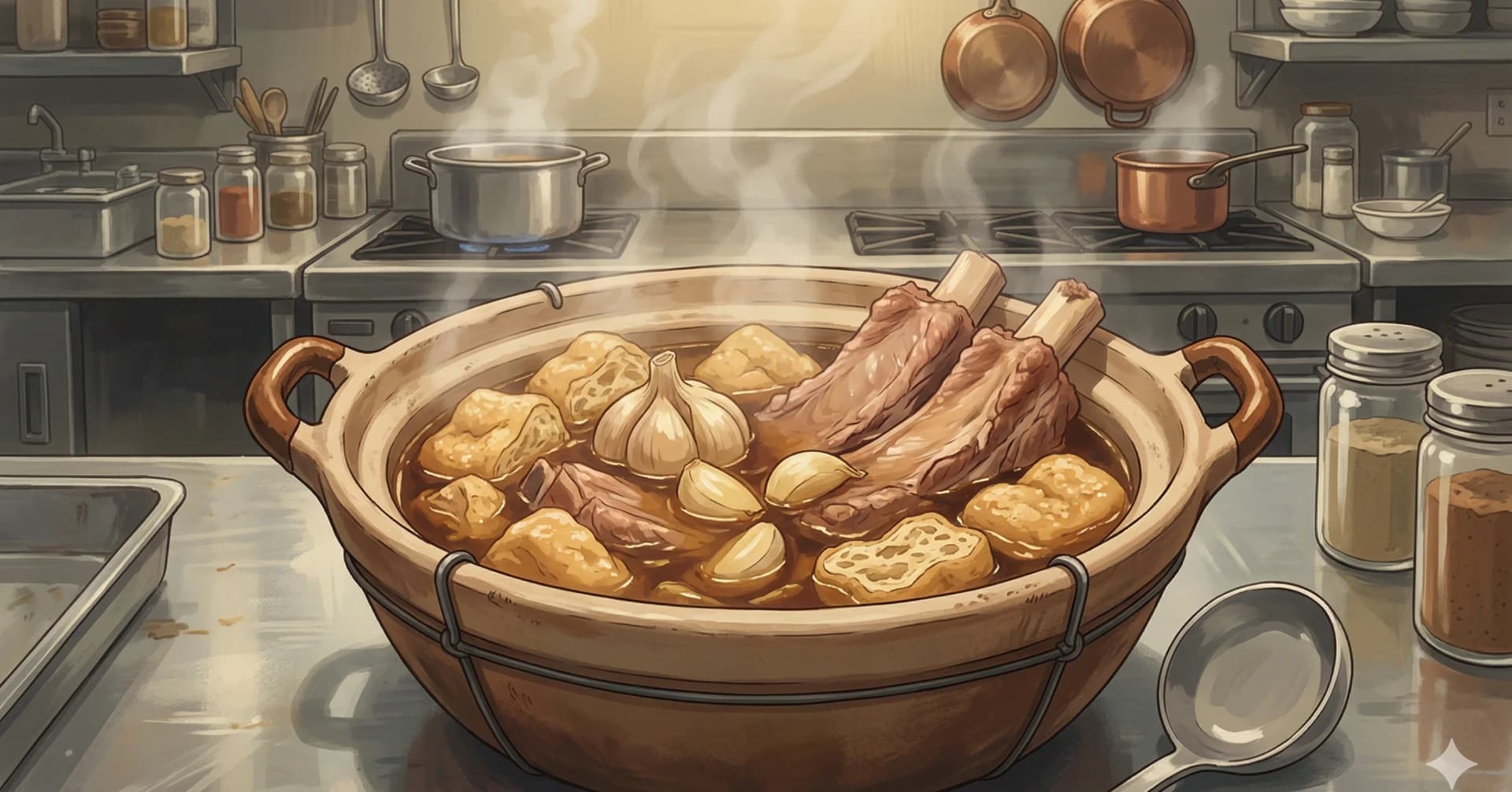
Malaysian Cuisine
Bak Kut Teh (Pork Bone Tea)
Herbal pork rib soup simmered with Chinese medicinal herbs, garlic, and white pepper
Bak kut teh translates literally as "meat bone tea" in the Hokkien dialect, though the dish contains no tea leaves at all. The name refers to the color and clarity of the broth, which resembles a strong, dark tea after hours of simmering with Chinese medicinal herbs. The dish traces its roots to the Hokkien community of Klang, a port town west of Kuala Lumpur, where it was eaten by dock workers as an early morning restorative. The herbs were believed to replenish what hard labor took from the body, and the pork provided the fat and protein needed to fuel another day's work.
There are two main styles. The Teochew version, more common in Singapore, is pale and strongly peppery, relying almost entirely on garlic and white pepper for flavor. The Hokkien version, which is what you will find in Klang and across much of Malaysia, is darker, sweeter, and far more complex. It builds its character from a careful combination of dong gui (angelica root), dang shen (codonopsis), shu di (rehmannia root), yu zhu (Solomon's seal), licorice root, and a handful of warming spices including star anise, cinnamon, cloves, and fennel. This recipe follows the Hokkien tradition.
The broth benefits enormously from time. Two hours is the minimum, but restaurants in Klang that have earned devoted followings will simmer theirs for four hours or longer, sometimes letting the pot rest overnight in the refrigerator before reheating the next day. The herbs release their character slowly, and the collagen from the pork ribs gradually dissolves into the liquid, giving the finished broth a body that coats your spoon. Bak kut teh belongs to a broader family of slow-simmered, deeply nourishing soups found across East and Southeast Asia. You will find a similar devotion to long-cooked bone broths in Pho Bo from Vietnam, Samgyetang from Korea, and Seolleongtang, the milky ox bone soup of Seoul. In Malaysia, it sits alongside Nasi Lemak and Chicken Rendang as one of the great comfort foods.
At a Glance
Yield
6 servings
Prep
20 minutes
Cook
2 hours 30 minutes
Total
2 hours 50 minutes
Difficulty
Medium
Ingredients
Spice Blend Ingredients
- ¼ ozangelica sinensis (dong gui), rinsed
- ¼ ozrehmannia root (shu di), rinsed
- ¼ ozSzechuan lovage (chuan xiong), rinsed
- ½ ozSolomon's seal rhizome (yu zhu), rinsed
- ¾ ozcodonopsis root (dang shen), rinsed
- ¼ ozlicorice root (gan cao), rinsed
- 5red dates, rinsed
- 5black dates, rinsed
- 2star anise, lightly crushed
- 1cinnamon stick (about 8 cm), broken in half
- 6 wholecloves
- 1 tspfennel seeds, lightly crushed
- 1 tspwhite peppercorns, lightly crushed
Pork Ingredients
- 2 lbpork spare ribs, cut into 5 cm pieces
- ¾ lbpork belly, skin on, cut into large chunks
Broth Ingredients
- 2¾ qtwater
- 1 wholebulb garlic, outer papery skin removed, cloves separated but unpeeled
- 1 tbspvegetable oil
- 1¼ tbspdark soy sauce
- 1 tbsplight soy sauce
- 2⅓ tsprock sugar (about 1 small piece)
- ⅞ tspsalt, or to taste
- ½ ozgoji berries, rinsed and soaked for 10 minutes
- 12small tofu puffs, halved
- 12dried shiitake mushrooms, soaked in warm water for 30 minutes, stems removed
To Serve
- —Steamed jasmine rice
- —Youtiao (Chinese crullers), cut into short lengths
- —Blanched lettuce or yu choy sum
- —Sliced red chilies in light soy sauce (dipping condiment)
Method
- 1
Blanch the pork. Place the spare ribs and pork belly in a large pot of cold water. Bring to a boil over high heat and let it simmer for 5 minutes. Grey foam and impurities will rise to the surface. Drain the pork, rinse each piece under cold running water until it feels clean, and set aside. Discard the blanching water. This step removes blood residue and loose bone fragments, giving you a clear, clean-tasting broth.
- 2
Prepare the herb bundle. Place all the herbs and spices from the herb and spice bundle list into a large muslin spice bag. Tie the bag securely so nothing escapes during the long simmer. Leave the red dates, black dates, and Solomon's seal rhizome outside the bag if you prefer, as these are soft enough to eat and look attractive in the finished soup.
- 3
Toast the garlic. Heat the vegetable oil in your stockpot or Dutch oven over medium heat. Add the unpeeled garlic cloves and cook, turning them occasionally, until the skins develop golden-brown spots and the kitchen fills with a sweet, roasted garlic fragrance, about 3 to 4 minutes. The skin protects the cloves from burning and allows them to release their flavor gradually into the broth.
- 4
Build the broth. Add 2.5 litres of water to the pot with the garlic. Drop in the muslin bag of herbs and any loose dates or rhizome pieces. Bring to a full boil, then reduce the heat to maintain a gentle simmer. Let the herbs steep for 30 minutes. The liquid will begin to darken and a warm, complex aroma of cinnamon, star anise, and medicinal herbs will fill the room.
- 5
Add the pork. Place the blanched ribs and belly into the simmering broth. When the liquid returns to a boil, skim any foam that rises. Stir in the dark soy sauce, light soy sauce, rock sugar, and salt. Reduce the heat to low, partially cover the pot, and simmer gently for 1 hour 30 minutes to 2 hours. The meat is ready when it pulls away from the bone with little resistance and a chopstick slides easily through the pork belly. Check the pot occasionally and skim the surface if needed.
- 6
Add the mushrooms and tofu puffs. About 30 minutes before serving, add the soaked shiitake mushrooms to the broth. They will absorb the herbal flavors and become silky and plump. Add the halved tofu puffs in the last 15 minutes so they swell with broth but do not become too soft. Scatter the drained goji berries into the pot in the final 5 minutes.
- 7
Taste and adjust. The broth should taste deeply savory with a gentle sweetness from the herbs and dates, a background warmth from the pepper, and a rich, slightly medicinal complexity. Adjust salt and soy sauce as needed. If the broth has reduced too much and tastes overly concentrated, add a splash of hot water to bring it back into balance.
- 8
Serve hot. Ladle the soup, ribs, belly, mushrooms, and tofu puffs into clay pots or deep bowls. Serve alongside steamed jasmine rice, lengths of youtiao for dipping into the broth, blanched greens, and a small dish of sliced red chilies in light soy sauce. Remove and discard the muslin spice bag before serving.
Key Ingredient Benefits
Angelica sinensis (dong gui): The most recognizable herb in the bak kut teh spice bundle, dong gui has a distinctive sweet, pungent, and slightly bitter flavor. It is one of the most widely used herbs in traditional Chinese medicine, where it is associated with blood nourishment and circulation. Its aroma is unmistakable and provides much of the soup's signature character.
Codonopsis root (dang shen): Sweet and mild, dang shen is considered a gentler alternative to ginseng in TCM practice. It is traditionally associated with supporting digestive and respiratory function. In the soup, it contributes a subtle sweetness that rounds out the stronger medicinal notes of the other herbs.
Rehmannia root (shu di): This processed root is dark, almost black, and will significantly darken the broth. It has a sweet, slightly bitter flavor. It is one reason the Hokkien-style bak kut teh is so much darker than its Teochew cousin. Use less if you prefer a lighter-colored soup.
White peppercorn: White pepper provides a sharp, lingering heat that differs from black pepper's more aromatic warmth. It contains piperine, which some research suggests may enhance the bioavailability of certain nutrients. In bak kut teh, it contributes a subtle background warmth rather than overt spiciness.
Pork ribs: Spare ribs are preferred over baby back ribs here because they carry more fat and connective tissue, both of which contribute flavor and body to the broth. The collagen in the bones and cartilage breaks down into gelatin over the long simmer, which is what gives the finished soup its satisfying, slightly viscous texture.
Why This Works
The combination of blanching the pork in cold water and then building the broth separately ensures clarity. Starting the pork in cold water, as Harold McGee explains in On Food and Cooking, allows soluble proteins to escape and coagulate slowly into large aggregates that are easy to skim. A hot-water start produces tiny protein particles that remain suspended and cloud the stock.
The herb bundle works on two timescales. The warming spices (star anise, cinnamon, cloves, fennel, pepper) release their volatile aromatic compounds relatively quickly, perfuming the broth within the first 30 minutes. The tougher medicinal roots (dong gui, dang shen, shu di, chuan xiong) need prolonged simmering to yield their flavor, which is why the broth tastes noticeably different at one hour compared to two. Keeping everything in a muslin bag prevents small herb fragments from muddying the soup and makes removal clean.
Toasting the garlic cloves in their skins before adding water is a technique common to Klang-style bak kut teh shops. The dry heat triggers Maillard browning on the skin and the outer layers of the clove, developing a mellow sweetness that raw garlic would not provide. The skins also act as a slow-release membrane, preventing the garlic from disintegrating into the broth too early.
The long simmer transforms collagen in the pork ribs into gelatin, which dissolves into the broth and gives it a full, lip-coating body that water alone could never achieve. This is the same principle at work in Pho Bo and Seolleongtang, where hours of bone simmering produce broths of extraordinary richness.
Substitutions & Variations
Herbal sachet: If sourcing individual herbs is difficult, pre-packed bak kut teh herb sachets are available at most Asian grocery stores. They are convenient but the balance of herbs varies between brands. The A1 brand from Malaysia is widely available and reasonably good. Supplement with extra garlic and white pepper to compensate for what the sachet may lack.
Pork cuts: You can use pork ribs alone and omit the belly for a leaner broth. Some versions include pork stomach, intestines, or kidney for a more traditional hawker-style bowl, though these require separate cleaning and blanching. Boneless pork shoulder can substitute for belly.
Chicken version (chi kut teh): Replace the pork with a whole chicken, cut into pieces, or with bone-in chicken thighs. Reduce the simmering time to about 45 minutes to 1 hour. The broth will be lighter and less gelatinous but still fragrant and warming.
Teochew style: For the peppery Singaporean version, omit most of the medicinal herbs (keep only a small piece of dong gui if desired) and increase the white peppercorns to 2 tablespoons, lightly crushed. Use 3 to 4 whole bulbs of garlic. Omit the dark soy sauce for a pale, clear broth. Season with light soy sauce and salt only.
Slow cooker: After blanching the pork and toasting the garlic on the stove, transfer everything to a slow cooker. Cook on low for 6 to 8 hours or on high for 3 to 4 hours. The long, gentle heat suits this dish well.
Vegetables: Daikon radish, cut into thick rounds, is sometimes added during the last 45 minutes of cooking. Leafy greens like lettuce, bok choy, or yu choy should be blanched separately and added at serving time.
Serving Suggestions
Bak kut teh is traditionally a one-pot meal. A bowl of steamed jasmine rice is essential. Ladle the broth over the rice so the grains absorb the herbal, peppery liquid. Youtiao, the golden Chinese crullers, are torn into pieces and dipped into the hot soup, where they soak up the broth and become soft and savory. A small plate of thinly sliced red chilies steeped in light soy sauce provides a sharp, salty bite between spoonfuls.
For a fuller table, serve bak kut teh alongside Nasi Lemak for a spread that represents two pillars of Malaysian cooking. Chicken Rendang brings a dry, coconut-rich contrast to the soupy bak kut teh. If you enjoy pairing bone broths from different traditions, set out bak kut teh next to a bowl of Sup Kambing, the aromatic Malaysian lamb soup, for a warming double feature.
Blanched greens, particularly yu choy sum or lettuce, provide a clean, green counterpoint to the rich meat and broth. Chinese tea, particularly oolong or pu-erh, is the traditional drink pairing and helps cut through the richness.
Storage & Reheating
Refrigerator: Store the broth and meat separately from the tofu puffs and vegetables, which become waterlogged if left soaking. The broth with pork keeps in a sealed container for up to 3 days. Many cooks find that bak kut teh tastes even better the next day, after the herbs have had time to release the last of their flavor into the cooled broth.
Freezer: The broth and pork freeze well for up to 1 month. Strain out the herb bag before freezing. Portion into containers, leaving headspace for expansion. Thaw overnight in the refrigerator.
Reheating: Bring the broth and pork back to a gentle simmer on the stove. Add fresh tofu puffs and vegetables at this point. Do not microwave the entire pot, as the pork can toughen. If the broth has thickened from the gelatin setting in the refrigerator, that is a good sign. It will liquefy again as it warms.
Refreshing the broth: If you plan to eat the bak kut teh over two or three days, you can add fresh water and a splash of soy sauce to the pot each time you reheat. Some Klang restaurants keep their pots going continuously, topping up the broth and adding fresh meat as needed. The flavor deepens with each cycle.
Cultural Notes
Bak kut teh (肉骨茶) translates literally as "meat bone tea" in Hokkien, though the soup contains no tea at all. The name points either to the dark, tea-colored broth or to the long tradition of drinking strong Chinese tea alongside the meal to cut the dish's richness. Bak kut teh belongs above all to the Malaysian port city of Klang in Selangor state, where Chinese immigrant dock workers are credited with creating it in the early 20th century.
The widely repeated origin story credits a Hokkien Chinese immigrant named Lee Boon Teh, who reportedly developed the dish in the 1940s to feed Klang Port laborers. The brief was cheap, strengthening food for men working long shifts at the docks: affordable pork bones simmered with Chinese medicinal herbs that traditional thinking said would restore energy and joints. The dish spread fast through the Chinese-Malaysian diaspora, and now sits alongside Hainanese chicken rice and char kway teow among the most recognized Malaysian-Chinese dishes.
Two regional styles dominate. Klang style (also called Hokkien style) is the dark herbal version most Malaysians know. It leans on Chinese medicinal herbs like dang gui (Angelica sinensis), yu zhu (Solomon's seal), wolfberries, and cinnamon, finished with dark soy sauce and a strong herbal backbone. Teochew style, more common in Singapore, takes the opposite approach: a clearer, peppery broth dominated by white pepper and garlic, with herbs played way down. The breakfast eating ritual is the part that surprises visitors. In Klang and Kuala Lumpur, dedicated bak kut teh shops open at dawn and serve the soup with youtiao (fried dough sticks), Chinese tea, and rice. Regulars settle in for an hour-long meal before the workday begins.
Nutrition Facts
Calories: 888kcal (44%)|Total Carbohydrates: 54.3g (20%)|Protein: 48g (96%)|Total Fat: 57g (73%)|Saturated Fat: 18g (90%)|Cholesterol: 141mg (47%)|Sodium: 747mg (32%)|Dietary Fiber: 10.8g (39%)|Total Sugars: 3.4g
You Might Also Like
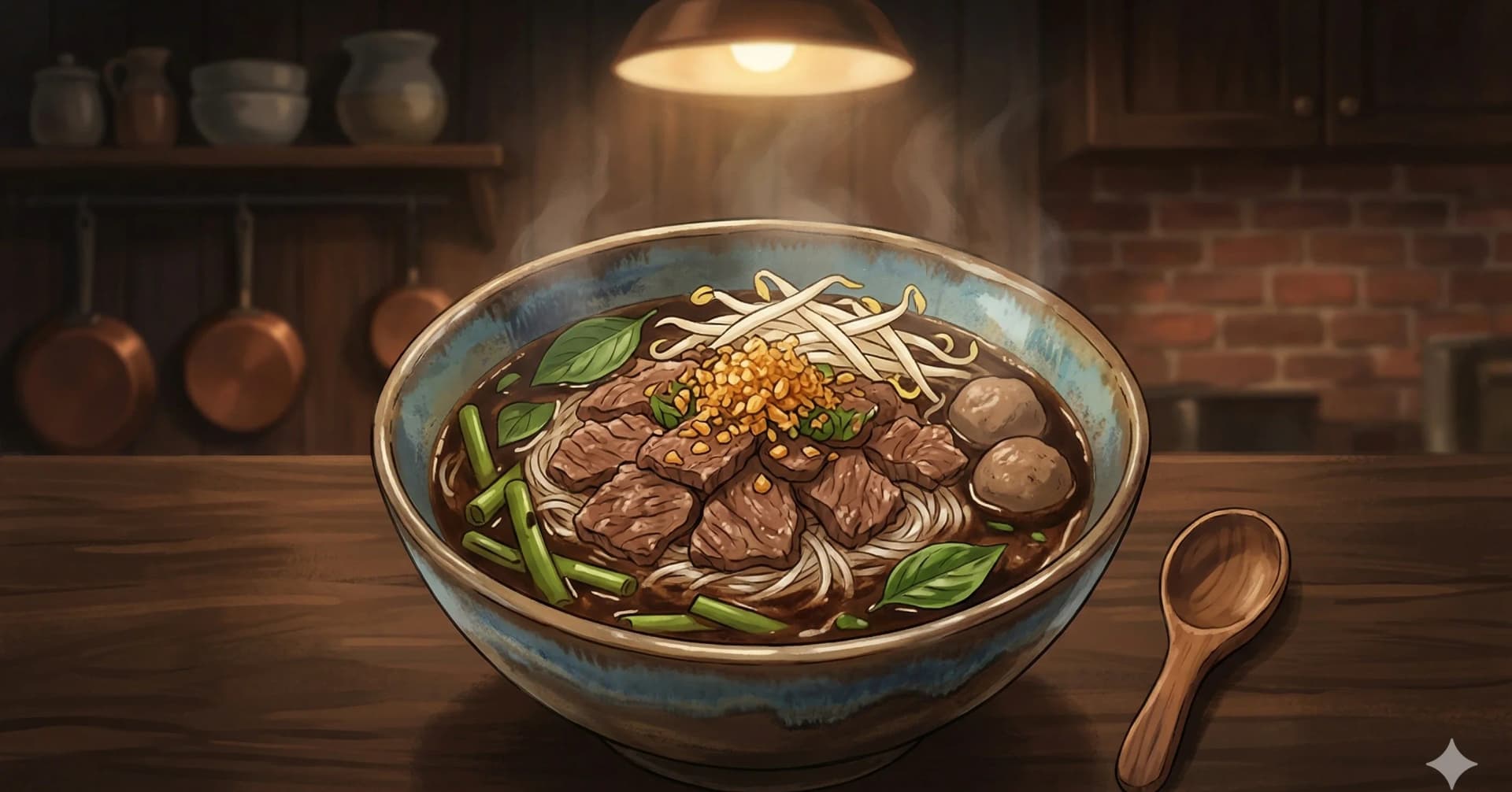 Medium
Thai Cuisine
Boat Noodles (ก๋วยเตี๋ยวเรือ)
3 hours 15 minutes
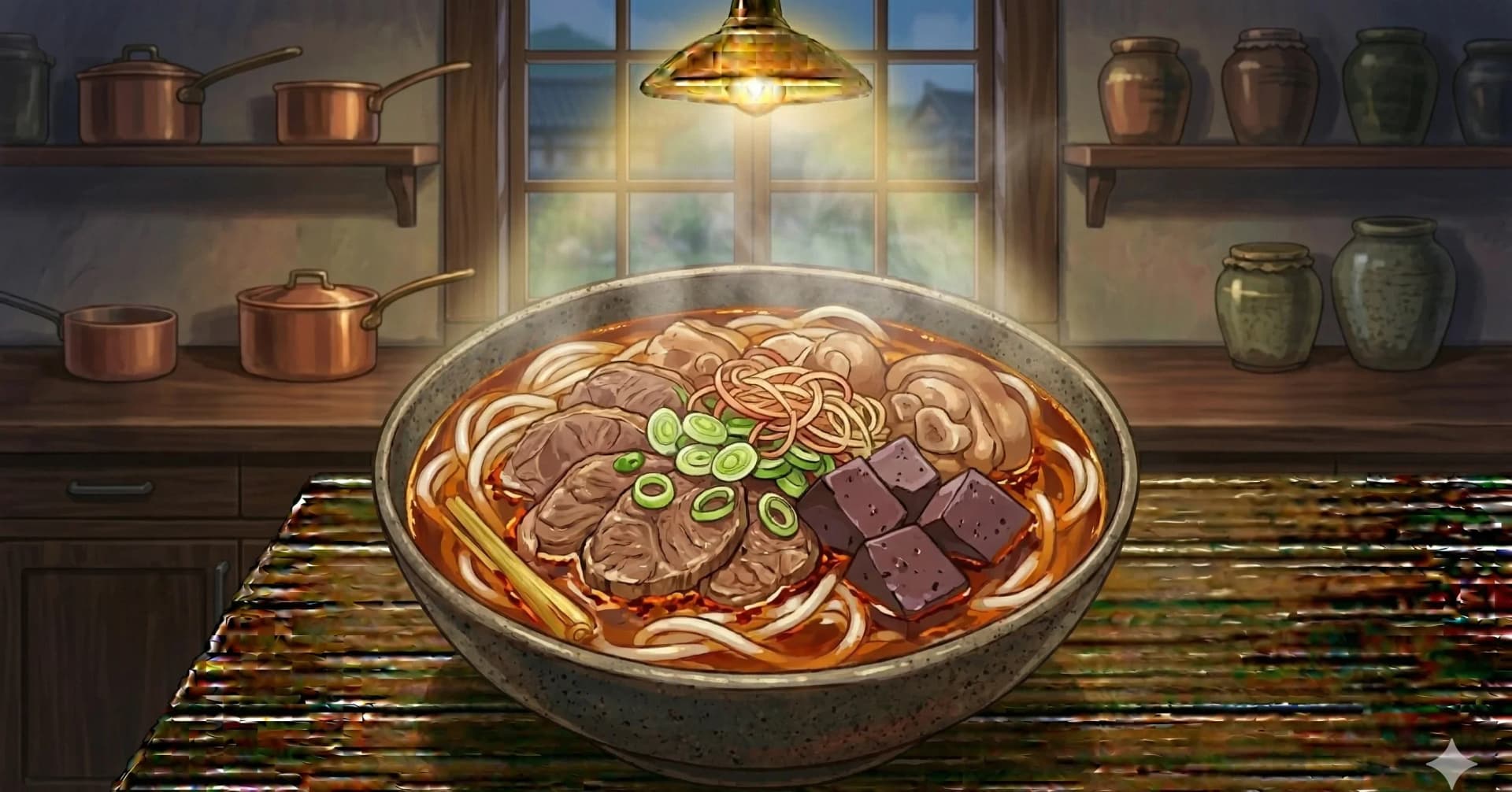 Medium
Vietnamese Cuisine
Spicy Beef Noodle Soup (Bún Bò Huế)
3 hours 45 minutes
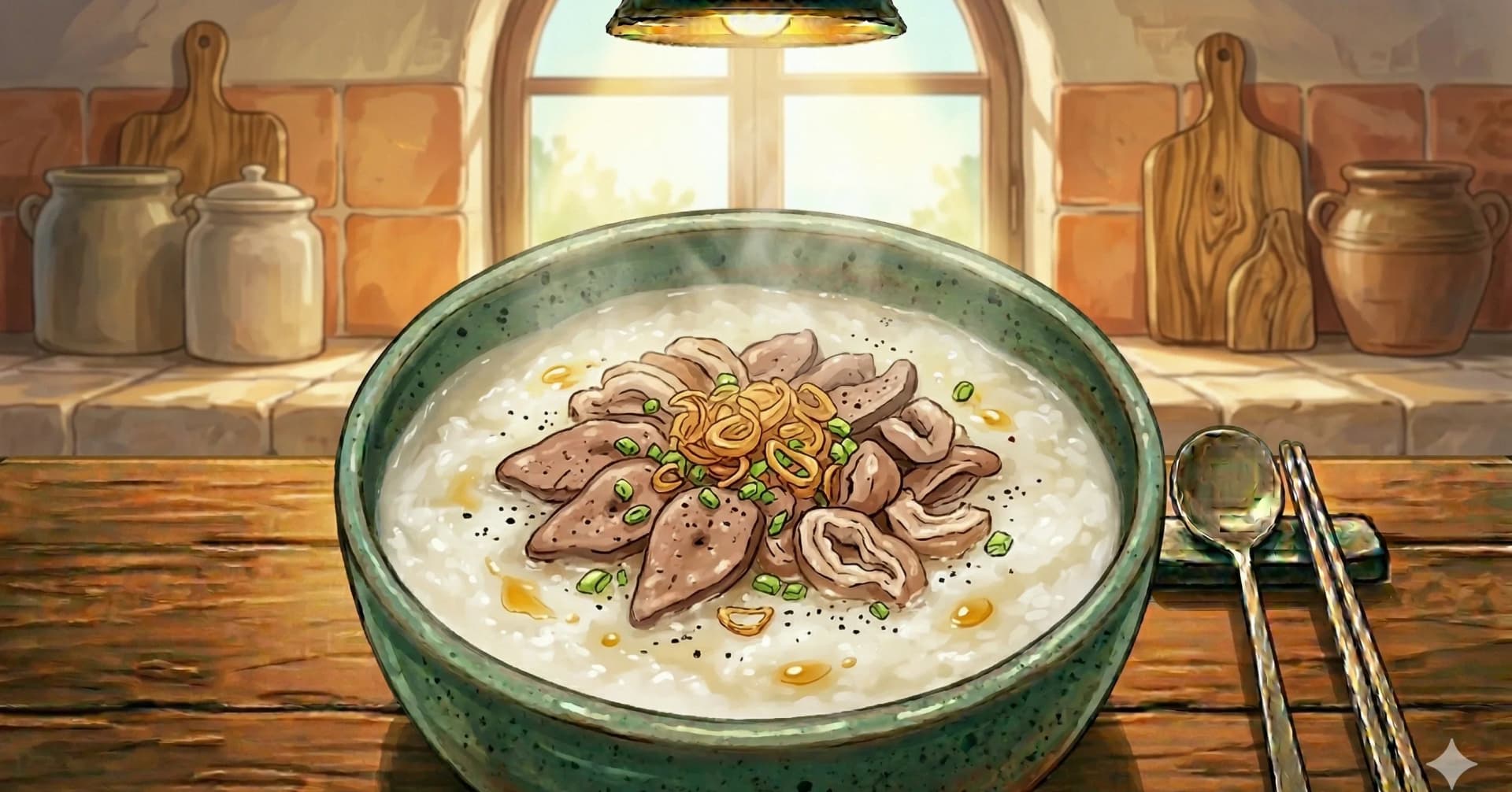 Medium
Vietnamese Cuisine
Cháo Lòng (Vietnamese Pork Organ Rice Porridge)
2 hours 15 minutes
 Easy
EasyVietnamese Cuisine
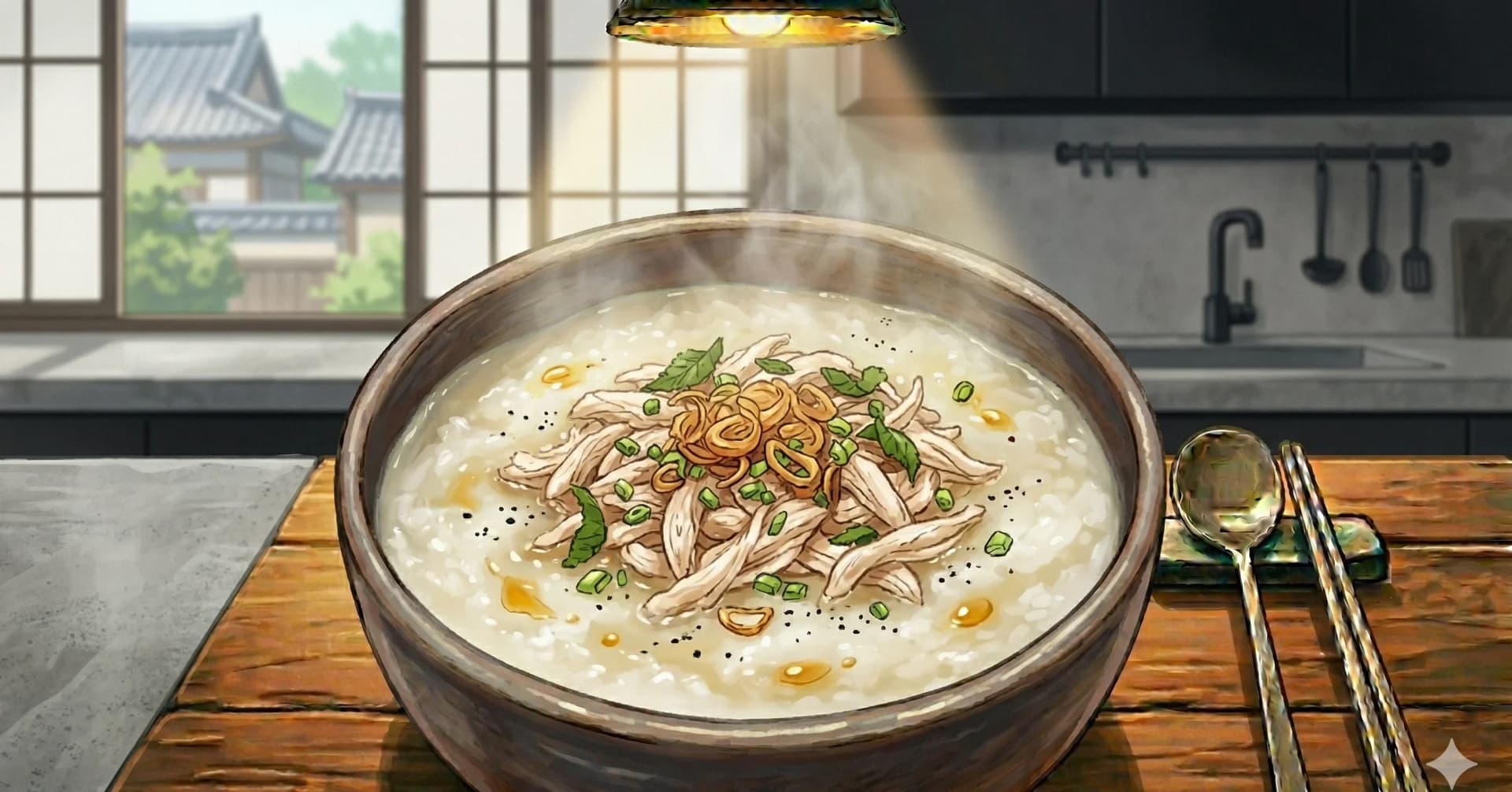
Cháo Gà (Vietnamese Chicken Rice Porridge)
1 hour 30 minutes
Ratings & Comments
Ratings & Comments
Ratings
Share your thoughts on this recipe.
Sign in to rate and comment