Chinese Cuisine
Soy Sauce Chicken
Whole chicken poached in a fragrant soy, ginger, and star anise broth until silky and deeply seasoned
In the windows of Cantonese barbecue shops, soy sauce chicken hangs beside roast duck and char siu, its skin a deep, burnished brown that glistens under the display lights. Unlike its roasted neighbors, soy sauce chicken is not cooked over fire. It is poached, slowly and gently, in a broth so concentrated with soy sauce, sugar, star anise, and ginger that the liquid stains the bird a uniform amber from skin to bone. The result is a chicken that tastes seasoned throughout, with silky, tender flesh and a skin that carries the sweet-savory fragrance of the braising liquid.
The method is straightforward, but timing and temperature matter. You want a lazy simmer, not a rolling boil. Aggressive heat toughens the chicken and causes the skin to tear. The bird goes into the pot breast-side up, simmers gently, then rests in the covered pot with the heat turned off. This resting period is where the magic happens. The residual heat finishes the cooking gently, and the chicken absorbs even more flavor from the broth as both cool down together.
The braising liquid is the other treasure of this recipe. After the chicken comes out, you are left with a deeply flavored soy broth that can be strained, stored, and reused. Like a Chinese master stock, it improves with each use, gaining complexity from the fats and proteins of each bird cooked in it. Some families maintain their soy sauce chicken broth for years, refreshing it with new soy sauce and aromatics each time.
Cantonese cooks use Chinese rose wine (mei gui lu jiu) in the broth for its floral, perfumed character, but Shaoxing wine works well and is easier to find. The sugar is traditionally rock sugar, which dissolves cleanly and produces a subtle sweetness, but dark brown sugar or white sugar are fine substitutes.
At a Glance
Yield
6 servings
Prep
15 minutes
Cook
1 hour 30 minutes
Total
1 hour 45 minutes
Difficulty
Medium
Ingredients
Braising Liquid Ingredients
- 2 tspneutral oil (vegetable, canola, or avocado)
- 7 slicesfresh ginger
- 2scallions, cut into 3-inch pieces and lightly smashed
- 3 wholestar anise
- ¾ cupShaoxing rice wine (or Chinese rose wine)
- 2 cuplight soy sauce
- ½ cupdark soy sauce
- 1¾ cupsugar (or equivalent rock sugar)
- 3 qtwater
Chicken Ingredients
- 1 wholechicken, about 1.8 kg, preferably fresh (never frozen)
- 4 tbspsalt (for cleaning the chicken)
Method
- 1
Clean the chicken. Remove the chicken from the refrigerator an hour before cooking. Pull out any giblets. Rinse the chicken thoroughly inside and out under cold running water. If the skin has any rough patches or a waxy yellow layer, rub the salt all over the surface to clean it, then rinse again and pat dry.
- 2
Build the braising liquid. Choose a tall, narrow pot that fits the chicken snugly. This shape ensures the bird stays mostly submerged without requiring an excessive amount of liquid. Heat the pot over medium-low. Add the oil and ginger slices. Let the ginger caramelize gently for about 30 seconds. Add the scallions and cook another 30 seconds. Drop in the star anise, then pour in the Shaoxing wine. Let the wine simmer briefly to cook off some of the alcohol. Add the light soy sauce, dark soy sauce, sugar, and water. Stir to dissolve the sugar and continue simmering for 20 minutes to allow the flavors to infuse.
- 3
Poach the chicken, first stage. Increase the heat to bring the braising liquid to a slow, steady boil. Using a roasting fork or sturdy tongs, carefully lower the chicken into the pot breast-side up. Make sure the cavity fills with liquid by tilting the chicken gently as you lower it. The chicken should be fully submerged, or as close to it as possible.
- 4
Lift and drain. After 5 minutes of gentle simmering, carefully lift the chicken out of the pot. Tilt it to drain the liquid that has collected inside the cavity back into the pot. This step is important because trapped air inside the cavity prevents even cooking. Lower the chicken back in, ensuring full submersion again.
- 5
Simmer. Maintain a lazy simmer (small, gentle bubbles) for 25 minutes. If the breast is not fully submerged, baste the exposed skin with braising liquid several times during this stage. Do not allow the liquid to boil vigorously at any point.
- 6
Rest in the pot. Turn off the heat completely. Cover the pot tightly and let the chicken rest in the hot braising liquid for 25 minutes. The residual heat will finish the cooking gently and evenly.
- 7
Check doneness. Carefully remove the chicken from the pot. Insert an instant-read thermometer into the thickest part of the thigh, away from the bone. It should read at least 165F (74C). If it is slightly under, return the chicken to the hot liquid, cover, and rest for another 5 to 10 minutes.
- 8
Rest and carve. Place the chicken on a cutting board and let it rest for 10 to 15 minutes. Then carve into pieces. For the traditional presentation, use a cleaver to chop through the bone into bite-sized pieces and arrange them on a platter, reassembling the shape of the bird.
- 9
Make a sauce (optional). Strain about 1 cup of the braising liquid through a fine-mesh sieve into a small saucepan. Simmer over medium heat until slightly reduced, about 5 minutes. Drizzle over the carved chicken. The remaining braising liquid can be strained, cooled, and refrigerated or frozen for reuse.
Key Ingredient Benefits
Light soy sauce vs. dark soy sauce: Light soy sauce (sheng chou) is thinner, saltier, and used primarily for seasoning. Dark soy sauce (lao chou) is thicker, less salty, and used primarily for color. Both are naturally fermented from soybeans and wheat. The fermentation process produces glutamates, which are the source of soy sauce's umami. This recipe uses both in combination, with the light soy providing flavor depth and the dark providing the characteristic amber color.
Star anise: Contains anethole, a compound with documented antioxidant properties in laboratory settings. In traditional Chinese medicine, star anise is considered warming and used to support digestive function. It is one of the five components of Chinese five spice powder and one of the most recognizable aromatics in Cantonese braising.
Chinese rose wine (mei gui lu jiu): A sorghum-based spirit flavored with rose petals, traditionally used in Cantonese cooking for its delicate floral aroma. Shaoxing wine, while different in character, is a practical and widely available substitute. The alcohol cooks off during simmering, leaving behind the aromatic compounds.
Why This Works
The narrow, tall pot is essential. It minimizes the amount of braising liquid needed while maximizing the depth, keeping the chicken submerged. A wide, shallow pot would require double the liquid to achieve the same coverage, diluting the flavor.
Lifting the chicken after 5 minutes and draining the cavity serves a functional purpose. The air pocket trapped inside the cavity acts as an insulator, preventing the interior from cooking at the same rate as the exterior. Draining and refilling the cavity with hot braising liquid eliminates this problem.
The resting period with the heat off is the gentlest possible way to finish cooking. The temperature drops gradually, so there is no risk of overcooking the breast while waiting for the thighs to reach temperature. The chicken continues to absorb the braising liquid's flavors during this passive phase, resulting in meat that is seasoned to the bone rather than just on the surface.
Dark soy sauce provides the deep brown color but is less salty than light soy sauce. The large amount of sugar balances the sodium and creates a glaze-like coating on the skin. This balance of salty, sweet, and aromatic is the hallmark of Cantonese siu mei cooking.
Substitutions & Variations
Chicken cuts: If cooking a whole chicken feels daunting, this recipe works well with bone-in thighs, drumsticks, or leg quarters. Simmer thighs and drumsticks for 35 minutes (no resting needed). Wings need only 25 minutes. Red House Spice's version of this recipe specifically uses chicken thighs, with the same braising liquid. Breast meat is not recommended, as it dries out in the long braise.
Sugar: Rock sugar is traditional and produces the cleanest sweetness. Dark brown sugar, white sugar, or a combination will all work. Reduce the quantity slightly if using dark brown sugar, which has a more assertive molasses flavor.
Wine: Dry sherry is the best substitute for Shaoxing wine. For an alcohol-free version, omit the wine entirely and add 2 tablespoons of rice vinegar for acidity.
Master stock approach: Save and reuse the braising liquid. Strain it, skim the fat, and store in the refrigerator for up to 4 days or freeze for up to 3 months. Replenish with fresh soy sauce, sugar, aromatics, and water when cooking the next batch. See Bai Qie Ji for a related Cantonese approach to cooking whole chicken with minimal seasoning.
Serving Suggestions
Soy sauce chicken is a fixture at Cantonese celebration meals, served alongside Char Siu and Siu Yuk as part of a siu mei platter. Each person takes a few pieces of each meat with steamed rice.
For a simpler meal, serve sliced soy sauce chicken over steamed rice with blanched Chinese broccoli and a generous spoonful of the reduced braising sauce. This is one of the most common one-plate meals at Cantonese quick-service restaurants.
The braising liquid, diluted with water, also makes an excellent noodle soup base. Pour it over thin egg noodles and top with sliced chicken, a handful of bean sprouts, and a few drops of sesame oil. Wonton Soup uses a similarly clean but flavored broth approach.
Storage & Reheating
Chicken: Store carved chicken in a sealed container with a few spoonfuls of braising liquid poured over to keep it moist. Refrigerate for up to 3 days. Freeze portions for up to 2 months.
Braising liquid: Strain through a fine sieve and discard the aromatics. Cool completely, then refrigerate for up to 4 days or freeze for up to 3 months. The fat will solidify on top when chilled and can be removed or left in for the next use.
Reheating: Soy sauce chicken is excellent at room temperature or cold, so reheating is not always necessary. If desired, warm the chicken gently in a covered pan with a few tablespoons of braising liquid over low heat for 5 minutes, turning once. Avoid microwaving, which tends to dry out the meat and dull the glaze.
Cultural Notes
See yau gai (豉油雞, "soy sauce chicken") is the Cantonese poached chicken that completes the four classical siu mei (roast meat) shop offerings alongside char siu, siu yuk, and roast goose. The dish is technically a poached preparation rather than a roast, but it hangs alongside the roast meats in the glass display cases of Cantonese siu mei shops because of its similarly lacquered dark mahogany skin and because it shares the same role in Cantonese dining: a ready-to-eat protein bought by the pound or by the half-chicken and served chopped through the bone over rice or as part of a multi-dish meal.
The technique relies on a master poaching broth (lo shui, literally "master water" or "old water") that is maintained over years or decades at a serious soy sauce chicken shop. The base broth combines light and dark soy sauces, rock sugar, Shaoxing wine, ginger, scallion, star anise, cassia bark, fennel seed, dried tangerine peel, and clove, simmered into a deeply infused dark liquid. A whole chicken is poached in the broth at a bare simmer with the lid on, then the heat is turned off and the chicken finishes cooking from residual heat over twenty to thirty minutes, which produces meat that is just-cooked and tender all the way through. The chicken is lifted out, brushed with sesame oil for sheen, chilled briefly to set the skin, and chopped through the bone into bite-sized pieces just before serving.
The dish gained international attention in 2016 when Soy Sauce Chicken Rice and Noodle (Liao Fan Hong Kong Soya Sauce Chicken Rice and Noodle) in Singapore became the first hawker stall to receive a Michelin star, with chef Chan Hon Meng selling his single-dish offering of soy sauce chicken over rice for under three Singapore dollars. The star was a landmark moment for hawker food globally and for soy sauce chicken specifically, validating what Cantonese diners had treated as a benchmark dish for decades. In Hong Kong, similar versions are sold at every neighborhood siu mei shop, served with a small dish of fresh ginger-scallion sauce on the side for diners to add at the table.
Nutrition Facts
Calories: 546kcal (27%)|Total Carbohydrates: 11.8g (4%)|Protein: 61.1g (122%)|Total Fat: 27.4g (35%)|Saturated Fat: 7.5g (38%)|Cholesterol: 172mg (57%)|Sodium: 967mg (42%)|Dietary Fiber: 0.2g (1%)|Total Sugars: 10g
You Might Also Like
 Medium
Chinese Cuisine
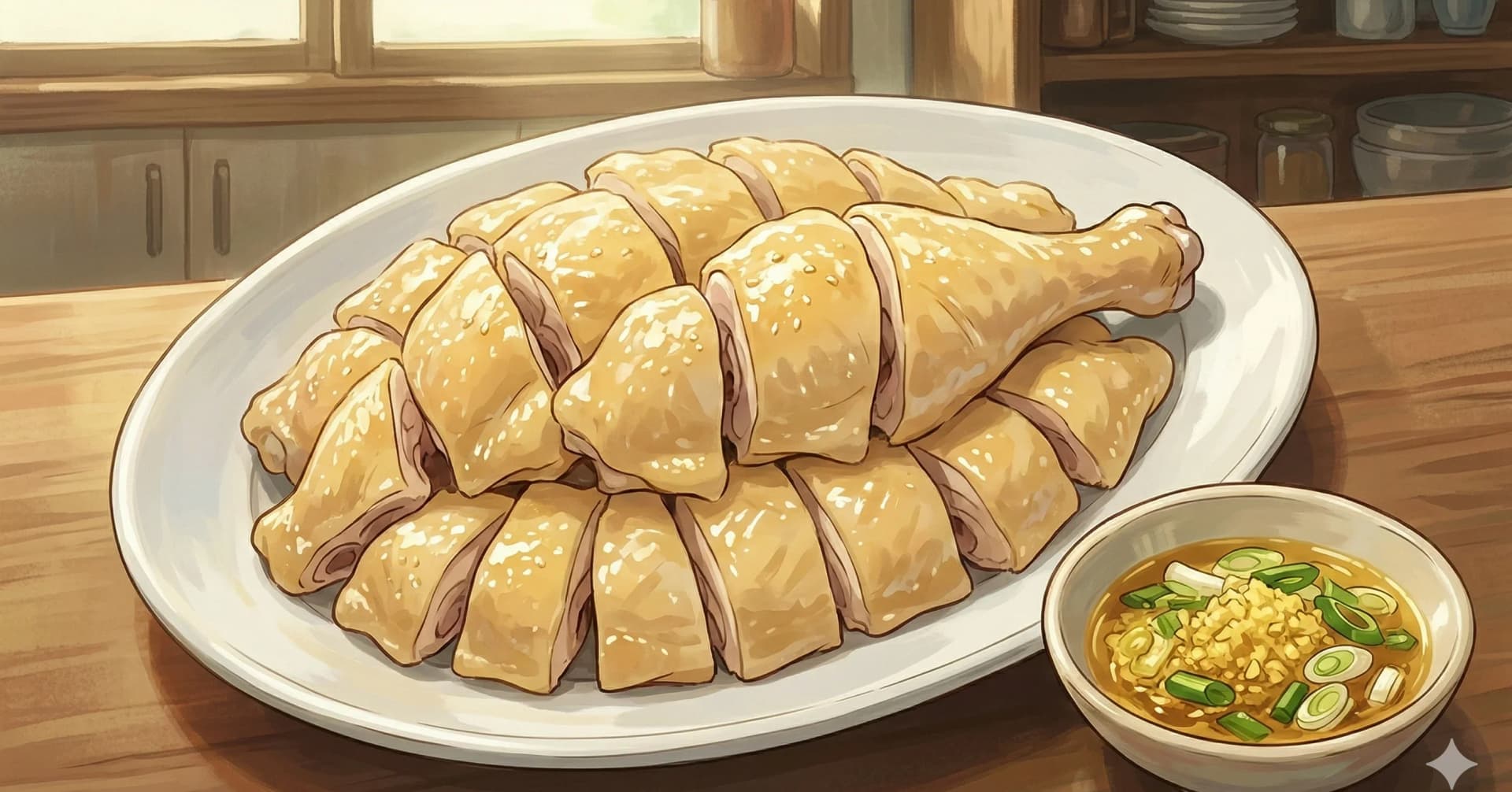
Bai Qie Ji (White Cut Chicken)
4 hours 30 minutes
 Medium
Chinese Cuisine
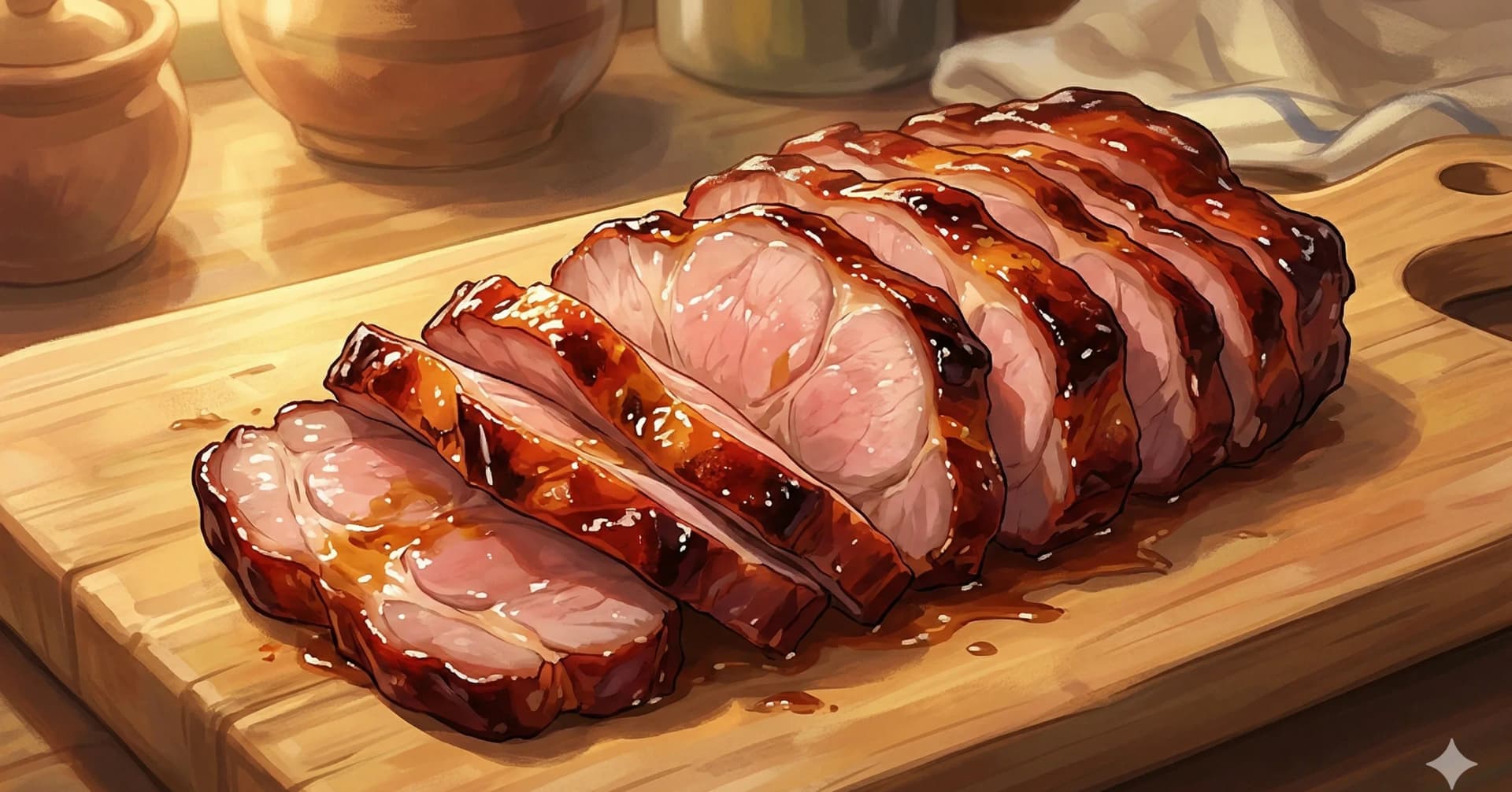
Char Siu (Chinese BBQ Pork)
9 hours (including marinating)
 Easy
EasyVietnamese Cuisine
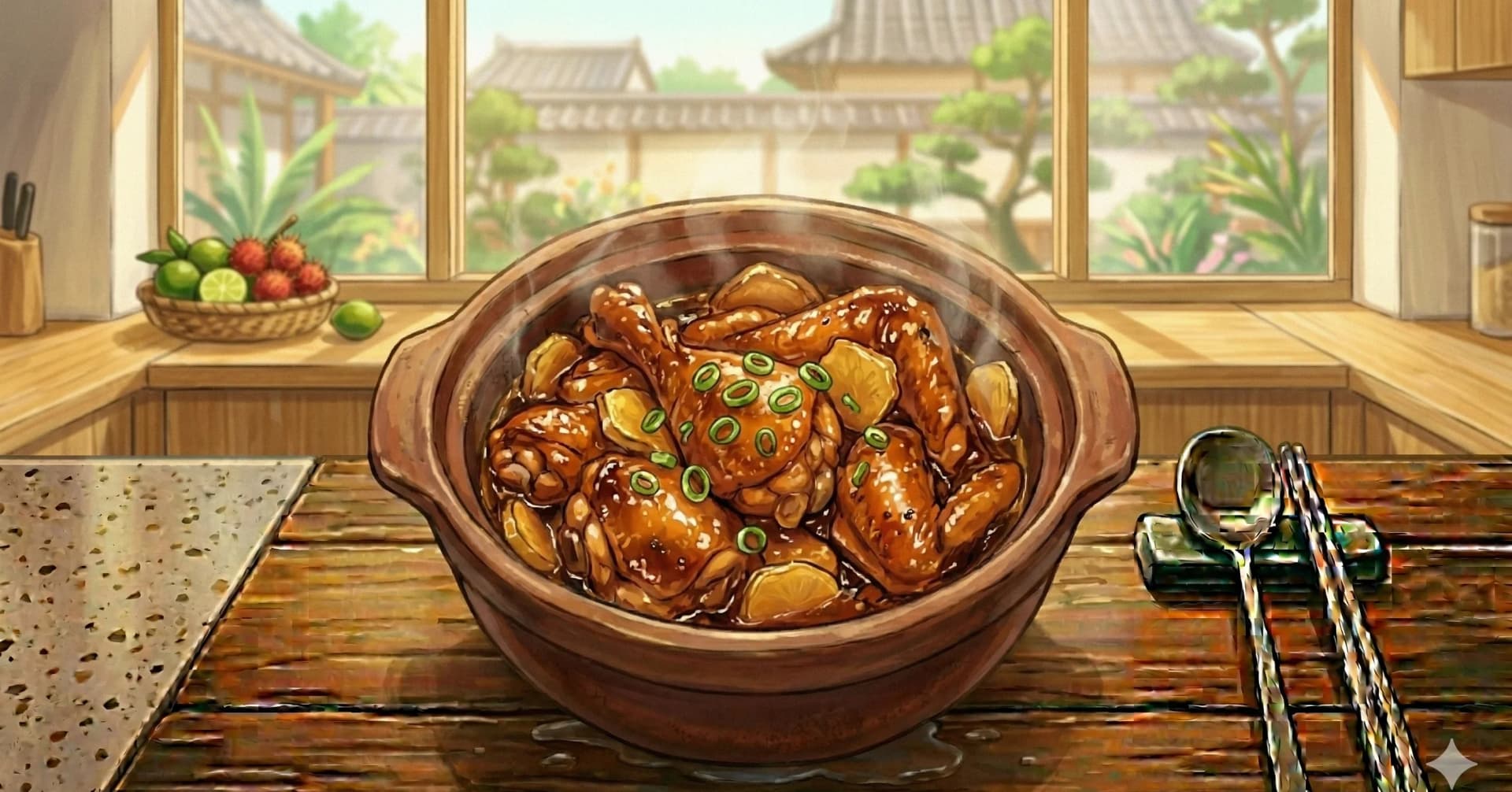
Ga Kho Gung (Vietnamese Caramelized Ginger Chicken)
1 hour
 Easy
EasyVietnamese Cuisine
Cháo Gà (Vietnamese Chicken Rice Porridge)
1 hour 30 minutes
Ratings & Comments
Ratings & Comments
Ratings
Share your thoughts on this recipe.
Sign in to rate and comment