Brahmi (Bacopa): Ayurveda's Brain Tonic, Backed by Modern Neuroscience
Brahmi (Bacopa): Ayurveda's Brain Tonic, Backed by Modern Neuroscience
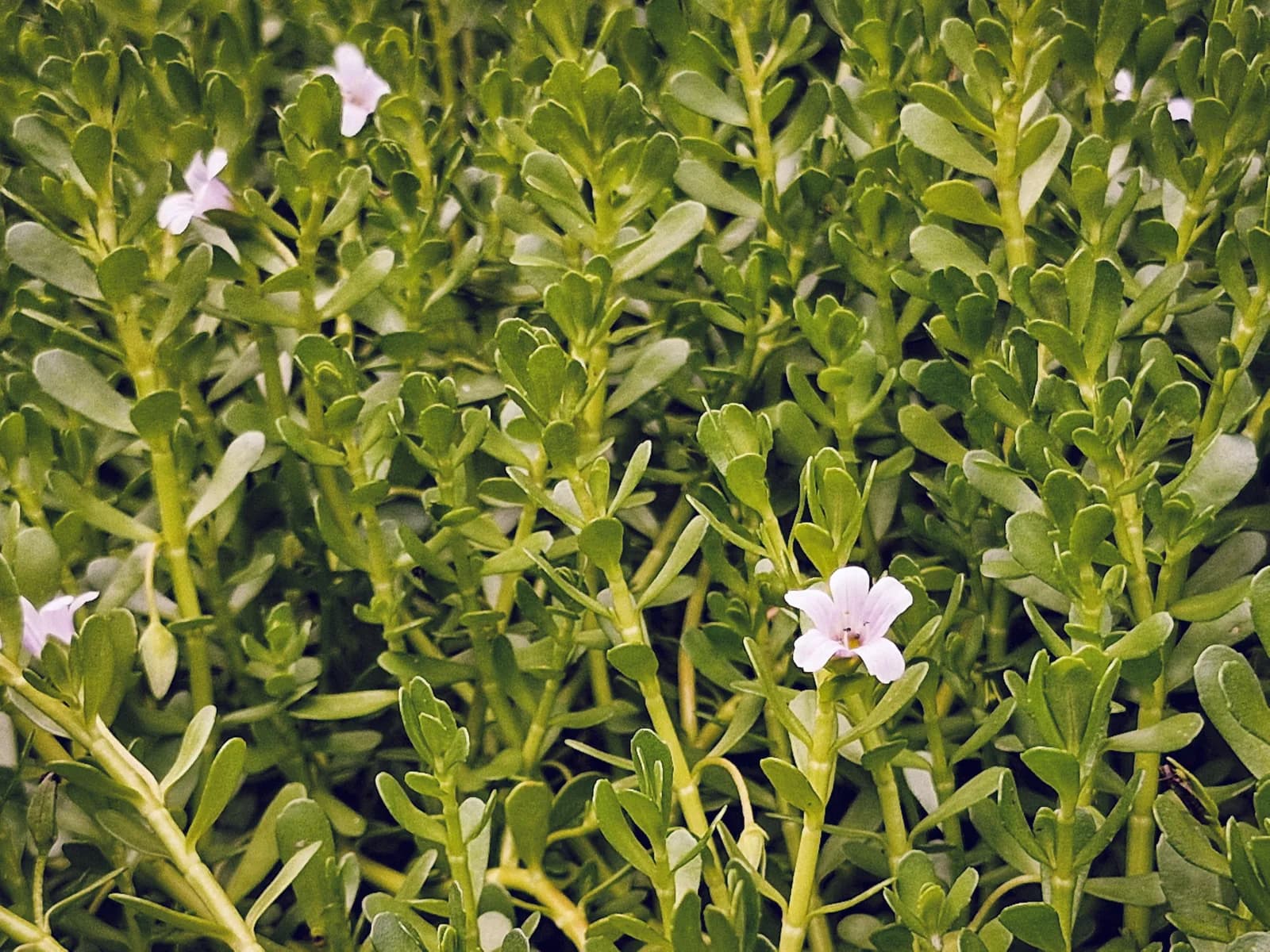
Walk into an Ayurvedic apothecary in Kerala and ask for something to sharpen the mind, and the practitioner will reach for the same small, succulent plant their grandmother's grandmother reached for: brahmi. The Sanskrit name comes from Brahma, the deity associated with creative intelligence. The botanical name, Bacopa monnieri, identifies a creeping marsh herb with thick, oval leaves and small white flowers that grows wild across the wetlands of India, Nepal, and parts of Southeast Asia.
For at least three thousand years, brahmi has been India's primary herbal answer to cognitive concerns: memory loss, mental fatigue, difficulty concentrating, the kind of anxiety that prevents clear thinking. Classical Ayurvedic texts classify it as a medhya rasayana, a category of plants believed to nourish the medha (intellect) and rejuvenate the nervous system over time. The Charaka Samhita, the foundational Ayurvedic text compiled roughly two thousand years ago, names brahmi as one of four primary medhya plants alongside ashwagandha, shankhpushpi, and mandukaparni (gotu kola).
Then modern neuroscience went looking. A handful of well-designed randomized trials conducted over the last twenty-five years have measured what brahmi actually does to human cognition. The results are more specific, and more modest, than the marketing copy on supplement bottles. They are also more persuasive than most cognitive herbs can claim. The trials, the mechanism, and the practical kitchen forms are below.
What Brahmi Is, and What It Isn't
A quick botanical clarification, because this is where most articles go sideways. "Brahmi" in Sanskrit literature refers to Bacopa monnieri. But in some regional Indian traditions, especially in the north, "brahmi" is also used for Centella asiatica, the herb known in Sri Lanka as gotu kola and in classical Ayurveda as mandukaparni. These are two different plants with different active compounds and different mechanisms.
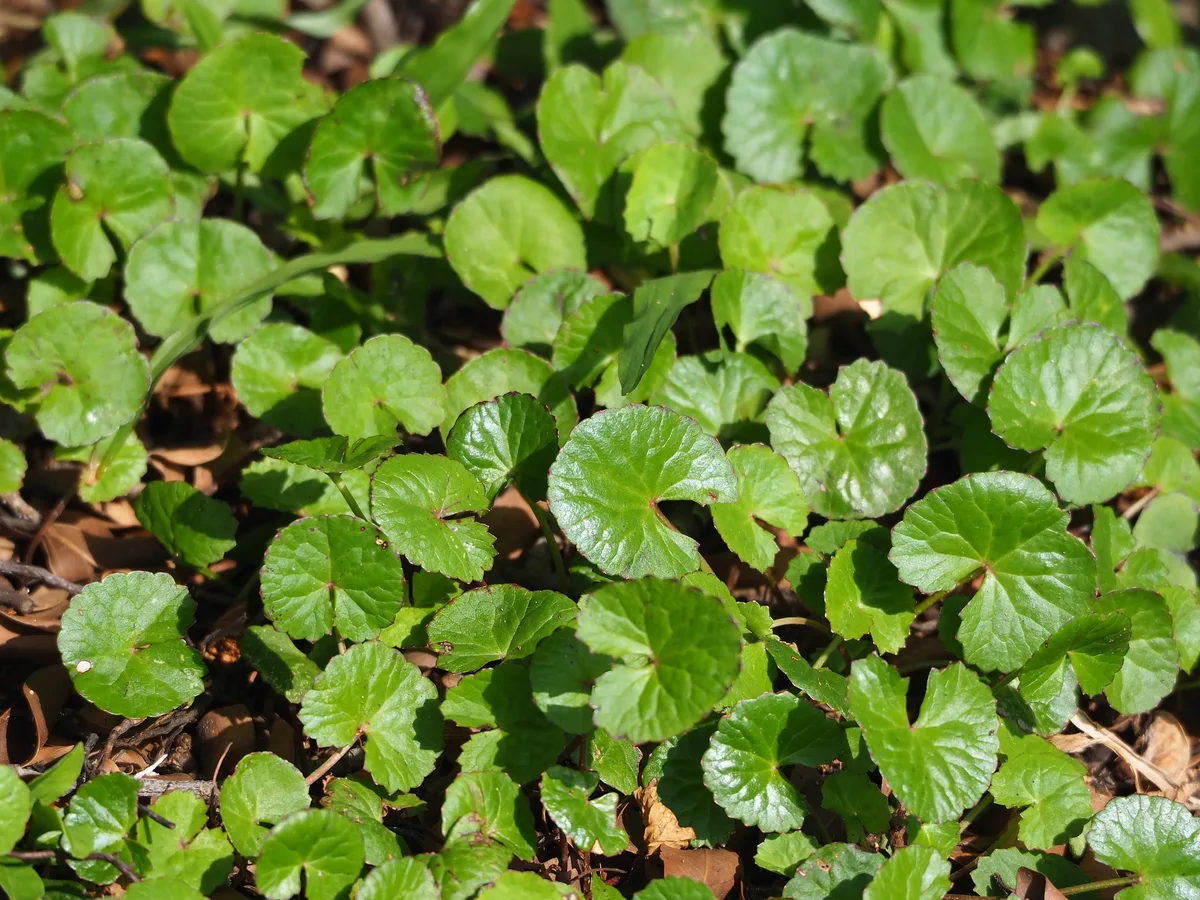
The clinical trials and the Ayurvedic classical references are about Bacopa monnieri. If you buy "brahmi" powder or capsules, check the Latin name on the label. The two herbs are not interchangeable, even though both are classified as medhya rasayanas.
The active compounds in Bacopa are a class of triterpenoid saponins called bacosides. The two best-studied are bacoside A and bacoside B. These compounds are fat-soluble, which explains why traditional preparations almost always involve ghee or milk. The fat is what makes the bacosides bioavailable.
What the Trials Actually Show
The strongest evidence for brahmi is in memory consolidation, specifically the process of moving information from short-term to long-term storage.
A 2002 randomized trial by Roodenrys and colleagues in Neuropsychopharmacology gave 76 healthy adults either 300 mg of standardized Bacopa extract daily or placebo for twelve weeks. The Bacopa group showed significantly improved retention of new information on standardized memory tests. Working memory and attention also improved modestly, but the consolidation effect was the largest.
A 2008 trial by Calabrese and colleagues in the Journal of Alternative and Complementary Medicine studied 54 adults over age 65 across twelve weeks. The Bacopa group showed improvements in word recall, attention, and the ability to filter out irrelevant information. They also reported lower anxiety and depression scores than the placebo group, which fits the traditional Ayurvedic understanding that medhya herbs work on the mano-vaha srotas (mind-channel) rather than the brain in isolation.
A 2012 systematic review by Pase and colleagues in the Journal of Alternative and Complementary Medicine pooled six high-quality randomized trials. The conclusion: Bacopa shows reliable, modest improvements in memory free recall. The effect builds gradually over eight to twelve weeks of daily use, which matches the Ayurvedic understanding that rasayanas work through accumulation rather than immediate stimulation.
This matters. Brahmi is not a stimulant. It does not produce the alert sharpness of caffeine or the focused intensity of L-tyrosine. What it appears to do is gradually improve the efficiency of memory encoding and retrieval. The effect is subtle in any given day but cumulative over weeks. People taking it consistently for three months tend to notice that names come back faster, that they can hold longer chains of instruction in mind, that they are not as easily derailed by interruption.
A 2014 meta-analysis by Kongkeaw and colleagues in the Journal of Ethnopharmacology pooled nine trials and confirmed the memory-consolidation finding, with reaction-time improvements also reaching statistical significance. The authors noted that dosing standardized to 300 mg per day of an extract containing 50% bacosides was the most consistent across positive trials. Lower doses produced inconsistent results.
The mechanism, based on animal and in vitro studies, appears to involve three things: enhanced cholinergic transmission (acetylcholine is the neurotransmitter most associated with memory formation), upregulation of brain-derived neurotrophic factor (BDNF, which supports neuron growth and plasticity), and modest antioxidant activity in brain tissue. The combination explains the slow build. Cholinergic effects show up within days, but BDNF-mediated plasticity changes take weeks.
How to Actually Use Brahmi in the Kitchen
The traditional Ayurvedic preparations make pharmacological sense once you know the bacosides are fat-soluble. Three preparations are worth knowing.
Brahmi Ghrita (Brahmi-Infused Ghee)
The classical Ayurvedic preparation is medhya ghrita: brahmi infused into ghee over several hours of slow simmering. The fat extracts the bacosides and creates a stable, shelf-life preparation. A half-teaspoon of brahmi ghee on warm rice, on a piece of toast, or stirred into warm milk delivers a meaningful dose with the fat already attached for absorption.
This is the version most likely to produce results comparable to the supplement trials, because the bacoside content is high and the fat carrier is built in. You can buy brahmi ghee from Ayurvedic suppliers, or make a simplified version at home by simmering 2 tablespoons of dried brahmi powder in 1 cup of ghee on the lowest possible heat for an hour, then straining.
Brahmi in Warm Milk
A teaspoon of brahmi powder simmered in warm milk for a few minutes is the everyday Ayurvedic preparation. The milk fat carries the bacosides, the warmth supports vagal relaxation, and the routine of a nightly cup matches what the trials measured: consistent daily use over weeks.
This is the preparation tradition reaches for when someone is dealing with mental fatigue, exam-period stress, or post-illness brain fog. For a more complete sleep-and-cognition formulation, brahmi can be added to the ashwagandha moon milk base. The two herbs work on different but complementary systems: ashwagandha on the stress-axis side, brahmi on the memory-consolidation side.
Brahmi as a Vegetable
In Kerala and parts of Tamil Nadu, fresh brahmi leaves are eaten as a thoran (a coconut-based vegetable preparation) or stirred into rasam. The fresh herb is bitter and slightly tannic, with a flavor somewhere between watercress and dandelion greens. A small handful of fresh leaves a few times a week was the traditional dietary form before extracts existed.
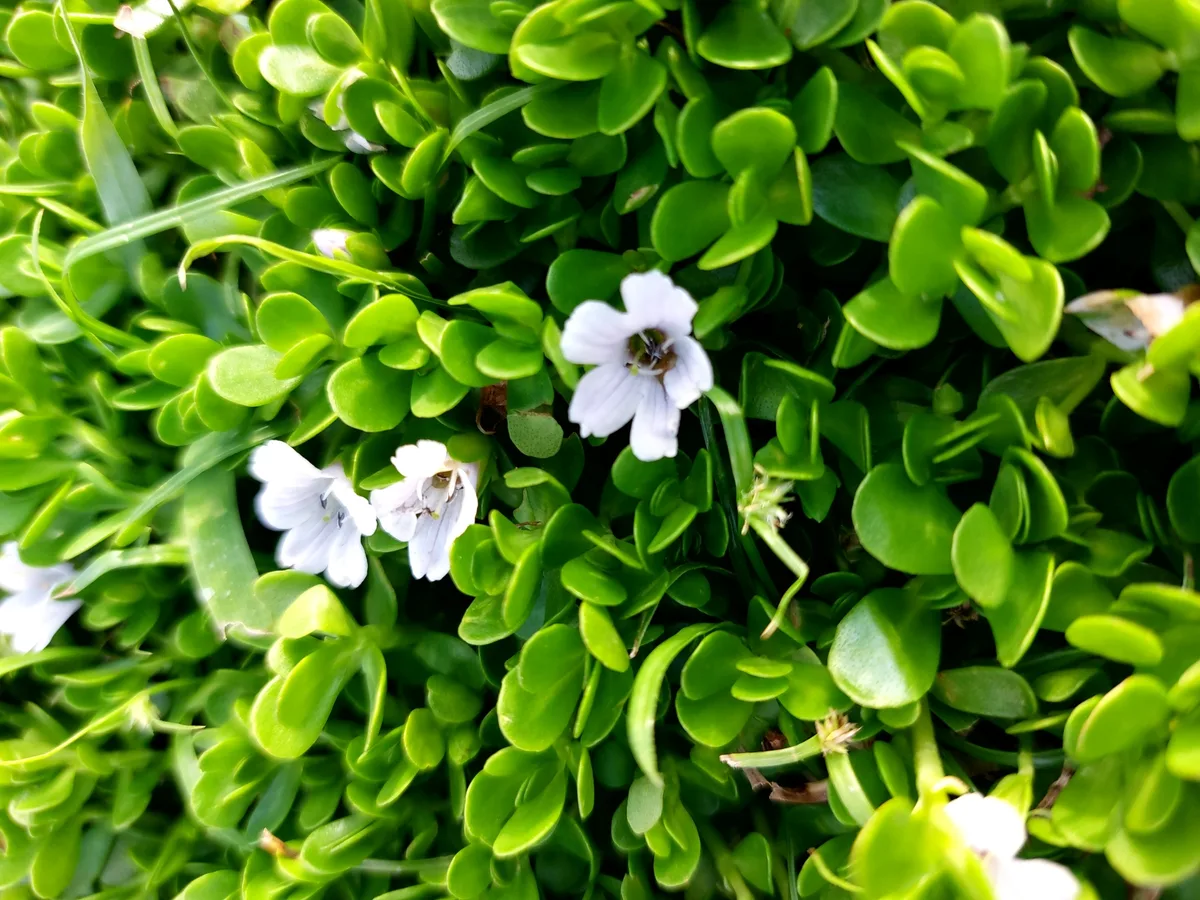
If you live somewhere brahmi grows, or can buy fresh from a South Asian grocer, this is the version most aligned with how the plant was actually consumed for most of its three-thousand-year history. The dose is modest, but consistency matters more than dose with this herb.
What Brahmi Will Not Do
A few things to be clear about. Brahmi is not a treatment for diagnosed cognitive decline, dementia, or Alzheimer's disease. The trials in older adults show modest improvements in healthy cognition. They do not show reversal of pathological decline. For someone with a memory disorder, brahmi is a complementary support at best, and only with the involvement of the treating clinician.
Brahmi is also not a replacement for sleep. The single largest determinant of memory consolidation is the quality of slow-wave and REM sleep on the night after learning. No herb can substitute for that. If you are sleep-deprived, improving sleep will do more for cognition than any nootropic.
Side effects in the trials were minimal: occasional mild gastrointestinal discomfort at higher doses, usually resolved by taking brahmi with food. People on thyroid medication should consult a clinician before starting brahmi long-term, as some animal studies suggest a modest thyroid-stimulating effect.
Frequently Asked Questions
How long until I notice anything from brahmi?
The trials suggest meaningful changes in memory tasks at eight to twelve weeks of daily use. Some people report feeling subtly calmer and more focused within two to three weeks, but the memory-consolidation effects build slowly. This is not a substance you take once for a test the next day. It is a substance you take consistently for three months and reassess.
What is the right dose?
The positive trials standardized to 300 mg per day of an extract containing 50% bacosides, taken with food. If you are using powdered brahmi rather than an extract, the traditional dose is roughly half a teaspoon (1.5 to 2 grams) twice a day. With fresh herb, a small handful several times a week. The variable is bacoside content, which is why standardized extracts are easier to dose predictably.
Can I take brahmi with ashwagandha or other adaptogens?
Yes, and the traditional formulations often combine them. Ashwagandha and brahmi are both classified as medhya in Ayurveda, but they work differently. Ashwagandha primarily addresses cortisol and the stress response, while brahmi works on memory and cognitive processing. Many classical Ayurvedic brain tonics include both, along with shankhpushpi and gotu kola. The adaptogenic herbs post covers the stress side of the picture.
Does brahmi help with anxiety?
The trials in older adults showed modest reductions in self-reported anxiety alongside the memory improvements. The effect appears to be mediated through the same cholinergic and neuroprotective mechanisms that affect cognition, not through a sedative effect. For more direct anxiety support, foods that calm the nervous system covers the broader picture.
Three Thousand Years of Slow Accumulation
The modern evidence aligns closely with what the Charaka Samhita described two thousand years ago. The classical texts did not claim brahmi was a stimulant or a quick fix. They classified it as a rasayana, a substance that works through gradual rejuvenation over time. The modern trials confirm exactly this: modest, cumulative improvement in memory consolidation that builds over eight to twelve weeks of daily use.
The practical implication is direct. If brahmi is going to do anything for you, it will do it through consistency, not intensity. A daily teaspoon in warm milk, a half-teaspoon of brahmi ghee on rice, a small handful of fresh leaves in your weekly cooking. The dose is not large. The duration matters more than the dose.
For the broader picture of food and cognitive function, see foods that calm the nervous system and the post on the vagus nerve, ancient practices, and modern science. Brahmi is one piece of a longer tradition that thought carefully about the mind, and got more right than it is usually given credit for.
Comments
Share your thoughts on this post.
Sign in to comment0 Comments