Foods That Help You Sleep: What to Eat for Deeper, Better Rest
Foods That Help You Sleep: What to Eat for Deeper, Better Rest
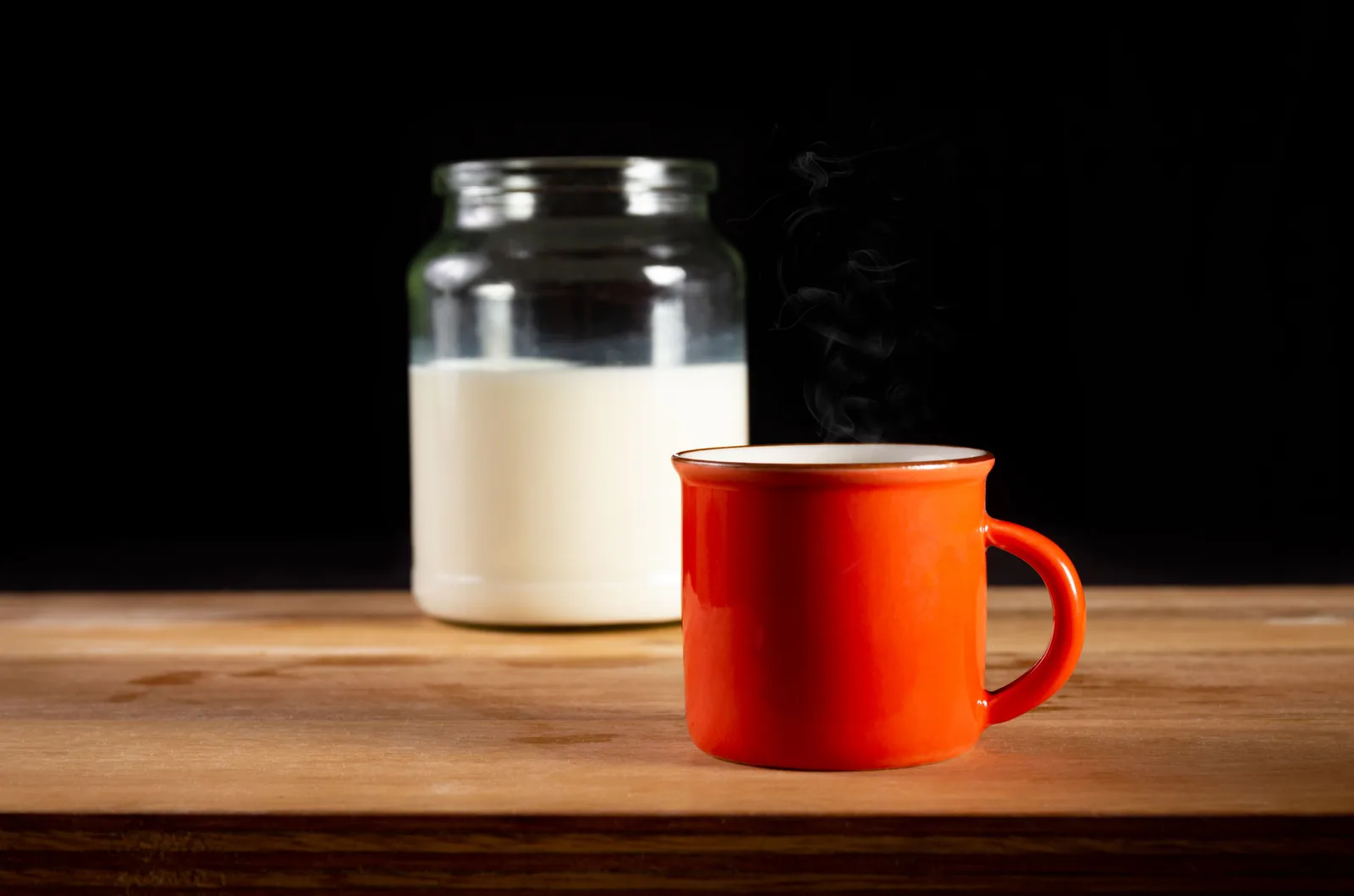
I used to think sleep was about what happened in the bedroom: dark room, cool temperature, no screens. Those things matter. But the turning point for my sleep wasn't blackout curtains. It was a cup of warm milk with ashwagandha and saffron that an Ayurvedic practitioner recommended I drink every night at 9pm.
Within a week, I was falling asleep faster. Within three weeks, I stopped waking at 3am. The change wasn't dramatic on any single night. It was cumulative: the kind of slow, steady improvement that compounds until you realize you haven't thought about sleep in days because it's just... happening.
Sleep isn't only a brain event. It's a biochemical process driven by specific neurotransmitters (melatonin, GABA, serotonin), influenced by hormones (cortisol, insulin), and shaped by the nutrients available to produce all of these. The foods you eat, particularly in the 3 to 4 hours before bed, determine whether your body has the raw materials to generate restful sleep.
The Sleep Biochemistry You Control With Food
Four compounds govern sleep onset and sleep quality. All four are built from nutrients in food.
Melatonin is the hormone that signals darkness to your brain. Your pineal gland produces it from serotonin (which is itself produced from tryptophan, an amino acid from food). Some foods contain melatonin directly. A 2011 trial by Howatson and colleagues in the European Journal of Nutrition gave participants tart-cherry juice and measured a significant rise in circulating melatonin and improvements in sleep duration and quality. A 2011 study by Lin and colleagues in the Asia Pacific Journal of Clinical Nutrition found that adults with sleep problems who ate two kiwifruits an hour before bed for four weeks reported significantly faster sleep onset and longer sleep duration. Together these studies suggest that consuming melatonin-rich foods (tart cherries, kiwi, pistachios, eggs, fish) raises blood melatonin and improved sleep quality.
Tryptophan is the essential amino acid precursor to serotonin and melatonin. Your body cannot make it; it must come from food. Tryptophan competes with other amino acids to cross the blood-brain barrier. Eating it with carbohydrates (which trigger insulin, clearing competing amino acids) improves brain delivery.
Magnesium activates the parasympathetic nervous system and regulates GABA receptors. A 2012 double-blind trial by Abbasi and colleagues in the Journal of Research in Medical Sciences found that 500 mg of daily magnesium supplementation over 8 weeks significantly improved insomnia severity, sleep time, and sleep onset latency in elderly participants. An estimated 50% of Americans are magnesium-deficient.
GABA (gamma-aminobutyric acid) is your brain's primary inhibitory neurotransmitter. It quiets neural activity. Prescription sleep aids (benzodiazepines, Z-drugs) work by enhancing GABA receptor activity. Certain foods contain GABA or support its production naturally.
The Top Sleep-Supporting Foods
Tart Cherries (The Melatonin Champion)
Tart cherries (Montmorency variety) contain the highest naturally occurring melatonin of any commonly available food. Clinical trials have found that tart cherry juice increased sleep time by 84 minutes and improved sleep efficiency compared to placebo. The effect was attributed to both melatonin content and the proanthocyanidins that inhibit tryptophan degradation.
Drink 200ml of tart cherry juice (unsweetened) 1 to 2 hours before bed. Or eat a handful of dried tart cherries as an evening snack.
Pistachios (The Melatonin Surprise)
Pistachios contain 660 nanograms of melatonin per gram, more than most melatonin supplements deliver per dose. A single ounce (roughly 49 kernels) provides a physiologically relevant melatonin dose. They also provide magnesium, B6 (a cofactor for serotonin synthesis), and healthy fats.
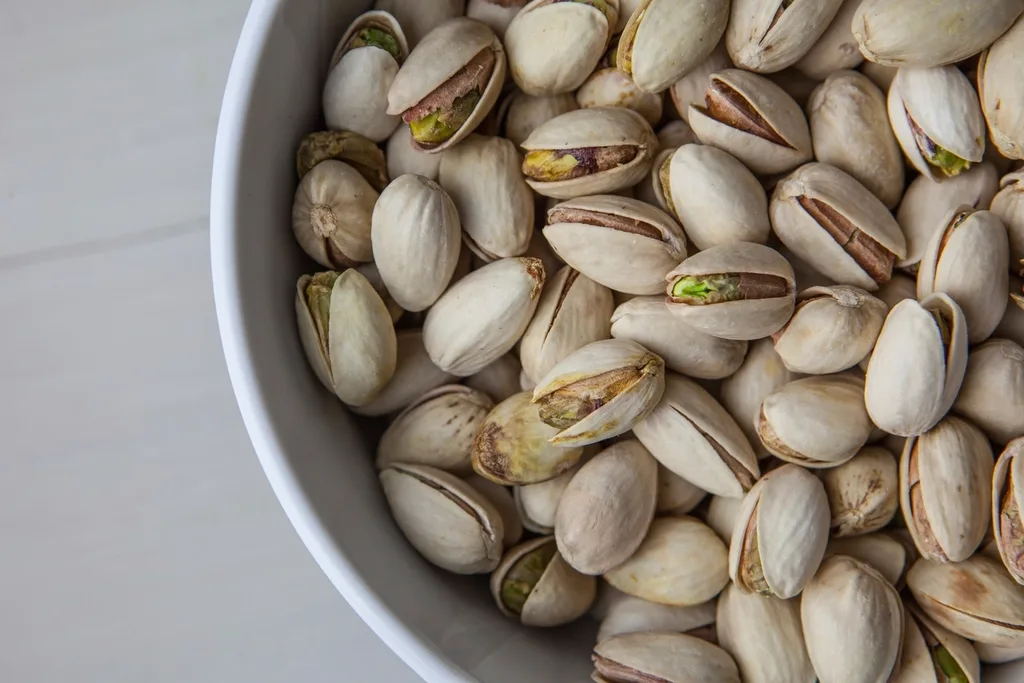
A small handful of pistachios 1 to 2 hours before bed is one of the simplest, most evidence-backed sleep interventions available.
Pumpkin Seeds (The Magnesium-Tryptophan Combo)
Pumpkin seeds deliver 156mg of magnesium per ounce (37% daily value) alongside significant tryptophan. The combination addresses two sleep mechanisms simultaneously. Toast them with a pinch of cinnamon and salt for an evening snack, or sprinkle them over evening congee.
Fatty Fish (The Vitamin D and Omega-3 Duo)
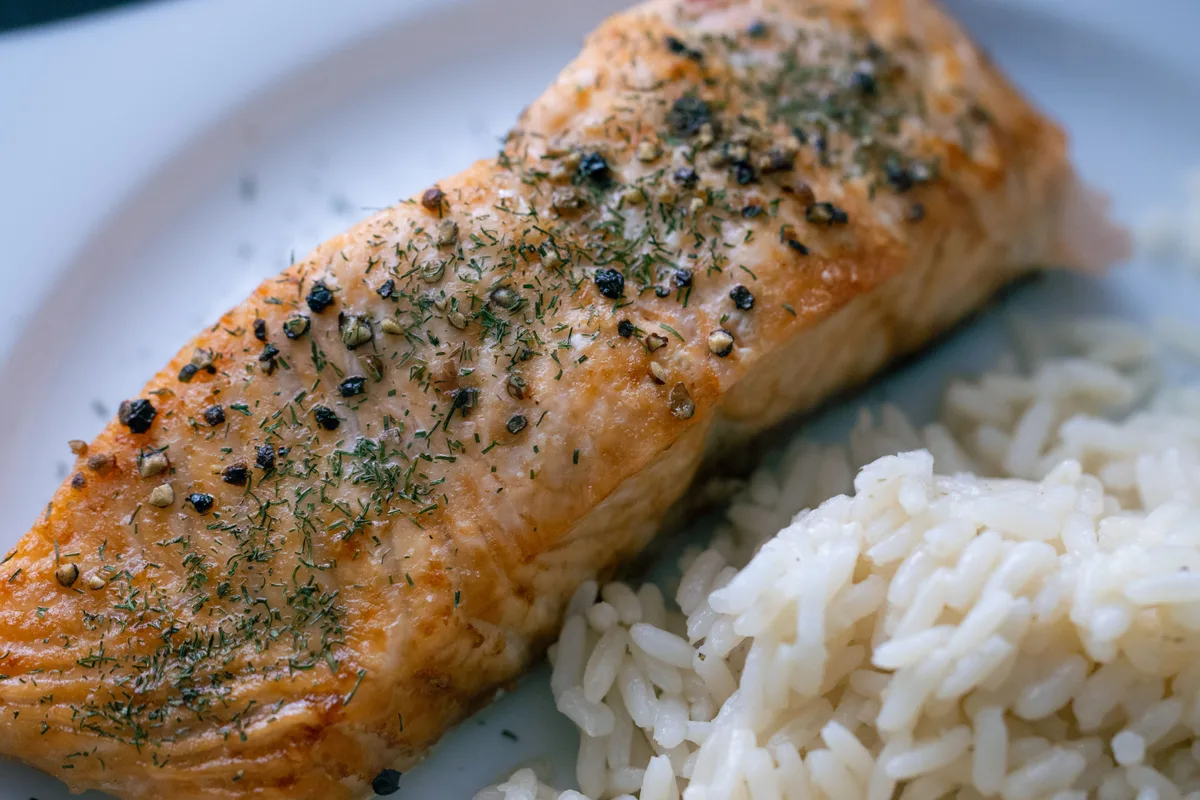
Salmon, mackerel, and sardines provide both omega-3 DHA (which research links to melatonin production) and vitamin D (deficiency is associated with poor sleep quality). Studies have found that regular fish consumption significantly improved sleep quality compared to other protein sources.
Eat fatty fish for dinner 2 to 3 times per week. Keep the preparation light: steamed, baked, or in a gentle broth.
Fermented Foods (The Gut-Sleep Connection)
Your gut produces 95% of your body's serotonin, the precursor to melatonin. Gut microbiome health directly impacts sleep. Studies have found that greater microbial diversity was associated with better sleep efficiency and longer sleep duration.
Miso shiru at dinner delivers live Lactobacillus cultures that support serotonin-producing gut bacteria. Yogurt provides Bifidobacterium species linked to improved sleep quality in clinical studies.
Jujubes (Red Dates): The TCM Sleep Food
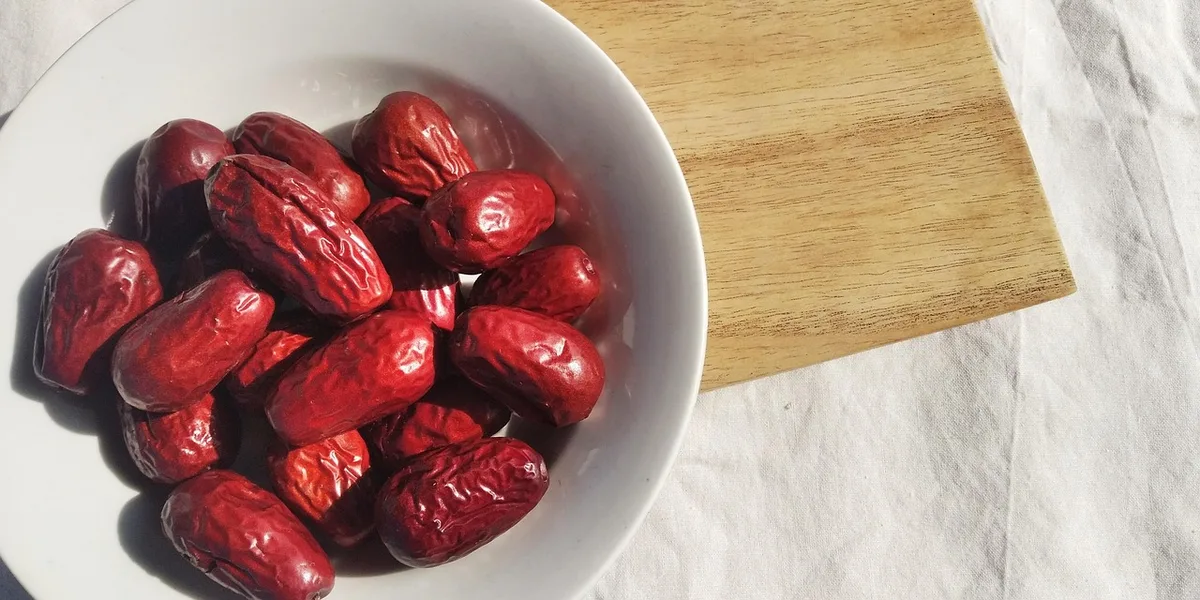
Jujubes contain jujuboside A and spinosin, compounds that enhance GABAergic signaling. In Traditional Chinese Medicine, jujubes are classified as shen-calming foods that "nourish heart blood," the TCM framework for treating insomnia.
Daechu cha (Korean jujube tea) is the most direct preparation. Simmer dried red dates until the water turns deep amber. The naturally sweet, warming tea is consumed before bed across Korean and Chinese traditions specifically for sleep.
Ashwagandha (The Adaptogenic Sleep Aid)
Ashwagandha reduces cortisol (the hormone that, when elevated at night, prevents sleep onset) and contains triethylene glycol, a compound identified in PLoS ONE (2017) as a sleep-inducing agent. Studies have found that ashwagandha root extract significantly improved sleep quality and sleep onset latency in insomnia patients.
Ashwagandha moon milk is the definitive Ayurvedic sleep drink: warm milk, ashwagandha, saffron, cardamom, a pinch of nutmeg, and ghee. See our guide on warm milk before bed for the full science.
The Foods That Steal Your Sleep
What you avoid in the evening matters as much as what you eat.
Caffeine after noon. Caffeine has a half-life of 5 to 7 hours. A 2pm coffee means half the caffeine is still active at 9pm. Studies have found that caffeine consumed 6 hours before bed reduced total sleep time by over an hour. Replace afternoon coffee with tulsi tea, which has adaptogenic properties that support the natural cortisol decline.
Alcohol within 3 hours of bed. Alcohol initially enhances GABA (causing drowsiness) but the rebound glutamate surge 3 to 4 hours later fragments sleep, reducing REM and deep sleep stages. The "nightcap" is one of the most counterproductive sleep habits.
High-sugar foods after dinner. A blood sugar spike followed by a crash triggers cortisol and adrenaline release, which can cause the 3am wake-up that plagues many poor sleepers.
Heavy, fatty meals late at night. A large meal within 2 hours of bed forces your digestive system to work when it should be resting. Gastric acid production increases, raising the risk of reflux. Keep dinner light, and finish eating at least 2 to 3 hours before bed.
Spicy-hot foods (chili, cayenne) late at night. Capsaicin raises body temperature. Sleep onset requires a core temperature drop. Hot-spiced food near bedtime works against this thermal requirement.
The Ideal Evening Eating Timeline
| Time | What | Why |
|---|---|---|
| 6-7pm | Light dinner: khichdi, miso shiru, fish with rice | Easy digestion, tryptophan, no blood sugar spike |
| 7:30pm | Digestive tea: fennel seed tea or ginger tea | Close the eating window, support digestion |
| 8:30pm | Small sleep snack (optional): pistachios, tart cherries, banana with almond butter | Melatonin, magnesium, tryptophan |
| 9-9:30pm | Sleep drink: ashwagandha moon milk or golden milk or daechu cha | Cortisol reduction, GABA support, warmth |
| 10pm | Bed | Aligned with natural melatonin peak |
For a complete evening wind-down protocol that goes beyond food, see our evening routine to calm anxiety guide.
Two Traditional Sleep Frameworks
Ayurveda: Sleep as Vata Management
Ayurveda attributes insomnia primarily to excess Vata (the energy of movement, including the movement of thoughts). Vata naturally increases after 2am, which is why Vata-type insomnia often manifests as waking between 2am and 4am with a racing mind.
The Ayurvedic sleep protocol:
- Warm, oily, grounding food for dinner (the opposite of Vata's cold, dry, light qualities)
- Ashwagandha moon milk before bed (the classical Vata-calming nervine)
- Nutmeg in warm milk (a tiny pinch; nutmeg has documented sedative properties through myristicin's interaction with serotonin receptors)
- Warm sesame oil foot massage before bed (stimulates vagal pathways through pressure receptors in the feet)
- Early, consistent bedtime (Vata is calmed by routine)
TCM: Sleep as Heart-Kidney Balance
TCM views insomnia as a disharmony between heart fire (which should descend at night) and kidney water (which should rise to cool it). When heart fire is excess (from stress, overstimulation, or spicy food), it fails to descend and the mind stays active.
The TCM sleep protocol:
- Jujube-based teas and soups (daechu cha) to nourish heart blood
- Reishi mushroom in congee or tea to calm the shen (spirit)
- Lily bulb and lotus seed in soups (both are classical shen-calming foods)
- Avoiding hot, spicy, and fried food after 6pm (excess heat disturbs the heart)
- Warm foot soaking before bed (draws fire downward from the head)
Both traditions converge on: warm food, calming herbs, consistent timing, and the deliberate downshift from activity to rest.
Frequently Asked Questions
How soon before bed should I stop eating?
Finish your main dinner 2 to 3 hours before bed. A small sleep-supporting snack (pistachios, tart cherries, banana) can be eaten 1 to 2 hours before bed. A warm sleep drink (moon milk, golden milk, jujube tea) can be consumed 30 to 60 minutes before bed. The warm liquid itself aids the parasympathetic transition.
Do melatonin-rich foods work as well as melatonin supplements?
They work through a different mechanism. Melatonin supplements deliver a bolus dose (typically 1-5mg) that spikes blood melatonin rapidly. Food-based melatonin (tart cherries, pistachios) delivers smaller amounts alongside cofactors (tryptophan, B6, magnesium) that support your body's own melatonin production. Research supports both approaches, but food-based melatonin may produce more sustained effects because it supports the full production pathway.
Can changing my diet really fix insomnia?
For sleep disrupted by blood sugar instability, cortisol dysregulation, magnesium deficiency, or gut-brain axis dysfunction, dietary changes can be transformative. Meta-analyses have found that dietary patterns emphasizing tryptophan-rich foods, complex carbohydrates, and anti-inflammatory compounds were significantly associated with better sleep quality. For clinical insomnia, dietary changes work best alongside sleep hygiene and, if needed, cognitive behavioral therapy for insomnia (CBT-I).
Why do carbohydrates help you sleep?
Carbohydrates trigger insulin release, which clears competing amino acids (leucine, isoleucine, valine) from the bloodstream. This gives tryptophan easier access to the blood-brain barrier, increasing serotonin and melatonin production. This is why a carb-containing dinner (rice, sweet potato, oats) promotes better sleep than a protein-only meal. The traditional combination of rice with a protein (khichdi, congee with egg) optimizes this mechanism.
Sleep Starts in the Kitchen
Every night, your body attempts to transition from the metabolic demands of the day to the restorative work of sleep. Whether it succeeds depends partly on your sleep environment and habits, but fundamentally on whether you've provided the biochemical raw materials: tryptophan for serotonin and melatonin, magnesium for GABA receptor activation, stable blood sugar to prevent cortisol spikes, and adaptogens to support the natural cortisol trough.
Start tonight. A handful of pistachios after dinner. Ashwagandha moon milk or golden milk at 9pm. See what happens in a week.
For specific timing and food guidance, see what to eat before bed to sleep better. For the 3am wake-up problem specifically, read how to stop waking up at 3am. For the best bedtime drinks, explore best teas for sleep and does warm milk before bed actually work.
Comments
Share your thoughts on this post.
Sign in to comment0 Comments