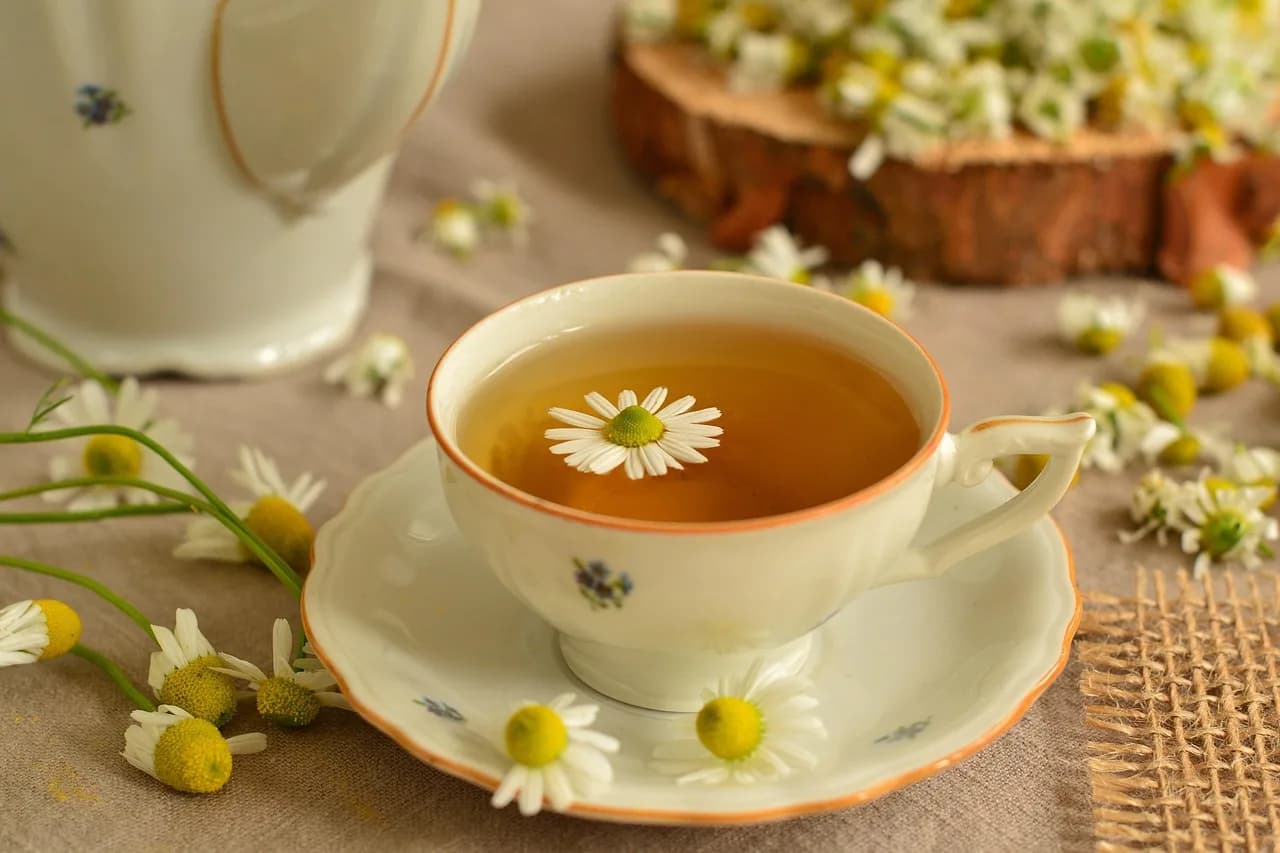
Best Teas for Sleep: 7 Bedtime Teas That Actually Work
Best Teas for Sleep: 7 Bedtime Teas That Actually Work
There's something about holding a warm cup in the evening that signals the day is over. Before the first sip, before the active compounds reach your bloodstream, the warmth in your hands and the steam against your face begin the transition from doing to resting. The vagus nerve responds to warmth. Your shoulders drop a centimeter. Your breathing slows.
That sensory ritual is itself therapeutic. But the best teas for sleep do more than provide comfort. They contain specific compounds, apigenin, L-theanine, jujuboside A, withanolides, rosmarinic acid, that interact with GABA receptors, serotonin pathways, and the HPA stress axis to physiologically promote sleep.
This isn't a list of "relaxing teas." It's a ranked guide to seven teas with actual evidence for sleep improvement, how each one works, and how to brew them for maximum effect.
1. Chamomile: The Gentle Standard
Active compound: Apigenin (a flavonoid that binds GABA-A receptors) Evidence strength: Moderate (10+ clinical trials) Best for: Mild difficulty falling asleep, general relaxation
Chamomile is the world's most consumed bedtime tea, and the research, while not overwhelming, is supportive. A 2016 randomized controlled trial by Chang and Chen in the Journal of Advanced Nursing found that postpartum women who drank chamomile tea for two weeks reported significantly better sleep quality and fewer depression symptoms than controls. A 2009 trial by Amsterdam and colleagues in the Journal of Clinical Psychopharmacology also found chamomile extract reduced generalized anxiety symptoms compared with placebo.
Apigenin, chamomile's primary active compound, binds to benzodiazepine receptors in the brain (the same receptors targeted by Valium and Xanax) with mild affinity. The effect is subtle: you won't feel sedated. But over consistent nightly use, the cumulative anxiolytic and sleep-promoting effect becomes noticeable.
How to brew for maximum effect: Use 2 tablespoons of dried chamomile flowers (not 1 teabag, which typically contains less than 1 gram of chamomile). Steep in just-boiled water for 5 to 7 minutes, covered (the lid traps volatile oils that would otherwise evaporate). Strain and drink 30 to 60 minutes before bed.
Enhance it: Add a teaspoon of raw honey (after the tea cools slightly) and a pinch of nutmeg. The honey provides a small glucose buffer that prevents nocturnal blood sugar drops. The nutmeg adds mild sedative support through myristicin.
2. Tulsi (Holy Basil): The Cortisol Calmer
Active compounds: Rosmarinic acid, ursolic acid, eugenol, ocimumosides Evidence strength: Strong (20+ clinical studies on stress and sleep) Best for: Stress-driven insomnia, racing mind at bedtime
Tulsi tea approaches sleep differently from chamomile. Rather than directly promoting sedation, holy basil addresses the cortisol elevation that prevents sleep onset.
Systematic reviews have found that tulsi reduced anxiety by 39% and stress scores significantly across multiple trials. A 2014 randomized trial found that tulsi extract improved sleep quality metrics, particularly in participants with stress-related sleep disruption.
In Ayurveda, tulsi is classified as a rasayana (rejuvenative) with specific affinity for the nervous system. It's recommended as an afternoon and evening tea to manage the cortisol accumulation that an active day produces.
How to brew: Steep 1 tablespoon dried tulsi (or 5-6 fresh leaves) in hot water for 5 minutes. Tulsi's volatile oils are potent but delicate; over-steeping can produce bitterness. The tea should taste warm, slightly peppery, with a clove-like finish.
Best timing: Start drinking tulsi in the afternoon (replacing coffee) and have a second cup after dinner. By bedtime, the cortisol-lowering effect has had several hours to work.
See our adaptogenic herbs guide for the full profile of tulsi and other stress-modulating herbs.
3. Reishi Mushroom Tea: The Shen Calmer
Active compounds: Triterpenes (ganoderic acids), polysaccharides Evidence strength: Moderate (traditional + growing clinical) Best for: Restless sleep, dream-disturbed sleep, nighttime anxiety
Reishi mushroom (lingzhi in Chinese) has been used in Traditional Chinese Medicine for over 2,000 years as the primary shen-calming tonic. Shen, loosely translated as "spirit" or "consciousness," is housed in the heart in TCM. When shen is unsettled (from stress, emotional turmoil, or overwork), sleep becomes fragmented, dreams become vivid or disturbing, and a pervasive sense of unease prevents deep rest.
Reishi's triterpenes modulate GABAergic pathways. Studies have found that reishi extract increased total sleep time and non-REM sleep in animal models. A 2012 Journal of Medicinal Food study found significant fatigue reduction and wellbeing improvement in human participants.
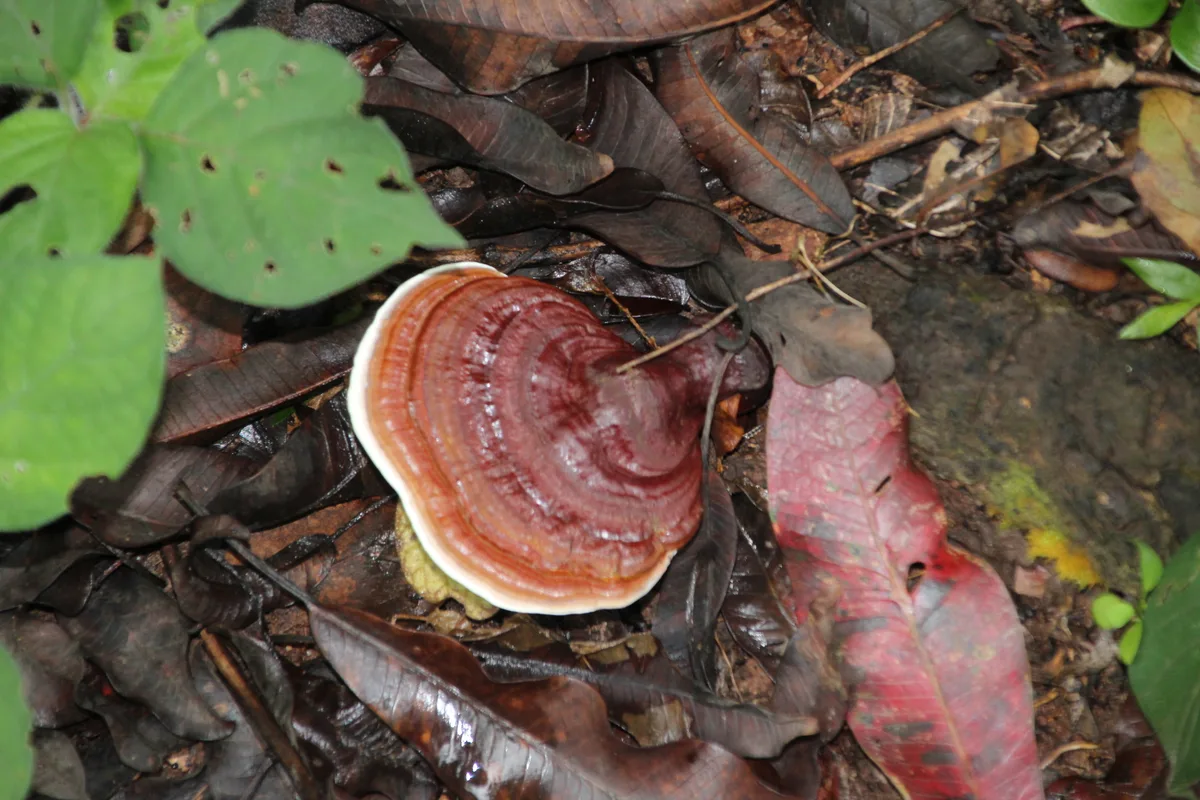
How to brew: Reishi tea requires longer extraction than leaf teas. Simmer 3 to 5 thin slices of dried reishi in 2 cups of water for 30 minutes at a gentle boil. The liquid should turn deep amber. Strain. The flavor is woody and slightly bitter. Add honey and a pinch of cinnamon to make it more palatable, or combine with ginger for a warming variation.
Or make it food: Reishi mushroom congee simmers the reishi directly into the rice porridge, extracting the triterpenes into the starchy base over the long cooking time.
4. Jujube Tea (Daechu Cha): The Heart Blood Nourisher
Active compounds: Jujuboside A, spinosin, saponins Evidence strength: Moderate (traditional + pharmacological studies) Best for: Difficulty falling asleep, insomnia with palpitations, recovery insomnia
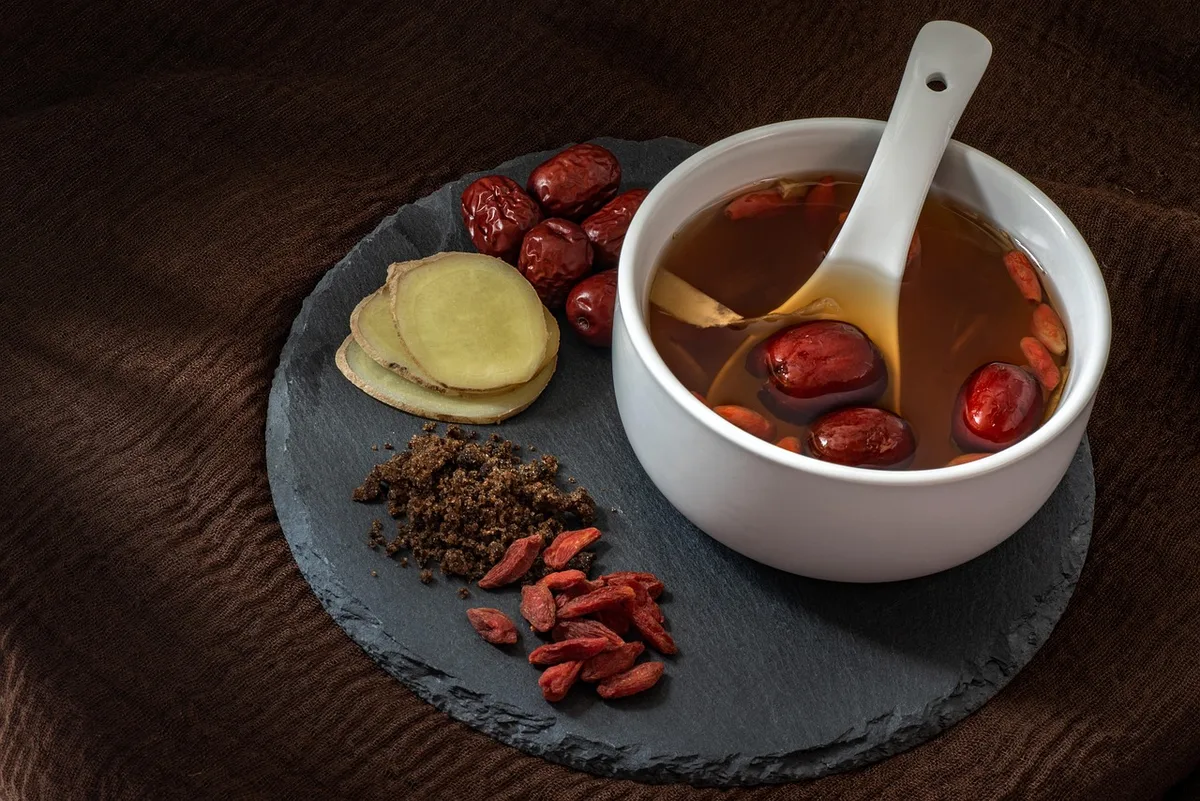
Daechu cha (Korean jujube tea) is made from dried red dates simmered until the water turns rich amber. It's naturally sweet, deeply warming, and caffeine-free.
Jujuboside A enhances GABAergic neurotransmission. Spinosin modulates serotonin receptors involved in sleep regulation. Studies have found that jujube seed extract significantly improved sleep quality in insomnia patients over 4 weeks.
In TCM, jujubes are classified as bu xue (blood nourishing) and shen-calming. The classical formula Suan Zao Ren Tang (Sour Date Decoction) is the most prescribed TCM insomnia formula, built around jujube seeds. The whole-fruit tea is the accessible, culinary version of this medicinal approach.
How to brew: Simmer 6 to 8 dried red dates (pitted) in 3 cups of water for 20 to 30 minutes. The dates should be soft and the liquid deeply colored. Drink the tea and eat the softened dates. For enhanced effect, add 2 thin slices of dried ginseng (for qi support) or a few goji berries (for yin nourishment).
5. Passionflower: The GABA Booster
Active compound: Chrysin (a flavonoid with GABA-A receptor affinity) Evidence strength: Moderate (7+ clinical trials) Best for: Anxious insomnia, nervous restlessness before bed
Passionflower (Passiflora incarnata) has the most direct GABA-enhancing effect of any common herbal tea. Chrysin binds to GABA-A benzodiazepine receptors more potently than chamomile's apigenin.
A 2011 double-blind trial in Phytotherapy Research found that passionflower tea consumed nightly for one week significantly improved subjective sleep quality compared to placebo. The effect was modest but consistent, and participants reported no morning grogginess (a common complaint with pharmaceutical sleep aids).
How to brew: Steep 1 tablespoon of dried passionflower in hot water for 10 minutes (longer than most herbal teas; chrysin extracts slowly). Cover while steeping. The flavor is mildly grassy and slightly sweet.
Combine with chamomile for a synergistic blend: the two GABA-targeting flavonoids (chrysin + apigenin) at sub-clinical individual doses combine to produce a more noticeable cumulative effect.
6. Lavender: The Aromatherapeutic Tea
Active compounds: Linalool, linalyl acetate Evidence strength: Moderate (stronger for aroma than ingestion) Best for: Difficulty transitioning from wakefulness, sensory wind-down
Lavender's sleep benefit operates through two pathways simultaneously. Ingested, linalool interacts with GABA receptors and reduces heart rate. Inhaled (from the steam of hot tea), it activates olfactory neurons that project directly to the amygdala and limbic system, producing measurable parasympathetic activation within minutes.
Studies have found that lavender tea consumption significantly improved fatigue and depression in postpartum women and improved infant sleep quality.
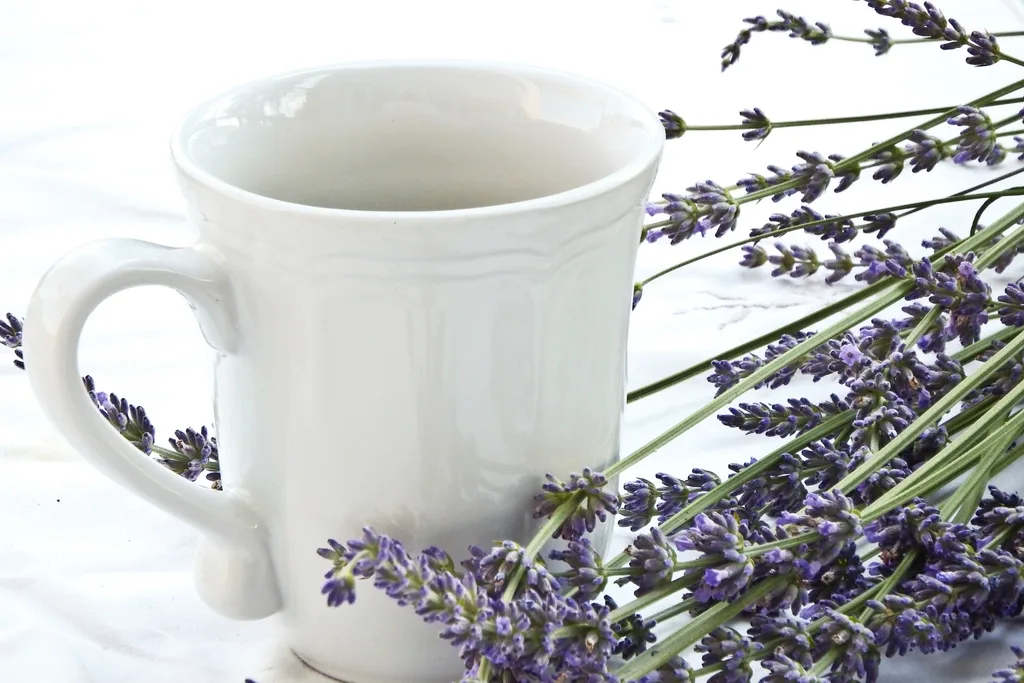
How to brew: Use culinary-grade lavender buds (1 teaspoon per cup). Steep for 4 to 5 minutes. Over-steeping produces a soapy flavor. Inhale the steam deliberately before sipping. The aromatic pathway is as important as the ingested pathway. Add a teaspoon of honey and a squeeze of lemon.
7. Fennel-Cardamom Tea: The Digestive Sleeper
Active compounds: Anethole (fennel), 1,8-cineole (cardamom) Evidence strength: Indirect (strong for digestion, supports sleep through digestive comfort) Best for: Insomnia caused by digestive discomfort, bloating, or eating late
Sometimes the barrier to sleep isn't your brain. It's your stomach. Bloating, acid reflux, and digestive discomfort keep the sympathetic nervous system engaged when it should be yielding to rest.
Fennel and cardamom address this directly. Anethole relaxes intestinal smooth muscle, releasing trapped gas. 1,8-cineole is anti-spasmodic, reducing the cramping that acid reflux and bloating produce. Together, they resolve the digestive barrier to sleep.
How to brew: Toast 1 teaspoon fennel seeds and 3 crushed cardamom pods in a dry pan for 30 seconds. Add to hot water. Steep 5 minutes, covered. Drink after dinner (this is a digestive tea, not a sedative tea; its sleep benefit comes from removing the digestive obstacle).
Our fennel cumin coriander tea takes this further with the addition of cumin and coriander for complete post-dinner digestive support.
How to Build a Bedtime Tea Rotation
Using the same tea every night can reduce its effectiveness as your body adapts. Rotating between teas provides different compounds and prevents habituation.
| Night | Tea | Primary Mechanism |
|---|---|---|
| Mon | Chamomile + passionflower | GABA receptor activation |
| Tue | Tulsi | Cortisol reduction |
| Wed | Reishi | Shen calming, deep sleep support |
| Thu | Jujube (daechu cha) | Heart blood nourishment, GABA |
| Fri | Lavender + chamomile | Aromatherapeutic + GABA |
| Sat | Fennel-cardamom (after heavy dinner) | Digestive sleep barrier removal |
| Sun | Tulsi + reishi blend | Combined cortisol + shen support |
Or simplify: If you want one tea to drink every night without rotating, tulsi is the most versatile because it addresses the most common barrier to sleep (stress/cortisol) and is safe for indefinite daily use.
The Tea Ritual Itself
The ritual matters as much as the compounds. Studies have found that consistent daily routines were independently associated with better sleep quality across 91,000 participants.
Make your tea at the same time each night. Use the same cup. Sit in the same spot. Sip slowly. No screens. This consistent sensory sequence becomes a conditioned stimulus for sleep, much like how the routine of brushing teeth signals bedtime to your nervous system.
In Ayurveda, the evening tea is part of dinacharya (daily routine), the structured sequence of daily activities that Ayurveda considers foundational to physical and mental health. The tea isn't separate from the routine. It is the routine.
Frequently Asked Questions
How long before bed should I drink sleep tea?
30 to 60 minutes before bed is optimal. This allows the active compounds to begin working while the warm liquid triggers the parasympathetic response. Drinking too close to bed increases nighttime urination. Too early, and the effects may peak and wane before sleep onset.
Can I combine multiple sleep teas?
Yes. Chamomile + passionflower is a well-studied combination. Tulsi + reishi covers stress and shen-calming simultaneously. Avoid combining more than 2 to 3 herbal teas in one cup, as the flavors become muddy and the combined effect is harder to attribute.
Are sleep teas safe to drink every night?
Chamomile, tulsi, lavender, fennel, and jujube are all considered safe for daily, long-term use across their respective traditions. Reishi is traditionally cycled (6 weeks on, 2 weeks off) in some TCM lineages, though clinical evidence for cycling is limited. Passionflower is well-tolerated nightly. None of these teas produce dependence or withdrawal effects.
Do sleep teas interact with sleep medications?
Chamomile, passionflower, and reishi all interact with GABA receptors, the same system targeted by benzodiazepines and Z-drugs. While the interaction is mild at tea doses, combining them with prescription sleep medications may produce additive sedation. Consult your healthcare provider before combining herbal sleep teas with prescription sedatives, anxiolytics, or antidepressants.
The Last Cup of the Day
A bedtime tea is the gentlest, most sustainable sleep intervention available. It costs less than supplements, has fewer side effects than medications, and delivers the added benefit of a nightly ritual that your nervous system learns to associate with rest.
Start with tulsi tea if stress keeps you awake, or chamomile if you need gentle sedation. Try daechu cha if you want something naturally sweet and warming. Layer on ashwagandha moon milk or golden milk after the tea if you need stronger support.
For the complete sleep-food picture: foods that help you sleep, what to eat before bed, how to stop waking up at 3am, and does warm milk before bed actually work.
Comments
Share your thoughts on this post.
Sign in to comment0 Comments