What to Eat Before Bed to Sleep Better (And What to Avoid)
What to Eat Before Bed to Sleep Better (And What to Avoid)
A patient told her sleep specialist that she ate dinner at 9pm, had dessert at 10, and was in bed by 10:30 wondering why she couldn't fall asleep. The specialist's response: "Your body is processing a full meal. It can't digest food and initiate sleep at the same time. They require opposite nervous system states."
This is the fundamental tension. Digestion requires sympathetic activation (blood flow to the gut, acid production, peristalsis). Sleep requires parasympathetic dominance (reduced heart rate, lowered body temperature, neural quieting). When you eat a heavy meal close to bedtime, you're asking your body to do both simultaneously.
But going to bed hungry isn't the answer either. An empty stomach produces ghrelin (the hunger hormone) and can trigger cortisol release as blood sugar drops overnight, causing the 3am wake-up that ruins sleep quality for the second half of the night.
The solution is strategic: eat the right things at the right times. A light, sleep-supporting dinner early enough to digest. A small, targeted snack if needed. And a warm, adaptogenic drink as the final consumption before sleep.
The Three Timing Windows
Window 1: Dinner (6-7pm, or 3+ hours before bed)
Dinner should be your lightest meal. Both Ayurveda and Traditional Chinese Medicine agree on this, and modern circadian research supports it. Your digestive capacity peaks at midday and declines through the afternoon. By evening, your stomach produces less acid, your intestines move more slowly, and your metabolism is shifting toward conservation.
The ideal sleep-supporting dinner:
-
Khichdi: Rice and lentils with turmeric, cumin, ginger, and ghee. Provides tryptophan (from lentils) with carbohydrates (from rice) for optimal brain delivery. The ghee adds butyric acid and satiety. Easy to digest, warm, and grounding.
-
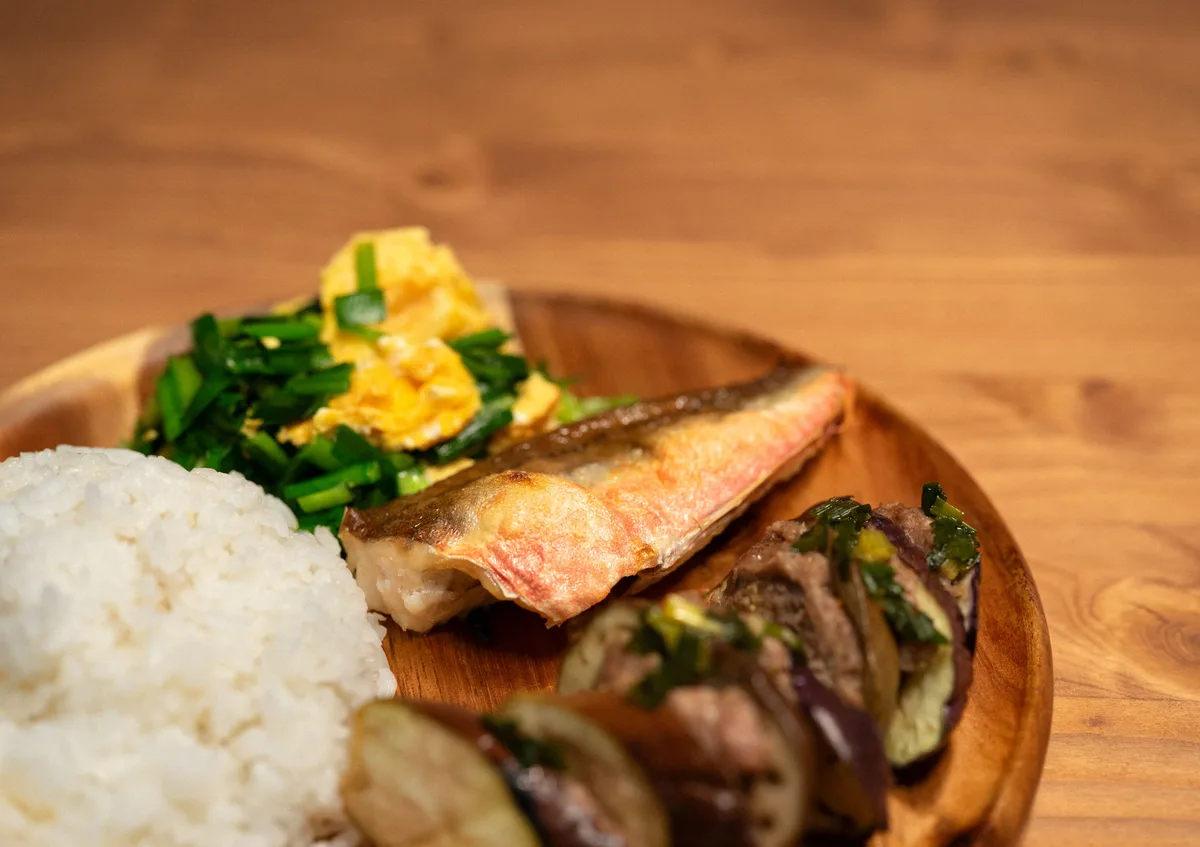
Fish with rice and cooked vegetables. Salmon or white fish provides tryptophan, omega-3 DHA (linked to melatonin production), and vitamin D. Keep the preparation simple: steamed, baked, or in a light broth.
-
Miso shiru with soft tofu and vegetables. The miso provides tryptophan, probiotics (supporting gut serotonin production), and the warmth that begins the parasympathetic transition. Light enough to digest quickly.
-
Congee with egg and ginger. When appetite is low or stress is high, congee is the gentlest dinner. The gelatinized starch requires minimal digestive effort, and the egg provides tryptophan.
What dinner should NOT be:
- Heavy, fried, or rich (requires prolonged digestion)
- Spicy-hot (raises body temperature when it needs to drop)
- Very large (distension triggers reflux when lying down)
- Consumed after 8pm (less than 2 hours to digest before bed)
Window 2: The Sleep Snack (8-9pm, 1-2 hours before bed)
If dinner was early or light and you feel slightly hungry, a small, targeted snack prevents the nighttime blood sugar drop that triggers cortisol and waking.
Best sleep snacks:
-
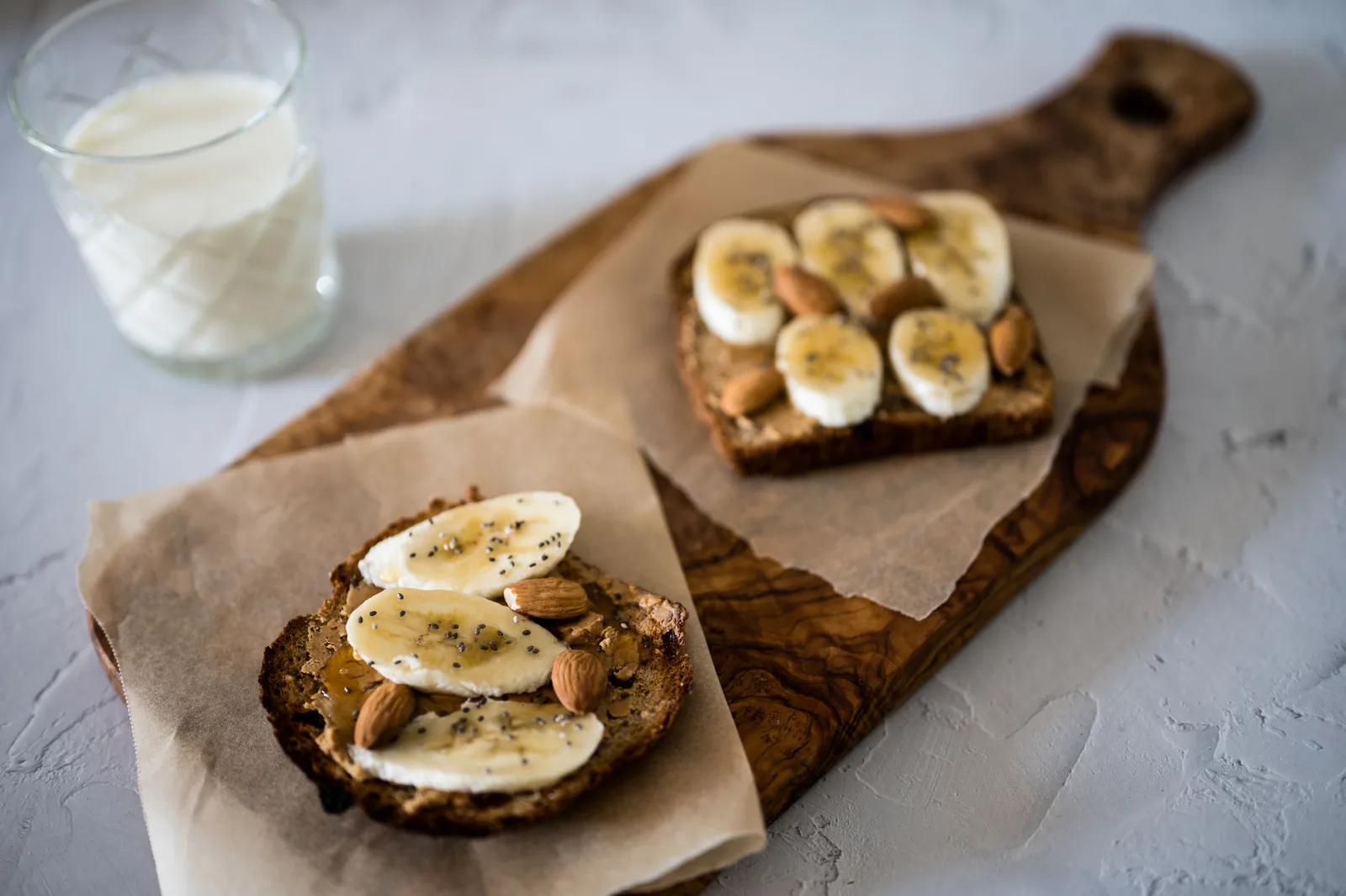
A banana with a tablespoon of almond butter. Banana provides tryptophan, magnesium, and potassium. Almond butter provides fat and protein for sustained blood sugar. The combination hits three sleep mechanisms.
-
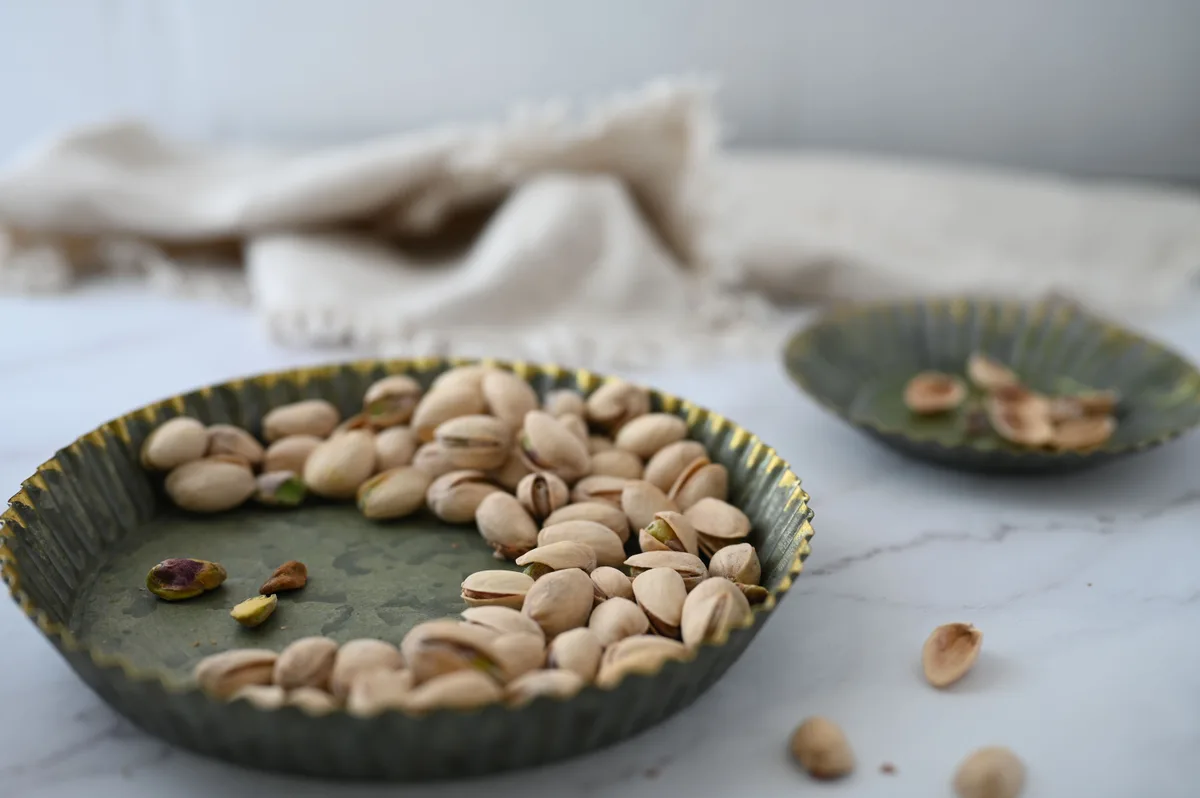
A small handful of pistachios (28g, about 49 kernels). Highest natural melatonin content of any common food. Also provides magnesium and B6.
-
Tart cherries (fresh, dried, or as unsweetened juice). Contain melatonin and proanthocyanidins that inhibit tryptophan degradation.
-
A cup of warm yogurt lassi (yogurt diluted with warm water, pinch of cumin and cardamom). Tryptophan + probiotics + warmth. Ayurveda recommends this over thick, cold yogurt in the evening.
Keep it small. The sleep snack should be 150 to 250 calories maximum. Enough to stabilize blood sugar, not enough to trigger significant digestion.
Window 3: The Sleep Drink (9-9:30pm, 30-60 minutes before bed)
This is the most impactful window. A warm, adaptogenic drink delivers sleep-supporting compounds directly and the ritual itself signals the nervous system to begin the transition to rest.
Option A: Ashwagandha moon milk The most evidence-backed option. Warm milk (dairy or oat) with 1 tsp ashwagandha, a pinch of saffron, cardamom, cinnamon, a tiny grating of nutmeg, and 1 tsp ghee. Ashwagandha reduces cortisol by 28% (clinical data). Saffron modulates serotonin. Nutmeg contains myristicin (mild sedative at pinch doses). Warm milk provides tryptophan. See our full analysis: does warm milk before bed actually work?
Option B: Golden milk Turmeric, ginger, black pepper, cinnamon in warm milk with ghee. Anti-inflammatory (reducing the systemic inflammation that disrupts sleep) and warming. Better for people who also deal with joint pain or chronic inflammation.
Option C: Daechu cha (jujube tea) Dairy-free option. Jujubes contain jujuboside A, which enhances GABA receptor activity. Naturally sweet, deeply warming. The TCM standard for shen-calming before sleep.
Option D: Saffron-rose milk Steep 4-5 saffron threads in warm milk for 10 minutes. Add a drop of rose water and a pinch of cardamom. The Persian-Ayurvedic mood-calming preparation. Particularly effective for people whose insomnia has an emotional or ruminative quality.
The Dinner-Sleep Connection: What Research Shows
A 2016 trial by St-Onge and colleagues in the Journal of Clinical Sleep Medicine found that higher dietary fiber predicted more time in deep slow-wave sleep, while greater saturated-fat and sugar intake predicted lighter, more fragmented sleep with more arousals.
A growing body of sleep-nutrition research suggests that:
- Tryptophan-rich dinners improved sleep onset latency
- High-glycemic-index carbohydrates eaten 4 hours before bed improved sleep quality (the insulin response cleared competing amino acids, improving tryptophan brain delivery)
- Magnesium-rich dinners reduced nighttime awakenings
- Late-night eating (within 1 hour of bed) worsened sleep quality regardless of what was consumed
The practical synthesis: eat a tryptophan-and-carb dinner early, skip sugar, and if you consume anything close to bed, make it small, warm, and targeted.
Ayurveda's Evening Food Rules
Ayurveda has specific guidelines for evening eating that align with modern sleep research:
Eat before sunset when possible. The digestive fire (agni) follows the sun. As the sun sets, agni diminishes. Eating after dark forces weakened agni to process food, creating ama (undigested residue) that Ayurveda associates with disturbed sleep and foggy mornings.
Avoid heavy proteins at dinner. Meat (especially red meat) requires strong agni to digest. Ayurveda recommends lighter proteins (lentils, paneer, fish in small portions) for the evening meal.
Favor sweet, sour, and salty tastes. These three tastes are Vata-pacifying (calming to the nervous system). Bitter, pungent, and astringent tastes are more activating and better suited to daytime meals.
A gap between dinner and the sleep drink. The fennel cumin coriander tea after dinner closes the digestive process. The moon milk 1 to 2 hours later initiates the sleep process. The gap between them allows dinner digestion to complete before asking the body to shift into sleep mode.
Never eat yogurt at night (unless diluted as lassi with warming spices). Thick yogurt is considered kapha-increasing and channel-blocking in the evening. Diluted with warm water and spiced with cumin and cardamom, it becomes acceptable.
The Complete Before-Bed Eating Plan
| When | What | Example |
|---|---|---|
| 6-7pm | Light dinner with tryptophan + complex carbs | Khichdi, fish with rice, miso soup with tofu |
| 7:30pm | Digestive tea | Fennel cumin coriander tea or ginger tea |
| 8:30pm | Sleep snack (if hungry) | Pistachios, banana + almond butter, tart cherries |
| 9-9:30pm | Sleep drink | Ashwagandha moon milk, golden milk, or jujube tea |
| Nothing after 9:30pm |
Frequently Asked Questions
Is it bad to eat right before bed?
A large meal within 1 to 2 hours of bed disrupts sleep. But going to bed on a completely empty stomach can also impair sleep (blood sugar drops trigger cortisol). The solution is a light dinner 3+ hours before bed, and if needed, a small sleep-supporting snack 1 to 2 hours before bed. The warm sleep drink 30 to 60 minutes before bed is not a full "eating" event and is beneficial.
What's the worst food to eat before bed?
A large portion of something high in sugar, caffeine, alcohol, or spicy heat, consumed within an hour of bed. The single worst specific choice is probably a sugary alcoholic cocktail: the sugar spikes and crashes blood glucose, the alcohol fragments sleep architecture, and the liquid volume increases nighttime urination.
Does eating carbs at night make you gain weight?
The "carbs at night cause weight gain" claim is not supported by metabolic research. A 2011 randomized trial by Sofer and colleagues in Obesity followed 78 adults over six months and found that participants who ate the majority of their carbohydrates at dinner actually lost more weight, had better leptin and adiponectin profiles, and reported greater satiety than the control group eating carbs distributed across the day. Weight gain is determined by total caloric intake and metabolic health, not by carbohydrate timing.
How much dinner is "light enough"?
Ayurveda recommends filling the stomach one-third with food, one-third with liquid, and leaving one-third empty at dinner. In practical terms, this means a single bowl-sized portion rather than a multi-course meal. You should feel satisfied but not full. If you feel heavy or sluggish after dinner, you ate too much for the evening.
Tonight, Try This
Skip the late-night scroll. Instead:
- Eat a bowl of khichdi or miso shiru at 6:30pm
- Brew fennel cumin coriander tea at 7:30pm
- Have a small handful of pistachios at 8:30pm if you're hungry
- Make ashwagandha moon milk at 9pm
- Be in bed by 10pm
Do this for five nights. Then decide if the way you eat before bed affects the way you sleep.
For the full science of sleep-supporting foods, see foods that help you sleep. For the 3am problem specifically, read how to stop waking up at 3am. For a complete evening wind-down that goes beyond food, see our evening routine guide.
Comments
Share your thoughts on this post.
Sign in to comment0 Comments