
How to Stop Waking Up at 3am: The Food Connection No One Talks About
How to Stop Waking Up at 3am: The Food Connection No One Talks About
It's always the same. You fall asleep fine, but somewhere between 2:30 and 4am, your eyes open. Not gradually. Suddenly. Your mind is already running before you're fully conscious. Heart rate slightly elevated. A faint feeling of unease, maybe anxiety, maybe just alertness where there should be none.
You check the clock. 3:14am. Again.
You try to fall back asleep. Sometimes you do, fitfully. Sometimes you lie awake for an hour, watching the minutes accumulate until the alarm makes it moot. Either way, the next day is clouded by a fatigue that a full night's sleep should have prevented.
This pattern affects an estimated 35% of adults at least once a week. It has a name (sleep maintenance insomnia), a mechanism that most people don't know about, and a solution that starts not with a supplement or a sleep app, but with what and when you eat.
Why 3am? The Cortisol-Blood Sugar Connection
The 3am wake-up is almost always caused by one of two related triggers, and often both.
Trigger 1: Nocturnal Blood Sugar Drop
When blood glucose falls below a threshold during sleep, your adrenal glands release cortisol and adrenaline to mobilize stored glycogen. This is a survival mechanism: your brain needs a constant glucose supply, and a drop below ~60mg/dL triggers an emergency response.
That emergency response wakes you up. The cortisol and adrenaline elevate heart rate, increase alertness, and activate the sympathetic nervous system. You perceive this as sudden wakefulness, often accompanied by mild anxiety, warmth, or a racing mind.
Why 3am specifically? Your last meal (dinner, typically 6 to 8pm) was 7 to 9 hours ago. If dinner was low in slow-release fuel (protein, fat, complex carbs), or if it was high in sugar (causing a spike-and-crash pattern), your glycogen reserves deplete by the early morning hours. The cortisol spike that follows lands you awake around 3am. This pattern shows up in continuous glucose monitoring studies of adults eating high-glycemic evening meals, where nocturnal dips correlate with nighttime awakenings even when the dip is mild enough to be subclinical.
Trigger 2: Cortisol Rhythm Disruption
In healthy sleep, cortisol reaches its lowest point between midnight and 2am, then begins a gradual rise toward the cortisol awakening response (which peaks 30 minutes after waking). In chronically stressed people, this cortisol trough doesn't go deep enough, or the rise begins too early, punching through sleep threshold at 3am.
Chronic stress keeps the HPA axis (your stress command center) hypervigilant. Even during sleep, it maintains higher-than-normal cortisol output. Elevated evening cortisol shows up consistently as a predictor of middle-of-the-night awakenings in research on stress and sleep. It is one of the most reproducible findings in the field.
The TCM Perspective: The Liver Hour
Traditional Chinese Medicine identified this pattern thousands of years before cortisol was discovered. In the TCM organ clock, 1am to 3am is governed by the liver. Waking during these hours indicates liver qi stagnation, often caused by emotional stress, anger, frustration, or overconsumption of alcohol, greasy food, and stimulants.
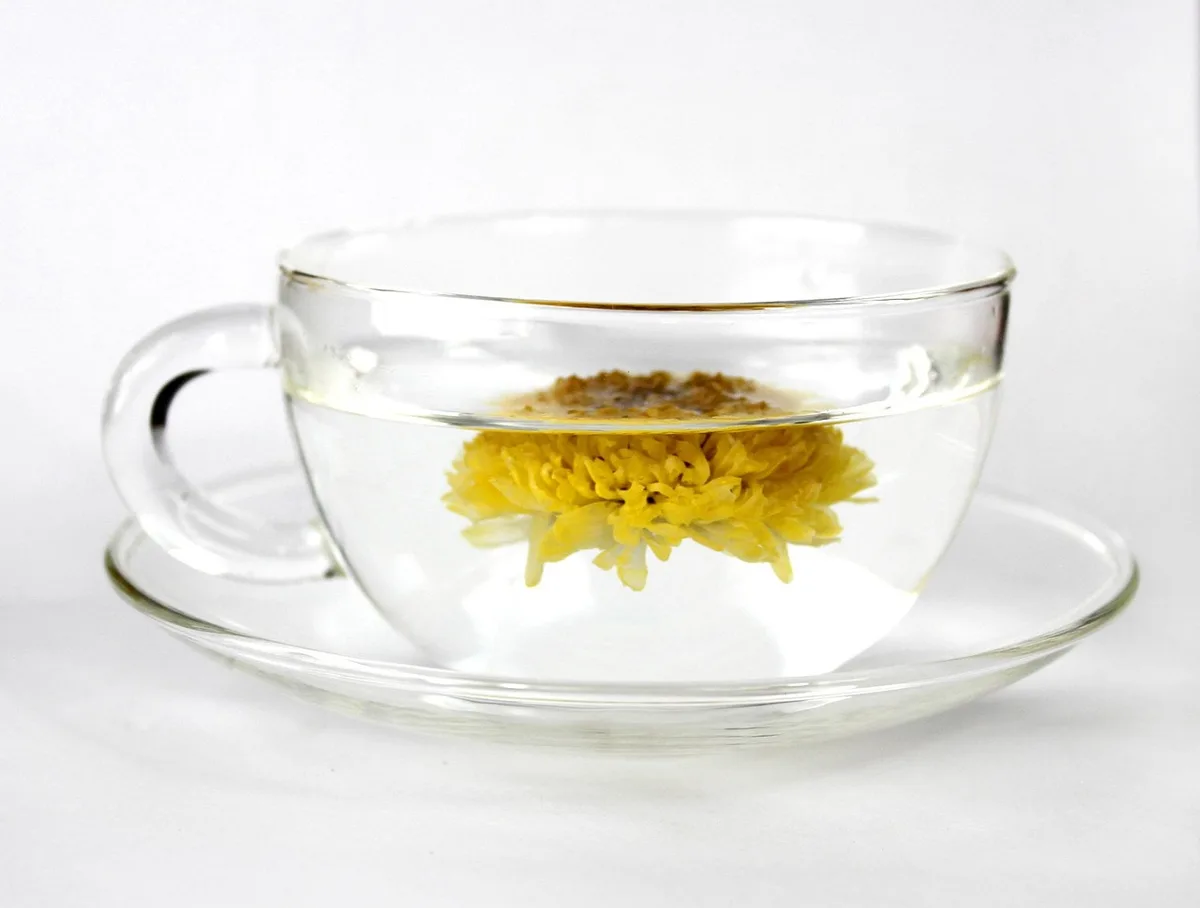
The TCM treatment principle: smooth liver qi flow, clear liver heat, nourish liver blood. The dietary tools include cooling but nourishing foods (green leafy vegetables, chrysanthemum tea), sour flavors (which TCM associates with the liver), and the avoidance of alcohol, fried food, and hot spices at dinner.
The 3am to 5am window is governed by the lung in TCM. Waking during this later window suggests lung qi or grief-related issues rather than liver patterns.
The Ayurvedic Perspective: Vata Time
In Ayurveda, 2am to 6am is Vata time. Vata energy (air + space) increases naturally during these hours, promoting lightness, movement, and wakefulness. For people with Vata imbalances (anxiety, racing thoughts, irregular routines), this natural Vata surge is enough to breach the sleep threshold and produce waking.
The Ayurvedic approach: ground Vata before bed with warm, oily, heavy food. Ghee in warm milk. Ashwagandha (a Vata-calming nervine). Nutmeg (a mild sedative in the Ayurvedic pharmacopeia). A consistent, early bedtime (before 10pm, before the Pitta-time second wind).
The Dinner Fix: What to Eat to Sleep Through
The single most impactful change for 3am waking is dinner composition and timing.
The Blood-Sugar-Stable Dinner
Your dinner needs enough slow-release fuel to sustain blood glucose for 10 to 12 hours.

Must include:
- Complex carbohydrates (rice, sweet potato, quinoa, oats): provide glucose that absorbs slowly
- Protein (lentils, fish, eggs, chicken): slows carbohydrate absorption further
- Fat (ghee, olive oil, coconut oil): provides the slowest-releasing energy source, sustaining glucose levels into the early morning hours
- Fiber (cooked vegetables, lentils): further slows the glucose release curve
Khichdi is nearly ideal. Rice + lentils + ghee + spices = complex carbs + protein + fat + fiber. The glucose release from this meal is gentle and sustained, exactly what prevents the nocturnal blood sugar drop.
Must avoid at dinner:
- Refined carbohydrates without protein or fat (white pasta, bread alone, rice without accompaniment): spike and crash blood sugar
- Sugar and dessert after dinner: the glucose spike at 8pm becomes the crash at 2-3am
- Alcohol: initially drops blood sugar (alcohol inhibits gluconeogenesis), then triggers a rebound glucose surge and cortisol release hours later. Alcohol before bed is the single most common cause of 3am waking
The Before-Bed Stabilizer
If you're prone to 3am waking, a small snack 1 to 2 hours before bed provides an additional glucose buffer.
Best options:
- A banana with a tablespoon of almond butter. The banana provides potassium (prevents muscle cramps that can also cause night waking) and tryptophan. The almond butter provides fat for sustained glucose.
- A small bowl of oats with cinnamon and ghee. Complex carbs + fat + cinnamon's insulin-sensitizing effect.
- Pistachios (a small handful). Melatonin + magnesium + protein + fat.
The Cortisol-Lowering Nightcap
Ashwagandha moon milk addresses the cortisol trigger directly. Ashwagandha reduces cortisol by 28% over consistent use. The warm milk provides tryptophan. The saffron modulates serotonin. The nutmeg (a tiny pinch) provides mild sedative support. Drink this 30 to 60 minutes before bed.
If you're not using ashwagandha, golden milk provides anti-inflammatory support (chronic inflammation elevates cortisol) and the warming, grounding ritual that calms Vata.

For a dairy-free option, daechu cha (jujube tea) enhances GABA receptor activity, promoting deeper, more sustained sleep.
See our full guide on foods that reduce cortisol for the daytime eating patterns that prevent evening cortisol elevation in the first place.
The Daytime Eating Patterns That Prevent 3am Waking
The 3am wake-up isn't just about dinner. It's about the entire day's eating pattern.
Eat breakfast with protein and fat. A sugary or carb-only breakfast starts the blood sugar roller coaster that continues all day. The cortisol spikes from each crash accumulate, and by nighttime, the HPA axis is primed for overreaction. Eggs with vegetables in ghee. Oats with nuts and cinnamon. Congee with egg and ginger.
Eat your largest meal at midday. Both Ayurveda and TCM recommend this. A substantial lunch reduces the need for a heavy dinner, and a lighter dinner digests more completely before bed.
Replace afternoon coffee with tulsi tea. Caffeine after noon directly disrupts the cortisol decline needed for sleep. Holy basil actively supports cortisol reduction, the opposite of caffeine's effect.
Manage afternoon blood sugar. If you crash at 3pm and reach for sugar or caffeine, you're setting up the cortisol pattern that will wake you at 3am. A protein-and-fat snack (nuts, yogurt, hard-boiled egg) at 3pm prevents the crash without triggering the cortisol cycle.
If You Wake Up: What to Do (and Eat)
When the 3am wake-up happens despite your best efforts:
Don't check your phone. The blue light and cognitive stimulation will ensure you stay awake for at least another hour.
Sip warm water or warm milk with a pinch of nutmeg. Keep a thermos by your bed. The warmth triggers a vagal response (parasympathetic activation). The nutmeg's myristicin provides mild sedation. The liquid raises blood sugar slightly if the wake-up was glucose-triggered.
Extended exhale breathing. Inhale 4 counts, exhale 6 to 8 counts, through the nose. Five minutes. This directly activates the vagus nerve and downregulates the sympathetic response that the cortisol spike triggered.
Don't eat a full snack at 3am. Eating trains your circadian system to expect food at that hour, making future wake-ups more likely. A sip of warm milk or water is enough. If hunger is genuinely preventing sleep, the dinner fix (above) needs to be addressed.
The 7-Day Protocol for 3am Waking
| Day | Dinner (6-7pm) | After Dinner | Before Bed (9pm) | Result |
|---|---|---|---|---|
| 1-3 | Khichdi or fish with rice + ghee | Fennel tea | Ashwagandha moon milk | Stabilize blood sugar, begin cortisol reduction |
| 4-5 | Increase dinner protein/fat slightly | Add sleep snack (banana + almond butter, 8:30pm) | Moon milk + 5 min breathing | Buffer glucose further, deepen parasympathetic activation |
| 6-7 | Maintain | Maintain | Maintain | By now, most people report sleeping through or waking only briefly |
If still waking after 7 days: The issue may be primarily cortisol-driven (chronic stress, HPA axis dysregulation) rather than blood-sugar-driven. See foods that reduce cortisol for a more comprehensive cortisol management protocol. Consider adding reishi mushroom congee or reishi tea in the evening for shen-calming support.
Frequently Asked Questions
Is 3am waking a sign of depression?
Early morning waking (particularly before 4am with inability to return to sleep) is a recognized symptom of depression. However, the 3am wake-up with eventual return to sleep is more commonly caused by blood sugar instability, cortisol dysregulation, or alcohol use. If early waking is accompanied by persistent low mood, loss of interest, or hopelessness lasting more than 2 weeks, consult a healthcare provider.
Can magnesium supplements help with 3am waking?
Magnesium supplementation has been associated with better sleep in adults with insomnia. A 2012 double-blind trial by Abbasi and colleagues in the Journal of Research in Medical Sciences found that 500 mg of magnesium daily for 8 weeks improved insomnia severity, sleep time, and sleep onset latency in elderly participants (the trial used magnesium oxide, but glycinate is generally better tolerated and contains glycine, which itself has calming properties). Food-based magnesium (pumpkin seeds, dark chocolate, spinach, almonds) alongside the blood-sugar stabilization approach in this guide addresses the root cause rather than supplementing around it.
Why does alcohol make me fall asleep fast but wake up at 3am?
Alcohol enhances GABA (sedative effect, causing the initial drowsiness). But as your liver metabolizes alcohol (roughly 1 drink per hour), a glutamate rebound occurs: excitatory neurotransmitters surge as GABA drops. This rebound typically happens 3 to 5 hours after drinking. Simultaneously, alcohol inhibits gluconeogenesis (liver glucose production), causing a blood sugar drop that triggers cortisol. The combination is a reliable 3am alarm clock.
Does this apply to waking at 4am or 5am too?
Waking at 4-5am is more likely to be a circadian rhythm issue (your internal clock thinks it's morning) rather than a blood sugar or cortisol issue. It often responds to light exposure management (dimming lights earlier, getting bright morning light) and consistent sleep/wake times. The dietary approaches in this guide are most specific to the 2-4am window.
The Problem Isn't Sleep. It's Dinner.
The 3am wake-up feels like a sleep problem. It's usually a food problem that manifests during sleep. The blood sugar that crashed because dinner was too light, too sugary, or too long ago. The cortisol that spiked because the day's stress was never properly managed through food and routine. The alcohol that seemed like it helped until 3:14am proved otherwise.
Fix dinner first. Khichdi with extra ghee. Fish with rice and cooked vegetables. Nothing sugary after. Ashwagandha moon milk at 9pm. Give it a week.
For the complete picture: foods that help you sleep, what to eat before bed, best teas for sleep, and does warm milk before bed actually work.
Comments
Share your thoughts on this post.
Sign in to comment0 Comments