
Foods That Calm the Nervous System: What to Eat When You Can't Turn Off
Foods That Calm the Nervous System: What to Eat When You Can't Turn Off
You know the feeling. It's 11pm and your body is exhausted but your mind is still running, replaying the day, rehearsing tomorrow, cycling through a list of worries that seemed manageable at noon but have become enormous in the dark. Your jaw is clenched. Your shoulders are up by your ears. Your digestive system, which worked fine all day, now feels tight and unsettled.
This is your sympathetic nervous system refusing to hand the keys back to the parasympathetic side. The "fight or flight" system has been running the show for so long that the "rest and digest" system has forgotten how to take over.
For most of human history, this was a temporary state. A predator appeared, your nervous system activated, the threat passed, your body returned to baseline. Modern life keeps the threat signal on constantly: emails, deadlines, news cycles, financial stress, social comparison. The nervous system never gets the all-clear.
What you eat plays a direct, measurable role in which branch of your nervous system dominates. Certain foods activate the parasympathetic system through the vagus nerve, the long wandering nerve that connects your gut to your brain. Others provide the raw materials (magnesium, GABA precursors, omega-3 fats) that your nervous system needs to downshift. And some foods, the ones most people reach for when stressed, actively keep the sympathetic system in overdrive.
This guide covers the foods that calm the nervous system, why they work, and how to build them into meals that genuinely help you come down.
Your Nervous System Runs on Nutrients
Before we talk about specific foods, it helps to understand what your nervous system physically needs to shift into calm mode.
Magnesium is the master mineral of nervous system regulation. It blocks NMDA receptors (excitatory) and activates GABA receptors (inhibitory), directly reducing neural excitability. Systematic reviews have found that magnesium supplementation significantly reduced subjective measures of anxiety across 18 studies. An estimated 50% of Americans consume less than the recommended daily amount.
GABA (gamma-aminobutyric acid) is your brain's primary inhibitory neurotransmitter. It's the chemical brake pedal. When GABA levels are adequate, neural circuits quiet down. When they're low, the brain stays hyperexcitable. Certain foods (fermented foods, green tea) contain GABA or precursors that cross the blood-brain barrier.
Serotonin is both a neurotransmitter and a gut signaling molecule. Roughly 95% of serotonin is produced in the gut, not the brain. The foods you eat determine how much tryptophan (serotonin's precursor) reaches your brain and how effectively your gut produces serotonin to signal through the vagus nerve.
Omega-3 fatty acids (particularly DHA) are structural components of neuronal membranes. They influence membrane fluidity, receptor sensitivity, and inflammatory signaling in the brain. Low omega-3 status is consistently associated with higher anxiety and depression scores.
These aren't supplements. They're nutrients that certain foods deliver in abundance. The traditional foods used for nervous system calm happen to be rich in exactly these compounds.
Fermented Foods: Feeding the Gut-Brain Highway
The most powerful foods that calm the nervous system work through your gut, not directly on your brain.
Your gut microbiome produces neurotransmitters (GABA, serotonin, dopamine) that signal to the brain via the vagus nerve. The bacterial composition of your gut literally shapes your mood. This isn't speculation. It's one of the most active areas of neuroscience research.
Bravo et al. (2011, PNAS) demonstrated this dramatically: mice fed Lactobacillus rhamnosus showed reduced anxiety behavior, altered GABA receptor expression in the brain, and lower stress-induced corticosterone. When researchers severed the vagus nerve, every single calming effect disappeared. The vagus was the necessary conduit.
Miso is one of the most effective fermented foods for nervous system support. It delivers live Lactobacillus cultures alongside glutamate (a GABA precursor when processed by certain gut bacteria) and easily absorbed amino acids. A bowl of miso shiru in the evening is more than comfort food. It's a delivery vehicle for bacterial signals that tell your brain to stand down.
For additional nervous system support, try miso soup with ginger and reishi. The reishi mushroom adds beta-glucans and triterpenes that Traditional Chinese Medicine has used for calming the shen (spirit) for over 2,000 years. Modern clinical research (2020) found that reishi extract reduced anxiety-like behavior in animal models through GABAergic pathway modulation.
Yogurt (plain, with live cultures) provides Lactobacillus and Bifidobacterium species that produce GABA directly in the gut. A 2013 study by Tillisch and colleagues in Gastroenterology found that participants who consumed a probiotic-rich fermented-milk product daily for four weeks showed reduced neural reactivity to negative emotional stimuli on fMRI, providing direct evidence that gut bacteria can shift brain activity.
Kimchi, sauerkraut, and other lacto-fermented vegetables provide diverse bacterial strains that improve overall microbial diversity. The Stanford fermented foods study (2021, Cell) found that higher fermented food intake reduced 19 inflammatory markers, many of which are elevated during chronic stress.
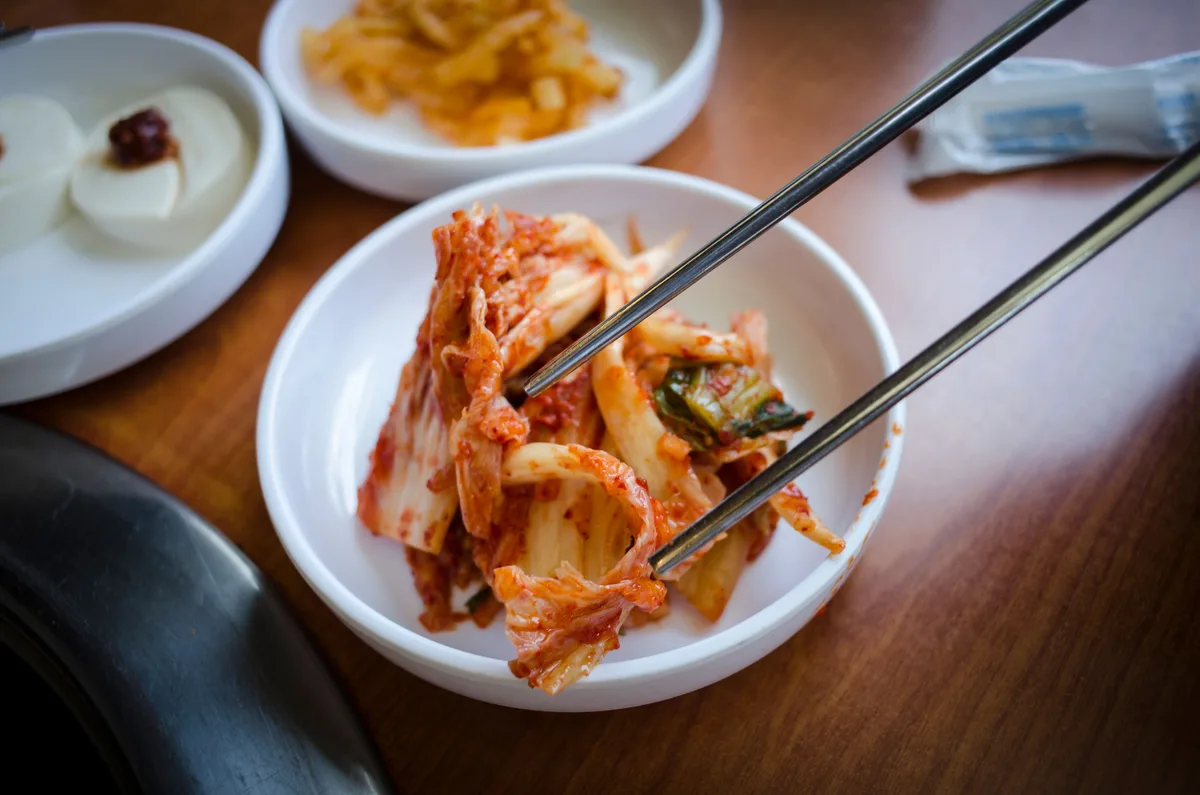
Start here: One serving of fermented food daily. Miso shiru is the gentlest and easiest. Build to two or three servings over a few weeks. Your gut, and by extension your nervous system, responds to consistency more than quantity.
Warm, Soft, Simple Foods: The Parasympathetic Signal
There's a neurological reason why comfort food is comforting, and it has nothing to do with emotional weakness.
The act of eating warm, soft, easily digestible food activates the parasympathetic nervous system. Warm liquids stimulate vagal afferents in the esophagus and stomach. The digestive process itself requires parasympathetic activation (the "rest and digest" branch). Easy-to-digest foods allow the body to shift resources away from the sympathetic stress response and toward calm, absorptive, reparative functions.
This is the physiological basis behind Ayurveda's emphasis on warm, cooked food for nervous system balance. Ayurvedic practitioners have prescribed khichdi (rice and lentils cooked until soft with gentle spices) and congee (long-simmered rice porridge) for anxiety and nervous exhaustion for millennia. The reasoning isn't mystical. It's mechanical: warm, soft food tells your nervous system it's safe to stand down.
Congee is particularly effective. In TCM, congee strengthens spleen qi, which governs the body's ability to transform food into usable energy. When spleen qi is depleted (often from chronic stress, overthinking, and irregular eating), anxiety and fatigue coexist. A bowl of congee with a coin of fresh ginger addresses both.
Khichdi adds protein and carminative spices. The combination of ghee (containing butyric acid, which nourishes gut lining cells that produce serotonin), turmeric (anti-inflammatory), and cumin (digestive) creates a meal that calms the nervous system through multiple pathways simultaneously.
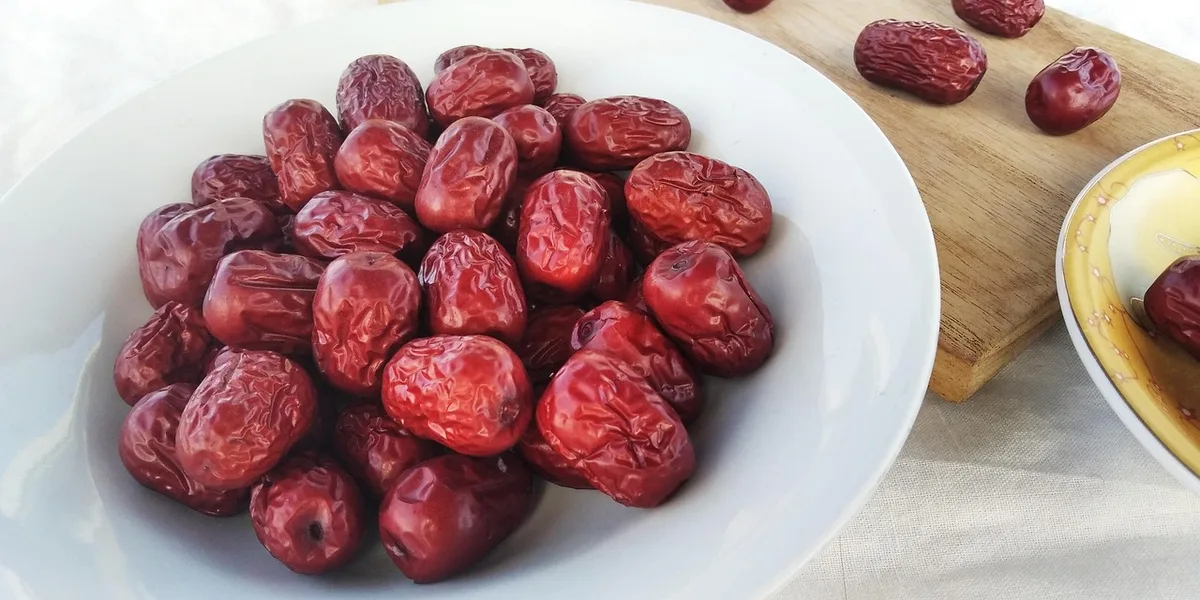
Korean daechu cha (jujube tea) uses dried red dates simmered until the water turns deep amber. Jujubes contain jujuboside A, a compound that clinical research found to increase GABA levels in the brain. In TCM, jujubes are classified as a shen-calming food that nourishes blood and quiets the heart, the organ TCM associates with consciousness and emotional stability.
Magnesium-Rich Foods: Refilling the Tank
If you're chronically stressed, you're almost certainly low in magnesium. Stress depletes magnesium through urinary excretion (cortisol drives magnesium wasting), and low magnesium increases stress reactivity. It's a vicious cycle that food can break.
Dark leafy greens (spinach, Swiss chard, kale) are among the richest food sources of magnesium. One cup of cooked spinach provides roughly 157mg of magnesium (37% of the recommended daily intake). Cook them rather than eating them raw. Cooking breaks down oxalic acid, which binds magnesium and reduces absorption.
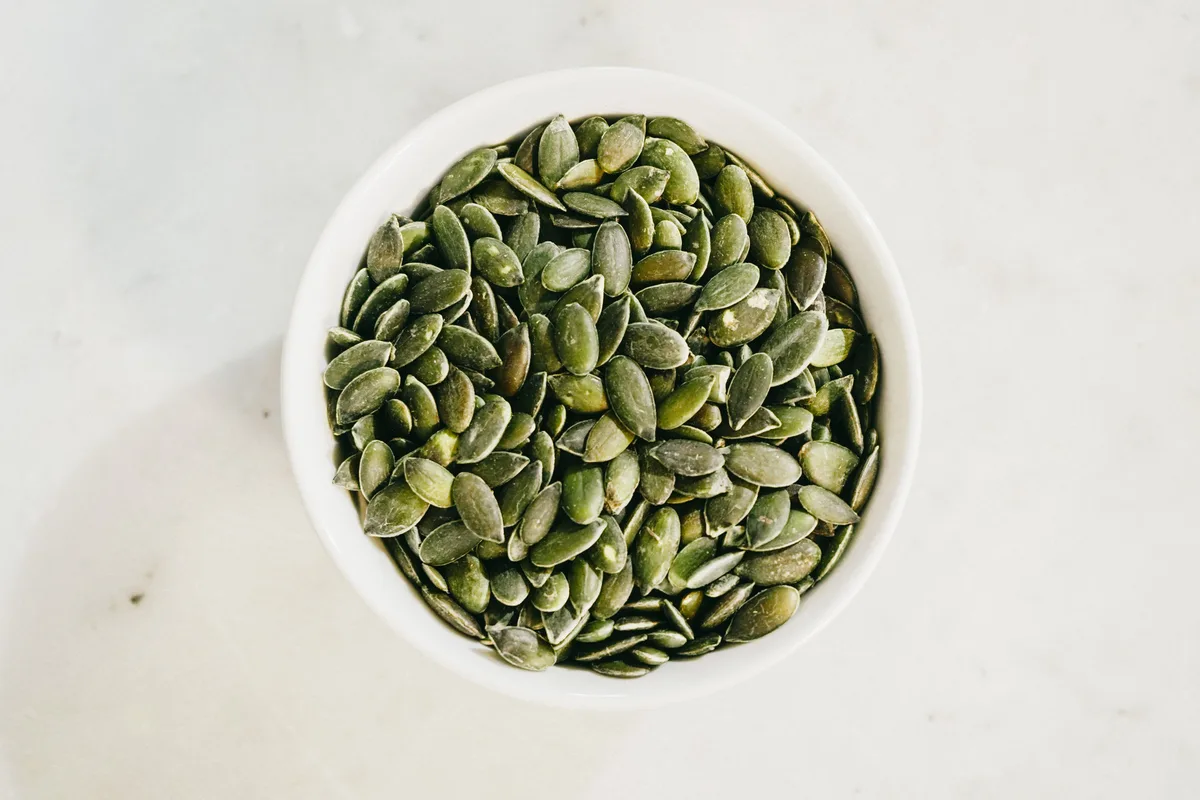
Pumpkin seeds provide 156mg of magnesium per ounce, the highest concentration of any commonly available seed. Toast them with a pinch of salt and cardamom for a calming snack. The tryptophan in pumpkin seeds is a serotonin precursor, adding a second calming mechanism.
Dark chocolate (70%+ cacao) provides 64mg of magnesium per ounce, plus theobromine (a mild, non-jittery stimulant that improves mood without the cortisol spike of caffeine) and anandamide (an endocannabinoid that promotes relaxation). The Kuna people of Panama, who consume large quantities of cacao daily, have remarkably low rates of hypertension and cardiovascular disease.
Bananas, avocados, and black beans round out the magnesium-rich food list. A diet that regularly includes dark greens, seeds, legumes, and cacao will maintain magnesium levels without supplementation.
A note on ghee: While not a magnesium source itself, ghee improves the absorption of fat-soluble nutrients from the foods it's cooked with. In Ayurveda, ghee is called medhya (intelligence-promoting) and is considered one of the most important foods for nervous system health. The butyric acid in ghee also supports gut lining integrity, maintaining the serotonin-producing capacity of your enteric nervous system.
Omega-3 Fats: Building a Calmer Brain
Your brain is roughly 60% fat by dry weight, and DHA (an omega-3 fatty acid) is the most abundant structural fat in neuronal membranes. When DHA is adequate, neuronal membranes are fluid and receptors function efficiently. When DHA is low, membranes stiffen, receptor signaling becomes erratic, and the brain becomes more reactive to stress signals.
Meta-analyses have analyzed 19 clinical trials (2,240 participants) and found that omega-3 supplementation significantly reduced anxiety symptoms compared to placebo. The effect was strongest in participants with clinical anxiety and at doses above 2g EPA/DHA daily.
Fatty fish (salmon, mackerel, sardines, herring) provide the most bioavailable EPA and DHA. Two to three servings per week is the threshold most studies use. The Japanese dietary pattern, which includes fish at most meals, is associated with lower anxiety and depression rates in population studies.

The oil swap matters here too. Seed oils (soybean, corn, sunflower) are extremely high in omega-6 linoleic acid, which competes with omega-3s for the same enzymatic pathways. Reducing omega-6 intake is as important as increasing omega-3s. Cook with ghee, olive oil, or sesame oil instead.
The Foods That Keep Your Nervous System Wired
What you remove matters as much as what you add.
Caffeine after noon. Caffeine blocks adenosine receptors (preventing the "sleepy" signal) and stimulates cortisol release. A single cup of coffee elevates cortisol for 2 to 3 hours. If you're already in a state of sympathetic overdrive, afternoon caffeine extends that state into the evening, preventing the parasympathetic transition your body needs. Replace afternoon coffee with tulsi tea, which has adaptogenic properties that reduce cortisol rather than raise it. See our guide on adaptogenic herbs for more options.
Refined sugar. Blood sugar spikes and crashes activate the stress response. When blood sugar drops after a spike, the adrenal glands release cortisol and adrenaline to mobilize stored glucose. This feels like anxiety: racing heart, sweating, restlessness, irritability. Stable blood sugar (from whole foods, protein, healthy fat) means fewer false stress alarms.
Alcohol. While alcohol initially activates GABA receptors (creating temporary relaxation), the rebound effect is excitatory. As your body clears alcohol, glutamate (the excitatory neurotransmitter) surges and GABA drops, producing "hangxiety," the heightened anxiety many people experience the day after drinking. Even moderate drinking disrupts sleep architecture, reducing the deep sleep stages when nervous system repair occurs.
Ultra-processed food. The emulsifiers, artificial sweeteners, and seed oils in processed food damage gut barrier function and alter the microbiome, disrupting the gut-brain signaling that regulates mood. Studies have found a dose-response relationship between ultra-processed food consumption and anxiety symptoms.
Two Traditional Frameworks for Nervous System Calm
The Ayurvedic Approach: Calming Vata
In Ayurveda, anxiety and nervous system dysregulation are primarily a Vata imbalance. Vata governs movement, including the movement of thoughts. When Vata is excess, the mind races, sleep fragments, digestion becomes irregular, and the body feels ungrounded.
The Ayurvedic response is to counter Vata's qualities (cold, dry, light, mobile, irregular) with their opposites:
- Warm foods: soups, porridge, golden milk, khichdi
- Oily foods: ghee, sesame oil, warm milk, nuts
- Grounding foods: root vegetables, rice, lentils, warm spices
- Regular eating schedule: same times daily, largest meal at midday
- Sweet, sour, and salty tastes (which pacify Vata) over bitter, astringent, and pungent
The most prescribed Ayurvedic food for nervous system calm is ashwagandha moon milk: warm milk with ashwagandha, cardamom, saffron, a pinch of cinnamon, and a teaspoon of ghee. Every component addresses Vata: warm, oily, sweet, grounding. And every component has independent evidence for nervous system benefit.
The TCM Approach: Nourishing Heart Blood and Calming Shen
Traditional Chinese Medicine views anxiety through the lens of shen disturbance. Shen, loosely translated as "spirit" or "consciousness," is housed in the heart in TCM physiology. When the heart's blood and yin are depleted (often from overwork, excessive thinking, emotional strain, and poor diet), the shen becomes unsettled. Symptoms include anxiety, insomnia, dream-disturbed sleep, palpitations, and a pervasive feeling of unease.
The TCM dietary approach focuses on:
- Nourishing heart blood: Jujubes (red dates), longan fruit, goji berries, bone broth
- Calming the shen: Reishi mushroom, lily bulb, lotus seed, wheat berries
- Anchoring yang: Oyster shell (in herbal formulas), magnesium-rich foods
- Clearing heat from the heart: Lotus root, lily bulb, chrysanthemum tea
Daechu cha (jujube tea) and reishi mushroom congee are two of the most accessible TCM recipes for shen-calming. Both can be made with ingredients available at any Asian grocery store.
Building a Nervous-System-Calming Day
Morning: Warm water with a squeeze of lemon (hydration + gentle vagal stimulation). Breakfast that includes protein and healthy fat: eggs cooked in ghee, oats with pumpkin seeds and cinnamon, or savory congee with ginger.
Midday: Largest meal of the day. Include fatty fish 2-3 times per week. Vegetables cooked (not raw) with anti-inflammatory spices. A fermented food on the side: yogurt with cumin, kimchi, or a cup of miso shiru.
Afternoon: Replace coffee with tulsi tea or fennel seed tea. If you snack, choose pumpkin seeds, dark chocolate (70%+), or a small portion of nuts.
Evening: Light, warm, easy to digest. A bowl of khichdi, a cup of miso soup with ginger and reishi, or congee. See our complete evening routine guide for a structured wind-down sequence.
Before bed: Ashwagandha moon milk or golden milk. Either one delivers fat-soluble calming compounds in warm milk, the combination that Ayurvedic practitioners have prescribed for sleep and nervous system restoration for millennia.
Frequently Asked Questions
How quickly can food changes affect anxiety?
Some effects are immediate. Warm liquids and easily digestible food activate the parasympathetic nervous system within minutes. Cutting caffeine after noon typically improves evening anxiety within 2 to 3 days. Deeper changes (microbiome remodeling, magnesium repletion, omega-3 membrane incorporation) take 4 to 8 weeks. Consistency matters more than speed.
Can food replace anxiety medication?
For mild to moderate situational anxiety, dietary and lifestyle changes can be remarkably effective. For clinical anxiety disorders, food works best as a complement to professional treatment, not a replacement. If you're on medication, do not adjust dosages based on dietary changes without consulting your healthcare provider.
Why does warm food calm the nervous system?
Warm liquids stimulate vagal afferents (nerve fibers that carry signals from the gut to the brain via the vagus nerve), activating the parasympathetic "rest and digest" response. The digestive process itself requires parasympathetic activation, so eating something warm and digestible is a physiological signal to your nervous system that it's safe to stand down. Cold, raw food requires more digestive effort and doesn't trigger the same vagal response.
Is there a connection between gut health and anxiety?
Absolutely. Roughly 95% of serotonin is produced in the gut. The gut microbiome produces GABA, serotonin, and dopamine that signal to the brain via the vagus nerve. Gut inflammation increases systemic inflammation, which the brain interprets as a threat signal. Improving gut health through fermented foods, fiber, and anti-inflammatory eating is one of the most evidence-based approaches to reducing anxiety. See our vagus nerve guide for the full science.
The Calm You're Looking For Is in Your Kitchen
An overactive nervous system isn't a character flaw. It's a physiological state that responds to physiological inputs. And the most consistent physiological input you control is food.
A bowl of miso soup with ginger and reishi signals your gut bacteria to produce calming neurotransmitters. A cup of ashwagandha moon milk delivers an adaptogen that clinical trials show reduces cortisol. A dinner of khichdi cooked in ghee tells your vagus nerve that the threat has passed.
None of these are dramatic interventions. They're meals. And that's the point. The nervous system doesn't need a grand gesture. It needs a daily pattern of safety signals, delivered consistently, through food worth eating.
Start with what to eat specifically for anxiety relief, or explore the adaptogenic herbs that traditional medicine systems developed specifically for this purpose.
Comments
Share your thoughts on this post.
Sign in to comment0 Comments