Cycle-Syncing the Ayurveda Way: What to Eat in Each Phase
Cycle-Syncing the Ayurveda Way: What to Eat in Each Phase
The current internet conversation around "cycle syncing" is a mix of useful insight and overconfident overreach. The useful part: the menstrual cycle is a sequence of distinct hormonal states, and nutrient needs, energy availability, and mood differ measurably across them. The overreach: the specific claims that a strict daily food list per phase will dramatically improve outcomes are not well-supported by trials.
What is supported, and what's been described for centuries by Ayurveda under the name rajaswala paricharya (the menstrual care protocol) and by Chinese medicine through its blood-and-yin cycle framework, is a more pragmatic version: foods and behaviors aligned with the dominant physiology of each phase make the cycle smoother. The systematic foundations are old. The modern micronutrient data and hormone-tracking research add useful specifics. Together they produce something more useful than either alone.
This post lays out the phase-by-phase picture: what's happening physiologically, what the traditional systems prescribe, and what the modern evidence supports.
Phase 1: Menstrual (Days 1 to 5)
Estrogen and progesterone are at their lowest. Energy is often low. The body is shedding the uterine lining and losing iron with the blood. Pain prostaglandins are elevated. Fatigue is common.
What the Ayurvedic tradition prescribes. The rajaswala paricharya texts describe this as the most restorative window of the cycle and prescribe rest, warmth, easy-to-digest food, and avoidance of strenuous activity. The classical recommendation is for the woman to step back from household duties (which historically meant cooking) and to receive simple, warm, sustaining food: warm khichdi, dal, soft rice, sesame-and-ginger preparations, warm milk with ghee and dates. The principle is to support rather than challenge digestion during the blood loss.
What the TCM tradition prescribes. During menstruation, TCM views the body as actively releasing blood and considers it the wrong time for cold foods (which slow flow and contribute to pain) or aggressive practices. The classical foods include warming, blood-moving spices: ginger, cinnamon, scallion, jujube dates, longan, brown sugar. Warm soups, congee, and broth-based meals are emphasized. Cold drinks, raw foods, and excessive salt are specifically discouraged.
What the modern evidence adds. Iron is the key micronutrient. The average menstrual blood loss is 30 to 80 ml per cycle, representing 15 to 40 mg of iron. Women with heavy periods can lose substantially more. WHO data indicates that menstruating women have iron deficiency anemia rates of 15 to 30% in many countries. Practical food responses: pair iron-rich foods (lentils, leafy greens, red meat, jaggery where available) with vitamin C sources to enhance absorption.
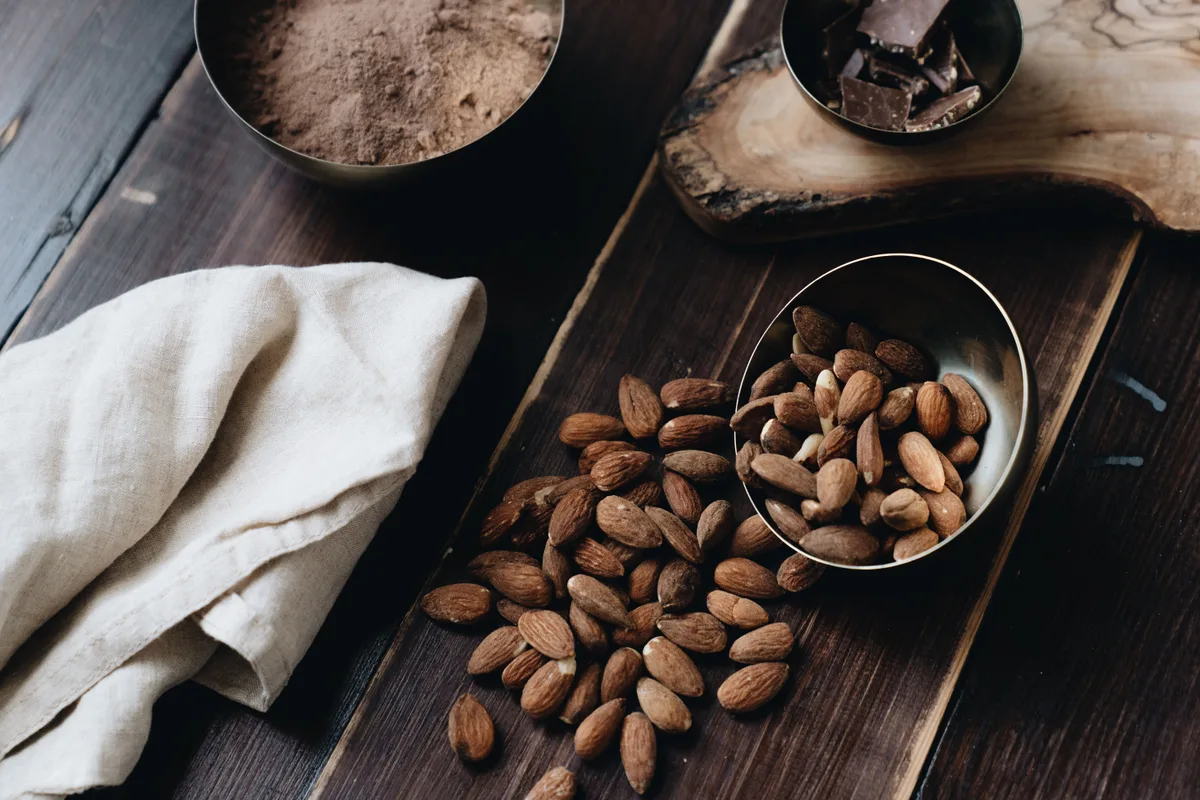
Magnesium-rich foods (pumpkin seeds, dark chocolate, almonds) support both pain reduction and mood. Ginger, specifically, has clinical evidence for menstrual pain: a 2015 meta-analysis in Pain Medicine pooled 7 randomized trials and found that 500 to 2000 mg of ginger powder daily during menstruation reduced pain significantly compared to placebo, with effect sizes similar to NSAIDs.
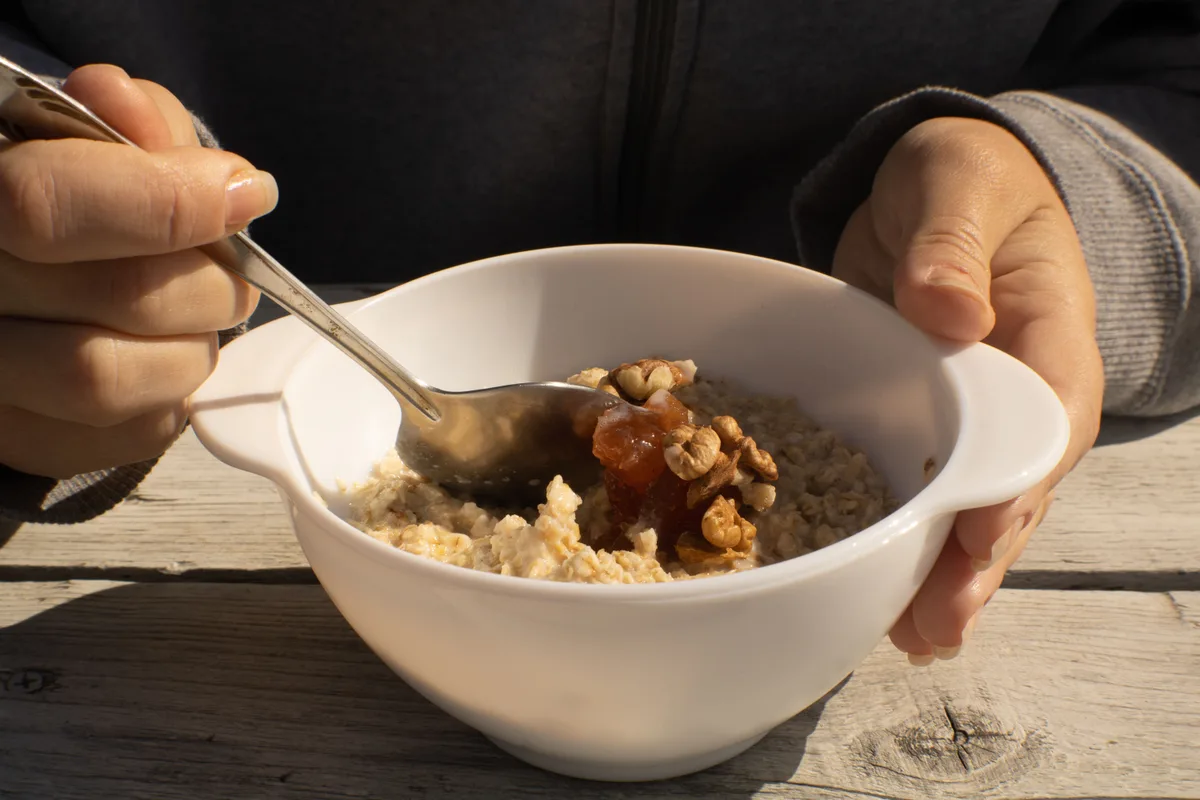
Practical menstrual-phase eating. Warm cooked breakfasts (oats with ghee, dates, and cinnamon, or eggs with sautéed greens). Lunches with lentils, dark leafy greens, and a vitamin C source (lemon, bell pepper, tomato). Ginger tea throughout the day. Dinner of warm soup or khichdi. Skip cold drinks, raw salads, and excessive caffeine.
Phase 2: Follicular (Days 6 to 13)
Estrogen rises gradually through this phase, reaching peak just before ovulation. Energy and mood typically improve. Insulin sensitivity is at its best. Skin and sleep tend to be at their best.
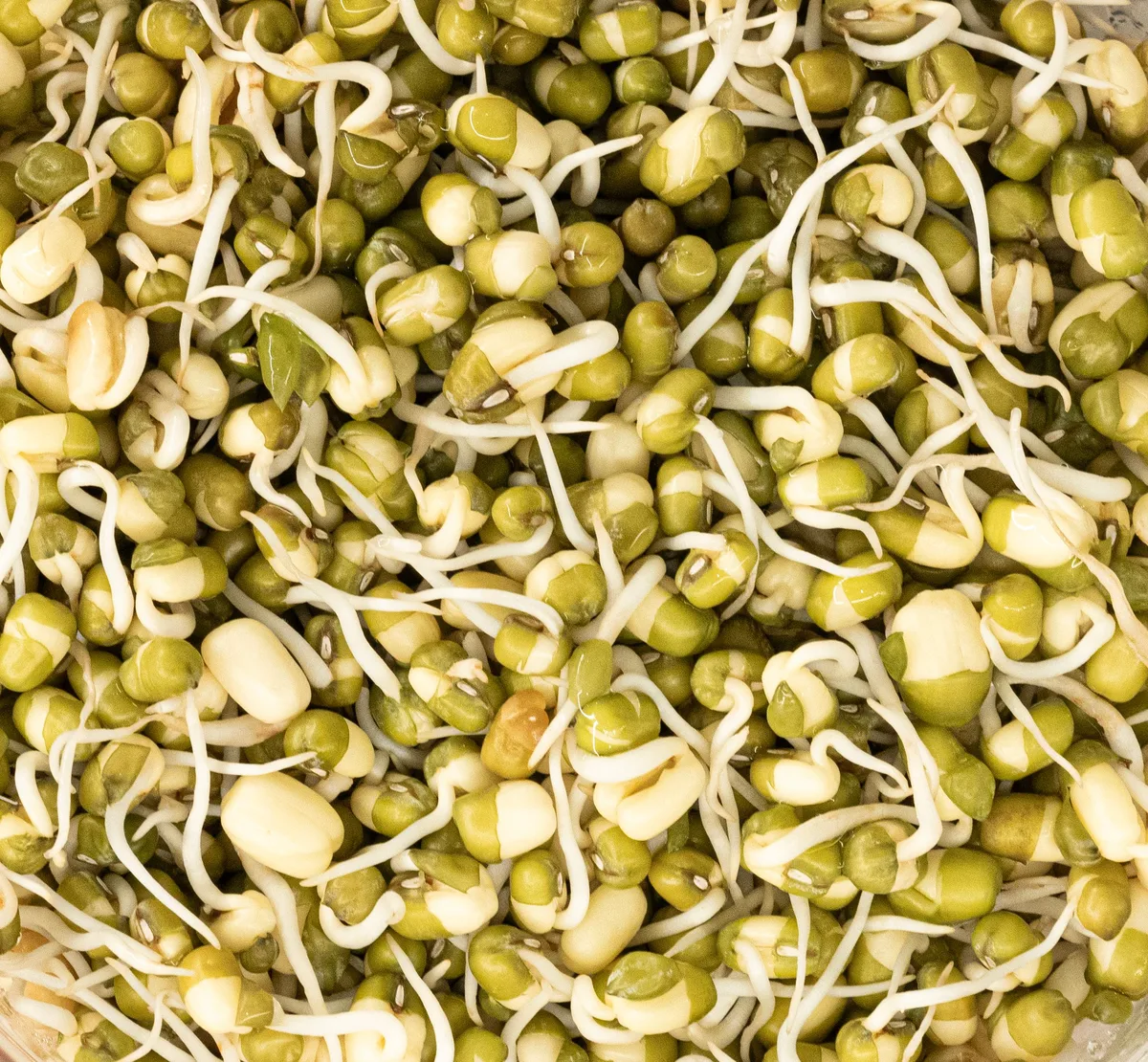
What the Ayurvedic tradition prescribes. This is the phase where lighter, more energizing foods are appropriate. Fresh vegetables, more variety, more raw foods (in moderation, still cooked-emphasis), more spice complexity, sprouted lentils. The classical Ayurvedic name for the post-menstrual restorative tonic is ritukala paricharya (the protocol after menstruation), focused on rebuilding the rasa and rakta dhatus (plasma and blood tissues) depleted by the period.
What modern evidence adds. Iron and B-vitamin replenishment matters here, building back what was lost. Folate, B12, and the trace minerals needed for ovarian follicle development (zinc, selenium) are most useful in this window. The food sources are predictable: legumes, leafy greens, eggs, fish, sunflower seeds, brazil nuts (for selenium), oysters or pumpkin seeds (for zinc).
This is also the phase where insulin sensitivity is highest, meaning the body tolerates carbohydrates best. Complex carbs, fruits, and grains are well-utilized.
Practical follicular-phase eating. Lighter, more varied. Salads can come back. Fermented foods (the gut is most resilient to them now). Higher fiber intake. Sprouted lentil preparations, vegetable-heavy bowls, fish and other lean proteins. Energy for cooking is generally better in this phase, so this is when batch cooking for the rest of the cycle makes sense.
Phase 3: Ovulatory (Days 14 to 16, give or take)
A short window. Estrogen peaks then crashes. LH surges. Testosterone is at its highest point in the cycle. Energy and libido are typically at their peak. Mood is generally most stable.
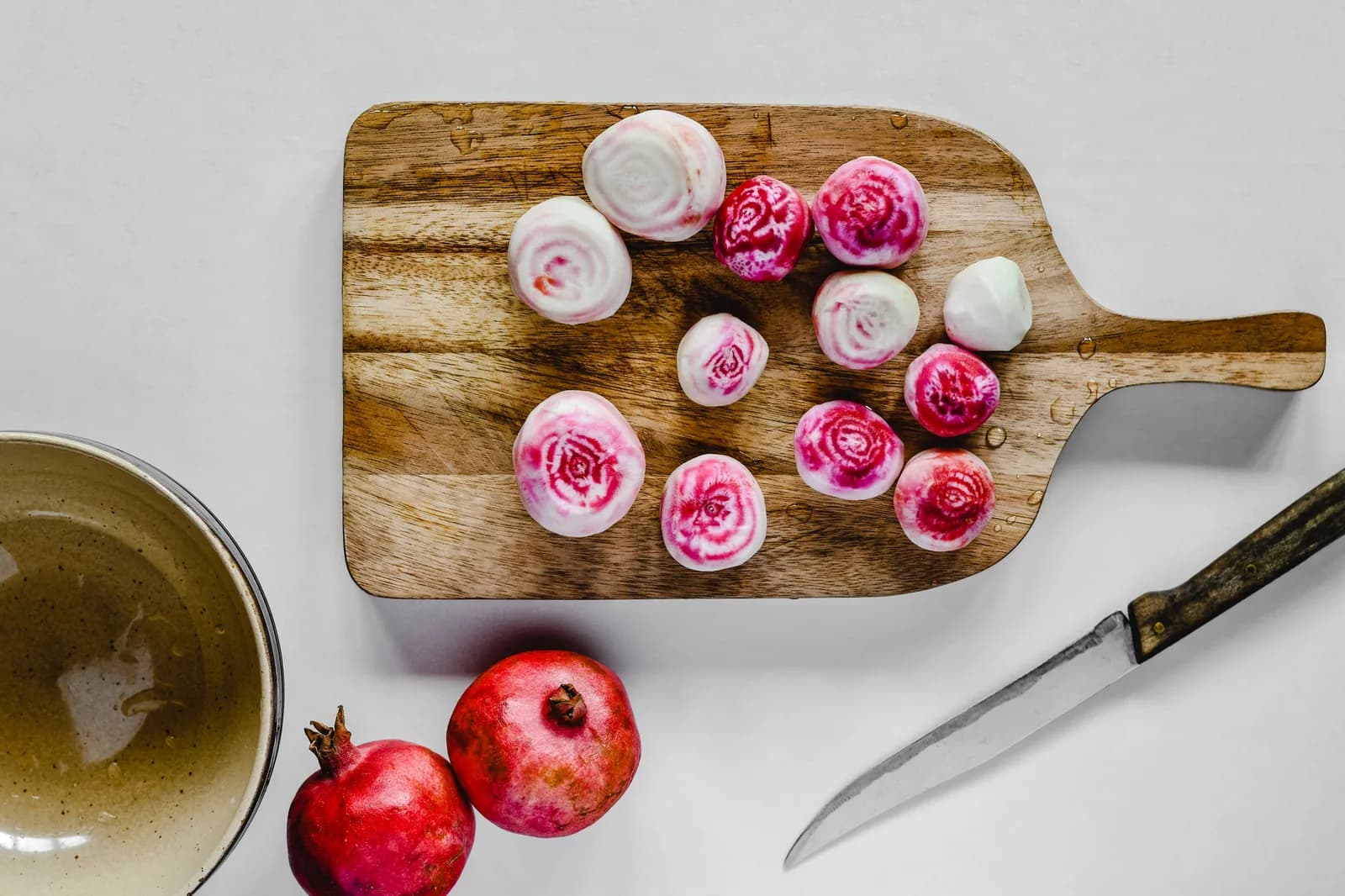
What the traditions prescribe. Both Ayurveda and TCM treat this phase as one of natural movement and outward energy. Cooling foods are appropriate (estrogen at peak generates internal heat). Beets and pomegranate (both classical TCM "blood-building" foods that also contain antioxidants useful during ovulation) feature here. Avoid excessive heating spices and alcohol, which can disturb the LH surge.
What modern evidence adds. Antioxidants matter most in this short window: the metabolic activity of the developing follicle and corpus luteum produces oxidative byproducts, and dietary antioxidants (berries, dark chocolate, leafy greens, citrus, turmeric) reduce this oxidative load. Cervical mucus quality, which is most important for fertility this week, is supported by hydration and adequate fat intake. For women trying to conceive, the cycle-day-12-to-15 window is when sex-on-the-right-day matters most; food contribution is less critical than timing.
Practical ovulatory-phase eating. Hydration as a priority. Fresh fruits and vegetables. Lean proteins. Lighter dinners. Adequate water. Reduce alcohol significantly if trying to conceive.
Phase 4: Luteal (Days 17 to 28)
Progesterone rises and dominates. Body temperature rises slightly. Carb cravings increase as the body needs more glucose for thermogenesis. Insulin sensitivity decreases somewhat. PMS symptoms, when they occur, appear in the second half of this phase.
What the Ayurvedic tradition prescribes. This is a vata-aggravating phase (the sensitivity to hormonal change increases through luteal). The dietary support is grounding, warm, slightly heavier: warm cooked grains, slow-cooked vegetables, ghee, healthy fats, warming spices. Sweet, sour, and salty tastes are emphasized; bitter and astringent tastes are minimized.
What the TCM tradition prescribes. TCM characterizes this phase as a build-up phase of yang and qi. The dietary support includes warming foods, root vegetables, hearty soups, eggs, and adequate protein. The phase before menstruation can be characterized by liver-qi stagnation, manifesting as irritability and bloating; foods that gently move liver qi (citrus peel, dandelion, mint, ginger) help.
What modern evidence adds. The PMS food evidence has several useful pieces. A 1999 BMJ paper by Wyatt and colleagues in the BMJ reviewed 25 randomized trials of vitamin B6 for PMS and found that 50 to 100 mg daily of B6 improved overall symptoms. Calcium, in the 1998 trial by Thys-Jacobs and colleagues in American Journal of Obstetrics and Gynecology, reduced PMS symptoms by about 48% at 1,200 mg daily over 3 cycles. Magnesium, especially the 200 to 360 mg daily range, supports both PMS mood symptoms and cramping.
The carb craving in the late luteal phase is not a willpower failure. It is the body responding to slightly lower insulin sensitivity and increased metabolic demand. The constructive food response: moderate complex carbs (sweet potato, oats, brown rice, dark chocolate) at the carb-craving moments rather than refined sugar.
Practical luteal-phase eating. Warm cooked meals. Adequate protein with each meal. Magnesium-rich foods daily (a square of dark chocolate, pumpkin seeds, leafy greens). Complex carbs when cravings hit, not pastry. A small piece of dark chocolate with almonds is a more useful 3pm snack than a cookie. Reduce alcohol (which worsens PMS) and excess sodium (which worsens water retention). For mood specifically, see the relevant section in the perimenopause food guide, where the same magnesium-B6-omega-3 architecture applies.
What's Reasonable to Expect
The honest version of cycle-aware eating: the cycle isn't a precise prescription, but the broad patterns are real. Iron replenishment after menstruation matters. Magnesium and B6 in the luteal phase support PMS. Warm cooked food during the period helps. Hydration around ovulation supports the cervical mucus quality. These changes are useful and supported by both modern data and the traditional protocols.
What is not supported: the precise day-by-day food calendars that some popular sources sell. The cycle is variable. Stress shifts it. Sleep shifts it. The body's needs in any given cycle are different from the cycle before. Pay attention to the broad phase you're in and adjust gently, rather than tracking a rigid plan.
Frequently Asked Questions
What if my cycle is irregular?
The phase-aware approach can still apply, anchored to the period rather than the calendar. Day 1 is the first day of full flow. The phases then follow approximately: menstrual through day 5, follicular through about day 13, ovulation around day 14 (variable), luteal from day 15 to day 1 of next period. If cycles are very irregular, the underlying cause should be evaluated; see the PCOS post for one common cause.
Do I need to eat differently each day?
No. The phase patterns shift gradually, not abruptly. The major distinctions are during menstruation (warm, grounding, iron-supportive) and the late luteal phase (magnesium, B6, complex carbs, less alcohol). The middle of the cycle is mostly normal eating, with slight emphasis on lighter foods around ovulation.
What about exercise and the cycle?
Out of scope for a food post, but the broad picture: light during menstruation, building through follicular, strongest during ovulation through early luteal, scaling back in late luteal. The food approach interacts with the exercise approach; both shifting together produces better results than either alone.
Should I avoid coffee around my period?
The evidence is mixed. Some women find caffeine worsens cramping and breast tenderness; others tolerate it fine. The actionable test is two months: one with normal caffeine intake, one with significantly reduced intake during the late luteal and menstrual phases, paying attention to symptoms.
The Slow-Tempo Version
The Ayurvedic and TCM cycle frameworks are slow-tempo guidance. They describe broad patterns and leave room for individual variation. The modern micronutrient data fills in specifics: iron, magnesium, B6, vitamin C, healthy fats. Together they produce a practical pattern that does not require obsessive tracking.
Most of cycle-aware eating is: warm, cooked, gentle food during the period. More variety and lighter food in the follicular phase. Hydration and antioxidants around ovulation. Grounding, magnesium-rich, complex-carb food in the luteal phase. Alcohol minimized throughout. Stress, sleep, and hydration carry as much weight as the food details.
For the broader hormonal-health picture, see the posts on PCOS foods and perimenopause and food. The same underlying architecture (Ayurveda + TCM frame, modern micronutrient data, practical kitchen application) runs through all of them.
Comments
Share your thoughts on this post.
Sign in to comment0 Comments