PCOS Foods: An Ayurveda + TCM Kitchen Guide
PCOS Foods: An Ayurveda + TCM Kitchen Guide
Polycystic ovary syndrome is the most common endocrine disorder in women of reproductive age, affecting roughly 8 to 13% of women globally according to the WHO. The clinical picture varies: irregular cycles, hirsutism, acne, weight that resists effort, fertility difficulty, mood changes, the persistent feeling that the body is not quite cooperating. Around 70% of cases involve insulin resistance as the primary metabolic driver. The remainder split between inflammatory phenotypes, adrenal-androgen excess, and post-pill PCOS.
The conventional treatment is metformin, hormonal birth control, and waiting. None of these address the upstream metabolic and inflammatory drivers; they manage symptoms. The food approach does address upstream causes, and the research in the last fifteen years has been clearer than the lay reporting suggests. The Ayurvedic and Chinese medicine systems have characterized PCOS-like presentations for centuries, calling it different things (in Ayurveda, often a kapha-vata imbalance affecting the artava dhatu; in TCM, often phlegm-damp stagnation combined with kidney-essence deficiency). The food protocols both systems developed line up surprisingly well with modern insulin-resistance dietary guidance, with a few useful additions.
This is a long-game project. Hormonal recovery from PCOS takes three to six months of consistent dietary change before measurable shifts in cycle regularity, androgen levels, and metabolic markers. The work, though, is largely in the kitchen.
The Insulin-Resistance Lever
For the roughly 70% of PCOS that is insulin-resistant, this is the most important single intervention. Improving insulin sensitivity reduces ovarian androgen production, restores ovulation in many women, and addresses the root metabolic disturbance.
The dietary pattern that works is, broadly, a Mediterranean-Indian hybrid: low glycemic load, high fiber, moderate protein, generous use of warming and metabolic spices, minimal refined carbohydrate, minimal industrial seed oils. A 2012 randomized trial by Mehrabani and colleagues in the Journal of the American College of Nutrition compared a high-protein, low-glycemic-load hypocaloric diet to a conventional hypocaloric diet in overweight women with PCOS over twelve weeks. The low-glycemic-load arm showed significant improvements in insulin sensitivity and inflammation, with androgens dropping alongside weight loss in both groups.
The practical elements:
Breakfast is the lever. A high-protein, low-glycemic breakfast (eggs, Greek yogurt with nuts and berries, vegetable-and-legume preparations, cinnamon-cardamom oats with hemp seeds) sets up the insulin curve for the rest of the day. Skipping breakfast or starting with sweet pastries reliably worsens PCOS symptoms.
Cinnamon earns its place. A 2021 systematic review and meta-analysis by Maleki and colleagues in the Journal of Ovarian Research pooled trials of cinnamon supplementation in PCOS and found significant improvements in fasting insulin and HOMA-IR (a measure of insulin resistance). The effective dose was 1 to 1.5 grams per day, roughly half a teaspoon of ground cinnamon. Stir it into oats, yogurt, coffee, or warm milk. The classical Ayurvedic preparation masala chai delivers it daily as part of the cultural diet.
Fenugreek (methi) does double work. Fenugreek seeds have documented effects on both insulin sensitivity and androgen modulation in PCOS. A 2015 randomized trial by Swaroop and colleagues in the International Journal of Medical Sciences gave women with PCOS 1000 mg of standardized fenugreek extract daily for 12 weeks. The fenugreek group showed significant reductions in ovarian cyst volume, improvements in cycle regularity, and reductions in fasting glucose. The traditional kitchen form: a teaspoon of fenugreek seeds soaked in water overnight, drained, and chewed in the morning (the water can also be drunk).
Fiber matters, especially soluble fiber. Beans, lentils, oats, psyllium, chia, flax. Soluble fiber slows glucose absorption, feeds beneficial gut bacteria, and binds excess estrogens for elimination. A diet built around dal, khichdi, legumes, and vegetables provides this naturally.
The Anti-Androgen Foods
For the androgen-driven symptoms (hirsutism, acne, scalp hair thinning, mood symptoms), several foods have research support.
Spearmint tea. Two well-designed trials have measured spearmint tea's effect on androgens. A 2007 study by Akdoğan and colleagues in Phytotherapy Research gave women with hirsutism two cups of spearmint tea daily for five days and found significant reductions in free testosterone. A 2010 follow-up study extended the protocol to 30 days and confirmed the effect. The traditional dose is two cups daily, brewed from fresh or dried spearmint leaves, drunk on most days.
Green tea. The catechins in green tea, particularly EGCG, support insulin sensitivity and have anti-inflammatory effects. A 2017 trial by Mombaini and colleagues in Phytotherapy Research gave women with PCOS 500 mg of green tea extract daily for 45 days and saw reductions in body weight, body fat, and inflammatory markers. Two to three cups of brewed green tea daily approximates the dose.
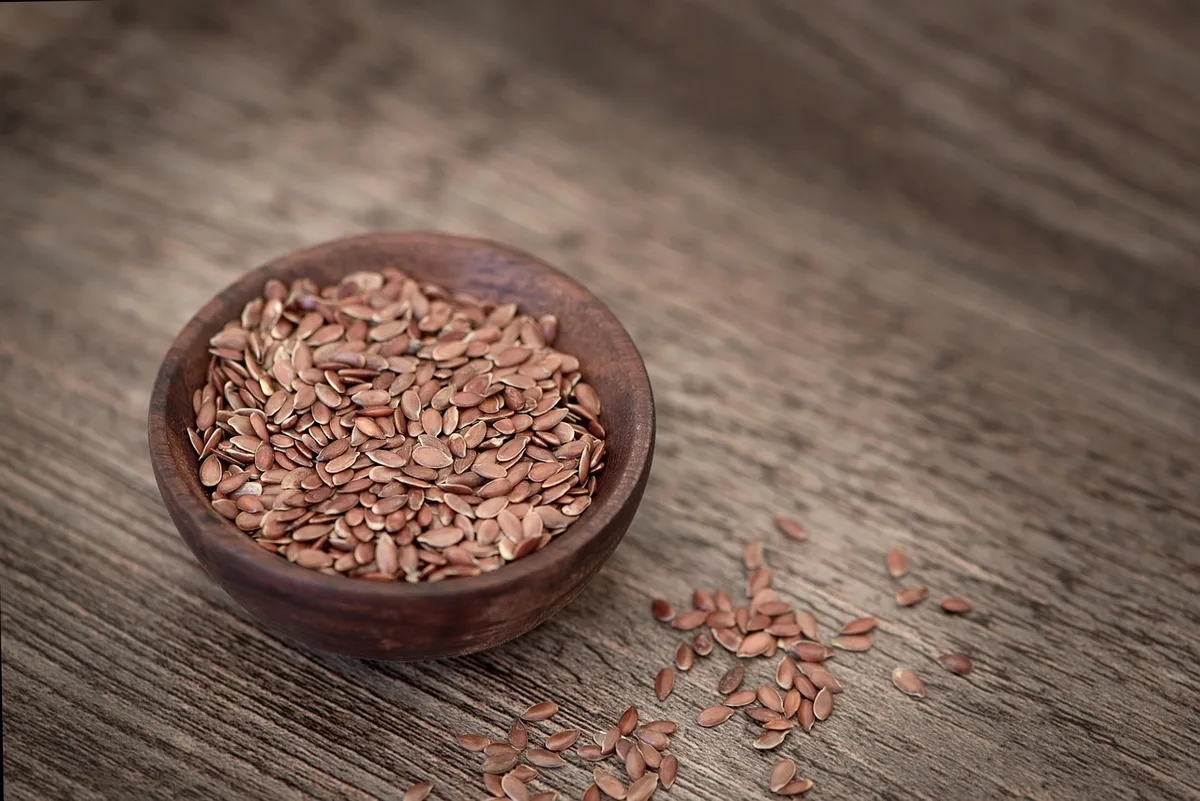
Omega-3 sources. Inflammation drives the androgen-conversion enzymes that worsen PCOS. Reducing inflammation through omega-3 intake (fatty fish, flaxseed, walnuts, chia) has consistent though modest benefit. A 2018 systematic review by Yang and colleagues in Reproductive Biology and Endocrinology found that omega-3 supplementation in PCOS improved insulin resistance and reduced testosterone. Two servings of fatty fish per week plus daily ground flax (1 to 2 tablespoons) is a reasonable target.
The Ayurvedic Frame
The classical Ayurvedic understanding of PCOS-like presentations centers on artava dushti (a disorder of the reproductive tissue) driven by kapha (the principle of stability, structure, and lubrication, which becomes excessive in metabolic-resistance states) combined with vata disturbance (the principle of movement, which becomes erratic with hormonal dysregulation). The dietary recommendations follow logically: warming, drying, gently stimulating foods rather than cooling, heavy, or sweet ones.
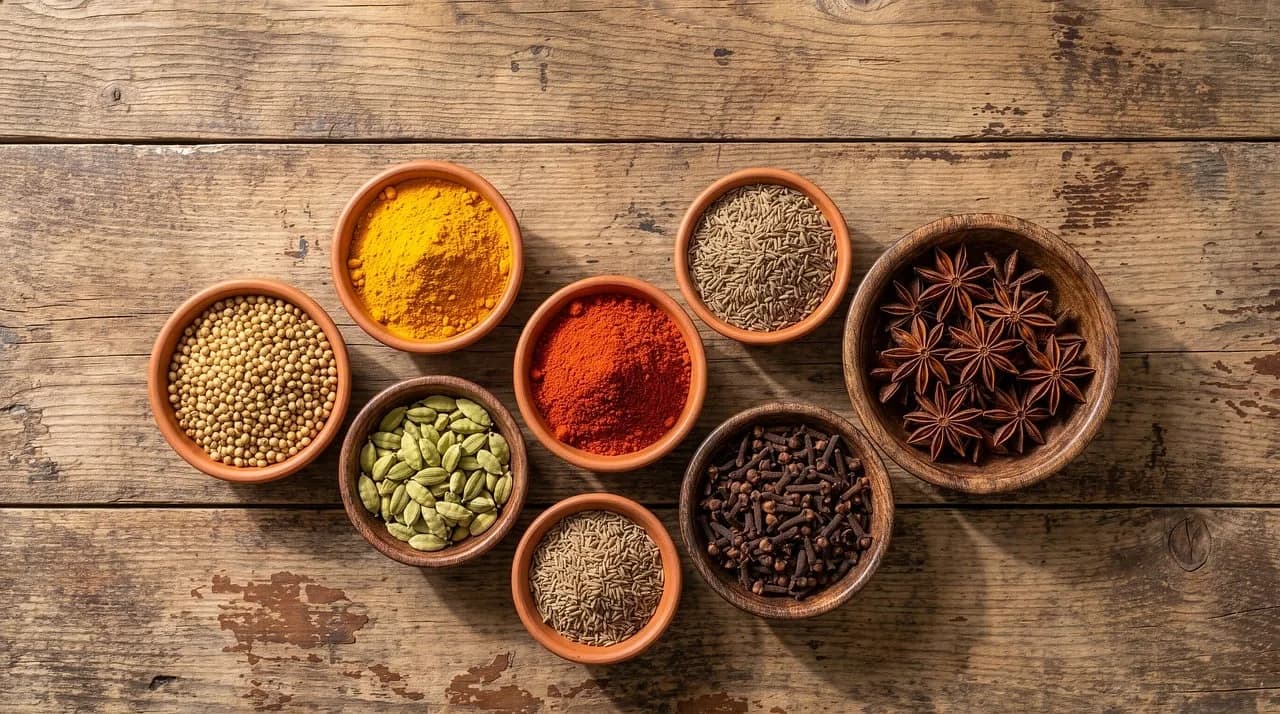
This translates practically to: more ginger, turmeric, fenugreek, cinnamon, cumin, black pepper, ajwain, mustard seeds. Less dairy (especially cold and uncooked dairy), less sweet fruit in large quantities, less refined wheat, less anything cold or raw in excess. Warm cooked foods take priority over salads. Grains like millet (especially finger millet, ragi) and barley are preferred over white rice or wheat.
The classical Ayurvedic herbal preparations for PCOS, shatavari, ashoka, kanchanara guggulu, are out of scope for a food-focused piece, but the dietary frame they sit within is the relevant context. The food architecture matters at least as much as any single supplement.
The TCM Frame
In Chinese medicine, the most common PCOS pattern is phlegm-damp stagnation with kidney-yin or kidney-yang deficiency. Phlegm-damp manifests as the metabolic component (weight resistance, slow digestion, sluggish ovulation). Kidney deficiency manifests as the hormonal component (low energy, low libido, irregular cycles).
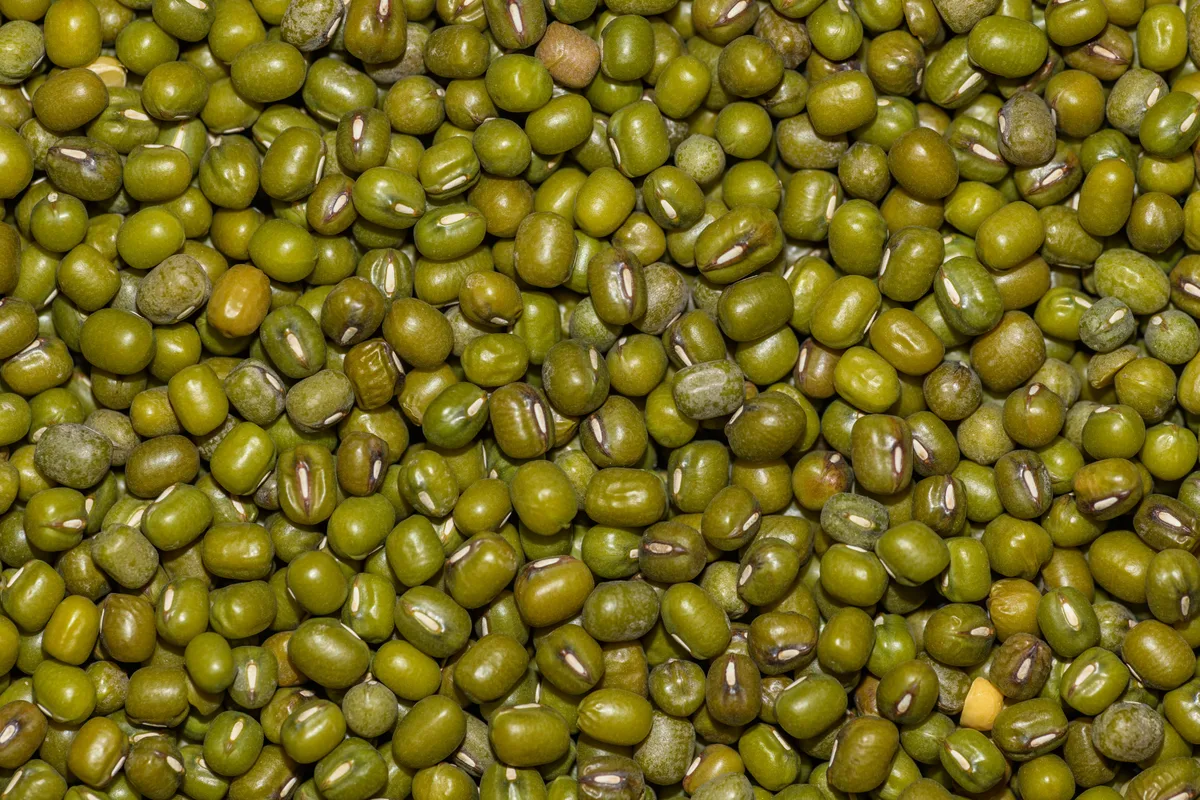
The dietary corrections aim to clear damp and support kidney essence. Damp-clearing foods include barley, adzuki beans, mung beans, ginger, scallions, daikon radish, mushrooms (especially shiitake and reishi), and bitter greens. Kidney-supporting foods include black sesame, walnuts, black beans, bone broth, lamb (warming), eggs, and goji berries.
Foods to minimize are the standard damp-promoting category: cold drinks, raw foods in excess, excessive dairy (especially cheese and milk), refined sugar, alcohol, and overly greasy or fried foods. The principle is warm, cooked, gently dried rather than cold, raw, and damp.
A Practical Week
What does PCOS-supportive eating look like across a typical week?
Mornings: cinnamon-cardamom oats with hemp seeds and berries, or eggs with sautéed vegetables and avocado, or a vegetable-and-lentil preparation with a soaked-fenugreek-seed chew. Masala chai or green tea.
Lunches: dal with rice or khichdi, or a vegetable-heavy bowl with quinoa or barley and pulses, or fatty fish with greens and roasted root vegetables. Generous olive oil. Side of spearmint tea.
Dinners: lighter than lunch, eaten earlier (6 to 7pm if possible), warm cooked vegetables with a protein and a small grain portion. Avoid eating after 8pm; the overnight fast is metabolically useful.
Snacks: soaked nuts, a square of dark chocolate, hummus with vegetable sticks, a small bowl of berries with full-fat Greek yogurt. Avoid grazing; the insulin curve benefits from clear meal-to-meal spacing.
Daily: half a teaspoon of cinnamon, a teaspoon of soaked fenugreek seeds (or methi water), two cups of spearmint tea, two cups of green tea, half-teaspoon of ground flax, 1 to 2 tablespoons of olive oil.
Frequently Asked Questions
How long until I see changes?
Insulin sensitivity changes are measurable on lab work in 6 to 12 weeks. Cycle regularity and androgen-driven symptoms (acne, hirsutism) take longer, typically 3 to 6 months of consistent dietary change. Weight responses vary significantly by phenotype; the lean PCOS subtype may not change weight much but still benefit metabolically.
Should I avoid dairy completely?
This is more debated than the popular literature suggests. The strongest case against dairy in PCOS is for women with significant acne or insulin spikes on dairy specifically; for others, fermented dairy (yogurt, kefir) and ghee are usually fine. The actionable test is a 30-day elimination, then a structured reintroduction, paying attention to skin, cycle, and energy.
What about intermittent fasting?
Time-restricted eating with an 8 to 10 hour eating window (e.g., 9am to 6pm or 10am to 7pm) is supported by the available PCOS evidence, particularly for the insulin-resistant phenotype. Longer fasts (24+ hours) are not well-studied in PCOS and may worsen the cortisol-driven adrenal phenotype. Start with 12 hours overnight; extend gradually.
Is keto the answer?
For some women, particularly those with significant insulin resistance, a moderate low-carb approach (40-90g carbs per day) produces fast metabolic improvement. Strict keto (under 30g) tends to cause thyroid and cortisol issues in women within a few months. The middle ground, a Mediterranean-PCOS approach with controlled carbs, is more sustainable and works for the broader range of phenotypes.
The Long View
PCOS responds slowly to dietary change. It also responds. The women who do best on dietary management tend to share a few patterns: they cook most of their food, they keep a consistent rhythm of meals, they front-load protein and fiber, they minimize refined carbohydrates without becoming dietetically rigid, and they maintain the practice for at least six months before assessing.
For the broader spice and metabolic picture, see the best anti-inflammatory spices for cooking and the post on how to cook with turmeric every day. PCOS is not a moral failing or a lifelong sentence. It is a metabolic-hormonal pattern that responds, slowly and reliably, to consistent food choices over months.
Comments
Share your thoughts on this post.
Sign in to comment0 Comments