Perimenopause and Food: Hot Flashes, Mood, Sleep, and Weight
Perimenopause and Food: Hot Flashes, Mood, Sleep, and Weight
Perimenopause is the five-to-ten-year hormonal transition that ends in menopause, the official one-year mark after the final menstrual period. It typically begins in the early-to-mid 40s. Cycles become unpredictable. Sleep becomes lighter and more interrupted. Mood swings show up in places that used to be steady. The shape of the body changes even when the eating doesn't. Hot flashes start, then keep going. Most of this is normal. Almost none of it is well-served by the conventional medical conversation, which tends to stop at "consider HRT" and leaves the food-and-physiology layer completely unaddressed.
The food layer matters, and the evidence is clearer than the marketing copy suggests. Three things drive perimenopausal symptoms: estrogen variability (more dramatic than the simple decline picture), increased cortisol sensitivity, and shifts in insulin sensitivity and lean mass. Each of these has a meaningful food response. The Ayurvedic system, which calls this transition rajonivritti, and Chinese medicine, which characterizes it as kidney-yin and kidney-yang depletion, both developed specific dietary protocols for this window. The protocols overlap with the modern evidence in useful ways.
This post is the food-physiology layer. It is not a replacement for clinical decisions about HRT, which is a legitimate option for many women and a topic for a physician conversation. The food strategy works alongside HRT or on its own, depending on what each woman chooses.
What's Actually Changing
The popular picture of menopause as "estrogen goes down" is biologically incomplete. The accurate picture is more like a noisy decline punctuated by sudden spikes and drops, especially in the years before periods stop entirely. Progesterone declines earlier and more reliably than estrogen. Testosterone slowly decreases through the same window. Cortisol sensitivity increases. Thyroid function often shifts.
The symptomatic consequences:
Hot flashes are vasomotor events triggered by hypothalamic dysregulation as estrogen swings. They are typically worst in the first few years after the final period but often start in perimenopause.
Sleep disruption is partly hot-flash-driven and partly progesterone-driven. Progesterone has GABA-modulating effects that support deep sleep. As it declines, sleep becomes lighter and shorter.
Mood symptoms are partly serotonin-system effects (estrogen modulates serotonin production and reuptake), partly cortisol-sensitivity changes, and partly the consequence of sleep disruption.
Weight redistribution toward the midsection reflects both insulin-sensitivity changes and the loss of muscle mass (sarcopenia) that begins in this window if not actively countered.
Brain fog is partly estrogen-related (estrogen modulates BDNF and cholinergic function) and partly sleep-related.
Each symptom has a food angle.
Cooling the Hot Flashes
The two food interventions with the strongest hot-flash evidence are dietary phytoestrogens and a Mediterranean-style anti-inflammatory pattern.
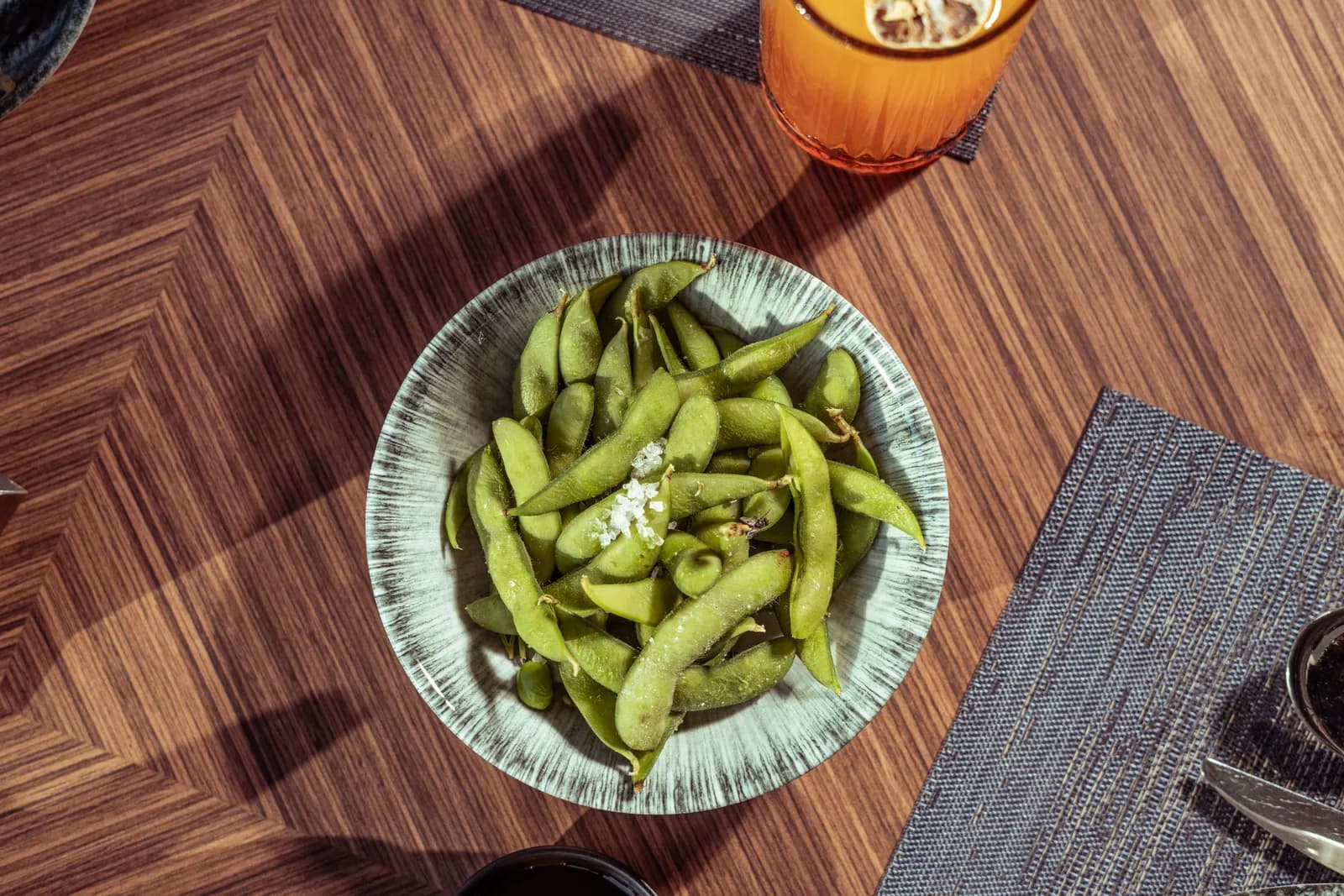
Soy isoflavones. A 2012 meta-analysis by Taku and colleagues in Menopause pooled 19 trials of soy isoflavones for hot-flash reduction. The pooled effect was a 21% reduction in hot-flash frequency and a 26% reduction in severity, modest but reliable. The effective dose was 30 to 80 mg of total isoflavones per day, achievable through 1 to 2 servings of soy foods (tempeh, tofu, edamame, miso, soy milk). The effect builds over 8 to 12 weeks.
Ground flaxseed. 1 to 2 tablespoons of freshly ground flaxseed daily provides lignans (phytoestrogens that work through similar but milder receptor binding than soy isoflavones) and omega-3 fats. A 2012 systematic review noted modest hot-flash reduction with daily flax, with effect sizes smaller than soy but useful as a complement.
Mediterranean dietary pattern. A 2020 systematic review in Maturitas found that adherence to a Mediterranean dietary pattern (olive oil, vegetables, legumes, whole grains, fatty fish, moderate wine) was associated with significantly fewer hot flashes and better overall menopausal quality of life across multiple studies.
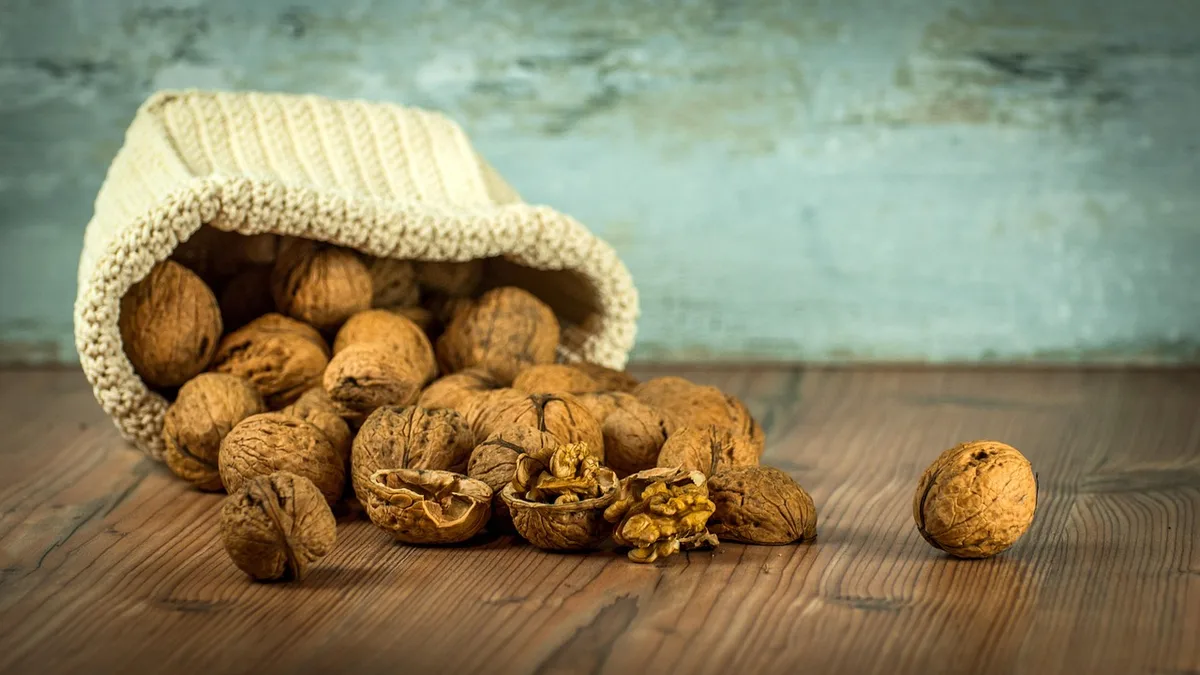
The TCM perspective on hot flashes is yin deficiency with empty heat rising. The dietary correction is yin-nourishing and cooling foods: black sesame, walnuts, mung beans, watermelon, pears, cucumber, asparagus, leafy greens, seaweed. Foods to minimize: alcohol (especially red wine, a reliable hot-flash trigger), spicy food in excess, hot drinks late in the day, and refined sugar.
Sleeping Through the Transition
Sleep disruption is one of the most common and most disruptive perimenopausal symptoms. The food strategy stacks several interventions.
Magnesium-rich foods. Pumpkin seeds, dark chocolate, almonds, leafy greens, black beans. Magnesium supports GABA function and partially substitutes for the progesterone effect that has declined. A 1 to 2 ounce serving of pumpkin seeds in the late afternoon, or a square of dark chocolate after dinner, makes a modest but real difference.
Adequate protein at dinner. Dinner protein provides tryptophan for overnight serotonin/melatonin synthesis. The combination of moderate protein plus complex carbohydrate at dinner (the carbohydrate raises the tryptophan-to-LNAA ratio) supports better sleep onset.
Ashwagandha before bed. A 2019 randomized trial by Langade and colleagues in Cureus gave adults with insomnia 300 mg of ashwagandha extract twice daily for ten weeks and found significant improvements in sleep onset, sleep efficiency, and sleep quality. The traditional Ayurvedic preparation is ashwagandha moon milk, a warm milk with ashwagandha, saffron, cardamom, and ghee, taken nightly. The mechanism appears to be primarily through cortisol reduction.
Skip the wine. Even one glass of wine 2 to 3 hours before bed measurably degrades sleep architecture and is a reliable hot-flash trigger in perimenopause. The recommendation to keep wine to early evening (with food, before 6pm) makes a noticeable sleep difference within a week.
For the broader sleep-food picture, see what to eat before bed for better sleep and foods that help you sleep.
Steadying the Mood
The mood swings of perimenopause are real, not imagined. The food approach addresses three drivers: blood sugar variability, neurotransmitter precursor availability, and the cortisol-sensitivity increase.
Stable blood sugar. The same protein-and-fat-front-loaded breakfast that supports focus also supports mood stability. Sweet-pastry breakfasts produce afternoon mood crashes; high-protein breakfasts do not.
Omega-3 sources. Fatty fish twice a week, plus daily ground flax or chia. A 2011 open trial by Freeman and colleagues in Menopause found that omega-3 supplementation in women with depression linked to the menopausal transition reduced depression scores, and a 2022 systematic review by Decandia and colleagues in Nutrients concluded that most studies report relief of depressive symptoms with n-3 PUFA intake across the menopausal transition.
Magnesium and B6. Both nutrients support serotonin and GABA function. Magnesium from seeds and dark chocolate as above; B6 from poultry, fish, bananas, chickpeas, and potatoes. A 2016 randomized trial by Masoumi and colleagues in Journal of Caring Sciences found that combined calcium and vitamin B6 supplementation reduced premenstrual symptoms more than either nutrient alone, supporting the broader pattern that micronutrient adequacy across this cluster matters more than any single nutrient.
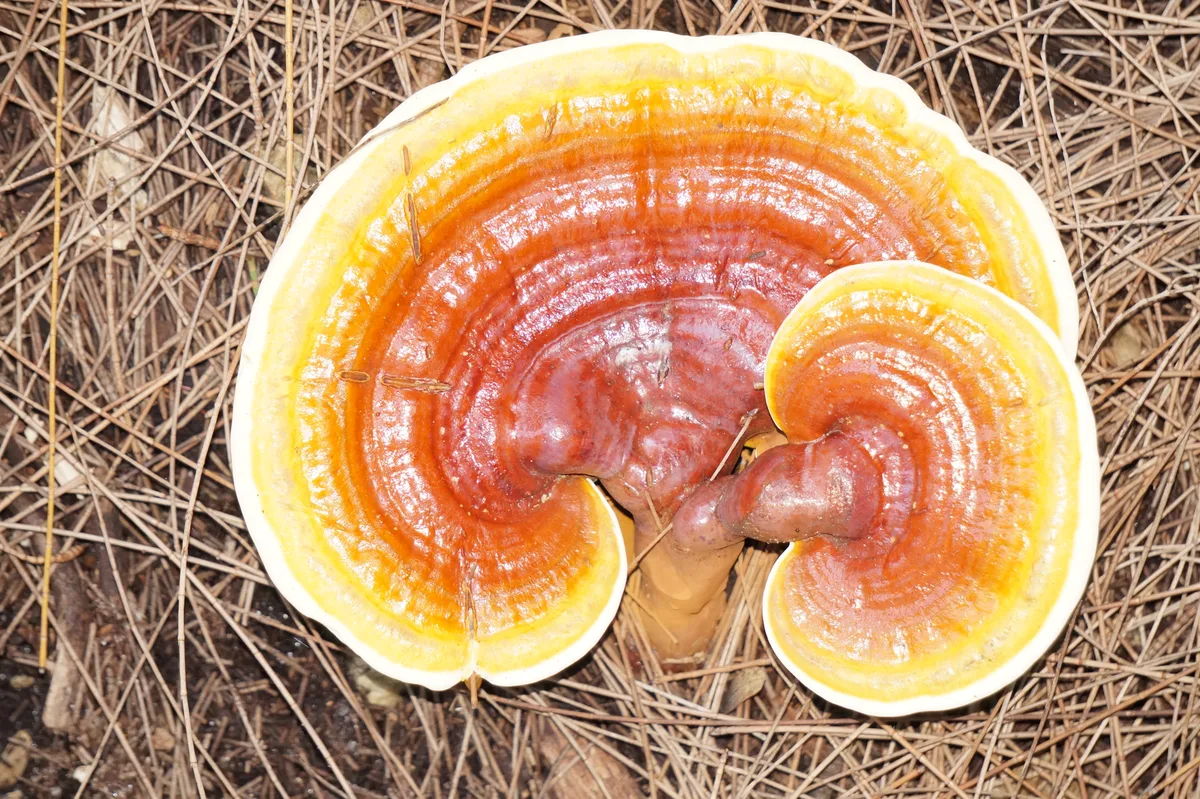
Adaptogen support. For the cortisol-sensitivity layer, ashwagandha and reishi have the strongest research base. See adaptogenic herbs for stress and anxiety for the broader picture; the ashwagandha trial in Indian Journal of Psychological Medicine showed a roughly 28% cortisol reduction at 600 mg daily over 60 days. Saffron, less famous in this category, has accumulating evidence for mood specifically; a 2021 trial by Lopresti and colleagues in Journal of Menopausal Medicine showed significant mood improvements with a standardized saffron extract in perimenopausal women.
Managing the Weight Picture
The mid-section weight gain that's almost universal in perimenopause is driven by three things: insulin-sensitivity decline, muscle loss from declining estrogen and testosterone, and cortisol-driven visceral fat deposition. The food and exercise picture addresses all three.
Protein at every meal. The protein requirement for women in the perimenopausal window rises to 1.2 to 1.6 grams per kilogram of body weight, significantly above the conventional 0.8 g/kg recommendation. This supports muscle protein synthesis against the sarcopenic background. For a 65 kg woman, this means 80 to 100 grams of protein daily, distributed across 3 to 4 meals.
Resistance training. Out of scope for a food post, but worth flagging: the food strategy works much better paired with twice-weekly resistance training. The two interventions are synergistic in a way that neither replicates alone.
Lower glycemic load. As insulin sensitivity declines, the same refined-carbohydrate intake produces more weight gain than it did in the 30s. A shift toward vegetables, legumes, whole grains, and protein at the expense of bread, pasta, and sweets is the practical version.
Stop late-evening eating. The metabolic cost of late-evening calories is higher in perimenopause than earlier. A dinner finished by 7pm and no eating after produces measurable improvements in weight and sleep over 8 weeks.
The Ayurvedic Frame
The Ayurvedic understanding of perimenopause is rajonivritti, the cessation of menstruation. The classical view is that this is a vata-aggravating transition, the natural increase in vata dosha that accompanies the autumn of life. The dietary support is consequently vata-pacifying: warm, oily, sweet, sour, salty in moderate amounts, with consistent meal timing. Spices like ginger, cardamom, cinnamon, and saffron support agni; warm milk preparations and ghee provide the grounding fat the system needs.
Cold foods, raw foods in excess, dry foods (crackers, popcorn, raw vegetables), and skipped meals are all vata-aggravating and tend to amplify the dryness, sleep disturbance, and mood symptoms of perimenopause. The traditional perimenopausal diet centers on warm khichdi, soups, slow-cooked vegetables, healthy fats, and warming spices. The structural recommendations align well with what the modern evidence suggests.
Frequently Asked Questions
Do phytoestrogens cause cancer?
The evidence base is on the opposite side. A 2014 meta-analysis by Chen and colleagues in PLOS ONE found that dietary soy isoflavone intake was associated with reduced breast cancer risk in Asian populations, but with no significant association in Western populations. The carcinogenic claim was based on outdated rodent studies that did not translate to humans. Soy from whole-food sources (tempeh, tofu, miso, edamame) is supported by the evidence; isolated soy protein supplements are less well-studied.
Should I cut out alcohol completely?
For hot flashes specifically, yes or significantly reduce. Alcohol is one of the most reliable hot-flash triggers and a sleep disruptor. The Mediterranean-style allowance of a small glass of wine with dinner is fine for most women if hot flashes and sleep are manageable; for women with significant symptoms, even small amounts of alcohol can worsen the picture noticeably.
What about gluten and dairy?
The popular blanket recommendation to cut both for perimenopause is not evidence-based. Women with celiac disease or non-celiac gluten sensitivity should avoid gluten. Women with lactose intolerance should avoid lactose. For women without either condition, fermented dairy (yogurt, kefir, cheese), ghee, and whole grains are fine. The actionable test for either is a 30-day elimination with structured reintroduction.
When should I consider HRT?
This is a conversation with your physician, ideally with one who is current on the post-WHI-revision menopause literature. The recent reanalyses suggest the benefit-risk picture is more favorable for women within 10 years of their final period than the original 2002 reporting indicated. Food and HRT are not mutually exclusive; they address overlapping but distinct mechanisms.
A Slower Transition
Perimenopause is a multi-year process. The food picture works the same way: slow, cumulative, requiring consistency rather than perfection. The women who do best tend to share patterns: they cook most of their food, they prioritize protein and whole foods, they limit alcohol, they sleep on a consistent schedule, and they maintain the practice through the symptom variation that characterizes this window.
For the broader picture of food and the nervous system, see foods that calm the nervous system. For the temperature-and-food framework that's especially useful for hot-flash management, see hot vs cold foods in Chinese medicine. Perimenopause is a transition, not a crisis. The food layer makes the transition meaningfully more manageable.
Comments
Share your thoughts on this post.
Sign in to comment0 Comments