Iron-Rich Foods for Women: Beyond Spinach, the Ayurveda + TCM Approach to Building Blood
Iron-Rich Foods for Women: Beyond Spinach, the Ayurveda + TCM Approach to Building Blood
Iron deficiency is the most common nutritional deficiency in the world, and menstruating women bear most of it. The WHO estimates roughly 30% of women between 15 and 49 are anemic globally, with significantly higher rates in many regions. The symptoms run from fatigue and brain fog to hair loss, restless legs, ice cravings, and an exhaustion that does not respond to coffee or sleep alone.
The conventional response is iron supplementation, which works for diagnosed iron-deficiency anemia but is constipating, sometimes nausea-inducing, and addresses only one of the relevant blood-building nutrients. The traditional medicine systems describe blood-building (rakta dhatu in Ayurveda, xue in Chinese medicine) as a multi-nutrient project involving iron, copper, B12, folate, vitamin C, and the protein matrix that holds them. The food protocols both systems developed line up well with modern nutritional understanding, and they suggest specific foods that the standard Western "eat more spinach" advice misses entirely.
This is the food layer of blood-building, with the focus on women who menstruate and the additional considerations for pregnancy, postpartum, and perimenopause.
The Iron Question, Briefly
Iron in food comes in two forms. Heme iron is found in animal products (red meat, organ meats, poultry, fish, shellfish). Roughly 15 to 35% of heme iron is absorbed, and absorption is not significantly affected by other foods eaten with it. Non-heme iron is found in plant foods (legumes, leafy greens, seeds, nuts, fortified grains). Roughly 2 to 20% of non-heme iron is absorbed, and absorption is strongly affected by what else is in the meal.
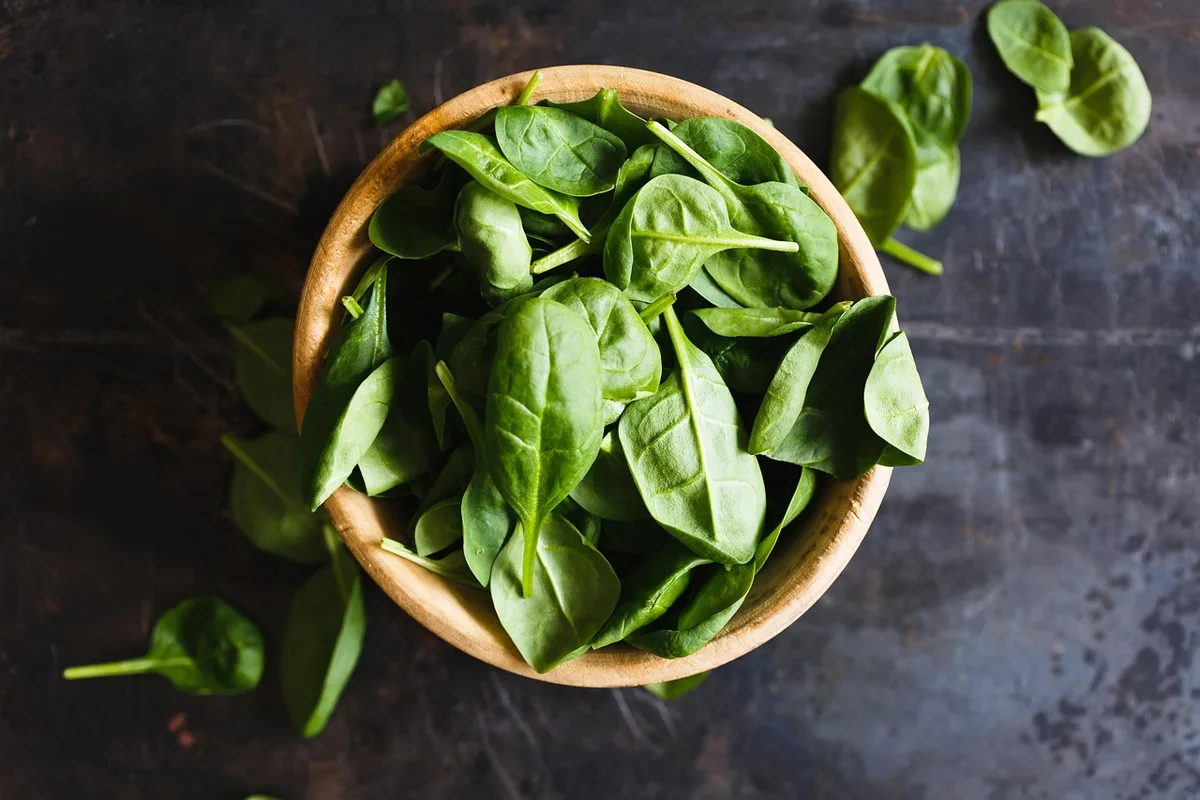
The classical Western recommendation to eat spinach for iron has two problems. First, spinach has modest iron content (2.7 mg per 100g cooked) and high oxalate content, which significantly inhibits absorption. Second, the spinach-iron association comes from a 1934 USDA error that misplaced a decimal point, which was corrected within years but the dietary recommendation never fully caught up. Spinach is fine; it is not the iron champion the cultural memory makes it.
The actually iron-rich foods, in roughly descending order of bioavailability:
Heme sources. Beef liver (6.5 mg per 100g, exceptionally bioavailable). Beef and lamb. Dark-meat poultry. Oysters and clams (high iron and copper). Sardines.
Non-heme sources, ranked by usable iron after considering bioavailability and meal effects. Sesame seeds, especially black sesame (14.6 mg per 100g, used heavily in TCM blood-building). Tahini. Pumpkin seeds. Lentils (3.3 mg per 100g cooked). Dark chocolate. Dried apricots. Cooked beans (kidney, white, chickpeas). Dates and other dried fruits. Cooked tofu. Quinoa. Almonds. Fortified whole grains.
What TCM Calls Blood Deficiency
Chinese medicine describes a syndrome of xue xu (blood deficiency) that is recognizable to anyone who has had iron deficiency: pale complexion, pale lips and tongue, fatigue, dizziness, brittle nails, hair loss, scanty periods, light or absent menstruation in extreme cases. The dietary correction is xue bu (blood-tonifying foods): a specific category that maps surprisingly well onto modern iron-and-cofactor recommendations.
The classical blood-tonifying foods include:
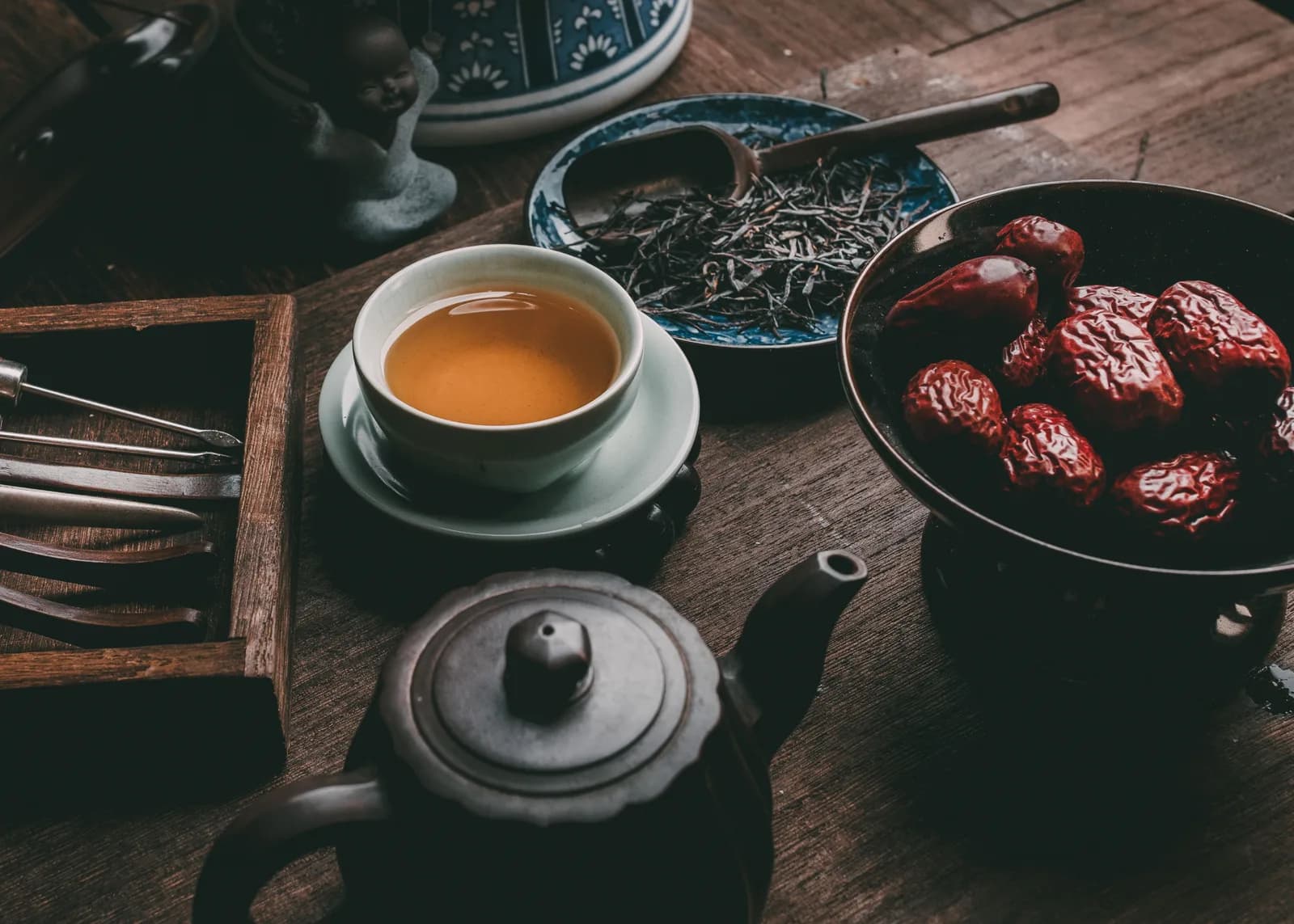
Red dates (Chinese jujubes). Iron, vitamin C, and a long traditional record. Two to three dates daily in soups, congee, or simmered with longan and ginger as a women's tonic. The classical preparation is hong zao tea, simmered with ginger and longan, drunk daily during and after the period.
Beets. High in both folate (essential for red blood cell formation) and modest iron. The deep red color is not coincidental in the traditional symbolic system. Beet juice, roasted beets, beet borscht, and beet salads all qualify. A serving of cooked beets several times a week is the practical baseline.
Black sesame. Used extensively in Chinese tonifying preparations, both in food (black sesame paste, sesame milk, black sesame congee) and in formal herbal preparations. The iron content is high and the form is well-tolerated.
Goji berries. Modest iron content but high vitamin C and other antioxidants that support iron utilization. The classical Chinese tonic ba zhen tang (eight-treasure soup) includes goji as one of the women's-tonic ingredients.
Bone broth. Provides heme iron, amino acids for hemoglobin synthesis, and the minerals (copper, zinc) needed as iron cofactors. Spiced bone broth with warming herbs is a daily practice in many TCM-aligned households.
Black beans, black sesame, dark grapes, mulberries. All blood-tonifying in the TCM frame and all containing meaningful iron and antioxidants.
What Ayurveda Calls Rakta Dhatu Nourishment
The Ayurvedic understanding of rakta dhatu (the blood tissue) overlaps significantly with the TCM blood-building framework but emphasizes different specifics.
Jaggery (gud). Unrefined cane sugar, still containing molasses minerals, including 11 mg of iron per 100g. The classical Ayurvedic recommendation is a small piece of jaggery daily, particularly after menstruation. The taste and texture vary by region, but the iron content holds across varieties. Practically, a 10-gram piece of jaggery delivers about 1 mg of iron in a form that the traditional system considered easily absorbed.
Dates. Both fresh and dried dates are blood-building in the Ayurvedic frame. Soaked Medjool dates eaten as a morning preparation, or dates soaked overnight in milk with cardamom and saffron, are classical women's tonics. The iron content per 100g of dried dates is roughly 1 mg, modest but meaningful in daily use.
Almonds. Soaked overnight, peeled, and eaten as a morning preparation. The iron is modest but the broader micronutrient profile (vitamin E, magnesium, healthy fats) supports overall rebuilding.
Black sesame. Same as in TCM. Sesame ladoo (sesame-and-jaggery sweets) are a classical Indian women's-health preparation, particularly given postpartum and during winter.
Beetroot. Used in Ayurvedic kitchens primarily in soups and as a juice; the deep red is again not coincidental in the traditional symbolic correspondence.
Chyawanprash context. Chyawanprash is a classical Ayurvedic herbal jam containing amla (Indian gooseberry, exceptionally high in vitamin C) along with dozens of other herbs. The vitamin C in amla enhances iron absorption substantially. A teaspoon of chyawanprash daily is a traditional women's-health practice that combines iron-cofactor support with general rasayana.
The Vitamin C Multiplier
The most actionable food-based intervention for non-heme iron absorption is to pair it with vitamin C. The 2010 review by Hurrell and Egli in the American Journal of Clinical Nutrition describes ascorbic acid as the principal dietary enhancer of non-heme iron absorption, with a strong dose-dependent effect in single-meal studies.
Practical pairings:
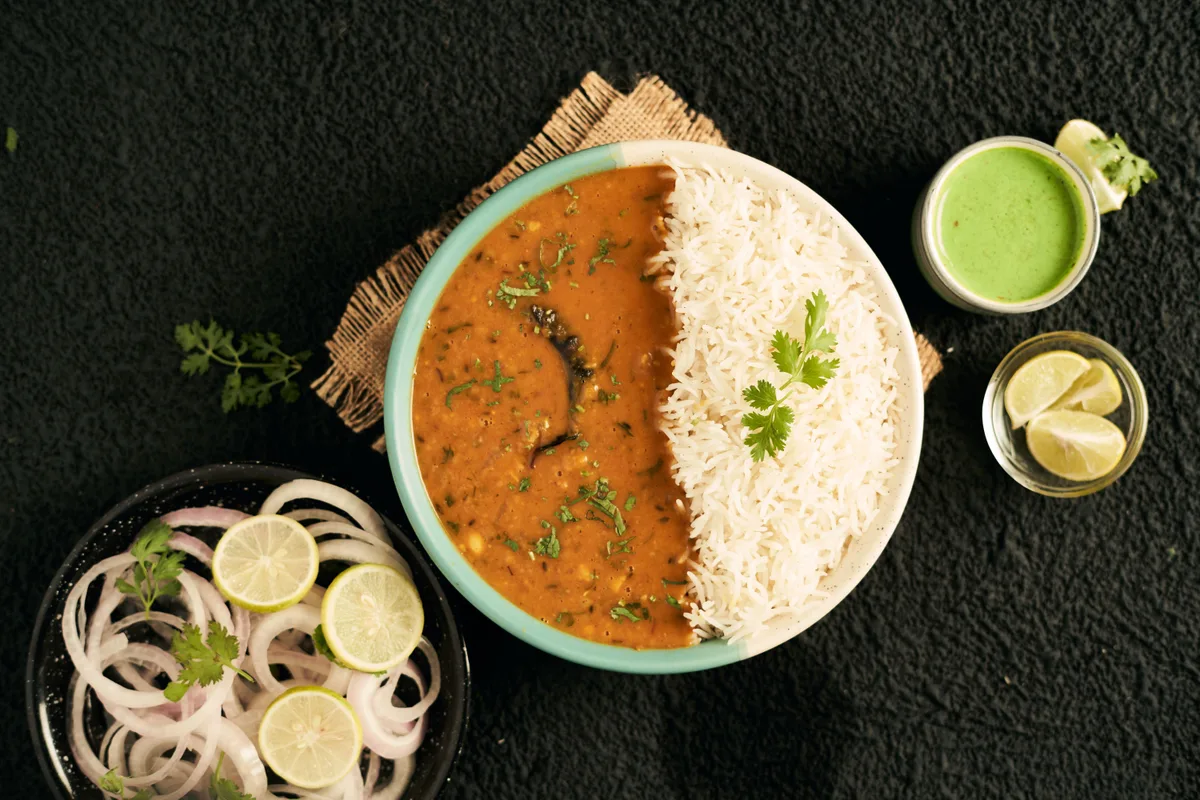
- Lentils with lemon (every Indian dal already does this)
- Beans with tomato sauce
- Tofu with bell peppers
- Spinach with strawberries or citrus (this is what salads were trying to do)
- Iron-fortified oats with berries
- Sesame paste with citrus or amla
The Ayurvedic combination of dal with lemon, the TCM use of citrus peel with simmered legumes, and the Mediterranean pairing of beans with tomato all illustrate the same principle from different traditions.
What Inhibits Iron Absorption
Knowing what to avoid is half the picture. The main absorption inhibitors:
Tannins. In tea (especially black tea), coffee, and red wine. A 1999 study by Hurrell and colleagues in the British Journal of Nutrition found that tea with a meal reduced iron absorption by 60 to 75%. The actionable fix: do not drink tea or coffee with iron-rich meals; wait 1 to 2 hours after eating.
Calcium. Dairy and calcium supplements inhibit iron absorption from the same meal. Separating iron-rich meals from calcium-heavy ones by an hour or two reduces the interference.
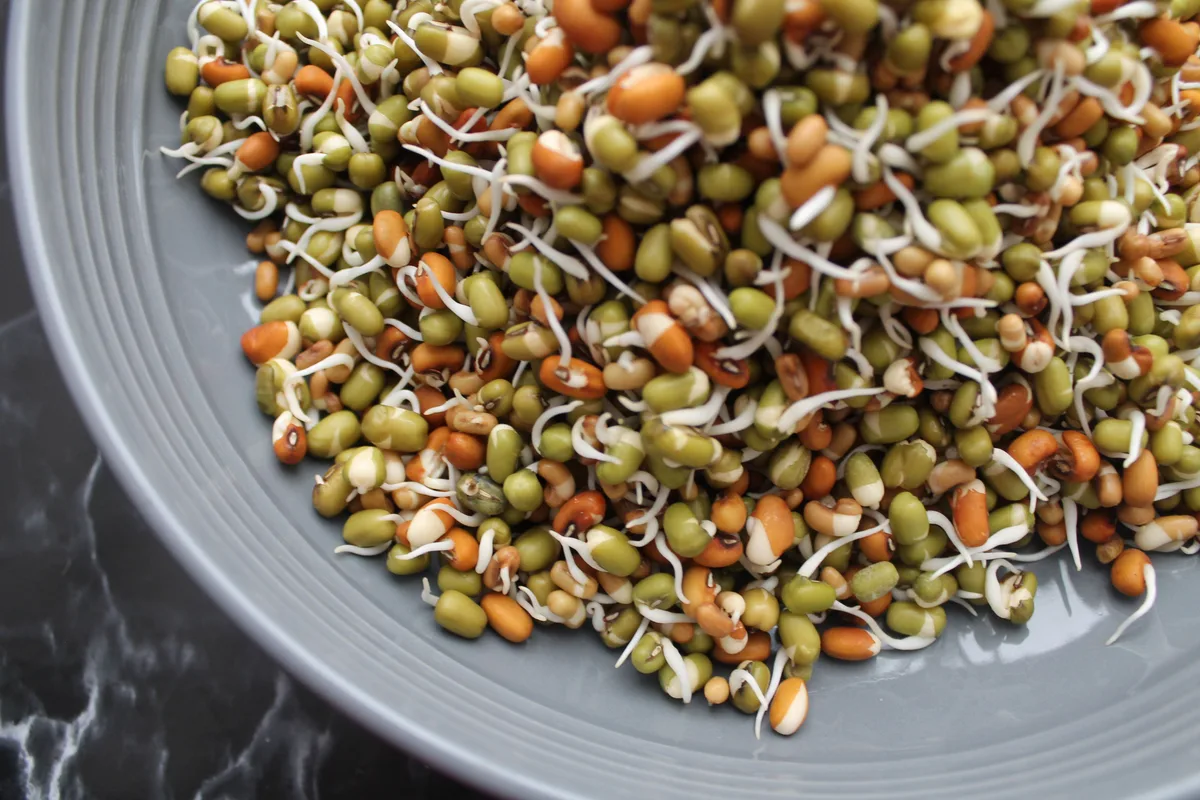
Phytates. In grains and legumes. Soaking, sprouting, and fermenting all reduce phytate content. The traditional Ayurvedic and Asian preparations that soak legumes overnight and ferment doughs are not arbitrary; they improve the iron bioavailability of the food.
Beyond Iron
Iron alone is insufficient; red blood cell production requires several other nutrients.
B12. Found only in animal products. For vegetarians, this is the most common cause of "iron-resistant" anemia and requires supplementation. Eggs, dairy, fish, and meat are the food sources.
Folate. Green leafy vegetables, legumes, asparagus, citrus, fortified grains. The pregnancy folate emphasis applies broadly to red blood cell formation.
Copper. A cofactor for iron utilization. Oysters, dark chocolate, sesame seeds, cashews, sunflower seeds.
Vitamin B6. Required for hemoglobin synthesis. Poultry, fish, bananas, chickpeas.
Vitamin A. Required for iron mobilization from storage. Liver, egg yolks, dairy, orange and dark green vegetables.
The actionable point is that iron-only supplementation can fail to resolve anemia if any of these cofactors is also deficient. A diverse, micronutrient-dense diet addresses the full picture; an iron tablet alone often doesn't.
A Practical Week
What does blood-building eating look like in a normal week?
Mornings: Soaked almonds and dates as a morning starter. Iron-fortified oats with berries (or cinnamon-cardamom oats with hemp seeds). Eggs.
Lunches: Lentil dal with rice and lemon. Bean-and-grain bowls with vegetables. Fatty fish twice a week.
Dinners: Khichdi. Soups with bone broth, root vegetables, and dark leafy greens. Beef or lamb in modest portions twice a week.
Snacks: Sesame ladoo (sesame-and-jaggery balls). Dried apricots. A square of dark chocolate. Roasted pumpkin seeds.
Daily small touches: A piece of jaggery (about 10g). A tablespoon of black sesame or tahini. A handful of dried fruit. Lemon or amla in some form daily.
Timing rules: Tea and coffee separated from main meals by 1+ hour. Iron-fortified or iron-rich meals paired with vitamin C sources. Calcium-heavy preparations (yogurt, large dairy portions) at different meals from iron-heavy ones.
Frequently Asked Questions
Should I take iron supplements?
If labs confirm iron deficiency, supplementation is appropriate alongside dietary changes. The food approach alone, in someone already deficient, may not catch up quickly enough; supplementation is faster. For maintenance and prevention in adequately-stocked women, food is usually sufficient. The decision depends on lab values and is best made with a clinician.
Are there risks of too much iron?
Yes, particularly for men, post-menopausal women, and people with hemochromatosis (1 in 200 people of Northern European descent). Excess iron is pro-inflammatory and can damage organs over years. The dietary approach is rarely a cause of excess iron in pre-menopausal women, but supplementation without confirmed deficiency is not advisable.
What about heavy periods?
Heavy periods (more than 80 ml of blood per cycle, or periods lasting more than 7 days, or significant clotting) deserve clinical evaluation and may require iron supplementation in addition to dietary support. The food approach helps but may not be sufficient on its own.
Is plant-based iron enough?
Yes, for most women, if attention is paid to vitamin C pairing, soaking and sprouting legumes, including diverse iron sources daily, and minimizing tannin interference. Vegetarians and vegans in well-planned diets do not have higher rates of iron deficiency anemia than omnivores in matched samples.
The Bigger Picture
Building blood through food is slow work. The red blood cells produced this month replace cells that have been circulating for 4 months on average. Meaningful changes in iron status take 6 to 12 weeks of consistent dietary attention, and full repletion in someone with significant deficiency can take 3 to 6 months.
The traditional systems built this slowness into the protocols. The classical Ayurvedic post-menstrual focus on jaggery and sesame, the TCM use of red dates and bone broth as daily practices rather than occasional treatments, and the year-round attention to blood-building in both systems all reflect the same understanding: blood quality is a continuous project, not a single intervention.
For the broader picture of fatigue and energy, see what to eat when you're tired all the time. For the cycle context, see cycle-syncing the Ayurveda way. For women who menstruate, iron management is not an occasional concern; it is the slow, continuous infrastructure of daily energy.
Comments
Share your thoughts on this post.
Sign in to comment0 Comments