What to Eat When You're Tired All the Time: Foods That Fight Chronic Fatigue
What to Eat When You're Tired All the Time: Foods That Fight Chronic Fatigue
For about a year, I thought I was lazy. I slept 8 hours and woke up heavy. I drank coffee and felt wired but not alert. By 3pm, the thought of doing anything beyond the absolute minimum felt physically impossible. I wasn't sick in any way I could point to. I was just... depleted.
The blood work told a more specific story. Ferritin (iron stores): low. Vitamin D: insufficient. B12: borderline. And cortisol: elevated in the evening, when it should have been at its daily minimum.
I wasn't lazy. I was nutritionally bankrupt and chronically stressed, and the two were feeding each other. The foods I was eating (caffeine, refined carbs, convenience meals heavy on seed oils) were driving the exact metabolic pattern that produces persistent fatigue.
If you're tired all the time, the problem is rarely a single nutrient deficiency. It's usually a pattern: nutrient depletion, blood sugar instability, gut dysfunction, chronic stress, poor sleep, and inflammation, all interacting. What you eat is the most modifiable variable in that pattern.
The Five Causes of Chronic Fatigue That Food Can Address
1. Iron Deficiency (The Most Common Nutritional Cause)
Iron deficiency is the most common nutritional deficiency worldwide, affecting 1.6 billion people. It doesn't require anemia to cause fatigue. Even "subclinical" iron depletion (low ferritin, normal hemoglobin) significantly reduces energy, exercise tolerance, and cognitive function.
Women of reproductive age are most at risk (menstrual iron loss), but anyone eating a low-iron diet, a heavily processed diet, or a diet low in vitamin C (which enhances iron absorption) can become depleted.
Iron-rich foods that traditional cuisines got right:
Lentils and legumes are iron staples across Indian cooking. A single cup of cooked lentils provides 6.6 mg of iron (37% daily value). The traditional pairing of lentils with vitamin C-rich accompaniments (tamarind in sambar, lemon squeezed over dal, amla chutney) dramatically improves non-heme iron absorption. The iron absorption algorithm developed by Hallberg and Hulthén (2000) in the American Journal of Clinical Nutrition showed that adding ascorbic acid to a meal can more than double the bioavailability of non-heme iron, with the effect proportional to dose and largest in meals high in phytate or polyphenol inhibitors.
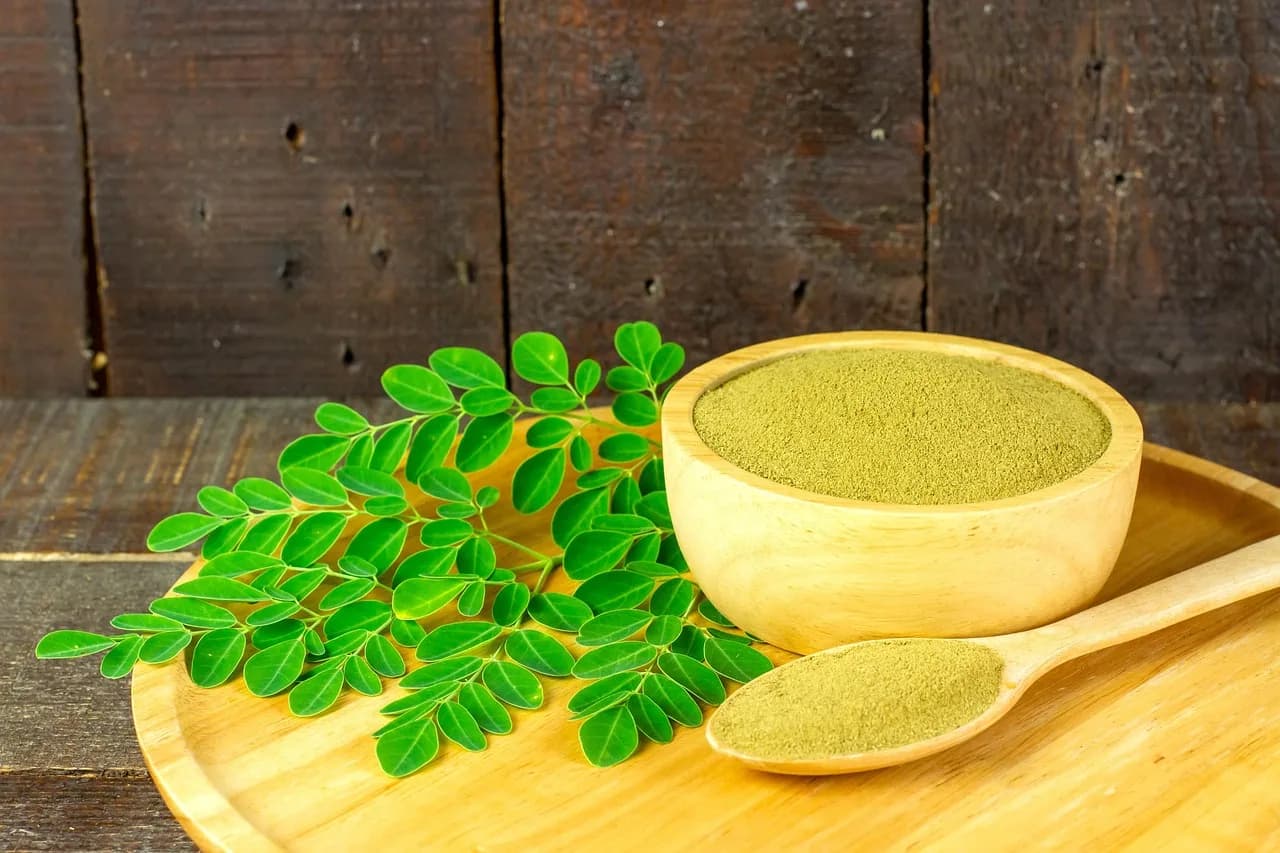
Moringa leaves contain 28mg of iron per 100g dry weight, more than most meats. In South Asian and West African traditions, moringa is added to soups, dal, and stews specifically for its nutritive density.
Cooking in cast iron: A 1999 randomized trial by Adish and colleagues in The Lancet found that Ethiopian children whose food was cooked in iron pots for one year had lower rates of anaemia and better growth than children whose food was cooked in aluminium pots. Acidic foods like tomato-based sauces and dal with tamarind extract the most iron from the surface of the pan.

2. Blood Sugar Instability (The Energy Roller Coaster)
If your fatigue follows a predictable pattern (energy after meals, crash 2 to 3 hours later, desperate sugar craving, brief energy, crash again), you're riding blood sugar waves.
Refined carbohydrates and sugar spike glucose rapidly. Insulin surges to clear it. Glucose drops below baseline. Cortisol and adrenaline release to compensate. You feel the crash as fatigue, brain fog, irritability, and craving.
The fix is structural, not supplemental:
- Complex carbs with protein and fat at every meal. Khichdi (rice + lentils + ghee) is perfectly designed for blood sugar stability. The lentils provide protein and soluble fiber that slow glucose absorption. The ghee provides fat. The rice provides steady-release carbohydrate.
- Cinnamon improves insulin sensitivity, reducing the severity of blood sugar swings. Add 1/2 teaspoon to oatmeal, smoothies, or golden milk daily.
- Eat at consistent times. Irregular eating forces cortisol to compensate for unpredictable glucose availability. Both Ayurveda and TCM emphasize regular mealtimes as foundational.
- Don't skip breakfast. The first meal establishes your glucose trajectory for the day. A protein-and-fat-rich breakfast (eggs in ghee with vegetables, oats with nut butter) prevents the mid-morning crash that a sugary or carb-only breakfast creates.
3. Gut Dysfunction (Where Energy Gets Lost)
Your gut is where nutrients become energy. If the gut is inflamed, permeable, or microbially imbalanced, you can eat an optimal diet and still feel exhausted because you're not absorbing what you eat.
A 2016 study by Giloteaux and colleagues in Microbiome profiled the stool microbiota of 48 ME/CFS patients and 39 controls and found reduced microbial diversity and altered composition (lower Faecalibacterium and other anti-inflammatory taxa, alongside elevated markers of microbial translocation) in patients compared with controls.
Gut-rebuilding foods for energy:
- Miso soup daily (probiotics + easy amino acids)
- Yogurt with cumin (Lactobacillus + Bifidobacterium cultures)
- Ghee (butyric acid fuels colonocytes, maintaining gut barrier integrity)
- Spiced bone broth (glutamine for enterocyte repair)
- Cooked vegetables and legumes (prebiotic fiber to feed beneficial bacteria)
For a structured gut-repair approach, see how to reset your gut naturally.
4. Chronic Stress and Cortisol Dysregulation
Chronic stress is the most underrecognized cause of persistent fatigue. Prolonged cortisol elevation depletes magnesium, disrupts sleep architecture, impairs thyroid function, and eventually leads to "cortisol flatline," where the adrenals can't maintain normal cortisol output. The result is profound fatigue that sleep doesn't fix.
Adaptogens for stress-related fatigue:
Ashwagandha is the most studied adaptogen for fatigue. A 2012 randomized trial by Chandrasekhar and colleagues in the Indian Journal of Psychological Medicine found it reduced cortisol by 28% over 60 days. Ashwagandha moon milk before bed supports the nighttime cortisol trough that allows restorative sleep.
Holy basil (tulsi) reduces cortisol and improves stress resilience. Tulsi tea in the afternoon replaces the caffeine that perpetuates the cortisol cycle.
Reishi mushroom addresses the fatigue-specific aspect of chronic stress. A 2012 pilot randomized trial by Zhao and colleagues in Evidence-Based Complementary and Alternative Medicine gave reishi spore powder to breast cancer patients on endocrine therapy and found significant improvements in cancer-related fatigue and quality of life over four weeks. Reishi mushroom congee delivers the triterpenes in a warm, restorative form.
See foods that reduce cortisol naturally and adaptogenic herbs for stress for complete protocols.
5. Chronic Inflammation (The Energy Tax)
Systemic inflammation diverts immune resources away from daily energy production. It's like running your car with the air conditioning and headlights on: the engine works harder and produces less forward motion.
Inflammatory cytokines (IL-6, TNF-alpha) directly interfere with mitochondrial function, the cellular energy production pathway. A review described the "inflammation-fatigue axis" as a primary mechanism in chronic fatigue conditions.
Anti-inflammatory foods for energy:
- Turmeric with black pepper daily (NF-kB inhibition reduces background inflammation)
- Omega-3 fats (salmon, sardines, walnuts: reduce inflammatory cytokines)
- Replace seed oils with ghee, olive oil, coconut oil (reduce omega-6 inflammatory load)
See how to start an anti-inflammatory diet for the full framework.
Two Traditional Perspectives on Fatigue
Ayurveda: Low Ojas
In Ayurveda, chronic fatigue indicates depleted ojas, the subtle essence of vitality that's produced when digestion is optimal and all tissues are well-nourished. Ojas depletion results from overwork, poor diet, emotional stress, and insufficient sleep.
The Ayurvedic restoration protocol focuses on:
- Ghee (the most ojas-building food in Ayurveda)
- Warm milk with ashwagandha and saffron before bed
- Khichdi as a daily meal (easy digestion = more energy available)
- Chyawanprash (an amla-based rejuvenative paste) daily
- Regular meals, early dinner, early bedtime
TCM: Spleen Qi Deficiency
Traditional Chinese Medicine diagnoses chronic fatigue most commonly as spleen qi deficiency. The spleen (in TCM, a functional concept governing digestion and energy extraction) is weakened by cold food, irregular eating, overthinking, and excessive dampness. Symptoms include fatigue, loose stools, poor appetite, heaviness, and foggy thinking.
The TCM recovery protocol:
- Congee for breakfast (the primary spleen qi tonic)
- Warm, cooked food at every meal (nothing raw or cold)
- Ginger in daily cooking (warms the middle burner)
- Samgyetang (ginseng chicken soup: the ultimate qi-rebuilding meal)
- Avoid dairy, sugar, and raw food (all considered dampness-producing)
- Rest the mind (overthinking directly depletes spleen qi in TCM theory)
Both traditions converge on the same practical advice: warm, cooked, well-spiced food with adequate fat and protein, eaten at regular times, with adaptogenic herbs for restoration.
A Week of Energy-Rebuilding Eating
| Meal | What to Eat | Why |
|---|---|---|
| Breakfast | Eggs in ghee with spinach and turmeric. Or oats with cinnamon, pumpkin seeds, and nut butter | Iron (spinach/pumpkin seeds), B vitamins (eggs), stable blood sugar (fat + protein + complex carbs) |
| Morning drink | Ginger tea or warm water with lemon | Digestive activation, hydration |
| Lunch | Khichdi with yogurt and vegetables. Or sambar with rice. Or fish with quinoa and greens | Complete protein, iron, probiotics, soluble fiber |
| Afternoon | Tulsi tea + dark chocolate or pumpkin seeds | Adaptogenic cortisol management, magnesium |
| Dinner | Congee with ginger and egg. Or miso soup with tofu and vegetables. Or bone broth with cooked vegetables | Light, warm, easy to digest, gut-supporting |
| Before bed | Ashwagandha moon milk or golden milk | Cortisol reduction, sleep support, anti-inflammatory |
Frequently Asked Questions
How long does it take to feel more energetic from dietary changes?
Blood sugar stabilization: 3 to 5 days. Iron repletion (if deficient): 4 to 8 weeks. Adaptogenic effects (ashwagandha, tulsi): 4 to 6 weeks. Gut microbiome improvement: 6 to 10 weeks. Most people notice a perceptible shift within 2 weeks if they address blood sugar, sleep, and caffeine simultaneously.
Should I get blood work before changing my diet?
Yes, if fatigue is persistent (more than 4 weeks). Check: complete blood count (CBC), ferritin, vitamin B12, vitamin D, thyroid panel (TSH, free T4), and fasting glucose. These rule out medical causes that dietary changes alone won't fix. If all blood work is normal and fatigue persists, the dietary and lifestyle approach becomes the first-line intervention.
Is caffeine helping or hurting my energy?
Almost certainly hurting if you drink it after noon or if you rely on it to function. Caffeine blocks adenosine (the sleepiness signal) without providing actual energy. The "energy" you feel is cortisol and adrenaline. When these wear off, you crash harder than you would have without caffeine. Gradually reduce to 1 cup in the morning (before 10am), taken with food. Replace afternoon coffee with tulsi tea.
Can food alone fix chronic fatigue syndrome (ME/CFS)?
ME/CFS is a complex, multi-system condition that food alone cannot cure. However, dietary optimization (anti-inflammatory eating, gut repair, blood sugar stability, and adaptogenic support) is considered a meaningful component of management by most ME/CFS specialists. The dietary framework in this guide addresses several of the mechanisms implicated in ME/CFS (mitochondrial dysfunction, gut dysbiosis, neuroinflammation, HPA axis dysregulation).
Energy Is Built, Not Found
The tiredness that follows you through every day isn't a caffeine deficiency. It's a signal from a body that isn't getting what it needs to produce energy efficiently. The fix isn't another stimulant. It's the food that provides the raw materials (iron, B vitamins, magnesium, omega-3s), the gut health that absorbs them, the blood sugar stability that distributes them evenly, and the stress management that stops burning through them faster than you can replace them.
Start with one meal. Make khichdi for lunch tomorrow. Swap afternoon coffee for tulsi tea. Have ashwagandha moon milk before bed. Notice what changes in a week, then build from there.
For related guides: foods that reduce cortisol, adaptogenic herbs for stress, and how to reset your gut.
Comments
Share your thoughts on this post.
Sign in to comment0 Comments