How to Start an Anti-Inflammatory Diet: A Practical, No-Hype Guide
How to Start an Anti-Inflammatory Diet: A Practical, No-Hype Guide
A colleague of mine tried to start an anti-inflammatory diet three times before it stuck. The first time, she bought $200 worth of supplements and superfoods, ate salmon and kale for a week, burned out, and went back to takeout. The second time, she eliminated 15 foods at once, felt deprived within days, and quit. The third time, she changed her cooking oil and started drinking golden milk before bed. That was two years ago. She hasn't stopped.
The lesson: starting an anti-inflammatory diet isn't about dramatic overhauls or expensive shopping lists. It's about making a small number of high-impact changes, building on them gradually, and discovering that anti-inflammatory food actually tastes better than the inflammatory alternative.
This guide lays out a 4-week approach to starting an anti-inflammatory diet. Not a 30-day challenge. Not a restrictive protocol. A sustainable shift in how you stock your kitchen, cook your meals, and think about the food on your plate.
What "Anti-Inflammatory Diet" Actually Means
The phrase gets used loosely, so let's be precise.
Chronic low-grade inflammation is a measurable biological state. It's characterized by elevated levels of C-reactive protein (CRP), IL-6, TNF-alpha, and other inflammatory biomarkers in the blood. It's distinct from acute inflammation (the swelling and redness after an injury), which is necessary and healthy.
Chronic inflammation is driven primarily by:
- Diet (refined sugars, seed oils, processed food)
- Sedentary behavior
- Poor sleep
- Chronic stress
- Gut microbiome imbalance
- Environmental toxins
An anti-inflammatory diet addresses the first of these drivers, and indirectly supports the others (better nutrition improves sleep, supports the microbiome, and reduces oxidative stress).
A representative meta-analysis from this body of work, the 2014 review by Schwingshackl and Hoffmann in Nutrition, Metabolism and Cardiovascular Diseases, pooled randomized trials of Mediterranean-style eating and found consistent improvements in CRP, IL-6, and endothelial function. Across the broader literature, anti-inflammatory dietary patterns have been associated with:
- 20% lower all-cause mortality
- 23% lower cardiovascular disease risk
- Significant reductions in inflammatory biomarkers
The dietary pattern that emerged across studies wasn't any branded diet. It was simple: eat whole foods, prioritize plants and fatty fish, cook with anti-inflammatory spices, avoid refined oils and sugars, and include fermented foods.
Every traditional food culture in the world already follows this pattern. The anti-inflammatory diet isn't new. We just stopped eating it.
Week 1: The Oil Swap (The Single Highest-Impact Change)
If you do nothing else in this guide, do this: change your cooking oils.
Refined seed oils (soybean, corn, sunflower, canola, "vegetable oil") are the largest source of inflammatory omega-6 fatty acids in the modern diet. The average American consumes 20-30 grams of soybean oil per day, much of it hidden in restaurant food, processed snacks, and store-bought dressings.
Omega-6 linoleic acid is converted to arachidonic acid, the precursor to pro-inflammatory prostaglandins and leukotrienes. These are the same molecules that ibuprofen, aspirin, and other NSAIDs are designed to block. You're essentially creating inflammation with your cooking oil and then taking pills to suppress it.
What to switch to:
-
Ghee for high-heat cooking (smoke point 250°C/482°F). Ghee also contains butyric acid, which nourishes gut lining cells and has independent anti-inflammatory properties. In Ayurveda, ghee is considered the most sattvic (health-promoting) cooking fat.
-
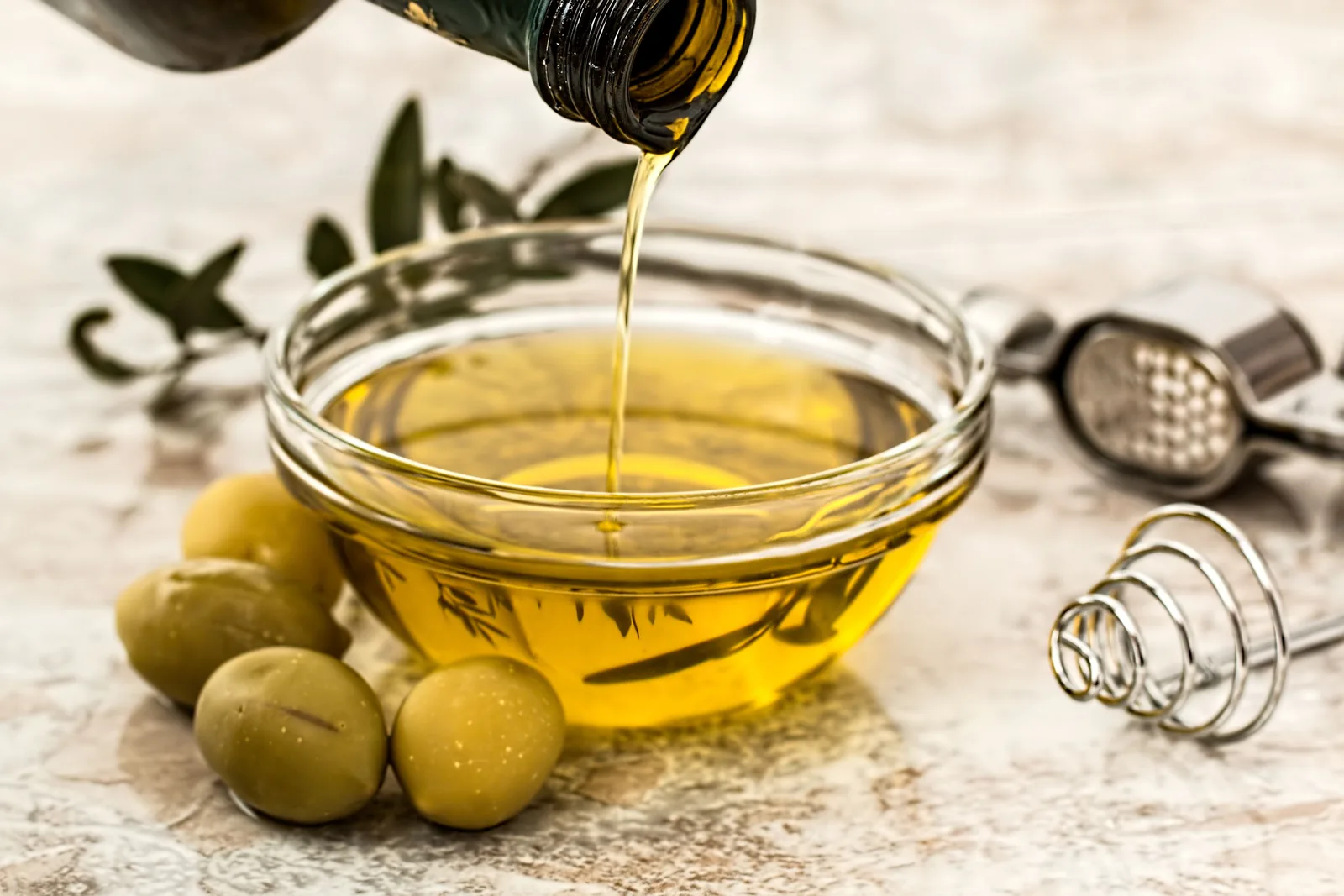
Extra virgin olive oil for medium-heat cooking and dressings. Rich in oleocanthal, a compound that inhibits the same inflammatory pathway as ibuprofen. clinical research famously described oleocanthal's anti-inflammatory activity as comparable to a low dose of ibuprofen.
-
Coconut oil for medium-high heat and baking. Contains lauric acid, which has antimicrobial and modest anti-inflammatory properties.
Practical steps this week:
- Remove soybean, corn, sunflower, and "vegetable" oil from your kitchen
- Buy a jar of ghee, a bottle of good olive oil, and optionally coconut oil
- Read labels on any processed foods you buy. Soybean oil is in everything from bread to crackers to "healthy" granola bars
- When eating out, know that most restaurants cook in seed oil. You can't control this, but reducing your home consumption already makes a significant difference
This single change shifts your omega-6 to omega-3 ratio more than any supplement can.
Week 2: Add the Daily Anti-Inflammatory Anchors
Week two introduces three daily habits that deliver anti-inflammatory compounds consistently. Consistency matters more than intensity.
Morning: Warm Water with Ginger
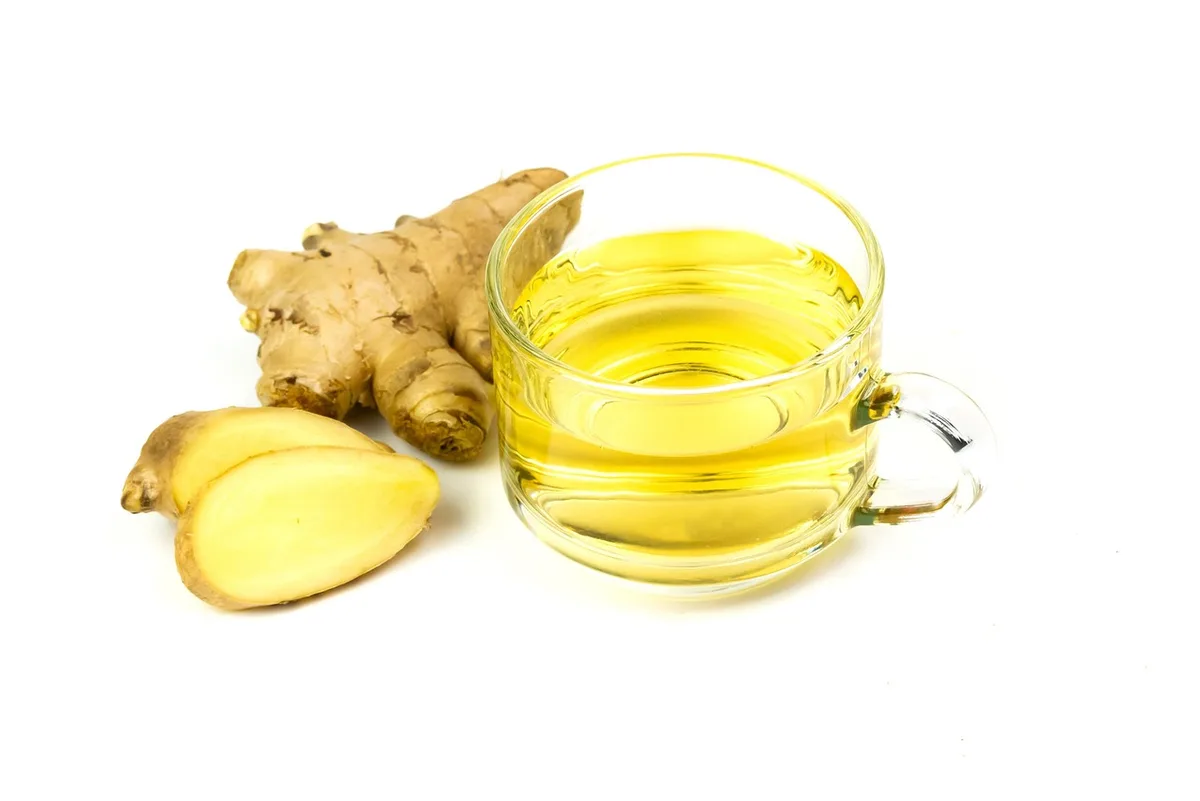
Before eating anything, drink a cup of hot water with a thumb-sized piece of grated ginger. Wait 15 to 20 minutes before breakfast.
This does three things. The warm water stimulates the gastrocolic reflex and begins the digestive process. The ginger's gingerols reduce baseline gastric inflammation and accelerate gastric emptying. And the brief fast between the ginger water and breakfast allows your gut's housekeeping processes (the migrating motor complex) to complete their overnight work.
In Ayurveda, this practice is called ushna jala (warm water therapy) and is considered foundational for daily health. In TCM, warm ginger water in the morning "warms the middle burner" and activates digestive qi.
Meals: Cook with Turmeric and Black Pepper
Add turmeric and black pepper to at least one meal daily. This doesn't require Indian cooking. Scrambled eggs with turmeric and black pepper. Roasted vegetables with a turmeric-olive oil drizzle. Rice cooked with a pinch of turmeric. Soup with turmeric stirred into the broth.
The curcumin-piperine combination is the most evidence-backed anti-inflammatory food pairing in existence. Daily exposure, even in small culinary amounts (1/2 to 1 teaspoon of turmeric per meal), produces measurable reductions in inflammatory markers over time. See our anti-inflammatory spices guide for techniques that maximize potency.
Evening: Golden Milk
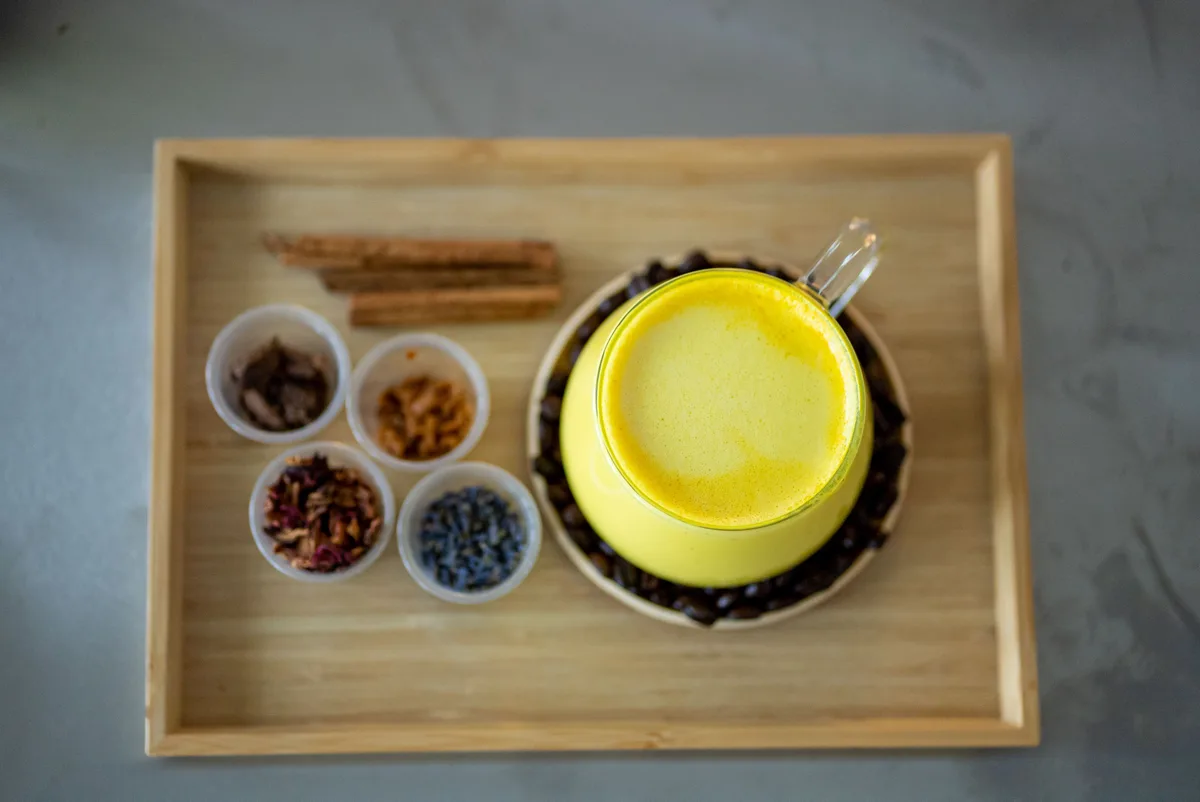
End the day with golden milk. Warm milk (dairy or plant-based), a teaspoon of turmeric, a generous grind of black pepper, a coin of fresh ginger, a pinch of cinnamon, and a teaspoon of ghee or coconut oil.
This is more than a pleasant ritual. The combination delivers curcumin (with enhanced absorption from piperine and fat), gingerols, cinnamaldehyde, and butyric acid from ghee. It's a concentrated anti-inflammatory dose in a form that also promotes sleep (the warmth and ritual signal the body to wind down).
Many people starting an anti-inflammatory diet report that golden milk before bed is the first change they feel: better sleep, less morning stiffness, reduced puffiness.
Week 3: Introduce Fermented Foods and Reduce Sugar
Adding Fermented Foods
Chronic inflammation and gut microbiome composition are deeply intertwined. A 2021 Stanford trial by Wastyk and colleagues in Cell found that a high-fermented-food diet increased gut-microbial diversity and lowered inflammatory markers over 10 weeks. The high-fiber comparison group did not show the same anti-inflammatory benefits.
Start with one serving of fermented food daily. Build to two or three by the end of the week.
Easiest entry points:
-
Miso shiru (miso soup): dissolve a tablespoon of miso paste in warm broth. Takes 3 minutes. Delivers live bacteria plus prebiotic fiber. The most gentle fermented food for sensitive stomachs.
-
Plain yogurt with live cultures: eat it with a pinch of cumin and salt (Ayurvedic lassi style) or with fruit and nuts. Avoid flavored yogurt. The added sugar negates the probiotic benefit.
-
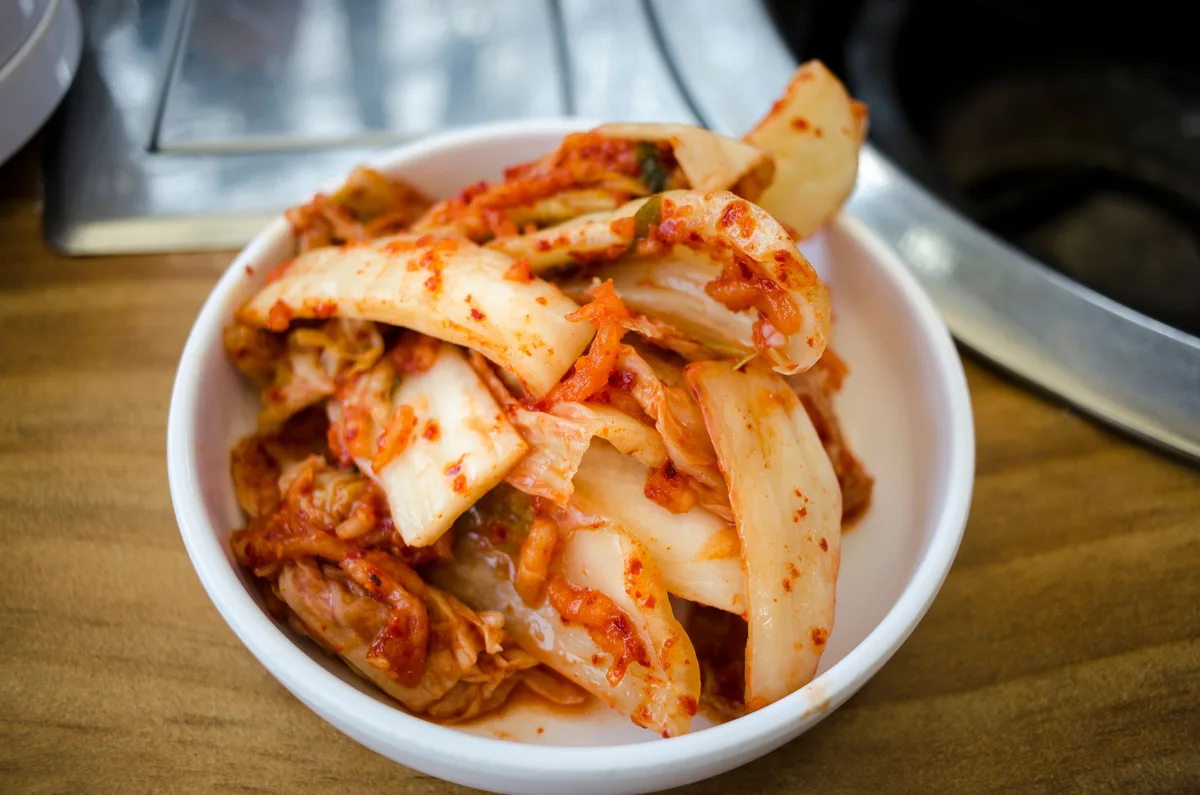
Kimchi as a side dish, or cooked in kimchi jjigae: provides Lactobacillus plantarum, one of the most studied anti-inflammatory probiotic strains.
If fermented foods cause initial bloating, that's normal. Your gut microbiome is adjusting. Start with smaller portions and increase gradually over 1 to 2 weeks. Our guide on gut inflammation covers this transition in detail.
Reducing Sugar
You don't have to eliminate sugar. You need to reduce it enough that it stops driving chronic inflammatory signaling.
Sugar triggers inflammation through multiple mechanisms: it spikes insulin (which activates inflammatory pathways), feeds pro-inflammatory gut bacteria, and reacts with proteins to form advanced glycation end products (AGEs) that cause tissue damage.
Reducing added sugar from the typical 13-17% of daily calories down toward the WHO's <5% guideline is a high-leverage move for inflammatory markers, with measurable CRP reductions in dietary-intervention trials within weeks to months.
Practical steps:
- Replace sugary drinks with water, herbal tea, or tulsi tea
- Switch from flavored yogurt to plain yogurt with whole fruit
- Cook more meals at home (restaurant and packaged food contains hidden sugar)
- When you want something sweet, choose whole fruit, dates, or dark chocolate (70%+ cacao)
- Read labels. Sugar appears as sucrose, high-fructose corn syrup, dextrose, maltose, and 50+ other names
This isn't about perfection. Reducing your added sugar intake by half is sufficient to produce measurable anti-inflammatory effects.
Week 4: Build the Full Pattern
By week four, you've made the three highest-impact changes: swapped cooking oils, added daily anti-inflammatory spices and fermented foods, and reduced sugar. Now you expand into a complete anti-inflammatory eating pattern.
The Anti-Inflammatory Plate
Each meal should roughly follow this framework:
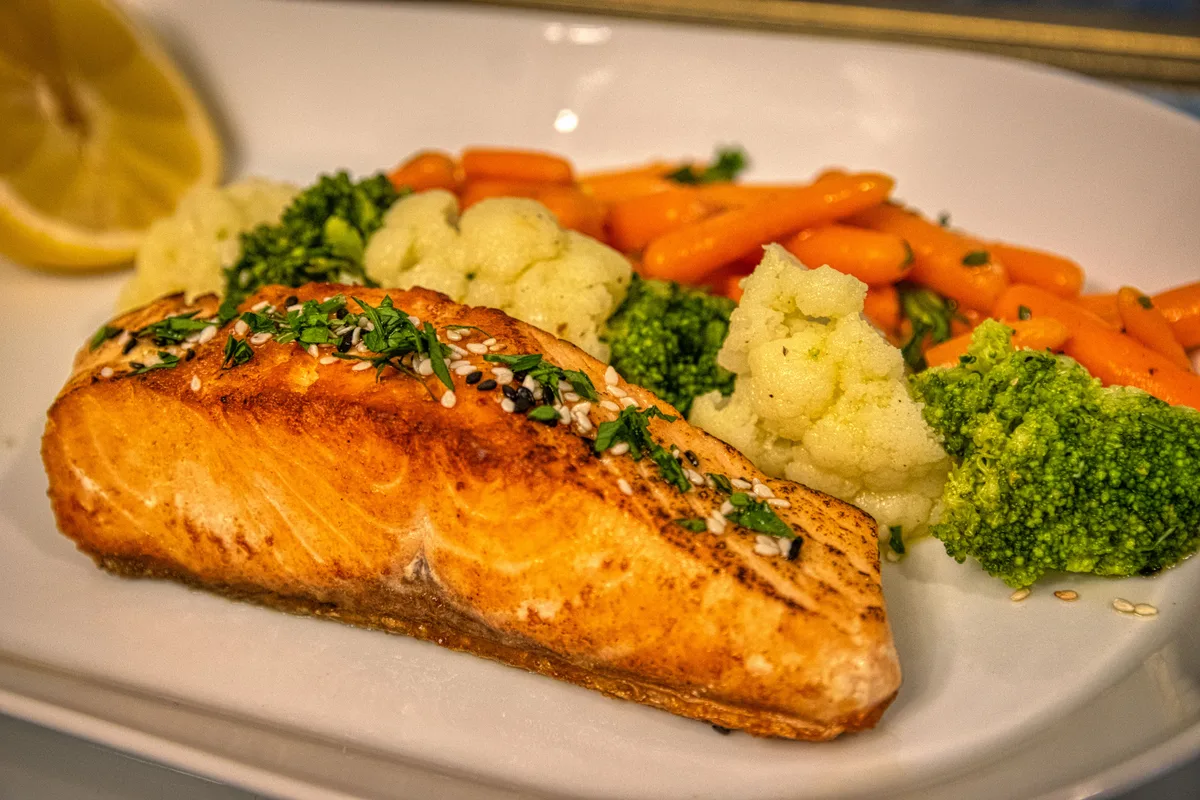
Half the plate: Vegetables (cooked preferred over raw) Deeply colored vegetables are highest in anti-inflammatory polyphenols. Sweet potatoes, carrots, beets, leafy greens, cruciferous vegetables (broccoli, cauliflower, cooked until tender). In Ayurveda and TCM, cooked vegetables are considered easier to digest and more nourishing than raw.
Quarter of the plate: Protein Fatty fish (salmon, mackerel, sardines) 2 to 3 times per week for omega-3s. Legumes and lentils provide both protein and prebiotic fiber. Eggs, poultry, and modest amounts of red meat. Avoid processed meats (bacon, sausage, deli meats), which contain inflammatory nitrates and AGEs.
Quarter of the plate: Whole grains or starchy root vegetables Brown rice, quinoa, oats, sweet potato, squash. The resistant starch in cooked-and-cooled rice feeds Bifidobacterium in your colon, producing anti-inflammatory butyrate.
Plus: Anti-inflammatory spices and healthy fat Every meal should include at least one anti-inflammatory spice (turmeric, ginger, cumin, cinnamon, garlic) and a healthy cooking fat (ghee, olive oil, coconut oil).
Meal Ideas by Tradition
The beauty of the anti-inflammatory diet is that it's not one cuisine. It's a principle that traditional food cultures worldwide have always followed.
Indian: Khichdi with ghee and turmeric. Sambar with lentils and a complex spice blend. Dal with tadka (ghee, cumin, mustard seeds, turmeric). Raita (yogurt with cucumber and cumin).
Thai: Tom kha gai (coconut-galangal soup). Green or red curry with vegetables and fish. Steamed rice with fresh herbs.
Japanese: Miso shiru with tofu and seaweed. Grilled fish with ginger. Steamed vegetables with sesame. Fermented pickles as a side.
Korean: Kimchi jjigae with tofu. Bibimbap with vegetables and egg. Steamed rice with banchan (fermented sides).
Chinese: Congee with ginger. Steamed fish with garlic and scallions. Braised dishes with star anise and cinnamon. Spiced bone broth.
Mediterranean: Grilled fish with olive oil and lemon. Vegetables roasted in olive oil with garlic. Lentil soup with cumin and coriander.
Every one of these meals is naturally anti-inflammatory. You're not inventing a new diet. You're returning to the way people have always eaten.
What an Anti-Inflammatory Week Looks Like
| Day | Morning | Midday | Evening |
|---|---|---|---|
| Mon | Ginger water. Oats with cinnamon + ghee | Khichdi with pickled vegetables | Miso soup + grilled fish with turmeric |
| Tue | Ginger water. Eggs with turmeric + toast | Sambar with rice | Tom kha gai |
| Wed | Ginger water. Yogurt with fruit + walnuts | Lentil soup with cumin and garlic | Salmon with roasted vegetables |
| Thu | Ginger water. Congee with ginger | Kimchi jjigae with tofu | Chicken curry with turmeric + brown rice |
| Fri | Ginger water. Smoothie with flaxseed | Salad with olive oil + sardines | Spiced bone broth + cooked vegetables |
| Sat | Ginger water. Moong dal chilla | Thai green curry with vegetables | Khichdi with ghee |
| Sun | Ginger water. Avocado toast with turmeric | Miso soup + rice + grilled fish | Slow-cooked stew with cinnamon + star anise |
Daily constants: Ginger water morning. Golden milk evening. At least one fermented food. Cook with ghee or olive oil. At least one anti-inflammatory spice in every meal.
Between meals: fennel cumin coriander tea or tulsi tea.
The Timeline: What to Expect and When
Week 1 (oil swap): You may notice improved digestion and slightly less post-meal heaviness. The omega-6 reduction begins immediately, but inflammatory markers take time to shift.
Weeks 2-3 (spices, fermented foods, sugar reduction): Many people notice reduced puffiness, less joint stiffness in the morning, and more stable energy throughout the day. Skin improvements may begin (less redness, fewer breakouts). Digestive function typically improves.
Weeks 4-6: Measurable changes in inflammatory markers begin to appear. The 2004 JAMA randomized trial by Esposito and colleagues found that a Mediterranean-style diet reduced CRP and other inflammatory markers compared with a standard prudent diet, with effects emerging within months and continuing over two years. Joint pain, if present, often begins to noticeably improve in this window. See our guide on anti-inflammatory foods for joint pain for condition-specific advice.
Weeks 8-12: Deeper changes in gut microbiome composition, skin quality, and systemic inflammation. This is the timeline for conditions like eczema, chronic fatigue, and persistent bloating to show meaningful improvement. Our skin guide covers the dermatological timeline in detail.
Long-term: The anti-inflammatory diet isn't a program you complete. It's a way of eating you maintain. The good news: once your palate adjusts to real food cooked with good spices and quality fat, processed food tastes exactly as bad as it is.
Common Mistakes When Starting
Going too restrictive too fast. Eliminating 10 foods on day one leads to deprivation, then rebound. The week-by-week approach in this guide works because each change is small enough to sustain.
Focusing on what to remove rather than what to add. Adding golden milk, fermented foods, and anti-inflammatory spices is more powerful (and more pleasant) than obsessing over eliminating every trace of sugar and seed oil.
Expecting supplement-speed results from food. A curcumin supplement delivers 500-1000mg of concentrated extract. A teaspoon of turmeric in your food delivers roughly 30-50mg of curcumin. Food works through sustained, low-dose exposure over weeks and months, not acute high-dose intervention. The benefits compound over time.
Ignoring the non-food factors. Sleep, movement, and stress management amplify or undermine everything you eat. A perfectly anti-inflammatory diet consumed alongside chronic sleep deprivation and high stress will produce disappointing results. Walk after meals. Sleep 7-8 hours. Manage stress (tulsi tea, meditation, time outdoors).
Treating it as a 30-day challenge. The anti-inflammatory diet works precisely because it's sustainable. If your approach requires willpower, it will eventually fail. Find the anti-inflammatory meals you actually enjoy cooking and eating. Build your pattern around pleasure, not discipline.
Frequently Asked Questions
Do I need to buy organic food for an anti-inflammatory diet?
Organic matters most for the "Dirty Dozen" (produce with the highest pesticide residue: strawberries, spinach, kale, etc.) and for animal products (where hormones and antibiotics contribute to inflammation). For staples like cooking oils, spices, grains, and legumes, conventional is fine. Don't let the price of organic prevent you from eating more vegetables.
Is coffee inflammatory or anti-inflammatory?
Coffee contains chlorogenic acid, a potent anti-inflammatory polyphenol. Moderate coffee consumption (2-3 cups daily) is associated with lower inflammatory markers in most studies. The issue is what people add to it (sugar, flavored creamers made with seed oil) and the cortisol spike from excessive caffeine, which can drive inflammation. Black coffee or coffee with a splash of whole milk is fine. A 400-calorie sugary coffee drink is not.
Can I eat red meat on an anti-inflammatory diet?
Modest amounts of unprocessed red meat (grass-fed when possible) are compatible with an anti-inflammatory pattern. The problem is processed meat (bacon, sausage, hot dogs, deli meat), which contains nitrates, AGEs, and inflammatory additives. If you eat red meat 2 to 3 times per week and it's unprocessed, the research suggests minimal inflammatory impact.
How is this different from the Mediterranean diet?
It's not dramatically different. The Mediterranean diet is one of the best-studied anti-inflammatory dietary patterns. This guide adds elements from Ayurvedic and TCM food traditions (the emphasis on warming spices, ghee, fermented foods, and specific anti-inflammatory herbs) that broaden the toolkit beyond Mediterranean staples. Think of it as the Mediterranean diet with a deeper spice cabinet and a wider cultural lens.
You Already Know How to Eat This Way
Every cuisine represented on this site (Indian, Chinese, Thai, Korean, Japanese, Vietnamese, Malaysian, Indonesian) is built on anti-inflammatory principles. Whole ingredients. Carefully selected spices. Fermented accompaniments. Healthy cooking fats. Fresh herbs.
The anti-inflammatory diet isn't a new invention. It's the oldest way of eating on earth, practiced by every culture that paid attention to how food affected the body. Starting one is really just a return to cooking with intention.
Begin with the oil swap this week. Add golden milk next week. The rest will follow naturally. Explore our anti-inflammatory spices guide to stock your shelf, and browse the recipe collection for meals that make this way of eating something you look forward to, not something you endure.
For those also dealing with gut issues, our guide on how to reset your gut naturally pairs well with weeks 1-2 of this plan.
Comments
Share your thoughts on this post.
Sign in to comment0 Comments