Anti-Inflammatory Foods for Joint Pain: What to Eat When Everything Aches
Anti-Inflammatory Foods for Joint Pain: What to Eat When Everything Aches
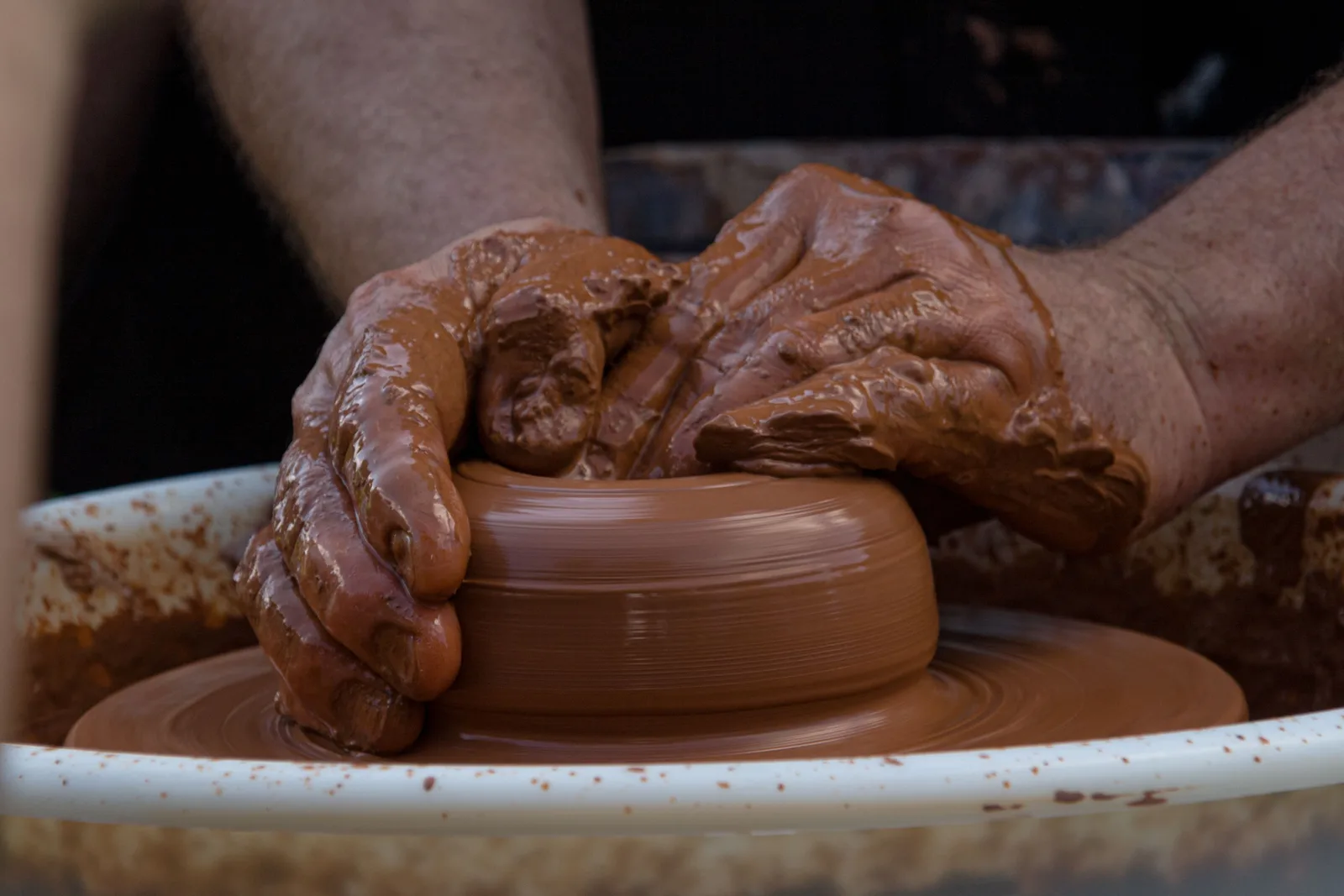
A friend of mine, a potter in her mid-fifties, told me she almost quit her craft. Her hands had become so stiff and swollen by midday that throwing clay felt like gripping hot sand. Her rheumatologist prescribed NSAIDs. They helped, but the side effects (stomach pain, fatigue) were creating new problems.
Then she changed how she ate. Not dramatically. She started cooking with turmeric and ginger daily, switched from vegetable oil to sesame oil and ghee, and drank golden milk before bed. Within six weeks, her morning stiffness dropped from two hours to twenty minutes. She still takes medication. But less of it.
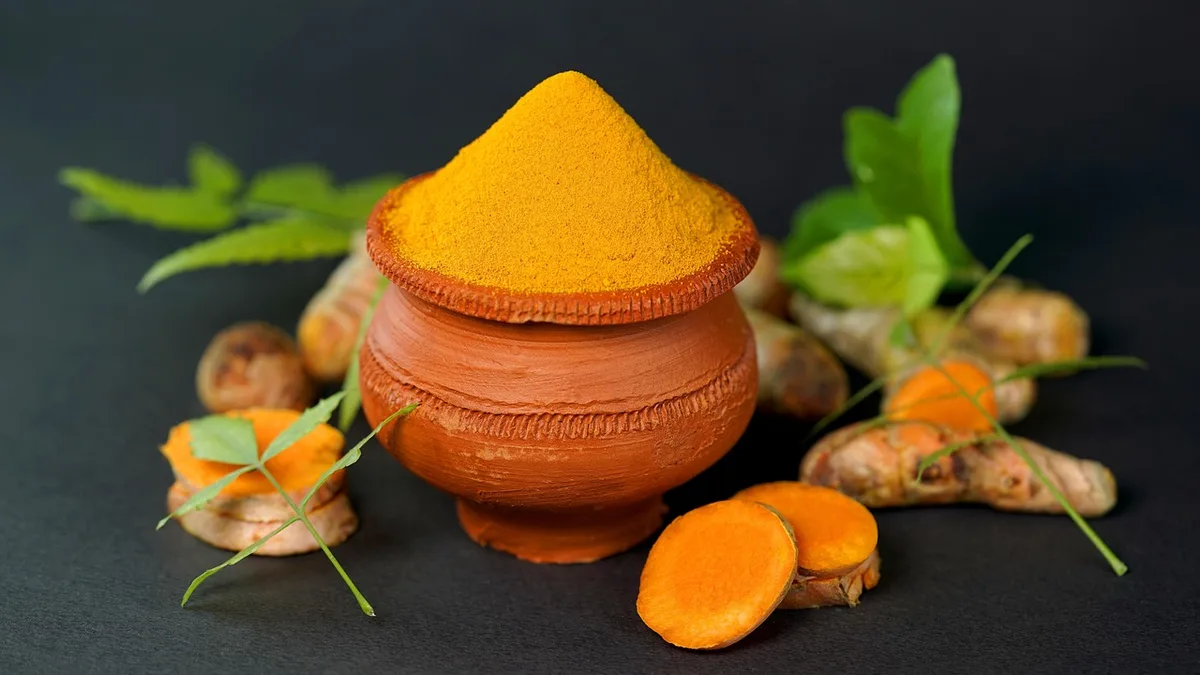
Her story isn't unusual. Anti-inflammatory foods for joint pain won't replace medical treatment, but a growing body of research suggests they can meaningfully reduce the inflammatory load that drives stiffness, swelling, and pain. And unlike NSAIDs, the side effects of turmeric in your soup and ginger in your tea tend to be better digestion, not worse.
How Inflammation Drives Joint Pain
Joint pain, whether from osteoarthritis, rheumatoid arthritis, or general wear, is fundamentally an inflammatory condition.
In osteoarthritis (the most common form, affecting over 32 million Americans), cartilage breakdown triggers a cascade of inflammatory cytokines, primarily IL-6 and TNF-alpha. These molecules recruit immune cells to the joint, causing swelling and pain. The process feeds itself: inflammation degrades more cartilage, which triggers more inflammation.
Rheumatoid arthritis works differently. The immune system attacks the synovial membrane (the tissue lining the joint), but the downstream damage is still driven by the same inflammatory molecules.
Here's what matters for food choices: both types involve chronic, low-grade systemic inflammation. The foods you eat either add fuel to that inflammation or help contain it. A 2021 systematic review and meta-analysis by Schönenberger and colleagues in Nutrients pooled controlled trials on anti-inflammatory diets in rheumatoid arthritis and found that diet-based interventions reduced pain scores; observational studies have linked the same dietary patterns to lower C-reactive protein and decreased NSAID use.
You can't eat your way out of arthritis. But you can eat in a way that makes it significantly more manageable.
Turmeric and Black Pepper: The Most Studied Pair
If there's a single food combination with the most evidence for joint inflammation, it's turmeric with black pepper.
Curcumin, turmeric's primary bioactive compound, inhibits NF-kB, a protein complex that acts as a master switch for inflammatory gene expression. When NF-kB is activated, it triggers production of the same cytokines (IL-6, TNF-alpha, COX-2) that drive joint pain. Curcumin's mechanism of action overlaps substantially with ibuprofen's, which also targets COX-2 enzymes.
The clinical evidence is now substantial. A 2016 meta-analysis by Daily and colleagues in the Journal of Medicinal Food pooled 8 randomized controlled trials and found turmeric/curcumin significantly reduced joint pain and improved function in osteoarthritis patients. A 2019 randomized trial by Shep and colleagues in Trials compared curcumin directly to diclofenac (a common prescription NSAID) in knee osteoarthritis and found comparable pain reduction with fewer gastrointestinal side effects.
The catch is bioavailability. Curcumin on its own is poorly absorbed. Your liver clears it before it reaches meaningful blood levels. Black pepper changes this equation entirely. Piperine, black pepper's primary alkaloid, inhibits the liver enzyme (CYP3A4) that breaks down curcumin. The foundational pharmacokinetic work, Shoba and colleagues 1998 in Planta Medica, measured a roughly 2,000% increase in curcumin bioavailability when it was co-administered with piperine.
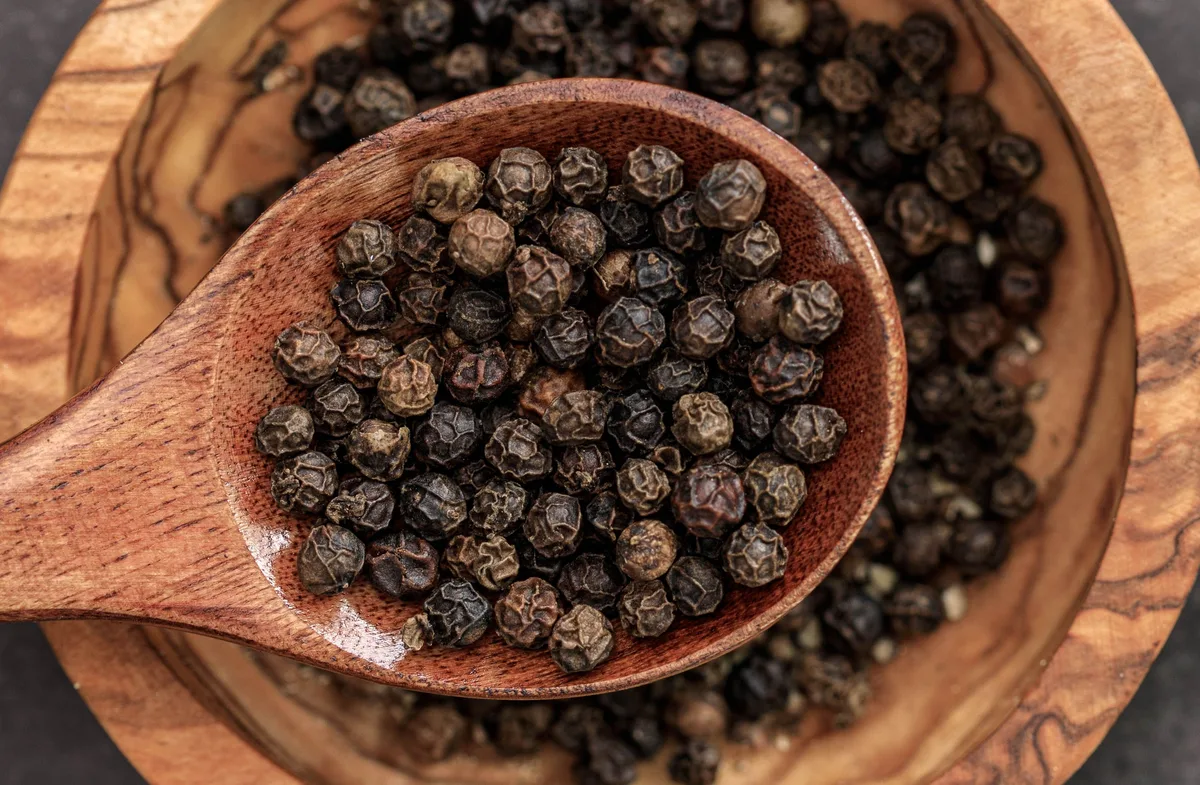
In Ayurveda, this pairing has been standard practice for millennia. Black pepper is called yogavahi, a substance that enhances the delivery of other compounds. The classical Ayurvedic formula trikatu (black pepper + dried ginger + long pepper) was designed specifically to make other herbs more potent. Modern pharmacology calls this "bioenhancement." Ayurveda called it common sense.
How to eat it: Golden milk is the most direct delivery method. Warm milk (dairy or plant-based), a teaspoon of turmeric, a generous grind of black pepper, a coin of fresh ginger, and a teaspoon of ghee or coconut oil. The fat is important: curcumin is fat-soluble, so consuming it with fat further improves absorption. Drink this nightly. Many people report noticeable changes in morning stiffness within 2 to 3 weeks.
For deeper coverage on cooking with turmeric, ginger, and other anti-inflammatory spices, see our guide to the best anti-inflammatory spices for cooking.
Ginger: The Anti-Inflammatory That Moves
Ginger addresses joint pain from a different angle than turmeric. Where curcumin primarily blocks inflammatory gene expression, ginger's gingerols and shogaols directly inhibit prostaglandin synthesis, the chemical pathway that produces pain signals at the site of inflammation.
A meta-analysis (the official journal of the Osteoarthritis Research Society International) reviewed 5 trials with 593 patients and found that ginger significantly reduced pain and disability in osteoarthritis. The effect size was moderate but consistent, roughly equivalent to low-dose ibuprofen in several head-to-head comparisons.
In Traditional Chinese Medicine, ginger is classified as a warming herb that promotes circulation and disperses cold. TCM attributes much joint pain (particularly pain that worsens in cold or damp weather) to cold stagnation in the meridians. Ginger's warming properties are thought to restore the flow of qi and blood through affected joints.
There's a physiological basis for this. Ginger increases peripheral blood flow, which can improve nutrient delivery to joint tissue and promote clearance of inflammatory metabolites. If your joints feel worse on cold, rainy days, ginger may be particularly relevant.
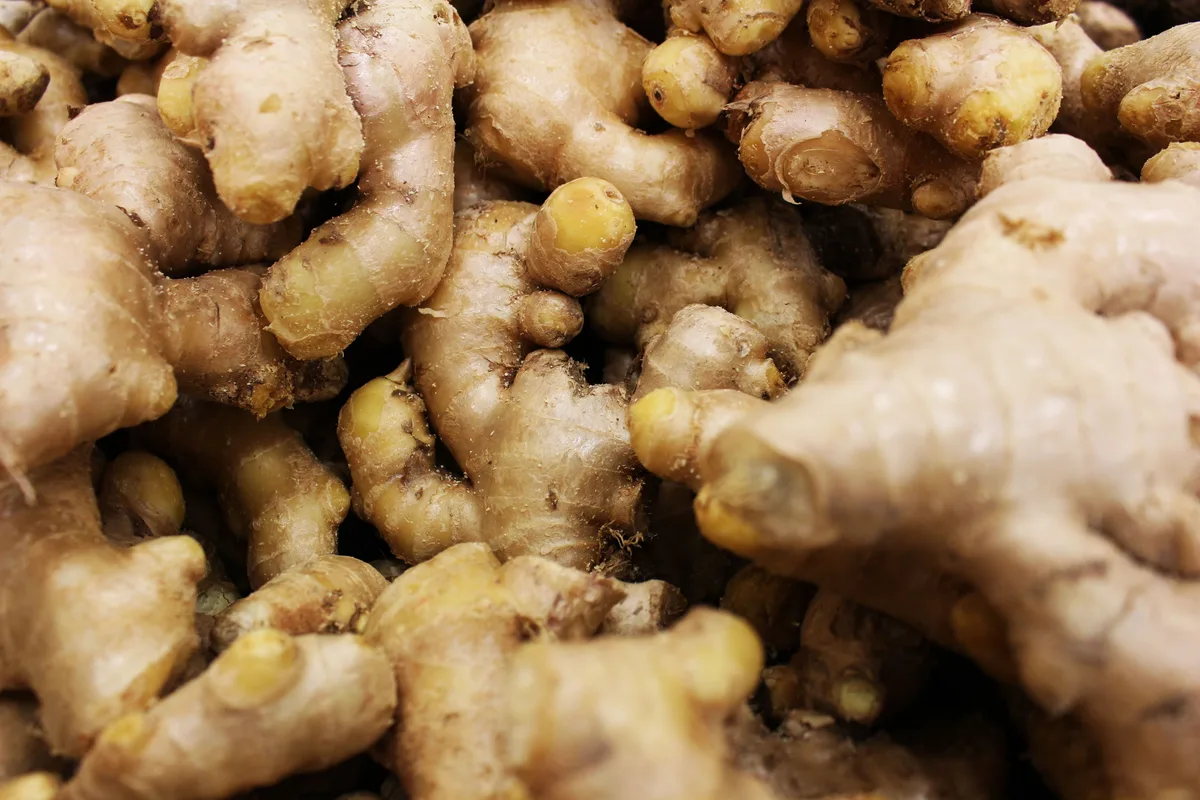
Three ways to use ginger for joint pain:
-
Morning ginger tea: Grate a thumb-sized piece into boiling water, steep 10 minutes, strain. Add honey if you like. This delivers approximately 1-2 grams of ginger, within the therapeutic range identified in clinical studies.
-
Tom kha gai: This Thai coconut-galangal soup uses galangal (ginger's close relative) and often fresh ginger alongside it. The coconut milk provides fat for nutrient absorption, and the soup format delivers warmth and hydration. It's comfort food that happens to be therapeutic.
-
Ginger in daily cooking: Add sliced or grated ginger to stir-fries, curries, soups, and rice dishes. Fresh ginger in hot oil at the start of cooking (a technique universal across Chinese and Southeast Asian cooking) releases its bioactive compounds into the fat, making them more absorbable.
Bone Broth and Collagen-Rich Foods
Spiced bone broth occupies a unique position in joint health. It's not anti-inflammatory in the same direct way that turmeric or ginger are. Instead, it provides raw materials that joint tissue needs to repair and maintain itself.
Bone broth simmered for 12 to 24 hours extracts collagen (primarily type II collagen, the form found in cartilage), glycosaminoglycans (including glucosamine and chondroitin), and amino acids like glycine and proline. These are the same compounds sold as joint supplements, but in whole-food form alongside cofactors that enhance their utilization.
Studies have found that collagen hydrolysate supplementation (which bone broth provides naturally) reduced joint pain in athletes by 24% compared to placebo over 24 weeks. Reviews have confirmed that collagen supplementation improved joint pain and function across multiple trials.
Korean samgyetang (ginseng chicken soup) takes this principle further. A whole young chicken is simmered with ginseng root, jujubes, garlic, and rice inside the cavity. The long simmer extracts collagen from the chicken bones while the ginseng contributes ginsenosides, compounds that have demonstrated anti-inflammatory activity in multiple studies. In Korean tradition, samgyetang is considered a restorative food specifically for joint and bone health in older adults.
Practical note: Store-bought "bone broth" often contains very little actual collagen. The test is simple: refrigerate it. Real bone broth should gel (set like Jello) when cold. If it stays liquid, it was cooked too briefly to extract meaningful collagen. Make your own with our spiced bone broth recipe, which adds turmeric, ginger, and black pepper to the simmer for compounded anti-inflammatory benefit.
Omega-3 Fats: The Inflammation Regulator
Omega-3 fatty acids (EPA and DHA from fish; ALA from plants) compete with omega-6 fatty acids for the same enzymatic pathways. When omega-3s win that competition, the body produces resolvins and protectins, molecules that actively resolve inflammation rather than promote it.
Most modern diets have an omega-6 to omega-3 ratio of roughly 15:1 to 20:1. Traditional diets (including those in Mediterranean, Japanese, and South Asian food cultures) were closer to 2:1 or 3:1. That imbalance alone creates a pro-inflammatory baseline.
Meta-analyses have found that omega-3 supplementation reduced morning stiffness and joint tenderness in rheumatoid arthritis patients, with some studies showing reduced NSAID dependence.
Food sources that matter:
- Fatty fish (salmon, mackerel, sardines): 2 to 3 servings per week provides approximately 1.5 to 3 grams of EPA/DHA, within the therapeutic range
- Walnuts and flaxseeds: Good plant-based sources of ALA, though conversion to EPA/DHA is limited (roughly 5-10%)
- Sesame oil: While not an omega-3 source, sesame oil contains sesamin and sesamol, compounds that clinical research found to have independent anti-inflammatory effects on joint tissue. Ayurvedic tradition uses warm sesame oil for joint massage (abhyanga), and several studies have found topical sesame oil comparable to NSAIDs for knee osteoarthritis pain
The Quieter Allies: Fenugreek, Cinnamon, and Cloves
Not every anti-inflammatory food gets headlines. Some of the most effective options are supporting players that you add to your cooking without thinking twice.
Fenugreek seeds contain diosgenin, a steroidal sapogenin with structural similarity to cortisone. Clinical trials have found that fenugreek extract (500mg daily) significantly reduced knee pain and improved physical function in osteoarthritis patients over 12 weeks. In Ayurveda, fenugreek is specifically prescribed for joint conditions associated with Vata imbalance (dryness, cracking, stiffness). Soak a teaspoon of fenugreek seeds overnight and consume them in the morning, or add ground fenugreek to curries and dal.
Cinnamon (true Ceylon cinnamon, not cassia) contains cinnamaldehyde, which inhibits IL-1β and TNF-alpha, two cytokines directly involved in cartilage degradation. Studies have found that cinnamon supplementation reduced CRP levels (a systemic inflammation marker) by 35% in patients with rheumatoid arthritis. Add half a teaspoon to oatmeal, golden milk, or rice dishes.
Cloves contain eugenol, a compound that inhibits COX-2 (the same enzyme targeted by celecoxib, a prescription anti-inflammatory). Cloves have the highest ORAC score (a measure of antioxidant capacity) of any spice. Use them in spice blends, stud them into braised meats, or add 2 to 3 whole cloves to chai tea.
What to Avoid: Pro-Inflammatory Foods
Eating anti-inflammatory foods while consuming pro-inflammatory ones is like bailing water from a leaking boat. Both sides of the equation matter.
Refined seed oils (soybean, corn, sunflower, safflower): These are extremely high in omega-6 linoleic acid, which the body converts to arachidonic acid, the precursor to inflammatory prostaglandins. Switching cooking oils is often the single highest-impact change for joint pain. Use ghee, olive oil, coconut oil, or sesame oil instead.
Added sugar and refined carbohydrates: Sugar triggers the release of inflammatory cytokines through a mechanism involving advanced glycation end products (AGEs). Studies have found that a single serving of sugar-sweetened soda increased inflammatory markers within 30 minutes.
Excessive alcohol: Moderate alcohol increases intestinal permeability ("leaky gut"), allowing bacterial endotoxins into the bloodstream. The immune response to these endotoxins generates systemic inflammation that localizes in vulnerable tissues, including joints.
Processed meats: Contain AGEs, nitrates, and arachidonic acid, all of which contribute to inflammatory signaling.
An Ayurvedic Framework for Joint Pain
Ayurveda categorizes joint pain by dosha, and the dietary approach differs for each:
Vata-type joint pain (cracking, popping, dry stiffness, pain that moves between joints, worsens with cold and wind): Emphasize warm, oily foods. Ghee, sesame oil, warm soups, and well-cooked stews. Khichdi with extra ghee and warming spices. Avoid raw, cold, and dry foods. Fenugreek and garlic are considered particularly beneficial.
Pitta-type joint pain (hot, red, inflamed joints, burning sensation, pain that worsens with heat): Emphasize cooling, anti-inflammatory foods. Turmeric is the primary spice (it's one of the few that Ayurveda considers both anti-inflammatory and cooling). Avoid hot spices, alcohol, and fermented foods during flares. Coconut oil replaces sesame oil.
Kapha-type joint pain (heavy, dull, swollen, stiff joints, especially in the morning): Emphasize light, warming, drying foods. Strong spice blends with ginger, black pepper, and cloves. Reduce dairy, wheat, and heavy proteins. Movement is considered as important as food in Kapha-type joint conditions.
This framework isn't diagnostic. But if you recognize your pattern, it can help you prioritize which anti-inflammatory foods to emphasize.
A Day of Eating for Joint Pain
This isn't a prescription. It's an example of how anti-inflammatory principles look on a plate.
Morning: Warm water with fresh ginger and lemon. Wait 20 minutes, then eat. Oats cooked with cinnamon, a teaspoon of ghee, and a pinch of turmeric. Or khichdi with extra ginger if you prefer a savory start.
Midday: The largest meal of the day (an Ayurvedic principle that aligns with circadian digestive research). Fatty fish with roasted vegetables dressed in olive oil. Or a warming bowl of tom kha gai with its galangal, lemongrass, and coconut milk base.
Afternoon: Golden milk instead of coffee. The combination of turmeric, ginger, black pepper, and fat in warm milk is specifically formulated for anti-inflammatory benefit. If you're sensitive to caffeine's effect on cortisol (and cortisol amplifies inflammation), this swap alone can make a noticeable difference.
Evening: Lighter than midday. Spiced bone broth with cooked vegetables. A cup of ginger tea after the meal.
Consistency matters more than intensity. A teaspoon of turmeric every day for three months will do more for your joints than a tablespoon once a week. Build these foods into your daily routine rather than treating them as occasional interventions.
Frequently Asked Questions
How long before anti-inflammatory foods help joint pain?
Most clinical studies show measurable improvement in pain and stiffness within 4 to 8 weeks of consistent dietary change. Some people notice subtle shifts (reduced morning stiffness, less end-of-day swelling) within 2 weeks. The effect is cumulative and depends on the overall dietary pattern, not any single food.
Can food replace joint pain medication?
For some people with mild to moderate osteoarthritis, dietary changes combined with exercise can reduce or eliminate the need for over-the-counter pain relievers. For autoimmune conditions like rheumatoid arthritis, food works best alongside medical treatment, not as a replacement. Always discuss medication changes with your healthcare provider.
Is turmeric or ginger better for joint pain?
They work through different mechanisms and are most effective together. Turmeric (curcumin) blocks inflammatory gene expression at a systemic level. Ginger inhibits prostaglandin synthesis at the local tissue level and improves circulation to joints. Using both daily covers more of the inflammatory pathway than either alone.
Does nightshade sensitivity really affect joint pain?
Some people report that nightshade vegetables (tomatoes, peppers, eggplant, potatoes) worsen joint pain. The proposed mechanism involves solanine alkaloids, but research is limited and mixed. If you suspect a sensitivity, eliminate nightshades for 3 weeks and reintroduce them one at a time, noting any changes. Most people with joint pain do not have nightshade sensitivity.
Your Kitchen Is a Pharmacy
Joint pain narrows your world. It makes you hesitate before reaching for a jar, think twice about a walk, give up hobbies that once defined you.
The foods in this guide won't undo joint damage. But they can reduce the inflammatory fire that makes existing damage so painful. And they do it through meals worth eating: a bowl of golden milk with the warmth of ginger and the earthy depth of turmeric, a pot of spiced bone broth simmered until the house smells like a spice market, a plate of fish with a generous grind of black pepper and a drizzle of good olive oil.
Start with one change. Golden milk before bed, every night, for three weeks. Then build from there. For a structured approach, see our guide on how to start an anti-inflammatory diet.
Comments
Share your thoughts on this post.
Sign in to comment0 Comments