Anti-Inflammatory Foods for Gut Health: Healing the Fire Inside
Anti-Inflammatory Foods for Gut Health: Healing the Fire Inside
Something was wrong with my digestion for the better part of a year. Not dramatically wrong. No emergency room visits, no alarming test results. Just a persistent, low-level discomfort: bloating after most meals, a dull ache below my ribs, food sensitivities that seemed to multiply by the month. Tomatoes, then onions, then garlic, then dairy. My "safe" food list kept shrinking.
My gastroenterologist used a phrase I hadn't heard before: "subclinical gut inflammation." Not inflammatory bowel disease, not celiac, not an infection. Just a gut lining that was chronically irritated, more permeable than it should be, and triggering immune responses to foods that shouldn't have been a problem.
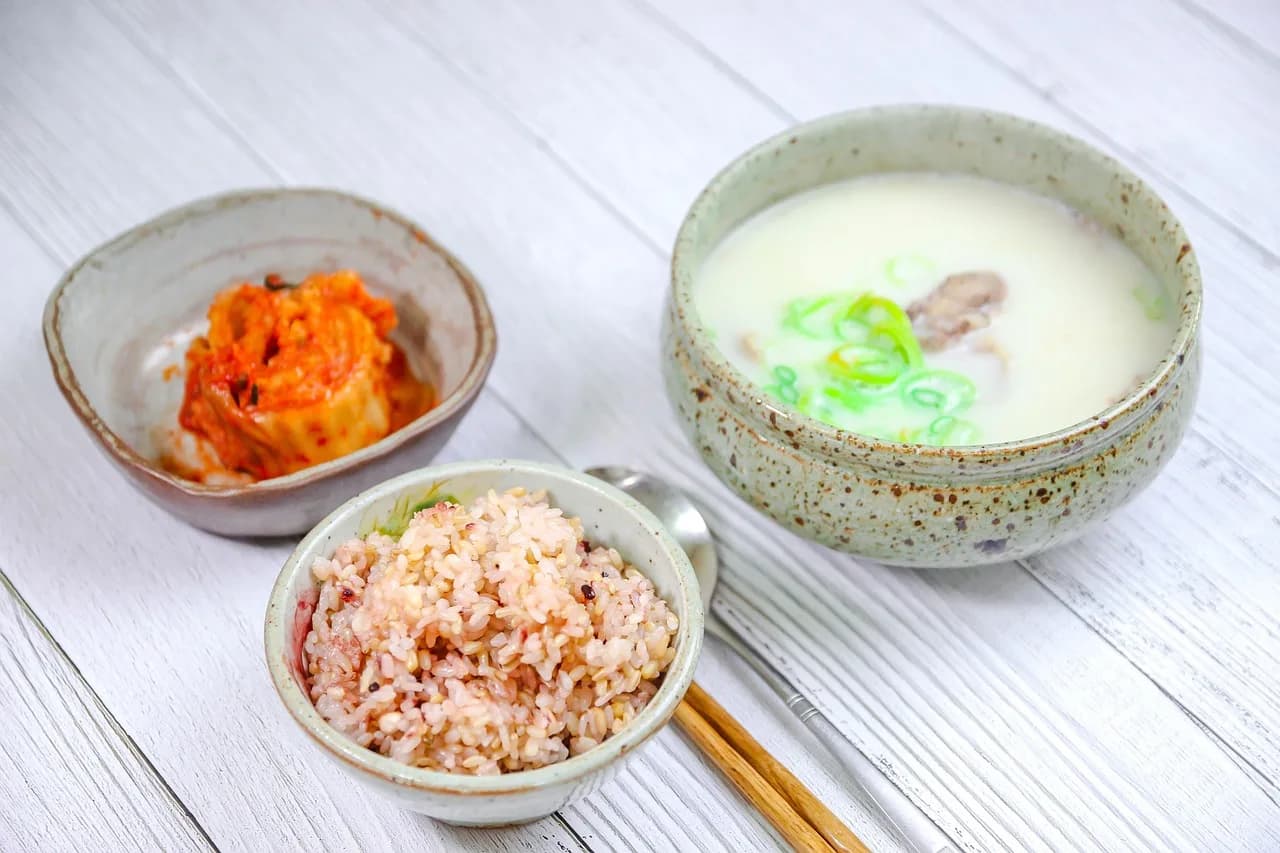
The turning point wasn't a medication. It was a shift toward anti-inflammatory foods for gut health: bone broth, turmeric in everything, miso soup as a daily ritual, and the gradual elimination of the refined oils and sugars that were feeding the fire. Six months later, I could eat garlic again.
This is a guide to the foods that reduce gut inflammation, why they work, and how to build them into meals that actually taste good.
The Gut Inflammation Problem Most People Don't Know They Have
Here's what makes gut inflammation tricky: you can have significant intestinal inflammation without dramatic symptoms.
The gut lining is a single cell layer thick. One cell. That's all that separates the contents of your intestines (food particles, bacteria, waste products) from your bloodstream and immune system. When this lining is inflamed, the tight junctions between cells loosen. Small molecules that should stay in the gut leak through. The immune system, encountering these foreign molecules in the bloodstream, mounts an inflammatory response.
This is intestinal permeability, colloquially called "leaky gut." While the term has been overused in wellness marketing, the underlying science is real and well-documented. Reviews have confirmed that increased intestinal permeability is associated with IBS, metabolic syndrome, autoimmune conditions, and food sensitivities.
The symptoms are often vague: bloating, fatigue, brain fog, joint pain, skin issues, and a growing list of food intolerances. The connection between these seemingly unrelated symptoms is intestinal inflammation.
Anti-inflammatory foods for gut health work by reducing the inflammation that damages the gut lining, providing building blocks for gut barrier repair, and supporting the beneficial bacteria that maintain barrier integrity.
Bone Broth: Gut Repair in a Bowl
If there's a single food that traditional healing systems worldwide agree on for gut repair, it's long-simmered bone broth.
Spiced bone broth provides three compounds that directly support gut lining integrity:
Glutamine is the primary fuel source for enterocytes (the cells that line your small intestine). Unlike most cells, which run on glucose, enterocytes prefer glutamine. When glutamine is scarce, these cells can't maintain the tight junctions that prevent permeability. Studies have found that glutamine supplementation improved intestinal barrier function and reduced inflammation markers in patients with intestinal permeability.
Glycine is an amino acid with direct anti-inflammatory effects on the gut. clinical research found that glycine inhibits inflammatory cytokine production in intestinal tissue and promotes mucus secretion, which protects the gut lining from digestive acids and enzymes.
Gelatin (the cooked form of collagen) coats the intestinal lining, creating a protective layer that reduces irritation. In Traditional Chinese Medicine, gelatin-rich bone broths have been prescribed for digestive weakness for centuries. TCM practitioners consider this type of food essential for rebuilding wei qi (protective energy) of the digestive organs.
How to use it: Drink 1 to 2 cups of warm bone broth daily, ideally before meals. The broth primes the gut lining before food arrives. Our spiced bone broth recipe adds turmeric, ginger, and black pepper, compounding the anti-inflammatory effect. Remember: it should gel when refrigerated. If it doesn't, it wasn't simmered long enough to extract meaningful collagen.
Turmeric: The Gut's Fire Extinguisher
Turmeric appears in nearly every list of anti-inflammatory foods, and for gut inflammation specifically, the evidence is particularly strong.
Curcumin, turmeric's primary active compound, works on gut inflammation through multiple pathways:
It inhibits NF-kB activation in intestinal epithelial cells, reducing the production of inflammatory cytokines at the gut lining itself. It modulates the gut microbiome, increasing the abundance of anti-inflammatory bacterial species (particularly Bifidobacterium and Lactobacillus). And it directly strengthens tight junction proteins, reducing intestinal permeability.
A 2006 randomized trial by Hanai and colleagues in Clinical Gastroenterology and Hepatology found that curcumin combined with standard mesalamine therapy maintained remission in ulcerative colitis significantly better than mesalamine alone. While this was studied in clinical IBD, the mechanisms apply to subclinical gut inflammation as well.
In Ayurveda, turmeric is considered one of the most important herbs for digestive health. It's classified as both anti-inflammatory and digestive (deepana-pachana), meaning it reduces inflammation while simultaneously improving the digestive process. This dual action is unusual. Most anti-inflammatory agents (including NSAIDs) actually impair digestion by reducing stomach acid and damaging the gut lining. Turmeric does the opposite.
The absorption problem: Curcumin is poorly absorbed on its own. Always consume turmeric with black pepper (piperine increases absorption by up to 2,000%) and fat (curcumin is fat-soluble). Golden milk delivers all three: turmeric, black pepper, and the fat from milk or coconut milk.
For more on turmeric and other anti-inflammatory spices, see our guide to anti-inflammatory spices for cooking.
Fermented Foods: Putting Out the Fire from the Inside
Gut inflammation and the microbiome exist in a feedback loop. Inflammation disrupts the microbial community, and a disrupted microbial community produces more inflammation. Breaking this cycle requires reintroducing beneficial bacteria that actively suppress inflammatory signaling.
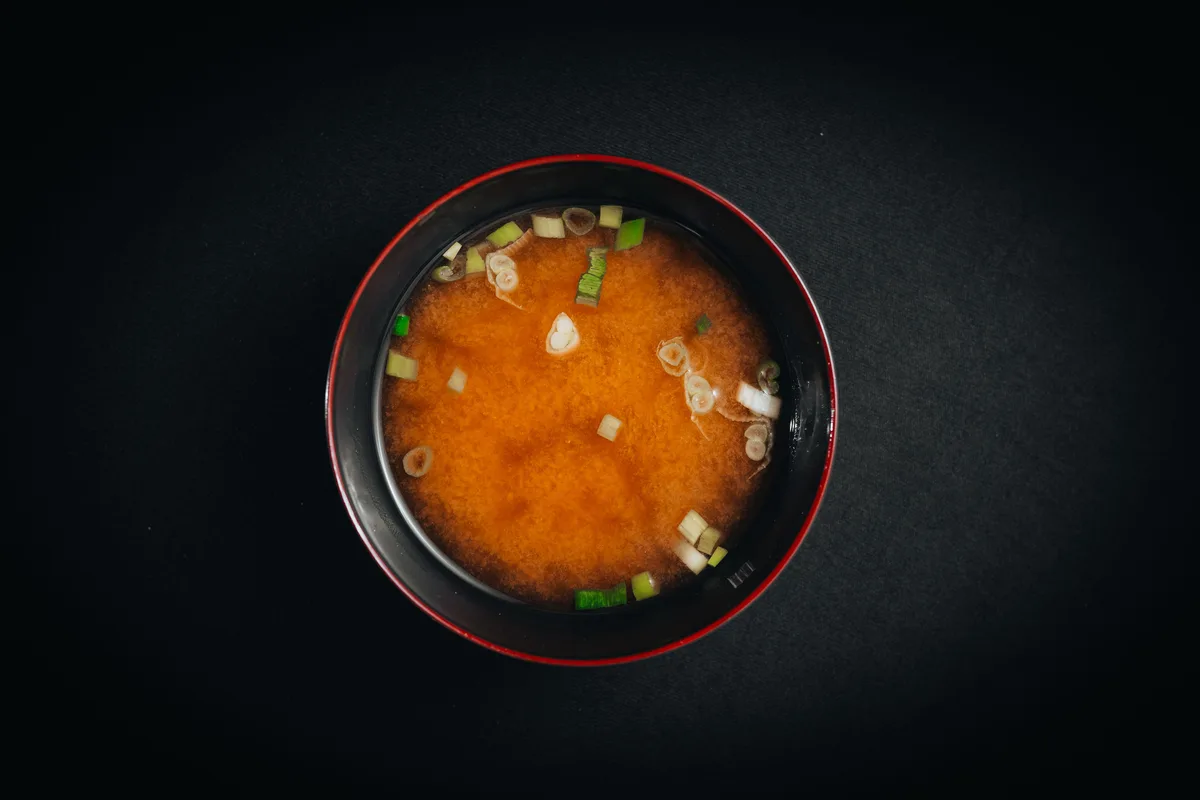
Miso is one of the most effective fermented foods for gut inflammation. Unlike many probiotic foods, miso delivers both live bacteria and the prebiotic substrates those bacteria feed on. The fermentation process also produces short-chain fatty acids (SCFAs), particularly butyrate, which directly nourishes colonocytes and reduces inflammatory gene expression.
Studies have found that regular miso consumption was associated with improved markers of gut barrier function. Miso shiru (simple miso soup) is the most direct way to consume it. Dissolve the paste into warm broth (not boiling, which kills the live cultures). For added anti-inflammatory and immune support, try our miso soup with ginger and reishi, which adds ginger and reishi mushroom beta-glucans.
Yogurt provides Lactobacillus and Bifidobacterium species that produce lactic acid, lowering intestinal pH to levels that suppress pathogenic bacteria. Choose plain, unsweetened varieties with live active cultures. The added sugars in flavored yogurt can feed inflammatory bacteria and negate the probiotic benefit.
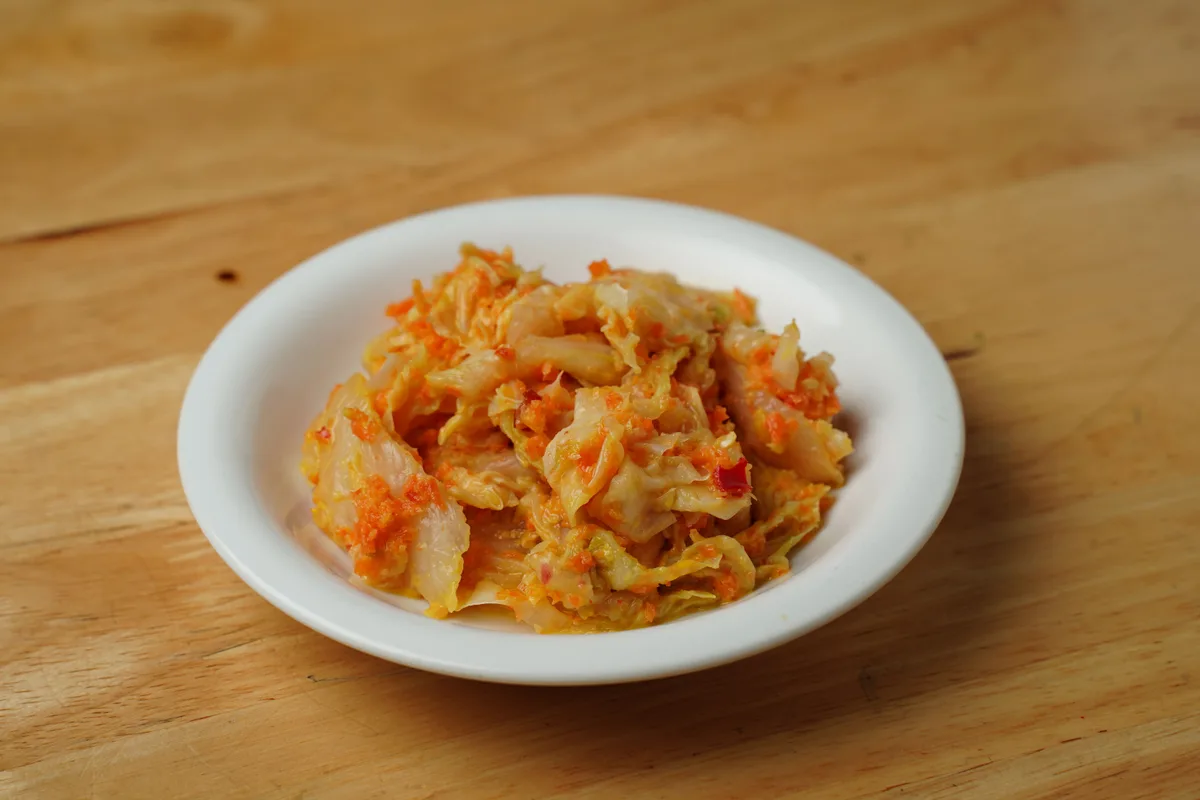
Kimchi contains Lactobacillus plantarum, one of the most studied probiotic strains for gut barrier function. clinical research (2021) found that L. plantarum supplementation reduced markers of intestinal permeability in patients with IBS. Kimchi jjigae is a cooked form that's gentler on sensitive stomachs while retaining the prebiotic fiber and lactic acid.
Timing matters. If your gut is acutely inflamed, start with miso (the gentlest fermented food) and introduce other fermented foods gradually over 1 to 2 weeks. Introducing too many new bacterial strains at once can temporarily increase bloating. See our guide on best foods for bloating and gas for strategies to manage this transition.
Ghee: The Ayurvedic Gut Healer
Ghee holds a unique position among anti-inflammatory gut foods. It's the only cooking fat that traditional medicine systems across South Asia specifically prescribe for intestinal healing.
The reason is butyric acid. Ghee contains approximately 3-4% butyric acid by weight, making it one of the richest dietary sources of this short-chain fatty acid. Butyrate is the preferred fuel of colonocytes (the cells lining your large intestine). When colonocytes are well-nourished, they maintain a thicker mucus layer, tighter cellular junctions, and lower levels of inflammatory signaling.
Reviews have found that butyrate supplementation reduced intestinal inflammation and improved gut barrier function across multiple clinical trials. Most butyrate supplements deliver sodium butyrate, which has to survive stomach acid to reach the colon. Ghee's butyric acid is delivered within a fat matrix that protects it through the upper digestive tract.
In Ayurveda, medicated ghee (ghee infused with anti-inflammatory herbs) is a cornerstone of gut healing protocols. Even plain ghee, taken in warm water first thing in the morning, is considered foundational for digestive health.
How to use it: Replace inflammatory cooking oils (soybean, corn, canola) with ghee for high-heat cooking. Add a teaspoon to warm water each morning (the Ayurvedic standard). Stir it into congee, khichdi, or rice. Use it as the base fat for tempering spices in Indian cooking. The smoke point of ghee (250°C/482°F) makes it stable for virtually any cooking method.
Soothing Herbs: Licorice Root, Holy Basil, and Moringa
Three ingredients deserve attention for their specific gut-soothing properties, even though they rarely appear in mainstream anti-inflammatory food lists.
Licorice root (Glycyrrhiza glabra) contains glycyrrhizin, a compound that stimulates mucus production in the stomach and intestines. This mucus layer is your gut lining's first line of defense. In TCM, licorice root is called gan cao and appears in more classical formulas than any other herb, often specifically to protect the digestive tract from the harshness of other ingredients. clinical research found that deglycyrrhizinated licorice (DGL) reduced symptoms of functional dyspepsia by 50% over 30 days.
Holy basil (tulsi) is classified in Ayurveda as a rasayana (rejuvenative) herb with specific affinity for the digestive tract. Tulsi contains ursolic acid and rosmarinic acid, both of which have demonstrated anti-inflammatory activity in gut tissue. Studies have found that tulsi extract reduced cortisol levels. Since cortisol directly increases intestinal permeability (the stress-gut connection), managing cortisol is a legitimate gut-healing strategy. Brew tulsi tea and drink it between meals.
Moringa leaves contain isothiocyanates, compounds that activate the Nrf2 pathway, your body's master switch for antioxidant and anti-inflammatory gene expression. clinical research (2020) found that moringa leaf extract reduced colonic inflammation in animal models by 65%. In South Asian and African food traditions, moringa leaves are added to soups, stews, and dal specifically for digestive support. Add moringa powder to smoothies, stir it into dal, or brew it as tea.
The Gut-Inflammation Diet Pattern
Individual foods matter, but the overall pattern matters more. A study (the journal of the British Society of Gastroenterology) analyzed the dietary patterns of over 1,400 participants and identified specific patterns associated with gut inflammation. The anti-inflammatory gut pattern included:
Foods strongly associated with reduced gut inflammation:
- Fermented foods (miso, yogurt, kimchi, sauerkraut)
- Fatty fish (salmon, mackerel, sardines) eaten 2-3 times per week
- Deeply colored vegetables (cooked, not raw during active inflammation)
- Whole grains, legumes, and lentils
- Spices (turmeric, ginger, cumin, coriander, fennel seeds)
- Bone broth
- Ghee and olive oil as primary cooking fats
Foods strongly associated with increased gut inflammation:
- Refined seed oils (soybean, corn, sunflower)
- Added sugars and artificial sweeteners (sucralose was specifically linked to microbiome disruption)
- Ultra-processed foods
- Excessive alcohol
- Emulsifiers (polysorbate 80, carboxymethylcellulose) found in many packaged foods
The study's most striking finding: participants who ate the anti-inflammatory pattern had 40% lower fecal calprotectin levels (a direct marker of intestinal inflammation) regardless of other variables like exercise or BMI.
Two Traditional Frameworks for Gut Inflammation
The Ayurvedic Approach
Ayurveda views gut inflammation primarily as a Pitta imbalance. Pitta governs transformation and digestion, and when aggravated, it creates excess heat and acidity in the digestive tract.
The Ayurvedic protocol for gut inflammation follows a clear progression:
- Simplify with khichdi for 2 to 3 days (reduces digestive load)
- Cool with Pitta-pacifying foods: ghee, coconut, coriander, fennel seeds, turmeric
- Rebuild with gradually increasing complexity and fermented foods
- Maintain with daily ghee, digestive spices, and warm meals
This maps remarkably well onto the gut reset protocol described in our how to reset your gut naturally guide, which was developed from a combination of Ayurvedic principles and microbiome research.
The TCM Approach
Traditional Chinese Medicine attributes gut inflammation to "damp-heat" in the spleen and stomach. The treatment principle is to clear heat while strengthening the spleen's digestive function.
Key TCM foods for gut inflammation include congee (the foundation of spleen-strengthening therapy), ginger (to warm and move stagnation), and mung beans (to clear damp-heat). The TCM approach also emphasizes when you eat: the stomach is considered strongest between 7am and 9am, making breakfast the most important meal for gut repair. Eating the largest meal at midday and keeping dinner light is a core TCM dietary principle that research on circadian digestive rhythms now supports.
Frequently Asked Questions
How long does it take to reduce gut inflammation with food?
Gut lining cells turn over every 3 to 5 days, so the physical surface of your gut is replaced rapidly. Noticeable symptom improvement (less bloating, fewer food reactions, more regular bowel movements) typically begins within 2 to 4 weeks of consistent dietary change. Full microbiome remodeling takes 8 to 12 weeks. The more inflamed you are at baseline, the longer recovery takes.
Can gut inflammation cause problems outside the gut?
Yes. This is one of the most important recent findings in gastroenterology. Intestinal inflammation increases gut permeability, allowing bacterial endotoxins and food proteins into the bloodstream. The resulting immune response can manifest as joint pain, skin issues (eczema, acne, psoriasis), brain fog, fatigue, and mood disturbances. Reducing gut inflammation often improves these seemingly unrelated symptoms.
Should I take a probiotic supplement or eat fermented foods?
Fermented foods are generally more effective than supplements for two reasons. First, they contain diverse bacterial strains (miso alone can contain dozens of species), while most supplements contain only 1 to 10 strains. Second, fermented foods provide the prebiotic matrix (fiber, sugars) that the bacteria need to survive and colonize. The Stanford fermented food study (2021) used food-based probiotics, not supplements, and achieved a 30% increase in microbial diversity.
Is bone broth actually helpful, or is it just a trend?
The specific compounds in bone broth (glutamine, glycine, gelatin) have demonstrated gut-healing properties in clinical research. The trend aspect is the marketing around it. A well-made bone broth simmered for 12 to 24 hours with vinegar (to extract minerals from bones) delivers measurable amounts of these compounds. A "bone broth" simmered for 2 hours does not. Quality and preparation matter more than the label.
The Quietest Medicine
Gut inflammation doesn't announce itself the way a broken bone or a fever does. It builds slowly, quietly reshaping your relationship with food until eating becomes something you navigate with caution rather than enjoy with pleasure.
The foods in this guide reverse that trajectory. Not overnight. Not dramatically. But consistently, meal by meal, in a way that traditional kitchens understood long before we had the vocabulary to explain it.
Start with a cup of spiced bone broth before dinner and a bowl of miso shiru with lunch. Cook with ghee instead of seed oils. Add turmeric and ginger to everything that will hold them. Within a month, your gut will start telling you whether it's working. Listen to it.
For a structured approach to rebuilding your gut, see our 7-day gut reset guide. For a complete picture of anti-inflammatory eating, explore how to start an anti-inflammatory diet.
Comments
Share your thoughts on this post.
Sign in to comment0 Comments