Best Foods for Bloating and Gas: What Actually Works
Best Foods for Bloating and Gas: What Actually Works
That tight, distended feeling after eating. The discomfort that makes you unbutton your jeans by 3pm. The embarrassment of a digestive system that seems to announce itself at the worst moments.
Bloating affects an estimated 16-30% of the general population regularly, according to clinical research. It's one of the most common digestive complaints doctors hear, and one of the least satisfying to treat with conventional medicine. The standard advice ("eat less fiber, take an antacid, try elimination") often misses the real issue.
Here's what traditional food cultures understood that modern advice often overlooks: the problem usually isn't what you're eating. It's how you're preparing it and what's missing from the meal. Indian dal recipes include asafoetida and cumin specifically because these spices reduce the gas that legumes produce. Korean cuisine pairs heavy, fermented dishes with soups that ease digestion. Japanese meals end with miso broth.
These aren't coincidences. They're solutions that developed over centuries of daily cooking.
Why Bloating Happens (The Short Version)
Bloating comes from two main sources: excess gas production in the gut and impaired gas transit (your body producing gas at a normal rate but struggling to move it through).
Gas itself is normal. Your gut bacteria ferment undigested carbohydrates, particularly fiber and FODMAPs (fermentable oligosaccharides, disaccharides, monosaccharides, and polyols), and produce hydrogen, methane, and carbon dioxide as byproducts. A healthy gut produces 0.5 to 1.5 liters of gas per day.
Problems arise when:
- You eat foods with high fermentable carbohydrate content without the enzymes or bacteria to process them efficiently
- Gut motility slows (from stress, dehydration, inactivity), trapping gas
- Your gut microbiome is imbalanced, with gas-producing bacteria overrepresented
The foods below address all three mechanisms. Some reduce gas production. Some improve motility. Some rebalance the bacterial population doing the fermenting.
Fennel: The After-Dinner Fix That Deserves a Comeback
Walk out of a traditional Indian restaurant and you'll often find a small bowl of sugar-coated fennel seeds by the door. This isn't a breath freshener. It's a digestive aid with a serious pharmacological profile.
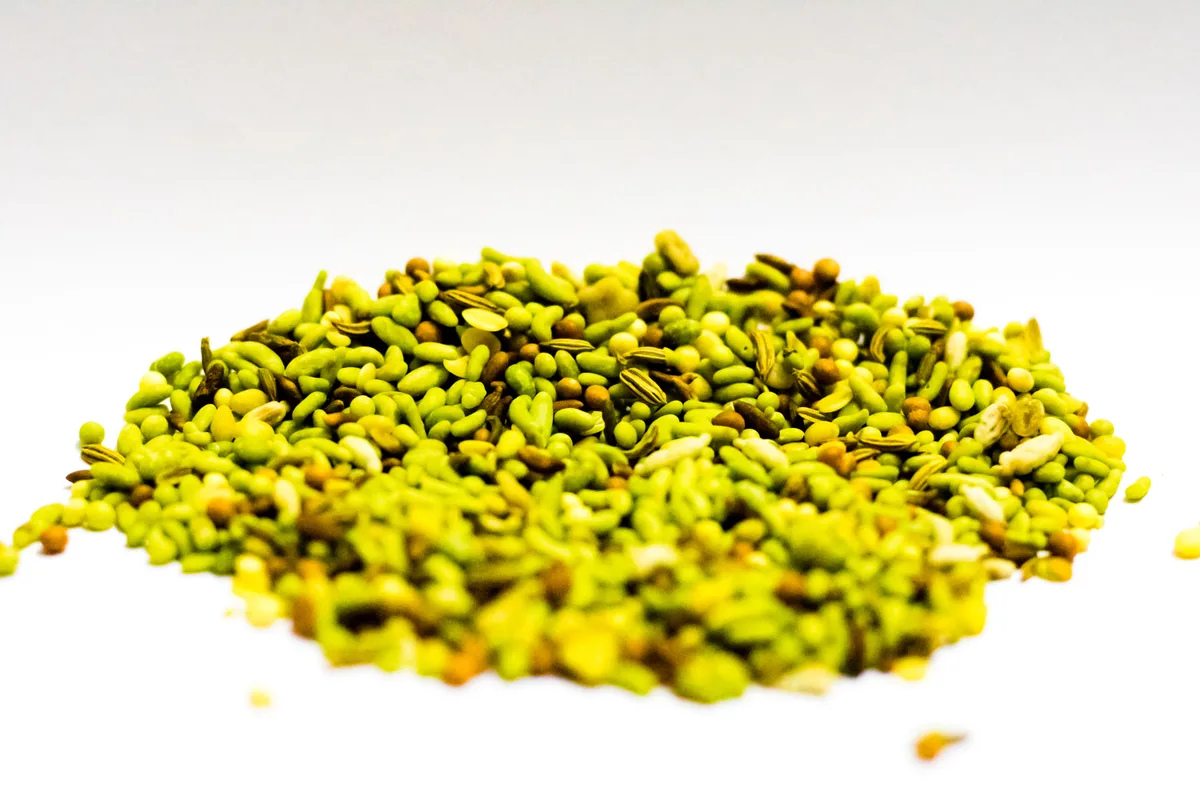
Fennel contains anethole, fenchone, and estragole, volatile compounds that relax smooth muscle in the gastrointestinal tract. When the smooth muscle in your intestinal walls relaxes, trapped gas moves more easily. A 2016 randomized trial by Portincasa and colleagues in the Journal of Gastrointestinal and Liver Diseases tested a curcumin–fennel essential oil combination in 121 IBS patients over 30 days and reported roughly a 50% reduction in abdominal pain, bloating, and overall symptom severity compared with placebo.
In Ayurveda, fennel is classified as one of the best spices for pacifying all three doshas, making it safe for virtually any constitution. It's considered cooling (unlike most digestive spices), which means it calms inflammation while it works.
Three ways to use fennel for bloating:
- Chew half a teaspoon of whole fennel seeds slowly after a heavy meal
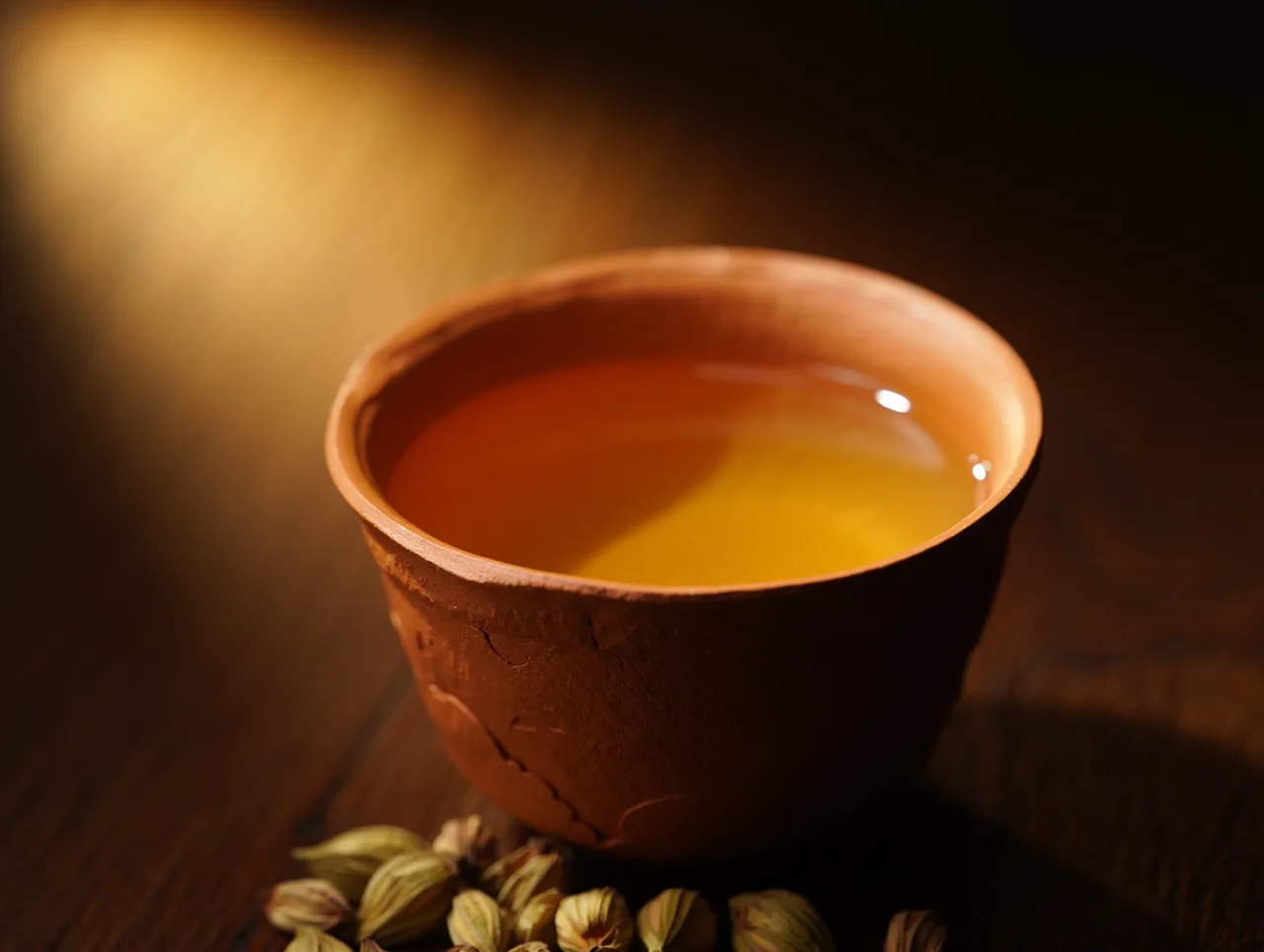
- Brew fennel cumin coriander digestive tea, a classic Ayurvedic combination called CCF tea, where all three seeds are toasted and steeped
- Slice fresh fennel bulb thin and add it raw to salads. The raw bulb contains the same volatile oils as the seeds
The Carminative Spice Cabinet
"Carminative" is the technical term for a substance that relieves gas. It sounds clinical, but the concept is ancient. Every major food tradition developed a set of carminative spices and built them into daily cooking.
Cumin is the workhorse. It stimulates the secretion of pancreatic enzymes, which improve the breakdown of fats and carbohydrates before they reach the colon (where bacteria would otherwise ferment them into gas). clinical research found cumin extract reduced bloating symptoms in IBS patients by 57% over a four-week trial. In Indian cooking, cumin appears in nearly every dal and vegetable dish, always added early in hot oil where its essential oils bloom.
Asafoetida (hing) is the secret weapon of Indian legume cookery. This pungent resin, used in tiny amounts, contains ferulic acid and volatile sulfur compounds that actively reduce gas production during digestion. A pinch of hing added to hot oil before cooking beans or lentils changes the chemistry of the dish. There's a reason virtually every dal makhni or sambar recipe begins with a tadka (tempering) that includes asafoetida.
Carom seeds (ajwain) are less well-known outside South Asian kitchens, but remarkably effective. They contain thymol, the same active compound found in thyme, which has strong anti-spasmodic properties. Ajwain water, made by simmering a teaspoon of carom seeds in water for 10 minutes, is a common Indian home remedy for gas and bloating that works quickly.
Coriander seeds round out the group. They contain linalool and other terpenes that promote bile flow, which helps break down fats before they cause trouble. Coriander is also the mildest of the carminative spices, making it a good starting point for people whose stomachs are sensitive to stronger flavors.
For a deeper look at how each of these spices works and how to cook with them, read our guide on the best spices for digestion.
Fermented Foods: Rebalancing from the Inside
If bloating is a recurring problem rather than an occasional one, the issue may be less about what you ate today and more about who's living in your gut.
Your large intestine houses roughly 100 trillion bacteria. The composition of that community determines how efficiently you process food and how much gas gets produced in the process. Research from the Stanford School of Researchers $2 that a diet high in fermented foods increased microbial diversity and reduced markers of inflammation more effectively than a high-fiber diet over a 10-week period.
Miso is a particularly effective entry point. Unlike yogurt or kefir, which can temporarily worsen bloating in people with lactose sensitivity, miso is dairy-free and contains both live bacteria and the prebiotic fiber those bacteria feed on. A simple bowl of miso shiru, with the paste stirred into warm (not boiling) broth, delivers Lactobacillus acidophilus alongside easily digestible amino acids. The salt content also helps with fluid retention, which contributes to that bloated feeling.
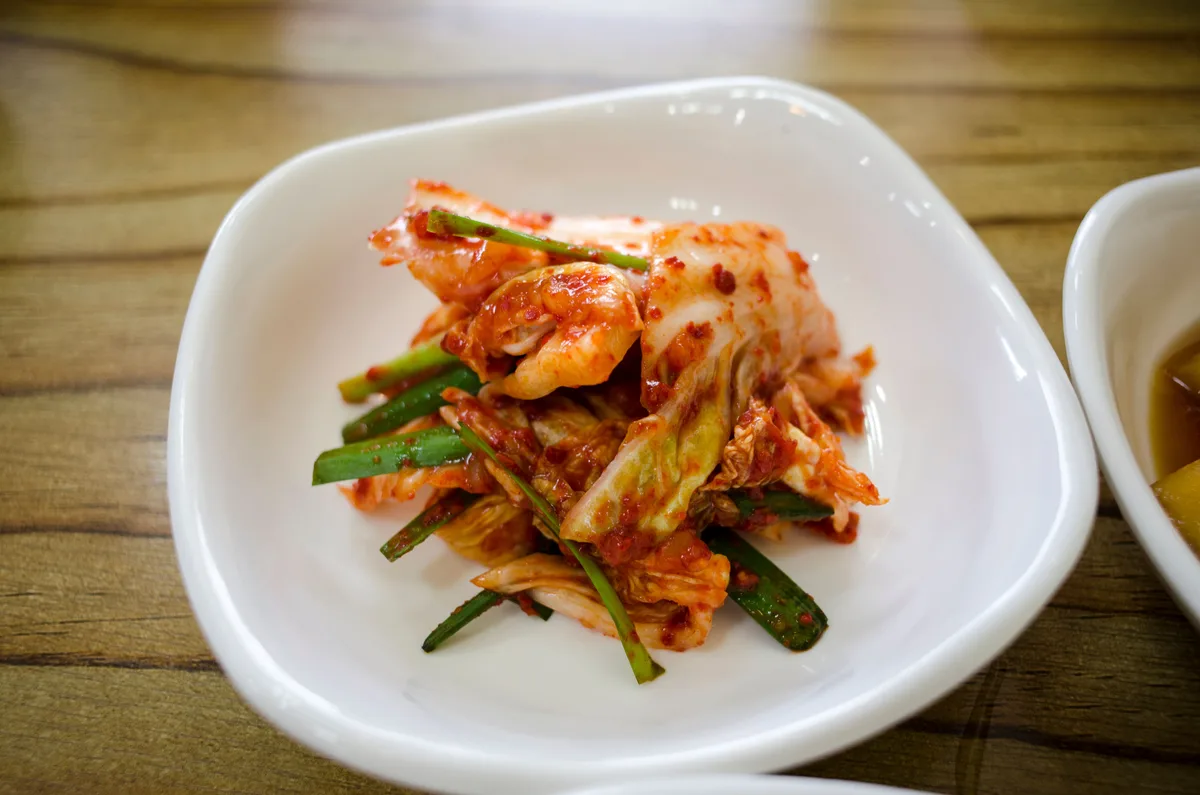
Kimchi takes a more assertive approach. The lactic acid bacteria produced during kimchi fermentation (primarily Leuconostoc and Lactobacillus) are among the most studied probiotics for gut health. A 2021 Stanford-led trial by Wastyk and colleagues in Cell randomized healthy adults to a high-fermented-food diet for ten weeks and found increases in gut microbiome diversity along with reductions in inflammatory markers. Kimchi jjigae, a Korean stew built around aged kimchi, delivers those probiotics in a warm, cooked form that many people find easier to tolerate than raw fermented vegetables.
Yogurt works, but with caveats. Choose plain, unsweetened yogurt with live active cultures. Flavored yogurts contain added sugars that can feed gas-producing bacteria and undo the probiotic benefit. If dairy causes you bloating, that's not the yogurt's bacteria. It's the lactose. Try a small amount first, or skip to miso and kimchi.
Foods That Make Bloating Worse (The Usual Suspects)
Some foods are inherently more fermentable than others. If you're bloating regularly, reducing these temporarily while you rebuild your gut can help:
- Raw onions and garlic contain fructans, a FODMAP that ferments aggressively in the colon. Cooked versions are gentler. Asafoetida can often replace raw onion/garlic flavor in dishes where you want the taste without the gas.
- Carbonated drinks introduce CO2 directly into your digestive system.
- Sugar alcohols (xylitol, sorbitol, erythritol) in sugar-free products are poorly absorbed and highly fermentable.
- Undercooked or unsoaked legumes contain oligosaccharides that require specific enzymes to break down. Soaking beans overnight and cooking them with carminative spices (cumin, hing, coriander) dramatically reduces their gas-producing potential. This is why traditional khichdi uses split mung beans, one of the most digestible legumes.
- Cruciferous vegetables (broccoli, cauliflower, cabbage) contain raffinose, which many people lack the enzyme to fully digest. Cooking them thoroughly helps.
This isn't about permanent elimination. It's about giving your gut some breathing room while the fermented foods and carminative spices do their work.
Putting It Together: A Bloating-Friendly Day of Eating
This isn't a diet plan. It's an example of how these principles look on a plate.
Morning: Warm water with grated ginger and a squeeze of lemon. Wait 20 minutes before eating. Ginger stimulates gastric motility, effectively "waking up" the digestive tract.
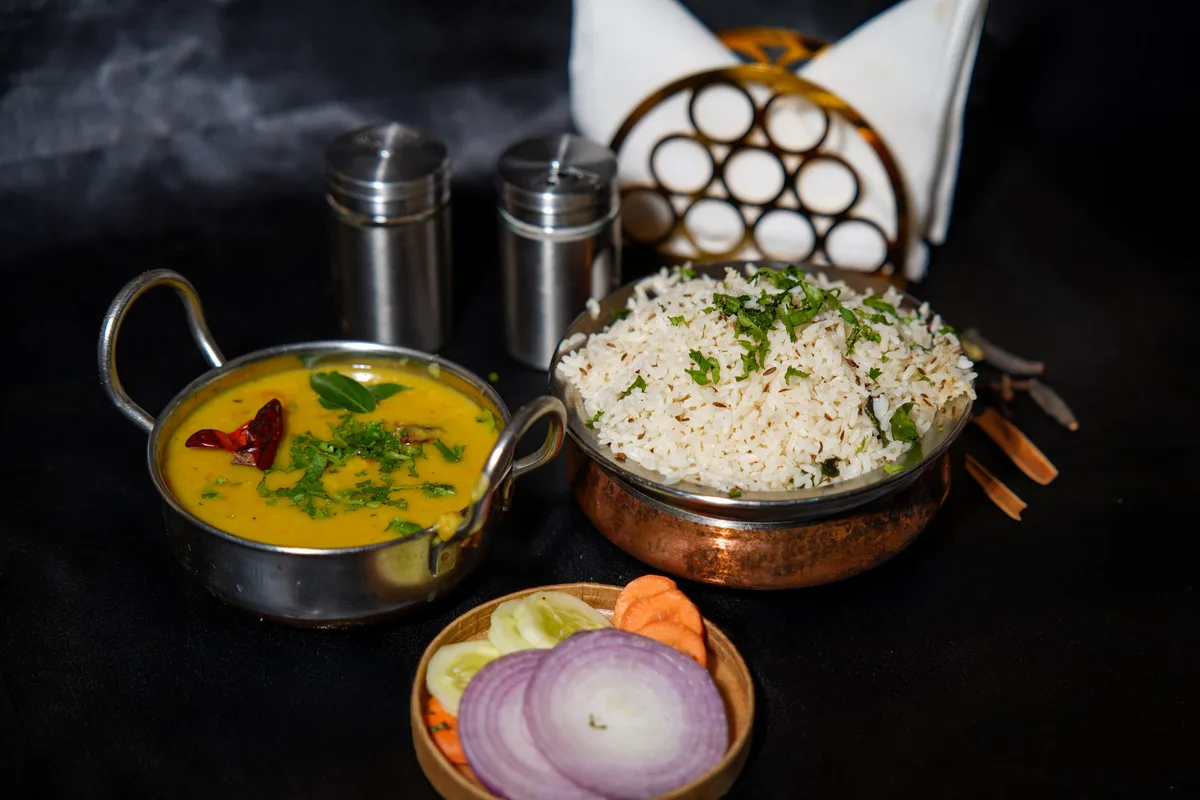
Midday meal: Khichdi or rice with a well-spiced dal. The tempering should include cumin, asafoetida, and turmeric. Add a small bowl of plain yogurt with a pinch of cumin and salt on the side.
Afternoon: If you snack, choose something cooked and easy to digest. A cup of miso shiru. A small bowl of congee. Avoid raw snacking vegetables if afternoon bloating is your pattern.
Evening: Lighter than midday. A bowl of soup with cooked vegetables, ginger, and coriander. End the meal with fennel seeds or fennel cumin coriander digestive tea.
Throughout the day: Warm or room-temperature water. Cold water can slow digestion. This is an Ayurvedic principle supported by research showing that cold beverages can reduce gastric blood flow temporarily.
Beyond Food: Two Habits That Reduce Bloating
Eat slowly. This isn't wellness platitude. When you eat quickly, you swallow air (aerophagia), which accounts for a significant portion of upper-GI bloating. Chewing thoroughly also begins carbohydrate digestion in the mouth via salivary amylase, reducing the load on your stomach and intestines.
Walk after eating. A 15-minute walk after a meal accelerates gastric emptying and gas transit. A 2021 randomized clinical trial by Hosseini-Asl and colleagues in Gastroenterology and Hepatology from Bed to Bench found that 10–15 minutes of walking after each meal produced symptom improvements in functional abdominal bloating that were comparable to (and for postprandial fullness, superior to) prokinetic medication. In Traditional Chinese Medicine, a gentle walk after eating has been recommended for centuries as a way to support the spleen's digestive function.
If you're dealing with chronic bloating that these approaches don't resolve, our guide on how to reset your gut naturally outlines a more structured approach, and our upset stomach guide covers acute digestive distress.
Frequently Asked Questions
How fast do carminative spices work for bloating?
Fennel seeds and cumin typically provide relief within 15 to 30 minutes when chewed or brewed as tea. The volatile oils interact directly with smooth muscle in the intestinal wall, promoting gas movement. Cooking with these spices prevents bloating from forming in the first place, which is why traditional recipes include them by default.
Can probiotics make bloating worse before it gets better?
Yes. When you introduce new bacterial strains through fermented foods, there can be a brief adjustment period (typically 3 to 7 days) where gas and bloating temporarily increase. This is a sign of microbial remodeling, not a sign that the food isn't working. Start with small portions and increase gradually.
Why does bloating get worse in the afternoon and evening?
Gas accumulates throughout the day as your gut bacteria ferment each meal. By evening, the total gas volume is at its peak. Stress and fatigue also reduce gut motility later in the day. Eating your largest meal at midday (a common practice in Ayurvedic and Mediterranean traditions) and keeping dinner lighter can reduce evening bloating significantly.
Is bloating a sign of a food intolerance?
It can be. Persistent bloating after specific foods (dairy, wheat, certain fruits) may indicate lactose intolerance, fructose malabsorption, or celiac disease. If bloating is consistent and doesn't respond to dietary changes over 2 to 3 weeks, a healthcare provider can run specific tests to identify intolerances.
Your Pantry Is Your First Line of Defense
Bloating is common, but it's not something you have to accept. The spices already sitting in your cabinet (cumin, fennel, coriander, cardamom) are pharmacologically active digestive aids that belong in your daily cooking. The fermented foods on your grocery list (miso, yogurt, kimchi) reshape your gut ecology over time.
Start with one change: brew a cup of fennel cumin coriander digestive tea after your next heavy meal, and pay attention to what happens. Then explore the best spices for digestion to build a more complete picture of your carminative toolkit.
Comments
Share your thoughts on this post.
Sign in to comment0 Comments