How to Reset Your Gut Naturally: A 7-Day Food-Based Approach
How to Reset Your Gut Naturally: A 7-Day Food-Based Approach
Last spring, after a week of travel (airport food, irregular meals, too much coffee, not enough water), I came home feeling like my digestive system had simply stopped cooperating. Bloating after every meal. Irregular bowel movements. A general heaviness that no single remedy seemed to touch.
I didn't need a supplement. I needed to give my gut a structured period of intentional eating. Something between a strict elimination diet (which felt excessive) and simply "eating clean" (which felt vague). What I ended up following was a food-based gut reset built on principles I'd picked up from Ayurvedic seasonal cleansing traditions, TCM dietary therapy, and current microbiome research.
By day four, the bloating had resolved. By day seven, I felt like a different person.
This guide lays out that approach. No proprietary supplements. No juice fasting. No extreme restriction. Just seven days of eating the foods your gut needs to recalibrate, in the order it needs them.
What "Resetting" Your Gut Actually Means
The phrase "gut reset" gets thrown around loosely in wellness circles, often attached to expensive supplement protocols or restrictive cleanses. The science is more specific.
Your gut microbiome (the community of trillions of bacteria, fungi, and other microorganisms in your digestive tract) responds rapidly to dietary changes. Research from Harvard, published in Nature (2014), showed that the microbial composition of the gut shifts measurably within 24 hours of a dietary change and stabilizes within 3 to 5 days. A 2021 Stanford trial by Wastyk and colleagues in Cell found that a high-fermented-food diet increased gut-microbial diversity and lowered inflammatory markers over 10 weeks, with changes beginning in the first week.
A gut reset, practically speaking, means:
- Removing foods that feed problematic bacteria or irritate the gut lining
- Introducing foods that nourish beneficial bacteria and support gut barrier function
- Rebuilding microbial diversity through fermented foods and prebiotic fiber
- Supporting motility and digestion with spices, warm liquids, and adequate fat
Traditional medicine systems understood this intuitively. Ayurveda's panchakarma and seasonal cleansing protocols follow the same progression: simplify, restore, rebuild. TCM's approach to post-illness recovery begins with congee and gradually reintroduces complexity. The modern science simply explains the mechanisms behind what these traditions observed.
Before You Start: Assess Your Baseline
Not every gut needs the same reset. Take stock of your primary symptoms:
If bloating and gas are your main issues: Your microbiome may be imbalanced, with gas-producing bacteria overrepresented. The fermented food phases of this reset (days 3-7) will be most impactful for you. See our detailed guide on best foods for bloating and gas for additional strategies.
If constipation is dominant: Focus on the warm fats, cooked grains, and hydration emphasized in the first three days. Our constipation guide covers the specific lubrication and motility principles in depth.
If you have acid reflux or stomach pain: Start even simpler than the plan below. Days 1-2 should be plain congee and ginger broth only. See what to eat when your stomach is upset for acute guidance.
If everything feels "off" without a specific symptom: Follow the full 7-day plan as written. It addresses all four reset mechanisms.
Days 1-2: Simplify and Soothe
The first two days are about reducing your digestive workload to near zero while giving your gut lining a chance to repair.
What to eat
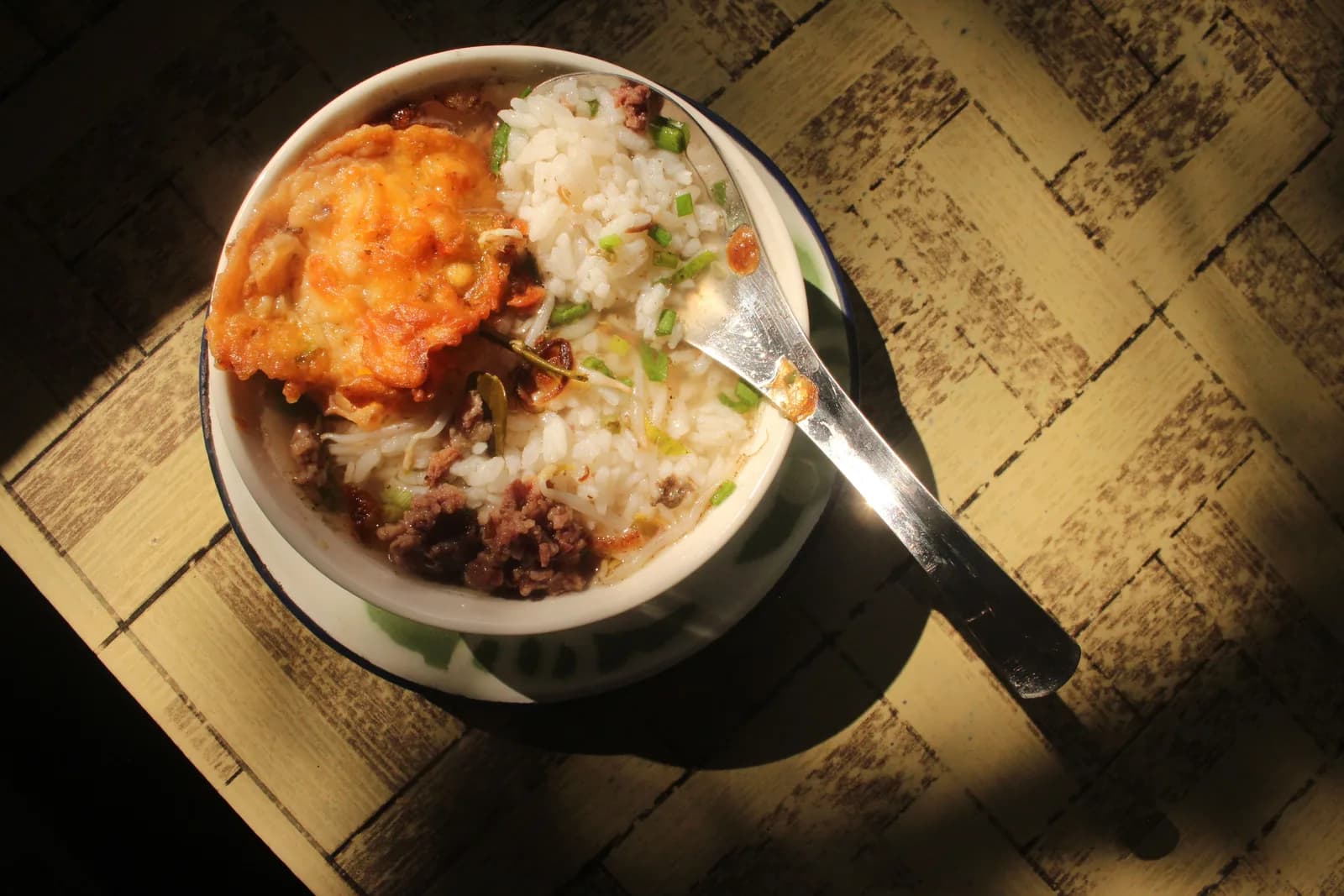
Congee is the foundation. Plain white rice cooked in excess water (1:8 ratio) until it breaks down into a silky porridge. In TCM, congee is the primary therapeutic food for restoring spleen qi, the energetic foundation of digestion. The gelatinized starch requires almost no enzymatic work to digest, freeing up your body's resources for repair.
Add a thumb of sliced fresh ginger to the pot as it simmers. Ginger's gingerols reduce intestinal inflammation and accelerate gastric emptying. By day two, you can stir in a pinch of turmeric and black pepper (the piperine in pepper increases curcumin absorption by up to 2,000%).
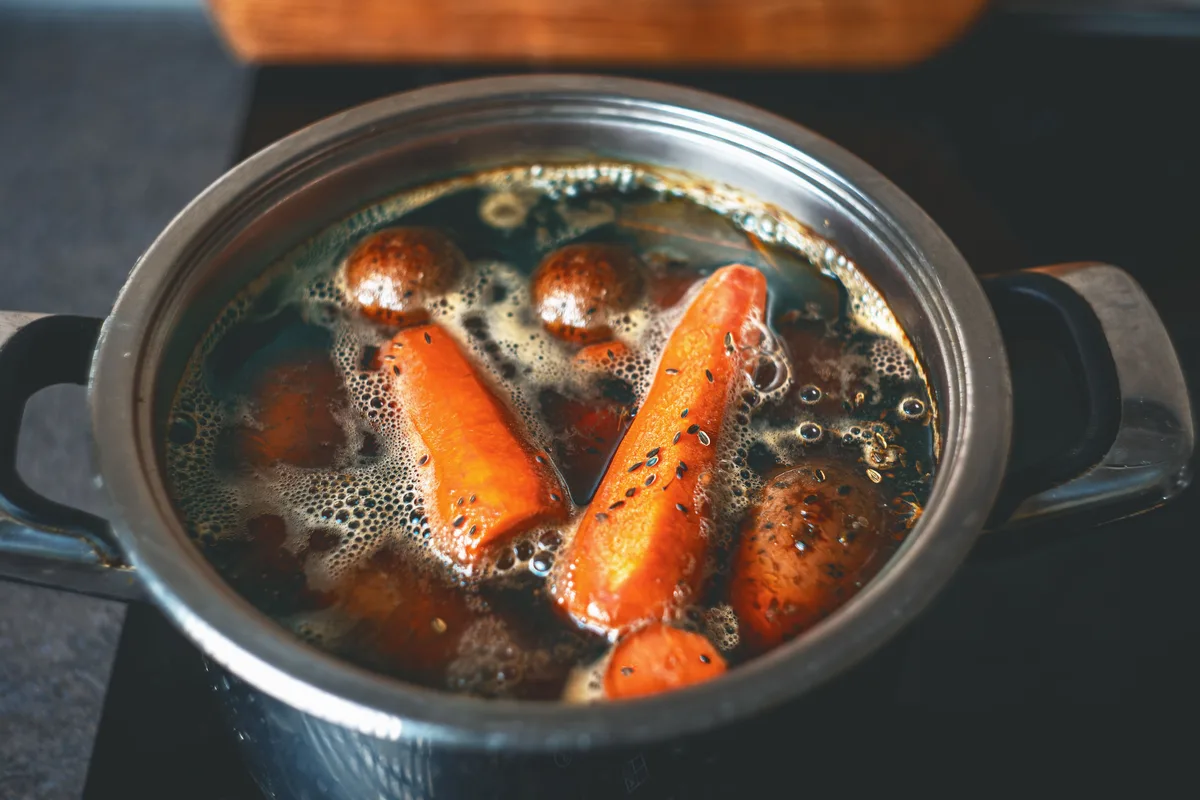
Spiced bone broth is the other pillar of these first days. Broth made from long-simmered bones contains gelatin, glycine, and glutamine, three amino acids linked to gut-lining integrity. A foundational 1993 trial by van der Hulst and colleagues in The Lancet found that glutamine supplementation preserved intestinal villus height and reduced gut permeability in patients on prolonged parenteral nutrition. Bone broth delivers glutamine and its companion amino acids in a whole-food matrix.
Warm water with ghee: First thing each morning, stir a teaspoon of ghee into a glass of warm water. The butyric acid in ghee feeds colonocytes (the cells lining your colon), and the fat triggers the gastrocolic reflex, promoting a morning bowel movement.
What to avoid
Processed food of any kind. Sugar. Alcohol. Caffeine (switch to herbal tea or warm water with lemon). Raw vegetables. Dairy (except ghee). Gluten-containing grains. These aren't permanent restrictions. They're a 48-hour pause to let your system decompress.
The Ayurvedic logic
In Ayurveda, this phase corresponds to langhana (lightening therapy). The idea is that an overburdened digestive fire (agni) needs rest before it can be rebuilt. You wouldn't load a damp fire with heavy logs. You'd start with kindling. Congee and broth are the kindling.
Days 3-4: Rebuild Digestive Strength
By day three, your gut has had two days of rest. Now you begin reintroducing foods that actively strengthen digestion.
What to add
Khichdi replaces plain congee. The addition of split mung beans provides complete protein and soluble fiber. The spice combination (cumin, turmeric, coriander, ginger, a pinch of asafoetida) delivers carminative and enzyme-stimulating compounds with each bite. Ayurvedic practitioners consider khichdi the single best food for digestive recovery. It's nourishing without being heavy.
Miso shiru introduces your first fermented food. Miso paste, stirred into warm (not boiling) broth, delivers Lactobacillus and other beneficial bacteria alongside easily digestible amino acids. Start with one small cup per day. The miso soup with ginger and reishi variation adds reishi mushroom, which contains beta-glucans that research suggests may support gut immune function.
Cooked vegetables: Soft, well-cooked vegetables reintroduce fiber gently. Squash, sweet potato, carrots, and zucchini are good starting points. Cook them until they yield easily to a fork. Season with cumin and a drizzle of ghee.
Fennel cumin coriander tea between meals. This classic Ayurvedic formulation supports bile flow, enzyme production, and gas relief simultaneously. Sip it warm throughout the day.
The TCM logic
In Traditional Chinese Medicine, this phase corresponds to strengthening the spleen and stomach. Warm, cooked foods with gentle spices are considered the most effective way to rebuild what TCM calls "middle burner" function. Cold, raw foods are explicitly avoided during recovery because they're thought to dampen digestive fire (a concept that parallels the Ayurvedic agni model).
Days 5-7: Diversify and Populate
The final phase focuses on microbial diversity, the key indicator of long-term gut health.
What to add
Increase fermented foods. By day five, your gut is ready for a broader range of probiotic foods. Add one to two servings of fermented food daily:
- Plain yogurt with live cultures, stirred into a thin lassi with cumin and salt
- Kimchi, either raw or in kimchi jjigae (the stew form is gentler for sensitive guts)
- Additional miso preparations
- Sauerkraut (raw, unpasteurized)
The Stanford fermented food study (2021) found that increasing fermented food servings to 6 per day produced the greatest microbial diversity gains. You don't need to hit that target during a reset, but two to three servings daily is a meaningful dose.
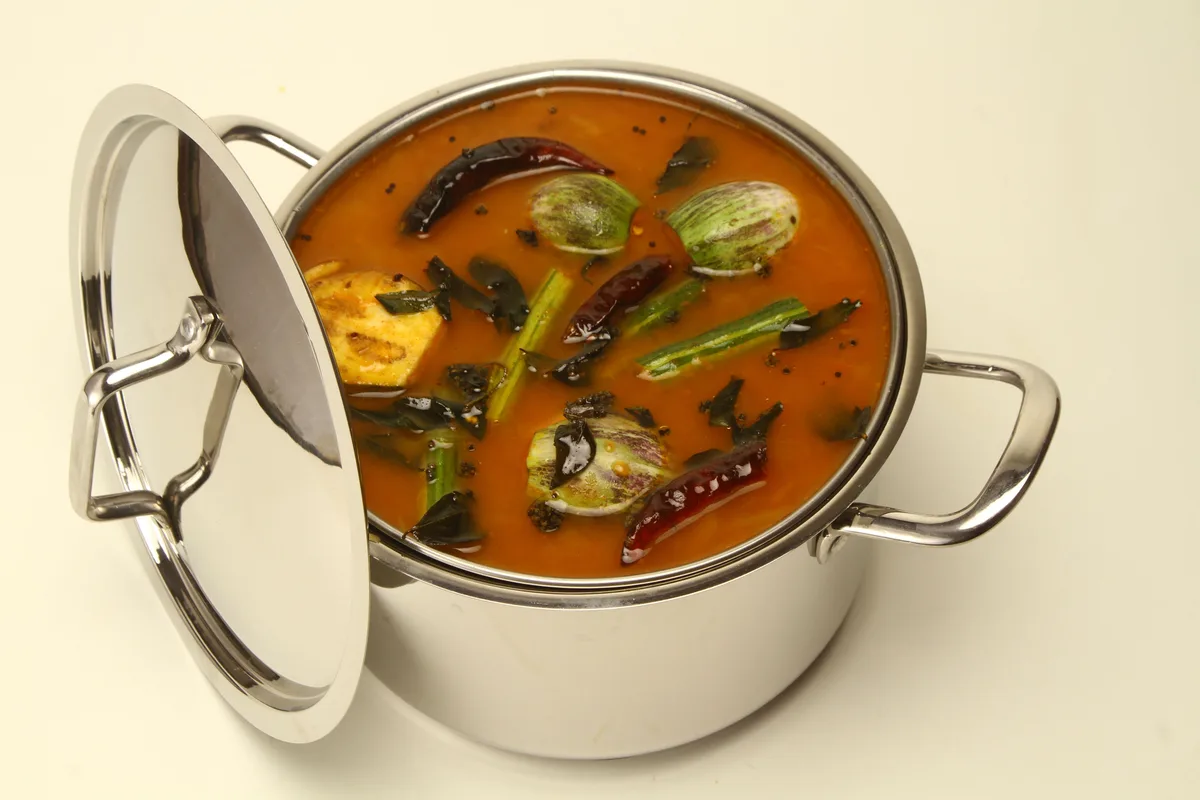
Expand your spice repertoire. This is the phase to cook more ambitiously. Sambar, with its complex spice blend and lentil base, delivers prebiotic fiber, carminative spices, and diverse plant compounds in one bowl. A golden milk before bed combines anti-inflammatory turmeric with warming ginger and black pepper.
Prebiotic foods. Prebiotics are the fibers that feed beneficial bacteria. The most effective ones for gut health include:
- Cooked garlic (contains inulin and fructo-oligosaccharides)
- Cooked onions (same prebiotic profile as garlic, gentler when cooked)
- Lentils and beans (resistant starch + soluble fiber)
- Cooked and cooled rice (cooling converts some starch to resistant starch, which feeds Bifidobacterium)
Adaptogenic teas. Tulsi tea (holy basil) is classified in Ayurveda as a rasayana (rejuvenative) herb. clinical research found that tulsi consumption was associated with reduced cortisol levels. Since stress directly impairs gut function (via the gut-brain axis), managing cortisol supports the reset. Reishi mushroom congee offers similar adaptogenic support through beta-glucan compounds that have been studied for immune-modulating effects.
What to reintroduce carefully
From day six onward, start reintroducing foods you avoided during days 1-4, one category at a time:
- Day 6: Reintroduce caffeine (one cup of coffee or tea, taken after food, not on an empty stomach)
- Day 6: Reintroduce raw vegetables in small amounts (a side salad, not a main course)
- Day 7: Reintroduce wheat/gluten if you normally eat it. Pay attention to how you feel 2 to 4 hours later
- Day 7: Reintroduce dairy beyond yogurt and ghee
If any reintroduced food triggers symptoms (bloating, pain, irregular stool), note it. That's valuable information about your individual tolerance, not a reason to eliminate the food permanently, but a signal to introduce it more gradually.
The Daily Framework (At a Glance)
| Time | Days 1-2 | Days 3-4 | Days 5-7 |
|---|---|---|---|
| Morning | Warm water + ghee | Warm water + ghee | Warm water + ghee |
| Breakfast | Plain congee with ginger | Khichdi | Khichdi or oats with spices |
| Midday | Congee or bone broth | Khichdi with cooked vegetables | Sambar, dal, or diverse meal |
| Afternoon | Ginger tea | CCF tea | CCF tea or tulsi tea |
| Evening | Bone broth | Miso shiru + cooked vegetables | Miso, kimchi jjigae, or varied meal |
| Before bed | Warm water | Golden milk | Golden milk |
Three Habits to Keep After the Reset
The reset recalibrates your gut. These habits maintain it.
1. Start every day with warm water and fat. Whether it's ghee in warm water (Ayurvedic tradition), a tablespoon of olive oil (Mediterranean tradition), or buttered tea (Tibetan tradition), the principle is the same: lubricate the digestive tract and trigger the gastrocolic reflex before eating solid food. This one habit prevents more digestive issues than any supplement.
2. Include at least one fermented food daily. A cup of miso soup with lunch. A spoonful of yogurt with dinner. Kimchi as a side. Consistency matters more than quantity. Research shows that stopping fermented food consumption causes microbial diversity to decrease within two weeks. Make it a permanent part of your diet, not a periodic intervention.
3. Cook with digestive spices by default. Cumin in the tempering oil. Ginger in the broth. Fennel seeds after the meal. These spices aren't extras. They're the digestive infrastructure that traditional cooking built into every meal. Our guide to the best spices for digestion covers how to integrate them into any cuisine.
When a Food Reset Isn't Enough
This approach works well for the general digestive dysfunction that comes from travel, stress, dietary excess, antibiotics, or simply falling out of good habits. It is not a treatment for diagnosed conditions.
See a healthcare provider if:
- Symptoms don't improve after completing the reset
- You experience unexplained weight loss
- There is blood in your stool
- Abdominal pain is severe or localized
- You've been on antibiotics recently and symptoms are worsening (this may indicate C. difficile or other infection)
A food-based gut reset is a first-line approach, not a last resort. If it works, you've saved yourself a medical workup. If it doesn't, the information you gathered ("I feel worse after reintroducing wheat" or "fermented foods increase my bloating") is valuable data to bring to a clinician.
Frequently Asked Questions
Do I need to buy special supplements for a gut reset?
No. The foods in this plan (rice, lentils, miso, yogurt, vegetables, ghee, spices) are available at any grocery store. Supplement-based "gut reset" programs often contain the same bacterial strains found in miso and yogurt, plus prebiotic fibers found in lentils and garlic, at a significant markup. Whole foods deliver these compounds alongside the enzymes, cofactors, and fiber that supplements lack.
Can I exercise during the reset?
Yes, but keep it moderate during days 1-4. Walking (20 to 30 minutes after meals) is ideal and actively supports digestion. Avoid intense exercise during the simplification phase, as it diverts blood flow from the digestive tract. From day 5 onward, resume normal activity.
How often should I do a gut reset?
Ayurvedic tradition recommends a simplified eating period at each seasonal transition (roughly every 3 months). Many people find that a 3 to 5 day reset at the change of seasons maintains the benefits. If you're maintaining the three daily habits (warm water + fat, fermented food, digestive spices), full 7-day resets become less necessary over time.
Will I be hungry during days 1-2?
Congee and bone broth are more filling than they sound. The high water content of congee expands in the stomach, and the gelatin in bone broth provides satiety signals. Most people report feeling lighter and more energetic by day two, not hungry. If you do feel genuinely hungry, eat more congee. There's no caloric restriction here.
Your Gut Remembers What You Feed It
A gut reset isn't a punishment or a deprivation. It's a conversation with the trillions of organisms that do the invisible work of keeping you nourished. You're telling them: here's what we're working with this week. Let's rebuild.
Start with congee and spiced bone broth on day one. Move into khichdi and miso shiru by day three. By day seven, cook a full sambar with all the spices and serve it with fermented yogurt on the side, knowing that every component is doing something useful.
Your pantry already has what you need. The spices on your shelf are the same ones that traditional kitchens have used for exactly this purpose for thousands of years.
Comments
Share your thoughts on this post.
Sign in to comment0 Comments