What to Eat When Your Stomach Is Upset: A Kitchen-First Guide
What to Eat When Your Stomach Is Upset: A Kitchen-First Guide
You know the feeling. That heavy, unsettled wave that makes you push your plate away and wonder if eating anything at all is a good idea. Maybe it was the rich dinner last night, travel stress, or something you can't quite pin down.
Here's what most people get wrong: they either eat nothing (which can make nausea worse as stomach acid builds) or reach for bland crackers that technically won't hurt but don't actually help either.
Cultures around the world solved this problem centuries ago. From the rice porridges of East and Southeast Asia to the spiced lentil soups of South Asia, traditional kitchens developed specific foods for unsettled stomachs, long before anyone understood gastric motility or gut microbiome signaling. Modern research is now confirming what these traditions observed: certain foods genuinely calm digestive distress, and they happen to taste good too.
This is a guide to those foods. Not a medical protocol. Just practical, kitchen-tested knowledge for the next time your stomach needs some kindness.
Why Your Stomach Gets Upset (and Why Food Matters)
An upset stomach is usually your digestive system sending a signal: slow down, simplify, rest. The causes range from overeating and food intolerances to stress (the gut-brain axis is remarkably sensitive to cortisol) and mild infections.
What you eat during these episodes shapes how quickly you recover. Reviews have found that easily digestible carbohydrates, warm liquids, and certain anti-spasmodic compounds (found naturally in ginger, fennel seeds, and cardamom) can reduce gastric discomfort more effectively than simply fasting.
The goal isn't restriction. It's choosing foods that are gentle on inflamed or irritated tissue while still delivering nutrients your body needs to recover.
Rice Porridge: The Universal Stomach Soother
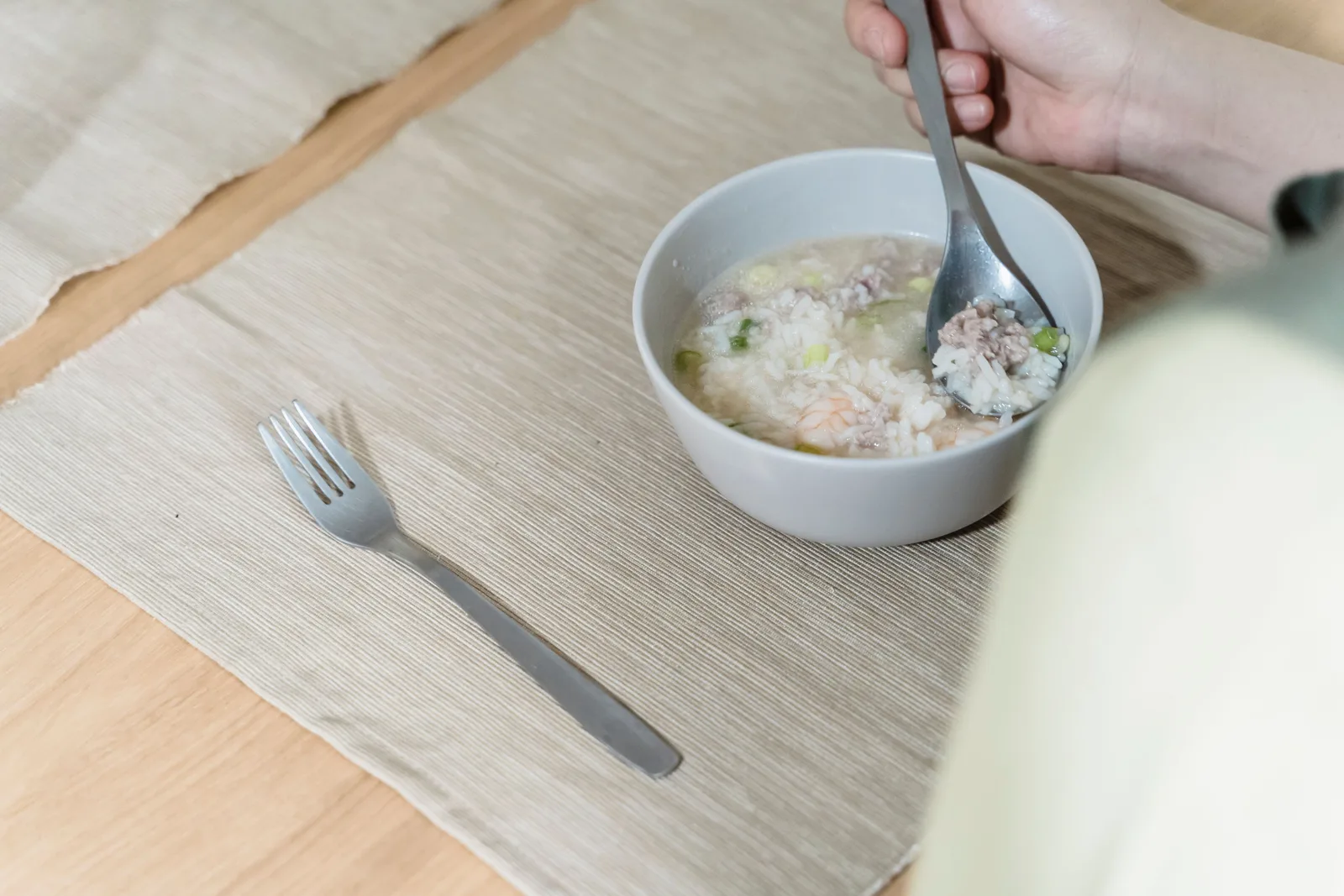
If there's one food that appears in nearly every food tradition as the go-to for an upset stomach, it's rice porridge. The preparation varies (congee in China, jok in Thailand, kanji in South India, okayu in Japan), but the principle is the same: rice cooked low and slow in far more liquid than usual, until the grains break down into a silky, starchy broth.
Congee is the version most people know. Plain white rice simmered in water or light broth at a ratio of roughly 1:8 until it becomes almost creamy. The starch molecules gelatinize as they cook, creating a texture that coats the stomach lining without requiring much digestive effort. In Traditional Chinese Medicine, congee is considered one of the most important foods for restoring qi to the spleen and stomach, the organs TCM associates with digestion and nutrient absorption.
Thai jok takes a similar approach but often includes a coin of fresh ginger simmered into the broth. That small addition is significant. Ginger's primary bioactive compounds, gingerols and shogaols, act on serotonin receptors involved in nausea signalling. A 2014 meta-analysis by Viljoen and colleagues in Nutrition Journal, pooling 12 randomized controlled trials of pregnancy-associated nausea and vomiting, found that ginger significantly reduced nausea severity compared with placebo.
How to make it work for you: Start with plain rice porridge when your stomach is at its worst. As you feel better, stir in a teaspoon of grated fresh ginger and a pinch of salt. The warmth, the starch, and the ginger work together.
Khichdi: The Ayurvedic Reset Meal
In Ayurveda, the first food recommended during digestive distress isn't a supplement or a tonic. It's khichdi: a simple one-pot dish of rice and split mung beans (moong dal) cooked with turmeric, cumin, and a little ghee.
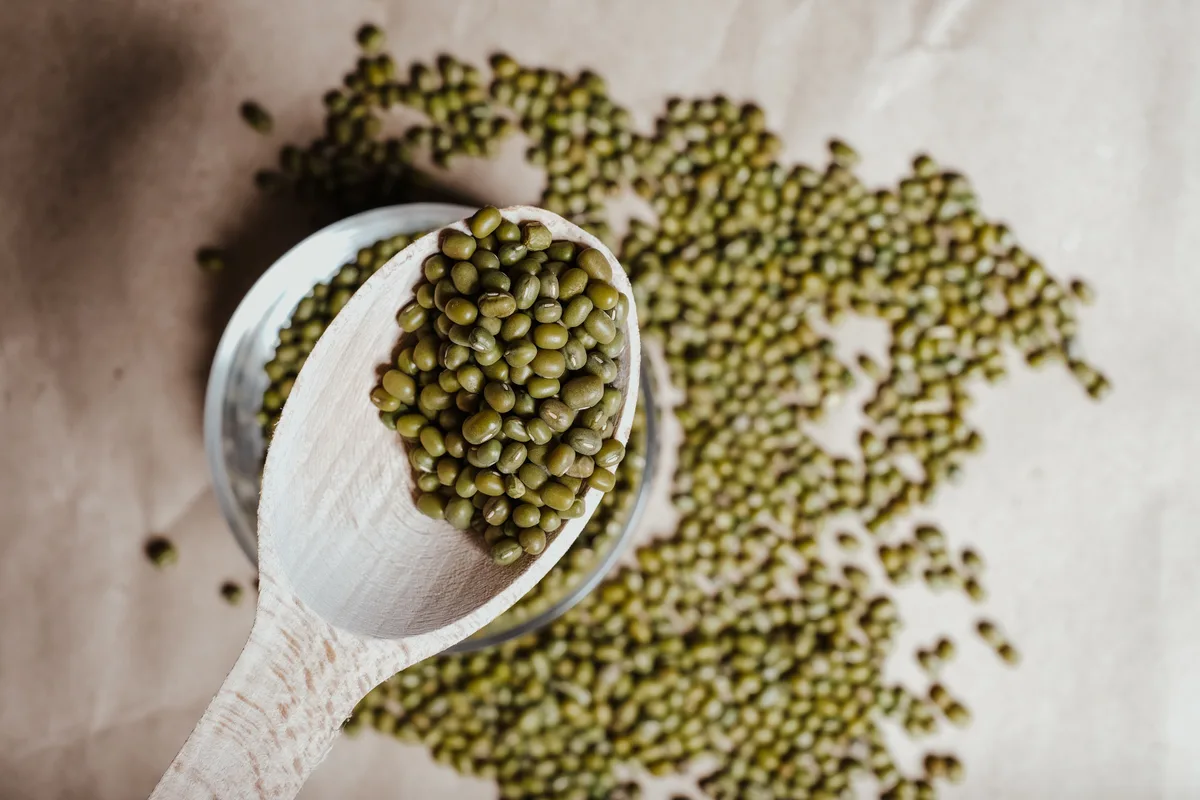
Ayurvedic practitioners have prescribed khichdi as a digestive reset for thousands of years, and the reasoning holds up surprisingly well under modern scrutiny. The combination of rice and lentils creates a complete protein that's far easier to digest than meat or dairy. Mung beans are among the least gas-producing legumes, according to clinical research. And the spice blend isn't decorative: cumin has been studied for its carminative properties (the ability to reduce gas formation), while turmeric's curcumin content is associated with reduced intestinal inflammation in preliminary clinical studies.
The ghee matters too. Unlike butter or oil, ghee contains butyric acid, a short-chain fatty acid that serves as fuel for the cells lining your colon. A small amount of ghee in khichdi makes the dish more soothing, not heavier.
The key: Cook the khichdi until it's quite soft, almost porridge-like. This isn't the time for al dente lentils. You want everything broken down so your stomach doesn't have to work hard.
Miso Broth: Warmth, Salt, and Living Cultures
When your stomach is upset but you still need something with flavor and substance, a simple cup of miso broth can feel like exactly the right thing.
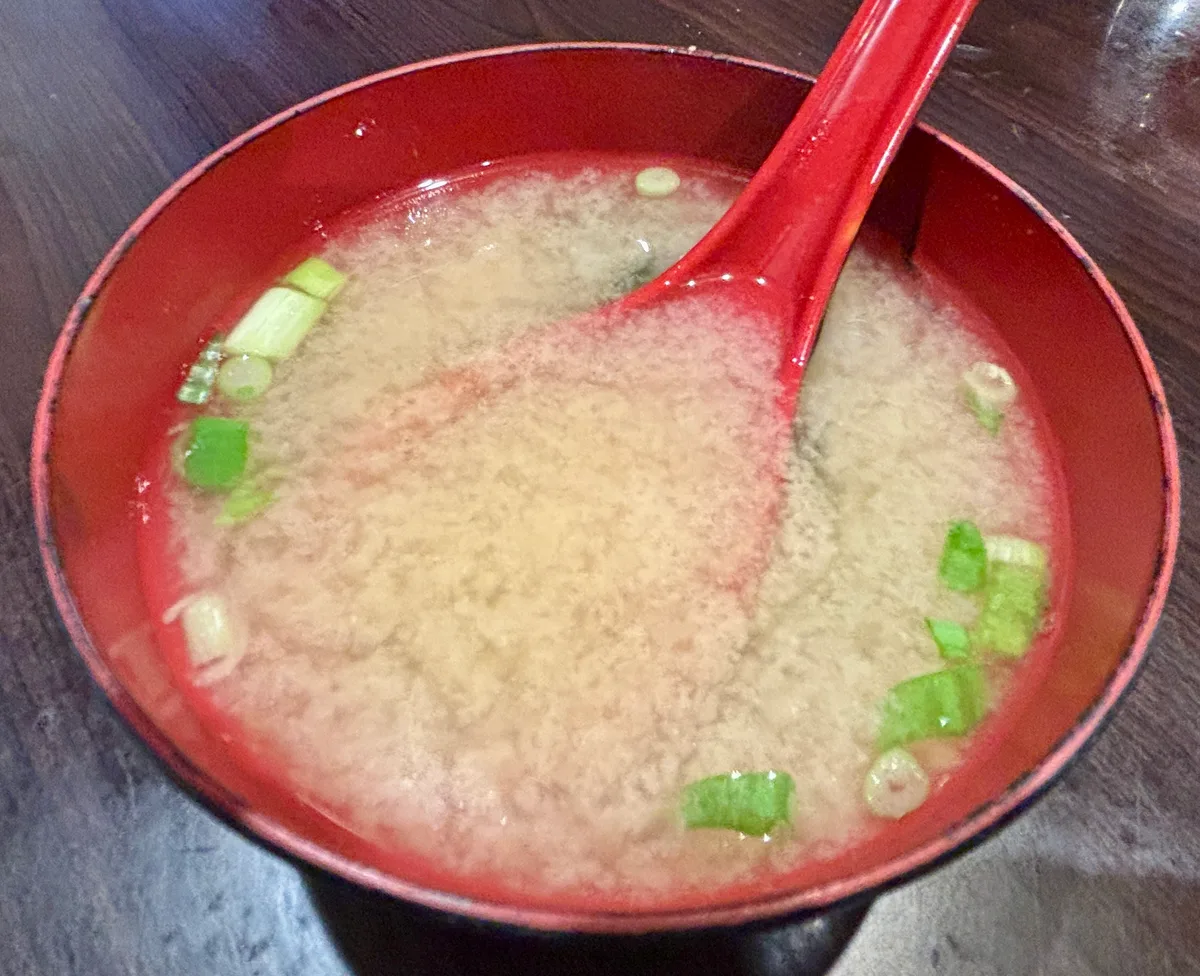
Miso shiru (Japanese miso soup) at its most basic is just dashi stock with miso paste stirred in at the end. That "stirred in at the end" detail is important: miso is a living fermented food, rich in Lactobacillus and other beneficial bacteria. Heating it above 60°C (140°F) kills those cultures. Dissolve the paste into warm (not boiling) broth and you preserve the probiotic content.
clinical research (2020) found that regular miso consumption was associated with improved markers of gut barrier function. During an upset stomach, your gut lining may be compromised. The combination of easily absorbed amino acids from the fermented soybean paste, sodium for electrolyte replenishment, and live bacterial cultures makes miso broth something closer to a recovery food than a simple soup.
In Japanese home cooking, plain miso broth (without the tofu, seaweed, or other additions) is the standard offering when someone is feeling unwell. It's the chicken soup equivalent, and for similar reasons.
Ginger: The One Ingredient That Keeps Showing Up
You'll notice ginger appearing throughout this guide, and that's not accidental. Few ingredients have as much crossover credibility between traditional medicine systems and modern clinical research when it comes to digestive relief.
In TCM, ginger is classified as a warming herb that dispels cold and resolves dampness in the stomach. In Ayurveda, fresh ginger (called ardrak) is considered one of the most important digestive aids, often taken before meals to kindle agni (digestive fire). In Southeast Asian cooking traditions, ginger appears in virtually every soup or broth meant for someone recovering from illness.
The clinical evidence is substantial. Gingerols interact with serotonin receptors in the gut (specifically 5-HT3 receptors), which play a direct role in nausea signaling. This is the same receptor pathway targeted by ondansetron, a common anti-nausea medication. A review in Food Science & Nutrition (2019) confirmed ginger's efficacy for nausea from multiple causes, including post-surgical, pregnancy-related, and chemotherapy-induced nausea.
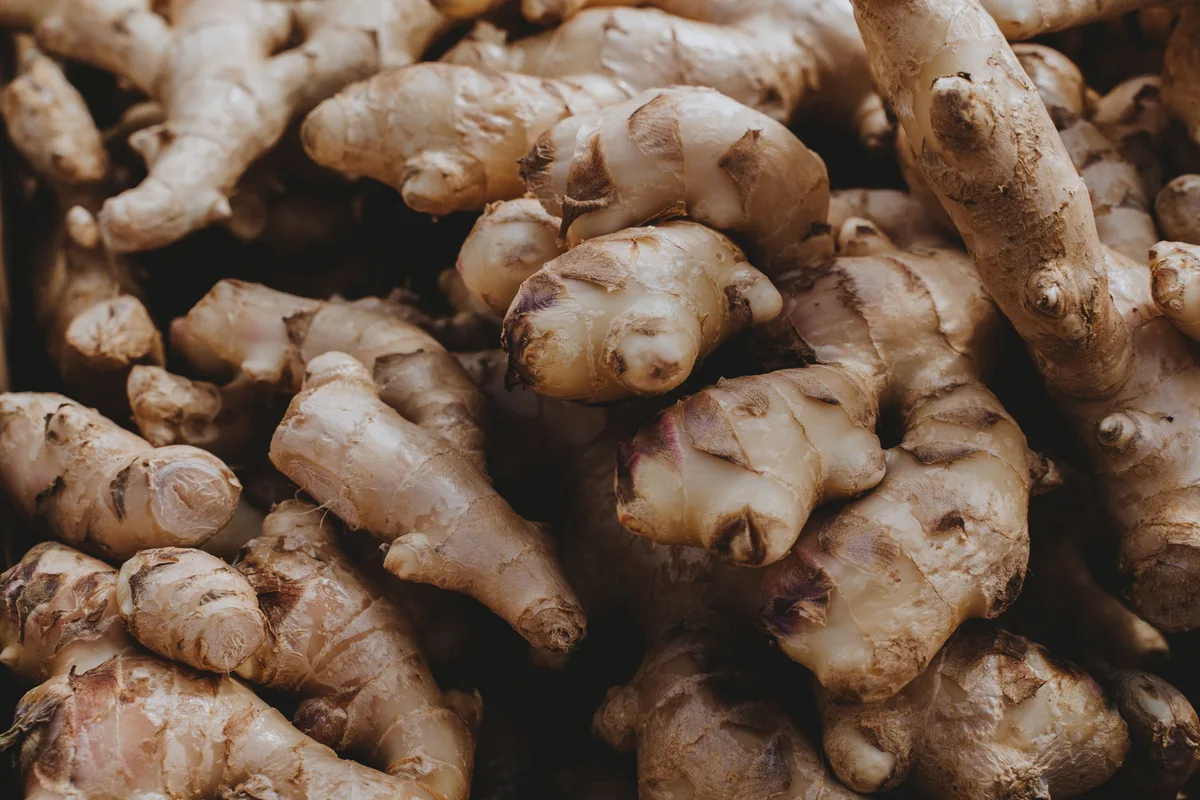
Three simple ways to use ginger for an upset stomach:
- Grate a thumb-sized piece into hot water, steep 10 minutes, strain, sip slowly
- Add thin slices to rice porridge while it simmers
- Try ajwain water, which combines digestive seeds with ginger for a traditional Indian stomach remedy
For more on how specific spices support digestion, see our guide to the best spices for digestion.
Simple Yogurt (When Your Stomach Can Handle It)
There's a catch with yogurt. During acute nausea or stomach pain, dairy can make things worse for many people. But once the sharpest discomfort has passed, a small portion of plain, unsweetened yogurt can actively help your gut recover.
The reason is bacterial. Yogurt's Lactobacillus and Streptococcus thermophilus cultures produce lactic acid, which lowers intestinal pH and creates an environment less hospitable to harmful bacteria. The 2020 Cochrane review by Collinson and colleagues, pooling 82 randomized trials, found that probiotics reduced the mean duration of acute infectious diarrhoea by roughly 25 hours, with Lactobacillus rhamnosus GG and Saccharomyces boulardii as the best-studied strains. The effect was smaller in low-risk-of-bias subgroups, but yogurt's live cultures remain a reasonable, well-tolerated food source.
In Ayurvedic practice, lassi (diluted yogurt with water and a pinch of cumin) is the traditional digestive drink served with meals. The dilution is the key: full-fat, thick yogurt is harder to digest than a thin, room-temperature lassi. Cardamom is sometimes added as well, which contributes its own carminative properties.
Timing matters: Skip yogurt when your stomach is actively churning. Introduce it 12 to 24 hours later, once you can keep plain broth down comfortably.
What to Avoid (Just as Important)
Knowing what to eat when your stomach is upset is half the equation. The other half is knowing what makes things worse:
- Fried or high-fat foods slow gastric emptying, keeping food in your stomach longer
- Raw vegetables require significant digestive effort; cooked and soft is better right now
- Caffeine stimulates gastric acid production, which can worsen irritation
- Spicy-hot foods (distinct from aromatic spices like cumin or cardamom) can irritate an already inflamed stomach lining
- Carbonated drinks introduce gas into an already distressed system
- Dairy (except cultured yogurt, once you're past the acute phase)
This isn't a permanent list. These are foods to sidestep for 24 to 48 hours while your stomach settles.
A Gentle Eating Timeline
Here's how to think about eating your way back to normal:
First 6-12 hours (worst discomfort): Warm ginger water. Small sips of plain broth. Nothing solid yet.
12-24 hours (easing): Plain congee or jok. A cup of warm miso shiru. Soft basmati rice with a pinch of salt.
24-48 hours (recovering): Khichdi with cumin and turmeric. Thin lassi with cumin. Golden milk (turmeric, ginger, and warm milk) if dairy feels manageable.
48+ hours (rebuilding): Gradually reintroduce normal foods. Keep meals smaller than usual. If bloating or gas lingers, fermented foods like miso and yogurt can help restore balance.
Frequently Asked Questions
Is it better to eat or fast when your stomach is upset?
Small amounts of gentle food tend to help more than complete fasting. An empty stomach produces acid with nothing to buffer it, which can increase nausea. Sipping warm broth or eating a few spoonfuls of rice porridge gives your stomach something to work with while keeping the digestive load minimal.
How long does an upset stomach usually last?
Most episodes of simple stomach upset (from overeating, stress, or mild food reactions) resolve within 24 to 48 hours. If symptoms persist beyond 72 hours, include fever or blood, or are severe enough to prevent hydration, consult a healthcare provider.
Can spices actually help an upset stomach?
Certain aromatic spices, particularly ginger, cumin, fennel seeds, and cardamom, have demonstrated carminative and anti-spasmodic properties in clinical research. The key is using them gently (simmered into broths or steeped as tea) rather than in heavy, oily preparations.
Why do so many cultures use rice porridge for stomach problems?
Rice porridge appears across Chinese, Thai, Indian, Japanese, and Korean food traditions as a stomach remedy because the slow-cooked starch is one of the easiest foods for the human gut to process. The gelatinized starch coats and soothes the stomach lining while providing glucose for energy without requiring significant digestive work.
Start in the Kitchen, Not the Medicine Cabinet
The next time your stomach rebels, look at your pantry before your medicine cabinet. A pot of congee simmering on the stove, a cup of ginger-steeped water, a bowl of soft khichdi with turmeric and cumin: these aren't folk remedies. They're tested, practical solutions refined over centuries of feeding people who didn't feel well.
Start with our congee recipe or khichdi, and keep fresh ginger in your kitchen at all times. It's the single most useful ingredient for digestive distress, and it belongs in every pantry.
Comments
Share your thoughts on this post.
Sign in to comment0 Comments