Lion's Mane vs. Brahmi vs. Gotu Kola: Cognitive Herbs Compared
Lion's Mane vs. Brahmi vs. Gotu Kola: Cognitive Herbs Compared
Three herbs dominate the modern cognitive-support conversation: lion's mane mushroom, brahmi, and gotu kola. They are sold side by side at the same supplement counter, often with overlapping claims about memory, focus, and brain health. The marketing copy makes them sound interchangeable. The research does not.
Each works through a different mechanism. Each has a distinct trial record. Each fits a different cognitive concern. For people choosing one (or stacking them deliberately), the differences matter more than the similarities. Here is the comparison the supplement-shelf copy does not give.
The Three Herbs and Their Working Mechanisms
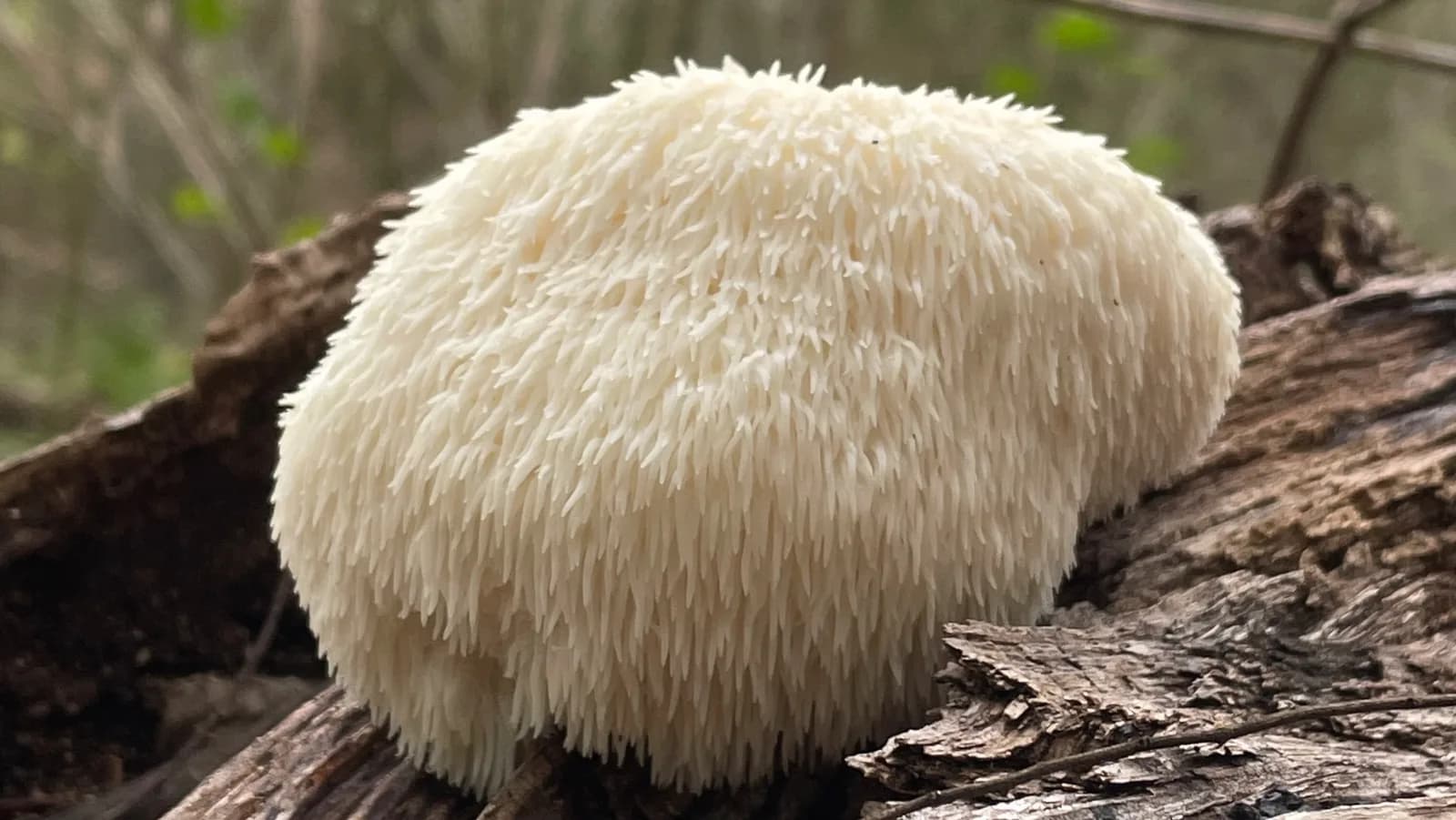
Lion's mane (Hericium erinaceus). A culinary and medicinal mushroom used in Chinese and Japanese traditions, with a long record in both temple cooking and folk medicine. The active compounds are hericenones and erinacines, which appear to stimulate nerve growth factor (NGF) synthesis in animal models and in vitro. NGF supports neuron survival and the formation of new synaptic connections. The most-cited human trial is Mori et al. 2009 in Phytotherapy Research, which gave 30 older adults with mild cognitive impairment lion's mane extract or placebo for 16 weeks and found significant improvement on cognitive assessment scales in the lion's mane group. The benefit reversed when supplementation stopped, suggesting the effect requires continued use.
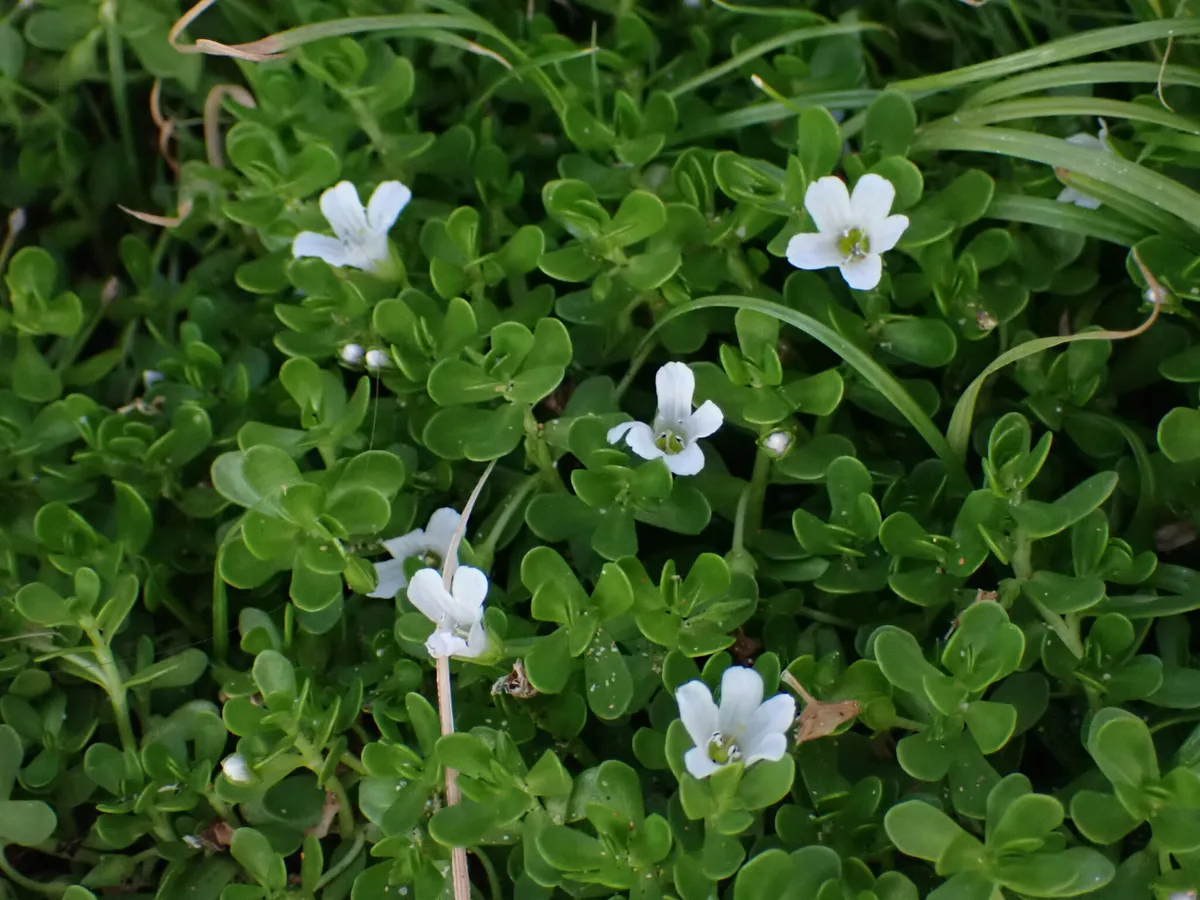
Brahmi (Bacopa monnieri). Covered in detail in the brahmi post. The brief version: bacosides enhance cholinergic transmission and upregulate BDNF over an 8 to 12 week build-in period. The strongest evidence is for memory consolidation and the ability to retain new information. The classical Ayurvedic classification is medhya rasayana, intellect-nourishing rejuvenative.
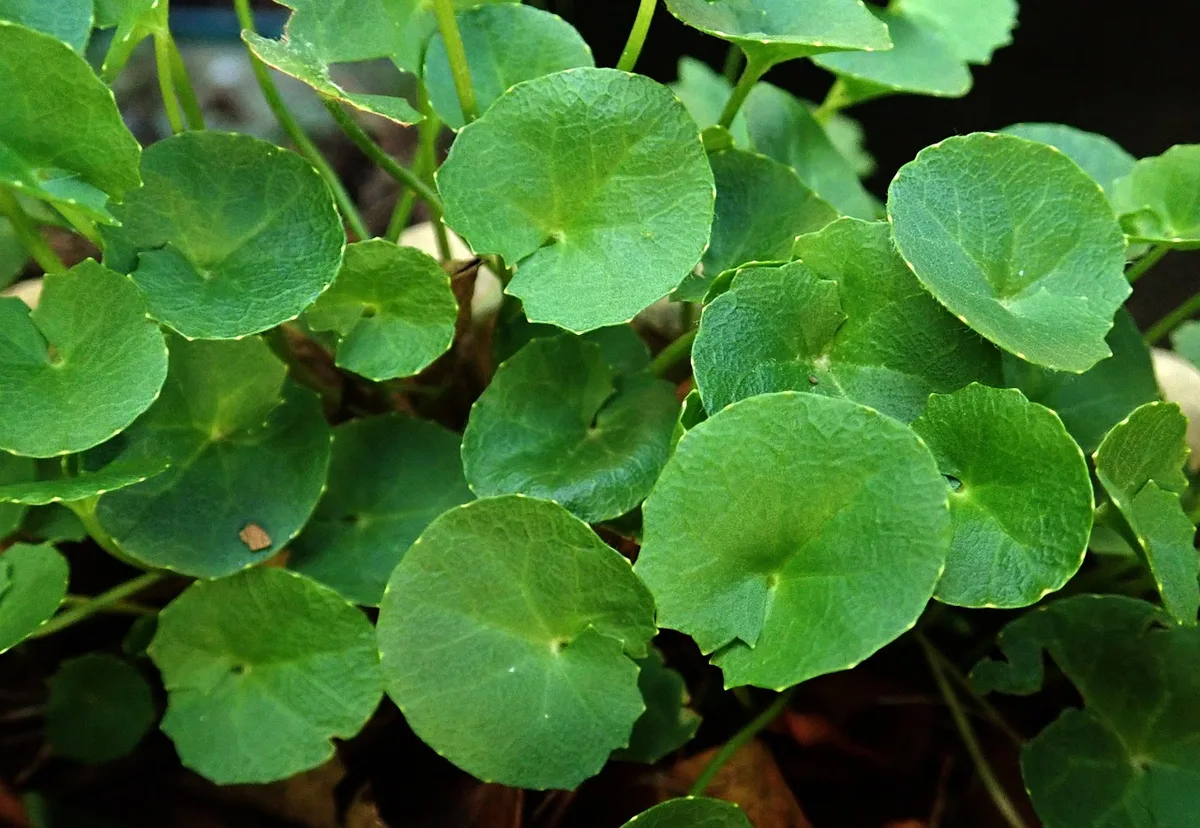
Gotu kola (Centella asiatica). The Sri Lankan and South Indian mandukaparni, used in Ayurveda alongside brahmi as one of the medhya rasayanas (and confusingly, sometimes called "brahmi" in regional traditions, which has caused decades of botanical confusion). The active compounds are triterpenoids called asiaticosides. Mechanistically, gotu kola supports peripheral microcirculation, has documented effects on collagen synthesis, and modulates GABA and serotonin pathways. The 2008 trial by Wattanathorn and colleagues in the Journal of Ethnopharmacology gave 28 healthy elderly adults gotu kola extract at varying doses for 2 months and found dose-dependent improvements in working memory, mood, and alertness. The strongest effect was at the highest dose tested.
What Each Is Best For
Lion's mane is most appropriate for ongoing neural maintenance and recovery from cognitive impairment, especially mild cognitive impairment in older adults. It is the only one of the three with a clinical trial in actual MCI populations showing measurable improvement. It also has supporting evidence for mood (a 2010 trial showed reduced anxiety and irritability after 4 weeks of supplementation). The mechanism, stimulation of nerve growth factor, suggests slow build over months. Lion's mane is also the only one of the three that doubles as a culinary mushroom; the fruiting body is excellent sautéed in olive oil, ghee, or butter, and the texture is reminiscent of crab.
Brahmi is most appropriate for memory consolidation and the day-to-day ability to retain new information, especially in healthy adults dealing with stress-related cognitive symptoms, exam-period cognitive load, or post-illness brain fog. The eight-to-twelve-week consistent dosing is essential; the trials that show the strongest effect used 300 mg of standardized extract daily for at least 12 weeks. Brahmi works gradually and cumulatively, not acutely.
Gotu kola is most appropriate for the combination of cognitive support with anxiety, microcirculation issues (cold hands and feet, varicose veins, peripheral neuropathy), and skin healing. Gotu kola has the broadest non-cognitive profile of the three; it is used in Ayurveda for both internal use and topical wound healing. The cognitive effect at culinary doses is modest; meaningful cognitive support usually requires 500 to 1000 mg of standardized extract daily over weeks.
A Comparison Table
| Aspect | Lion's mane | Brahmi (Bacopa) | Gotu kola (Centella) |
|---|---|---|---|
| Tradition | Chinese, Japanese | Ayurveda | Ayurveda, Sri Lankan |
| Primary mechanism | NGF stimulation | Cholinergic, BDNF | Triterpenoid, microcirculation |
| Strongest evidence for | Mild cognitive impairment, mood | Memory consolidation in healthy adults | Working memory, anxiety, microcirculation |
| Time to noticeable effect | 4 to 16 weeks | 8 to 12 weeks | 4 to 8 weeks |
| Typical effective dose | 500 to 1000 mg extract daily | 300 mg extract daily (50% bacosides) | 500 to 1000 mg extract daily |
| Culinary use | Yes, fresh mushroom | Fresh leaves in Kerala cooking | Fresh leaves in Sri Lankan cooking |
| Best for | Older adults, post-illness | Students, knowledge workers, healthy adults | Anxiety + cognitive overlap, microcirculation |
| Anxiety effect | Modest | Modest | Strongest of the three |
| Sleep effect | Slight improvement | Slight improvement | Slight improvement |
Stacking the Three
Many traditional Ayurvedic cognitive formulations combine brahmi and gotu kola (mandukaparni), recognizing that they work on different but complementary aspects of cognition. The classical Ayurvedic brain tonic medhya rasayana ghrita often combines brahmi, gotu kola, and shankhpushpi infused into ghee.
Combining brahmi and lion's mane is less traditional but mechanistically reasonable: brahmi works on memory consolidation, lion's mane works on neural maintenance and connectivity. There is no head-to-head trial of the combination, but the mechanisms do not conflict.
Combining all three is the maximalist approach. For people willing to take three preparations daily over months, it is plausible to expect modest cumulative benefit. The cost-versus-benefit tradeoff is less clear than for any one of them used consistently.
The fourth herb often added to the cognitive stack is ashwagandha, which addresses the cortisol-stress axis rather than direct cognition. The brahmi-plus-ashwagandha combination is the most evidence-supported cognitive-plus-stress stack; see the adaptogenic herbs post for the broader stress picture.
Quality and Form
Lion's mane. Whole-mushroom extracts standardized to beta-glucan content are most consistent with the trials. The popular distinction between fruiting-body extracts and mycelium-on-grain extracts matters; the trials used fruiting-body extracts, and the mycelium-on-grain products contain significantly less of the active compounds. For culinary use, the fresh mushroom is increasingly available at farmers' markets and Asian groceries.
Brahmi. Standardized extracts containing 50% bacosides at 300 mg per day matched the positive trial dose. Powdered brahmi at half a teaspoon twice daily is the traditional kitchen preparation, but bacoside content varies significantly by source. Fresh brahmi leaves are eaten as a vegetable in Kerala and parts of Tamil Nadu.
Gotu kola. Standardized extracts containing 40% triterpenoids at 500 to 1000 mg daily matched the positive trial dose. Powdered gotu kola at one teaspoon daily is the traditional preparation. Fresh gotu kola leaves are eaten daily as a salad (pol sambol and gotu kola sambol) in Sri Lankan cuisine.
What Each Is Not
None of these herbs is a substitute for sleep, exercise, or addressing the underlying causes of cognitive symptoms. All three have modest effect sizes in trials. The strongest single-intervention effects on cognition come from sleep, exercise, and stable blood sugar; the herbs are useful additions, not replacements.
None of these herbs is appropriate as a treatment for diagnosed cognitive decline, Alzheimer's, or other clinical conditions without clinician involvement. The trials in healthy adults and mild cognitive impairment do not translate to severe pathological decline.
People on thyroid medication should consult a clinician before long-term brahmi use (some animal evidence of thyroid stimulation). People with hypotension should monitor blood pressure with gotu kola at higher doses (mild blood-pressure-lowering effect). People with low blood sugar should monitor with lion's mane (modest hypoglycemic effect in some trials).
Frequently Asked Questions
Can I take all three together?
Yes, the mechanisms do not conflict. Whether the combined effect justifies the combined cost is an individual judgment. Most practitioners suggest starting with one for 12 weeks, then adding a second if useful, rather than starting with the full stack.
How do these compare to ashwagandha?
Ashwagandha works on the cortisol-stress axis rather than direct cognition. It is the right choice when stress and sleep are the primary issues; brahmi, gotu kola, or lion's mane is the right choice when memory or cognitive performance is the primary issue. They combine well, addressing different axes.
What about reishi?
Reishi is in a different category, traditionally used for immune support and sleep rather than direct cognition. The 2017 review of reishi research found its strongest support is for fatigue, sleep, and immune modulation. For pure cognitive support, lion's mane is the better mushroom choice. The reishi mushroom congee post covers the culinary side.
How long should I try a herb before deciding it works?
The minimum is 8 weeks for noticeable effects, 12 weeks for a fair test. Quitting after 2 to 4 weeks is the most common reason people conclude these herbs "don't work" when the trial timelines suggest they would have worked given more time.
The Honest Frame
The cognitive-herb category has solid evidence for modest effects in specific contexts. Lion's mane for older adults and post-illness recovery. Brahmi for healthy adults building memory function. Gotu kola for the anxiety-cognition overlap and microcirculation. None of them produces transformative effects; all of them produce measurable ones with consistent use.
The choice between them is best made by matching the herb to the specific cognitive concern rather than choosing what is currently most marketed. For the broader cognitive picture, the posts on brahmi specifically and on brain fog after illness cover the use-case-specific applications. The herbs work best as part of a setup that also includes sleep, exercise, and stable blood sugar. They do not work as substitutes for those.
Comments
Share your thoughts on this post.
Sign in to comment0 Comments