Foods for Brain Fog After Illness: A Recovery Eating Guide
Foods for Brain Fog After Illness: A Recovery Eating Guide
Three weeks after a bad flu, the body feels mostly normal. The mind does not. Words that should arrive in conversation do not arrive. Reading the same paragraph three times produces no comprehension. Decisions that used to take seconds take minutes. The official medical name for this is post-infectious cognitive impairment. The lived experience is brain fog, and it is one of the most underdiscussed parts of recovery from any significant illness.
This pattern shows up after COVID-19, mononucleosis, severe flu, dengue, malaria, Lyme disease, and the heavy antibiotic courses used to treat them. It can last weeks or months. The 2022 Nature Medicine study by Al-Aly and colleagues that followed more than 154,000 COVID patients found that cognitive complaints persisted in roughly 7% of cases beyond six months. Mononucleosis fatigue and cognitive symptoms are well-documented to last three to six months in many adults. Antibiotic-associated cognitive disruption, mediated through gut-microbiome changes, is now recognized as a real phenomenon in the gut-brain literature.
The food strategy for post-illness brain fog is specific. It is not about generic brain foods. It is about addressing the three mechanisms that drive the fog: a disrupted gut-brain axis, low-grade neuroinflammation, and mitochondrial fatigue in brain tissue. Traditional medicine systems, Ayurveda and Chinese medicine, have characterized this state for at least two thousand years and developed food protocols for it. The modern mechanisms validate most of what they prescribed.
Why the Fog Persists
The persistence of brain fog after the acute illness has resolved is biologically straightforward once you understand the three drivers.
Gut-brain axis disruption. Acute illness, fever, and especially antibiotics change the gut microbiome rapidly. The microbiota produce neurotransmitter precursors (serotonin, GABA, dopamine), short-chain fatty acids (butyrate, propionate) that nourish the gut lining, and signaling molecules that travel up the vagus nerve to influence brain function. A 2019 review by Cryan and colleagues in Physiological Reviews documents how shifts in the gut microbiome, including those triggered by infection, antibiotic exposure, and stress, can affect cognition, mood, and neuroinflammation on timescales from weeks to months. The gut needs time to rebuild diversity. Until it does, the brain feels foggy.
Low-grade neuroinflammation. The immune response that fought the infection does not switch off cleanly. Cytokines like IL-6, TNF-alpha, and CRP can remain elevated for weeks after the acute illness resolves. These cytokines cross the blood-brain barrier and disrupt neurotransmission, particularly affecting the prefrontal cortex (executive function) and hippocampus (memory). This is the mechanism behind sickness-behavior fatigue and the "cytokine sickness" syndrome documented in post-viral cohorts.
Mitochondrial dysfunction. Viral infections in particular can damage mitochondria, the cellular energy producers, in muscle and brain tissue. The brain consumes roughly 20% of the body's energy despite being only 2% of body weight. When mitochondrial output drops, the brain runs first into trouble. A 2024 study by Appelman and colleagues in Nature Communications found that long COVID patients had measurable skeletal muscle mitochondrial dysfunction that worsened after the kind of exertion that triggers post-exertional malaise, alongside their cognitive symptoms.
The food strategy addresses all three.
Phase 1: Rebuilding the Gut (Week 1)
Start with the same protocol used for recovery after antibiotics: warm, easy-to-digest, gentle on the gut, gradually reintroducing fermented foods.
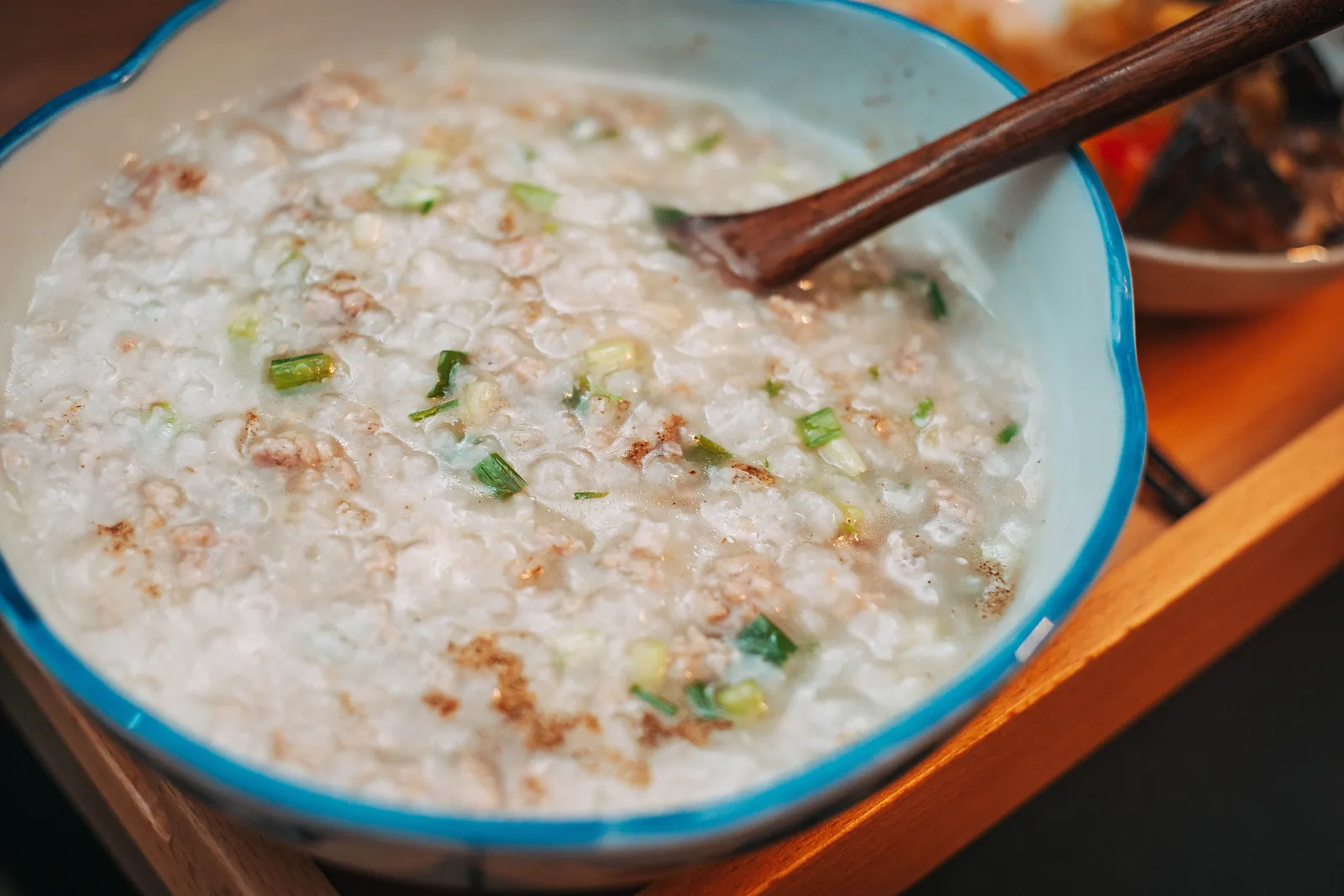
The single most useful preparation here is congee or khichdi. Both are rice-based, slow-cooked, easily digestible, and serve as carriers for the warming spices and animal or vegetable broths that support recovery. The Chinese tradition reaches for congee with ginger, scallion, and a little sesame oil. The Indian tradition reaches for khichdi with turmeric, cumin, and ghee. The choice is preference; both work.
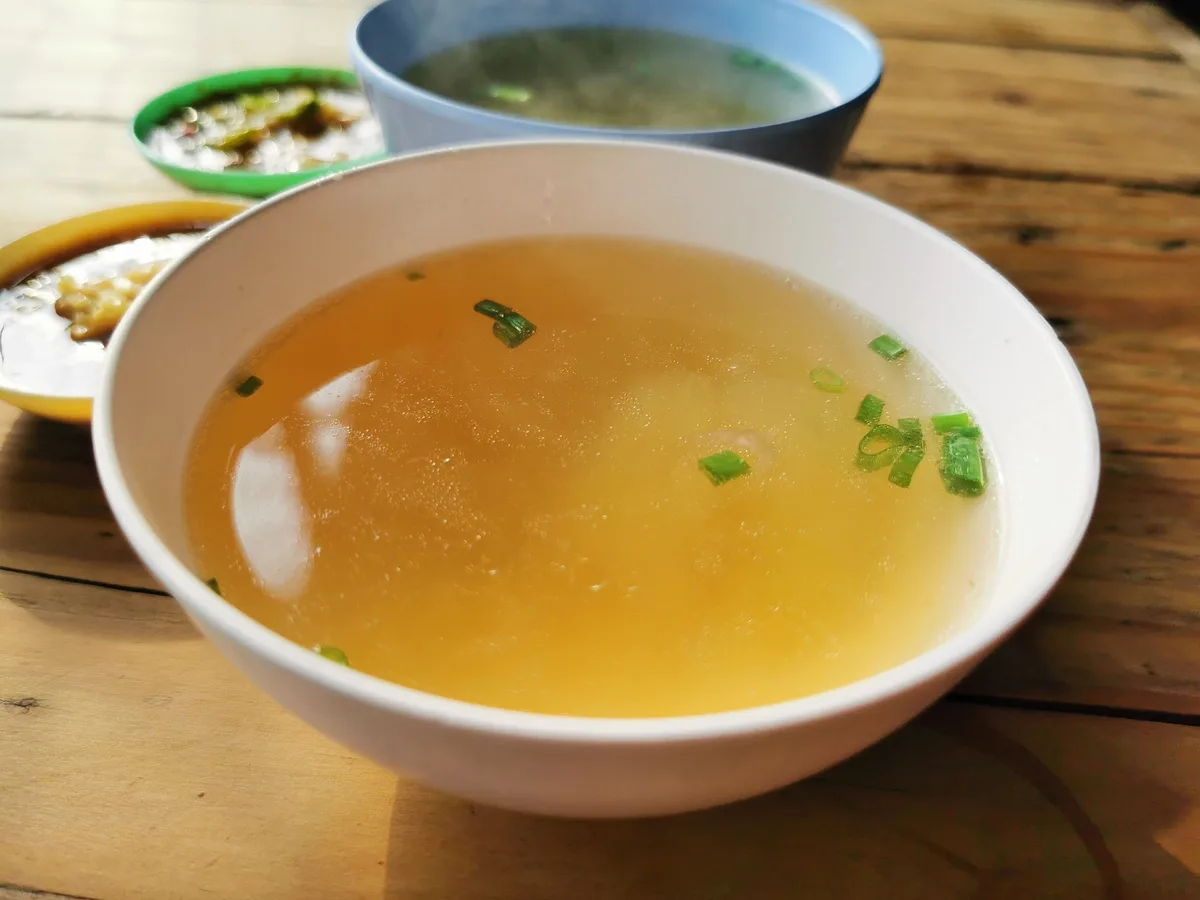
Bone broth, ideally spiced bone broth with ginger, black pepper, and turmeric, provides glycine, proline, and minerals that support both gut-lining repair and neuroinflammation reduction. Drink it warm, not hot, two cups a day in the first week.
Fermented foods reintroduce diversity to the microbiome. Start small: a tablespoon of plain yogurt, a few teaspoons of homemade pickled vegetables, miso dissolved in warm water (not boiling, which kills the probiotic content). A 2021 study in Cell by Wastyk and colleagues at Stanford found that a ten-week fermented-food intervention increased microbiome diversity and decreased inflammatory markers more reliably than a high-fiber diet alone. The effect is gradual but meaningful.
Skip during this phase: alcohol, refined sugar, ultra-processed foods, raw vegetables in large quantities (the gut is not ready), and cold drinks (which can further slow digestion already compromised by illness).
Phase 2: Targeting the Inflammation (Weeks 2 to 4)
Once basic digestion is restored, the focus shifts to reducing the persistent inflammation that drives the cognitive symptoms.
The two best-studied dietary interventions for neuroinflammation are omega-3 fats and polyphenols.
For omega-3: fatty fish (salmon, sardines, mackerel) two to three times a week, walnuts, flaxseed (ground), chia seeds. The clinical literature on omega-3 and cognition is meaningful but variable; the strongest signal is in older adults and post-illness cohorts. A 2019 meta-analysis by Liao and colleagues in Translational Psychiatry pooled 26 randomized trials and found that EPA-predominant omega-3 supplementation at modest doses reduced depressive symptoms in adults, including in subgroups with elevated inflammatory burden.
For polyphenols: deeply colored vegetables and fruits, green tea, dark chocolate (at least 70% cacao), berries, turmeric, and culinary herbs like rosemary and oregano. The mechanism is partially direct antioxidant action and partially the modulation of microbial metabolites that influence the gut-brain axis. The traditional Indian preparation that delivers turmeric in its most bioavailable form is golden milk with black pepper and ghee. The piperine in black pepper increases curcumin bioavailability by roughly twentyfold, and the fat in ghee or milk supports absorption of fat-soluble polyphenols generally.
Green tea contains L-theanine, an amino acid that crosses the blood-brain barrier and increases alpha-wave activity associated with relaxed alertness. The 2008 study by Nobre and colleagues in Asia Pacific Journal of Clinical Nutrition documented L-theanine's effect on attention tasks. Two to three cups of green tea daily is a reasonable target during this phase.
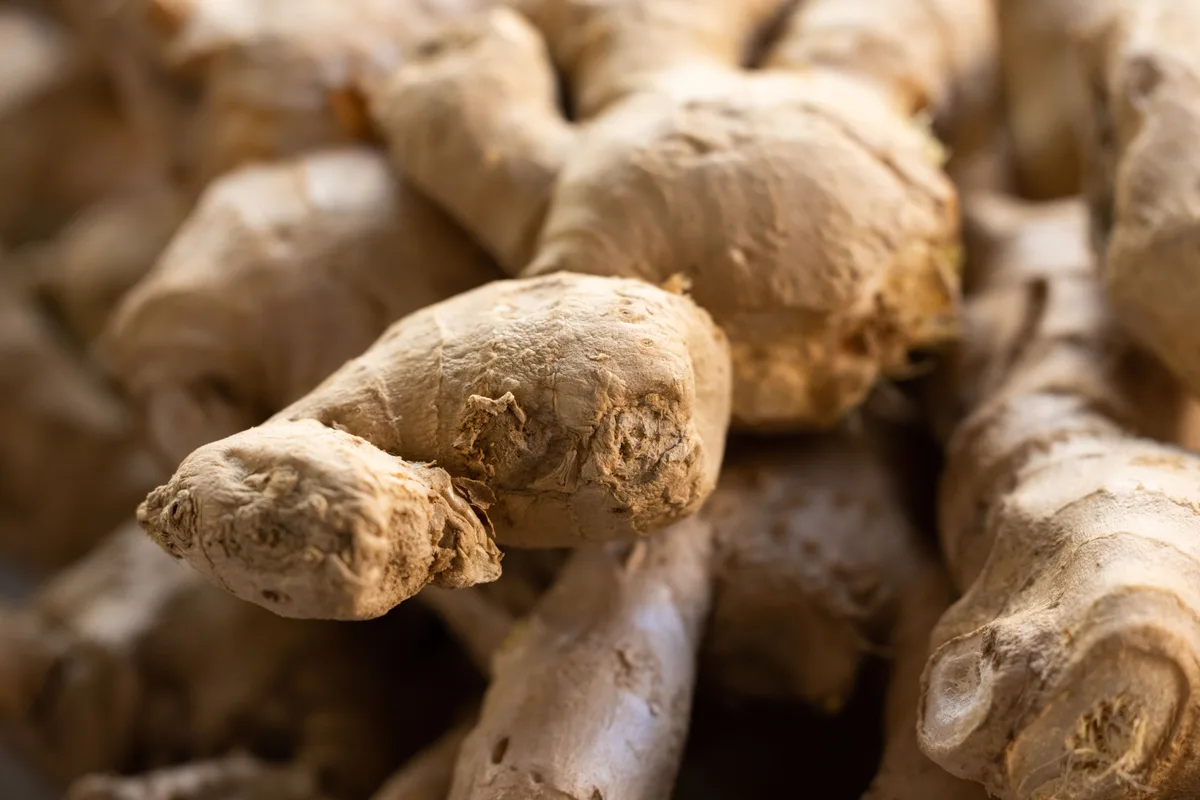
Ginger deserves specific mention. Gingerols and shogaols have documented anti-inflammatory effects, and ginger has been used in Chinese medicine for recovery from viral illness for at least two thousand years. Fresh ginger tea (a thumb of ginger sliced and simmered in water for 10 minutes, with honey added after cooling slightly) is a useful daily preparation during this phase.
Phase 3: Restoring Mitochondrial Function (Weeks 3 to 8)
Mitochondrial recovery takes longer than gut or inflammation recovery. The brain needs sustained inputs of B-vitamins, magnesium, CoQ10, and the building blocks of the electron transport chain.
B-vitamins (especially B12, B6, folate, and riboflavin) are most concentrated in animal products, particularly eggs, organ meats, fish, and dairy. For vegetarians, the rate-limiting nutrients are B12 (supplementation usually necessary), iron (legumes plus vitamin C), and choline (eggs and soy). Folate is widely available in green vegetables and lentils.
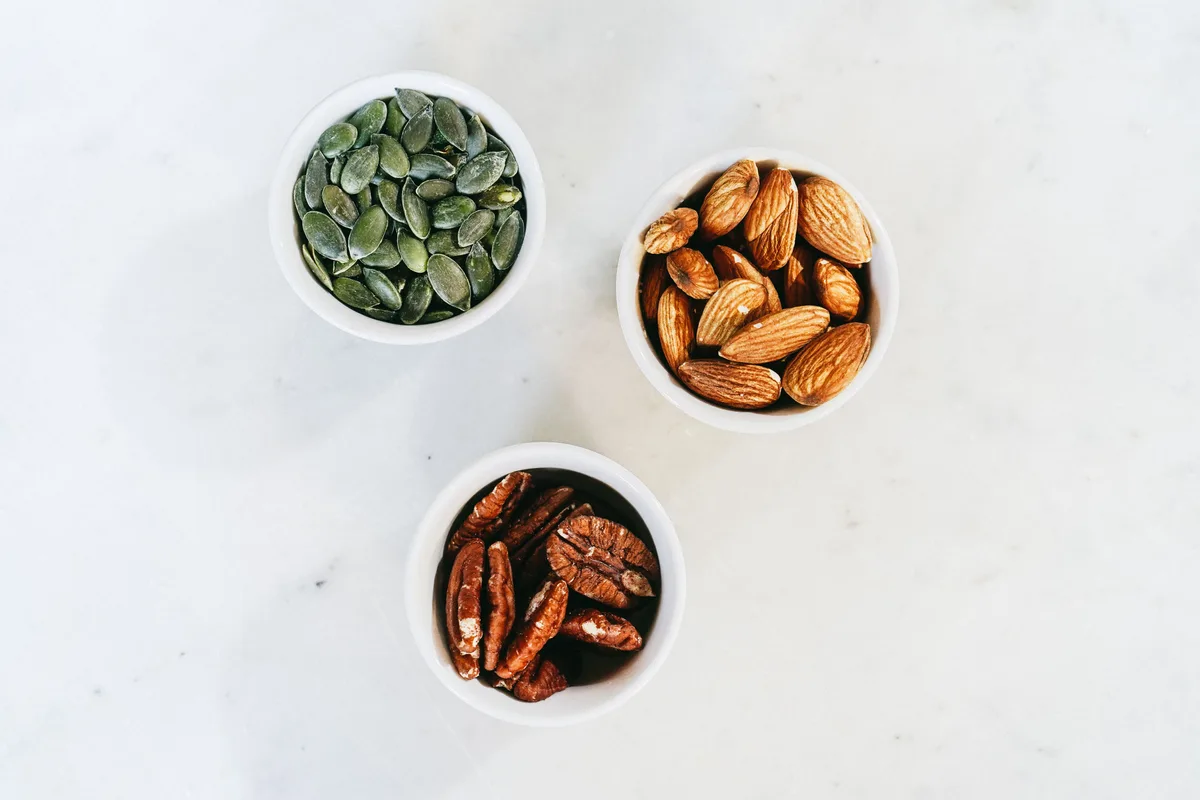
Magnesium is the cofactor for over 300 enzymatic reactions, including ATP production. Best food sources are pumpkin seeds, dark chocolate, almonds, cashews, and leafy greens. A handful of mixed nuts and seeds daily covers most of the needed magnesium.
CoQ10 is concentrated in organ meats and oily fish; small amounts are in beef, chicken, and peanuts. Endogenous production declines with illness, so dietary support can matter.
The Ayurvedic preparation most aligned with mitochondrial recovery is the rasayana class of foods: warm, fat-carried, slowly cooked, dense in trace minerals. The classical preparations include ashwagandha moon milk (cortisol modulation and stress recovery), and the brahmi-and-ghee combinations covered in the brahmi post. These are not magic. They are slow-acting tissue support, taken consistently over weeks.
What the Traditional Systems Got Right
The Ayurvedic concept of rasa dhatu depletion after illness, and the TCM concept of qi and yin deficiency in convalescence, are remarkably specific descriptions of what modern medicine now calls post-infectious fatigue. Both systems prescribe warm, slow, easily-digestible, nutrient-dense food for weeks after the acute illness. Both prescribe rest before activity. Both prescribe the slow rebuilding of digestion before the rebuilding of muscle or stamina.
The Chinese approach in particular emphasizes congee as a recovery food precisely because it requires almost no digestive work. The traditional version with ginger, scallion, and a small amount of fish or chicken broth provides easy hydration, easy calories, easy minerals, and easy amino acids. A reishi mushroom congee variation adds beta-glucans for immune-system rebalancing, which is the next layer of recovery after the inflammation has been addressed.
Frequently Asked Questions
How long does post-illness brain fog usually last?
For most adults, two to six weeks after a flu, two to three months after mononucleosis or significant viral illness, four to twelve weeks after a heavy antibiotic course. Long COVID cognitive symptoms can last longer; if symptoms persist beyond three months with no improvement trend, clinical evaluation is warranted.
Should I take supplements or focus on food?
Food first, for two reasons. The nutrients in whole foods come with the cofactors needed for absorption, and food-based recovery rebuilds the system holistically rather than addressing single deficiencies. The exceptions where supplementation usually helps: B12 for vegetarians, vitamin D in northern climates and in winter, omega-3 if fish is not regularly available.
Can I exercise during recovery?
Gentle movement (walking, yoga, light stretching) supports vagal tone and mitochondrial recovery. Aggressive cardio in the first two weeks tends to deepen the fatigue rather than help it. The general principle: if it leaves you more tired the next day rather than less, scale back. Exercise tolerance returns gradually as mitochondrial function recovers.
What about coffee?
In moderate amounts (1 to 2 cups a day, before noon), coffee is reasonable for most people during recovery; the antioxidant content is actually meaningful. The trap is using caffeine to push through fatigue that is signaling the need for rest. If caffeine is the only thing keeping you functional, the underlying recovery is being papered over rather than supported.
A Six-Week Picture
Week 1: warm broths, congee or khichdi, ginger tea, gentle reintroduction of fermented foods. Sleep priority over everything.
Weeks 2 to 3: introduce fatty fish, more vegetables, golden milk daily, green tea, polyphenol-rich foods. Gentle walking.
Weeks 4 to 6: a wider diet, including more variety in protein and vegetables. Stress-recovery support with ashwagandha preparations or brahmi if cognitive symptoms persist. Light strength work as tolerated.
For broader context on illness recovery, see what to eat when sick with no appetite and what to eat after antibiotics. The fog lifts. Most of the time it lifts faster with the right food than without it.
Comments
Share your thoughts on this post.
Sign in to comment0 Comments