What to Eat When Sick With No Appetite (And Why You Should Eat Anyway)
What to Eat When Sick With No Appetite (And Why You Should Eat Anyway)
The worst part of being sick isn't the fever or the body aches. It's staring into the fridge at food that normally sounds wonderful and feeling nothing. Not hunger. Not even mild interest. Just a flat refusal from your entire digestive system.
Your body is doing this on purpose. When you're fighting an infection, your immune system diverts energy away from digestion toward pathogen destruction. Inflammatory cytokines (particularly IL-1 and TNF-alpha) directly suppress appetite through signals to the hypothalamus. A review described this as "sickness-associated anorexia," an evolutionarily conserved response that reduces the metabolic cost of digestion during acute illness.
So your body doesn't want food. But it needs fuel. Your immune system is burning through calories, electrolytes, and micronutrients at an accelerated rate. Complete fasting during illness extends recovery time. A 2016 study by Wang and colleagues in Cell found that the right answer depends on the pathogen: in mice with bacterial sepsis, fasting was protective and glucose feeding was harmful, while in viral (influenza) infection, glucose supplementation was protective and blocking glucose use was lethal. The picture is nuanced, but the practical conclusion is consistent across traditions: eat something gentle, even when you don't want to, and match what you can stomach to what your body needs.
Every food culture has an answer to this exact problem. Chinese congee. Korean samgyetang. Indian khichdi. Japanese miso soup. Jewish chicken soup. These aren't comfort foods in the emotional sense. They're recovery foods, designed over centuries to deliver maximum nourishment with minimum digestive demand.
The First 24 Hours: Liquids Only
When appetite is completely absent, don't fight it with solid food. Start with warm liquids that deliver calories, electrolytes, and therapeutic compounds in a form that requires almost no digestion.
Ginger Water or Ginger Tea
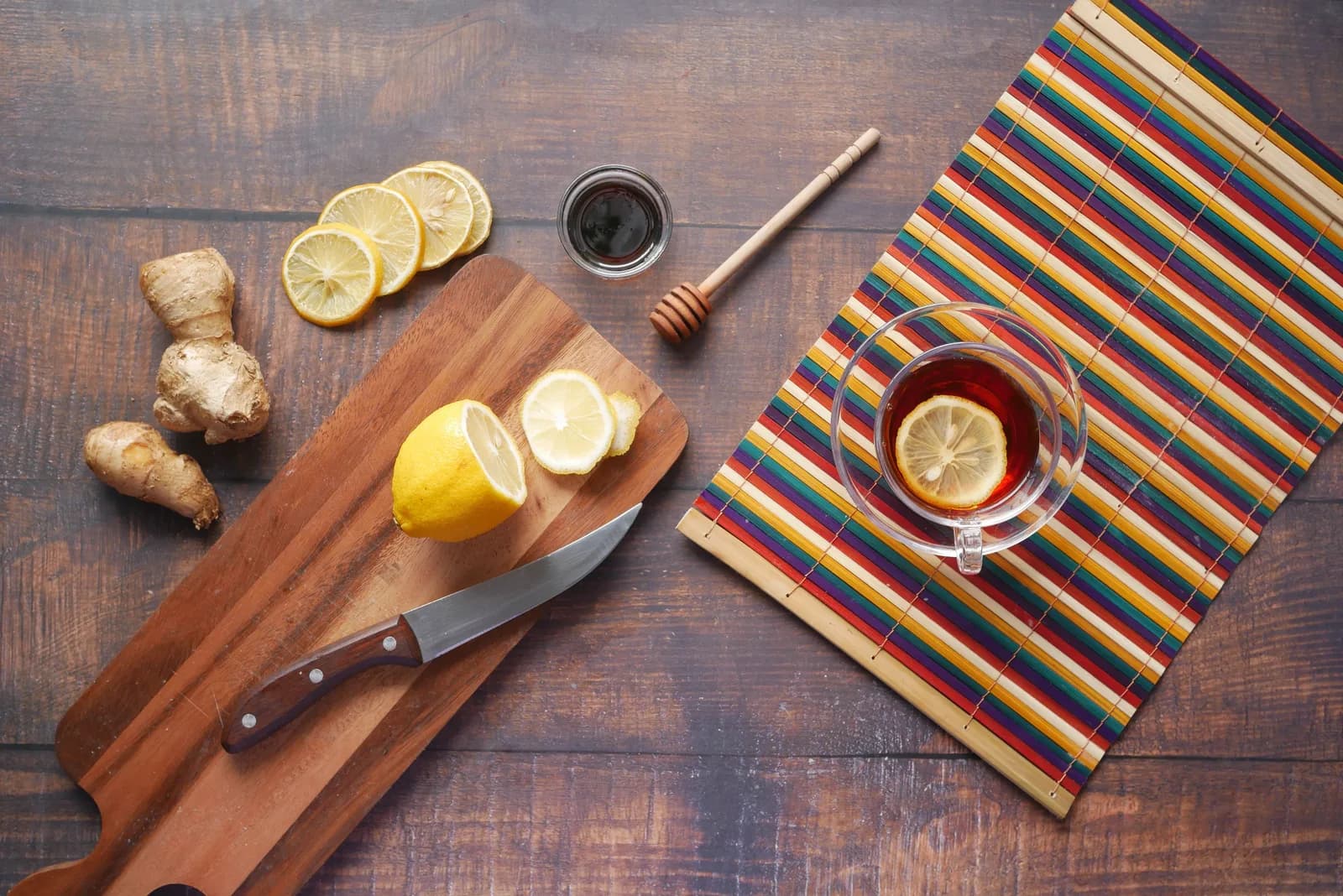
The simplest starting point. Grate a thumb-sized piece of fresh ginger into a mug of hot water. Steep 10 minutes. Strain if you prefer. Add a teaspoon of honey if you can tolerate sweetness.
Ginger addresses the two primary barriers to eating when sick: nausea and gastric stagnation. Gingerols interact with 5-HT3 serotonin receptors in the gut (the same pathway targeted by anti-nausea medications) to reduce nausea. They also accelerate gastric emptying, preventing the "everything just sits there" feeling that kills appetite. Korean saenggang cha (ginger tea with honey) is the traditional Korean first-line remedy.
Bone Broth
Spiced bone broth is the closest thing to an IV drip that you can make in a kitchen. A well-made broth simmered for 12+ hours contains:
- Electrolytes (sodium, potassium, magnesium) lost through fever, sweating, and inflammation
- Glycine (an amino acid that supports immune function and reduces inflammation)
- Glutamine (fuel for immune cells and gut lining cells)
- Gelatin (coats and soothes the GI tract)
Sip it warm from a mug. No need to eat it as a meal. Just keep sipping throughout the day. If you can, add a pinch of turmeric, black pepper, and sliced ginger to the broth for anti-inflammatory and anti-nausea support.
Miso Broth
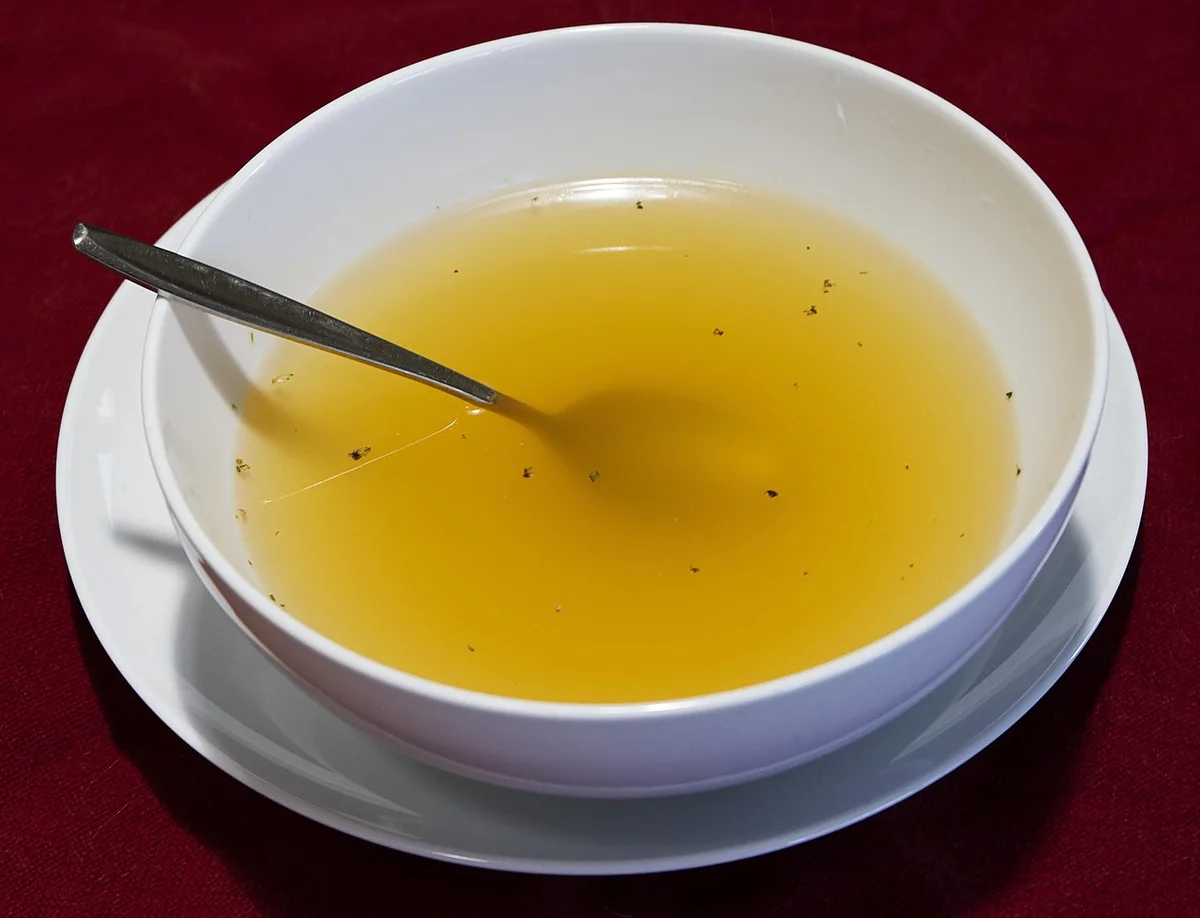
Miso shiru (simple miso soup, no additions) is the Japanese equivalent. Dissolve a tablespoon of miso paste in a cup of warm water. The miso provides sodium, amino acids, and live bacterial cultures in a form that's almost effortless to consume.
The probiotic content of miso is particularly valuable during illness, when the gut microbiome is under stress from both the infection and any medications you're taking.
Days 2-3: The Porridge Stage
As appetite begins to return (even slightly), introduce the gentlest solid food available: porridge.
Congee
Congee is the single most prescribed food in Traditional Chinese Medicine for illness recovery. One cup of rice cooked in eight cups of water for 1 to 2 hours, until the grains dissolve into a silky, starchy porridge. The gelatinized starch requires almost zero enzymatic effort to digest. The excess water provides hydration. The warmth soothes.
TCM considers congee the most important food for rebuilding spleen qi (digestive capacity) after illness. The Ben Cao Gang Mu (Compendium of Materia Medica, 1578) lists over 40 medicinal congee recipes for different conditions.
For illness with no appetite: Plain congee with a coin of fresh ginger and a pinch of salt. Nothing else. Let the simplicity work.
As appetite improves: Stir in a beaten egg during the last 2 minutes (protein without heaviness). Add a drizzle of sesame oil and sliced scallion. Or try Thai jok, which uses broken jasmine rice and often includes ginger and a soft egg.
Khichdi
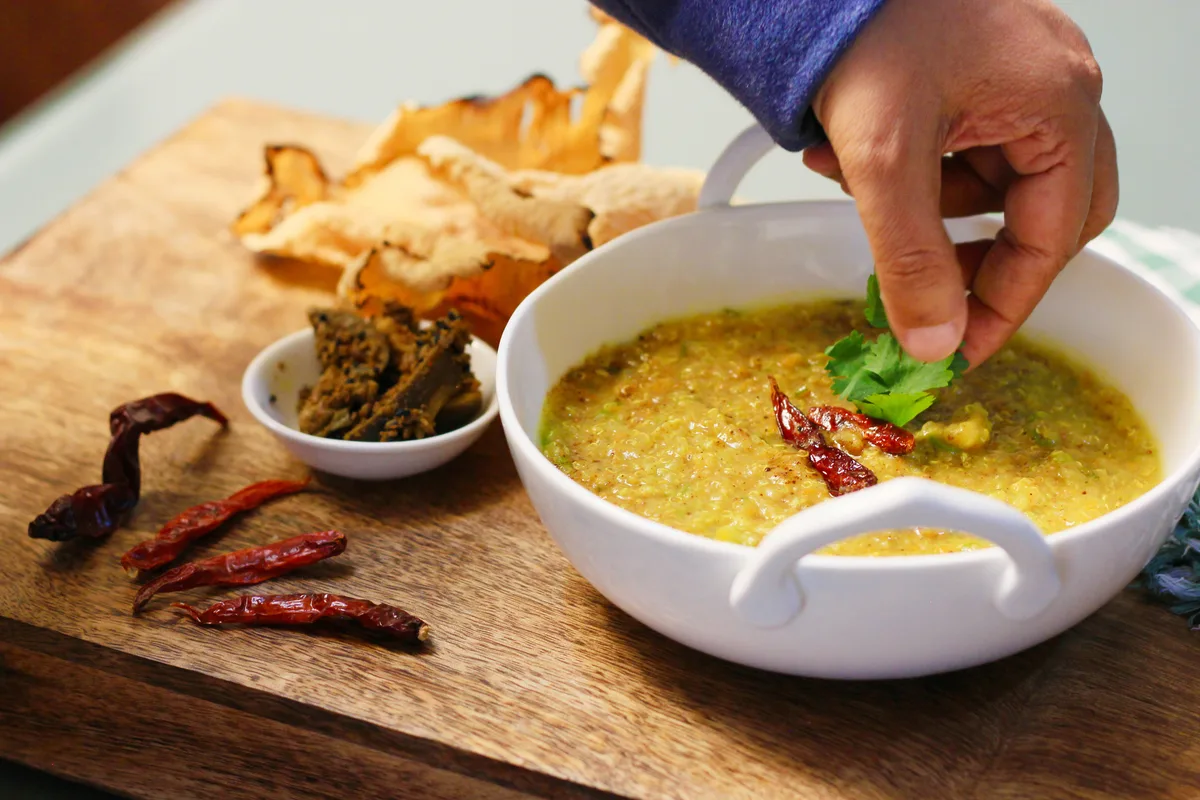
Khichdi is Ayurveda's answer to congee. Rice and split mung beans cooked soft with turmeric, cumin, ginger, and ghee. The combination provides complete protein (rice + lentils), anti-inflammatory compounds (turmeric + ginger), digestive support (cumin), and gut-nourishing fat (ghee's butyric acid).
Ayurveda prescribes khichdi for langhana (lightening therapy): simplifying the diet to the most digestible, nourishing food so the body can focus on healing. During illness, cook khichdi until it's very soft, almost porridge-like.
The Ayurvedic sick-day formula: Khichdi with extra ginger, a generous spoonful of ghee, and a pinch of black pepper. This delivers nutrition, warmth, and anti-inflammatory compounds without taxing digestion.
When Specific Symptoms Block Appetite
Not all "no appetite" is the same. The symptom driving it determines which foods help.
If Nausea Is the Problem
Nausea is the body's signal to stop eating, but the empty stomach that results produces more acid, often making nausea worse.
- Ginger in any form: tea, grated into broth, even candied ginger (if you can tolerate the sweetness)
- Plain congee or plain rice: bland starch absorbs excess stomach acid
- Cardamom tea: anti-spasmodic, reduces the stomach cramping that triggers nausea waves. Crush 2 pods, steep in hot water
- Small, frequent sips rather than full portions. A tablespoon of broth every 15 minutes is more effective than a bowl you can't finish
If Fatigue Is the Problem (Too Tired to Eat)
When illness makes you so exhausted that preparing food feels impossible, reduce the barrier to near zero.
- Instant miso (paste in hot water, 30 seconds)
- Pre-made bone broth heated in a mug
- A banana (requires no preparation, provides potassium and easily digestible carbohydrates)
- Warm water with honey and lemon (calories, vitamin C, hydration, zero effort)
Don't judge yourself for eating simple food during illness. The most sophisticated medical systems in history prescribe rice water and broth for sick people. Simplicity is the point.
If Congestion Is the Problem (Can't Taste Anything)
When your nose is blocked, food has no flavor, which kills appetite through a different mechanism.
- Increase warming spices: Ginger, black pepper, a pinch of cayenne. These stimulate thermoreceptors and clear congestion temporarily
- Tulsi tea (holy basil): traditional Ayurvedic decongestant and immune support
- Hot and sour soup or any broth with vinegar, chili, and ginger: the acid and heat cut through congestion enough to restore partial taste
- Garlic: Garlic is a powerful decongestant. Crush 2 cloves into broth and simmer for 5 minutes
For full guidance on cold-specific eating, see what to eat when you have a cold or flu.
The Recovery Progression
Think of eating through illness as a ladder. Each rung requires more digestive effort. Move up only when the previous rung feels comfortable.
Rung 1 (No appetite at all): Warm ginger water. Bone broth. Miso broth. Plain warm water with honey.
Rung 2 (Minimal appetite): Plain congee. Rice water (kanji). Thin miso soup with nothing added.
Rung 3 (Appetite returning): Congee with ginger and egg. Khichdi. Toast with ghee. Banana.
Rung 4 (Eating normally but fragile): Full khichdi with vegetables. Miso soup with tofu. Chicken soup with rice noodles. Samgyetang (Korean ginseng chicken soup, the ultimate recovery meal).
Rung 5 (Back to normal): Regular meals, but lighter than usual for 2 to 3 more days. Your digestive system needs time to fully restart after illness. Avoid heavy, fried, or raw food for the first few days after recovery.
What Not to Eat When Sick
- Dairy (except ghee): increases mucus production for most people, worsening congestion
- Fried food: requires significant digestive effort your body can't spare
- Sugar: feeds pathogenic bacteria and competes with vitamin C for neutrophil uptake. Older laboratory work suggested that high sugar intake transiently dampens neutrophil bactericidal activity, though the clinical relevance during illness is uncertain
- Raw vegetables and salads: require substantial digestive effort. Everything should be cooked and soft
- Caffeine: dehydrating when you need hydration most. Replace with herbal tea
- Cold food and cold drinks: both TCM and Ayurveda prohibit cold food during illness. The digestive system is already weakened; cold food further suppresses digestive capacity
Frequently Asked Questions
Is it true you should "starve a fever"?
The original saying was likely "feed a cold, starve a fever," but modern research doesn't fully support either extreme. The 2016 Cell study found that glucose feeding improved survival during bacterial infections (which often cause fever). Complete fasting during fever deprives the immune system of fuel. The traditional approach (warm broth and congee during fever) provides calories and hydration without overwhelming digestion, which is a reasonable middle ground.
How long can you go without eating when sick?
Most healthy adults can tolerate 24 to 48 hours of reduced eating without medical concern, as long as hydration is maintained. If you cannot keep any liquids down for more than 12 hours, or if you haven't eaten anything for more than 3 days, consult a healthcare provider. Dehydration is the primary risk, not starvation.
Does chicken soup actually help when sick?
Yes. A widely cited 2000 study by Rennard et al. in Chest (the journal of the American College of Chest Physicians) found that chicken soup inhibited neutrophil chemotaxis (the migration of white blood cells that causes cold symptoms). The warm liquid provides hydration and electrolytes. The gelatin from long-simmered bones supports gut lining integrity. The vegetables provide micronutrients. It's not folk wisdom. It's functional food.
Should I force myself to eat when sick?
Don't force full meals. But do consume something every 2 to 3 hours, even if it's just a few sips of broth or ginger tea. Small, frequent intake is far better than nothing. Your immune system needs glucose to function. If even liquids are impossible due to severe nausea or vomiting, that's a sign to contact a healthcare provider.
The Oldest Medicine Cabinet Is the Kitchen
Every culture that survived epidemic, pandemic, and the daily reality of infectious disease before modern medicine developed specific recovery foods. Congee in China. Khichdi in India. Samgyetang in Korea. Chicken broth everywhere. These aren't old wives' tales. They're the accumulated clinical wisdom of civilizations that paid very close attention to what helped sick people recover.
Keep fresh ginger in your kitchen at all times. Keep a container of bone broth in your freezer. Keep miso paste in your fridge. When illness arrives (and it will), you'll have everything you need to move from "nothing sounds good" to "I can eat again" in the gentlest, most effective way possible.
If your illness is digestive, see what to eat when your stomach is upset. For post-illness gut recovery, what to eat after food poisoning and what to eat after antibiotics cover specific rebuilding protocols.
Comments
Share your thoughts on this post.
Sign in to comment0 Comments