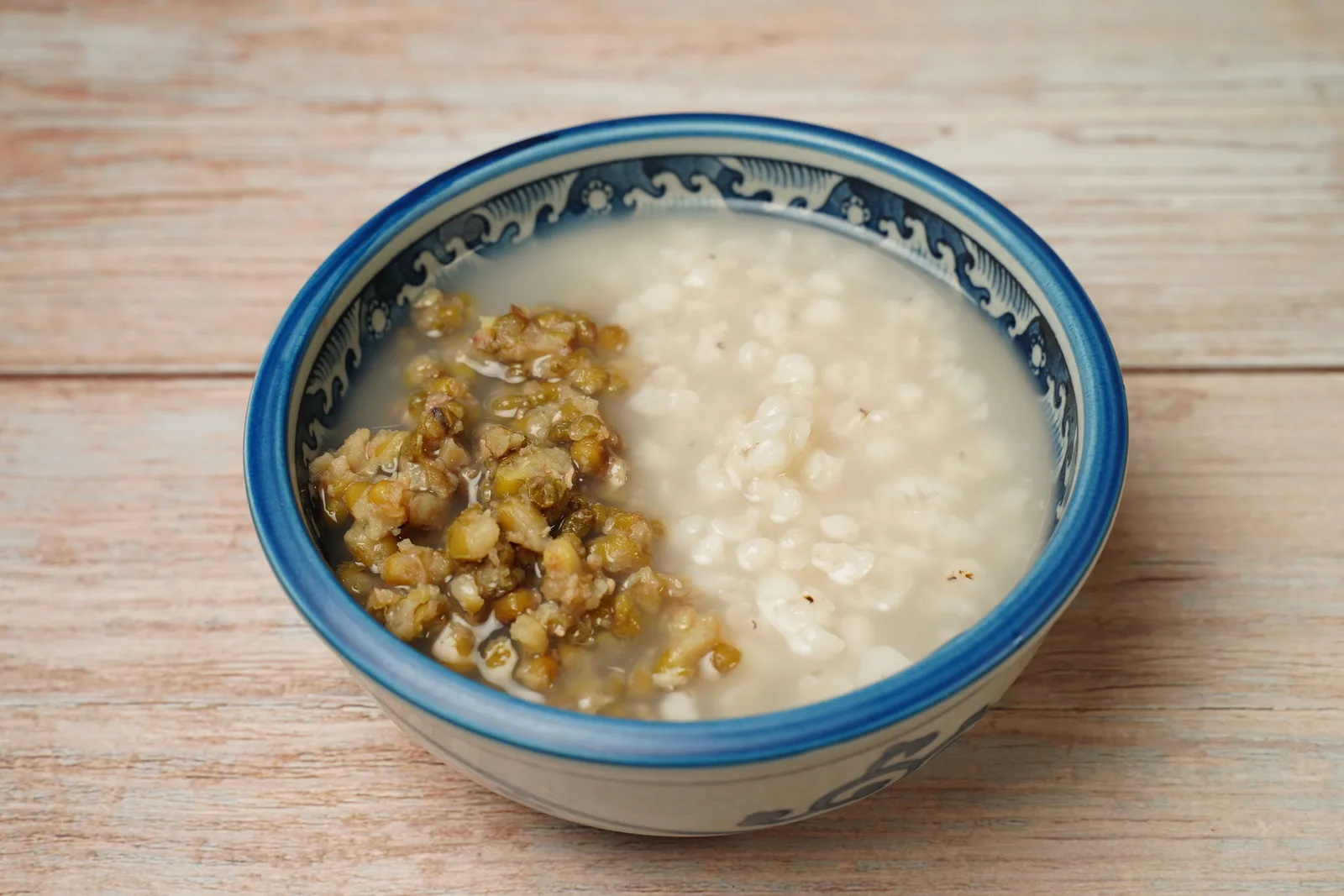
What to Eat After Food Poisoning: A Recovery Guide
What to Eat After Food Poisoning: A Recovery Guide
Food poisoning rewrites your relationship with food, at least temporarily. One meal goes wrong, and suddenly your body treats all food as a potential threat. The nausea, vomiting, diarrhea, and cramping are your immune system's aggressive clearing response. They're miserable, but they're effective.
The harder part is what comes after. The acute symptoms pass (usually within 12 to 48 hours), but your gut is damaged. The intestinal lining has been inflamed by bacterial toxins. Beneficial bacteria have been depleted by the purging. Your digestive enzyme production is suppressed. And your nervous system remains on high alert, interpreting normal digestive sensations as threats.
What you eat in the 3 to 7 days after food poisoning determines how quickly you recover. Eat the wrong things and you'll cycle through recurring nausea, bloating, and loose stools for weeks. Eat the right things and your gut rebuilds itself with surprising speed.
Phase 1: The First 12-24 Hours (Clear Liquids Only)
During and immediately after acute symptoms, your only job is hydration. Vomiting and diarrhea deplete fluids and electrolytes rapidly. Dehydration is the primary medical risk from food poisoning, not the infection itself.
What to drink:
- Warm water in small, frequent sips (not gulps, which can trigger more vomiting)
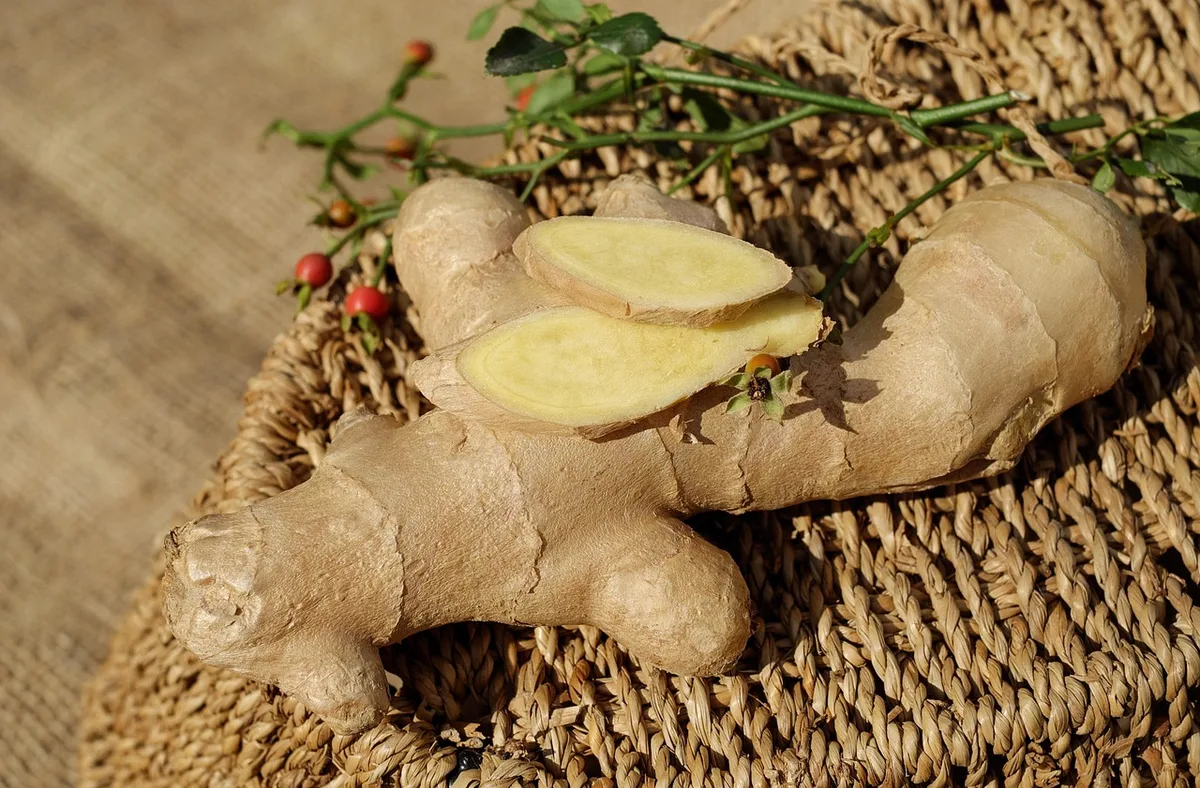
- Ginger water: Grate fresh ginger into warm water. Gingerols reduce nausea through 5-HT3 receptor antagonism, the same mechanism as ondansetron (Zofran). This is the single most useful food-based intervention during acute food poisoning
- Rice water (kanji): Save the starchy water from boiling plain rice. It provides glucose, electrolytes, and a coating effect on irritated intestinal tissue. A 1992 meta-analysis by Gore, Fontaine, and Pierce in BMJ, pooling 13 clinical trials, found that rice-based oral rehydration significantly reduced stool output compared with standard glucose-based ORS in cholera and severe diarrhoea (effects were smaller in non-cholera diarrhoea)
- Clear bone broth: Sodium, potassium, glycine, and glutamine in an easily absorbed form
What to avoid:
- Solid food of any kind (your GI tract is inflamed and unable to process it)
- Dairy (lactase enzymes are depleted during gastroenteritis; temporary lactose intolerance is common)
- Sugary drinks (sugar can worsen diarrhea through osmotic draw)
- Caffeine (stimulates already-irritated intestinal motility)
- Fruit juice (the fructose load worsens diarrhea for many people)
The ginger protocol: When nausea is severe, grate ginger into warm water, sip 1 to 2 tablespoons every 15 minutes. Don't try to drink a full cup. Micro-sipping keeps something in the stomach without overwhelming it.
Phase 2: Hours 24-48 (Simple Starches)
Once you can keep clear liquids down for 6+ hours without vomiting, introduce the simplest possible solid food.
Congee is the gold standard. Plain white rice cooked in 8 parts water until it dissolves into porridge. The gelatinized starch is one of the easiest molecules for a damaged gut to process. In Traditional Chinese Medicine, congee after illness is considered the most important step in recovery. It "rebuilds spleen qi" (digestive capacity) that the illness depleted.
Cook it plain. No spices yet except a few slices of fresh ginger in the cooking water (for nausea prevention and gentle gastric support). Salt is fine and helpful for electrolyte repletion.
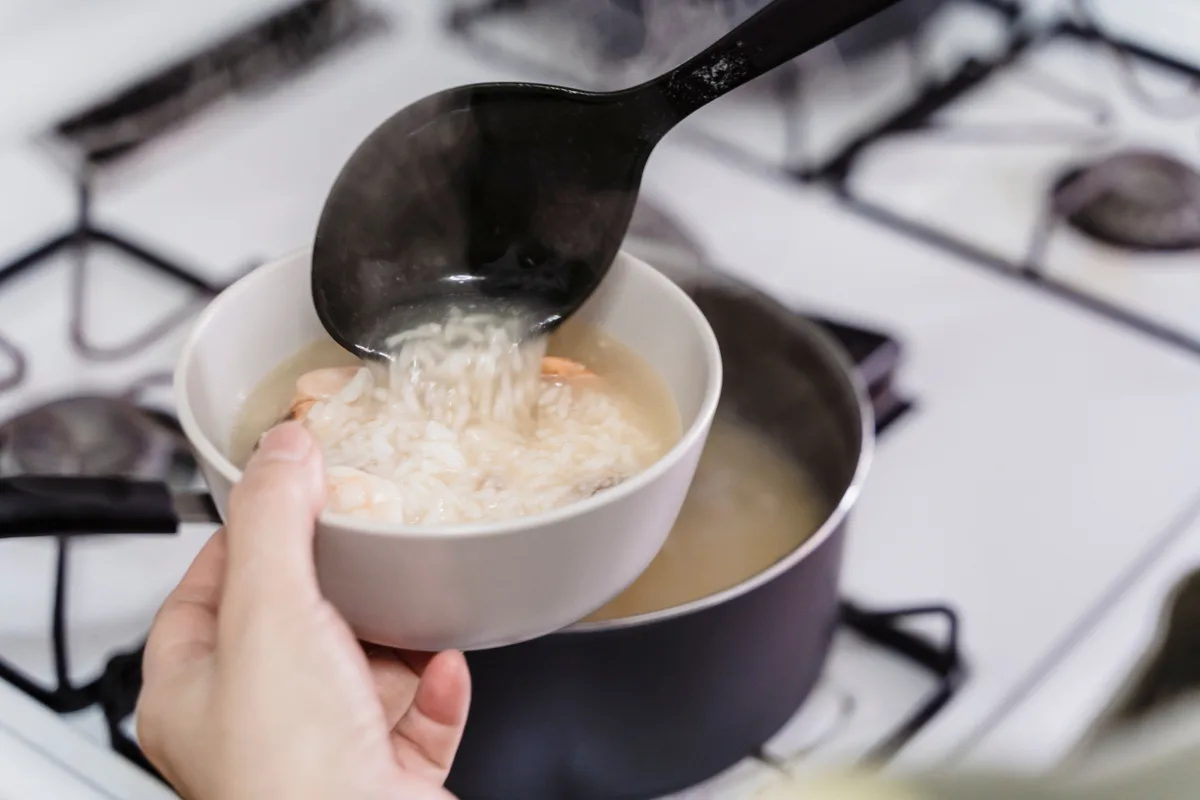
Thai jok uses broken jasmine rice for a slightly different texture but the same principle.
Plain toast with a thin layer of ghee provides easily digestible carbohydrates plus butyric acid from the ghee (fuel for colon cells, which need extra support after diarrheal illness).
Ripe bananas are one of the few raw foods that work at this stage. They provide potassium (depleted by diarrhea), pectin (a soluble fiber that firms stool), and easily digestible fructose.
What to avoid still:
- Vegetables (cooked or raw: still too much fiber for a damaged gut)
- Meat (protein requires strong acid and enzyme production, which your stomach isn't ready for)
- Fatty food (impaired bile and lipase production means poor fat digestion)
- Spicy food (irritates the already-inflamed lining)
Phase 3: Days 2-4 (Rebuilding)
Your appetite returns. Proceed carefully.
Khichdi makes its entrance. Rice and split mung beans cooked very soft with turmeric, cumin, a pinch of coriander, and a teaspoon of ghee. This is Ayurveda's prescribed recovery food for post-illness gut rebuilding. The mung beans are the most easily digestible legume, the spices are carminative (preventing the gas that reintroducing legumes can cause), and the ghee provides butyric acid for colon cell repair.
Spiced bone broth with turmeric, ginger, and black pepper. The glutamine in bone broth directly nourishes enterocytes (small intestine lining cells) that were damaged during the illness. clinical research (2017) found glutamine supplementation improved intestinal barrier recovery after acute GI illness.
Miso shiru introduces the first fermented food. Miso's Lactobacillus cultures begin repopulating beneficial bacteria that were depleted. Dissolve miso in warm (not boiling) broth to preserve live cultures. Start with one small cup per day.
Well-cooked vegetables: Soft carrots, sweet potato, and squash. Nothing raw. Nothing high-fiber (broccoli, beans, leafy greens can wait).
Fennel cumin coriander tea between meals. This Ayurvedic trio gently restores digestive enzyme production (cumin), promotes bile flow (coriander), and relaxes intestinal smooth muscle (fennel seeds).
Phase 4: Days 4-7 (Diversifying)
By day four, if you've progressed through the earlier phases without symptoms returning, your gut is ready for more diversity.
Increase fermented foods. Add plain yogurt (small portions, with a pinch of cumin), more miso, and if tolerated, small amounts of sauerkraut or kimchi. The Stanford fermented food study showed that microbial diversity begins increasing within the first week of fermented food consumption. After food poisoning, your microbiome needs this rebuilding urgently.
Reintroduce protein. Start with easily digested proteins: eggs (scrambled or poached), white fish (steamed), chicken (in soup or broth). Avoid red meat for the first week; it requires the strongest digestive acid and enzyme output.
Add more vegetables. Cooked leafy greens, zucchini, green beans, steamed broccoli. Fiber feeds beneficial bacteria, but introduce it gradually. If gas or bloating return, slow down.
Garlic can be reintroduced now. Garlic's allicin has broad-spectrum antimicrobial activity that helps clear residual pathogenic bacteria. Cook it in ghee with cumin for a mini-tadka over rice or vegetables.
Continue avoiding:
- Raw sushi or shellfish (your gut is still vulnerable to reinfection)
- Alcohol (damages the gut lining you're trying to rebuild)
- Processed food (emulsifiers and artificial ingredients stress recovering gut tissue)
- Large meals (eat smaller, more frequent meals for the first week)
The Gut Microbiome After Food Poisoning
Food poisoning doesn't just pass through your system. It reshapes it.
The purging response (vomiting and diarrhea) is non-selective. It clears pathogens, but it also clears beneficial bacteria. A 2014 study by Pop and colleagues in Genome Biology profiled the stool microbiota of nearly 1,000 children and found that acute diarrhea was associated with large-scale shifts, with depletion of common beneficial taxa that persisted into the early recovery window.
This is why some people develop new food sensitivities, persistent bloating, or irregular bowel movements after food poisoning. The microbiome has been disrupted, and without deliberate rebuilding, it may not return to its pre-illness composition on its own.
Deliberate rebuilding means:
- Fermented foods daily (miso, yogurt, kimchi, sauerkraut) for at least 4 to 6 weeks after recovery
- Prebiotic fiber (cooked garlic, onions, lentils, bananas) to feed the beneficial bacteria you're reintroducing
- Avoiding antibiotics unless medically necessary (most food poisoning is self-limiting and antibiotics further deplete the microbiome)
For a more structured microbiome rebuilding protocol, see our how to reset your gut naturally guide. If bloating persists after recovery, see best foods for bloating and gas.
When to See a Doctor
Most food poisoning resolves on its own. But seek medical attention if:
- You can't keep any liquids down for more than 12 hours
- Diarrhea persists beyond 3 days
- You see blood in your stool or vomit
- Fever exceeds 38.5°C (101.3°F) for more than 24 hours
- You experience signs of severe dehydration (dark urine, dizziness, rapid heart rate, dry mouth)
- You're pregnant, elderly, immunocompromised, or caring for an infant with symptoms
Food poisoning from certain pathogens (Salmonella, E. coli O157, Listeria) can cause serious complications and may require medical treatment.
Frequently Asked Questions
How long does it take to fully recover from food poisoning?
Acute symptoms (vomiting, diarrhea) typically resolve within 24 to 72 hours. Full digestive recovery takes 1 to 2 weeks. Microbiome recovery can take 4 to 6 weeks. Eating appropriate recovery foods at each stage accelerates all three timelines.
Should I take a probiotic supplement after food poisoning?
Fermented foods (miso, yogurt, kimchi) are generally more effective than supplements because they provide diverse bacterial strains alongside the prebiotic substrates those bacteria need. If you do supplement, choose one with Lactobacillus rhamnosus GG or Saccharomyces boulardii, the two strains with the strongest evidence for post-gastroenteritis recovery.
Why does my stomach stay sensitive for weeks after food poisoning?
Post-infectious IBS affects 5 to 30% of people after acute gastroenteritis, according to clinical research. The inflammation damages nerve endings in the gut wall, creating heightened visceral sensitivity. Foods that were fine before can temporarily trigger discomfort. This usually resolves within 3 to 6 months with proper dietary management. Persistent symptoms warrant a gastroenterology consultation.
Is the BRAT diet (bananas, rice, applesauce, toast) still recommended?
BRAT is outdated as a formal recommendation. The American Academy of Pediatrics stopped endorsing it because it's nutritionally incomplete for prolonged use. However, its individual components (bananas, rice, toast) are all appropriate Phase 2 foods. The update is to progress beyond BRAT within 24 to 48 hours, adding protein, fat, and fermented foods as tolerated rather than staying restricted.
Your Gut Knows How to Heal (Help It Along)
Food poisoning is violent, but the recovery doesn't have to be. The phased approach (clear liquids, then congee, then khichdi with gentle spices, then fermented foods and gradually increasing diversity) follows the same logic that Ayurveda and TCM have applied to post-illness recovery for millennia: simplify, soothe, rebuild, diversify.
Keep congee, ginger, and miso paste in your kitchen. When food poisoning hits (and statistically, it will at some point), you'll have what you need to move from misery to recovery in the gentlest way possible.
For related recovery guides: what to eat when sick with no appetite, what to eat when your stomach is upset, and what to eat after antibiotics.
Comments
Share your thoughts on this post.
Sign in to comment0 Comments