What to Eat After Taking Antibiotics: Rebuilding Your Gut
What to Eat After Taking Antibiotics: Rebuilding Your Gut
Antibiotics save lives. They also cause collateral damage.
A single course of broad-spectrum antibiotics reduces gut microbial diversity by 25 to 50%, according to clinical research. Some bacterial species recover within weeks. Others take months. Some may never return without deliberate reintroduction. The researchers compared it to a forest fire: the ecosystem recovers, but the regrown forest isn't identical to the original.
This matters because your gut microbiome isn't just a collection of bacteria. It's a functional organ that produces neurotransmitters, trains your immune system, synthesizes vitamins (K, B12, folate), regulates inflammation, and determines how efficiently you extract energy from food. When antibiotics reduce its diversity, the downstream effects can include bloating, diarrhea, food sensitivities, weakened immunity, yeast overgrowth, and mood changes.
The standard medical advice after antibiotics ("take a probiotic, eat yogurt") is a start, but it's incomplete. The research now points to a more deliberate, phased approach that traditional medicine systems have practiced for centuries: repair the lining, repopulate the bacteria, and feed them what they need to stay.
What Antibiotics Actually Do to Your Gut
Understanding the damage helps you repair it strategically.
Diversity loss. Broad-spectrum antibiotics (amoxicillin, ciprofloxacin, azithromycin) kill bacteria indiscriminately. Beneficial Bifidobacterium and Lactobacillus species are often more susceptible than harmful species, creating a paradox: the "good guys" die while some "bad guys" survive. The 2011 PNAS study by Dethlefsen and Relman tracked the gut microbiota of three subjects through two courses of ciprofloxacin and found rapid, profound losses of diversity within a few days, with recovery that was individualized and often incomplete even months later.
Opportunistic overgrowth. When beneficial bacteria are cleared, opportunistic organisms (Candida yeast, Clostridioides difficile, Enterococcus) can expand into the vacated ecological niches. This is why yeast infections, C. diff diarrhea, and GI symptoms often follow antibiotic courses.
Gut barrier compromise. Beneficial bacteria maintain the mucus layer and tight junctions that keep the gut barrier intact. When they're depleted, intestinal permeability increases. This can trigger food sensitivities and systemic inflammation that weren't present before the antibiotic course.
Immune disruption. Roughly 70% of your immune cells reside in the gut-associated lymphoid tissue (GALT). The microbiome directly trains and calibrates these immune cells. Post-antibiotic immune function is measurably impaired for weeks.
Phase 1: During Antibiotics (Damage Limitation)
If you're currently taking antibiotics, you can reduce the collateral damage in real time.
Take probiotics, but time them correctly. The 2012 meta-analysis by Hempel and colleagues in JAMA, pooling 63 randomized trials with nearly 12,000 participants, found that probiotic use was associated with a 42% reduction in the risk of antibiotic-associated diarrhea. Take probiotics (or eat fermented foods) at least 2 hours away from your antibiotic dose, so the antibiotic doesn't immediately kill the bacteria you're introducing.
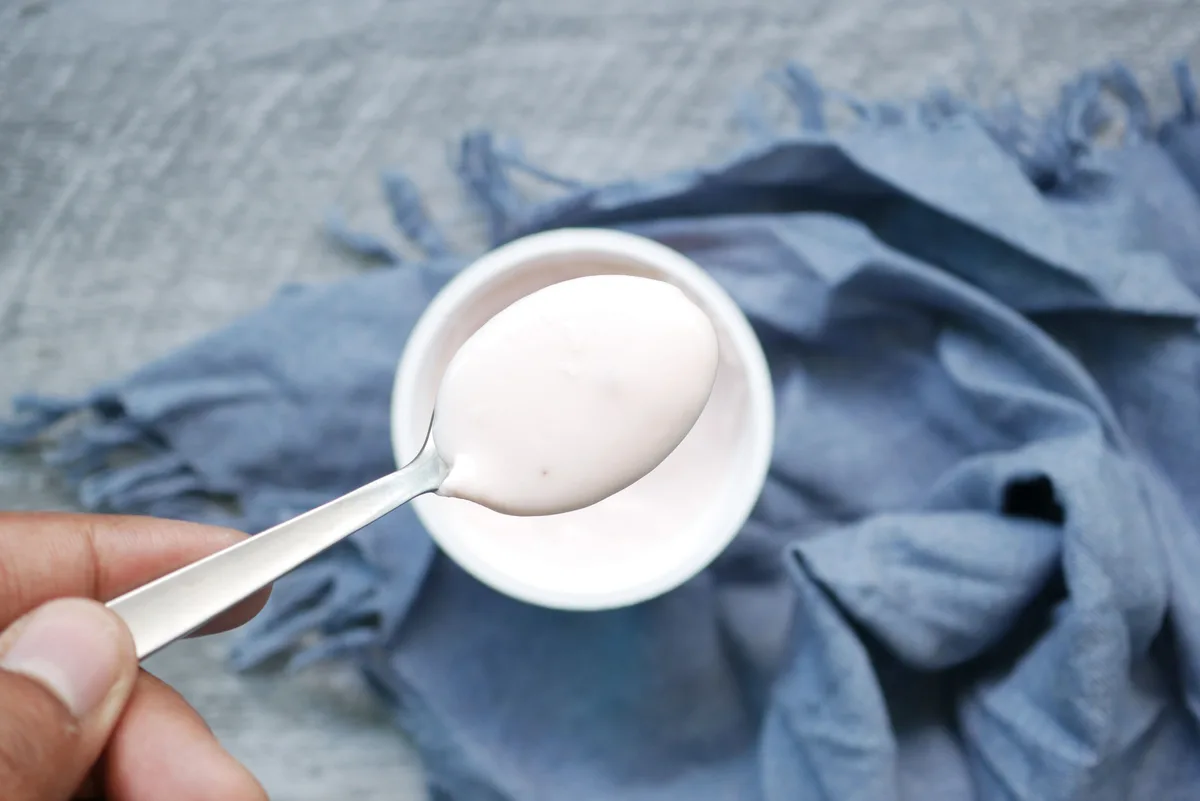
Eat yogurt or drink kefir daily. The Lactobacillus and Bifidobacterium strains in live-culture yogurt have demonstrated resilience to some antibiotics. Even if the antibiotic kills some of the yogurt's bacteria, the bacterial metabolites (lactic acid, short-chain fatty acids) still benefit your gut environment.
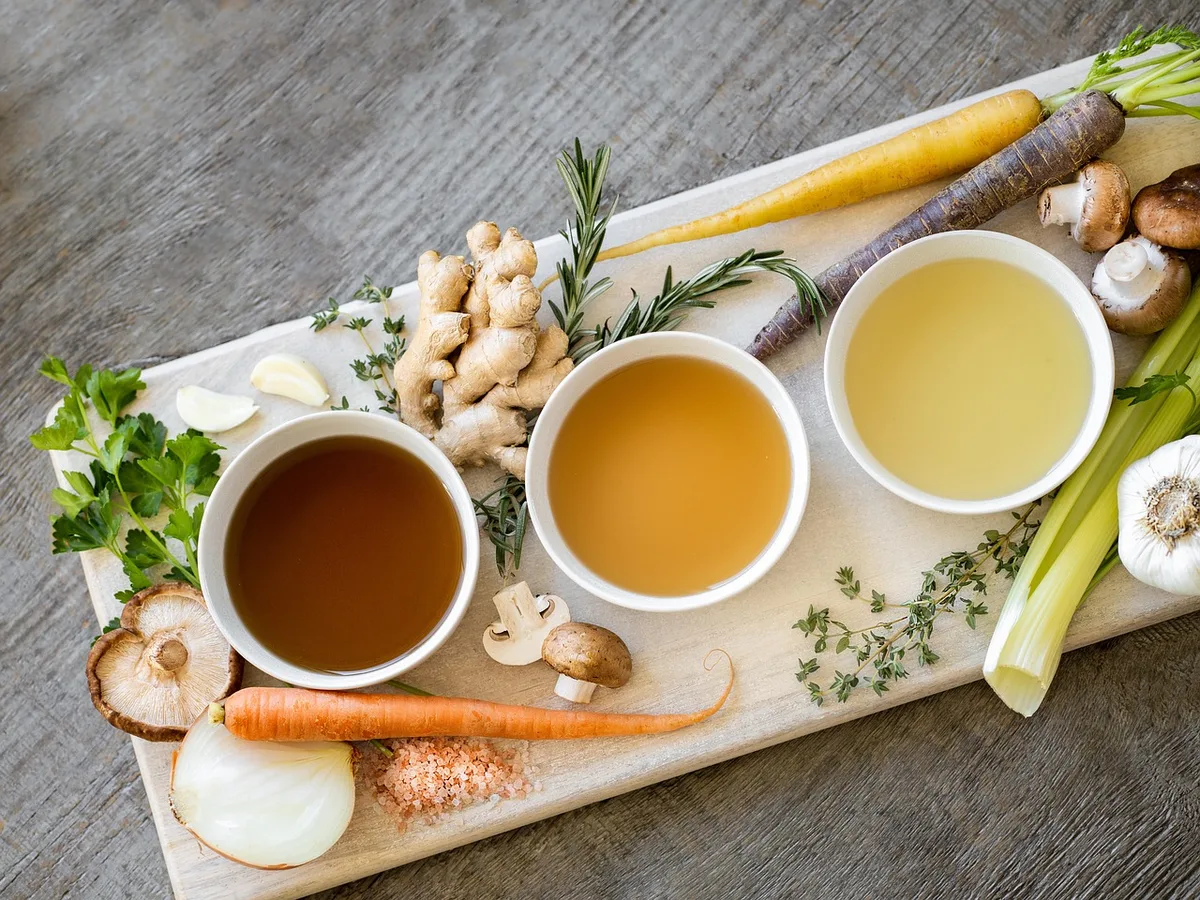
Spiced bone broth daily. Glutamine in bone broth provides fuel for enterocytes, supporting gut barrier integrity during the period when it's under the most stress. The ghee adds butyric acid for colonocyte support.
Avoid sugar and alcohol. Both feed opportunistic organisms (particularly Candida) that are poised to take over vacated microbial niches.
Phase 2: First Week After Antibiotics (Repopulate)
This is the critical window. The ecological niches in your gut are open. What you introduce now determines what colonizes those niches.
Fermented Foods (The Primary Rebuilding Tool)
The Stanford fermented food study (2021, Cell) found that a diet high in fermented foods increased microbial diversity by 30% and reduced 19 inflammatory markers over 10 weeks. Changes began within the first week. This is the most important dietary intervention post-antibiotics.
Build to 2 to 3 servings of fermented food daily:
Miso shiru: One cup daily. Miso provides live Lactobacillus, prebiotic fiber, and easily absorbed amino acids. Dissolve paste in warm (not boiling) broth. For enhanced immune support, try miso soup with ginger and reishi.
Yogurt: Plain, unsweetened, with live active cultures. Look for labels listing Lactobacillus bulgaricus, Streptococcus thermophilus, and ideally added Bifidobacterium strains. Eat as thin lassi (diluted with water, pinch of cumin and salt) for better digestibility.
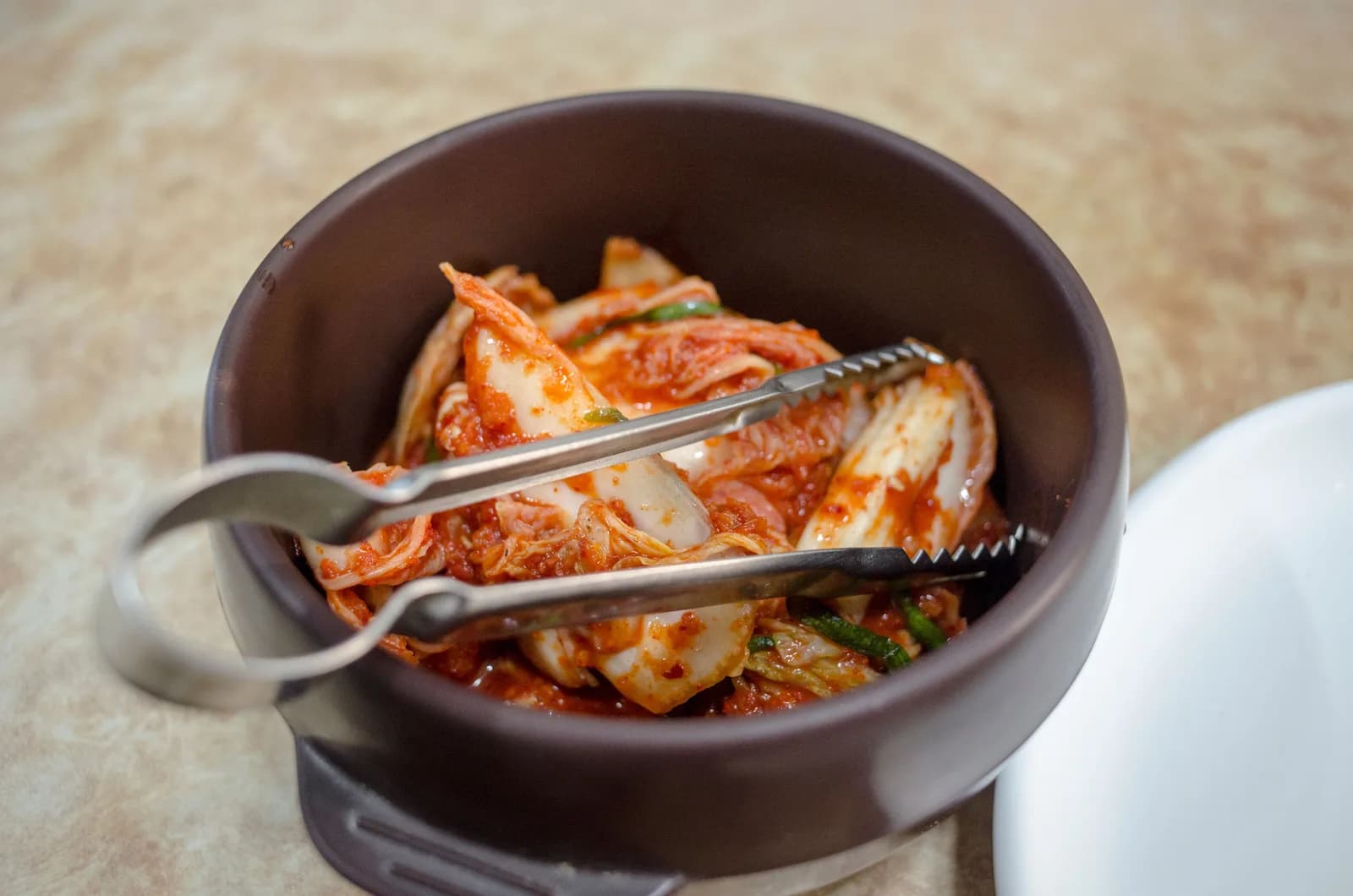
Kimchi or sauerkraut: Raw, unpasteurized versions contain diverse Lactobacillus species. Start with small portions (a tablespoon) and increase over the week, as rapid introduction can cause temporary bloating. Kimchi jjigae is a gentler cooked alternative.
Timing matters. If bloating or gas increase when you introduce fermented foods, you're adding too much too fast. Scale back and increase gradually. This temporary adjustment period (the gut microbiome remodeling) typically resolves within 3 to 7 days. See our bloating guide for management strategies.
Gentle, Restorative Meals
Your gut lining is compromised. Eat food that soothes while it rebuilds.
Khichdi is the ideal post-antibiotic meal. Rice and lentils cooked soft with turmeric, cumin, ginger, and ghee. The turmeric reduces gut inflammation. The lentils provide prebiotic soluble fiber. The ghee delivers butyric acid. The cumin supports digestive enzyme recovery.
Congee with ginger for breakfasts. The gelatinized starch is the easiest food for a healing gut to process. TCM considers congee the most important food for rebuilding spleen qi (digestive capacity) after any depleting event.
Golden milk before bed. The curcumin-piperine-fat combination addresses gut inflammation while the warm milk provides tryptophan for sleep (which is often disrupted post-antibiotics).
Phase 3: Weeks 2-4 (Feed the New Residents)
Once beneficial bacteria are reintroduced, they need food to survive and multiply. This is where prebiotics become critical.
Prebiotic fiber sources:
- Cooked garlic and onions: Contain inulin and fructo-oligosaccharides (FOS), the preferred fuel of Bifidobacterium species. Cook them thoroughly; raw versions can be harsh on a recovering gut.
- Lentils and beans: Resistant starch and soluble fiber feed a broad range of beneficial bacteria. Sambar (lentils with tamarind and spices) is an ideal vehicle: the carminative spice blend (cumin, fennel seeds, coriander, asafoetida) prevents the gas that fiber introduction can cause.
- Cooked and cooled rice: Cooling converts some starch to resistant starch, which selectively feeds Bifidobacterium. Day-old rice reheated the next day has higher resistant starch than freshly cooked rice.
- Bananas (slightly green): Green-tinged bananas are rich in resistant starch. As they ripen, the starch converts to sugar and the prebiotic benefit diminishes.
- Asparagus, leeks, and Jerusalem artichokes: All high in inulin.
Continue fermented foods. Don't stop after the first week. Consistent daily intake of fermented foods is what sustains microbial diversity long-term. The Cell study showed that stopping fermented food intake caused diversity to decline within 2 weeks.
Fennel cumin coriander tea between meals supports the digestive enzyme recovery that antibiotics may have disrupted.
Phase 4: Weeks 4-8 (Diversify and Stabilize)
By week four, your microbiome should be substantially recovered. The goal now is diversity.
Eat 30+ different plant foods per week. A landmark study from the American Gut Project (2018, mSystems) found that people who ate 30+ different plant species per week had significantly higher microbial diversity than those who ate fewer than 10. "Plant foods" includes vegetables, fruits, grains, legumes, nuts, seeds, herbs, and spices. A single serving of sambar (with its 8+ spices and multiple vegetables) counts for several.
Rotate protein sources. Fish, chicken, eggs, legumes, tofu. Different protein sources feed different microbial populations.
Continue 1 to 2 fermented food servings daily. This should become a permanent habit, not a post-antibiotic intervention. Miso shiru with lunch and yogurt with dinner covers it.
Monitor for persistent issues. If bloating, food sensitivities, or bowel irregularity persist beyond 8 weeks post-antibiotics, consult a healthcare provider. Persistent symptoms may indicate C. difficile overgrowth, small intestinal bacterial overgrowth (SIBO), or other conditions that require targeted treatment.
An Ayurvedic Perspective on Post-Antibiotic Recovery
Ayurveda doesn't have a concept of "antibiotics," but it has a detailed framework for digestive recovery after any depleting treatment (called samsarjana krama, the graduated diet after panchakarma cleansing).
The principles map directly onto post-antibiotic recovery:
- Start with the lightest food (rice water, then congee, then khichdi)
- Gradually increase complexity (add vegetables, then protein, then more complex meals)
- Include ghee at every stage (gut lining nourishment)
- Use digestive spices (cumin, ginger, fennel) to rebuild agni (digestive fire)
- Avoid raw, cold, and heavy food until digestion is fully restored
This graduated approach prevents the common mistake of "eating normally" immediately after antibiotics, which overwhelms a gut that hasn't recovered its full digestive capacity.
A TCM Perspective
Traditional Chinese Medicine views post-antibiotic fatigue and digestive issues as spleen qi deficiency with dampness. Antibiotics are considered cold and bitter (which damages spleen yang), and the resulting loose stools, bloating, and fatigue match the TCM pattern precisely.
The TCM recovery protocol:
- Congee with ginger (rebuilds spleen qi)
- Avoid cold and raw food completely (protects recovering spleen yang)
- Warming spices in every meal (ginger, cumin, cinnamon)
- Reishi mushroom in congee or broth (immune restoration)
Frequently Asked Questions
Should I take a probiotic supplement after antibiotics?
Fermented foods are generally more effective because they provide diverse bacterial strains alongside the prebiotic matrix those bacteria need. If you do supplement, Saccharomyces boulardii has the strongest evidence for preventing antibiotic-associated diarrhea (it's a yeast, so antibiotics don't kill it). Lactobacillus rhamnosus GG is the most studied bacterial probiotic for post-antibiotic recovery. Take either for at least 4 weeks after completing antibiotics.
How long does the microbiome take to recover after antibiotics?
Partial recovery: 2 to 4 weeks. Substantial recovery: 6 to 8 weeks. Full recovery to pre-antibiotic diversity: 3 to 6 months, and some studies suggest certain species may not return without deliberate dietary intervention. The 2019 Nature Microbiology study found that some species remained depleted 6 months post-antibiotics even with normal eating. Deliberate fermented food consumption accelerates recovery.
Can I eat fermented foods while still taking antibiotics?
Yes, but time them 2+ hours away from your antibiotic dose. The antibiotic will kill some of the bacteria in fermented foods if taken simultaneously. Spacing them out allows the beneficial bacteria to establish temporarily before the next antibiotic dose.
Why do I get yeast infections after antibiotics?
Antibiotics kill bacteria but not fungi. Candida species (which normally coexist with bacteria in your gut and on mucosal surfaces) expand when their bacterial competitors are cleared. Reducing sugar intake during and after antibiotics (sugar feeds Candida) and consuming fermented foods (which produce acids that inhibit Candida) are the two most effective dietary strategies.
Your Gut Was a Forest. Replant It.
Antibiotics are a controlled burn. Necessary sometimes. But the forest doesn't regrow on its own the way it was. You have to replant deliberately: the right bacteria (fermented foods), the right fuel for those bacteria (prebiotic fiber), and the right environment for growth (warm, cooked, well-spiced meals that support rather than stress the recovering system).
Start miso shiru today. Make khichdi this week. Introduce kimchi or sauerkraut by next week. Keep going for at least 8 weeks. Your gut will thank you with better digestion, more energy, stronger immunity, and the gradual disappearance of the post-antibiotic symptoms that too many people accept as permanent.
For the full structured protocol: how to reset your gut naturally. For gut inflammation specifically: anti-inflammatory foods for gut health. For related recovery guides: what to eat after food poisoning and what to eat when sick with no appetite.
Comments
Share your thoughts on this post.
Sign in to comment0 Comments