What to Eat When You Have a Cold or Flu: Foods That Help You Heal Faster
What to Eat When You Have a Cold or Flu: Foods That Help You Heal Faster
My mother had a protocol. At the first sign of a cold (the scratch at the back of the throat, the not-quite-a-headache heaviness behind the eyes), she would start a pot of chicken broth with so much garlic it could ward off more than vampires. She'd brew ginger tea strong enough to make your eyes water. She'd make congee, plain and white and steaming, and set it on the table with a look that said: eat.
I thought this was just what mothers did. It turns out she was practicing something remarkably close to what both Ayurveda and Traditional Chinese Medicine have prescribed for respiratory illness for thousands of years, and what immunological research now supports with growing specificity.
What you eat during a cold or flu doesn't just provide comfort. It delivers compounds that modulate immune function, reduce the inflammatory overreaction that causes most symptoms, clear mucus, protect the gut lining (which houses 70% of your immune cells), and provide the calories your body burns at an accelerated rate during infection.
Why Eating Right Matters More When You're Sick
Your body's metabolic rate increases 7 to 15% per degree of fever. An immune response in full swing burns through protein, zinc, vitamin C, and glucose faster than normal eating can replace them. Meanwhile, inflammatory cytokines suppress appetite (see our guide on what to eat when sick with no appetite).
Nutritional status is a well-established predictor of cold and flu severity and duration. Deficiencies in zinc, vitamin C, vitamin D, and protein were associated with longer illness and more severe symptoms.
The foods below address this from multiple angles: immune-supporting nutrients, anti-inflammatory compounds, warming and decongestant effects, and easy digestibility for a system that's diverting resources toward fighting infection.
The Warming Soups: Global Cold Remedies
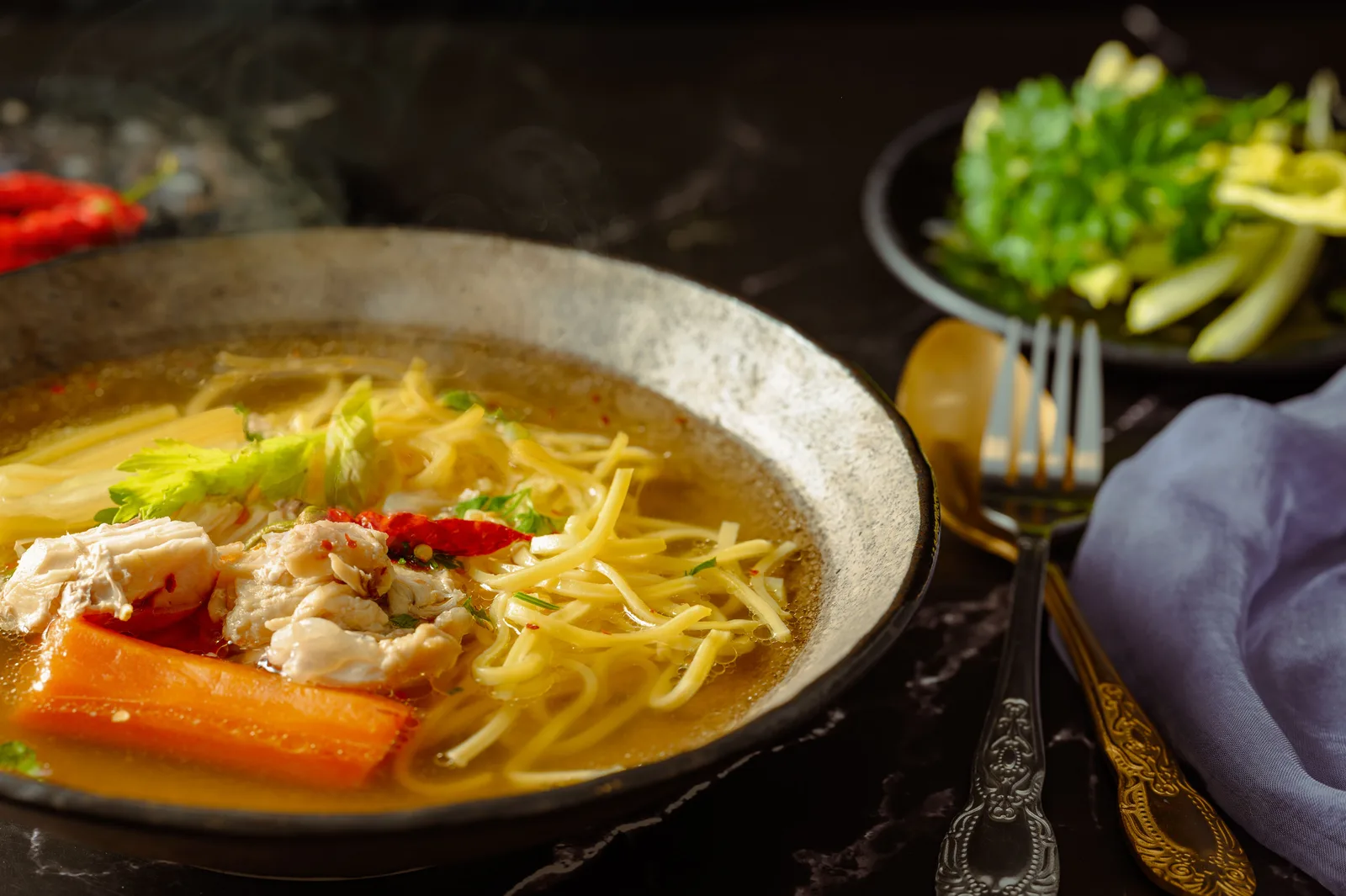
Chicken Soup (The One That's Actually Studied)
The Rennard study (2000, Chest) found that chicken soup inhibited neutrophil chemotaxis in vitro, meaning it reduced the migration of white blood cells that cause cold symptoms (congestion, inflammation, mucus production). The effect was dose-dependent and appeared in both homemade and some commercial soups.
What makes chicken soup work:
- Warm liquid thins mucus and promotes nasal drainage
- Cysteine (an amino acid released from chicken protein during long simmering) has mucolytic properties (it breaks down mucus)
- Electrolytes from the broth replace what's lost through fever and congestion
- Gelatin from slow-simmered bones supports gut lining integrity
Spiced bone broth takes this further by adding turmeric (NF-kB inhibitor, reducing the inflammatory overreaction), ginger (decongestant, anti-nausea), and black pepper (bioavailability enhancer). Sip throughout the day.
Samgyetang (Korean Ginseng Chicken Soup)
Samgyetang is Korea's premier cold-weather and illness-recovery soup. A whole young chicken stuffed with glutinous rice, ginseng root, jujubes, garlic, and ginger, simmered until the broth is milky and the meat falls apart.
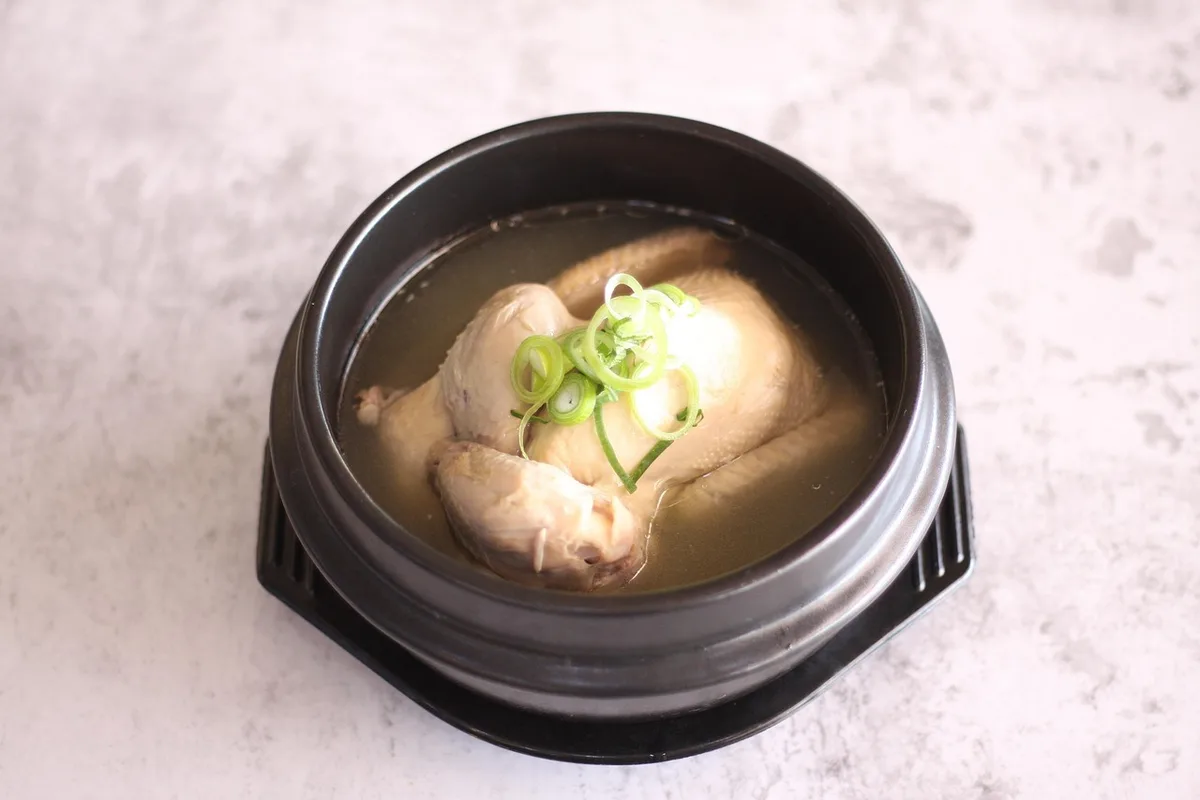
Ginseng (Panax ginseng) is one of the most studied immune modulators. A 2011 systematic review by Seida and colleagues in Evidence-Based Complementary and Alternative Medicine pooled five trials of mostly North American ginseng and found it reduced the total number of colds by about 25% and shortened cold duration by roughly 6 days compared with placebo. Combined with the collagen-rich broth, warming ginger, and antimicrobial garlic, samgyetang is a complete cold remedy in a single pot.
Tom Yum (Thai Hot and Sour Soup)
Tom yum goong is medicinal disguised as delicious. Galangal (ginger's close relative), lemongrass, kaffir lime leaves, and fresh chilies produce a soup that clears congestion aggressively while delivering anti-inflammatory and antimicrobial compounds. The sourness (from lime juice) cuts through the dullness of a cold-affected palate, and the heat (from chilies) triggers sweating, which TCM considers helpful for expelling "wind-cold" pathogens.
Hot and Sour Soup
Chinese hot and sour soup combines warming spices (white pepper, ginger) with sour elements (vinegar) in a protein-rich broth. The combination opens nasal passages, stimulates appetite, and provides easily absorbed nutrients. The vinegar creates an acidic environment that research suggests may inhibit some viral replication.
The Two Most Important Ingredients: Garlic and Ginger
Garlic: The Antimicrobial Powerhouse
Garlic contains allicin, one of the most potent antimicrobial compounds in any food. The 2014 Cochrane review by Lissiman and colleagues concluded that clinical trial evidence for garlic in colds is limited, but the single high-quality trial it identified (Josling 2001) reported fewer cold episodes in adults who took a daily garlic supplement over winter. Allicin also has well-documented antiviral activity against respiratory viruses in laboratory studies.
How to use garlic when sick: Crush 2 to 3 cloves and let them sit for 10 minutes (this allows allicin to form). Then add to warm broth, soup, or spread on toast with ghee. Raw garlic is more potent than cooked, but cooked garlic in soup is easier on a sensitive stomach.
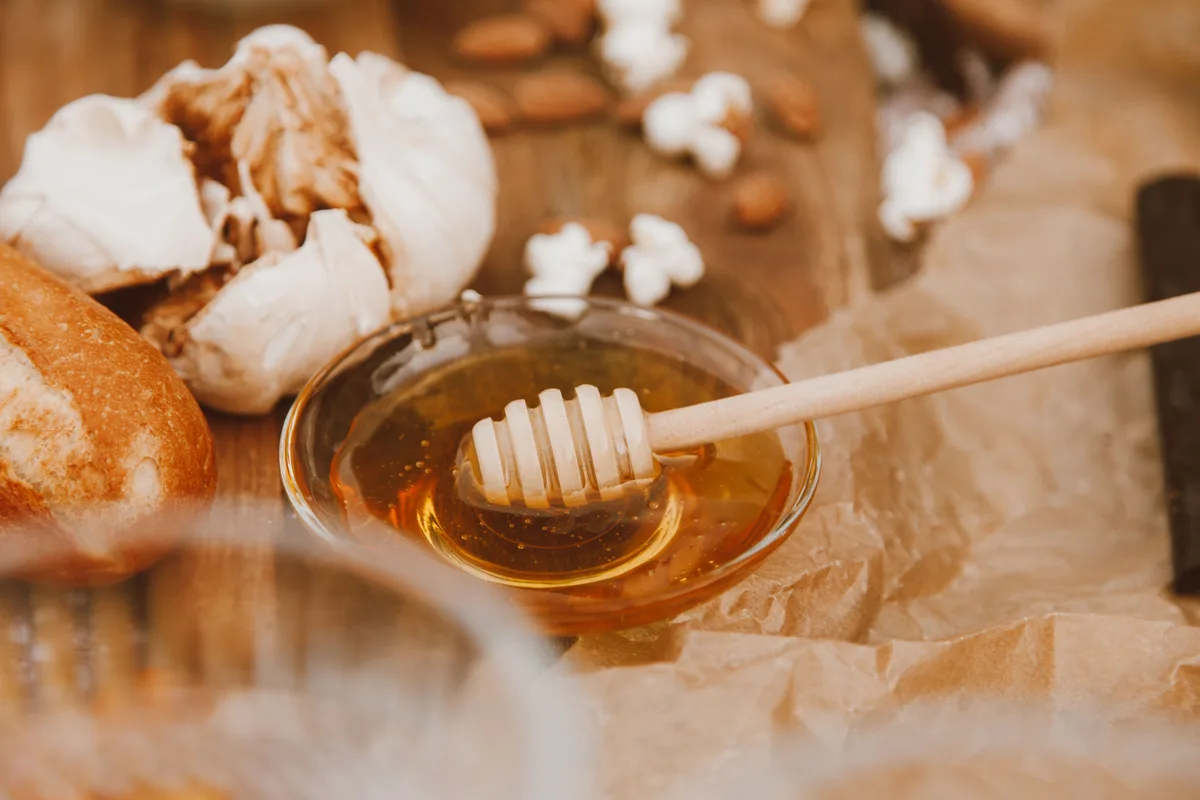
The garlic-honey remedy: Crush raw garlic into a spoonful of raw honey. The honey soothes the throat while delivering garlic's antimicrobial compounds. This appears in folk medicine traditions from India to Eastern Europe to Mexico.
Ginger: The Decongestant and Anti-Nausea Agent
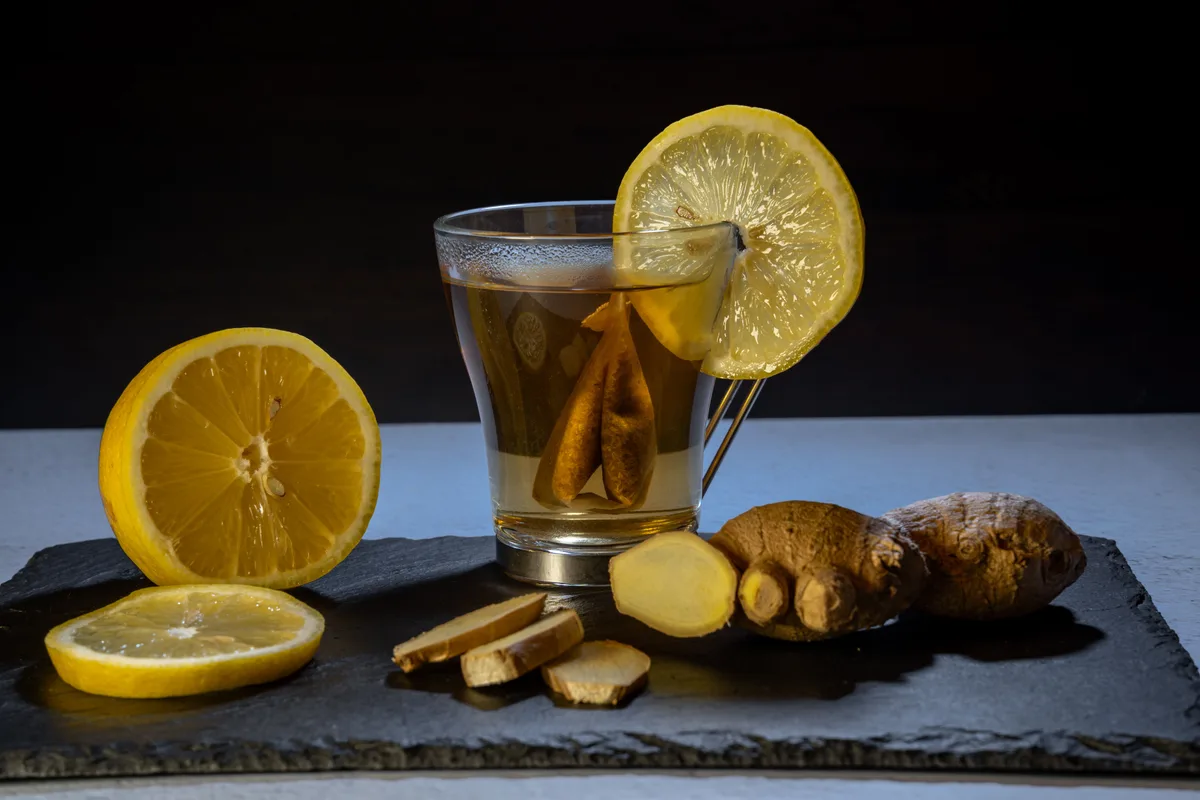
Ginger is a thermogenic (heat-generating), diaphoretic (sweat-inducing), and mucolytic (mucus-thinning) agent. In both TCM and Ayurveda, fresh ginger is the first herb prescribed at the onset of a cold.
In TCM specifically, a cold with chills, runny nose (clear discharge), body aches, and sneezing is classified as a "wind-cold invasion." The treatment is to dispel the cold with warming, pungent herbs, and ginger is the most accessible of these. Ginger-scallion soup (jiang cong tang) is the classical TCM first-line remedy: sliced ginger and scallion whites simmered in water for 15 minutes, drunk hot. It induces a mild sweat, which TCM considers the mechanism by which wind-cold is expelled.
Korean saenggang cha (ginger tea with honey) is the Korean equivalent, gentler and sweeter.
Teas and Warm Drinks for Cold and Flu
Tulsi tea: Holy basil has documented immunomodulatory and adaptogenic properties. The 2017 systematic review by Jamshidi and Cohen in Evidence-Based Complementary and Alternative Medicine noted clinical evidence supporting tulsi's role in immune and respiratory health among its 24 included human studies. It's also a gentle decongestant. Brew 2 to 3 cups daily.
Golden milk: The anti-inflammatory combination of turmeric, ginger, black pepper, and cinnamon in warm milk provides immune support while the warmth soothes aching muscles. Particularly useful in the evening when cold symptoms worsen.
Licorice root ginger throat tea: Licorice root contains glycyrrhizin, which has demonstrated antiviral activity against several respiratory viruses (including influenza) in laboratory studies (Journal of General Virology, 2014). It also coats the throat, reducing the rawness of a sore throat. Combined with ginger, it's one of the most effective teas for cold symptoms.
Miso soup with ginger and reishi: Reishi mushroom contains beta-glucans that modulate immune cell activity, specifically enhancing natural killer (NK) cell function. clinical research (2019) found reishi supplementation increased NK cell activity in cancer patients. For colds, the immune-modulating effect helps calibrate the response: strong enough to fight the virus, but not so aggressive that it causes excessive inflammation.
The Warming Spice Protocol
Use warming spices aggressively during a cold or flu. They're not just for flavor. They're decongestants, antimicrobials, and circulatory stimulants.
The minimum daily spice intake when sick:
- Ginger: fresh, grated or sliced, in every cup of tea and every bowl of soup
- Garlic: 2 to 3 cloves per day, crushed and added to food
- Black pepper: generous grind over everything
- Turmeric: 1/2 teaspoon in broth, golden milk, or congee
Add if available:
- Cinnamon stick in teas and broths (warming, antimicrobial)
- Cloves (2 to 3 in tea or broth, eugenol has antiseptic properties)
- Star anise (source of shikimic acid, the precursor to Tamiflu; add to broths)
- Cardamom (decongestant, add to chai and golden milk)
See our warming spices for winter cooking guide for how to integrate these spices into daily cooking during cold season.
What to Eat at Each Stage of a Cold
Day 1 (onset: scratchy throat, fatigue): This is when intervention matters most. Garlic-honey remedy. Ginger tea every 2 hours. Tulsi tea. A bowl of spiced bone broth. Golden milk before bed. Go to bed early.
Days 2-3 (peak symptoms: congestion, body aches, fever): Hot soup at every meal: chicken soup, samgyetang, tom yum, or hot and sour soup. Congee with ginger if appetite is low (see eating when sick with no appetite). Continue ginger tea and garlic aggressively. Stay hydrated with warm liquids.
Days 4-5 (improving but lingering): Appetite returns. Eat more substantially: khichdi with vegetables, noodle soup, steamed fish with ginger. Continue fermented foods (miso, yogurt) to support gut immunity. Reduce caffeine (it dehydrates and impairs sleep quality needed for recovery).
Days 6-7 (recovery): Return to normal eating but keep warming spices in every meal. If you took antibiotics, see what to eat after antibiotics for microbiome rebuilding. Continue one fermented food daily for at least 2 more weeks.
The Vitamin C Question
Vitamin C (ascorbic acid) doesn't prevent colds, but it does reduce their duration and severity when taken at the onset. A 2013 Cochrane review of 29 trials found that supplemental vitamin C reduced cold duration by 8% in adults and 14% in children. The effect was larger when intake was above 200mg daily.
Food sources are preferable to supplements because they deliver vitamin C alongside cofactors and polyphenols:
- Amla (Indian gooseberry): 600-700mg per 100g, the highest of any commonly available food
- Red bell peppers (raw): 190mg per pepper
- Kiwi: 93mg per fruit
- Citrus (orange, grapefruit): 70-90mg per fruit
- Broccoli (cooked): 51mg per half cup
Amla deserves special mention. In Ayurveda, amla is the primary ingredient in Chyawanprash, a traditional immune-supporting paste consumed daily during cold season across India. Its vitamin C is remarkably stable compared to other sources, persisting even after cooking and drying.
Frequently Asked Questions
Does feeding a cold and starving a fever actually work?
Modern research suggests eating during both colds and fevers, just eating appropriately. Glucose fuels immune cells. Protein provides amino acids for antibody production. Complete fasting during illness deprives the immune system of fuel. Warm broth, congee, and simple soups provide calories and hydration without overwhelming digestion.
Can food really shorten a cold?
Individual foods have demonstrated effects. Garlic reduced cold incidence and duration in the 2014 Cochrane review. Ginger reduced sore throat severity in a 2013 clinical trial. Vitamin C at onset reduced duration by 8%. Chicken soup reduced inflammatory cell migration. No single food cures a cold, but the cumulative effect of immune-supporting foods appears to shorten illness and reduce symptom severity.
What about dairy and mucus?
The belief that dairy increases mucus production is widespread but not strongly supported by research. The classic 1990 rhinovirus challenge trial by Pinnock and colleagues in the American Review of Respiratory Disease found no association between milk intake and measured mucus production in 60 volunteers experimentally infected with rhinovirus-2. However, some people subjectively experience thicker saliva after consuming milk during a cold. If milk makes you feel more congested, avoid it during illness. Ghee and fermented dairy (yogurt) are generally well-tolerated.
Should I exercise when I have a cold?
The "neck rule" is the general guideline: symptoms above the neck (runny nose, sore throat, mild congestion) are compatible with light exercise. Symptoms below the neck (chest congestion, body aches, fever, chills) mean rest. Exercise diverts blood flow and immune resources away from infection fighting. During a flu (which is systemic), rest completely until fever has been gone for 24 hours.
Cook Like Someone Who Wants to Get Better
A cold or flu is a negotiation between your immune system and a pathogen. The food you eat during that negotiation provides your immune system its ammunition, energy, and strategic advantage.
Start a pot of spiced bone broth the moment symptoms appear. Crush garlic into everything. Drink ginger tea until you can feel warmth in your chest. Make golden milk before bed. Eat congee when nothing else sounds good.
These aren't home remedies in the dismissive sense. They're the foods that every culture in the world independently developed for exactly this situation, now backed by a growing body of clinical research. Your kitchen has more cold-fighting power than the pharmacy aisle, and it tastes considerably better.
For full guides on adaptogenic herbs that support immune resilience, and the warming spices that belong in your winter cooking, explore the guides that connect to this one.
Comments
Share your thoughts on this post.
Sign in to comment0 Comments