Warming Spices for Winter Cooking: What They Are and How to Use Them
Warming Spices for Winter Cooking: What They Are and How to Use Them
There's a moment in late autumn when the first truly cold day arrives and your body makes a request it hasn't made in months. Not for salad. Not for smoothies. For something warm, spiced, heavy enough to feel like armor against the cold. A bowl of stew with cinnamon and star anise. A cup of ginger tea that you can feel in your chest. A pot of dal with enough cumin and black pepper to make your forehead glisten.
This isn't random craving. Both Ayurveda and Traditional Chinese Medicine have specific frameworks for seasonal eating, and both insist that winter demands warming spices. Not just warm food (though that matters too), but spices whose thermal nature generates metabolic heat, improves circulation, and supports the immune system during the months when your body works hardest to maintain its temperature.
What "Warming" Actually Means
When Ayurveda and TCM call a spice "warming," they're not talking about its Scoville rating or its physical temperature. They're describing its effect on the body after digestion.
A warming spice increases metabolic activity, dilates blood vessels (improving peripheral circulation), stimulates digestive enzyme production, and raises core body temperature. You feel the warmth from the inside, radiating outward.
In TCM, this is described as supporting yang qi, the active, warm, moving energy that the body needs more of in winter, when the environment provides less. In Ayurveda, warming spices kindle agni (digestive fire), which tends to weaken in cold weather as the body diverts energy toward temperature maintenance.
Modern physiology confirms the mechanisms. Ginger's gingerols activate TRPV1 thermoreceptors, literally triggering heat signals. Cinnamon's cinnamaldehyde increases metabolic rate and insulin sensitivity. Black pepper's piperine stimulates thermogenesis through catecholamine release. These aren't metaphors. They're measurable pharmacological effects that traditional systems identified through centuries of observation.
For the full TCM thermal classification system, see our guide to hot vs cold foods in Chinese medicine.
The Warming Spice Cabinet: 8 Spices for Winter
1. Ginger (The Winter Essential)
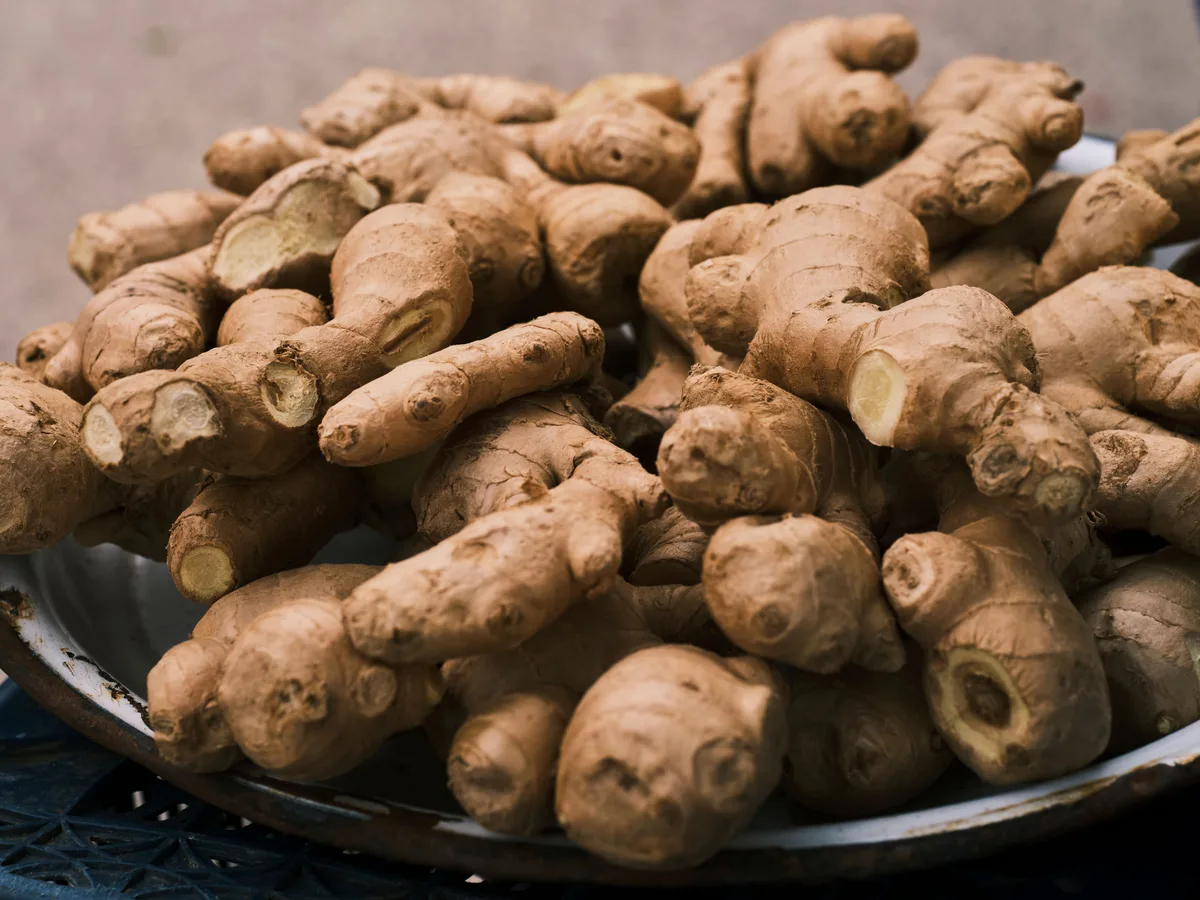
Ginger is the single most important winter spice across Asian food traditions. Fresh ginger (sheng jiang in TCM, ardrak in Ayurveda) warms the stomach, promotes sweating, and dispels external cold. Dried ginger (gan jiang in TCM, saunth in Ayurveda) is considered even more warming and is preferred for deep, chronic cold conditions.
Winter uses: Grate into soups and stews. Simmer in congee. Brew as tea with honey (saenggang cha). Add to every tadka. Stir into golden milk. Slice into spiced bone broth.
2. Cinnamon (The Circulation Builder)
Cinnamon (true Ceylon cinnamon) warms the kidney yang in TCM, the deep reserve of vital warmth that cold weather depletes. It improves peripheral circulation, meaning your hands and feet feel warmer.
Winter uses: Add a stick to rice, oats, or simmering stews. Brew into chai. Include in garam masala. Dust on roasted winter squash. Stir into golden milk or ashwagandha moon milk.
3. Star Anise (The Chinese Winter Spice)
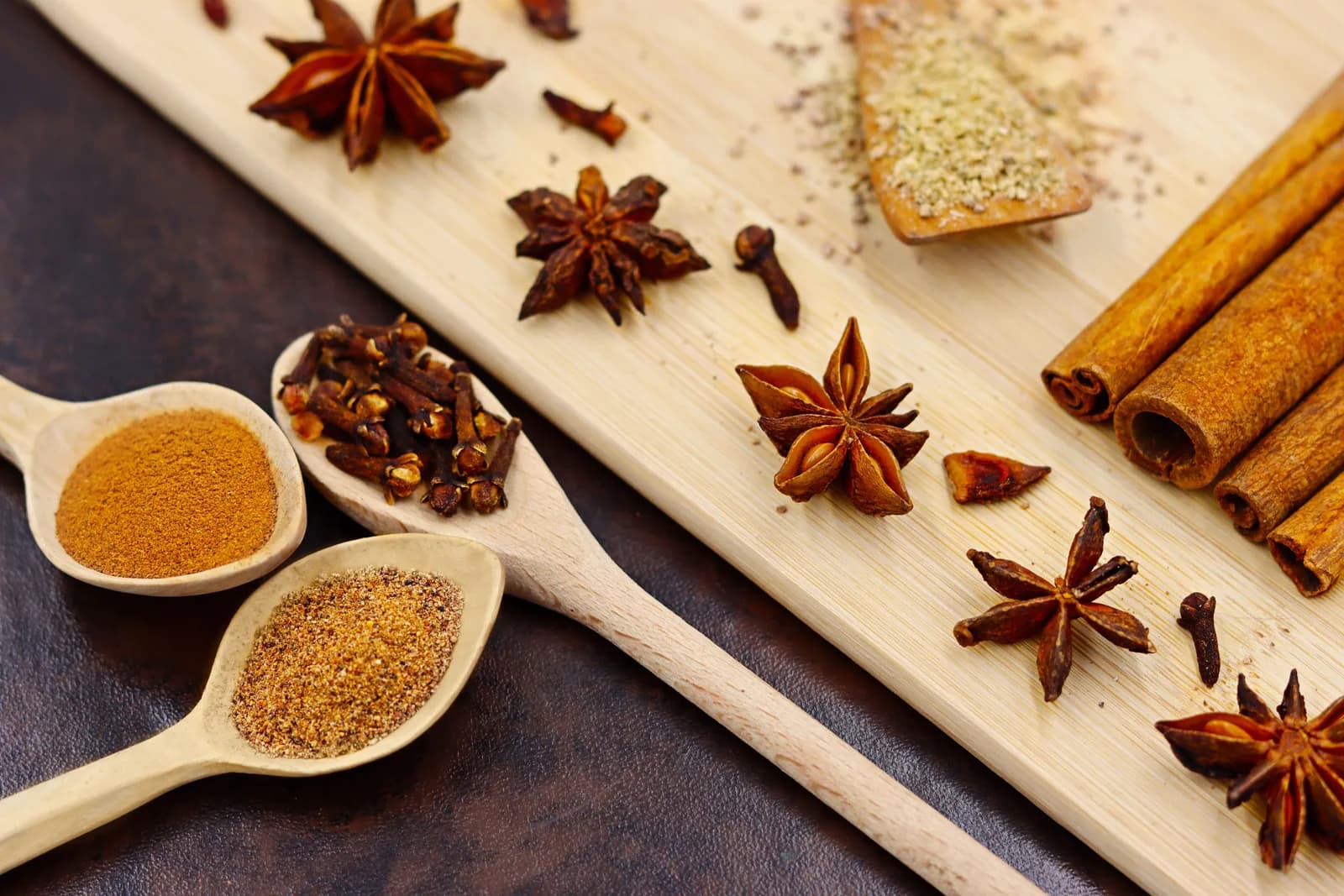
Star anise is a cornerstone of Chinese winter cooking. Its anethole compound provides warming, digestive, and antimicrobial properties. In five spice powder, star anise is the dominant note.
Winter uses: Add to braised meats (pork belly, beef stew). Float in pho broth. Include in mulled wine or cider. Add to hot and sour soup.
4. Cloves (The Intensely Warming Spice)
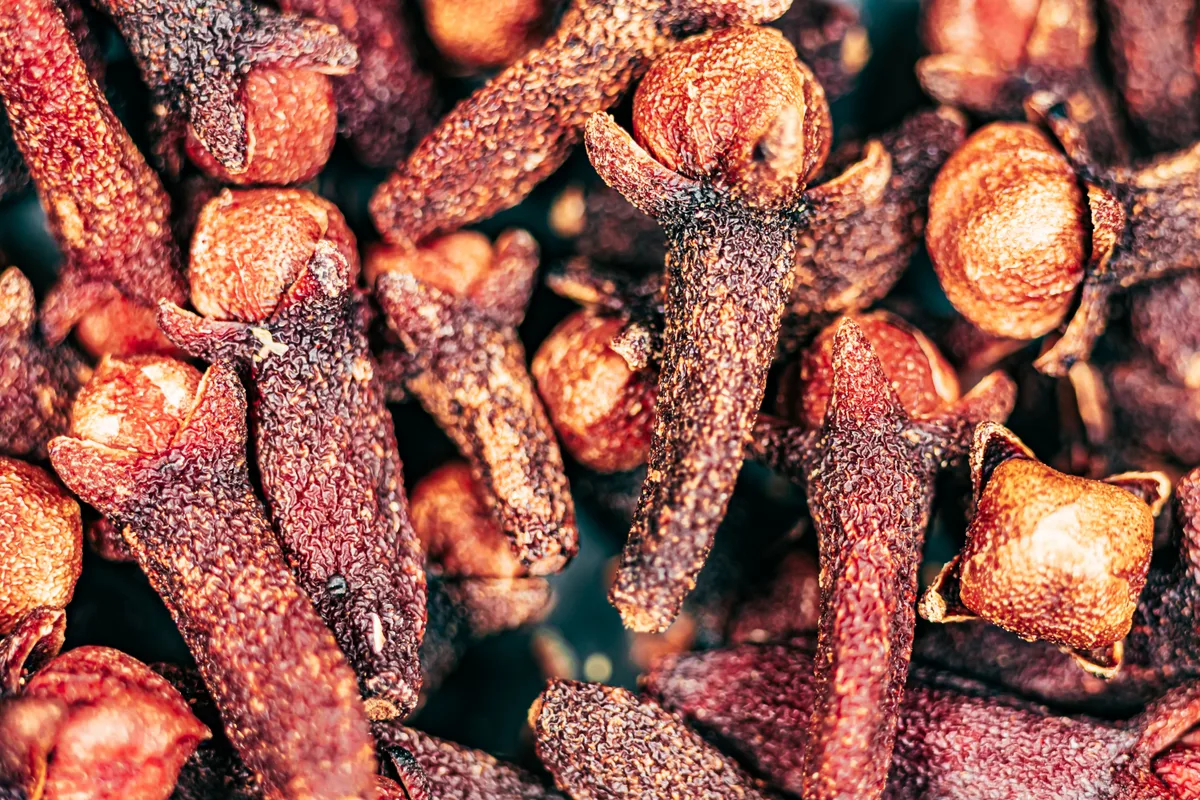
Cloves are among the most thermally hot spices in both TCM and Ayurveda. Eugenol generates significant warmth and has the highest antioxidant capacity of any common spice. Use sparingly: 2 to 3 cloves season an entire pot.
Winter uses: Stud into onion halves for stocks. Add to chai and mulled beverages. Include in garam masala. Press into ham or braised pork.
5. Black Pepper (The Daily Warmer)
Black pepper belongs in every winter meal. Piperine increases thermogenesis and enhances absorption of every other nutrient and compound you eat alongside it. In Ayurveda, black pepper is part of trikatu ("three pungents"), the classical warming digestive formula.
Winter uses: Grind generously over everything. Add to soups, stews, eggs, roasted vegetables. Essential companion to turmeric for absorption.
6. Cardamom (The Gentle Warmer)
Cardamom is considered warming in Ayurveda but mild enough to be tridoshic (suitable for all constitutions). Its volatile oil (1,8-cineole) provides warming, decongestant properties, making it particularly useful during winter cold and flu season.
Winter uses: Crack pods into rice. Add to chai, golden milk, and baked goods. Include in garam masala. Brew as a simple cardamom tea (crush 3 pods, steep in hot water).
7. Cumin (The Digestive Warmer)
Cumin warms the digestive system specifically, stimulating pancreatic enzymes and improving nutrient extraction from winter's heavier meals. In TCM, cumin warms the "middle burner" (stomach and spleen).
Winter uses: Toast in ghee for tadka. Add to every bean and lentil dish. Sprinkle over roasted root vegetables. Brew as cumin tea (toast 1 tsp seeds, steep in hot water 10 minutes).
8. Fennel Seeds (The Warming Digestive)
Fennel seeds are warming but gentle, with anti-spasmodic properties that ease the heavier winter meals that can cause bloating. In Ayurveda, fennel is one of the few warming spices that also calms Pitta, making it suitable for people who run hot but still need winter warmth.
Winter uses: Chew after meals. Toast and add to sausage, braised cabbage, or grain dishes. Brew as tea. Include in five spice powder.
Traditional Winter Spice Blends
Individual spices are powerful. Traditional blends are more so, combining spices that target different warming mechanisms simultaneously.
Garam Masala (Indian): Cardamom + cinnamon + cloves + black pepper + cumin. The name literally means "warm spice blend." Added at the end of cooking to preserve volatile oils. The definitive Indian winter spice combination.
Chinese Five-Spice (five spice powder): Star anise + cinnamon + cloves + Sichuan peppercorn + fennel seeds. Three strongly warming spices plus two moderate ones. Used in braised meats, roasted duck, and marinades throughout winter in Chinese cooking.
Trikatu (Ayurvedic): Black pepper + dried ginger + long pepper. The classical Ayurvedic warming formula, prescribed for sluggish digestion, cold constitutions, and winter immune support. Take 1/4 teaspoon mixed with honey before meals.
Masala Chai blend: Ginger + cinnamon + cardamom + cloves + black pepper. Simmered in milk with strong black tea. The original warming winter drink, developed in India as a functional beverage, not a coffeehouse trend.
Winter Cooking Principles (Beyond Spices)
Warming spices work best within a broader winter eating framework that both Ayurveda and TCM agree on:
Cook everything. Winter is not the time for raw salads, cold smoothies, or overnight oats. Cooked food is easier to digest and provides thermal energy. Soups, stews, braised dishes, and congee should dominate.
Use more fat. Ghee, sesame oil, coconut oil, and butter insulate the body, provide caloric density, and carry fat-soluble vitamins. Ayurveda specifically recommends increasing ghee intake in winter. TCM recommends richer meats (lamb, beef) in cold months.
Eat warming proteins. Lamb is the most warming common protein in both TCM and Ayurveda. Chicken is moderately warming. Fish is neutral to cooling. Beef is warming in TCM, slightly less so in Ayurveda.
Drink warm. Every beverage should be warm or hot: ginger tea, chai, bone broth, golden milk. Cold beverages in winter force the body to expend energy warming them, depleting the digestive fire that's already under seasonal strain.
Five Winter Recipes That Put It All Together
Spiced bone broth: Ginger, turmeric, black pepper, star anise, cinnamon simmered for hours. Sip as a warming afternoon drink or use as a cooking base.
Samgyetang: Korean ginseng chicken soup. A whole chicken with ginseng, jujubes, garlic, and glutinous rice. The quintessential East Asian winter recovery meal.
Khichdi with extra ginger and ghee: The Ayurvedic winter standard. Extra ghee for warmth, extra ginger for digestive fire, extra black pepper for circulation.
Golden milk or ashwagandha moon milk: Nightly winter ritual. Turmeric, ginger, cinnamon, black pepper, and ghee in warm milk. Add ashwagandha for nervous system support during the dark months.
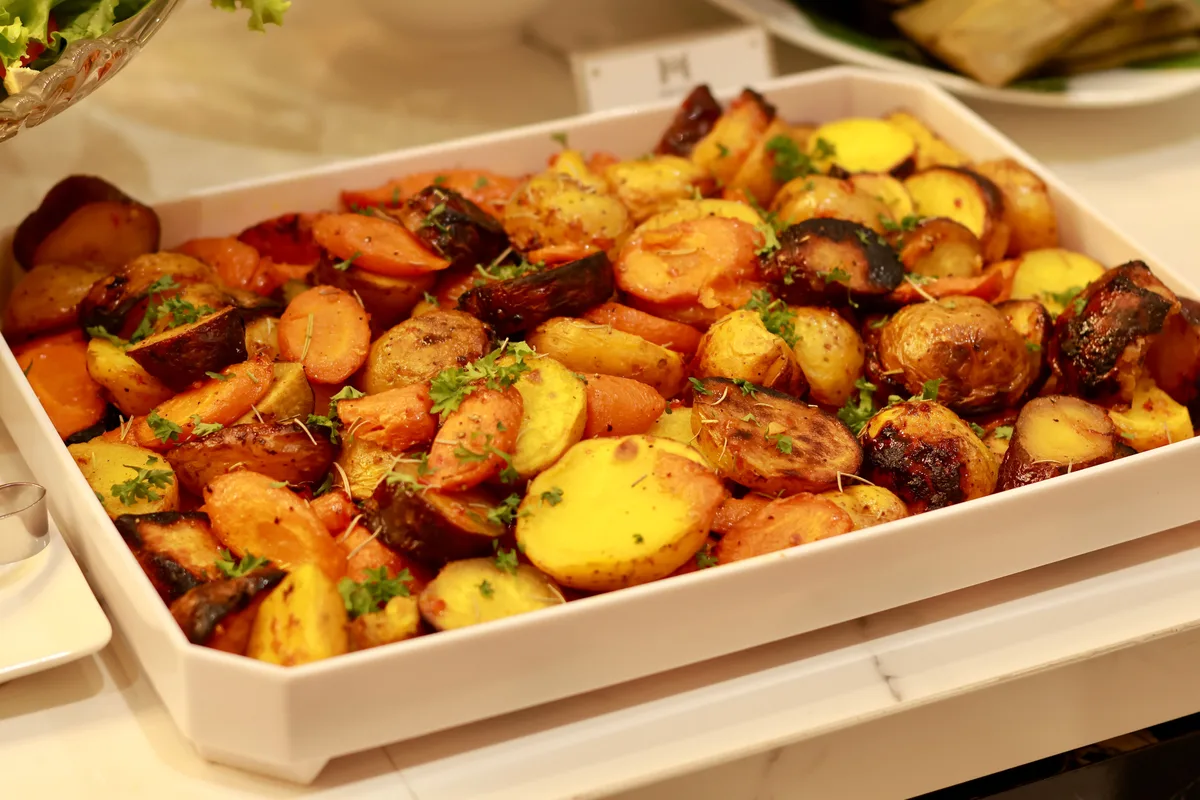
Garam masala over roasted root vegetables: Toss sweet potato, parsnip, carrot, and beet with ghee and garam masala. Roast until caramelized. The warming spice blend against the earthy sweetness of winter roots is one of the best flavor combinations the cold months offer.
Frequently Asked Questions
Can warming spices actually make you feel warmer?
Yes. Ginger, cinnamon, and black pepper all increase thermogenesis (metabolic heat production) through documented pharmacological mechanisms. Ginger activates TRPV1 thermoreceptors. Cinnamon increases metabolic rate. Piperine stimulates catecholamine-mediated thermogenesis. The warming sensation from a cup of ginger tea isn't psychological. It's a measurable increase in metabolic heat.
What if I tend to "run hot" even in winter?
If you have a hot constitution (Pitta in Ayurveda, heat pattern in TCM), moderate the warming spices. Use cardamom and fennel (the gentlest warming spices) more than ginger and cloves (the strongest). Include cooling elements in your meals: cilantro, coconut, yogurt-based sides. You still need some winter warming, just less of it.
Should I change my spice usage when seasons change?
Traditional medicine systems strongly recommend it. Increase warming spices in autumn and winter. Decrease them in spring and summer, shifting toward cooling spices (coriander, fennel, mint, cardamom). This seasonal rotation is one of the most practical applications of both Ayurvedic and TCM dietary theory.
How much warming spice is too much?
If you experience heartburn, mouth sores, excessive thirst, or skin breakouts, you've likely shifted too far into warming territory. These are TCM "heat signs" and Ayurvedic "Pitta aggravation" signals. Scale back the hot spices (chili, cloves, dried ginger) while maintaining moderate warmers (cumin, cardamom, fresh ginger).
Cook With the Season, Not Against It
Winter asks more of your body than any other season. It asks for heat, energy, immune resilience, and emotional steadiness through short days and long nights. The warming spices in this guide aren't flavor additions. They're seasonal tools that every food culture in cold climates developed and relied on.
Stock your winter shelf with ginger, cinnamon, star anise, cloves, black pepper, and cardamom. Learn to make a garam masala. Keep ghee by the stove. Sip golden milk before bed.
For guidance on building a complete spice collection, see how to build a spice cabinet from scratch. For the anti-inflammatory science behind many of these same spices, see anti-inflammatory spices for cooking. And for the technique that makes all of it work, learn what tadka is.
Comments
Share your thoughts on this post.
Sign in to comment0 Comments