How to Build a Spice Cabinet From Scratch: A Practical Guide
How to Build a Spice Cabinet From Scratch: A Practical Guide
I moved into my first apartment with a spice rack that held salt, dried oregano, and a jar of something labeled "Italian Seasoning" that had been there since the previous tenant. That was my spice cabinet for two years.
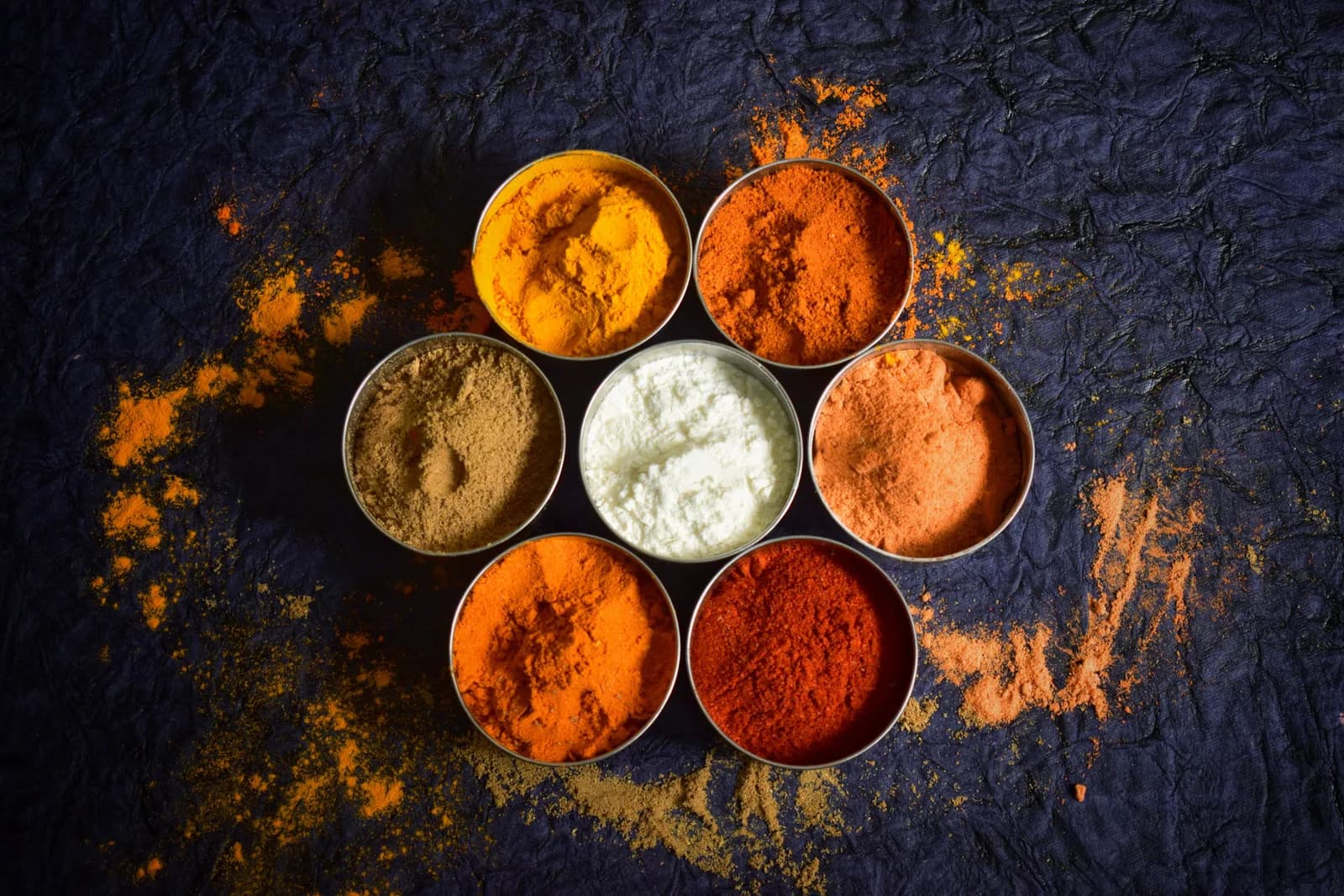
Then I cooked at a friend's house. She was Tamil, and her kitchen had a stainless steel masala dabba (spice box) with seven small cups inside: cumin seeds, mustard seeds, turmeric, red chili powder, asafoetida, fenugreek, and curry leaves. With those seven spices and a jar of ghee, she made four completely different dishes in an hour, each one more flavorful than anything I'd produced in two years of cooking with salt and dried oregano.
"You don't need many spices," she said. "You need the right ones."
This guide takes you from zero to a fully functional spice cabinet in three stages, prioritized by versatility, shelf life, and the number of cuisines each spice unlocks. No filler. No decorative jars of spices you'll use once. Just the essentials, in the order you should buy them.
Stage 1: The Foundation (Buy These First)
These seven spices plus one fat cover more culinary territory than most people's entire spice collection. With these, you can cook Indian, Middle Eastern, Southeast Asian, and Mexican dishes credibly. Total investment: roughly $25 to $35.
Cumin Seeds (whole)
Why first: Cumin is the most versatile spice on earth. It appears in Indian, Mexican, Middle Eastern, North African, and Central Asian cooking. It stimulates digestive enzymes. It tastes good in everything savory.
What to do with it: Toast in hot ghee as a tadka. Sprinkle toasted seeds over rice, eggs, yogurt, roasted vegetables. Grind for chili, taco seasoning, curry blends. Brew as digestive tea.
Buy: Whole seeds, 100g bag. Lasts 2+ years.
Turmeric (ground)
Why early: Anti-inflammatory powerhouse, used daily in Ayurvedic cooking. Adds warm color and earthy depth to everything. See how to cook with turmeric every day for ten practical applications.
What to do with it: Add to eggs, rice, soups, roasted vegetables, golden milk. Always pair with black pepper and fat.
Buy: Ground powder, small jar (100g). Replace every 12 months.
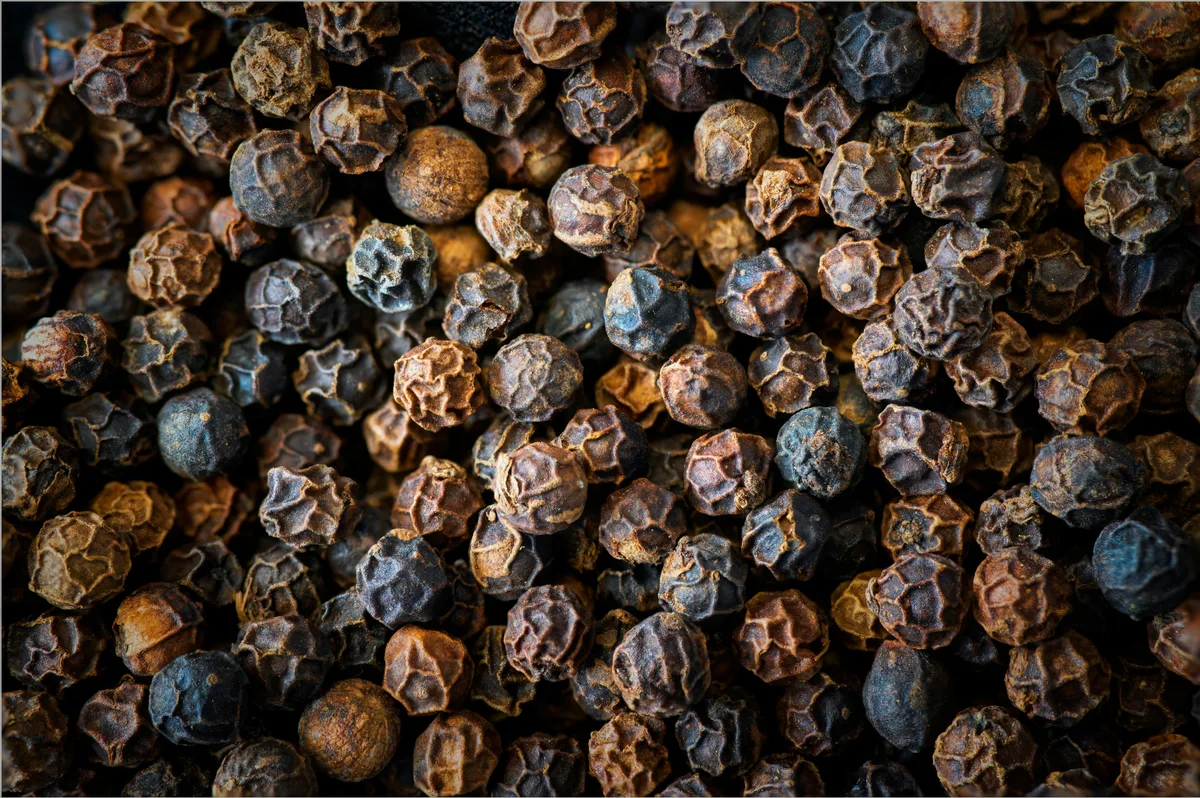
Black Peppercorns (whole)
Why early: You already use pepper. Switching from pre-ground to whole peppercorns + a grinder is the single cheapest, highest-impact upgrade you can make. Fresh-ground pepper is 3 to 4 times more aromatic and pungent. Piperine (the active compound) degrades rapidly once ground.
What to do with it: Grind over everything. Every meal. Especially anything with turmeric.
Buy: Whole Tellicherry peppercorns, 100g. A good pepper grinder (doesn't need to be expensive).
Coriander Seeds (whole)
Why early: The second most used spice in Indian cooking after cumin. Also essential in Thai, Vietnamese, Mexican, and Middle Eastern cuisines. Toasted coriander smells like citrus peel and honey.
What to do with it: Toast and grind for curry blends, rubs, and dressings. Use whole in pickling. Part of the Ayurvedic CCF tea (cumin + coriander + fennel).
Buy: Whole seeds, 100g bag.
Cinnamon Sticks (Ceylon if possible)
Why early: Crosses sweet and savory cooking. Essential in Indian garam masala, Chinese five-spice, Middle Eastern rice, Mexican hot chocolate, and Western baking. Ceylon cinnamon is safer for daily use (lower coumarin).
What to do with it: Add sticks to rice, oats, stews, braises, chai. Break into pieces and grind for baking and spice blends.
Buy: Sticks (5-10), Ceylon preferred.
Ginger (fresh root)
Why early: Fresh ginger is a non-negotiable kitchen staple. Used across every Asian cuisine, in baking, in beverages, in marinades. Anti-nausea, anti-inflammatory, digestion-supporting.
What to do with it: Grate into stir-fries, soups, teas, marinades, golden milk. Slice into congee and broth. Keep in the fridge (lasts 3 weeks) or freezer (lasts months, grate from frozen).
Buy: Fresh root from any grocery store. Always have some on hand.
Garlic (fresh heads)
Why early: The world's most used allium. Antimicrobial, anti-inflammatory, deeply savory. Foundational in virtually every cuisine except traditional Japanese (which uses it sparingly).
What to do with it: Crush and let sit 10 minutes before cooking (maximizes allicin formation). Add to tadka, stir-fries, pasta, roasted vegetables, marinades.
Buy: Fresh heads. Never jarred pre-minced (loses allicin rapidly, often packed in citric acid).
Ghee (the essential cooking fat)
Why essential: High smoke point (250°C/482°F), rich nutty flavor, carries fat-soluble spice compounds into food. Contains butyric acid (gut-supporting). The foundation of every Indian tadka. See what is tadka.
Buy: One jar (200-400g). Or make your own from unsalted butter.
With these 7 spices + ghee, you can make: Khichdi, jeera rice, any basic dal, turmeric eggs, golden milk, ginger tea, roasted vegetable curry, basic stir-fry, Middle Eastern grain bowls, Mexican rice.
Stage 2: The Expansion (Buy Within the First Month)
These eight spices unlock Indian cooking properly and provide the components for homemade spice blends.
Cardamom Pods (green, whole)
The queen of spices. Floral, resinous, complex. Essential in garam masala, chai, golden milk, rice dishes, and Scandinavian baking. Crack pods lightly with the flat of a knife before using.
Cloves (whole)
Intensely aromatic. Use sparingly (2-3 per pot). Essential in garam masala, chai, mulled wine, Chinese braises. Contains eugenol, one of the most potent natural anti-inflammatory compounds.
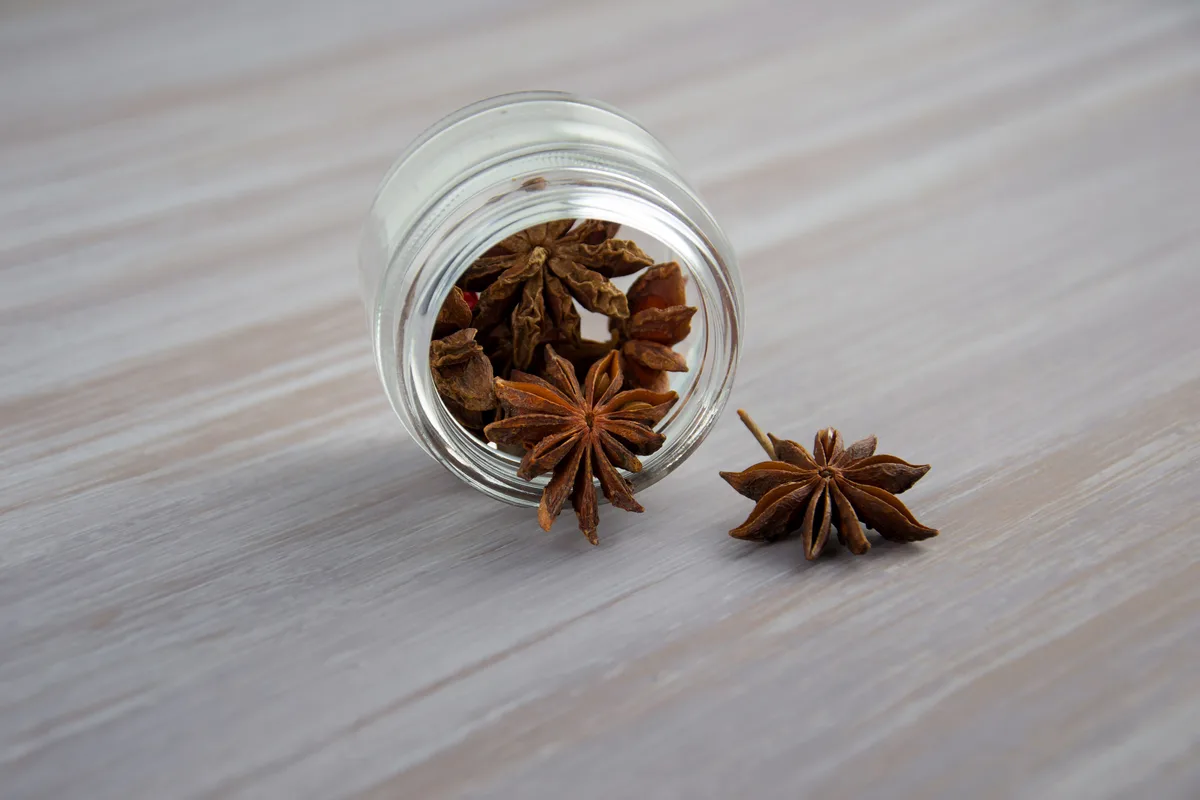
Star Anise (whole pods)
The defining flavor of Chinese five-spice, Vietnamese pho, and many braised dishes. Warm, sweet, anise-like. One or two pods per dish. Beautiful enough to use as a garnish.
Fennel Seeds (whole)
Sweet, anise-flavored, digestive. Chew after meals (the Indian restaurant tradition). Part of CCF tea, five-spice powder, and Italian sausage seasoning. One of the most versatile cross-cultural spices.
Mustard Seeds (black or brown)
Essential for South Indian tadka. They pop in hot oil, releasing a nutty, sharp flavor. Also used in pickling, Bengali five-spice (panch phoron), and French dressings.
Fenugreek Seeds
Maple-scented, slightly bitter. Essential in South Indian sambar powder and Ethiopian berbere. Contains 50% soluble fiber by weight. Toast before using to mellow the bitterness.
Asafoetida (Hing)
A tiny amount (1/8 teaspoon) in hot fat transforms into something savory, onion-like, and deeply satisfying. The essential gas-preventing spice for bean and lentil cookery. No Indian spice cabinet is complete without it.
Chili (dried red + ground powder)
Dried red chilies for tadka (they bloom in hot oil, adding smoky heat). Ground chili powder or cayenne for marinades, sauces, and general seasoning.
With Stage 1 + 2, you can make: Sambar, garam masala, basic curry powder, CCF tea, chai from scratch, Chinese five-spice, any Indian dal properly, Vietnamese pho base, Ethiopian spice blends, every recipe in this guide's links.
Stage 3: The Specialist Shelf (Buy as Needed)
These are bought for specific cuisines, health purposes, or when a recipe calls for them. No rush.
Saffron: The world's most expensive spice by weight, but you use threads, not spoonfuls. Essential for Persian rice, Milanese risotto, Spanish paella, Ayurvedic mood-supporting milk. Steep in warm liquid to release crocin.
Nutmeg: Buy whole and grate with a microplane. A pinch in béchamel, spinach, golden milk, or warm milk before bed. Mild sedative properties at small doses.
Curry Leaves: Fresh, not dried (dried curry leaves are flavorless). Essential for South Indian cooking. Freeze what you don't use immediately. They crackle in hot oil and release an aroma nothing else replicates.
Carom Seeds (Ajwain): Thymol-rich, anti-spasmodic. The fastest-acting spice for gas and bloating. Essential in Indian bread making and some North Indian vegetable dishes.
Sichuan Peppercorn: The numbing spice. Essential for mapo tofu, dan dan noodles, Sichuan dry-fries. Buy whole, toast, and grind immediately before use (loses potency rapidly).
Holy Basil (Tulsi): For tea, not cooking. Adaptogenic, cortisol-reducing. The Ayurvedic nervous system tonic. See adaptogenic herbs for stress.
Ashwagandha powder: For moon milk, smoothies, and warm milk preparations. The most studied adaptogen for stress and cortisol. See our adaptogenic herbs guide.
Reishi Mushroom (dried slices): For congee, broth, and tea. TCM's primary calming tonic. Simmer for 30+ minutes to extract triterpenes.
Storage Rules (Keep Them Alive)
- Sealed glass jars, dark cabinet. Not above the stove (heat). Not on the counter in clear jars (light). A cool, dark cabinet is ideal.
- Label with purchase date. Whole spices: replace after 3 years. Ground spices: replace after 12 months. Fresh ginger/garlic: use within 3 weeks (or freeze ginger).
- Whole over ground whenever possible. See whole spices vs ground for the full science.
- Buy small quantities. A 500g bag of cumin is cheaper per gram but if it takes you 3 years to use, you've lost more in potency than you saved in price. 100g bags are ideal for home cooks.
- Keep asafoetida double-sealed. Its sulfurous aroma will permeate everything nearby if stored loosely. A sealed jar inside a sealed bag.
Where to Buy
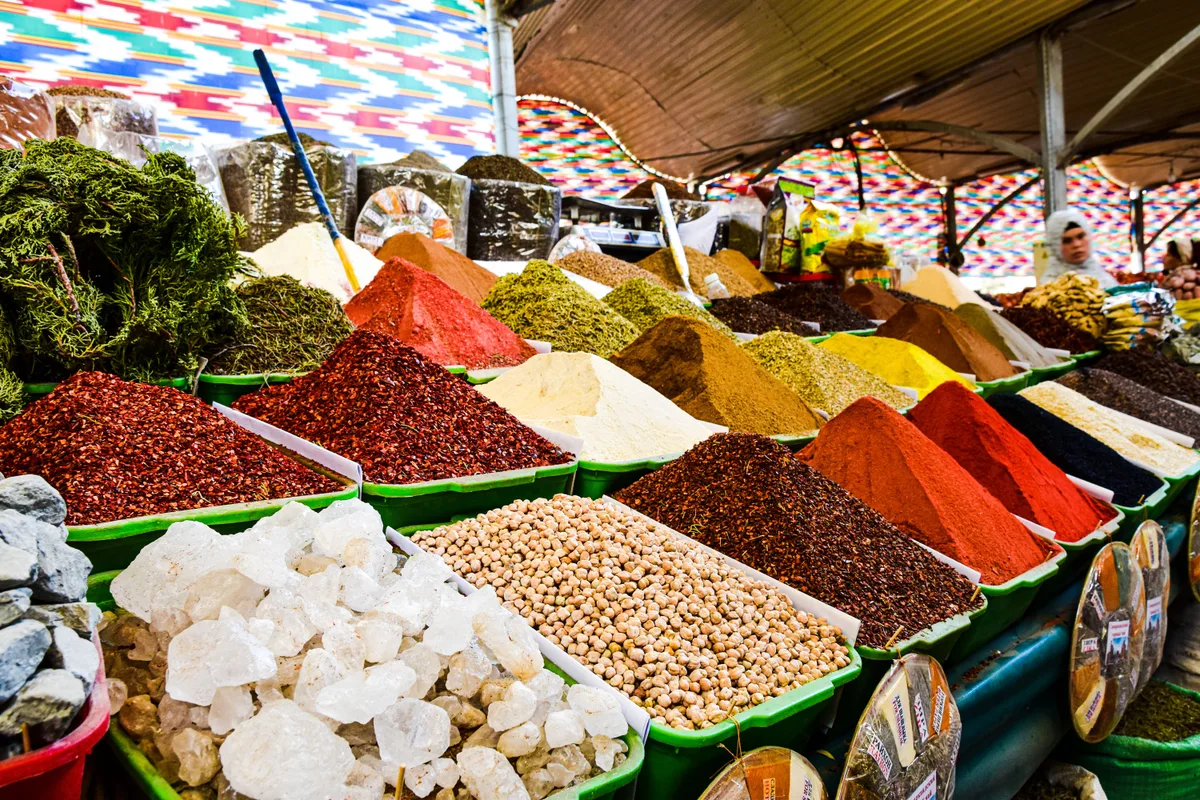
Best quality: Indian grocery stores (for all Indian spices, ghee, asafoetida, curry leaves). Chinese/Asian markets (for star anise, Sichuan peppercorn, five-spice). Online specialty shops (for saffron, Ceylon cinnamon, ashwagandha).
Acceptable quality: Most supermarket spice sections carry cumin, coriander, turmeric, cinnamon, black pepper, and cloves. The quality is decent if the turnover is high (busy stores = fresher stock).
Avoid: Spice racks sold as sets (most contain spices you won't use, ground months ago, at a premium price). Pre-made "curry powder" (a British invention that doesn't exist in Indian cooking and is usually stale).
The $25 Spice Cabinet That Changes Everything
If budget is tight, here's the absolute minimum:
| Spice | Cost | What It Unlocks |
|---|---|---|
| Cumin seeds (100g) | $3 | Indian, Mexican, Middle Eastern |
| Turmeric powder (50g) | $3 | Anti-inflammatory cooking, color |
| Black peppercorns (50g) | $4 | Everything |
| Coriander seeds (100g) | $3 | Curry, Thai, Mexican |
| Cinnamon sticks (5) | $3 | Sweet + savory, chai, garam masala |
| Fresh ginger | $2 | Asian cooking, tea, health |
| Garlic (3 heads) | $2 | Everything |
| Ghee (200g) | $5 | Cooking fat, tadka, golden milk |
| Total | ~$25 |
That's $25 for a spice cabinet that covers more ground than a $60 supermarket spice rack. Every item is a whole spice (or fresh ingredient) that retains potency for years, used across dozens of cuisines, and delivers documented health benefits.
Frequently Asked Questions
How many spices do I really need?
Seven to ten covers most home cooking across multiple cuisines. The Stage 1 list (cumin, turmeric, black pepper, coriander, cinnamon, ginger, garlic + ghee) is enough to cook well for months. Add Stage 2 when you want to go deeper into Indian and Asian cooking.
Is it worth buying expensive spices?
For saffron and Ceylon cinnamon, yes. Quality matters significantly. For most other spices, freshness matters more than brand. A $3 bag of cumin seeds from an Indian grocery store with high turnover is fresher (and therefore better) than a $7 jar from a specialty brand that's been on the shelf for a year.
What if I don't cook Indian food?
Most of these spices are universal. Cumin is essential in Mexican and Middle Eastern cooking. Cinnamon is used globally. Ginger and garlic are foundational across all Asian cuisines. Black pepper is obvious. The only India-specific items in Stage 1 are turmeric (which should be in every kitchen for health reasons) and ghee (which is simply the best high-heat cooking fat available). You don't need to cook Indian food to benefit from an Indian spice cabinet.
Should I throw out my old ground spices?
Smell them. If a ground spice has a strong, clear aroma, it's still usable. If it smells dusty, faint, or like nothing, it's spent. Most ground spices older than a year fall into the second category. Replace with whole versions and grind as needed.
Start Cooking, Not Collecting
A spice cabinet isn't a collection. It's a toolkit. The goal isn't to own every spice. It's to know the ones you have well enough that reaching for them becomes automatic.
Buy the Stage 1 list this week. Make khichdi with cumin, turmeric, and ghee. Make golden milk with turmeric, ginger, cinnamon, and black pepper. Make eggs with turmeric tomorrow morning. The spice cabinet isn't built by shopping. It's built by cooking.
For technique, learn what tadka is. For science, read why Indian food uses so many spices. For health applications, see the anti-inflammatory spice guide and the digestive spice guide. And explore every ingredient on the shelf through our ingredient pages, where each spice gets the full traditional and scientific profile.
Comments
Share your thoughts on this post.
Sign in to comment0 Comments