Monsoon Eating: What India Cooks When It Rains
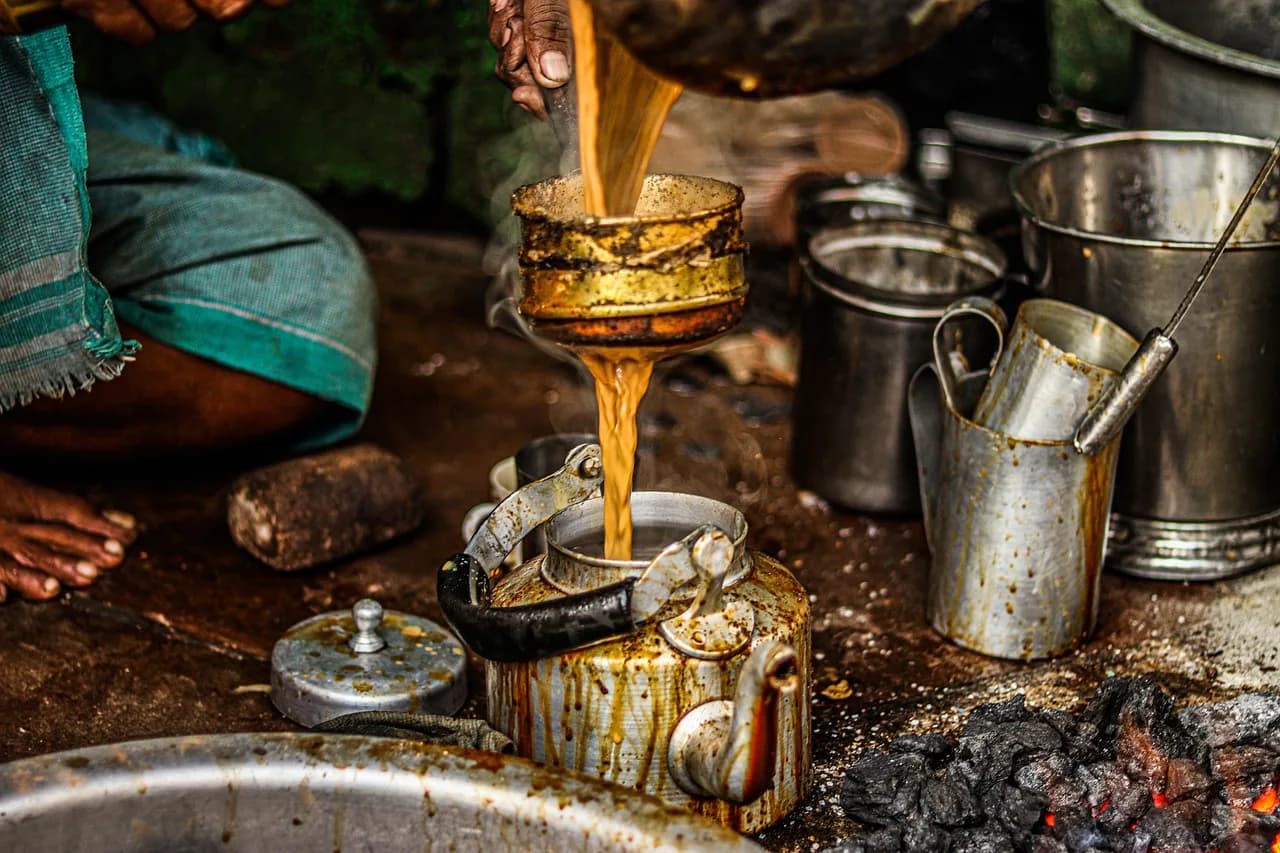
The rain arrives in Kerala at the start of June and works its way north over six weeks, and the food changes ahead of it. Vegetable markets thin out. Fish stalls empty. Tea stalls that were quiet in May suddenly have queues, and every one of them is frying something.
Monsoon cooking in India is not a theme or a seasonal menu. It is a set of practical adjustments to three months in which the air is wet, the produce is compromised, and appetites go strange.
What the season actually does
Humidity slows everything down, including digestion. Ayurveda is unusually blunt about this. Varsha ritu, the monsoon, is the season it identifies as having the weakest agni of the entire year, the point at which the digestive fire is least able to handle heavy food. Vata, the air and movement principle, is described as accumulating through these months, which shows up as bloating, joint stiffness and restlessness.
The practical advice that follows is consistent across households that have never opened a text on the subject. Eat lighter. Eat warm. Eat less raw. Favour sour and salty over sweet and heavy. Drink water that has been boiled.
The leafy greens come off the menu
This is the rule that surprises outsiders most, because it runs against every modern instinct about eating your vegetables.
Leafy greens are avoided during the monsoon across much of India. Spinach, amaranth, fenugreek leaves, most of the things that would be everyday cooking in winter. The reasoning is mundane and correct: waterlogged soil, standing water, insects breeding in the leaves, and bacterial load that survives a quick rinse. Anything that grows close to wet ground is suspect.
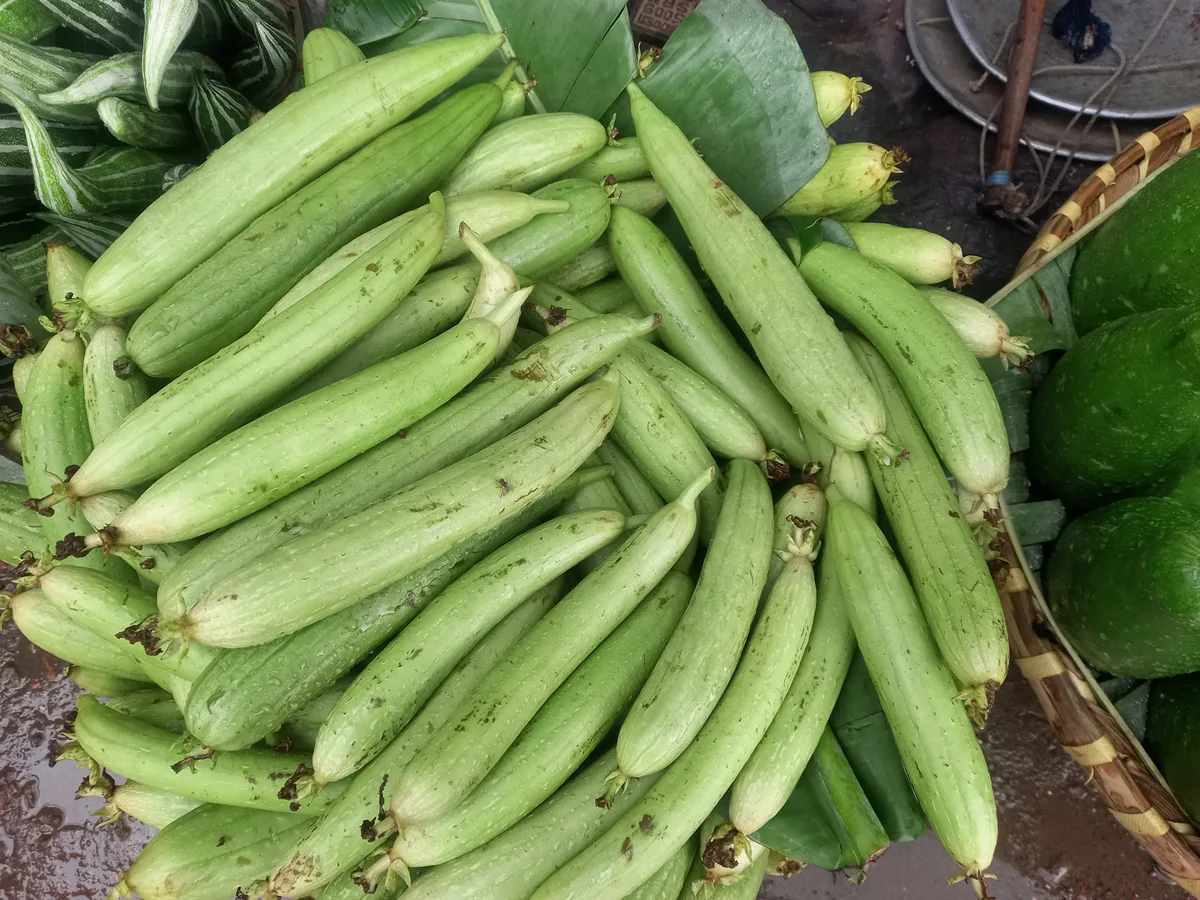
What replaces them are gourds, which grow on vines above the ground and are the one category of vegetable that the monsoon actually improves. Bottle gourd, ridge gourd, bitter gourd, pumpkin. Also pulses, which are dry goods, and which is why lentil cooking runs heavy through these months.
Fish comes off the menu too, in much of coastal India. Partly taste, since monsoon is breeding season and the fish are poor, and partly law, since fishing bans cover a large part of the season on both coasts.
Meanwhile, everyone is eating fried snacks
Here is the contradiction nobody in India loses sleep over. The season that calls for light food is also the season of pakoras, bhajias, samosas and roast corn on the cob.
Rain and fried food is a national reflex. Onion pakoras with masala chai is close to a fixed pairing, and the reason is not nutritional. It is that a hot, salty, crisp thing eaten while it is grey and wet outside is one of the more reliable pleasures available.
There is a partial defence for it. Fried snacks in India are usually built on gram flour rather than wheat, spiced with asafoetida, ajwain or cumin, all of which are the things you would reach for to settle a heavy stomach anyway. The tea alongside is ginger heavy for the same reason. The tradition hedges its own bets.
The dishes that carry the season
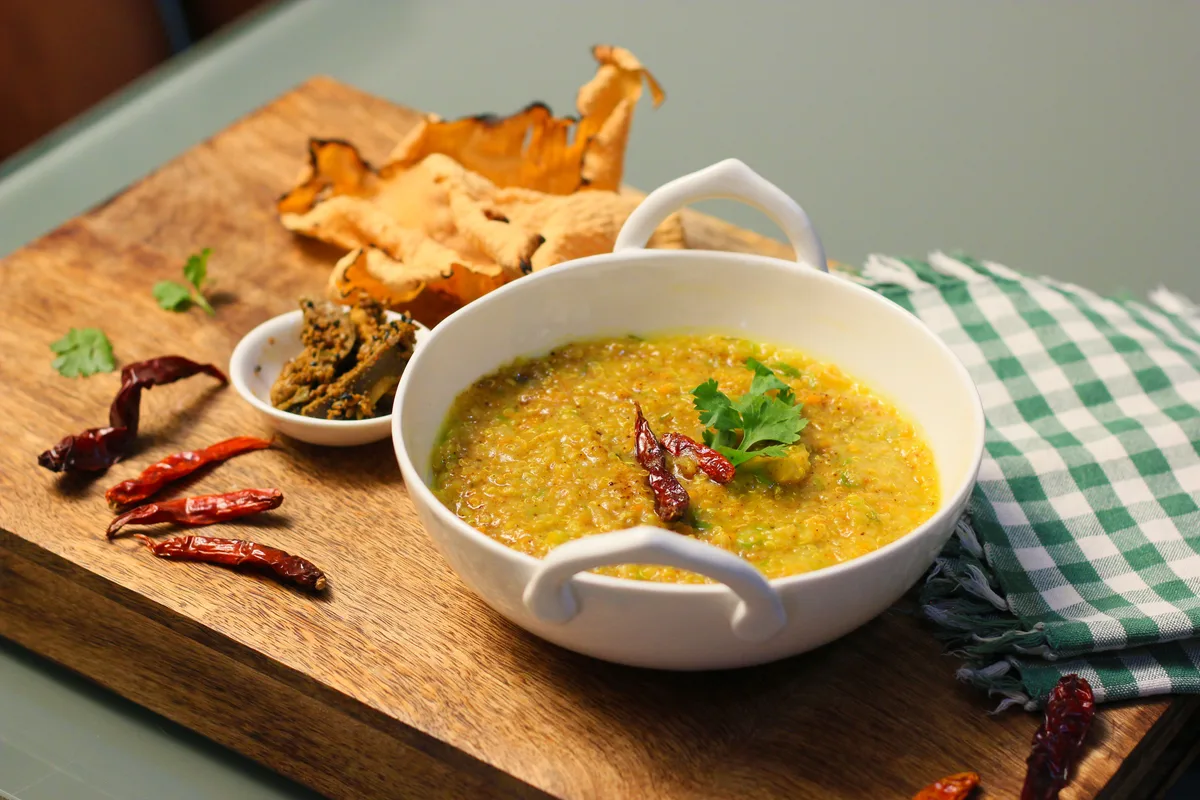
Khichdi is the monsoon default in most of northern India. Rice and lentils cooked soft together, seasoned with turmeric and cumin and a spoon of ghee, and it exists precisely for a body that cannot be bothered. Every region has a version and all of them are easy to digest.
Kadhi is the other one, yogurt and gram flour cooked into a sour, thin curry. The sourness is the point. Ayurvedic guidance for the monsoon pushes towards sour and salty, and kadhi delivers both while using up yogurt that will not keep long in this weather.
In the south, pepper and tamarind do the work: thin peppery rasam drunk almost like a soup, and more black pepper generally, which is a monsoon spice in Kerala for reasons that are both cultural and obvious once you have felt the damp.
And at night, hot milk with turmeric, which is the one piece of Indian home remedy that has thoroughly escaped India. Golden milk is a monsoon drink before it is anything else.
Frequently asked questions
Why avoid curd and yogurt during the monsoon?
Ayurveda classes plain curd as heavy and mucus-forming, and advises against it at night during the rains. Cooked into kadhi or thinned into buttermilk with cumin and salt, it is considered fine, and that is how most households actually eat it in this season.
Is street food really riskier in the monsoon?
Yes, and not for mysterious reasons. Standing water, contaminated supply, produce that has sat wet, and humidity that helps bacteria along. Freshly fried and served hot is the safest category. Anything cut, raw or sitting in water is the riskiest.
What should I cook if I feel heavy and bloated in the rain?
Khichdi with extra ginger, or a thin dal with asafoetida and cumin in the tempering. Skip the raw salad. Drink warm water rather than cold, which is standard Ayurvedic advice year round and matters more when digestion is already sluggish.
What to cook
Start with khichdi, which is the entire monsoon philosophy in one pot. Make kadhi pakora when you want the sour side of the season. Fry pakoras when it starts raining, because arguing with that is pointless. And for the spices that do the digestive work through all of it, we went through the ones that genuinely help.
Comments
Share your thoughts on this post.
Sign in to comment0 Comments