Why MSG Is Feared in the West and Not in Asia
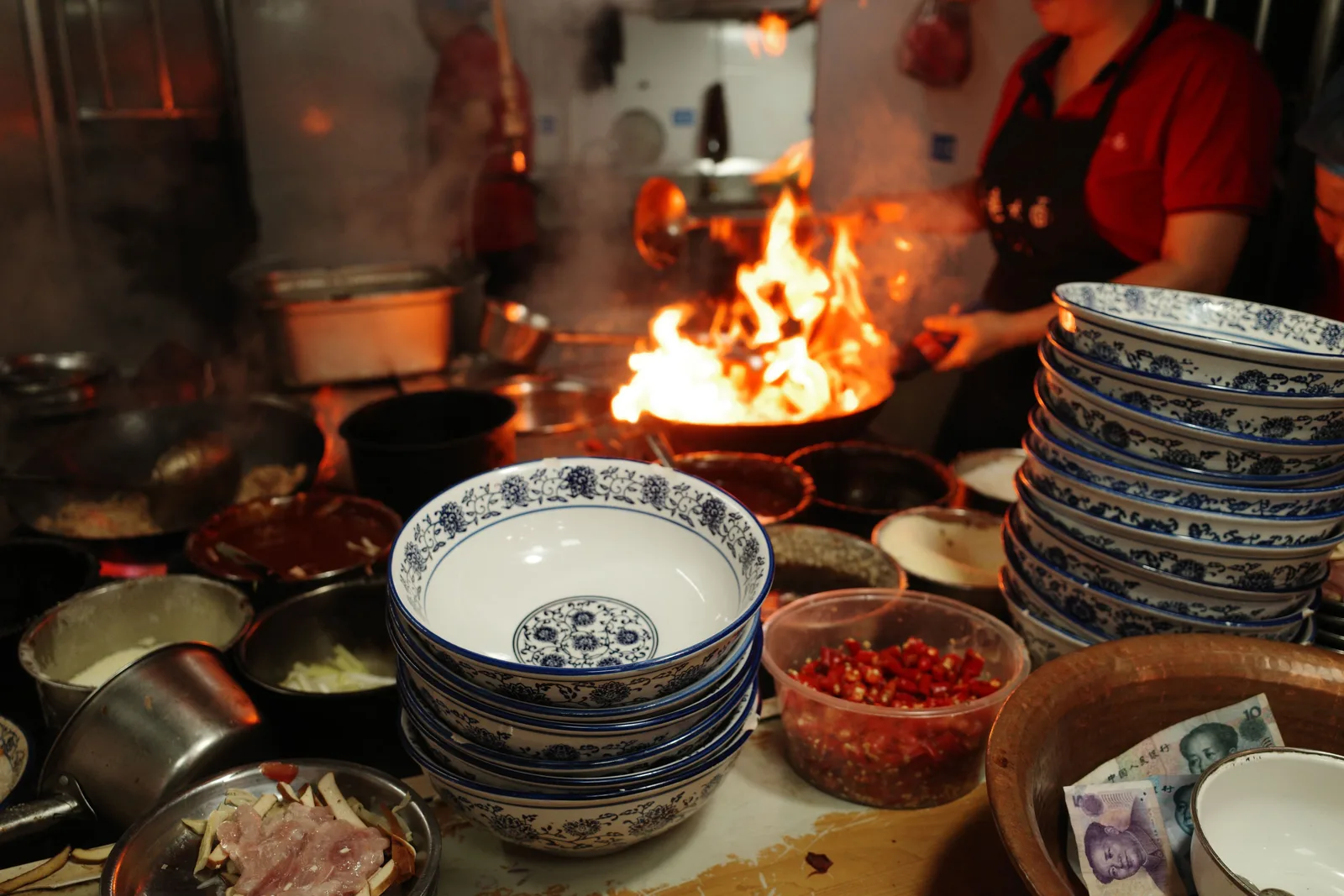
Walk into a Chinese restaurant in an American strip mall and there is a decent chance of a sign in the window reading No MSG. Walk into a supermarket in Bangkok, Seoul or Guangzhou and you will find it sold in bags the size of flour sacks, next to the salt, with nobody apologising for anything.
Same molecule, same food, two entirely different relationships with it. The gap is not about chemistry. It is about one letter to a medical journal in 1968 and everything that happened afterwards.
What MSG actually is
Glutamate is an amino acid. It is in your body right now, it is in breast milk, and it is in a very long list of foods that nobody has ever put a warning sign about: parmesan, ripe tomatoes, mushrooms, anchovies, soy sauce, kombu.
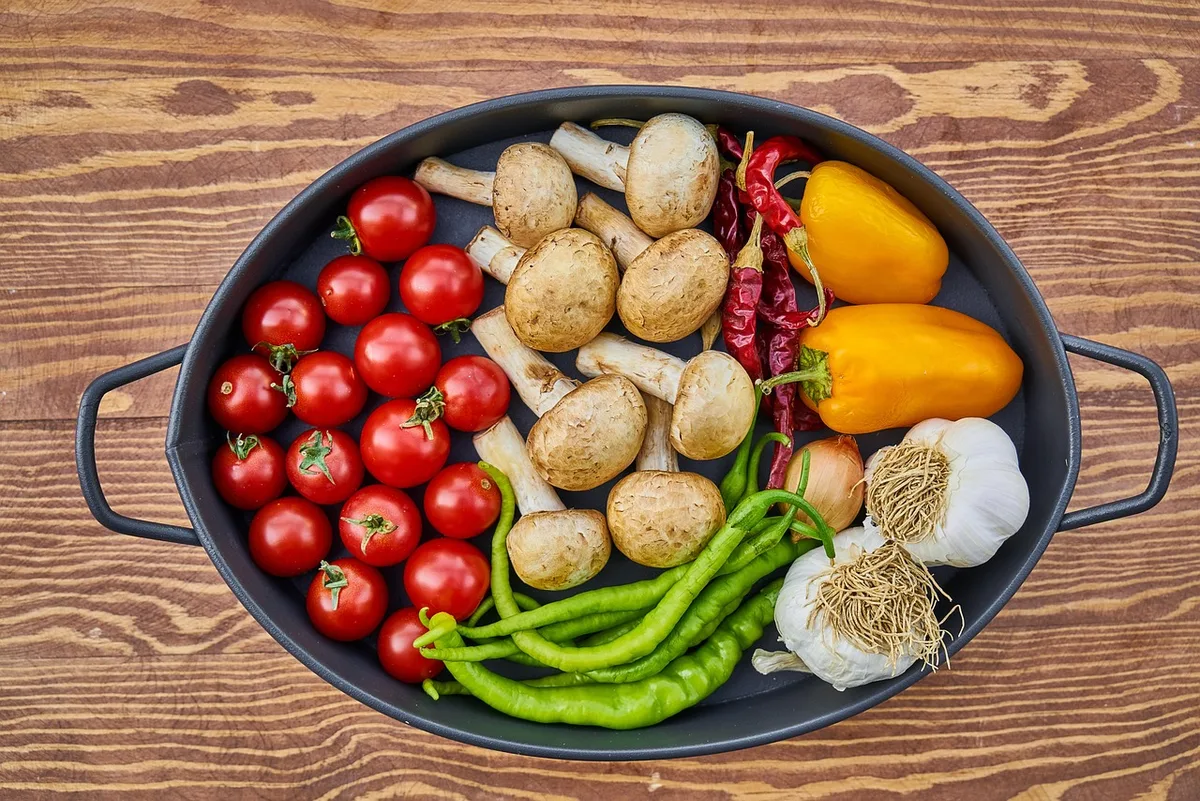
Monosodium glutamate is that amino acid with a sodium ion attached so it can be sold as a dry crystal. When it dissolves in food it separates again into sodium and glutamate, and at that point it is chemically indistinguishable from the glutamate that was already in the tomato. The FDA's own position is that MSG occurs naturally in foods such as tomatoes and cheeses, and that added MSG is generally recognised as safe.
The taste it carries is umami, and it was named by Kikunae Ikeda at Tokyo Imperial University in 1908, who worked out that what made a kombu broth taste the way it did was glutamate. He patented the production method and commercial manufacture started the year after. That is the origin of Ajinomoto, and of the entire category.
The letter
On 4 April 1968 the New England Journal of Medicine published a short letter from a physician named Robert Ho Man Kwok, describing numbness at the back of his neck, weakness and palpitations about twenty minutes after eating at Chinese restaurants in the United States. The letter offered three possible causes: the sodium, the cooking wine, or the monosodium glutamate.
The journal ran it under the heading Chinese-Restaurant Syndrome. Readers wrote in with their own accounts, and within months the condition had a name, a folk diagnosis and a culprit, none of which had been established.
What followed was decades of research that repeatedly failed to reproduce the effect under controlled conditions. Double blind trials, where subjects who identified as MSG-sensitive could not tell whether they had received MSG or a placebo, kept coming back negative. The FDA notes that scientists have not been able to consistently trigger reactions in such studies.
The Science History Institute's account of how the scare was built and sustained traces how thin the underlying evidence was, and how little that mattered once the idea was established.
Why it stuck to Chinese food specifically
This is the part that makes the story more than a science communication failure.
Glutamate is added to an enormous range of processed food in the West. Stock cubes, crisps, instant noodles, ranch dressing, canned soup, fast food seasoning. Very little of it has ever attracted a warning label, and none of it got a syndrome named after it.
The syndrome was named after a cuisine, not after a compound. That framing survived in medical literature and dictionaries for decades, and it attached a vague sense of contamination to one immigrant cuisine while leaving the same ingredient untouched everywhere else it appeared. Restaurants responded the only way they commercially could, by putting up the sign, which in turn reinforced the idea that there had been something to apologise for.
What Asia does with it
In much of East and Southeast Asia, MSG sits on the counter as a seasoning with an ordinary name and no controversy. Aji-no-moto in Japan, ve tsin in Vietnam, wei jing in China, mi chinh in Thai usage.
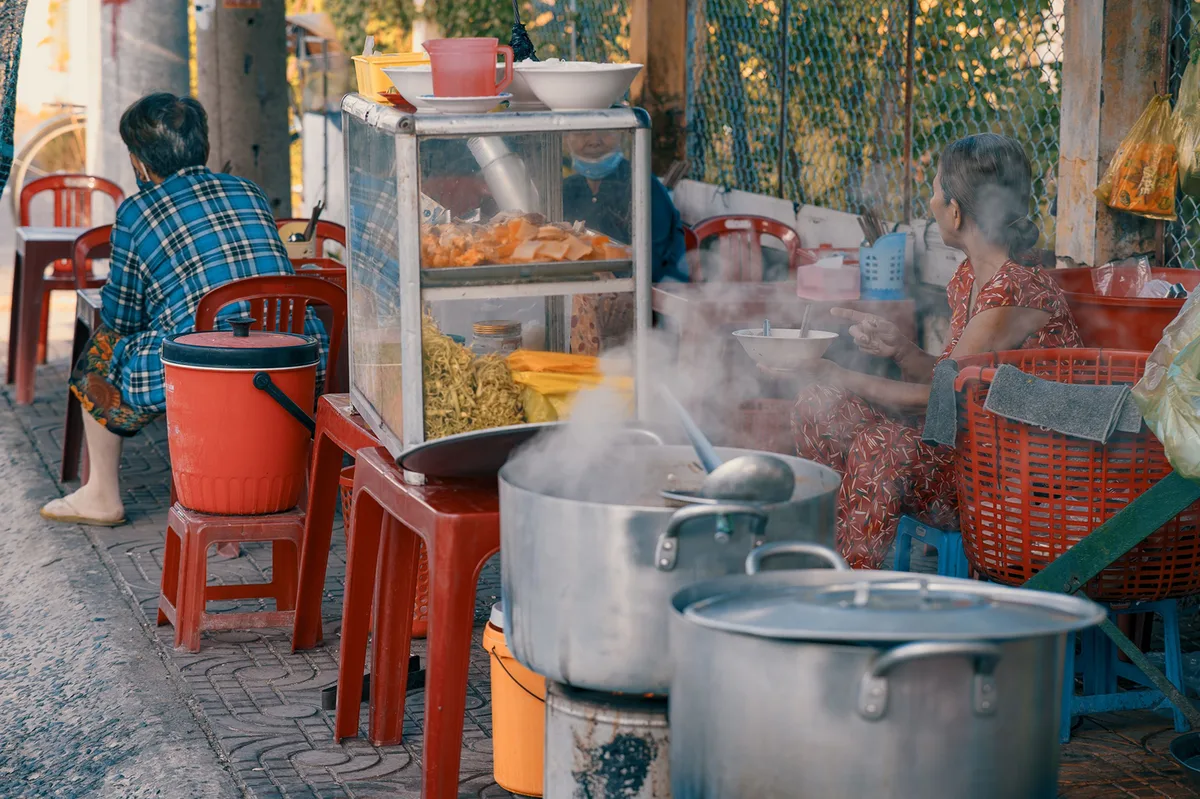
It is used where a dish needs savoury depth that the ingredients alone will not supply, particularly in fast cooking where there is no time to build a stock. A street vendor's noodle soup does not have eight hours for bones. A pinch of glutamate does in a second what a long broth does slowly, which is the honest reason it spread.
It is not a replacement for good ingredients, and the cooks who use it well use it in small amounts alongside fish sauce, soy sauce and dashi, all of which are delivering the same glutamate by a slower route.
The reasonable position
Some people do report reactions, and dismissing that entirely is not warranted either. Research has suggested that a small number of individuals may experience short term symptoms after consuming a large dose of MSG on an empty stomach, which is not how anyone eats it in food. The FDA requires MSG to be declared on labels for exactly that reason.
The defensible summary is narrow: the general population reaction the 1968 letter implied has not held up, the amounts used in cooking are small, and the same glutamate is in food nobody worries about. If you feel unwell after a particular meal, that is worth paying attention to. It is not evidence that a Chinese kitchen did something to you that an Italian one did not.
Frequently asked questions
Is MSG bad for you?
There is no established evidence of harm at the levels used in food, and it is classified by the FDA as generally recognised as safe. It does contain sodium, though roughly a third as much as table salt by weight, which is why it is sometimes used to reduce total sodium.
Why do I feel unwell after some restaurant meals then?
Portion size, fat, salt, alcohol and speed of eating are all better explanations for heaviness after a large restaurant meal than a compound present in parmesan. Genuine food intolerances exist and are worth investigating properly.
Does using MSG mean the cooking is lazy?
No more than using salt does. It is a seasoning with one job. It can be used badly, in which case food tastes flat and oddly savoury, and it can be used well, in which case you do not notice it.
Which foods naturally contain the most glutamate?
Aged cheeses, ripe tomatoes, dried mushrooms, cured ham, fermented soy products and seaweed. Kombu is the original source and the reason Ikeda found it in the first place.
What to cook
The glutamate route worth knowing is the slow one. Miso soup built on real dashi is a lesson in what kombu and dried fish do to a broth in ten minutes, and it is the dish Ikeda was effectively analysing. For the same principle in another kitchen, look at what goes into a Chinese pantry and how much of it is fermented.
Comments
Share your thoughts on this post.
Sign in to comment0 Comments