The Chinese Pantry: What Is Actually in a Home Kitchen
Chinese cooking looks like it needs a specialist shop and a wall of bottles. It does not. A home kitchen in Guangzhou or Chengdu runs on a shelf of maybe ten things, and most of the variation across a vast country comes from how those ten are combined rather than from owning more of them.
The mistake beginners make is buying one bottle labelled soy sauce and expecting it to do every job. Here is the shelf that actually works, and what each thing is for.
Two soy sauces, not one
Light soy sauce is the salt of Chinese cooking. Thin, sharp, reddish brown, it seasons stir fries, marinades and dipping sauces, and it is what a recipe means when it just says soy sauce.
Dark soy sauce is a different tool. Thicker, aged longer, often with molasses added, it is used in small quantities for colour rather than salt. A teaspoon turns a braise the deep mahogany of red braised pork belly. Use it like light soy and the dish will be sweet, dull and oddly dark.
If you buy one bottle, buy light. If you buy two, this is the second.
Shaoxing wine
Shaoxing wine is fermented rice wine, amber, nutty, closer to dry sherry than to sake. It goes into almost every marinade for meat and fish, where its job is chemical as much as culinary: it carries away the compounds that read as gamey or fishy, and it does that better than anything else in the cupboard.
Splash it down the hot side of the wok rather than into the middle, so it hisses and evaporates. Cooking sherry is the usual substitute. Rice vinegar is not a substitute, because acid and alcohol are doing different jobs.
The vinegars
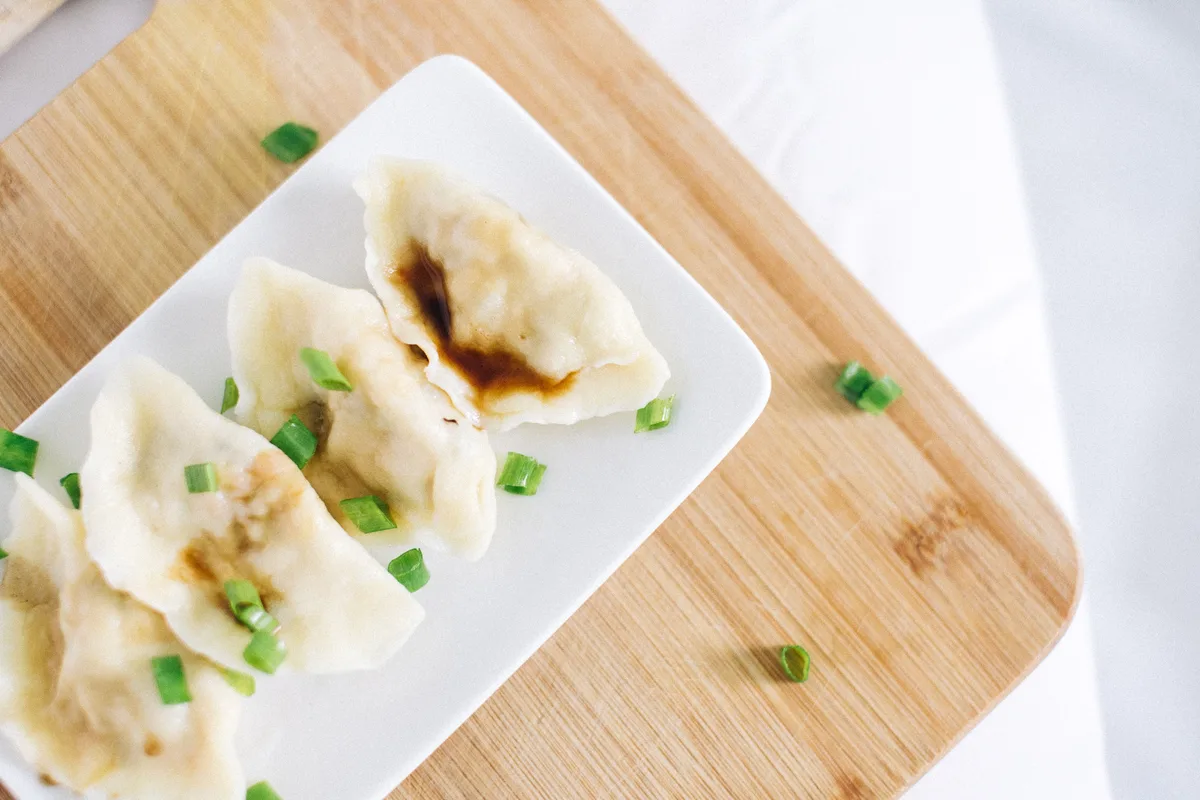
Chinese black vinegar, the Zhenjiang kind, is malty and faintly sweet, closer to balsamic than to anything sharp. It is the dip for dumplings like jiaozi, the finish on hot and sour soup, and the sourness in many Sichuan sauces.
Rice vinegar is clean and mild, used where you want acidity without colour. Between the two, black vinegar is the one worth buying first, because nothing else tastes like it.
Toasted sesame oil
Finishing oil, never cooking oil. Sesame oil goes in off the heat, half a teaspoon at a time, and its aroma is the top note on countless dishes from scallion oil noodles to a plate of cold cucumbers. Heat it hard and you lose everything you paid for.
Oyster sauce
Oyster sauce is thick, savoury, slightly sweet, and it is the reason restaurant greens taste better than yours. A spoonful over blanched yu choy or bok choy is a complete dish. Vegetarian versions made with mushrooms work on the same principle and are genuinely good.
Something fermented and spicy
Which one depends on where you want to cook from. Doubanjiang, the fermented broad bean and chilli paste from Pixian, is non-negotiable for Sichuan food and the engine of mapo tofu. Chili oil with its sediment is more general purpose. Fermented black beans, salty and pungent, make the black bean sauce that has nothing whatsoever to do with the sweet stuff sold in jars.
Start with doubanjiang if you like heat, chili oil if you want flexibility.
The dry corner
Four things, all cheap, all lasting years:
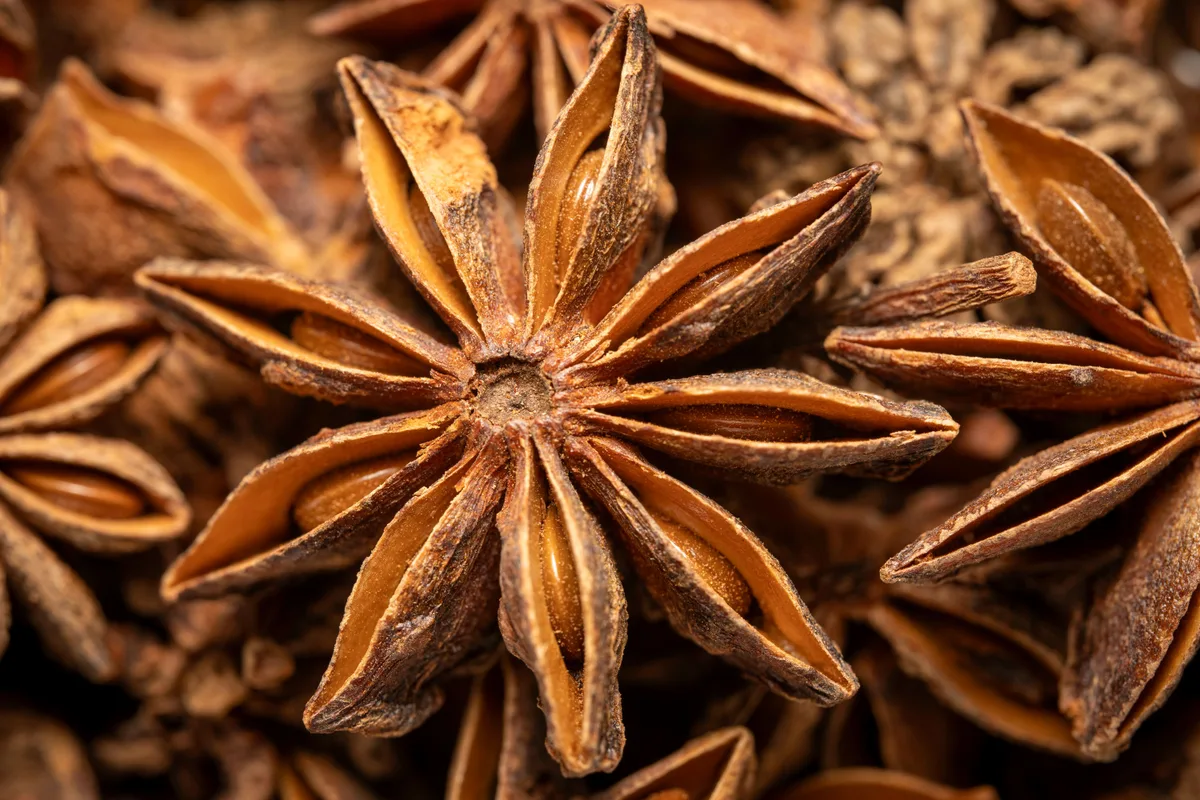
Sichuan peppercorns for the citrus tingle that is not heat. Star anise for braises. White pepper, which is the pepper of Chinese cooking, earthier and more medicinal than black, and essential in soups. Dried shiitake mushrooms, which give you an instant savoury stock from the soaking water alone.
Add chinese rock sugar if you braise often. It gives a rounder sweetness and a better gloss than granulated.
What you do not need yet
Five spice powder, hoisin, XO sauce, fermented tofu and sesame paste are all excellent and all specialised. Buy them when a recipe you want to cook asks for them, not before. A cupboard full of half-used bottles is how people convince themselves a cuisine is complicated.
Frequently asked questions
Can I use Japanese soy sauce for Chinese cooking?
For most things, yes. Japanese soy sauce is slightly sweeter and often brewed with more wheat, so it reads a little rounder, but it will not ruin a stir fry. It cannot replace dark soy sauce, which is a different product.
What if I cannot find Shaoxing wine?
Dry sherry is the closest widely available substitute, in equal quantity. Dry vermouth works. Avoid anything labelled cooking wine with added salt, which will throw the seasoning of the dish.
Is dark soy sauce the same as black soy sauce?
No. Thai black soy sauce is sweeter and thicker, closer to Indonesian kecap manis. Chinese dark soy is only mildly sweet and is used mainly for colour.
Where to start
With that shelf, the first things to cook are the ones that teach you what each bottle does. Tomato egg stir fry needs almost nothing and is the dish every Chinese household makes. Steamed fish with ginger and scallion shows light soy and Shaoxing working together. Then mapo tofu, which will explain doubanjiang and Sichuan pepper in one bowl.
Comments
Share your thoughts on this post.
Sign in to comment0 Comments