Chinese Cuisine
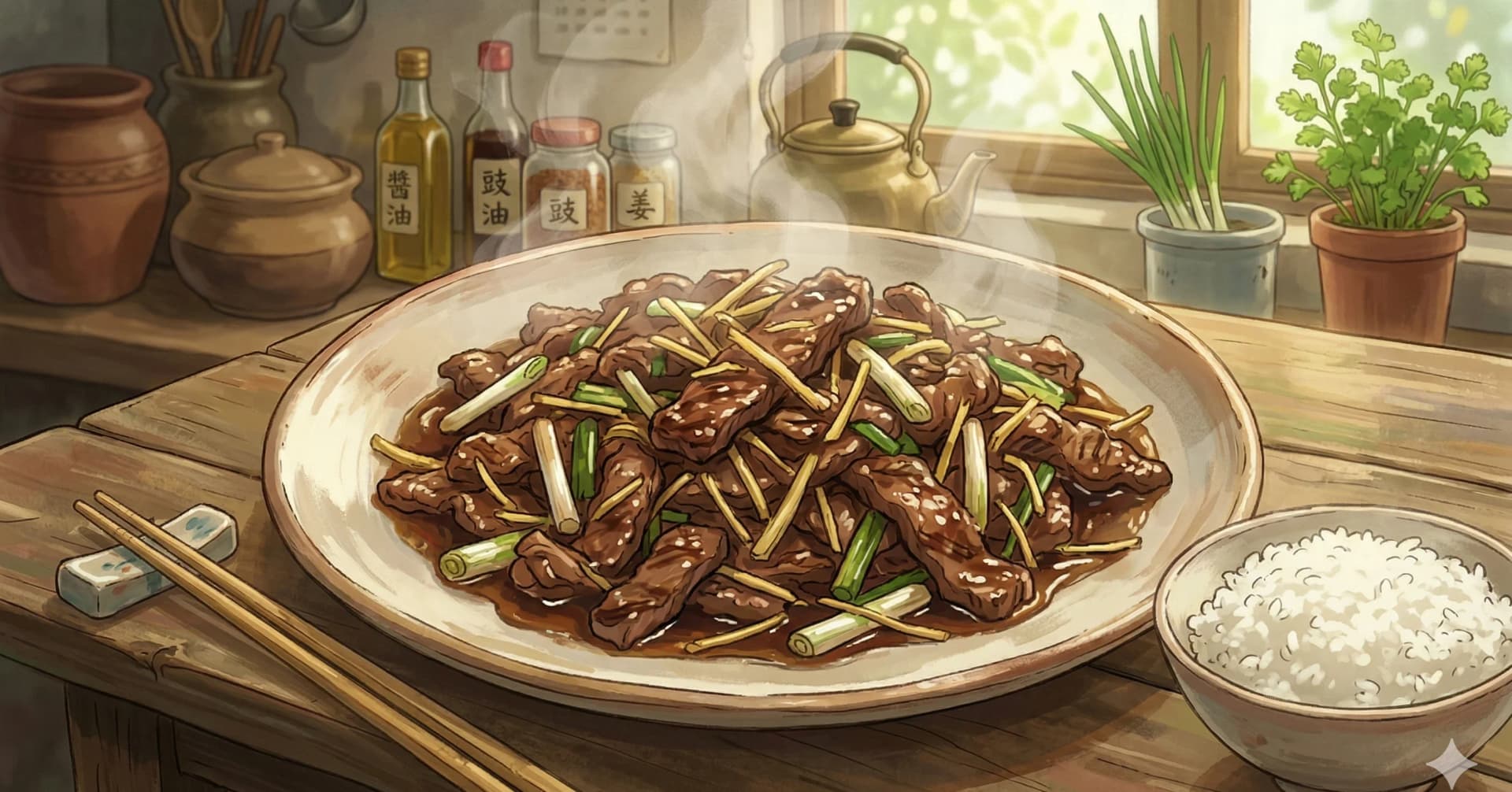
Ginger Scallion Beef
A Cantonese classic of tender, velveted beef stir-fried with heaps of fresh ginger and scallion
This is the stir-fry that teaches you to trust ginger. Not a teaspoon minced into a sauce, but a full fistful of it, sliced into thin matchsticks, stir-fried until its raw bite softens into something warm and almost sweet. Alongside it, an equally generous pile of scallions cooks just enough to wilt and release their mild allium fragrance. Together they transform a simple plate of beef into something that feels restorative and deeply satisfying.
The dish belongs to the Cantonese tradition of letting quality ingredients speak for themselves. There is no chili paste, no fermented bean sauce, no complex spice blend. The flavoring is straightforward: soy sauce, oyster sauce, Shaoxing wine, and sesame oil. Everything is in service to the ginger and the meat.
The key to tender beef in any stir-fry is a technique called velveting. The raw meat is sliced thin against the grain, then tossed with cornstarch, a splash of oil, and seasonings. The cornstarch forms a protective layer around each slice that locks in moisture during high-heat cooking. The result is beef that stays silky and yielding rather than tough and chewy. This step takes less than a minute but makes the difference between restaurant-quality results and something disappointing.
Work quickly once the wok is hot. The beef goes in first, gets a hard sear, and comes out. Then the ginger and scallion whites go in at lower heat to bloom. Everything reunites in the wok for a final 30 seconds of tossing, and the dish is done. The whole cooking phase takes under 10 minutes. The satisfaction lasts much longer.
At a Glance
Yield
4 servings
Prep
25 minutes
Cook
10 minutes
Total
35 minutes
Difficulty
Easy
Ingredients
Beef Ingredients
- 1 lbflank steak, sliced against the grain into thin strips (about 1/4-inch thick)
- 1 tbsplight soy sauce
- 1 tspdark soy sauce
- 1 tbspShaoxing wine
- 3 tspcornstarch
- 1 tbspvegetable oil
- ⅓ tspwhite pepper
Sauce Ingredients
- ¾ ozoyster sauce
- 1 tbsplight soy sauce
- 1 tspsugar
- 1 tspsesame oil
- 2 tbspwater
Method
- 1
Prepare and marinate the beef. Slice the flank steak against the grain into thin strips, about 1/4 inch thick and 2 inches long. Combine with the light soy sauce, dark soy sauce, Shaoxing wine, cornstarch, oil, and white pepper. Mix well and let marinate for at least 15 minutes, up to 30 minutes. The surface of the beef should feel lightly coated and slippery.
- 2
Mix the sauce. Whisk together the oyster sauce, light soy sauce, sugar, sesame oil, and water in a small bowl. Set aside.
- 3
Sear the beef. Heat 2 tablespoons oil in a wok over high heat until the oil begins to smoke. Spread the marinated beef in a single layer and let it sear undisturbed for about 45 seconds until the bottom is deeply browned. Flip and sear the other side for another 30 seconds. The beef should still be slightly pink inside. Transfer immediately to a plate.
- 4
Cook the ginger and scallions. Reduce heat to medium. Add the remaining 1 tablespoon oil to the wok. Add the julienned ginger and scallion whites. Stir-fry for about 1 minute until the ginger is fragrant and the scallion whites are slightly softened.
- 5
Combine and finish. Return the beef to the wok and turn the heat to high. Add the scallion greens. Pour in the sauce and toss everything together vigorously for 30 seconds until the sauce lightly coats all the ingredients and the scallion greens are just wilted.
- 6
Serve immediately over steamed white rice or alongside stir-fried noodles.
Key Ingredient Benefits
Fresh ginger: Gingerol, the primary bioactive compound in raw ginger, converts to zingerone when cooked, which has a milder, spicier-sweet character. Research supports ginger's effectiveness for nausea and its anti-inflammatory properties, particularly in the context of osteoarthritis pain reduction. Traditional Chinese medicine classifies it as a warming herb beneficial for digestion and circulation. See the Ginger ingredient guide.
Flank steak: A lean, flavorful cut from the abdominal muscles of the cow. It is high in protein and provides iron, zinc, and B vitamins. Its long muscle fibers make it ideal for slicing thin against the grain.
Oyster sauce: A Cantonese pantry staple that provides concentrated umami and a subtle sweetness. Premium brands list oyster extract as the first ingredient rather than sugar or corn syrup. See the Oyster Sauce ingredient guide.
Why This Works
Velveting is the technique that separates home stir-fry from restaurant stir-fry. The cornstarch in the marinade forms a microscopic barrier around each slice of beef. When it hits the screaming-hot oil, this barrier sets almost instantly, trapping the juices inside the meat. The oil in the marinade serves a similar purpose, creating a thin lipid layer that conducts heat evenly and prevents sticking.
Slicing against the grain is the other non-negotiable step. Flank steak has long, visible muscle fibers. Cutting perpendicular to those fibers shortens them, which means you are not fighting chewy strands when you bite into the finished dish.
The ratio of ginger to meat may look aggressive, but ginger mellows significantly when stir-fried. Raw ginger is sharp, almost biting. After a minute in hot oil, it softens into something warmer and sweeter, with its heat pushed to the background. Omnivore's Cookbook adds an egg to the marinade and uses a generous cornstarch coating for an even crispier exterior, which is an excellent variation if you prefer a more textured result.
Substitutions & Variations
Beef cut: Skirt steak or sirloin work well. For a budget option, chuck roast sliced very thin can be tenderized with a pinch of baking soda in the marinade (1/4 teaspoon per pound, rinsed off after 15 minutes).
Protein: Chicken breast or thigh, sliced thin, works with the same marinade. Shrimp can be substituted but should not be marinated with cornstarch, as their texture changes. Firm tofu, pressed and sliced, takes well to a brief pan-fry before adding to the wok.
Vegetables: Baby bok choy, quartered and added with the scallion greens, provides a fresh crunch. Bell pepper strips add sweetness and color. Omnivore's Cookbook includes both for a more substantial one-dish meal.
Ginger intensity: If you find raw ginger matchsticks too assertive, briefly blanch them in boiling water for 30 seconds before stir-frying. This removes the sharpest edge while keeping the flavor.
Serving Suggestions
This stir-fry is designed to be eaten over steamed white rice, which absorbs the savory sauce. For a Cantonese family meal, pair with Bai Qie Ji for a contrast of hot and cold preparations, and a simple steamed green like Chinese broccoli with oyster sauce. Congee works as a light accompaniment if serving the beef as part of a larger spread. Wonton Soup makes a warming starter that bridges the table between lighter and richer dishes.
Storage & Reheating
Refrigerator: Store in an airtight container for up to 2 days. The ginger and scallion will soften further but remain flavorful.
Reheating: Reheat in a hot wok or skillet with a splash of water. The beef will not be quite as tender as freshly cooked, but the ginger flavor actually improves overnight.
Freezing: Not recommended. The scallions become slimy when frozen and thawed, and the beef texture suffers.
Cultural Notes
Jiang cong niu rou (薑蔥牛肉, "ginger and scallion beef") is the Cantonese stir-fry that pairs sliced beef with two of the most basic and most important aromatics of Chinese cooking. The combination of ginger and scallion is so fundamental to Cantonese cuisine that it shows up in nearly every category of dish: as the steaming aromatics for fish, as the base oil for poached chicken, as the dipping sauce for soy sauce chicken, and as the central seasoning for countless quick stir-fries. The beef version is the everyday meat-and-aromatic application of the pairing, served at home meals and at neighborhood Cantonese restaurants throughout the day.
The technique is a standard Cantonese velvet-and-flash-fry. Beef (typically flank steak or sirloin) is sliced thin against the grain and marinated briefly in soy sauce, Shaoxing wine, cornstarch, and a touch of oil, plus sometimes a small amount of baking soda to tenderize. The wok is heated until smoking, oiled, and the beef is flash-fried in a single layer until just seared on the outside but still pink in the middle, then removed. Slivered ginger and white parts of scallion go into the same oil, are tossed briefly to release their aromatics, and the beef is returned. A small splash of stock or water with soy sauce and a tiny cornstarch slurry thickens the sauce, the green parts of scallion go in for the last few seconds, and the dish goes immediately onto a plate. The whole stir-fry takes ninety seconds from when the beef hits the wok.
The dish illustrates a defining principle of Cantonese cooking: respect for ingredients through restraint. The seasoning is minimal so the beef and aromatics carry the dish. The oil is hot enough to develop wok hei. The vegetables stay crisp. The sauce coats but does not drown. In Hong Kong dining culture, this is the dish a young Cantonese cook learns first to demonstrate competence: simple in ingredient list, demanding in execution, with no place to hide a poor knife cut or a wok that wasn't hot enough. The dish appears at family meals, at neighborhood cha chaan teng (tea diners), and as one course in a multi-dish Cantonese banquet.
Nutrition Facts
Calories: 327kcal (16%)|Total Carbohydrates: 6.3g (2%)|Protein: 31.7g (63%)|Total Fat: 18.6g (24%)|Saturated Fat: 4.8g (24%)|Cholesterol: 68mg (23%)|Sodium: 672mg (29%)|Dietary Fiber: 0.9g (3%)|Total Sugars: 2.1g
You Might Also Like
 Easy
EasyTraditional Chinese Medicine · China
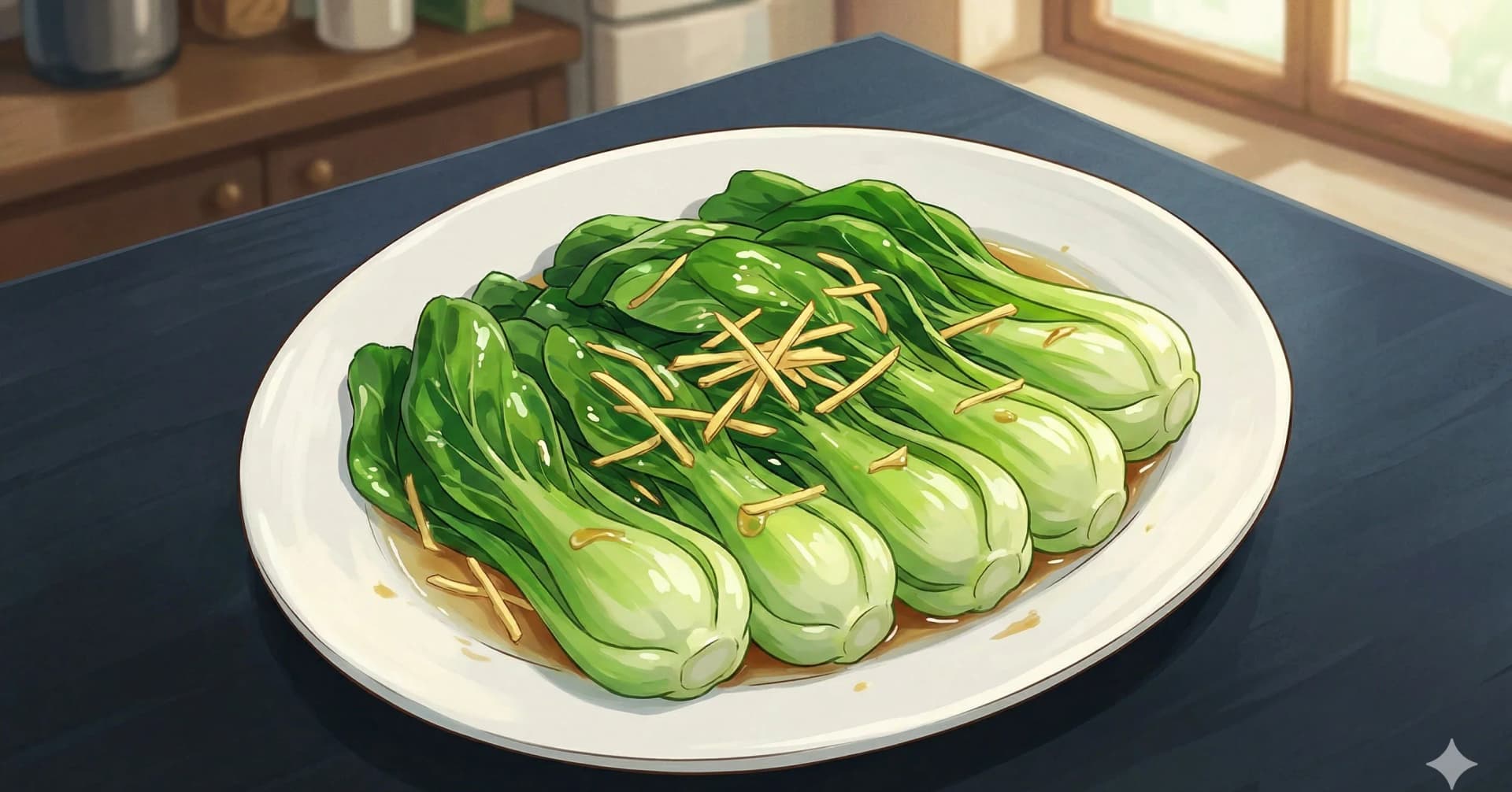
Bok Choy in Ginger Sauce (姜汁白菜)
6 minutes
 Medium
Chinese Cuisine
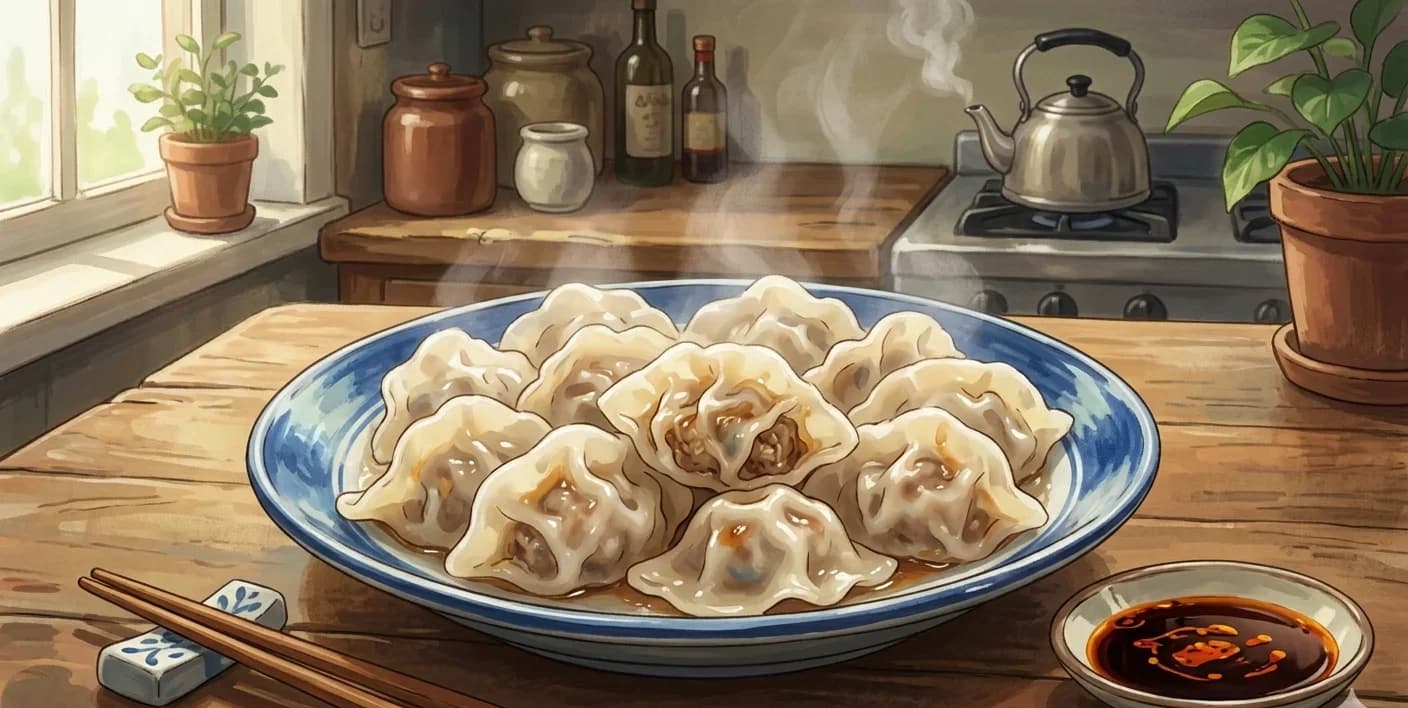
Niu Rou Yang Cong Jiaozi (Beef and Onion Dumplings)
60 minutes
 Medium
Chinese Cuisine
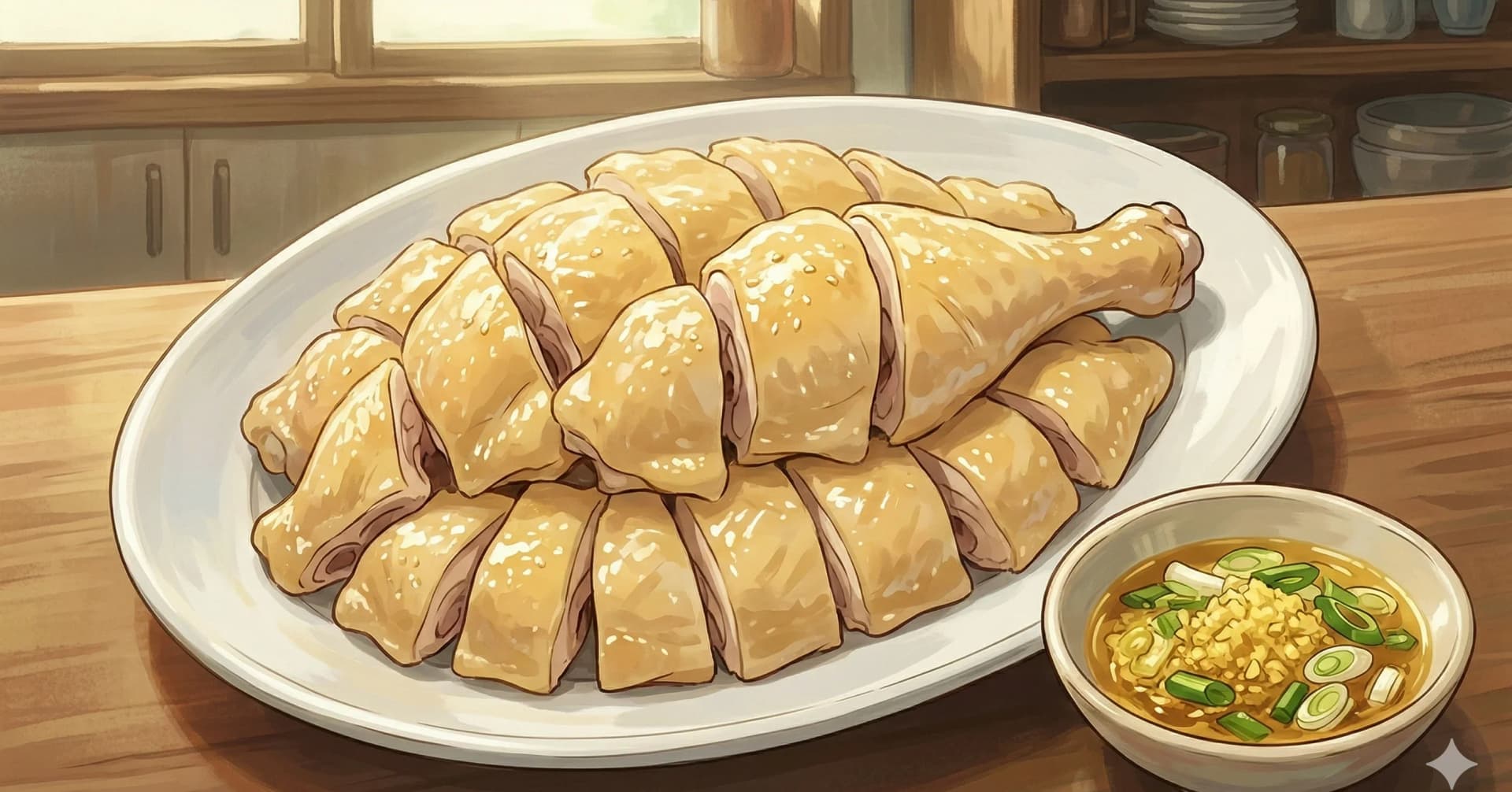
Bai Qie Ji (White Cut Chicken)
4 hours 30 minutes
 Easy
EasyCross-Cultural · China
Braised Pork with Potatoes (薯仔炆豬肉)
40 minutes
Ratings & Comments
Ratings & Comments
Ratings
Share your thoughts on this recipe.
Sign in to rate and comment