Cross-Cultural · China
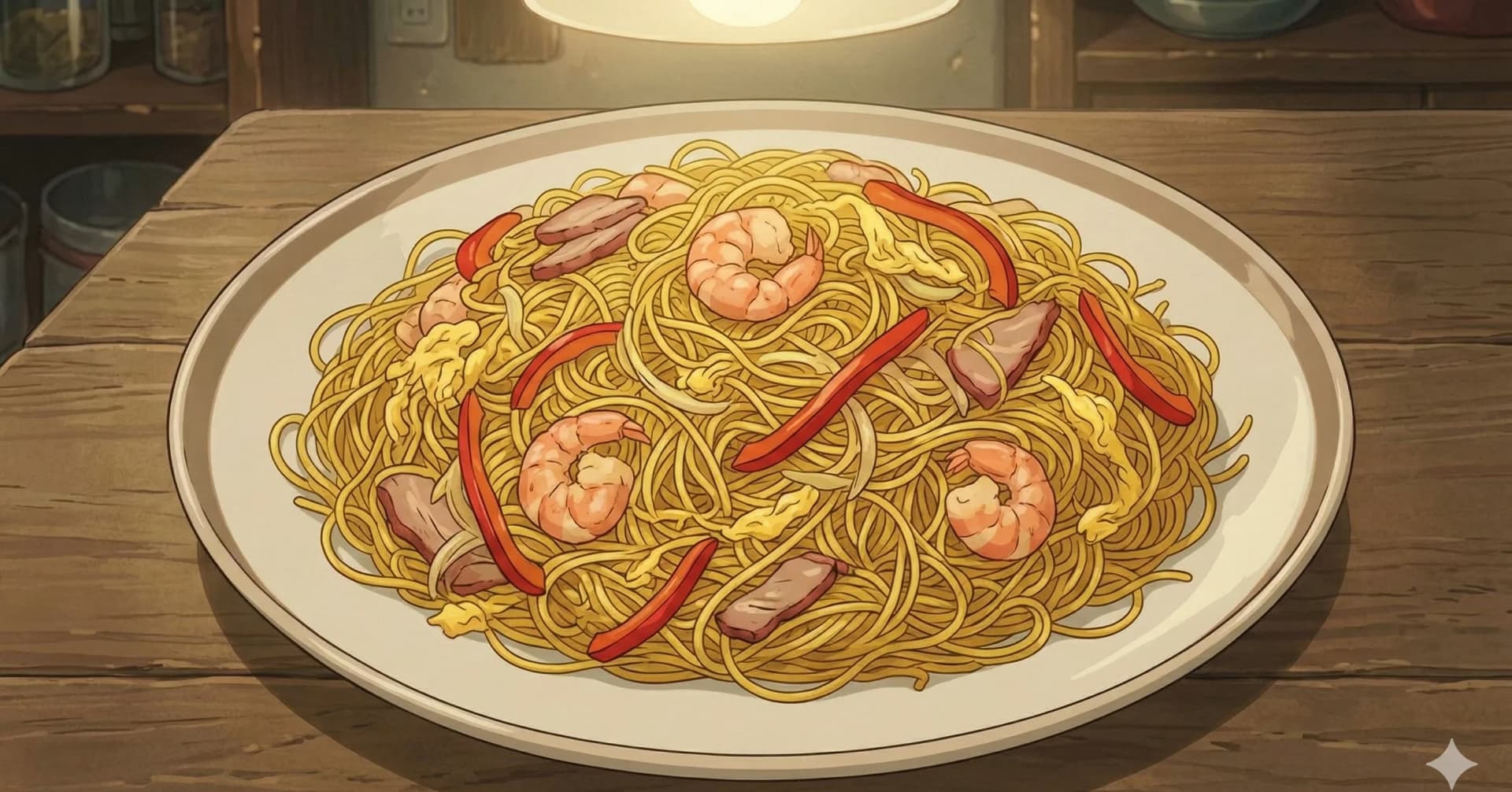
Singapore Noodles (星洲炒米)
Curry-spiced rice vermicelli stir-fried with shrimp, char siu, egg ribbons, and bell pepper, the Cantonese takeout classic done right
Singapore noodles have nothing to do with Singapore. You will not find them on menus there. The dish is a creation of Cantonese and Hong Kong restaurant kitchens, named for a country rather than born in one, the way General Tso's chicken has no connection to the actual General Tso. What it does have is curry powder, which is the ingredient that makes it unlike anything else on a Chinese takeout menu.
The curry powder goes into a sauce with soy sauce, Shaoxing wine, and white pepper, and that sauce gets tossed with thin rice vermicelli noodles, shrimp, sliced char siu pork, and egg that has been cooked into a thin omelet, rolled up, and sliced into ribbons. The result is a tangle of golden noodles that are savory and aromatic and faintly spicy, with enough going on in every bite that you never get bored.
The technique requires a hot wok and some confidence. Rice vermicelli is delicate and can clump or stick if you hesitate, so everything needs to be prepped and ready before you start cooking. The proteins cook first and come out. The aromatics go in. The noodles and sauce follow. Then everything gets tossed back together in the final minute. The whole stir-fry takes about ten minutes, which means the prep takes longer than the cooking. That is normal for wok cooking. The work is in the chopping, not the flame.
At a Glance
Yield
2 generous servings
Prep
15 minutes
Cook
10 minutes
Total
25 minutes
Difficulty
Medium
Ingredients
Sauce Ingredients
- 2 tbspsoy sauce, light or all-purpose, not dark
- 2 tbspShaoxing wine
- 2 1/2 tspcurry powder
- 1/2 tspsugar
- 1/2 tspground white pepper
Stir-Fry Ingredients
- 3.5 ozdried rice vermicelli noodles, about 100g
- 2 tbsppeanut oil, divided
- 8-10medium raw shrimp, shelled and deveined
- 2large eggs, beaten
- 1/2medium onion, thinly sliced
- 4garlic cloves, minced
- 1 tspfresh ginger, grated
- 1/2 lbChinese barbecue pork (char siu), thinly sliced, about 225g
- 1red bell pepper, cut into thin strips
- 2 tsphot green pepper, thinly sliced (optional)
Method
- 1
Prepare the sauce. Combine the soy sauce, Shaoxing wine, curry powder, sugar, and white pepper in a small bowl. Stir well and set aside.
- 2
Soak the noodles. Place the rice vermicelli in a large bowl and cover with boiling water. Soak according to package directions until softened but still slightly firm, usually 3 to 5 minutes. Drain well and set aside.
- 3
Cook the shrimp. Heat 1 tablespoon of oil in a wok over medium-high heat. Add the shrimp and cook until just pink and curled into a C shape, about 2 to 3 minutes. Remove and set aside.
- 4
Make the egg ribbons. In the same wok, pour in the beaten eggs and swirl to form a thin omelet. Once set, roll it up with a spatula, slide it out, and slice the roll into thin ribbons. Set aside.
- 5
Stir-fry the aromatics. Return the wok to medium-high heat with the remaining 1 tablespoon of oil. Add the garlic, ginger, and onion. Cook for 2 minutes until the onion softens. Add the bell pepper and cook for 1 more minute.
- 6
Toss everything together. Add the drained noodles and the sauce to the wok. Toss vigorously to coat. Add the shrimp, egg ribbons, char siu, and green pepper if using. Toss for 1 to 2 minutes until everything is heated through and the sauce is evenly distributed.
- 7
Serve immediately.
Key Ingredient Benefits
Curry Powder: The turmeric in curry powder provides curcumin, one of the most studied natural anti-inflammatory compounds. The combination of cumin, coriander, and fenugreek in most curry blends reflects spice combinations that Ayurvedic tradition considers digestive and warming.
Shrimp: A lean protein source high in selenium, B12, and iodine. Shrimp also contains astaxanthin, a carotenoid studied for antioxidant properties.
Rice Vermicelli: Made from rice flour and water, these noodles are naturally gluten-free and lighter than wheat noodles.
Why This Works
Curry powder marries surprisingly well with soy sauce and Shaoxing wine, creating a flavor profile that is neither purely Chinese nor purely South Asian. The turmeric gives the noodles their golden color. Rice vermicelli absorbs sauce quickly, so the sauce is concentrated rather than voluminous. Cooking components separately and combining at the end ensures nothing is overcooked.
Substitutions & Variations
Replace char siu with diced chicken, bacon, ham, or Chinese sausage. Chicken or firm tofu can replace shrimp. Dry sherry substitutes for Shaoxing wine. Any thin rice noodle works.
Serving Suggestions
Singapore noodles are a complete meal on their own. For a bigger spread, serve alongside egg drop soup or bok choy in ginger sauce.
Storage & Reheating
Store for up to 2 days. Reheat in a hot wok with a splash of water or soy sauce. Freezing is not recommended for rice vermicelli.
Cultural Notes
Despite the name, Singapore noodles are not from Singapore. The dish is a creation of Cantonese and Hong Kong restaurant kitchens, popularized in Western Chinese restaurants. The signature curry powder gives it a flavor unlike any other dish on a Chinese takeout menu.
Nutrition Facts
Calories: 677kcal (34%)|Total Carbohydrates: 66.1g (24%)|Protein: 47.8g (96%)|Total Fat: 23.1g (30%)|Saturated Fat: 6.6g (33%)|Cholesterol: 335mg (112%)|Sodium: 1883mg (82%)|Dietary Fiber: 4.3g (15%)|Total Sugars: 15.4g
You Might Also Like
 Easy
EasyCross-Cultural · China
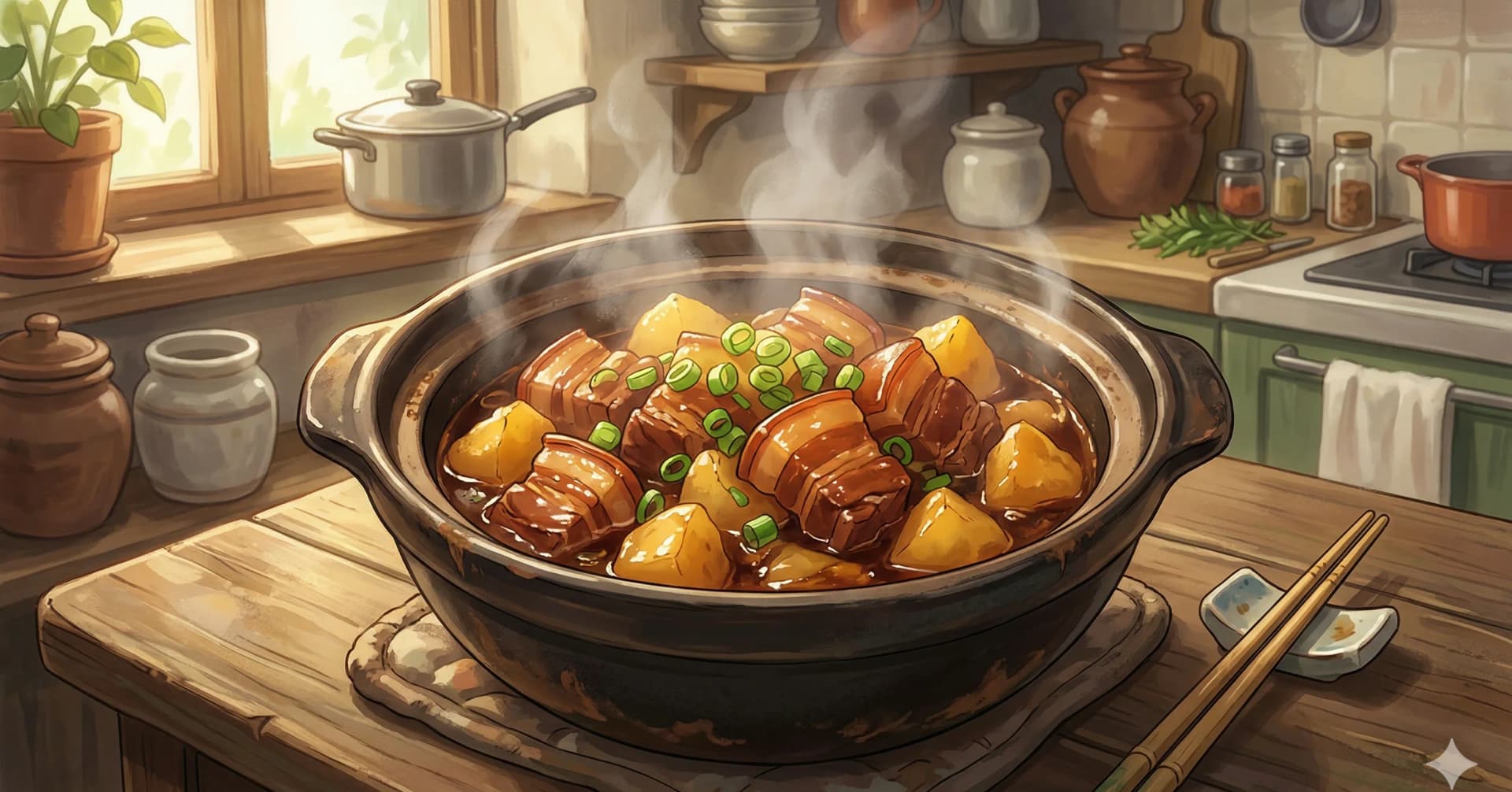
Braised Pork with Potatoes (薯仔炆豬肉)
40 minutes
 Easy
EasyCross-Cultural · China
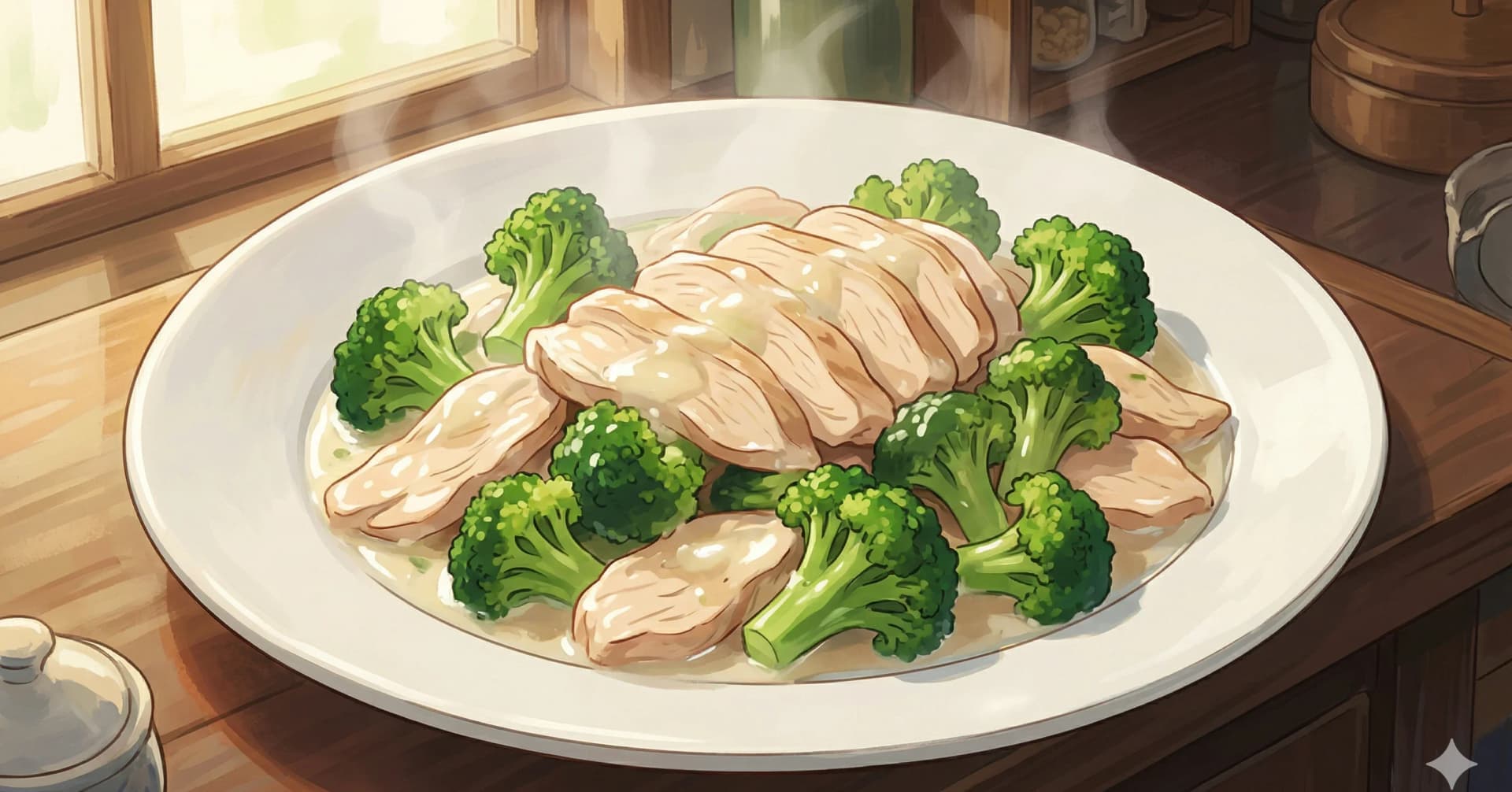
Chicken and Broccoli in White Sauce (白汁鸡花椰)
45 minutes
 Easy
EasyTraditional Chinese Medicine · China
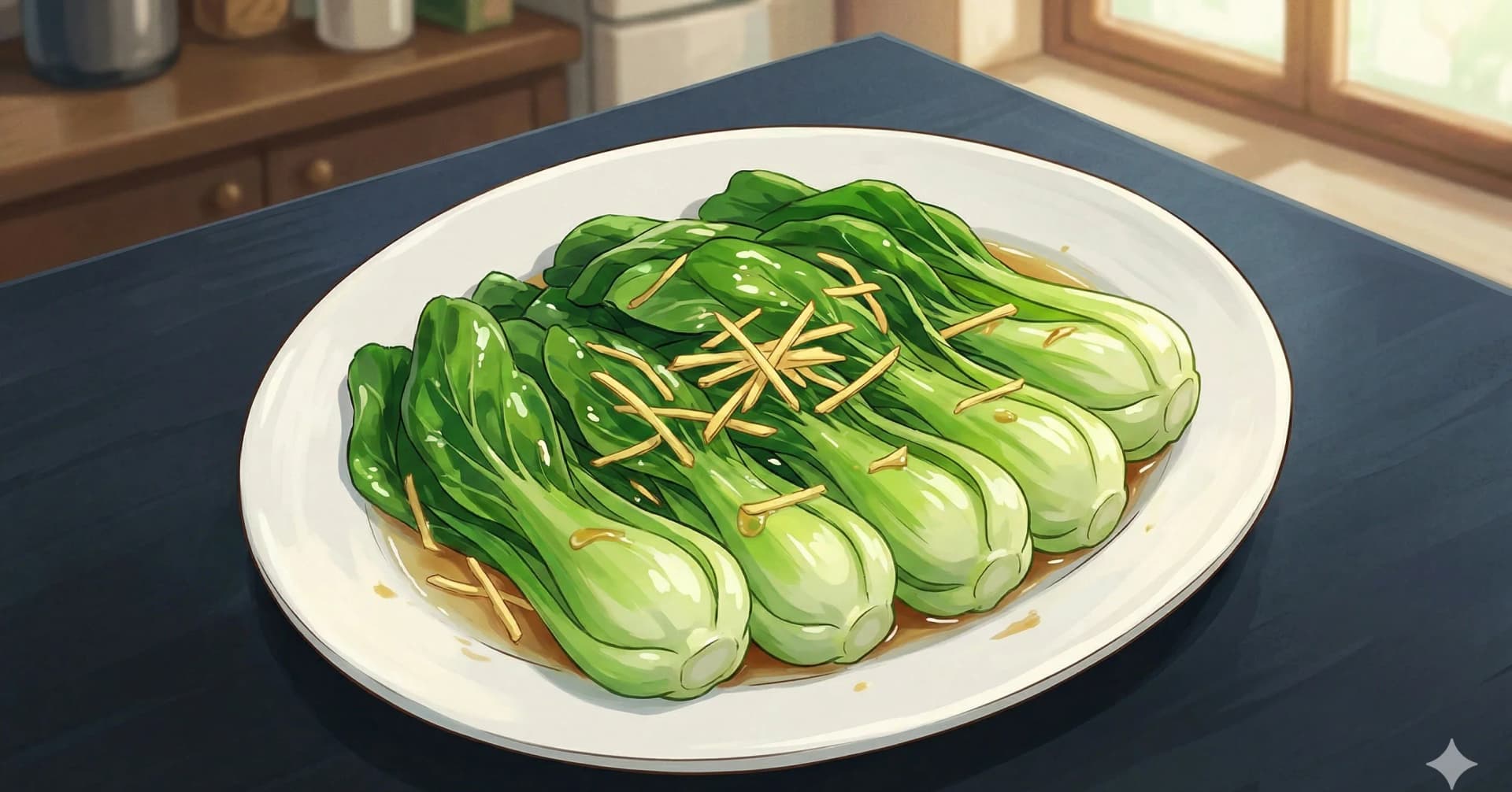
Bok Choy in Ginger Sauce (姜汁白菜)
6 minutes
 Easy
EasyTraditional Chinese Medicine · China
Beef Brisket Soup (清湯牛腩)
145 minutes
Ratings & Comments
Ratings & Comments
Ratings
Share your thoughts on this recipe.
Sign in to rate and comment