Cross-Cultural · Japan
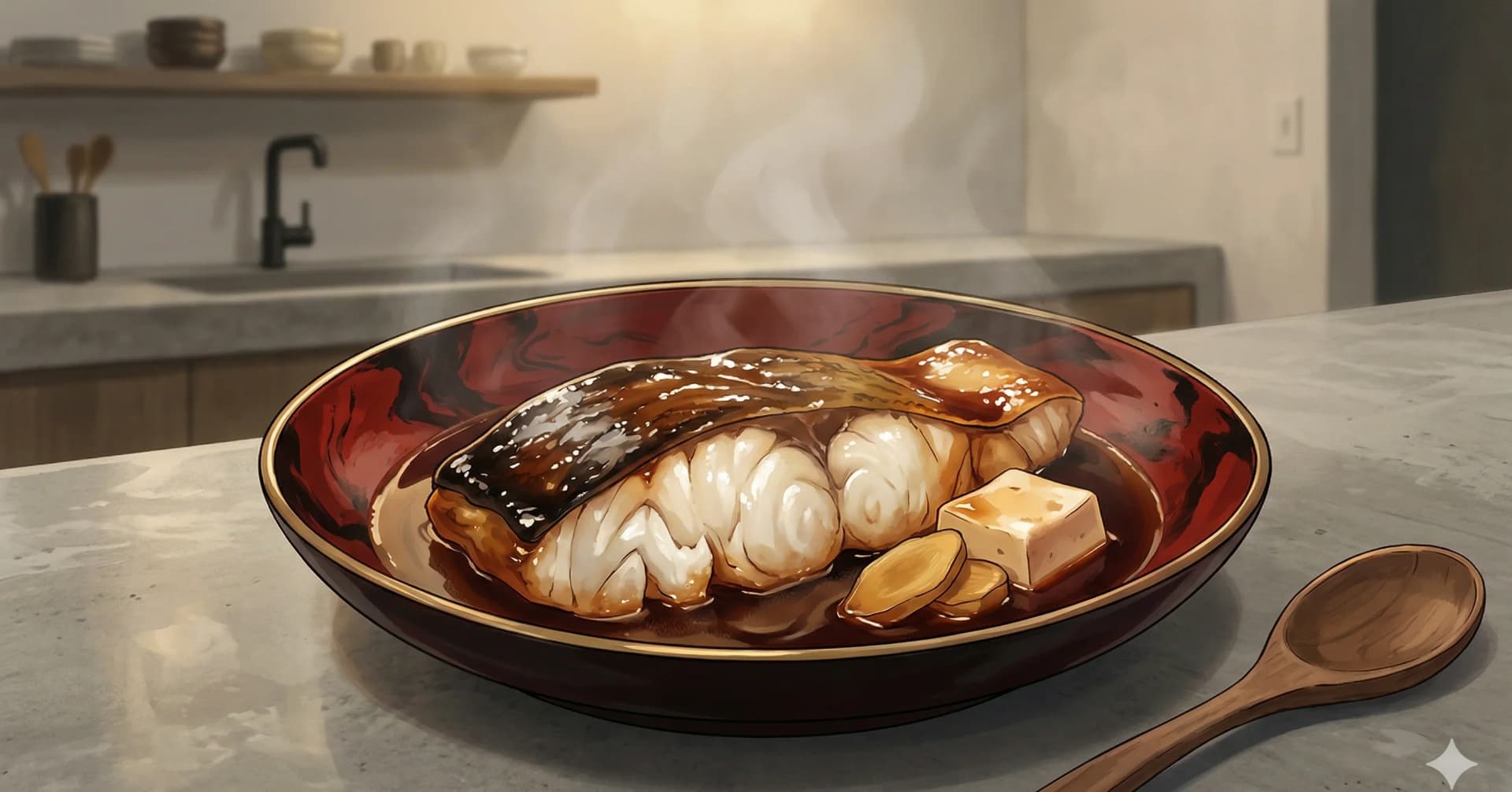
Simmered Black Cod (Gindara Nitsuke / 銀ダラ煮付け)
Black cod braised in sake, mirin, and soy sauce until glazed, the Japanese technique that makes any fish extraordinary
Nitsuke is the Japanese braising technique that turns any fish into something extraordinary, and black cod is the fish that makes nitsuke extraordinary in return. The fish goes into a pan of simmering sake, mirin, soy sauce, and sugar with a few slices of ginger. You baste the fillets constantly as they cook, spooning the sweet-salty braising liquid over the top until the sauce reduces into a thick, glossy glaze and the fish is cooked through and deeply flavored.
Black cod, also called sablefish or gindara in Japanese, is one of the richest, most buttery fish in the ocean. It has a fat content similar to salmon but with a more delicate, less fishy flavor. The fat melts during braising and enriches the sauce, creating a silky, almost unctuous quality that lean fish cannot replicate. The ginger slices in the braising liquid serve the dual purpose of adding aromatic warmth and neutralizing any fishiness.
The entire dish comes together in about ten minutes of cooking. The braising liquid is equal parts sake, mirin, and soy sauce with sugar, a ratio that is worth memorizing because it works with any fish, any protein, and even vegetables. The constant basting is what makes the sauce reduce into a glaze rather than remaining a thin liquid. Each pass of the spoon deposits another layer of flavor on the fish and evaporates a little more water from the sauce. By the time the fish is done, the sauce should be thick enough to coat a spoon.
At a Glance
Yield
2 servings
Prep
5 minutes
Cook
10 minutes
Total
20 minutes
Difficulty
Easy
Ingredients
Method
- 1
Wash the fish, scraping away any scales or blood. Pat dry.
- 2
Combine ginger, sake, mirin, soy sauce, and sugar in a pan sized for the fish. Bring to a boil.
- 3
Add the fish. Baste the tops constantly with the braising liquid using a spoon.
- 4
After several minutes, flip and continue basting. Flip and baste every few minutes until cooked through and the sauce has thickened into a glaze.
- 5
Serve with the reduced sauce spooned over the fish.
Key Ingredient Benefits
Black cod (sablefish, gindara): A deep-water Pacific fish with exceptionally high fat content (up to 15% by weight), giving it a buttery, almost custard-like texture when cooked. The high fat content is rich in omega-3 fatty acids (about 2 g per 100 g serving), making black cod one of the most nutritionally valuable fish available. The flesh is naturally tender enough that gentle braising produces meltingly soft results.
Ginger: Sliced thin and added at the start to perfume the braising liquid. Ginger neutralizes any residual fishiness, contributes warming aromatic compounds (gingerol and shogaol), and traditional Japanese cooking always pairs fish with ginger for both flavor and the cultural belief in fukidashi — fish and ginger as a balanced pair.
Sake: Japanese rice wine, providing alcohol-based aromatic extraction and a subtle sweetness. The alcohol in sake helps the braising liquid penetrate the fish faster and contributes complex umami notes from the rice fermentation. Use cooking sake or drinking sake (both work — drinking sake produces a slightly more refined result).
Mirin: Sweet rice wine with about 14% alcohol and noticeable sweetness from natural rice fermentation. Mirin provides the dish's characteristic sweet-savory glaze and is what gives nitsuke its lustrous, almost lacquered surface. Real hon-mirin (true mirin) is naturally fermented and slightly more expensive than the imitation product (mirin-fu-chomiryo); both work but real mirin produces a noticeably better result.
Soy sauce: Standard Japanese light soy sauce (koikuchi shoyu) provides salt and umami depth. Japanese soy sauce differs from Chinese — slightly less salty, with more pronounced wheat fermentation notes. Kikkoman, Yamasa, and similar Japanese brands work best.
Sugar: Granulated white sugar in modest quantity. The sugar combines with the mirin to create the glossy glaze and balances the salt of the soy sauce. Without sugar, the dish would be too aggressively salty.
Drop lid (otoshibuta): Not an ingredient but essential equipment. A wooden or metal disc smaller than the pot rim that sits directly on the braising liquid. The drop lid traps steam against the fish (cooking from above) while allowing evaporation around the edges (concentrating the sauce). A round of parchment paper or aluminum foil with small holes substitutes effectively.
Why This Works
Nitsuke is a low-and-slow braising technique that depends on gentle heat and the drop-lid (otoshibuta) effect. The fish never sees direct high heat — instead, it is gently simmered in aromatic liquid for 8 to 12 minutes, with frequent basting. This gentle approach is what preserves black cod's delicate, buttery texture; high heat would cause the flesh to seize and dry out.
The drop lid (otoshibuta, 落し蓋) is the technique's defining tool. By sitting directly on the liquid surface (rather than on the pot rim), the lid traps a thin layer of steam against the top of the fish while still allowing evaporation around the lid's edges. The result is simultaneous cooking from below (direct liquid contact) and above (trapped steam), with the braising liquid concentrating into a glossy glaze as it reduces. Without a drop lid, the fish cooks unevenly and the sauce doesn't reduce to the proper consistency.
Frequent basting (every 30 to 60 seconds) is essential. The fish should be exposed to the reducing sauce as it concentrates, building layers of glaze. A nitsuke that isn't basted has the same color as the raw fish; a properly basted one is mahogany-glazed.
The sake should be added first and brought to a brief boil before adding the other liquids. This brief boil burns off the harsh raw-alcohol notes while preserving the umami compounds from the fermented rice. Adding sake last produces a slightly harsh, raw character; adding it first and boiling briefly is the proper sequence.
The proportions matter. The classic ratio is 4 parts sake : 2 parts mirin : 2 parts soy sauce : 1 part sugar (by volume). Many home recipes use 3:1:1:1 or 2:1:1:1 — all are acceptable, but they produce different balances. The 4:2:2:1 ratio is the most balanced for black cod's natural sweetness.
The fish should be served with some of the reduced braising liquid spooned over the top. A nitsuke without sauce is just braised fish; with the glossy, concentrated sauce, it is the complete dish. The sauce is meant to be spooned over steamed rice alongside.
Substitutions & Variations
Black cod (sablefish): The ideal choice. Salmon (especially king salmon or sockeye) substitutes well and is more widely available. Cod, halibut, or sea bass work but are leaner and require slightly shorter cooking time. Mackerel (saba) is the most traditional Japanese substitute and produces saba nitsuke, an equally classic preparation. Yellowtail (hamachi) is also traditional.
Sake: Cooking sake or drinking sake both work. Dry sherry is the closest substitute. Dry white wine works but produces a different character. Mirin alone can substitute for sake in a real pinch (use the same total volume of just mirin, but the result will be sweeter).
Mirin: Real hon-mirin is best. Imitation mirin (mirin-fu-chomiryo) is the common supermarket option and works well. A combination of dry sake + sugar (in 4:1 ratio) approximates mirin if neither is available.
Soy sauce: Japanese light soy sauce (koikuchi shoyu) is best. Tamari works for gluten-free needs. Chinese light soy sauce works but is slightly different in character. Avoid dark soy sauce (too heavy) and Korean soy sauces (different flavor profile).
Ginger: Cannot really be omitted. Galangal works for an interesting variation (more Southeast Asian-leaning). Powdered ginger is not appropriate.
Sugar: Brown sugar adds depth. Honey works but produces a different glaze character. Reduce by 25% if using honey (sweeter). Coconut sugar is too pronounced.
Drop lid alternative: A circle of parchment paper or aluminum foil with several small holes works perfectly. A small flat metal disc that fits inside the pot also works. The lid doesn't need to be wooden or special — just smaller than the pot opening.
Variations: Some Japanese versions add a tablespoon of dashi (kelp-bonito stock) to the braising liquid for additional umami depth. A few thin slices of green onion can be added in the last minute of cooking. A garnish of julienned ginger or grated daikon can finish the dish.
Serving Suggestions
Gindara nitsuke is a classic Japanese home-cooked dish, served as the main protein in a traditional teishoku (set meal) or as one element in a more elaborate Japanese spread. The dish is too rich to be eaten alone — it requires the supporting elements of rice and side dishes.
Traditional teishoku pairing: Serve with steamed Japanese rice (short-grain, slightly sticky), miso soup, and 2 to 3 small side dishes (tsukemono pickles, sesame spinach gomaae, simmered vegetables nimono). This is the canonical Japanese home meal structure.
For a casual Japanese dinner: Pair with rice, miso soup, and a small green salad with sesame dressing. The fish's richness contrasts with the lighter accompaniments.
Elaborate kaiseki-style presentation: Plate the fish on a long, narrow Japanese ceramic plate with a small mound of grated daikon (daikon oroshi) and a few julienned slivers of fresh ginger. Drizzle the reduced braising liquid over the top. Garnish with a single shiso leaf or a pickled plum (umeboshi) for color.
One-bowl meal (donburi): Flake the fish and serve over a bowl of rice, with extra sauce spooned over. Top with sliced green onion and a sprinkle of toasted sesame seeds. This is gindara don, a casual home variation.
Pairing beverages: Cold sake (junmai or junmai ginjo) is the classic pairing. Beer (Japanese pilsner like Asahi or Sapporo) works well. Green tea (sencha or hojicha) is the everyday pairing for home meals. White wine (off-dry Riesling or Gewurztraminer) works for Western dining contexts.
Seasonal context: Nitsuke is considered a year-round dish but is particularly associated with autumn and winter in Japanese culinary tradition — the warming braise suits cooler weather. The dish appears at New Year's osechi spreads and at temple food traditions.
Storage & Reheating
Refrigerator: Stores well for up to 3 days in an airtight container. The fish absorbs additional flavor from the braising liquid overnight, which can be beneficial. Some Japanese cooks consider day-old nitsuke better than fresh.
Reheating: Gentle reheating is essential — the fish is delicate and high-heat reheating produces dry results. Stovetop in a covered pan with the original braising liquid for 3 to 4 minutes is best. Microwave works but tends to overcook spots; if using, heat in 20-second intervals.
Make-ahead: Designed to be made ahead — many Japanese home cooks make nitsuke a day in advance for entertaining. The flavor genuinely improves over 24 hours as the sauce penetrates the fish further.
Freezing: Acceptable for up to 1 month but the texture suffers slightly on thawing. The fish becomes slightly less tender. Thaw overnight in the refrigerator and reheat gently.
Make-ahead components: The braising liquid (sake + mirin + soy + sugar) can be mixed days or weeks in advance and refrigerated. Some Japanese cooks keep a "nitsuke sauce" base on hand for quick weeknight meals — just bring to a simmer and add fresh fish.
Sauce reuse: Save the leftover braising liquid — it freezes for up to 3 months and can be reused as the base for another nitsuke (refresh with additional sake and mirin). This is a common Japanese home-cooking technique that builds depth over time.
Bento adaptation: Cold nitsuke is excellent for bento boxes. The glazed surface holds moisture better than most other fish preparations, and the rich flavor stands up well to being eaten cold. A piece of nitsuke fish in a bento with rice and pickled vegetables is a classic Japanese lunch.
Cultural Notes
Nitsuke (煮付け, "simmered and seasoned") is one of the foundational techniques of washoku (和食), the traditional Japanese cuisine recognized by UNESCO as an Intangible Cultural Heritage in 2013. The technique represents a core philosophy of Japanese cooking: gentle heat, restraint, and respect for the natural character of ingredients.
The dish itself dates back centuries in Japanese cooking and appears in classical Japanese cookbooks from the Edo period (1603-1868). The basic technique — fish simmered in soy sauce, sake, mirin, and sugar — has remained essentially unchanged for hundreds of years, though specific recipes vary by region, season, and household. Almost any oily fish (mackerel, yellowtail, salmon, black cod, flounder) can be prepared nitsuke-style.
The choice of black cod (gindara, 銀ダラ) for this preparation reflects modern Japanese-American culinary fusion. Black cod is not native to Japanese waters — it is a Pacific fish from the North American west coast. However, it became enormously popular in Japan after Nobu Matsuhisa's famous "black cod miso" preparation gained international fame in the 1990s, and now black cod nitsuke is a common preparation in Japanese restaurants worldwide. Traditional Japanese nitsuke recipes use Japanese fish — saba (mackerel), buri (yellowtail), or local cod (madara).
The drop lid (otoshibuta, 落し蓋) technique is one of the most distinctive features of Japanese braising. The wooden drop lid was traditionally made of cedar or cypress and was a standard piece of equipment in every Japanese home kitchen. Modern households often use stainless steel or silicone versions, but the technique remains essential. The drop lid's role — trapping steam against the fish while allowing evaporation around the edges — is a small but characteristic example of Japanese culinary engineering.
The philosophy of omotenashi (おもてなし, "hospitality without expectation of return") is central to how nitsuke is served in Japanese homes. The dish is plated with intentional simplicity — typically a single piece of fish on a small rectangular plate, with the reduced sauce spooned over and a small accent of grated daikon or julienned ginger. This visual restraint reflects the broader Japanese aesthetic principle of wabi-sabi (acceptance of transience and imperfection) and kanso (simplicity).
Nitsuke also reflects the seasonal awareness (shun, 旬) that defines Japanese cooking. Different fish are considered "in season" at different times of year, and nitsuke is adapted to whatever fish is at peak quality. Saba (mackerel) is autumn; buri (yellowtail) is winter; tai (sea bream) is spring. The technique stays the same; the fish changes.
In modern Japanese-American cooking, gindara nitsuke has become one of the most recognizable Japanese seafood preparations alongside miso black cod, teriyaki salmon, and other "approachable" Japanese preparations. The dish bridges traditional Japanese home cooking with modern restaurant cuisine and has helped introduce Japanese fish preparation techniques to global audiences.
Nutrition Facts
Calories: 450kcal (23%)|Total Carbohydrates: 20g (7%)|Protein: 27g (54%)|Total Fat: 28g (36%)|Saturated Fat: 5g (25%)|Cholesterol: 75mg (25%)|Sodium: 920mg (40%)|Dietary Fiber: 0g (0%)|Total Sugars: 16g
You Might Also Like
 Medium
Cross-Cultural · Korea
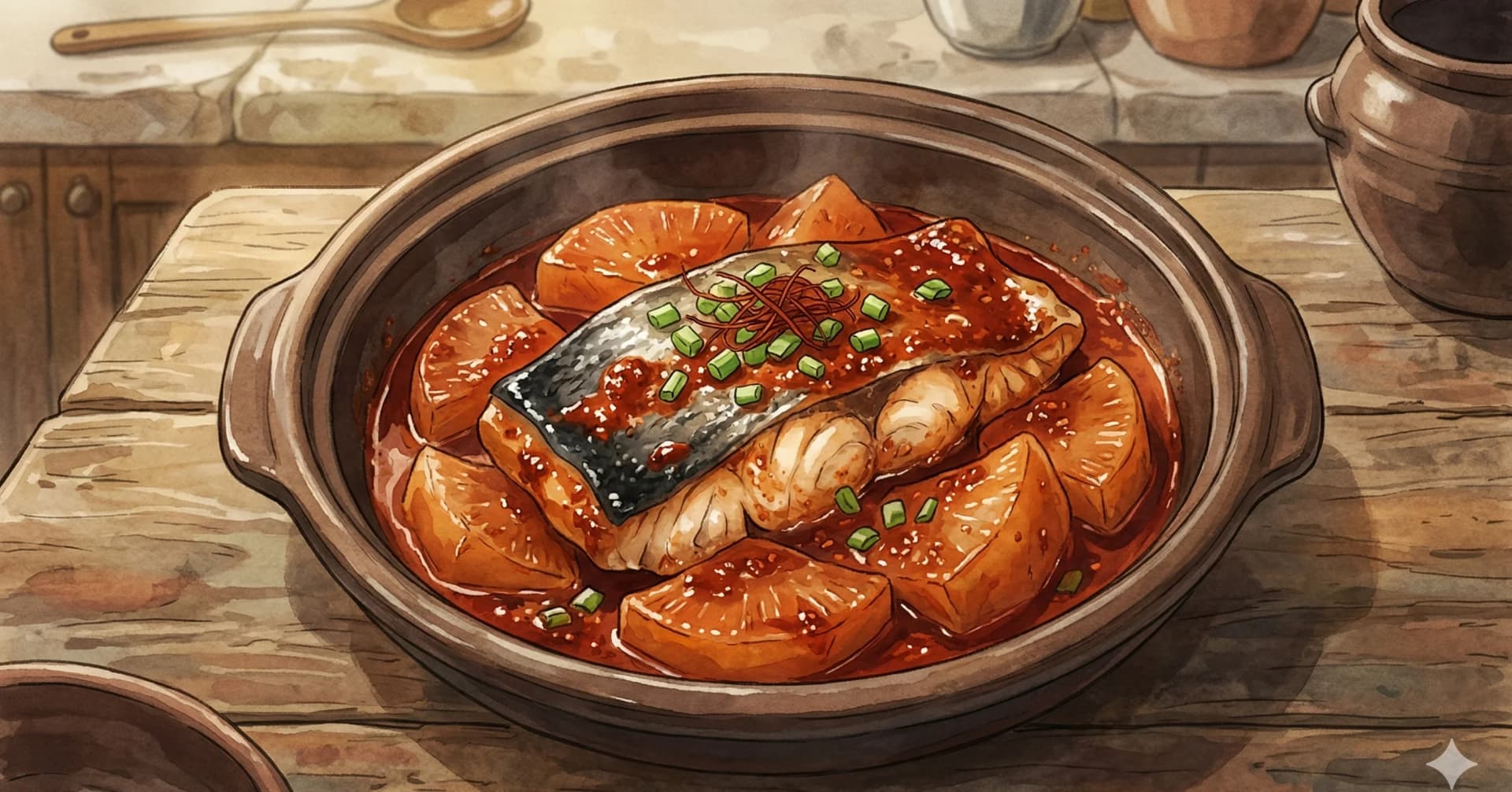
Braised Black Cod (Eundaegu-jorim / 은대구조림)
45 minutes
 Easy
EasyCross-Cultural · China
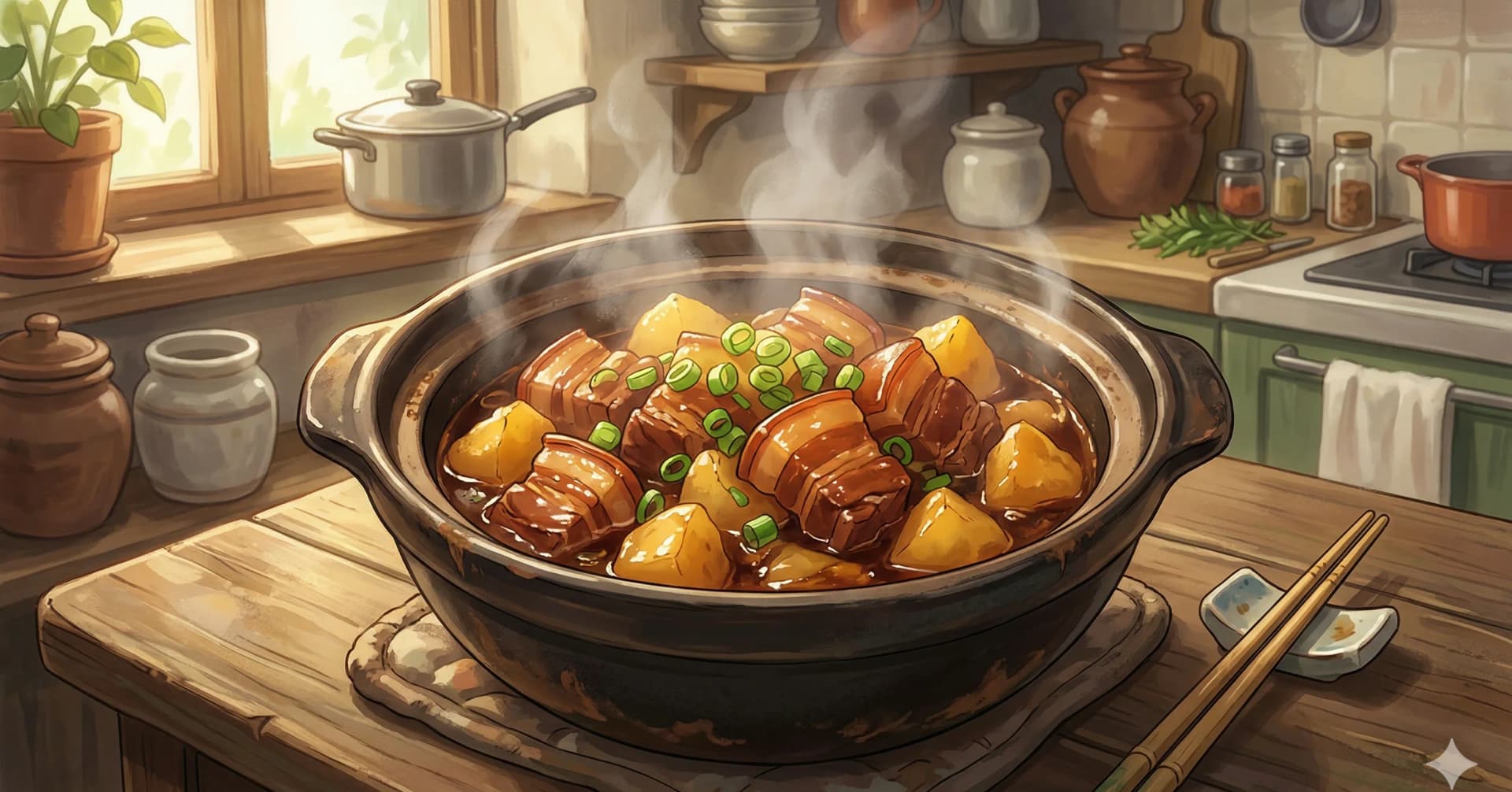
Braised Pork with Potatoes (薯仔炆豬肉)
40 minutes
 Easy
EasyCross-Cultural · China
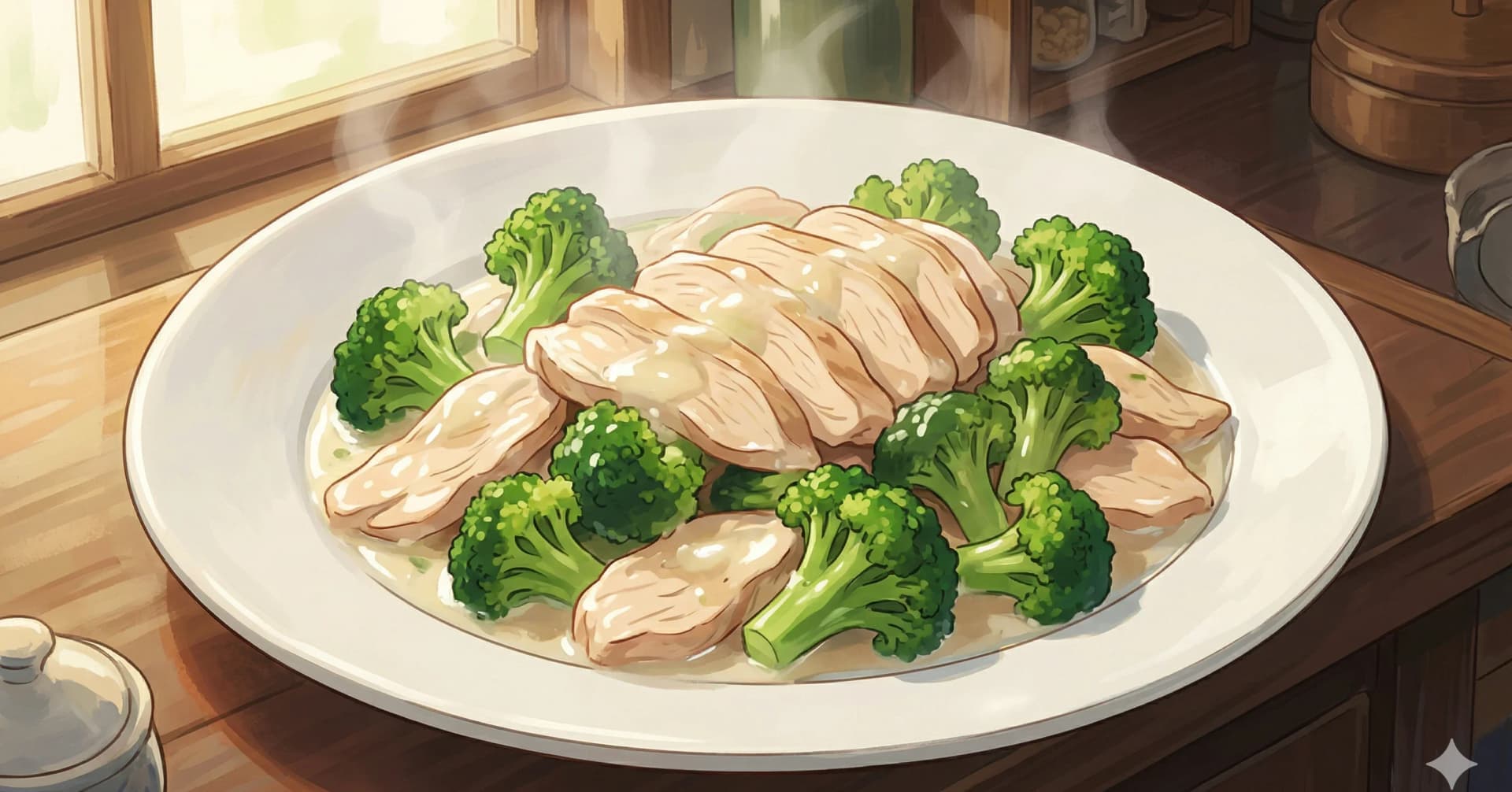
Chicken and Broccoli in White Sauce (白汁鸡花椰)
45 minutes
 Easy
EasyTraditional Chinese Medicine · China
Bok Choy in Ginger Sauce (姜汁白菜)
6 minutes
Ratings & Comments
Ratings & Comments
Ratings
Share your thoughts on this recipe.
Sign in to rate and comment