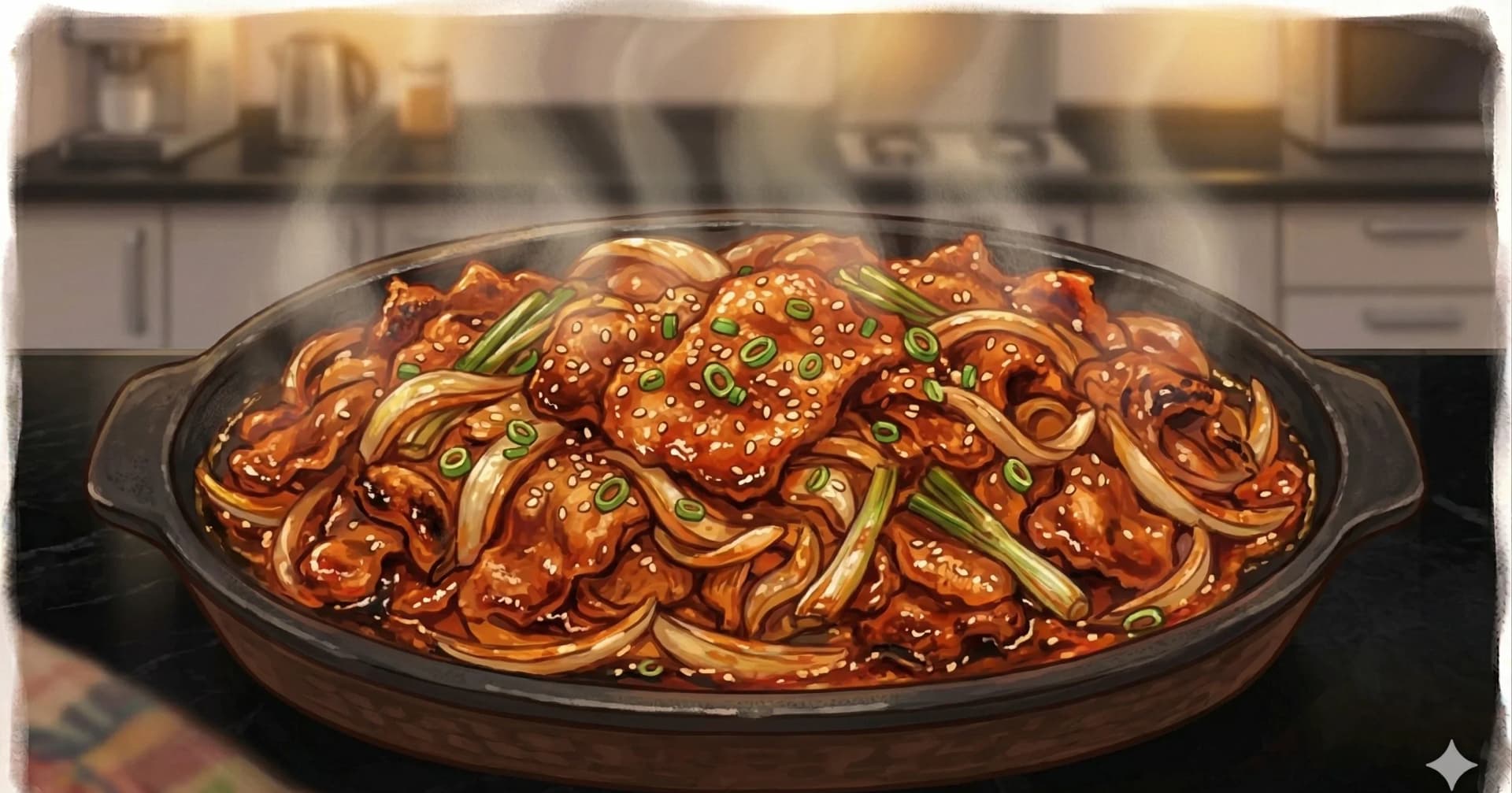
Cross-Cultural · Korea
Spicy Pork Bulgogi (Dwaeji Bulgogi / 돼지불고기)
Spicy pork bulgogi marinated in gochujang, Korean pear, and garlic, grilled or pan-fried and wrapped in lettuce with ssamjang
Dwaeji bulgogi is the spicy pork counterpart to the more famous beef bulgogi, and in many Korean homes and barbecue restaurants it is actually the more popular of the two. The key difference is gochujang. Beef bulgogi is marinated in soy sauce and sugar with no chili. Pork bulgogi is marinated in gochujang and gochugaru, which gives it a sweet, fermented, and distinctly spicy character that makes it one of the most craveable dishes in Korean cooking.
The marinade is built on crushed Korean pear, which provides enzymes that tenderize the meat and a natural sweetness that balances the heat of the gochujang. Onion puree, garlic, and ginger add aromatics. Soy sauce provides salt, sugar and rice syrup add sweetness that caramelizes during cooking, and sesame oil adds nuttiness. The pork marinates for at least thirty minutes, though overnight produces the deepest flavor.
Pork belly is the traditional cut, thinly sliced so the fat renders quickly during cooking and the edges crisp. Pork shoulder or loin work for leaner versions. The pork grills or pan-fries over medium-high heat, hot enough to get color but not so hot that the sugars in the marinade burn. The traditional way to eat it is to wrap a piece of pork in a lettuce leaf with a dab of ssamjang, a slice of raw garlic, and a green chili. The cool, crisp lettuce against the hot, spicy, fatty pork is one of the great textural contrasts in Korean food.
At a Glance
Yield
2 to 3 servings
Prep
15 minutes
Cook
10 minutes
Total
55 minutes
Difficulty
Easy
Ingredients
Pork Ingredients
- 1 lbpork belly, thinly sliced ; pork shoulder or loin also work
Marinade Ingredients
- 1/2 cupKorean pear, crushed or grated
- 1/4 cupsliced onion
- 4garlic cloves, minced
- 1/2 tspfresh ginger, minced
- 1scallion, chopped
- 1 tbspsoy sauce
- 1 tbspsugar
- 1 1/2 tbsprice syrup or corn syrup, or 2 tbsp brown sugar
- 2-3 tbspgochujang
- 1 tbspgochugaru
- 2 tsptoasted sesame oil
- 1 pinchground black pepper
Method
- 1
Combine all marinade ingredients: pear, onion puree, garlic, ginger, scallion, soy sauce, sugar, rice syrup, gochujang, gochugaru, sesame oil, black pepper.
- 2
Add pork, mix until every piece is coated. Refrigerate at least 30 min (overnight is better).
- 3
Grill or pan-fry over medium-high heat until cooked through and caramelized, about 3-4 min per side. Do not overcrowd.
- 4
Serve with lettuce leaves, sliced raw garlic, green chili peppers, and ssamjang for wrapping.
Key Ingredient Benefits
Pork belly: The defining cut for dwaeji bulgogi, with roughly equal layers of meat and fat. The fat melts during high-heat cooking, basting the meat from the inside and producing the caramelized, blistered edges that are the hallmark of Korean barbecue. Pork belly is high in B vitamins and the fat itself contains oleic acid, the same monounsaturated fat found in olive oil.
Korean pear (bae): A large, crisp, almost apple-like pear used in many Korean marinades. The pear contains protease enzymes (similar to bromelain in pineapple) that tenderize meat without changing its flavor. Korean pear also contributes a clean, almost floral sweetness that distinguishes Korean barbecue marinades from Chinese or American ones.
Gochujang: The fermented chili paste that gives the dish its distinctive flavor. Gochujang's depth comes from a complex fermentation process — chili powder, fermented soybean powder (meju), glutinous rice, and salt aged for months produce a paste that is sweet, savory, fermented, and spicy in roughly equal measure.
Gochugaru: Layers fresh chili heat on top of the deeper, more developed flavor of gochujang. Together they produce a fuller heat profile.
Garlic, ginger, and sesame oil: The Korean aromatic trinity. All three are essential and none is optional.
Why This Works
The pear and onion puree is the most important component of the marinade. Both contain enzymes that break down meat proteins on a molecular level, tenderizing the pork from the surface inward. After 30 minutes to 2 hours of marinating, the pork's texture becomes noticeably silkier and more tender. Going much longer can over-tenderize and turn the meat mushy, so marinade time is genuinely a Goldilocks variable.
Gochujang provides the deeper, fermented flavor base; gochugaru provides bright fresh chili heat. Using both gives a fuller, more dimensional spice profile than either alone. The combination is the foundation of countless Korean spicy meat dishes including jeyuk-deopbap, dak galbi, and gochujang-marinated chicken.
The high sugar content from the rice syrup, sugar, and Korean pear sounds like it would just make the dish sweet, but in practice it serves a critical function: the sugars caramelize on the meat during high-heat grilling, producing the dish's signature charred, lacquered exterior. The caramelization is what separates restaurant-quality dwaeji bulgogi from a soggy stir-fry.
Cooking on high heat is essential. Korean barbecue, whether grilled, pan-seared, or stir-fried, depends on the meat hitting a very hot surface to caramelize the sugars and char the marinade. Low heat produces a wet, simmered result instead of the crispy, caramelized texture the dish is meant to have.
Substitutions & Variations
Pork belly: Pork shoulder works and is the most common substitute. Reduce cooking oil slightly since shoulder is leaner than belly. Boneless pork ribs or sliced pork loin will work but the result will be drier.
Korean pear: Asian pear is the closest substitute; both are members of the same Pyrus species. In a pinch, half a green apple (Granny Smith) puree gives similar tenderizing enzymes and a similar acidic sweetness, though the flavor differs.
Gochujang: No genuine substitute. A blend of miso paste and sriracha approximates it but the flavor profile is meaningfully different.
Gochugaru: A blend of sweet paprika and cayenne (3 to 1 ratio) approximates the color and heat. The flavor will be flatter without the smoky-fruity depth of Korean chili.
Rice syrup: Honey is the best swap. Light corn syrup or brown sugar dissolved in water also work.
Onion puree: Grated onion is the easier substitute and gives nearly identical results. Just squeeze out some of the liquid before adding to the marinade.
Serving Suggestions
Dwaeji bulgogi is traditionally served as part of a Korean barbecue spread, often cooked tableside on a portable grill. Set out an array of accompaniments: red leaf lettuce, perilla leaves, sliced raw garlic, sliced green chili, ssamjang, kimchi, and steamed short-grain rice. Wrap a piece of pork with rice and condiments in a lettuce leaf and eat in one bite — this is the canonical ssam style of eating.
For a more casual presentation, pile the cooked pork over a bowl of steamed rice with a fried egg on top, similar to jeyuk-deopbap. Garnish with sliced scallions and toasted sesame seeds.
Round out the meal with several banchan: sigeumchi namul (seasoned spinach), kongnamul muchim (soybean sprouts), oi muchim (spicy cucumber salad), and japchae (glass noodles).
Pair with cold soju, makgeolli, or a crisp lager. For non-alcoholic, hot barley tea (boricha).
Storage & Reheating
Refrigerator: Store cooked pork in an airtight container for up to 3 days. The flavor deepens overnight as the marinade continues to season the meat.
Reheating: A hot pan with a splash of water for 1 to 2 minutes is the best method. Microwave works but loses the caramelized edges. To restore some char, finish briefly in a screaming-hot cast iron pan or under a high broiler.
Make-ahead: The marinade can be mixed and the pork marinated up to 8 hours in advance. Beyond that, the enzymes from the pear and onion can over-tenderize the meat. For longer storage, freeze the marinated raw pork (up to 2 months) and thaw in the fridge before cooking.
Freezing cooked: Cooked dwaeji bulgogi freezes for up to 1 month but loses some texture. The defrosted meat is best used in fried rice or stews rather than served as-is.
Cultural Notes
Bulgogi literally means "fire meat" — bul (fire) plus gogi (meat). The category includes any thinly sliced, marinated meat cooked over high heat. The most famous version, traditional bulgogi, uses beef marinated in soy sauce, Korean pear, sugar, garlic, and sesame oil. Dwaeji bulgogi (literally "pig fire meat") is the spicy pork counterpart, distinguished by gochujang and gochugaru in the marinade.
Until the 1960s, beef was a luxury in Korea and pork was the everyday meat. Bulgogi-style dishes with pork were home cooking; beef versions were for special occasions. The economic boom of the 1970s and 80s shifted beef into more frequent use, and beef bulgogi became the more famous of the two abroad. But in Korean homes and most barbecue restaurants, dwaeji bulgogi remains as common, if not more common, than beef.
The use of fermented chili paste in pork dishes is a relatively modern Korean development. Before the introduction of chili peppers from the Americas in the 17th century, Korean pork marinades relied on doenjang (fermented soybean paste), black pepper, and Sichuan peppercorn for their bite. The shift to gochujang-based marinades happened gradually over the 18th and 19th centuries, and the modern recipe was standardized in the post-Korean War era.
Nutrition Facts
Calories: 929kcal (46%)|Total Carbohydrates: 26.1g (9%)|Protein: 16.5g (33%)|Total Fat: 84.3g (108%)|Saturated Fat: 29.8g (149%)|Cholesterol: 109mg (36%)|Sodium: 684mg (30%)|Dietary Fiber: 3.9g (14%)|Total Sugars: 13.5g
You Might Also Like
 Medium
Cross-Cultural · Korea
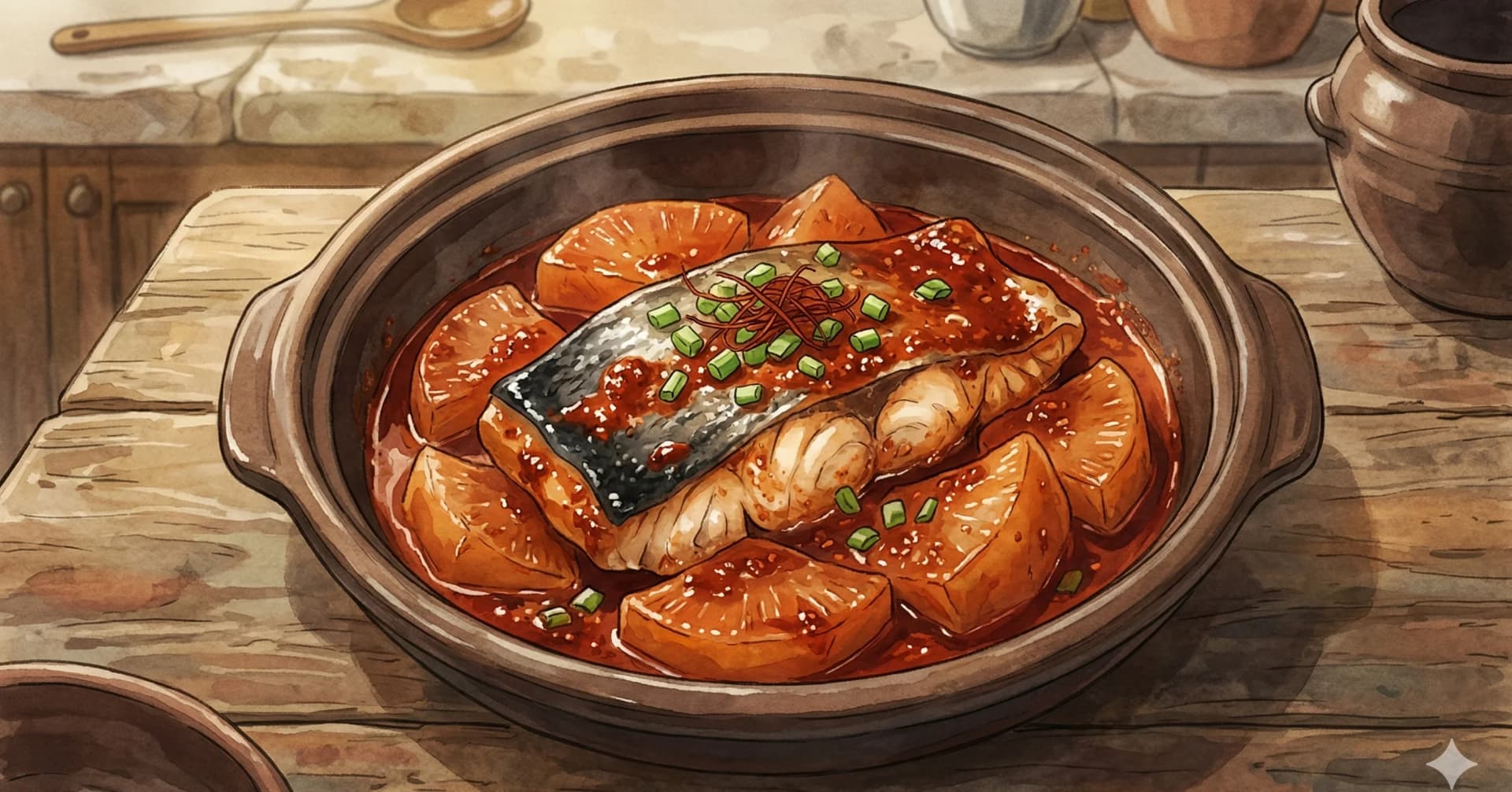
Braised Black Cod (Eundaegu-jorim / 은대구조림)
45 minutes
 Medium
Cross-Cultural · Korea
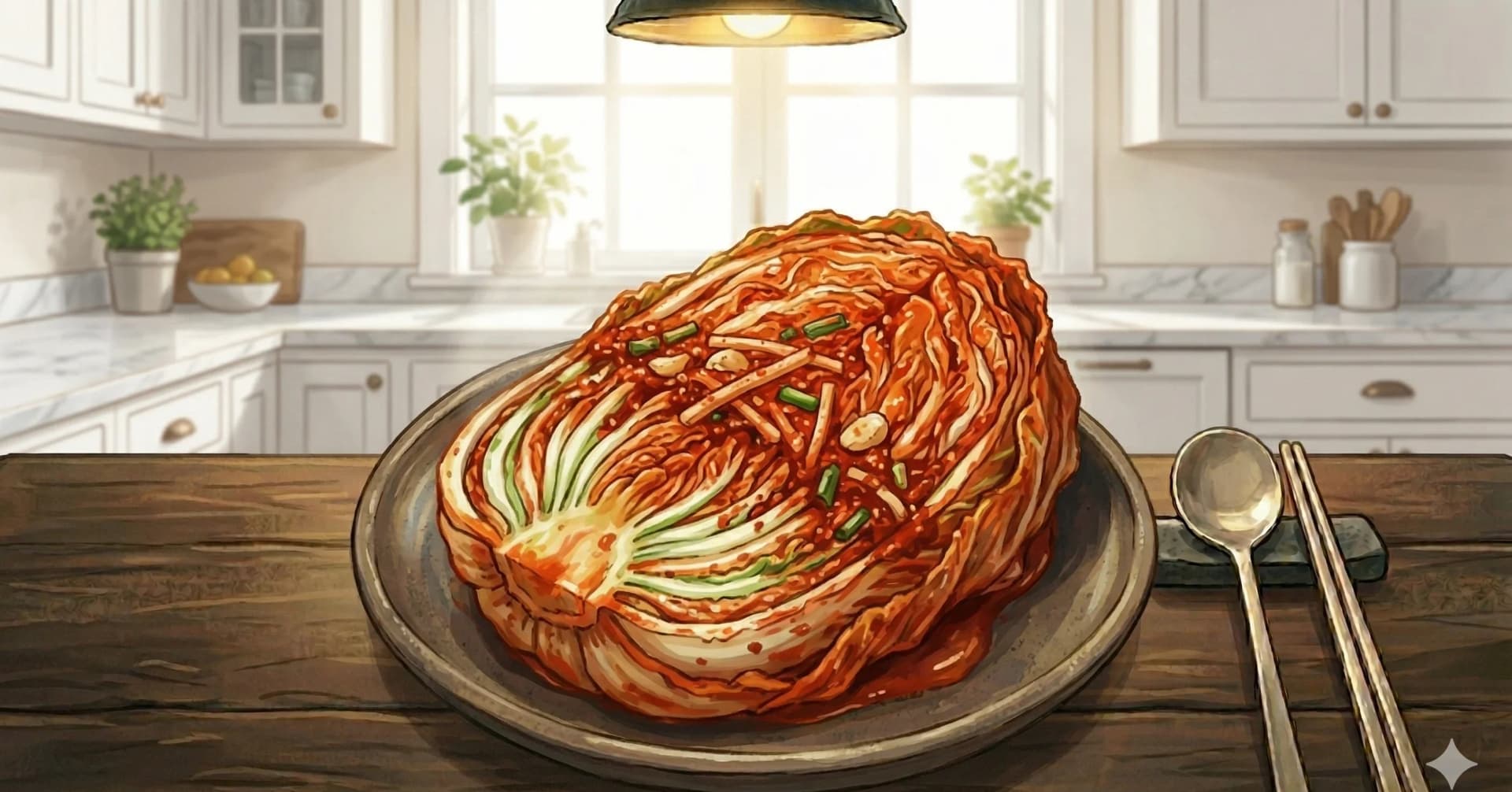
Napa Cabbage Kimchi (통배추김치)
8 hours plus 1-2 days fermentation
 Easy
EasyKorean Cuisine
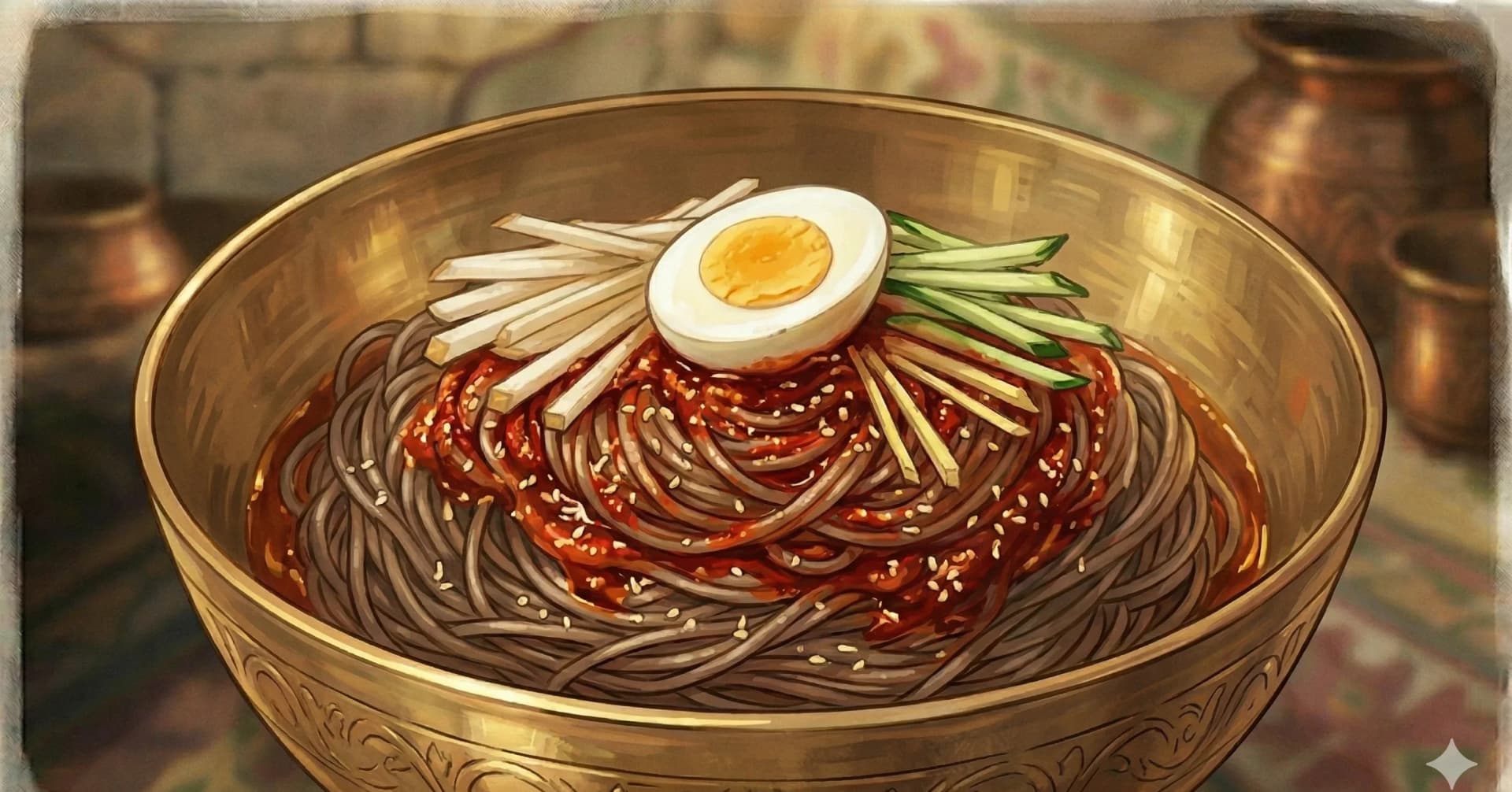
Bibim Naengmyeon (Spicy Mixed Cold Noodles)
30 minutes
 Easy
EasyCross-Cultural · China
Braised Pork with Potatoes (薯仔炆豬肉)
40 minutes
Ratings & Comments
Ratings & Comments
Ratings
Share your thoughts on this recipe.
Sign in to rate and comment