Cross-Cultural · Korean Cuisine
Korean Miso Stew (Doenjang-jjigae / 된장찌개)
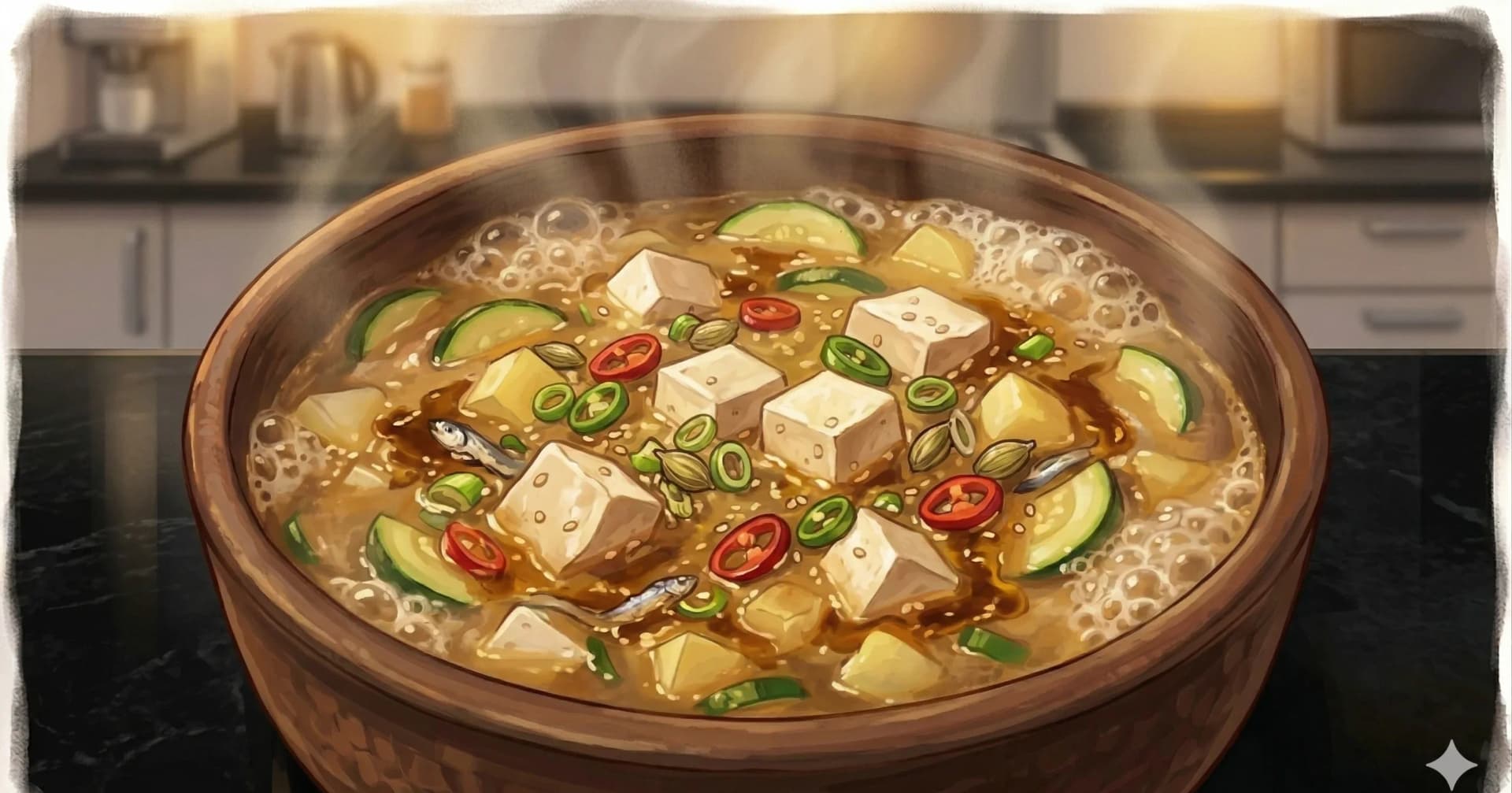
Korean fermented soybean paste stew with potato, zucchini, tofu, and shrimp simmered in an anchovy broth
Doenjang-jjigae is the stew that Koreans eat more than any other. It is on the table at nearly every meal, bubbling in an earthenware pot alongside rice and banchan, and it is the dish that Korean grandmothers make when someone needs to feel better. The flavor is deep, earthy, and funky in the best possible way, built on doenjang, a fermented soybean paste that is older than the country itself.
The stew is not complicated. Dried anchovies wrapped in cheesecloth simmer in water to create a quick broth. Potato and onion go in first because they take the longest. Doenjang is stirred in, and the pot simmers for twenty minutes while the paste dissolves and the vegetables soften. Zucchini, green chili, garlic, and chopped shrimp go in next. Tofu goes in last, just three minutes before serving, so it warms through without falling apart.
The earthenware pot, called a ttukbaegi, is not just traditional. It retains heat so well that the stew arrives at the table still bubbling and stays hot through the entire meal. If you do not have one, any heavy pot works, but the cooking time will be shorter because metal conducts heat faster. The stew is forgiving with vegetables. Use what you have. The doenjang and the anchovy broth do the heavy lifting, and everything else is just along for the ride.
At a Glance
Yield
2 to 4 servings
Prep
10 minutes
Cook
38 minutes
Total
50 minutes
Difficulty
Easy
Ingredients
- 5 tbspdoenjang, fermented soybean paste
- 7dried anchovies, guts removed, wrapped in cheesecloth
- 2 1/2 cupswater
- 1small potato, cut into 1/2-inch cubes
- 1medium onion, cut into 1/2-inch pieces
- 1small zucchini, cut into 1/2-inch pieces
- 1green Korean chili pepper, chopped
- 4garlic cloves, minced
- 4large shrimp, shelled, deveined, coarsely chopped
- 6 ozmedium-firm tofu, cut into 1/2-inch cubes
- 2scallions, chopped, for garnish
Method
- 1
Place potato, onion, zucchini, chili, garlic, and shrimp into an earthenware pot or heavy pot.
- 2
Add anchovy pouch and water. Cover, cook on medium-high heat for about 15 minutes until boiling.
- 3
Stir in doenjang, mixing well to dissolve. Cover and cook 20 minutes over medium heat.
- 4
Add tofu cubes and cook 3 more minutes.
- 5
Remove and discard anchovy pouch. Top with chopped scallions. Serve hot with rice.
Key Ingredient Benefits
Doenjang. Korean fermented soybean paste, made from meju (fermented soybean blocks) and brine. The fermentation process, which can last months or years, produces a complex mixture of amino acids, enzymes, and beneficial bacteria. In traditional Korean medicine, doenjang is valued for digestive health. Modern research has explored its potential antioxidant and anti-inflammatory properties, though evidence is preliminary. Doenjang is saltier and more pungent than Japanese miso and the two are not directly interchangeable.
Anchovy-Kelp Broth. The standard soup base in Korean cooking, made by simmering dried anchovies and dried kelp (dashima) in water. It provides a clean, oceanic umami that supports rather than competes with the doenjang. Many Korean cooks keep a batch in the refrigerator at all times. The same broth appears in kimchi jjigae and sundubu-jjigae.
Gochugaru. Added here in a small amount for gentle warmth rather than the aggressive heat found in yukgaejang. It provides color and a subtle fruitiness that complements the earthy doenjang.
Why This Works
Sauting the doenjang with the meat before adding liquid deepens the flavor considerably. The paste toasts slightly in the hot oil, which develops nutty, caramelized notes that you do not get when you simply dissolve it into water. This step takes only a few minutes but makes a noticeable difference in the finished stew.
Anchovy-kelp broth as the liquid base layers umami on top of the already intense doenjang. If you use plain water, the stew is still good, but the broth will be thinner and less complex. To make a quick anchovy broth, simmer 6 to 8 large dried anchovies (heads and guts removed) and a piece of dried kelp in 3 cups of water for 10 minutes, then strain.
The vegetables are chosen for how they behave in a fast-cooking stew. Zucchini softens quickly and releases moisture. Radish holds its shape and adds sweetness. Tofu absorbs the broth. Onion melts into the background. Together they create variety in texture without requiring a long cook time.
Substitutions & Variations
Seafood version. Replace the pork with a handful of clams or shrimp. Add them with the tofu and cook until the clams open or the shrimp turn pink. The seafood adds a briny depth that pairs beautifully with doenjang.
Mushrooms. Sliced shiitake, oyster, or enoki mushrooms are excellent additions. Add them with the tofu and zucchini.
Potato. Small cubes of potato, added with the radish, make the stew heartier. They soften and thicken the broth slightly.
Dried anchovy version (no meat). Omit the pork entirely and use anchovy-kelp broth as the base. The stew becomes lighter but still deeply flavored from the doenjang.
Japanese miso. In a pinch, red (aka) miso is the closest substitute. Use a bit more since miso is generally milder than doenjang. White miso is too delicate for this dish.
Serving Suggestions
Doenjang jjigae is almost always served as part of a larger Korean meal rather than as a standalone dish. A bowl of steamed rice is mandatory. The stew provides the salty, savory punch that makes the plain rice satisfying.
Pair with galbi or bulgogi for a classic Korean barbecue table. The richness of the grilled meat and the funky depth of the stew complement each other perfectly.
For a simpler weeknight dinner, serve doenjang jjigae with kongnamul guk and a plate of oi-muchim. The mild sprout soup, the bold stew, and the cool cucumber salad cover a wide range of flavors and textures.
Storage & Reheating
Doenjang jjigae keeps well in the refrigerator for up to 3 days. The tofu will absorb more broth as it sits, becoming more flavorful but also slightly denser. The zucchini may soften further.
Reheat on the stovetop over medium heat until bubbling. Add a splash of water if the stew has thickened. The flavor often deepens overnight as the doenjang continues to develop.
This stew does not freeze particularly well because the tofu texture changes after freezing and thawing, becoming spongy. If you want to freeze a batch, omit the tofu and add it fresh when reheating.
Cultural Notes
Doenjang jjigae (된장찌개) is, by any honest accounting, the most-eaten stew in Korea. Surveys by the Ministry of Agriculture have repeatedly placed it at the top of the everyday Korean home table, ahead of even kimchi jjigae and sundubu jjigae. It is the stew Korean grandmothers make. It is the stew that defines what "home" tastes like for a lot of Koreans. It is also the stew that is hardest to reproduce outside Korea, because so much of its character comes from the specific doenjang you use.
Doenjang (된장) itself is one of the foundational Korean fermented foods. You make it by aging crushed cooked soybeans into bricks (meju, 메주), drying them, and then submerging them in brine for months or years. The resulting paste is darker, chunkier, and more pungent than its Japanese cousin miso, with a distinct funk that Korean cooks prize. Traditional doenjang is still made in clay onggi pots, and well-aged regional varieties from areas like Sunchang and Damyang command premium prices. A jar of fifteen-year doenjang from one of those regions is a kind of culinary heirloom.
The stew built around doenjang is intentionally humble. Water or anchovy broth, doenjang, whatever vegetables are on hand (most often zucchini and potato), tofu, and optionally seafood, beef, or pork. Doenjang jjigae is rarely ordered at restaurants as a featured dish. It is the bonus, the small bubbling pot that arrives alongside a galbi or bibimbap set meal as part of the standard banchan spread.
To Koreans living abroad, the smell of doenjang jjigae simmering on the stove is one of the most direct sensory triggers of homesickness there is.
Nutrition Facts
Calories: 110kcal (6%)|Total Carbohydrates: 14.5g (5%)|Protein: 11.2g (22%)|Total Fat: 1.3g (2%)|Saturated Fat: 0.3g (2%)|Cholesterol: 34mg (11%)|Sodium: 979mg (43%)|Dietary Fiber: 2.7g (10%)|Total Sugars: 4.2g
You Might Also Like
 Medium
Cross-Cultural · Korea
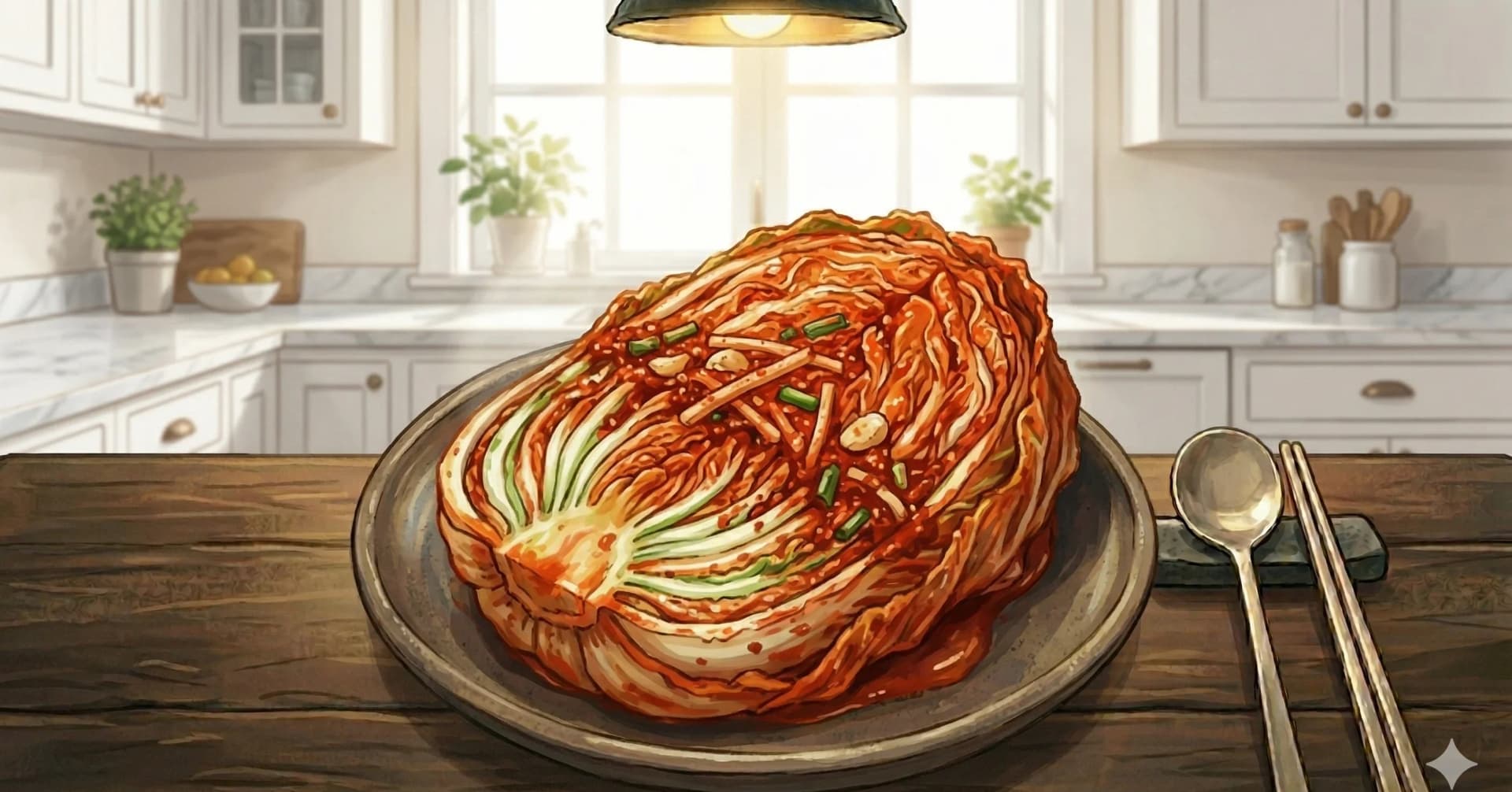
Napa Cabbage Kimchi (통배추김치)
8 hours plus 1-2 days fermentation
 Easy
EasyCross-Cultural · China
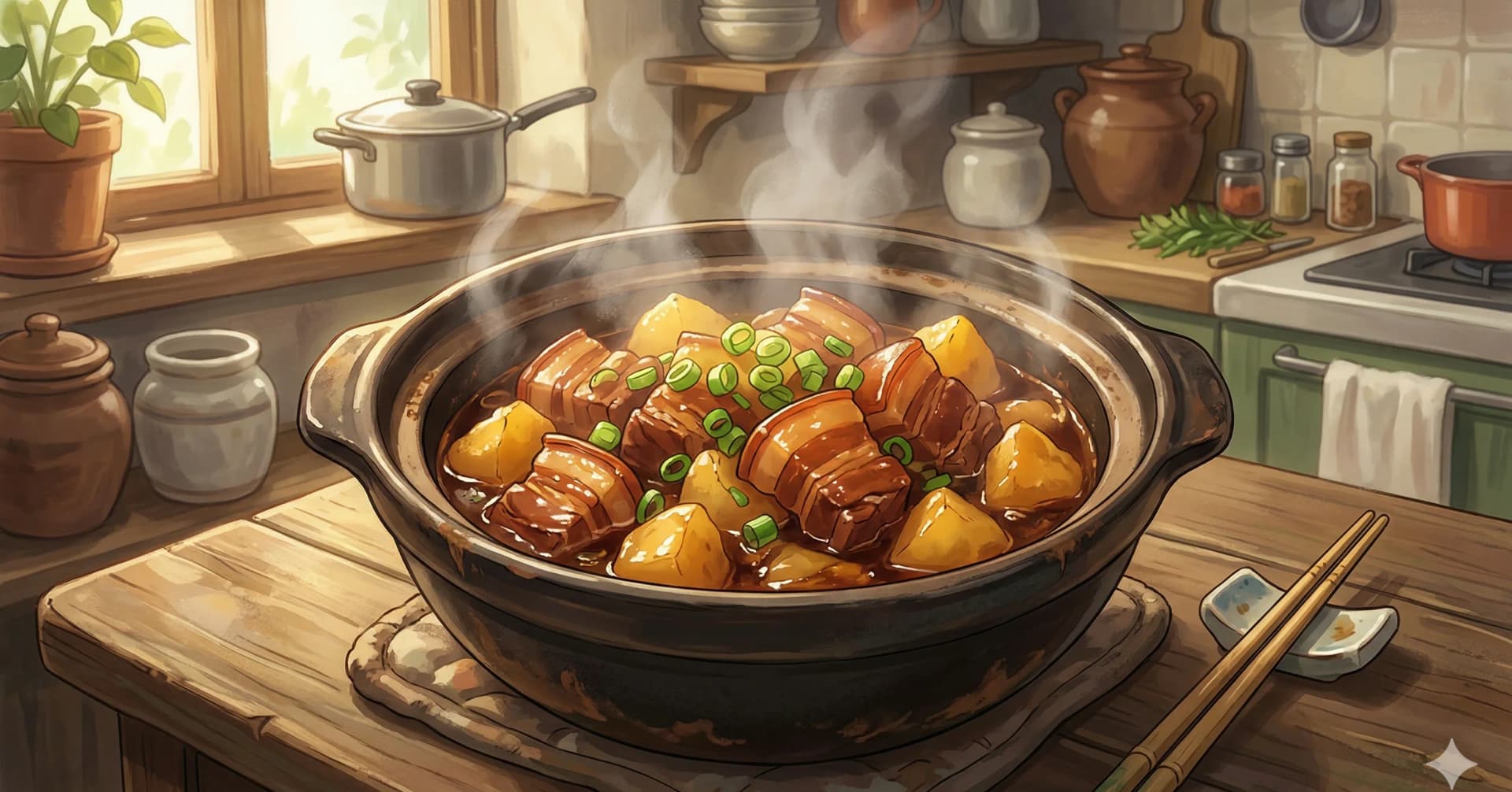
Braised Pork with Potatoes (薯仔炆豬肉)
40 minutes
 Medium
Korean Cuisine
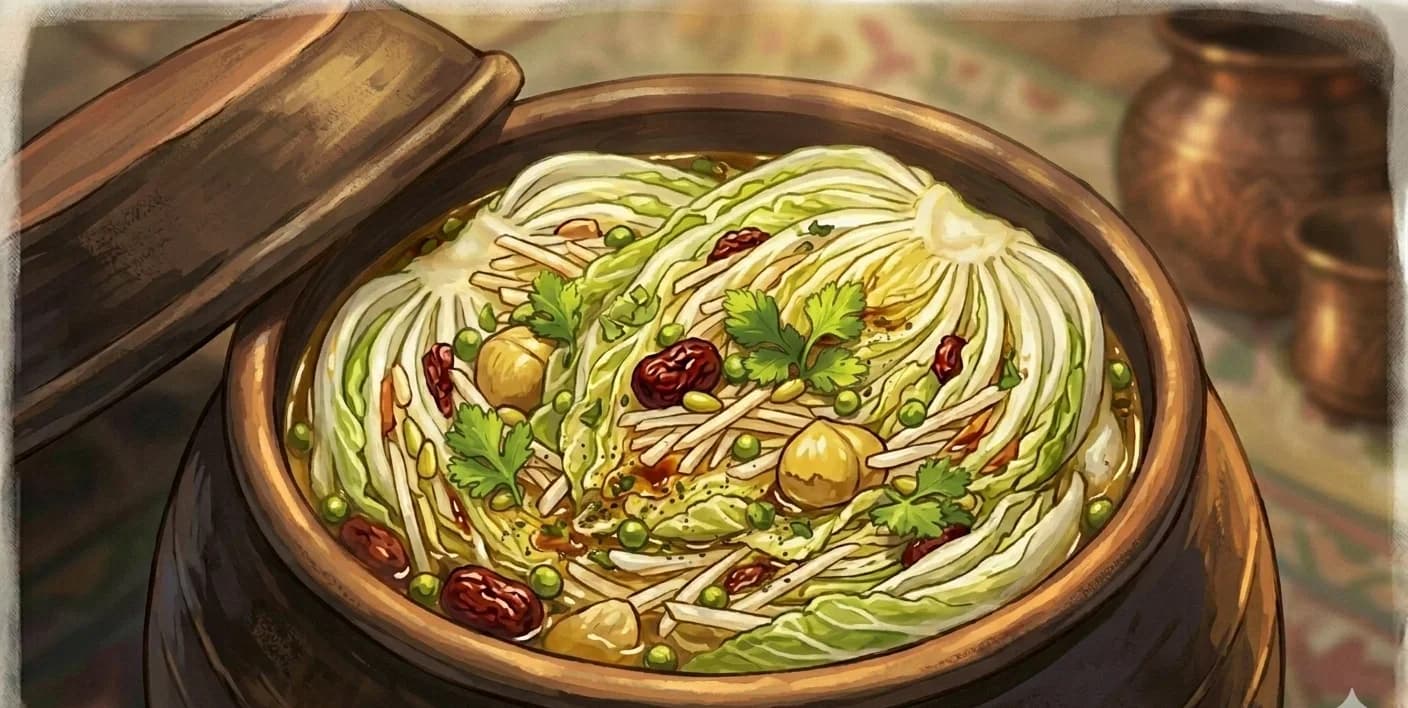
Baek Kimchi (White Kimchi)
3 hours (plus 1 to 3 days fermentation)
 Medium
Cross-Cultural · Korea
Braised Black Cod (Eundaegu-jorim / 은대구조림)
45 minutes
Ratings & Comments
Ratings & Comments
Ratings
Share your thoughts on this recipe.
Sign in to rate and comment