Why Your Afternoon Slump Is a Digestion Problem: The Ayurvedic Agni Lens on Focus Crashes
Why Your Afternoon Slump Is a Digestion Problem: The Ayurvedic Agni Lens on Focus Crashes
The 2pm wall is one of the most universal cognitive experiences in modern office life. Concentration deteriorates. Decision-making becomes labored. The screen gets blurry. Reaching for coffee or sugar produces a brief lift followed by a deeper crash an hour later. By 4pm, the day is half-functional at best.
The conventional explanation is the post-lunch dip and a circadian rhythm trough. Both are real but partial. The fuller explanation, which the Ayurvedic and Chinese medicine systems articulated two thousand years ago, is that the afternoon slump is largely a digestive problem. The meal eaten at midday determines the cognitive arc of the afternoon. The conventional fixes (more caffeine, sugar, a brisk walk) treat the symptom; the food and meal-structure fixes treat the cause.
This is the digestion-and-focus picture. The Ayurvedic concept of agni (digestive fire) and the TCM emphasis on stomach-and-spleen function around midday both describe a real physiological reality that the modern post-prandial somnolence literature confirms in different vocabulary. The intervention is at the lunch table, not the 3pm coffee.
What's Actually Happening at 2pm
Post-prandial somnolence is the documented drowsiness that follows a meal. It is most pronounced after lunch for biological reasons:
Blood is shunted to digestion. Up to 30% of cardiac output redirects to the splanchnic circulation during active digestion, reducing the cerebral blood flow available for cognitive tasks.
Glycemic response. A high-glycemic-load lunch produces a 60 to 90 minute post-meal glucose peak followed by a reactive trough. The trough commonly hits at 90 to 120 minutes post-meal, exactly aligned with the 2pm slump for a noon lunch.
Tryptophan availability. The dietary protein-and-carb combination of most lunches increases tryptophan availability to the brain, where it is converted to serotonin and then melatonin. This is the same mechanism that supports sleep, and it produces afternoon drowsiness if dosed too heavily at midday.
Circadian dip. Independent of food, most humans have a 1 to 4 pm circadian energy dip. This dip is small in well-rested people on a stable diet and large in those with poor sleep or chaotic eating.
The food choices made at lunch interact with all four of these mechanisms, and the lunch can be structured to minimize each of them.
What Ayurveda Says About Noon
The Ayurvedic concept of agni describes digestive capacity as a variable that peaks at midday. The classical texts are explicit: agni is strongest between 10am and 2pm, weaker before and after. The recommendation that follows is to eat the largest meal of the day at midday, when digestive capacity can handle it, and lighter meals at breakfast and dinner.
This is the opposite of the typical modern Western pattern (light lunch, heavy dinner) and consistent with the traditional Mediterranean midday-as-main-meal pattern.
There is a subtle but important corollary: midday agni is strong, but it can still be overwhelmed. A heavy meal at noon is appropriately matched to the peak digestive capacity; an excessive meal at noon overwhelms even the peak capacity and produces the kind of afternoon dullness Ayurveda calls ama, the residue of incompletely digested food. The right meal is substantial but not excessive.
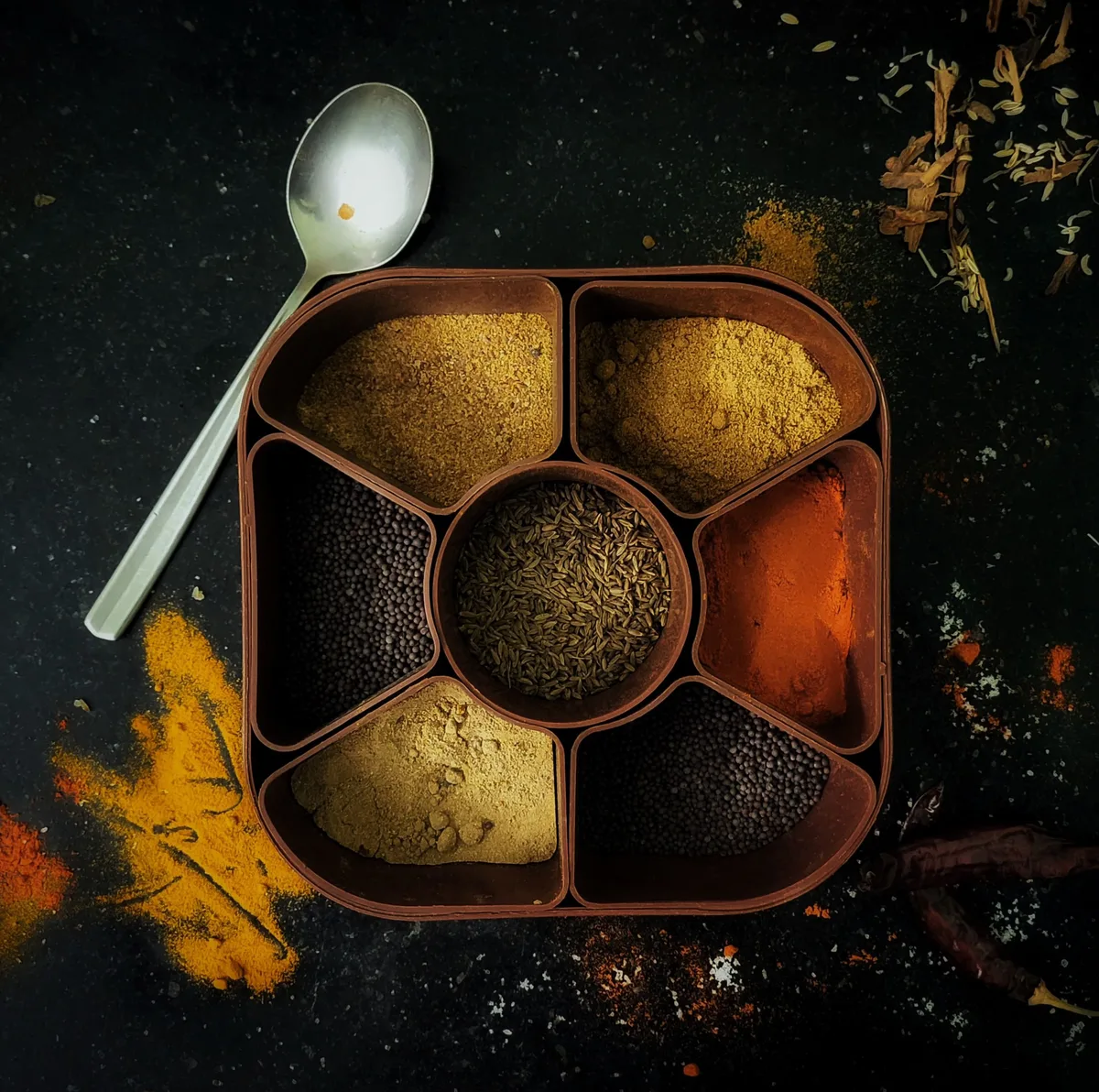
The Ayurvedic recommendation for the midday meal includes the six tastes (sweet, sour, salty, bitter, pungent, astringent), with emphasis on bitter and pungent at the start of the meal to stimulate agni and on warming spices throughout. Bitter greens, pungent ginger or black pepper, warming cumin and mustard seeds are all classical midday additions.
What TCM Says About Noon
The Chinese medicine framework puts the spleen and stomach meridians at peak activity from 7am to 11am (stomach) and 9am to 11am (spleen). The early-to-mid-morning is therefore the optimal window for the bulk of nutrient processing, with continued strong digestive activity through midday and into early afternoon.
The corollary is the TCM recommendation to eat warm cooked food at lunchtime and to minimize raw, cold, or excessively damp foods. Cold drinks with lunch, large salads, and heavy dairy are all classical TCM "spleen-damaging" choices that worsen afternoon function.

The TCM emphasis on warm and gently spiced food at midday overlaps almost exactly with the Ayurvedic emphasis. The vocabulary differs; the practical recommendations are nearly identical.
What Modern Data Adds
The lunch structures that produce afternoon focus rather than afternoon dullness share specific features that modern glycemic and circadian research has documented.
Moderate portion. A 1991 study by Smith and colleagues in Appetite compared post-lunch performance after meals that were at, above, or below participants' usual energy needs. Larger lunches produced greater post-lunch declines in attention and performance efficiency than smaller or normal-sized lunches. The mechanism is partially blood shunting and partially the metabolic load of larger digestive work.
Lower glycemic load. Refined carbohydrates produce the largest glucose-spike-and-trough patterns. A lunch of pasta and bread crashes harder than a lunch of grilled fish, vegetables, and a smaller portion of brown rice. Research reviewed by Benton in Neuroscience and Biobehavioral Reviews (2002) shows that diet-induced changes in blood glucose, including those driven by glycemic load, can shift mood and cognitive performance in the hours after a meal.
Protein adequacy. The lunch that holds focus through the afternoon contains 25 to 35 grams of protein. Below this, blood sugar instability and amino acid drift cause focus problems within 90 minutes. The protein can come from fish, chicken, eggs, legumes, tofu, dairy, or any combination.
Sufficient vegetables. Vegetables provide fiber that flattens the glycemic response and antioxidants that support sustained cognitive function. A lunch where vegetables and protein occupy two-thirds of the plate, and grain or starch occupies one-third, produces a measurably flatter afternoon curve than a grain-or-starch-dominant lunch.
Bitter and pungent flavors. The Ayurvedic recommendation to include bitter (greens, fenugreek, dandelion) and pungent (ginger, black pepper, mustard) flavors at midday has plausible mechanistic support: bitter compounds stimulate bile flow and digestive enzyme release, and pungent compounds enhance gastric motility. The cumulative effect is faster, more complete digestion and less post-meal blood-shunting time.
The High-Focus Lunch Template
A practical version of what the principles produce:
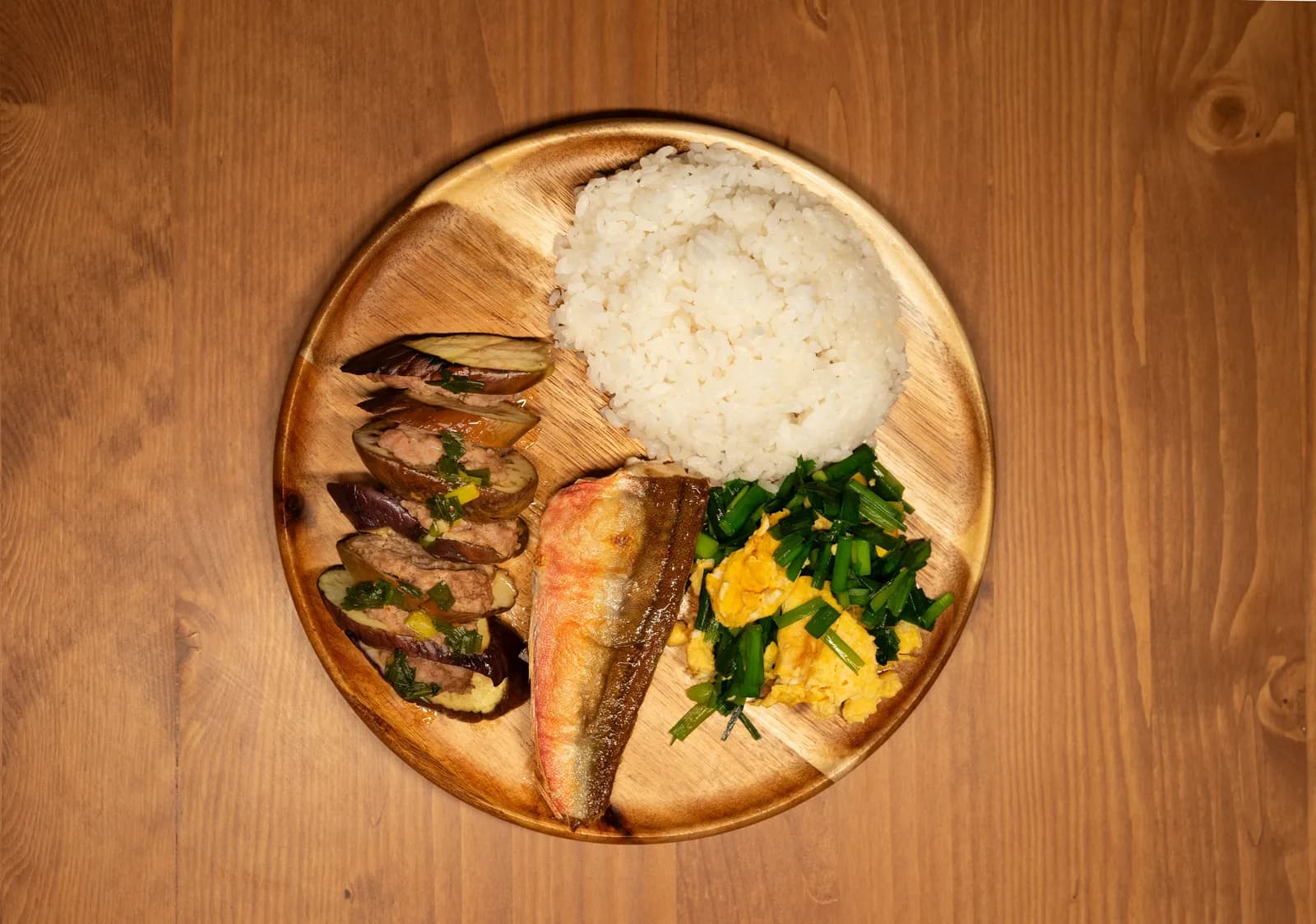
A base of vegetables and protein. A grilled fish or chicken thigh, or a lentil or bean preparation, with a generous side of vegetables: roasted, sautéed, or in a salad with cooked components.
A small portion of grain or starch. Half a cup of brown rice, a small piece of sourdough, a small portion of khichdi, or a sweet potato. Enough to satisfy without dominating the plate.
A digestive lead-in. A small piece of fresh ginger with salt and lemon, a tablespoon of pickled vegetables, a few bitter greens as the first bite. The Ayurvedic principle is to wake agni before the heavier components arrive.
Warming spices throughout. Black pepper, cumin, mustard seed, ginger, turmeric. Not bland food. The traditional cuisines that include heavy spice work at midday tend to produce less afternoon slump than cuisines that center on bland comfort food at lunch.
A small post-meal digestive. A cup of fennel-cumin-coriander digestive tea, or chewing a teaspoon of fennel seeds, or a sip of warm water with a slice of fresh ginger. The traditional after-meal digestive practices reduce the postprandial heaviness.
A 5 to 10 minute gentle walk after eating. Documented in multiple studies to reduce post-meal glucose spikes by 17 to 30%. The walk should be moderate, not vigorous, immediately or within 30 minutes of finishing the meal.
What to Skip at Lunch
Heavy refined-carb dominant meals. Pasta with bread. Pizza. Burritos with white tortillas. These produce the worst post-lunch slumps. If pasta is what you want, eat half as much and add protein and vegetables.
Excessive portion sizes. The "eat until very full" practice, common in much of modern restaurant culture, reliably produces afternoon dullness. The traditional recommendation is to eat to 75 to 80% full at midday.
Alcohol. A lunch beer or wine, even a small one, reliably degrades afternoon focus. If alcohol is part of a work lunch, it sets the tone for an unproductive afternoon.
Cold drinks with the meal. TCM frames this as spleen-damaging; the modern mechanism is gastric cooling that slows digestion. Room-temperature or warm beverages with lunch are preferable.
Sugar at the end. Dessert at lunchtime triggers a second insulin spike that compounds the post-meal glycemic effect. If sweet is wanted, a square of dark chocolate is preferable to a sugary dessert.
When Sleep Is the Actual Problem
The above assumes a reasonably-rested person. For someone running on 5 hours of sleep, no lunch structure will produce afternoon focus. The food choices reduce the slump magnitude; they do not eliminate it when the underlying sleep debt is large.
The signal that the slump is sleep-driven rather than lunch-driven: it shows up whether lunch is heavy or light, and it shows up reliably day after day regardless of meal choices. The signal that the slump is food-driven: it varies meaningfully with what lunch contained.
For the broader food-and-focus picture, see foods for focus without the coffee crash and foods that calm the nervous system. The afternoon slump is one of several places where the upstream system reveals itself.
Frequently Asked Questions
Should I skip lunch entirely?
For some people, a lighter lunch or an intermittent-fasting approach (eating in a 10am to 6pm window with no lunch) works well and avoids the afternoon slump entirely. For most people who have already structured the day around three meals, restructuring lunch (smaller, protein-and-vegetable-forward) is more practical than skipping. The actionable test is a few weeks of each approach.
What about the "soup or salad" lunch I see at work?
A salad with adequate protein (fish, chicken, egg, beans) and healthy fat (olive oil, avocado) is a perfectly good lunch. A salad without protein produces afternoon slumps almost as reliably as a heavy carb-dominant meal, but for a different reason: insufficient amino acid and fat support. The default light cafeteria salad is often a focus liability, not an asset.
Does the timing matter, or just the content?
Both. Eating later (closer to 1 or 2pm) means the afternoon slump arrives during the second-half-of-the-workday energy window. Eating earlier (closer to noon or 12:30) gives more buffer time before the cognitive-demand window of 2pm to 4pm. For high-cognitive-demand afternoons, lunch at noon is better than lunch at 1:30pm.
Why does walking after lunch help so much?
Brief, gentle movement activates skeletal muscle glucose uptake (via GLUT4 translocation), reducing the post-meal glucose spike. The mechanism is well-documented; the effect size is meaningful. A 10-minute walk after lunch is one of the most effective interventions for afternoon focus.
The Underlying Frame
The afternoon slump is not inevitable. It is a predictable response to specific lunch structures (excessive portion, refined carb dominance, low protein, cold drinks, no digestive support) and to specific physiological mismatches (eating in a way that doesn't match the body's digestive capacity at midday).
The traditional medicine systems built their midday recommendations around the assumption that humans need to function in the afternoon, and that the food choices at lunch determine that function. The Ayurvedic recommendation to eat the main meal at midday with bitter and pungent support, and the TCM recommendation to eat warm, cooked, moderately portioned food at midday, both reflect this principle in different vocabulary.
For the digestive-spice context that supports the midday meal, see the best spices for digestion and Ayurveda food combining rules. The lunch table is where the afternoon is decided.
Comments
Share your thoughts on this post.
Sign in to comment0 Comments