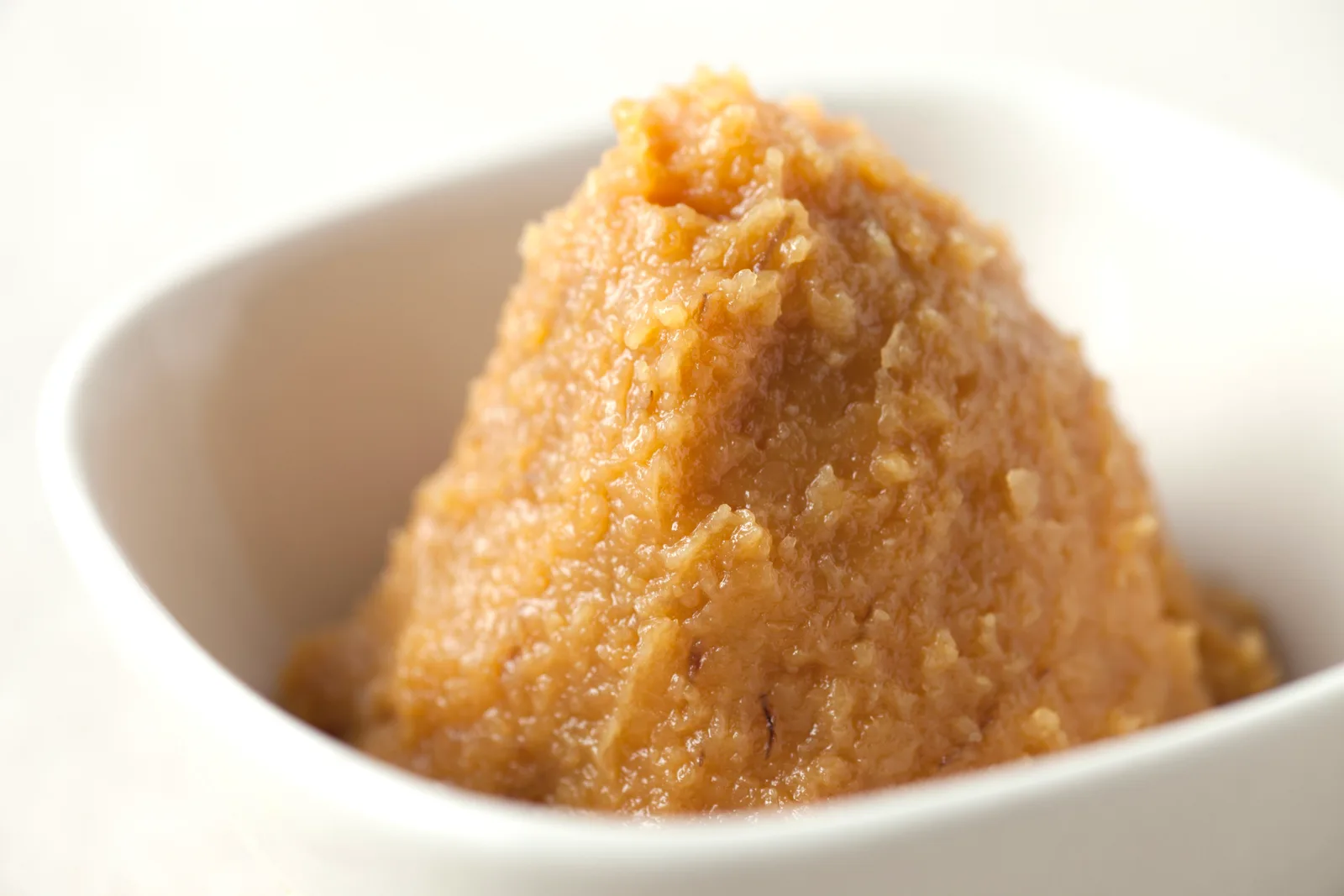
Miso by Colour: White, Red, Awase, and When Each Belongs
The miso shelf in a Japanese grocery is a wall of tubs that look almost identical apart from colour, and the labels rarely help. White, red, mixed, barley, the one from Nagoya that is nearly black. They are all miso, they are all soybean, salt and koji, and they behave differently enough that using the wrong one turns a delicate soup into something that tastes like a marinade.
The good news is that the colour tells you most of what you need.
Colour is a clock
Miso darkens with time and with the ratio of soybean to grain. A paste made with a lot of rice koji and fermented for a few weeks stays pale, sweet and mild. A paste with more soybean, more salt and a year or two behind it goes reddish brown, salty and deep.
So the spectrum from white to near black is roughly a spectrum from short to long, sweet to salty, and gentle to assertive. Everything else follows from that.
Shiro, the white one
Made with a high proportion of rice koji and fermented for a few weeks to a few months. Pale beige rather than white, distinctly sweet, low in salt, and lightly fruity.
This is the miso for anything where you do not want the paste to dominate. Dressings thinned with rice vinegar. Marinades for white fish. The glaze on nasu dengaku, grilled aubergine, where the sweetness is the whole point. It is also the right choice for a light summer miso soup.
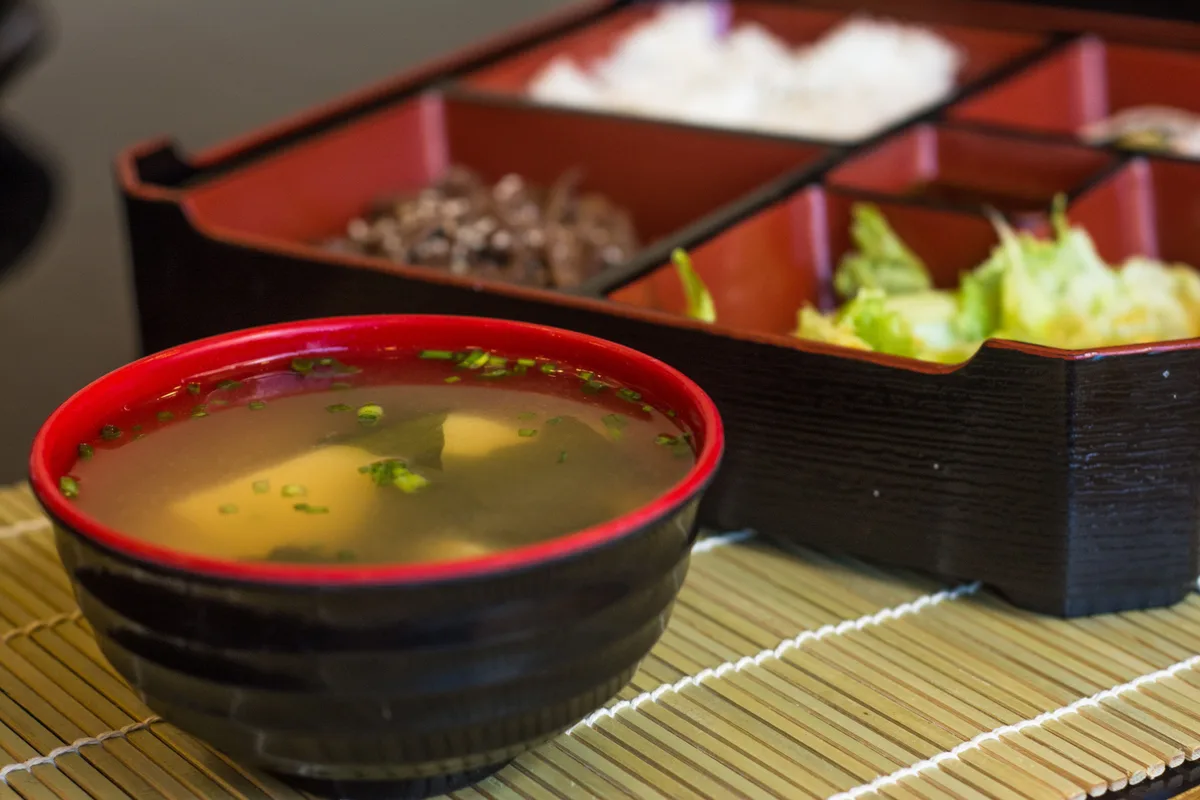
Shiro has the shortest fridge life of the family. Buy a small tub.
Aka, the red one
More soybean, more salt, and a year or longer of fermentation. Deep reddish brown, firmly salty, with a pronounced savoury depth and sometimes a faint sourness.
Use it where there is something to stand up to: hearty winter soups, braises, ramen broth, meat marinades, anything with a lot of fat or a strong stock behind it. Red miso in a delicate clear soup will flatten everything else in the bowl.
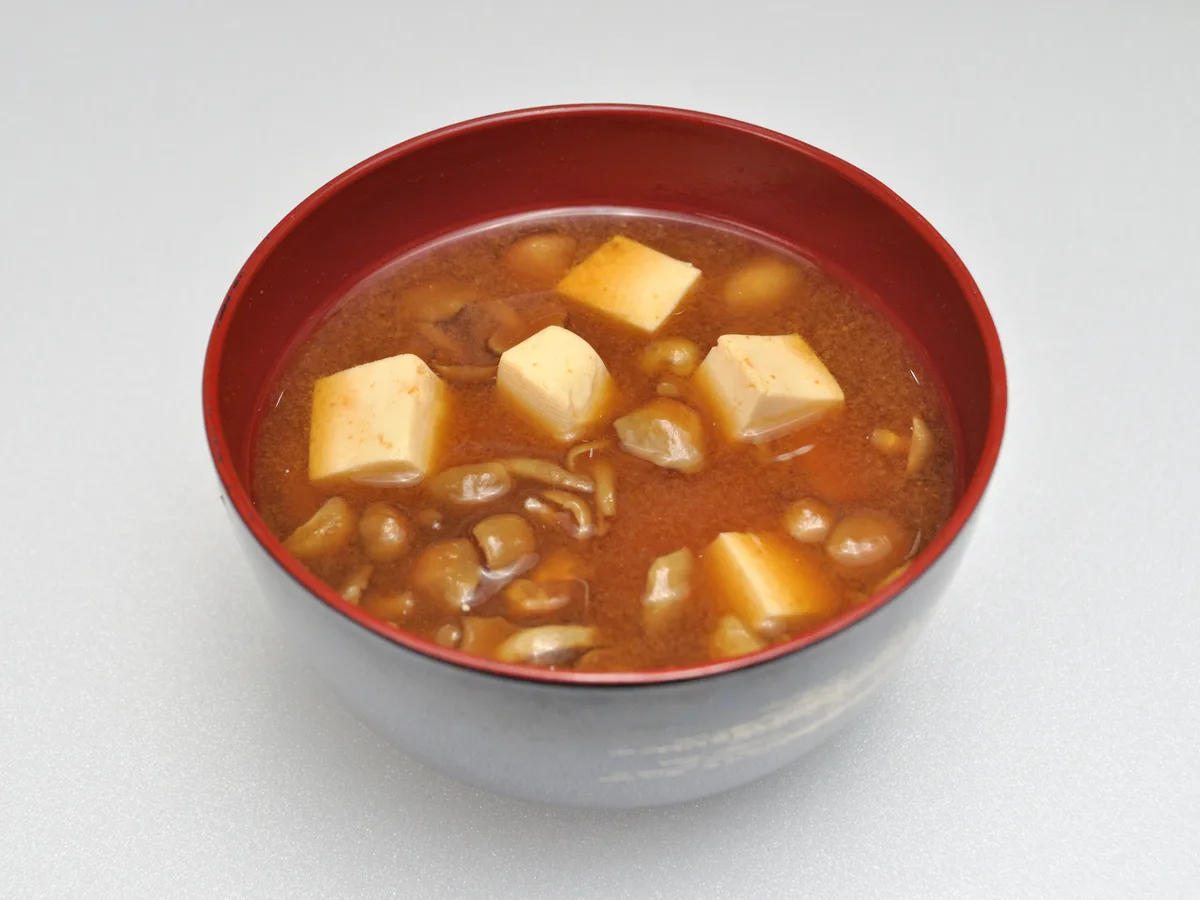
Because it is saltier, you use less of it than you would white. Swapping red for white one for one is the single most common miso mistake.
Awase, the blended one
A mix of light and dark, sold as the everyday default in Japan, and the correct first tub for anyone who is not going to own three.
Awase handles soup, dressings, marinades and glazes without being strongly one thing. It is the miso that will get used rather than going dark at the back of the fridge.
Mugi, the barley one
Made with barley koji instead of rice. Rustic, slightly earthy, with a looser texture and a smell closer to bread than to sweetness. Common in Kyushu and parts of western Japan.
It is excellent in vegetable soups and with root vegetables, and it sits closer than the others do to Korean doenjang, which is also less about sweetness and more about depth.
Hatcho, the serious one
Made from pure soybean with no grain koji at all, fermented in cedar barrels under stacked stones for two years or more. It comes from around Okazaki in Aichi prefecture, it is almost black, dense enough to be difficult to stir, and it tastes astringent and intensely savoury with a bitter edge.
It is not a beginner's tub and it is not meant for a plain bowl of soup. It belongs in the long-simmered miso stews of the Nagoya region, in dengaku glazes, and anywhere a small amount of very concentrated flavour is what the dish needs.
Rules that apply to all of them
Do not boil miso. The aroma is volatile and the paste contains live culture, and both are lost above a gentle simmer. Whisk it in off the heat at the end, always.
Dissolve it before it goes in. Lumps of miso in a soup never fully disperse. Ladle a little hot broth into a bowl, loosen the paste in it, then return the lot to the pot.
Keep it cold and pressed flat. Miso does not spoil in any dangerous sense, since it is far too salty, but it darkens and dulls with air exposure. Smooth the surface after each use and it keeps its character for months.
Read the label for dashi. Some tubs are sold as miso soup base with dashi already added, which is convenient and useless if you wanted to season a marinade.
Frequently asked questions
Which miso should I buy if I only buy one?
Awase, the blend. It does eighty percent of what white and red do individually and it will not go to waste.
Is miso the same as Korean doenjang?
No. Both are fermented soybean pastes, but doenjang is saltier, chunkier and far less sweet, because it uses no rice koji and ferments with wild culture. Substituting one for the other changes the dish noticeably, and doenjang is the stronger of the two.
Does miso go off?
Not in a way that makes it unsafe. It darkens and loses aroma over time, and a well sealed tub stays good for a year or more in the fridge. Mould on the surface means it was stored badly, not that miso spoils easily.
Can I use miso if it has separated?
Yes. A little dark liquid on the surface is normal, particularly in traditional unpasteurised tubs. Stir it back in.
What to cook
Start with miso soup and make it once with white and once with red, which teaches the difference faster than any description. Nasu dengaku shows what sweet white miso does under a grill. Miso butter mushrooms is the easiest demonstration of miso as a seasoning rather than a soup base. And for the rest of the Japanese shelf, we listed the six things that cover most of it.
Comments
Share your thoughts on this post.
Sign in to comment0 Comments