The Japanese Pantry, Without the Specialty Shop
Japanese cooking has a reputation for being difficult to stock for, and it is mostly undeserved. The list is short. Six bottles and packets cover the overwhelming majority of Japanese home cooking, and four of them keep for a year or more.
The reputation comes from the wrong end of the cuisine. Sushi and kaiseki need specialist sourcing. Everyday Japanese food, the kind that gets cooked on a Tuesday, needs almost nothing you cannot get in a decent supermarket now.
1. Soy sauce, the Japanese kind
Not the Chinese kind. Japanese soy sauce, koikuchi, is roughly half wheat, which makes it sweeter, more aromatic and less blunt than Chinese light soy. It is the bottle behind teriyaki chicken, nikujaga and almost every simmered dish.
Buy a naturally brewed one in a glass bottle and keep it in the fridge after opening. The aroma is the thing you are paying for and it fades fastest.
2. Mirin, and the trap in the mirin aisle
Mirin is sweet rice wine, and it does three jobs at once: sweetness, gloss and a rounding of sharp edges. It is why Japanese simmered dishes shine.
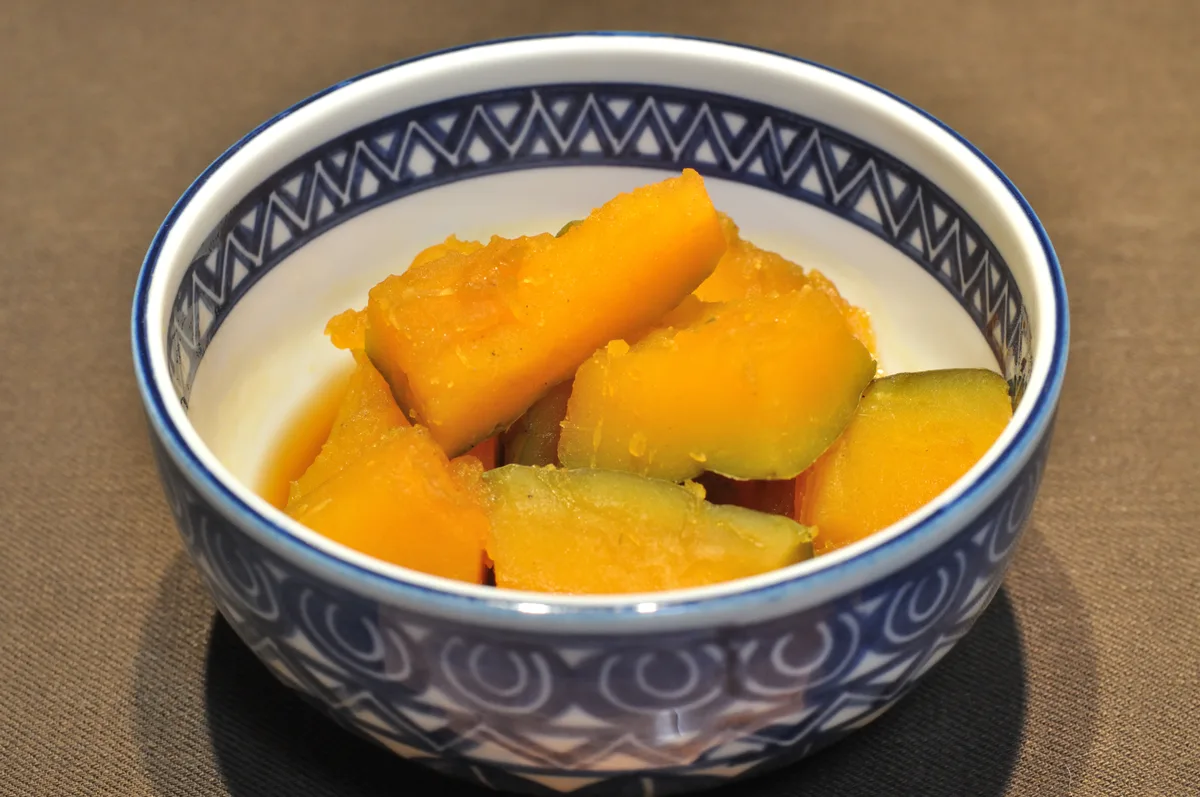
The trap is that most supermarket mirin is not mirin. Aji-mirin, mirin-style seasoning and mirin-fu are glucose syrup with a little alcohol and salt. Real mirin, hon-mirin, lists rice, koji and alcohol, and costs roughly three times more. The difference is visible in the pan, since real mirin glazes and the substitute mostly just sweetens.
If you can only find the cheap one, use it and cut the sugar elsewhere in the recipe.
3. Sake, and no, not the drinking kind necessarily
Cooking sake removes odours from fish and meat, softens protein and adds a background savouriness. It goes into marinades, simmering liquids and steamed dishes.
Ryorishu, cooking sake, has salt added so it can be sold without alcohol duty in some markets. It works, but if you buy an inexpensive drinking sake instead you get a better result and no added salt to account for. Dry sherry is the closest substitute if you have no sake at all.
4. Dashi, which is the actual foundation
Everything else on this list is seasoning. Dashi is the base the seasoning sits on, and it is what makes Japanese food taste Japanese in the way that stock makes French food taste French.
At its simplest it is kombu and dried bonito flakes steeped in hot water for a few minutes. Kombu alone makes a clean vegetarian version. Both take less time than boiling pasta.
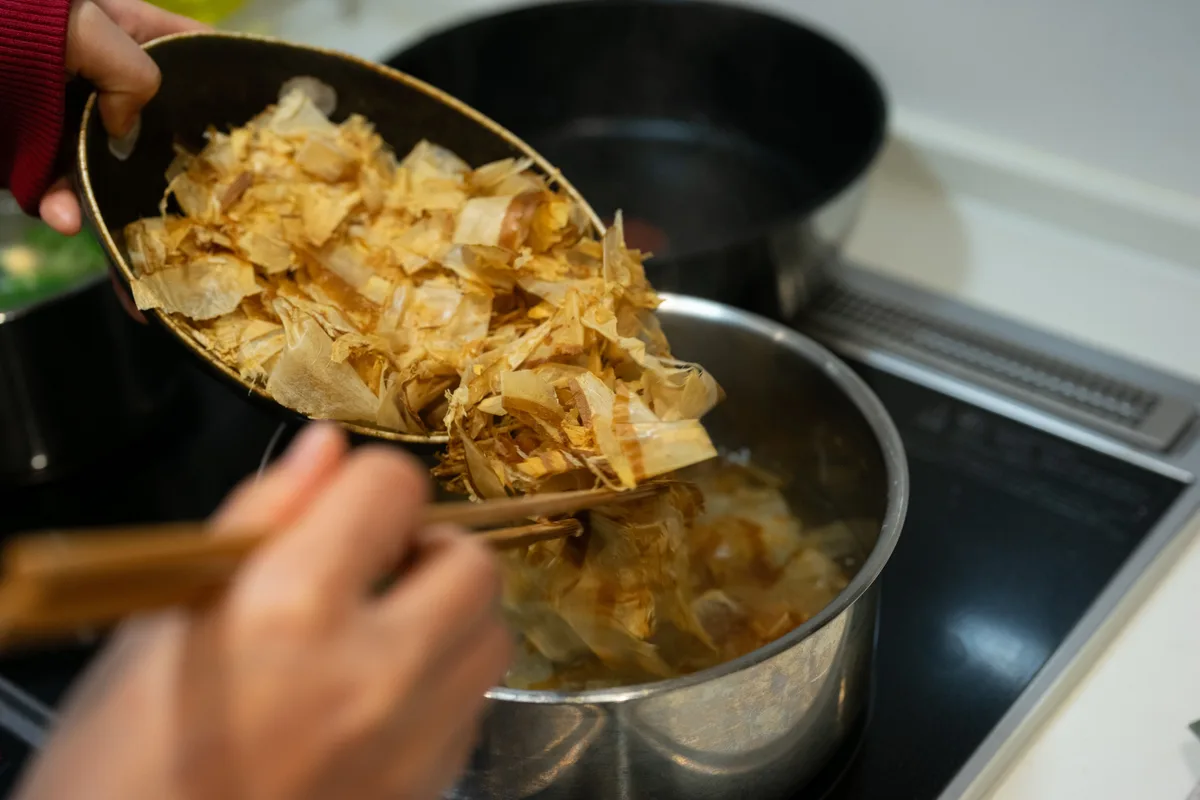
Instant dashi powder exists and is genuinely fine for weeknight miso soup. Keep a packet. Make the real thing when the dish is mostly broth, as in a clear soup or a chawanmushi, where there is nowhere for a flat base to hide.
5. Miso
One tub is enough to start, and it should be awase, the blended kind, or a light shiro. Miso goes into soup, into marinades for fish and aubergine, into dressings thinned with rice vinegar, and into butter.
Never boil it. Miso is alive and the flavour goes dull and flat above a simmer, which is why soup recipes tell you to take the pot off the heat before whisking it in.
6. Rice vinegar
Rice vinegar is mild, slightly sweet and much gentler than Western vinegars. It seasons rice, makes quick pickles, and cuts the richness in dressings.
Buy the unseasoned one. Seasoned rice vinegar already contains sugar and salt for sushi rice, which is convenient for exactly one use and irritating everywhere else.
What else is worth having
Short grain Japanese rice, which is not optional if you want rice that holds together. Nori and wakame, both dried and both keep indefinitely. Panko, which is coarser and airier than Western breadcrumbs and is the reason tonkatsu shatters when you cut it. Toasted sesame seeds and sesame oil for finishing.
Beyond that you are into specialisation: yuzu kosho, shichimi togarashi, katsuobushi in bulk, good ponzu. All pleasant, none necessary.
Frequently asked questions
Can I substitute Chinese soy sauce for Japanese?
At a push. It is saltier and less aromatic, so use a little less and expect the dish to taste sharper. For something like a dipping sauce where the soy is the main flavour, the difference is obvious.
Is instant dashi acceptable?
Yes, for everyday cooking. It is what a lot of Japanese households use on a weeknight. Make fresh dashi when the broth is the dish rather than the background.
What is the difference between mirin and sake?
Mirin is sweet and used for glaze and gloss. Sake is dry and used to remove odours and add depth. Recipes usually call for both, in different amounts, and they are not interchangeable.
Which miso should I buy first?
Awase, a blend of light and dark. It handles soup, marinades and dressings without being strongly one thing. Buy shiro and aka separately later if you find yourself wanting more control.
What to cook
Miso soup uses four of these six and takes ten minutes, so start there. Nikujaga, the simmered beef and potato dish, is the clearest demonstration of soy, mirin, sake and dashi working together as a set. Tamagoyaki shows what dashi does inside something that is not a soup at all. And for the neighbouring shelves, we went through the Korean pantry and the Chinese one.
Comments
Share your thoughts on this post.
Sign in to comment0 Comments