Why There Is Almost No Dairy in Chinese Cooking
Go through a Chinese cookbook of any weight and you will find almost no butter, no cream, no cheese and no milk. Hundreds of dishes, thousands of years of recorded cooking, and the entire dairy aisle is missing.
It is one of the sharper divides in world food. India built a whole cuisine on milk, ghee, yogurt and paneer. China, next door, built one that barely touches any of it. The usual explanation is lactose intolerance, which is part of the answer and nowhere near all of it.
The genetics, which are real but not the whole story
Most adults on earth stop producing lactase after childhood. That is the default human condition. The ability to keep digesting milk into adulthood is the unusual trait, and it spread through populations with long histories of herding, mostly in northern Europe, parts of Africa and the Middle East, and across the Indian subcontinent.
Rates of lactase persistence in Han Chinese populations are very low. So a glass of milk is genuinely uncomfortable for a large share of the population, and a cuisine built on it was never going to happen.
But this explains less than it seems to. Plenty of dairy cultures are also lactose intolerant, and they solved it by fermenting. Yogurt, cheese and aged butter have far less lactose than fresh milk, which is exactly why traditional dairy foods across Asia, from Mongolian aaruul to Indian curd, are mostly fermented. If China had wanted dairy, intolerance would not have stopped it.
The land is the better explanation
Milk requires animals kept for milk, and that requires grazing land.
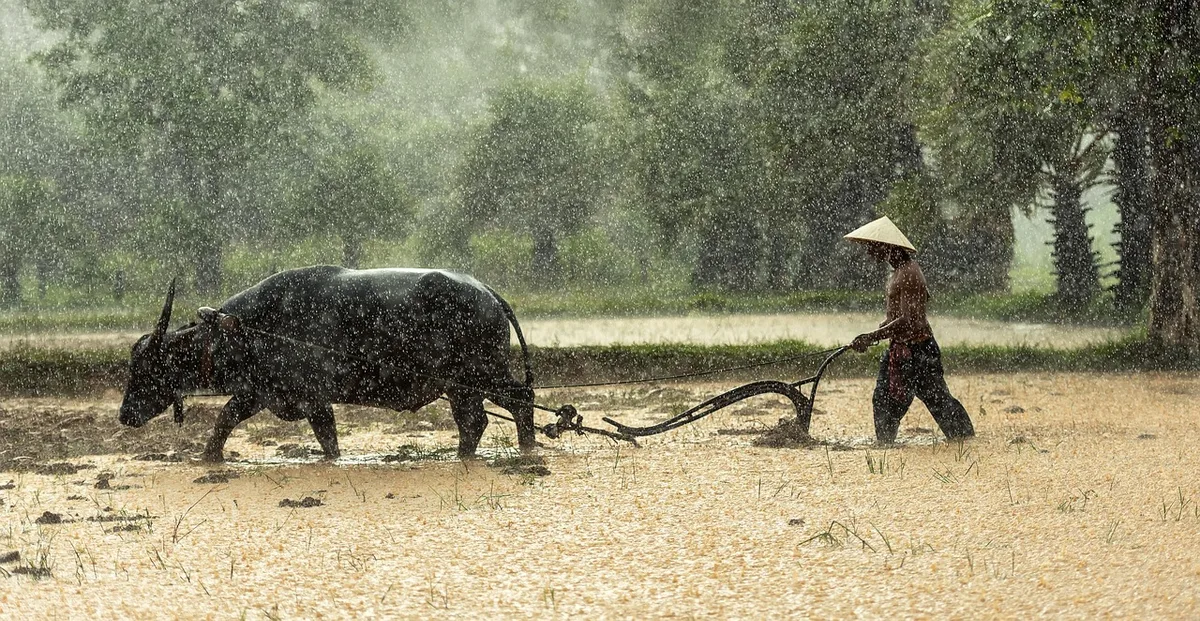
Chinese agriculture in the settled heartland was intensive and built on grain. River valleys planted to rice or millet, every acre producing food for people directly, and cattle kept as draft animals to pull ploughs rather than as a source of food. Killing a working ox was a serious matter, and feeding pasture to animals when the same land could grow grain was simply a poor trade in a densely populated region.
Pigs and poultry fit that system. They eat scraps, they need no pasture, and they convert household waste into meat. Which is why pork, not beef, is the default meat across most of Chinese cooking.
And dairy carried a cultural stigma
The peoples who did keep herds were the ones to the north and west, on the steppe, beyond the frontier. Dairy was their food. In Chinese writing across long stretches of history, milk products are associated with those groups, and that association was not flattering.
It was never absolute. Dairy moved in and out of fashion at court, particularly in the Tang dynasty, when steppe influence was strong and milk preparations appeared in elite kitchens. But it stayed a marker of foreignness rather than becoming ordinary food, and each time it faded again.
Soy did the job instead
Here is the part that makes the whole thing make sense. China did not go without the things milk provides. It got them from the soybean.
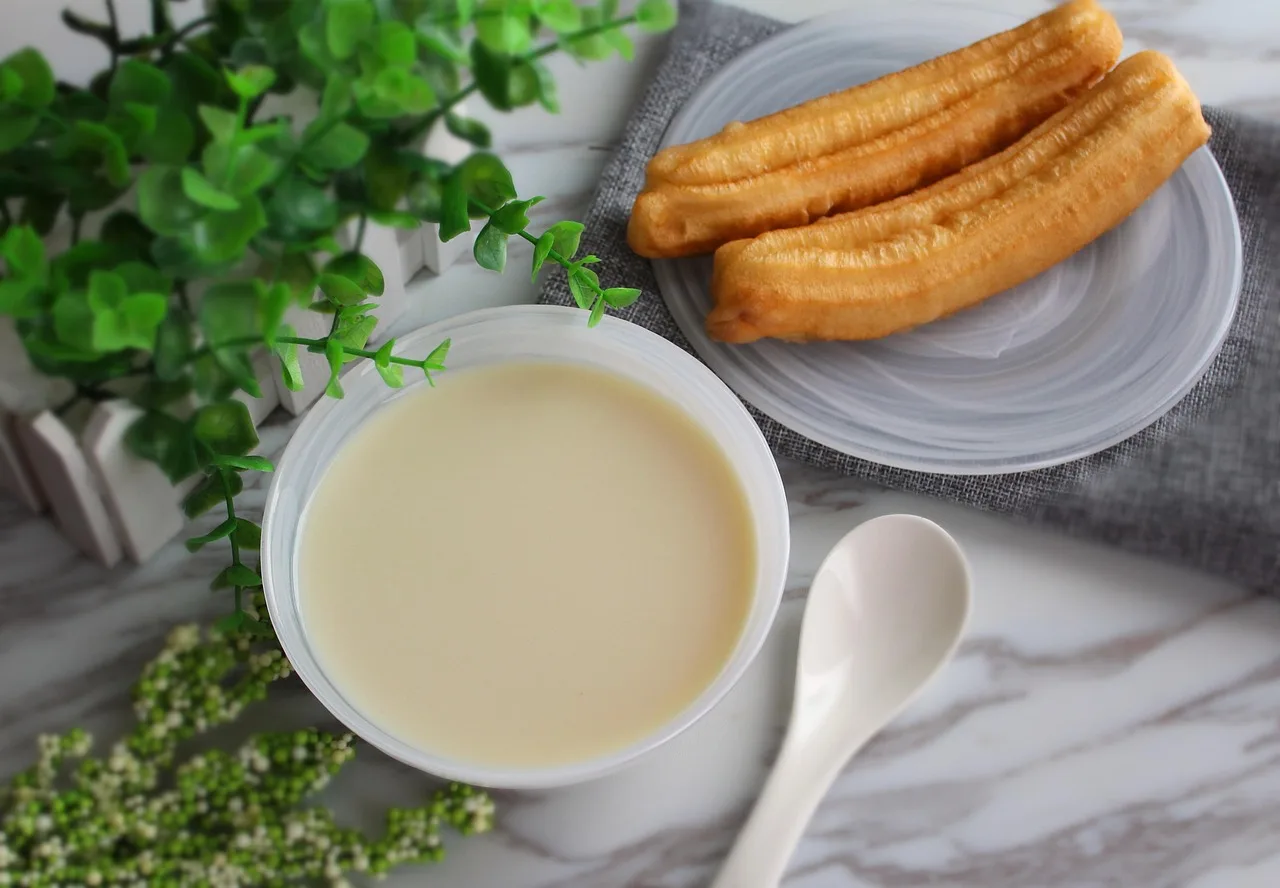
Soy milk covers the same ground as dairy milk: a cheap white liquid, high in protein, drunk at breakfast. Warm soy milk with fried dough is still the standard morning meal across much of the country. Tofu is the cheese analogue, made by exactly the analogous process, a liquid curdled with a coagulant and pressed. Silken tofu sits where a soft fresh cheese would. Fermented tofu, sold in jars in brine and wine, is pungent, salty and spreadable, and it occupies the position of a strong aged cheese right down to how it is eaten, a small amount with plain rice or porridge.
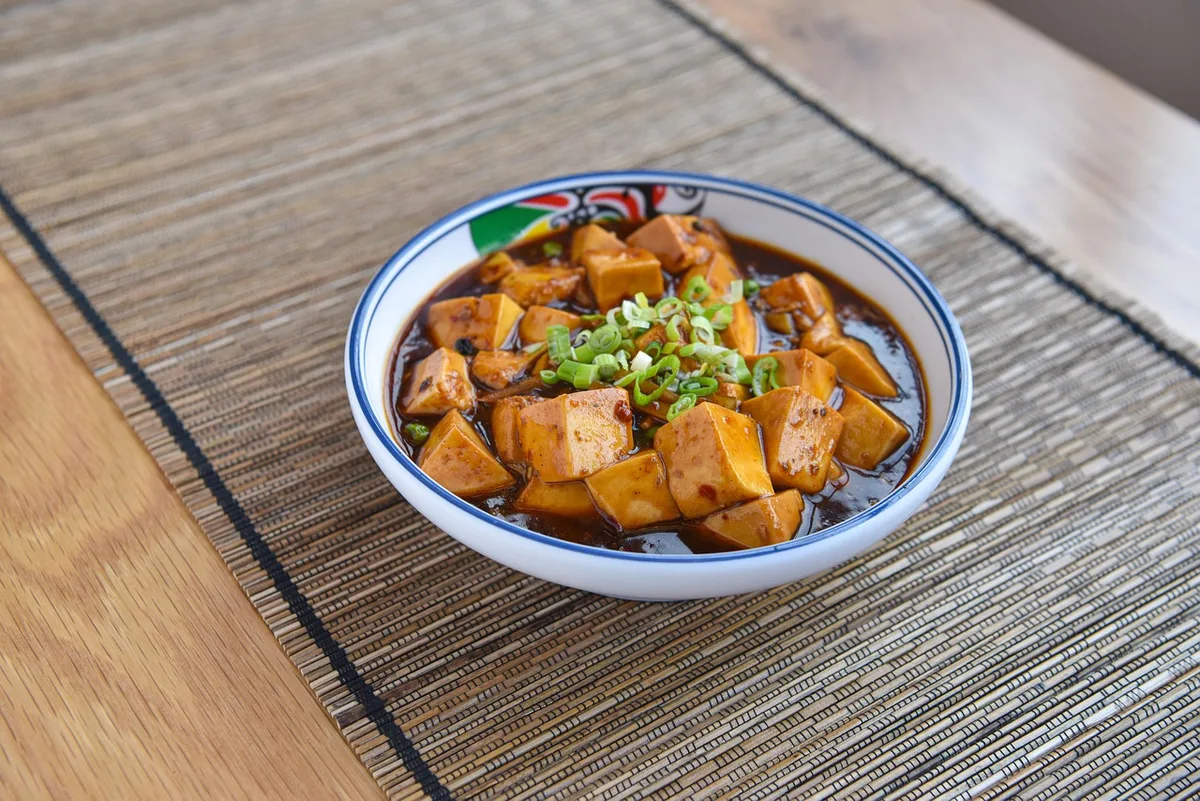
Once you see tofu as cheese rather than as a meat substitute, dishes like mapo tofu read differently. Nobody in Sichuan is eating it because they could not get beef. It is in the dish for its own texture and its ability to carry flavour.
The exceptions, which are worth knowing
China is large and the rule is not universal.
Yunnan, in the southwest, makes real cheese. Rubing is a fresh goat cheese that gets pan fried in slices, and rushan is stretched into thin sheets and dried, then toasted or fried. Both come from communities with their own herding traditions.
Inner Mongolia and Xinjiang have full dairy cultures, with dried curds, milk tea and butter, which is unsurprising given the herding history.
And Guangdong, of all places, has a small dairy tradition of its own: double skin milk, a steamed milk custard from Shunde, and ginger milk curd, which uses ginger juice to set warm milk without any other setting agent. Both are desserts, and both are built on water buffalo milk.
Modern China is a different picture again. Milk consumption has climbed steeply since the 1990s, pushed by school programmes and a growing dairy industry, and milk tea is now everywhere. The historical absence is a description of traditional cooking, not of what people drink today.
Frequently asked questions
Do Chinese people drink milk now?
Increasingly, yes. Consumption has risen sharply over the past thirty years, particularly among younger people and children, and milk tea has become a national habit. The traditional kitchen still does not cook with it much.
Is there any cheese in traditional Chinese food?
In Yunnan and the northwest, yes. Rubing and rushan from Yunnan are the best known, and the herding regions of Inner Mongolia and Xinjiang have long dairy traditions. In the Han heartland, effectively no.
Why does Indian cooking use so much dairy if the same genetics apply?
Lactase persistence is actually common across much of the Indian subcontinent, unlike in East Asia, and India had pastoral traditions that China's river valleys did not. On top of that, most Indian dairy is fermented or clarified, which removes most of the lactose anyway.
What to cook
The soy side of this is the interesting half. Mapo tofu is the dish that best shows tofu treated as an ingredient with its own character rather than a stand in for something else. Braised tofu with mushrooms is the gentler version of the same idea. And for more of the logic behind how China eats and drinks, we looked at why hot water is the default drink and at what belongs in a Chinese pantry.
Comments
Share your thoughts on this post.
Sign in to comment0 Comments