Why Koreans Eat Hot Soup on the Hottest Day of Summer
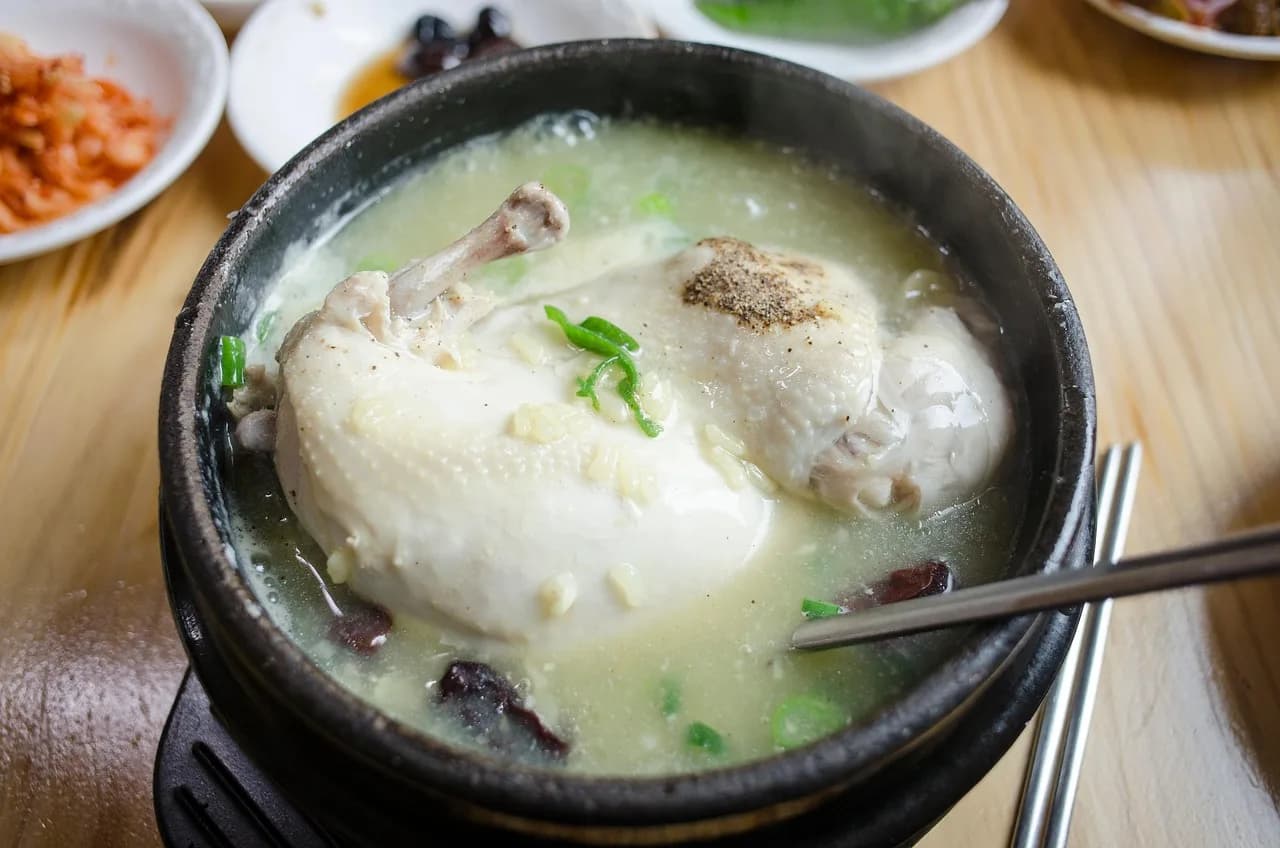
On the three hottest days of the Korean summer, the queues form outside restaurants that sell one dish: a whole young chicken, stuffed with rice and ginseng, simmered until the meat slides off the bone, served in a stone bowl still boiling. Outside it is thirty five degrees with the humidity of a laundry room. Inside, people are eating scalding soup and sweating through their shirts on purpose.
The days have names. Chobok, jungbok and malbok, collectively the sambok, fall roughly ten days apart between mid July and mid August, and they mark the hottest stretch of the year. The dish is samgyetang, ginseng chicken soup. The logic behind eating it in that weather has a name too: iyeolchiyeol, which translates roughly as controlling heat with heat.
The idea: your insides are colder than you think
The reasoning comes out of the same framework as traditional Chinese medicine, which Korean medicine shares much of its vocabulary with. In that model, hot weather does not heat you up so much as it draws your warmth outward, to the surface, where it escapes as sweat. What is left in the middle, where digestion happens, runs cold and weak.
Summer in this framework is a season of depletion rather than abundance. You sweat out fluids, you lose salts, your appetite drops, you reach for cold drinks that cool the stomach further, and by August your digestion is running at half strength. The Korean phrase for what summer does to you translates as losing to the heat.
Hot soup is the correction. It warms the core that the season has emptied, it replaces fluid and salt in a form the body absorbs easily, and it delivers protein at the point in the year when appetite is worst.
Why chicken, and why ginseng
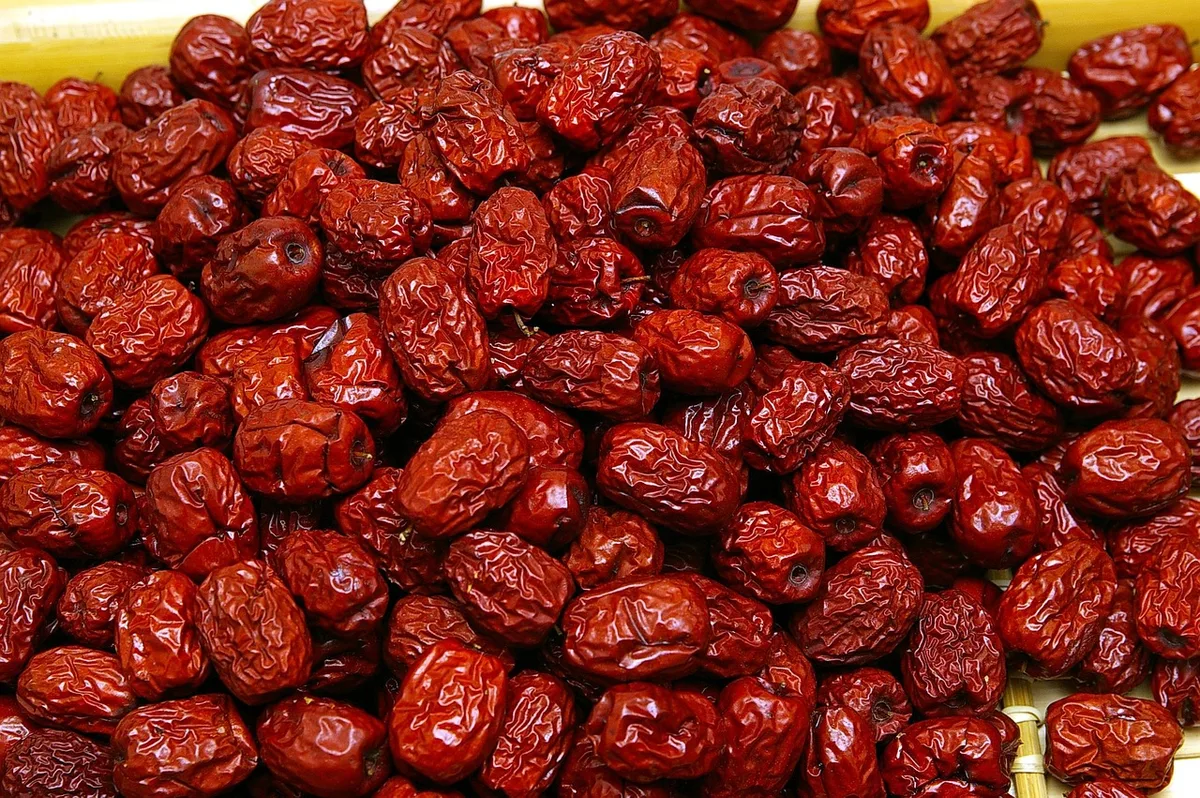
Ginseng is the reason the dish is specifically a summer food and not simply soup. In both Korean and Chinese medicine it is a qi tonic, given to people who are depleted rather than ill, and summer is understood as the season that depletes. The young chicken is chosen for tenderness and speed, stuffed with glutinous rice, jujube, garlic and sometimes chestnut, so the rice absorbs the broth as it cooks.
Nothing in the bowl is hot in the chilli sense. Samgyetang is milky, gentle and barely seasoned, with salt and pepper brought to the table separately. That restraint is the point. It is food for a body that is tired, not a body that wants excitement.
Is there anything to it?
Some of it holds up without any appeal to tradition at all.
Sweating is the body's cooling system, and hot liquid triggers it. Drink something hot in dry heat and you sweat more, that sweat evaporates, and you end up marginally cooler than you started. The effect is real but fragile: it depends on the sweat actually evaporating, which in Korea's August humidity it largely does not. So the physiological argument works better in Delhi than in Seoul.
The rest of it is simpler. A person who has been sweating for six weeks is short on fluid and sodium. Soup is water and salt, which is the actual remedy, and warm food is easier on a sluggish appetite than cold. Protein and calories at the end of a depleted season are not a mystical intervention. They are a sensible meal.
What tradition adds is timing. It fixes three days in the calendar, tells everyone to go and eat properly, and makes an occasion out of something a depleted person might otherwise skip.
The same instinct elsewhere
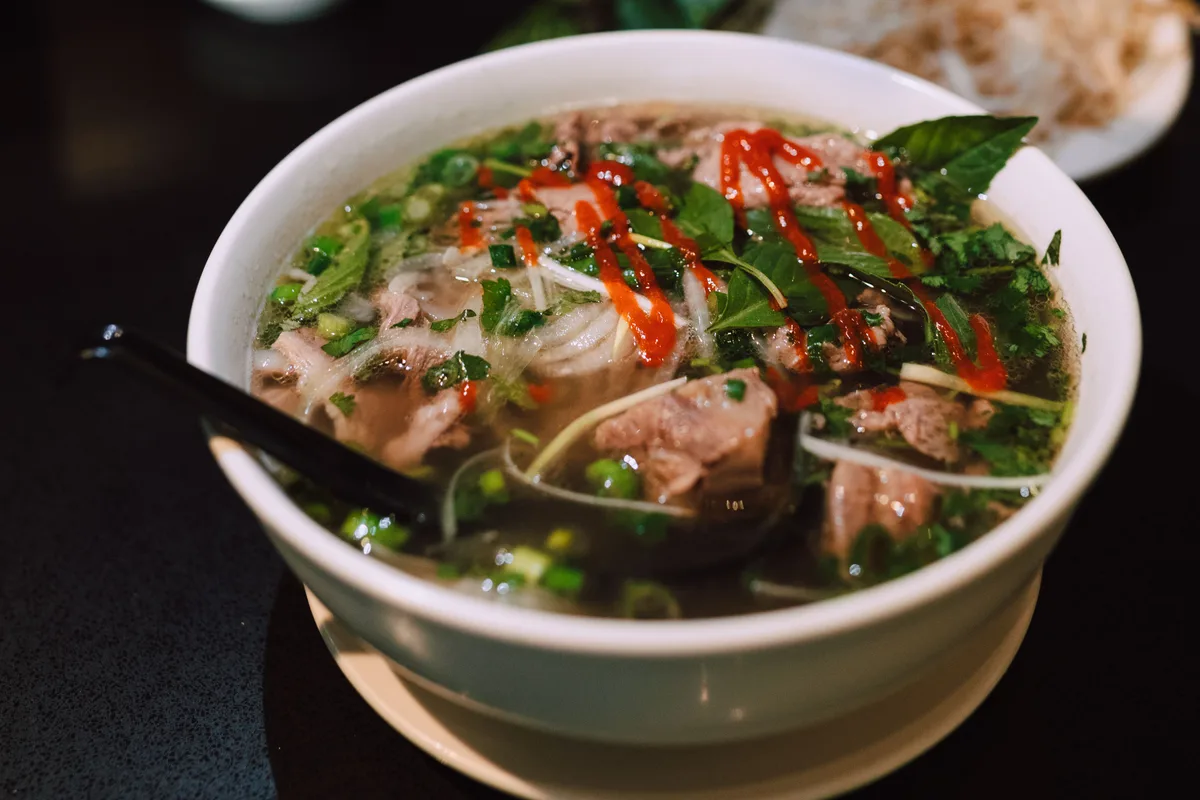
Once you see the pattern you find it across the hot parts of Asia. Indian summer cooking leans on cumin, mint and buttermilk rather than ice, and Ayurveda treats cold drinks as something that dampens agni, the digestive fire. Chinese households drink hot water through August for reasons we covered in why Chinese people drink hot water. Vietnamese pho is a hot breakfast in a country that is hot at breakfast.
The cultures that stayed hot year round mostly did not arrive at iced everything. That is a recent, largely American development, built on cheap refrigeration.
Frequently asked questions
Does hot soup actually cool you down?
A little, in dry heat, by making you sweat more. In humid heat the sweat does not evaporate efficiently and the cooling effect mostly disappears. The stronger argument is that soup replaces the fluid and salt that summer sweating takes out of you.
What are the sambok days?
Three days marking the hottest stretch of the Korean summer, spaced roughly ten days apart from mid July to mid August: chobok, jungbok and malbok. Restaurants that serve samgyetang run queues down the block on all three.
Can I eat samgyetang any time of year?
Yes, and Koreans do. It is simply associated with summer the way roast dinners are associated with winter in Britain. The dish works whenever you want something restorative and gentle.
What to cook
Samgyetang is less work than it looks, since the whole point is a small chicken and a short simmer. If you want the same idea with less ceremony, dak gomtang is the plain chicken version, and baeksuk sits between the two. On a day when you genuinely cannot face heat, Koreans have an answer for that too: kongguksu, cold noodles in chilled soy milk, which is the other half of the summer tradition nobody outside Korea talks about.
Comments
Share your thoughts on this post.
Sign in to comment0 Comments