Cross-Cultural · China
Beef with Oyster Sauce (蠔油牛肉)
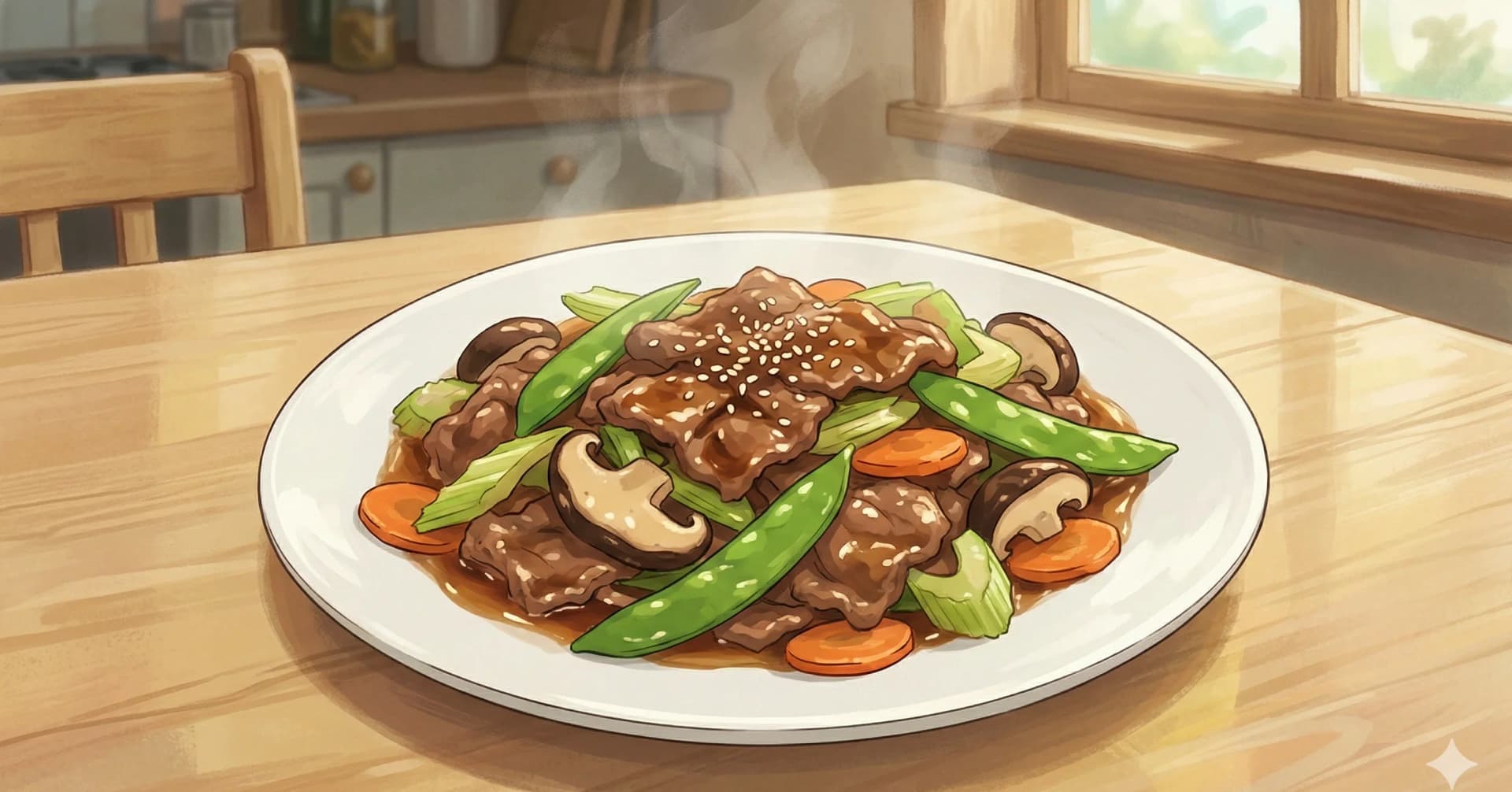
Velveted beef stir-fried with snow peas, celery, mushrooms, and carrots in a savory oyster sauce finished with dark soy
Beef with oyster sauce is one of the most ordered dishes in Cantonese restaurants, and the technique behind it is the same one that makes every Chinese restaurant stir-fry taste different from what most home cooks produce: velveting. The beef is marinated with cornstarch, baking soda, and a little water, which creates a protective coating that keeps the meat silky and tender during high-heat cooking. Without velveting, sliced beef toughens and dries out in seconds in a hot wok. With it, the beef stays impossibly soft.
The stir-fry itself is a study in Cantonese restraint. The vegetables are chosen for texture and color: snow peas for snap, celery for crunch, mushrooms for earthiness, carrots for sweetness and visual brightness. Each goes into the wok at a different time based on how long it needs. The beef cooks first to about 80 percent, comes out, and goes back in at the very end so it does not overcook. The sauce is oyster sauce, dark soy sauce, and sugar, simple but deeply savory. A potato starch slurry at the finish pulls everything together into a glossy coating.
Dark soy sauce goes on at the very end as a finishing touch. It adds color and a faint bitterness that balances the sweetness of the oyster sauce. Sesame oil follows, and the green parts of the scallions go in last so they barely wilt.
At a Glance
Yield
4 servings
Prep
18 minutes
Cook
12 minutes
Total
30 minutes
Difficulty
Medium
Ingredients
Stir-Fry Ingredients
- 11 ozbeef (tri-tip or flank), thinly sliced against the grain
- 2 ozsnow peas, de-stringed
- 2 ozcelery, cut diagonally
- 3 ozseafood mushrooms, root ends trimmed
- 3 ozbrown mushrooms, stems removed, cut in thirds
- 3 ozcarrot, thin slices
- 1 ozgreen onion, whites in chunks, greens in 1-inch segments
- 2garlic cloves, sliced
- 1/2 ozfresh ginger, sliced
- 3 tbspcooking oil, divided
- 1 tbspcooking wine
Marinade Ingredients
- 1 tbspoyster sauce
- 2 tsplight soy sauce
- 2 tbspcornstarch
- 3 tbspwater
- 1/4 tspwhite pepper
- 1/2 tspbaking soda
Sauce Ingredients
- 1/2 tbspoyster sauce
- 1/2 tbspdark soy sauce
- 1 tspsugar
- 2 tspdark soy sauce, to drizzle at the end
- 1 tspsesame oil
- 1/2 tsppotato starch, mixed with 1 tbsp water for slurry
Method
- 1
Soak sliced beef in cold water, drain, squeeze dry. Marinate with oyster sauce, soy sauce, cornstarch, water, white pepper, baking soda. At least 30 min. Add 1 tbsp oil just before cooking.
- 2
Mix sauce: oyster sauce, dark soy sauce, sugar. Mix slurry: potato starch + water.
- 3
Sear beef in smoking wok, 30-35 sec undisturbed, flip, stir-fry 50 sec more (80% done). Remove.
- 4
Stir-fry ginger, garlic, scallion whites 30 sec. Add mushrooms 30 sec. Add carrots and celery 20 sec. Add snow peas and seafood mushrooms 20 sec.
- 5
Add cooking wine along wok edge. High heat 40 sec. Return beef. Pour in sauce, stir. Add finishing dark soy. Stir in slurry. Turn off heat, drizzle sesame oil, add scallion greens.
Key Ingredient Benefits
Beef (tri-tip or flank): Cuts with strong grain structure that respond well to thin slicing against the grain. The slicing technique is what allows tough, flavorful cuts to become tender in a quick stir-fry. Both tri-tip and flank are leaner than premium steaks but have intense beef flavor that holds up well to bold sauces.
Snow peas: Add bright green color, snap-crisp texture, and a fresh, slightly sweet flavor that contrasts beautifully with the rich, savory beef. Snow peas cook quickly and should be added late in the stir-fry to preserve their crunch.
Oyster sauce: The defining sauce of the dish. Made from oyster extract, salt, sugar, and thickeners, oyster sauce contains concentrated marine umami and produces the glossy, mouth-coating quality that defines Cantonese-style stir-fries. The combination of beef and oyster sauce is one of the most ordered Cantonese restaurant dishes globally.
Baking soda: Used in the meat marinade to tenderize tough cuts. Sodium bicarbonate breaks down surface proteins, producing the velvet-tender texture characteristic of Chinese restaurant beef. This technique, called velveting in some sources, is one of the secrets of authentic Chinese stir-fry.
Cornstarch: Used to coat the beef and in the sauce slurry. The coating helps the marinade adhere to the meat and creates a smooth, almost silken texture when stir-fried. The sauce slurry produces the glossy, slightly thickened consistency that clings to the beef and vegetables.
Ginger and garlic: The aromatic base of any Cantonese stir-fry.
Why This Works
The baking soda treatment is the single most important technique for restaurant-quality beef stir-fry. A small pinch of baking soda mixed with the beef and rested for 15 to 30 minutes breaks down surface proteins and produces unmistakable velvet tenderness. Too much baking soda makes the beef taste soapy; the correct amount is barely noticeable but transforms the texture.
Slicing the beef thinly against the grain shortens the muscle fibers, making them easier to chew. Slicing with the grain produces stringy, chewy beef no matter how well it is cooked. The slicing direction is non-negotiable for great Chinese-style stir-fry.
The wok must be extremely hot before the beef goes in — what Chinese cooks call wok hei (镬气, the "breath of the wok"). High heat sears the beef quickly, locking in juices and creating the smoky, slightly charred quality that characterizes restaurant stir-fry. Crowding the pan or using lower heat produces meat that steams and braises rather than sears.
Stir-frying in stages — beef first, removed, then vegetables, then everything tossed together with the sauce — preserves the proper texture of each ingredient. The beef stays tender, the vegetables stay crisp, and nothing overcooks. This staged approach is fundamental to Chinese stir-fry technique and applies to most stir-fries beyond this dish.
Substitutions & Variations
Beef (tri-tip or flank): Skirt steak, hanger steak, sirloin tip, or top round all work. Pre-sliced "stir-fry beef" from the supermarket is convenient. Avoid expensive cuts like ribeye or tenderloin — they do not benefit from the velveting technique and the flavor is overshadowed by the bold sauce.
Snow peas: Snap peas, asparagus tips, green beans, or broccoli florets all work. The choice depends on what is in season and what color contrast you want.
Seafood mushrooms and brown mushrooms: Any combination of fresh mushrooms works. Shiitake, oyster, beech, or even cremini all produce excellent results. The variety of textures from multiple mushroom types is part of what makes this dish more interesting than basic beef and broccoli.
Oyster sauce: Vegetarian oyster sauce (made from mushrooms) works for a pescatarian or vegetarian version. Hoisin sauce is too sweet and not appropriate.
Baking soda: Cannot be skipped without producing tougher beef. Korean meat tenderizer powder (often potato starch + baking soda + flavor enhancers) is a convenient substitute.
Cornstarch: Tapioca starch or potato starch substitute identically.
Serving Suggestions
Beef with oyster sauce is one of the most popular Cantonese restaurant dishes, traditionally served over steamed jasmine rice as a one-bowl meal or as part of a multi-course Cantonese dinner. The sauce flavors the rice beautifully, and the dish is satisfying enough to stand on its own.
For a fuller dinner, pair with a stir-fried green vegetable like gai lan or bok choy, and a clear soup like egg drop soup or winter melon soup. This combination represents the canonical Cantonese family dinner format.
The dish also works well as part of a larger Chinese banquet menu with steamed fish, stuffed peppers, chow mein, and other Cantonese specialties.
Pair with hot Chinese tea (jasmine, oolong, or pu-erh). Red wine (light- to medium-bodied) also works well — the umami of the oyster sauce plays nicely with the beef.
Storage & Reheating
Refrigerator: Store in an airtight container for up to 3 days. The beef will continue to absorb the sauce overnight, deepening the flavor.
Reheating: A hot wok or skillet with a splash of water for 1 to 2 minutes restores most of the original texture. Microwave works in a pinch but the beef can become rubbery from uneven heating.
Make-ahead: The marinated beef can be prepared up to 24 hours in advance and refrigerated until cooking. The sauce mixture can be prepared up to 3 days in advance.
Velveting tip: For meal prep, velvet a larger batch of beef than needed and freeze the rest in 1-cup portions for up to 2 months. Velveted beef from frozen produces nearly identical results to fresh.
Freezing: Cooked beef freezes for up to 1 month but loses significant texture quality. The dish is best eaten fresh or within a few days.
Cultural Notes
Beef with oyster sauce (háo yóu niú ròu in Mandarin, hou yau ngau yuk in Cantonese) is one of the most globally recognized Cantonese stir-fries and one of the foundational dishes of Chinese-American cuisine. The dish became popular in the United States in the mid-20th century as Cantonese-American restaurants standardized their menus, and it has remained one of the most ordered items at Chinese restaurants in the West.
Oyster sauce itself was invented in Guangdong province in the 1880s by Lee Kum Sheung, who accidentally reduced a pot of oyster soup so far that it became a thick brown sauce. He recognized the commercial potential, founded the Lee Kum Kee company in 1888, and the brand remains one of the largest manufacturers of oyster sauce globally. The invention of oyster sauce transformed Cantonese cooking and quickly became a staple ingredient.
The pairing of beef with oyster sauce represents Cantonese culinary thinking at its most direct: rich, umami-forward sauce on a fast-seared protein, balanced with a fresh vegetable. The same template applies to dozens of other Cantonese stir-fries (beef with broccoli, beef with snow peas, chicken with oyster sauce, etc.), and beef with oyster sauce is essentially the prototype.
The dish is also a clear example of the wok hei (镬气, "breath of the wok") concept that defines Cantonese stir-fry. The characteristic smoky, slightly charred flavor that distinguishes restaurant stir-fries from home versions comes from the extreme heat of professional wok burners (often producing flames 5 to 7 inches tall). Home cooks can approximate but rarely fully match this effect; the technique requires intense heat that most home stoves cannot produce.
Nutrition Facts
Calories: 257kcal (13%)|Total Carbohydrates: 14.5g (5%)|Protein: 19.1g (38%)|Total Fat: 13.6g (17%)|Saturated Fat: 3.7g (19%)|Cholesterol: 53mg (18%)|Sodium: 785mg (34%)|Dietary Fiber: 2.3g (8%)|Total Sugars: 3.9g
You Might Also Like
 Easy
EasyCross-Cultural · China
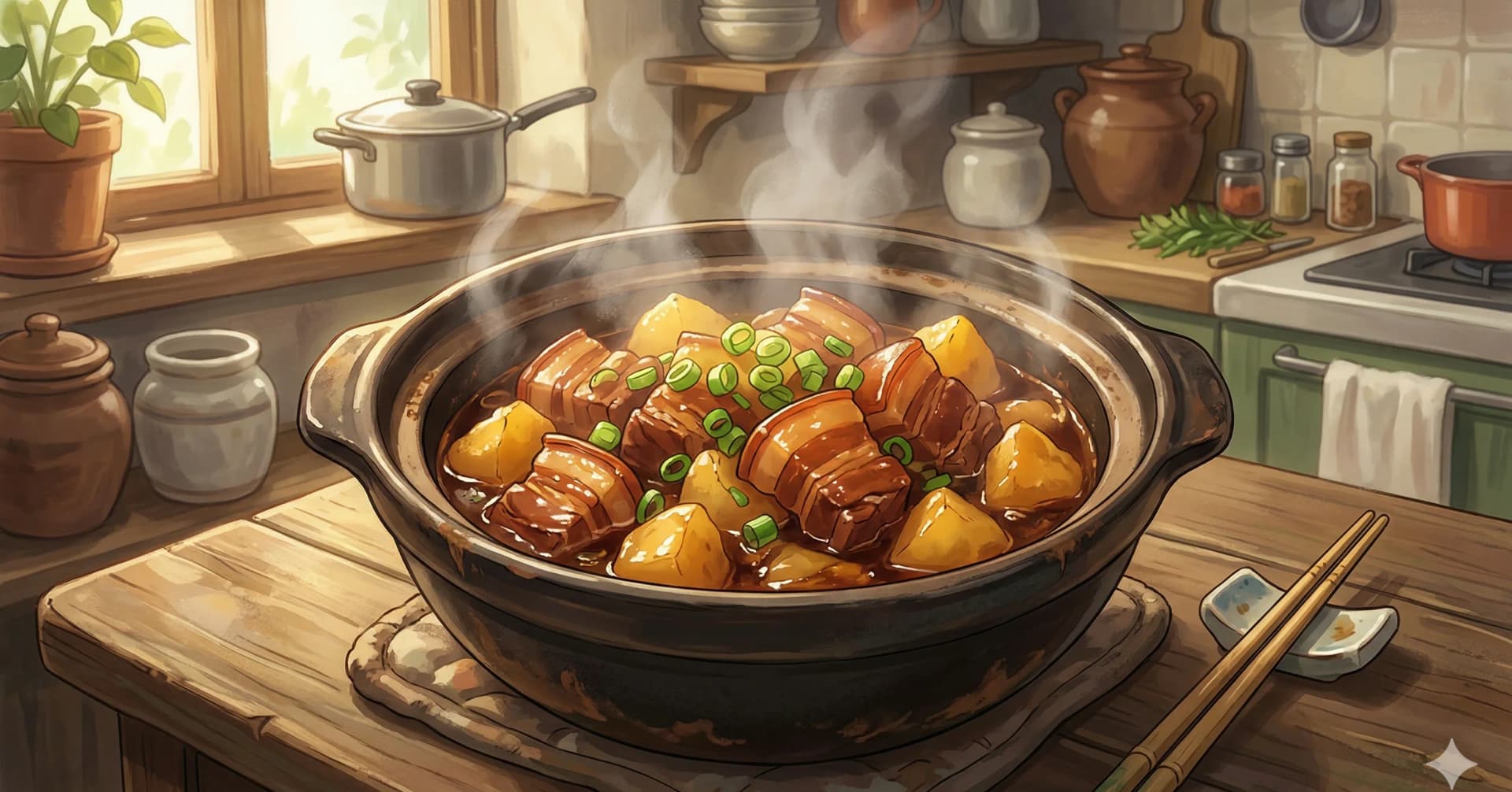
Braised Pork with Potatoes (薯仔炆豬肉)
40 minutes
 Easy
EasyCross-Cultural · China
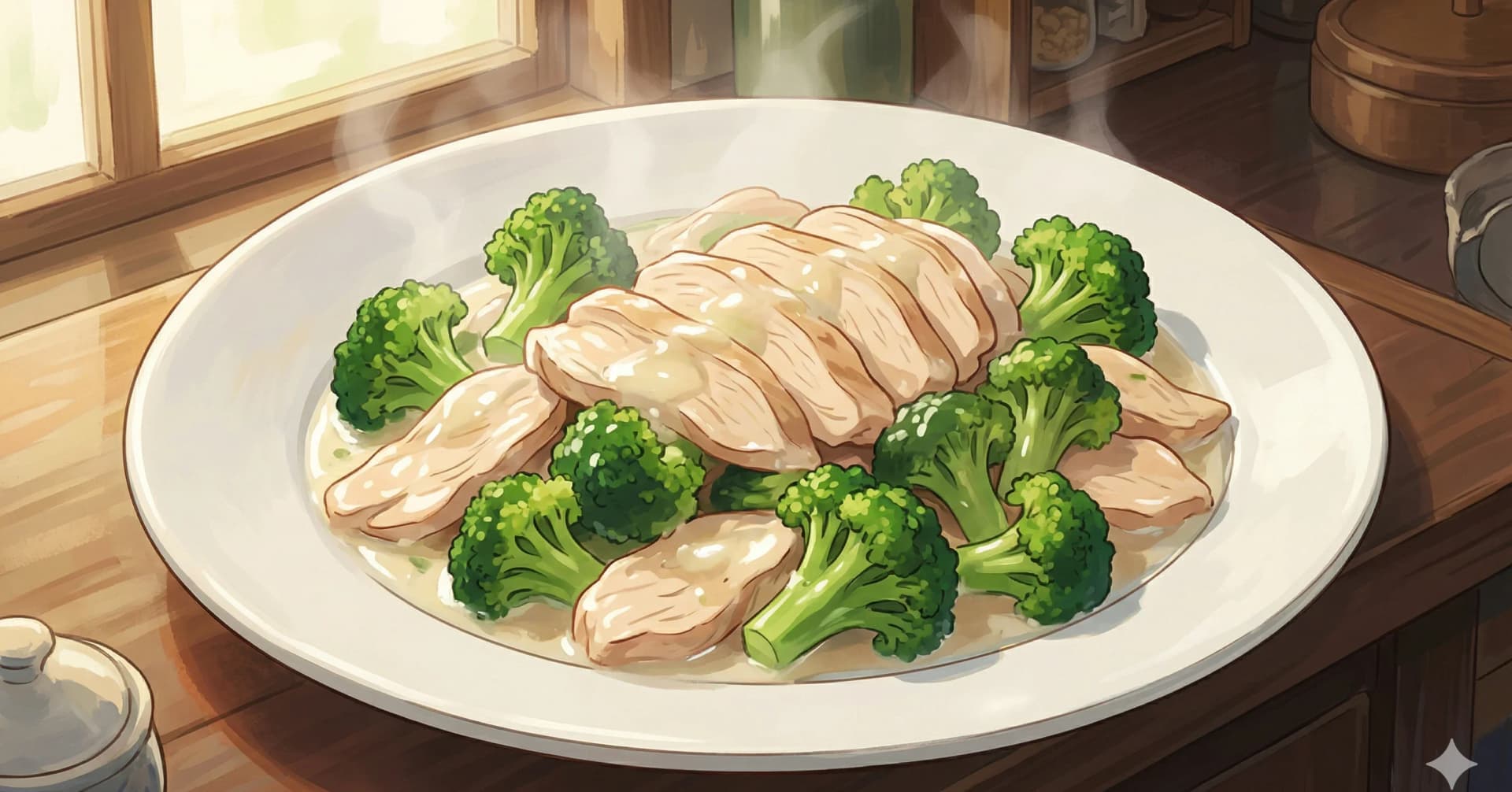
Chicken and Broccoli in White Sauce (白汁鸡花椰)
45 minutes
 Easy
EasyTraditional Chinese Medicine · China
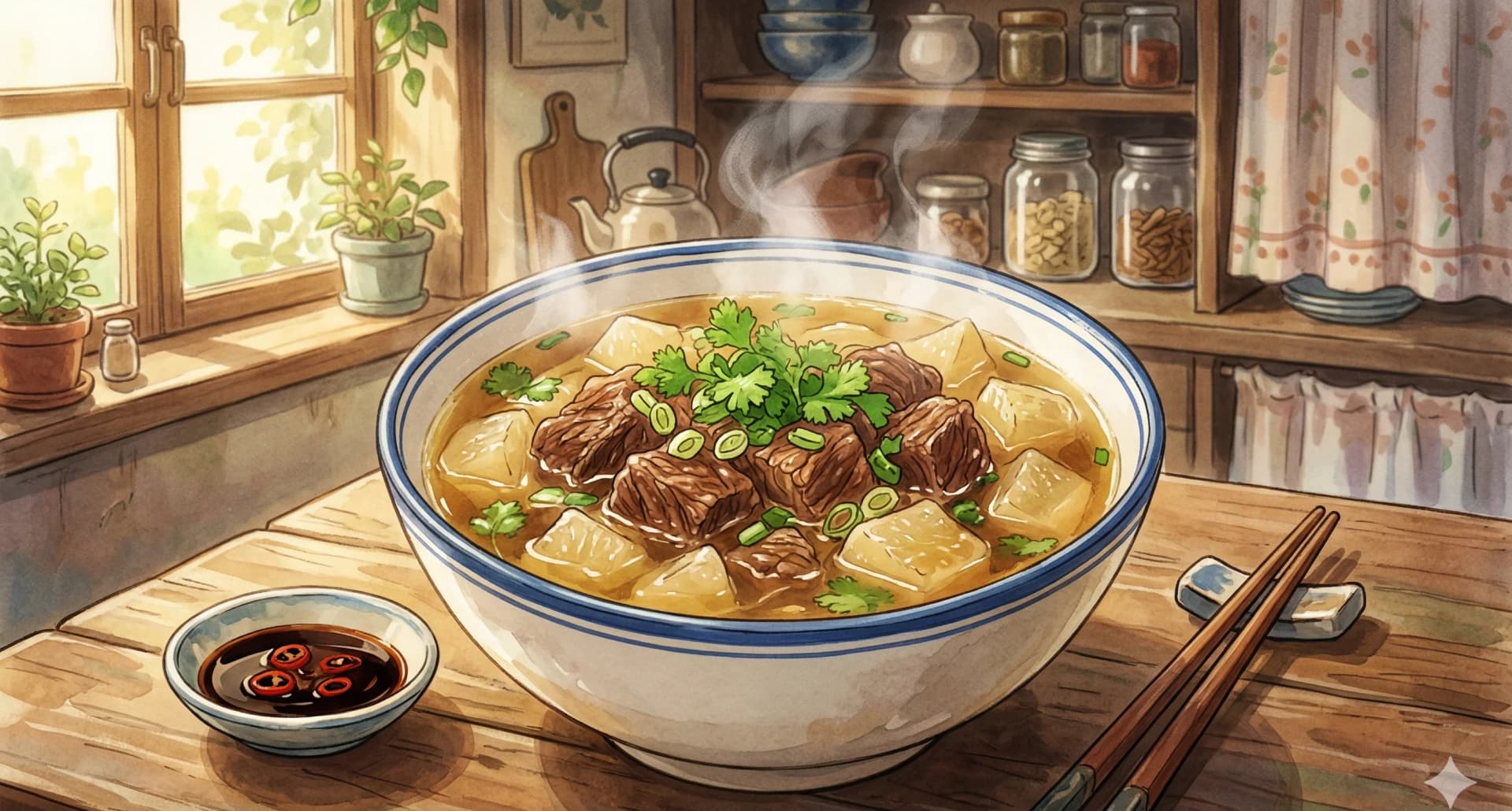
Beef Brisket Soup (清湯牛腩)
145 minutes
 Easy
EasyTraditional Chinese Medicine · China
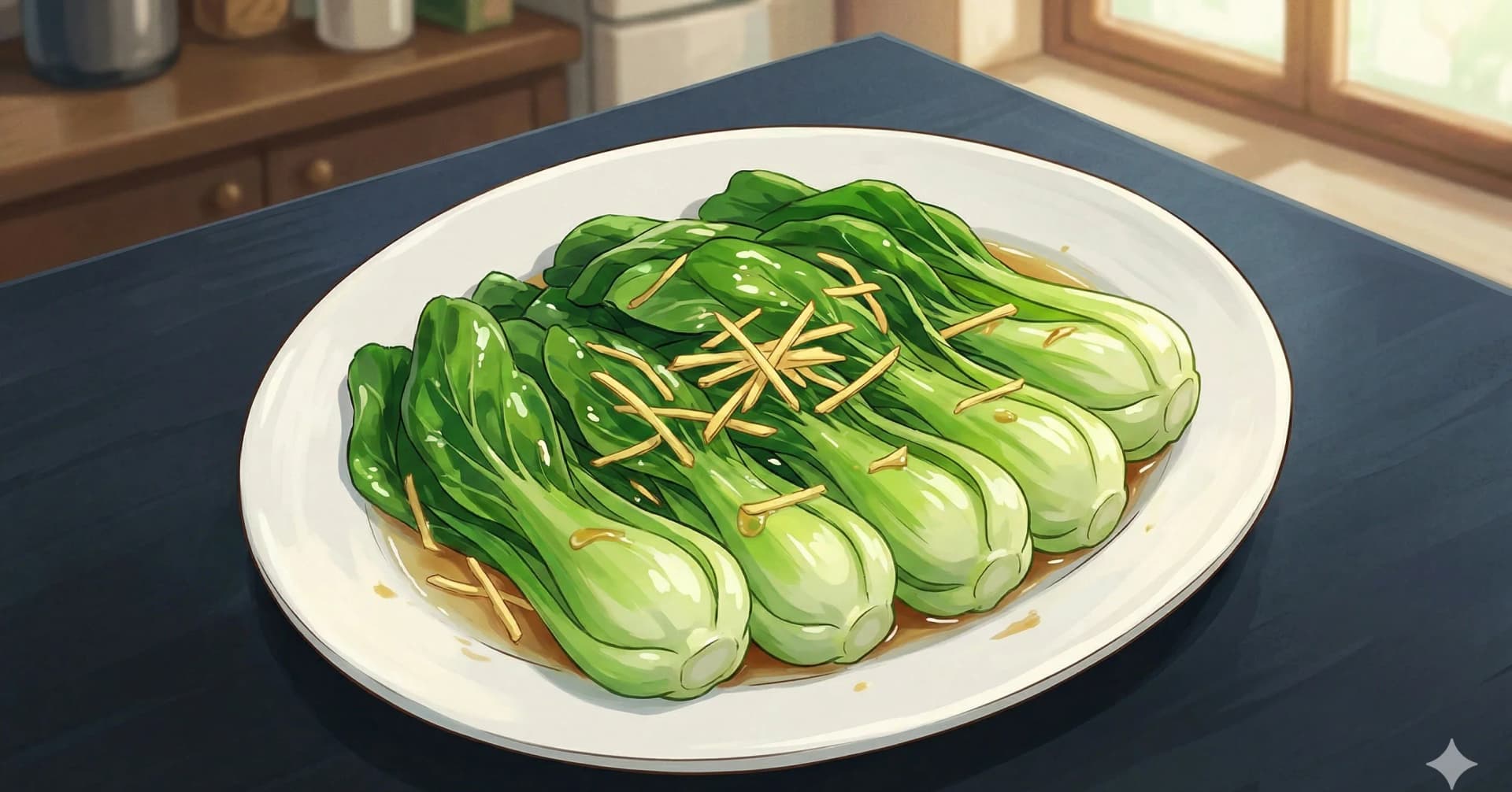
Bok Choy in Ginger Sauce (姜汁白菜)
6 minutes
Ratings & Comments
Ratings & Comments
Ratings
Share your thoughts on this recipe.
Sign in to rate and comment