Chinese Cuisine
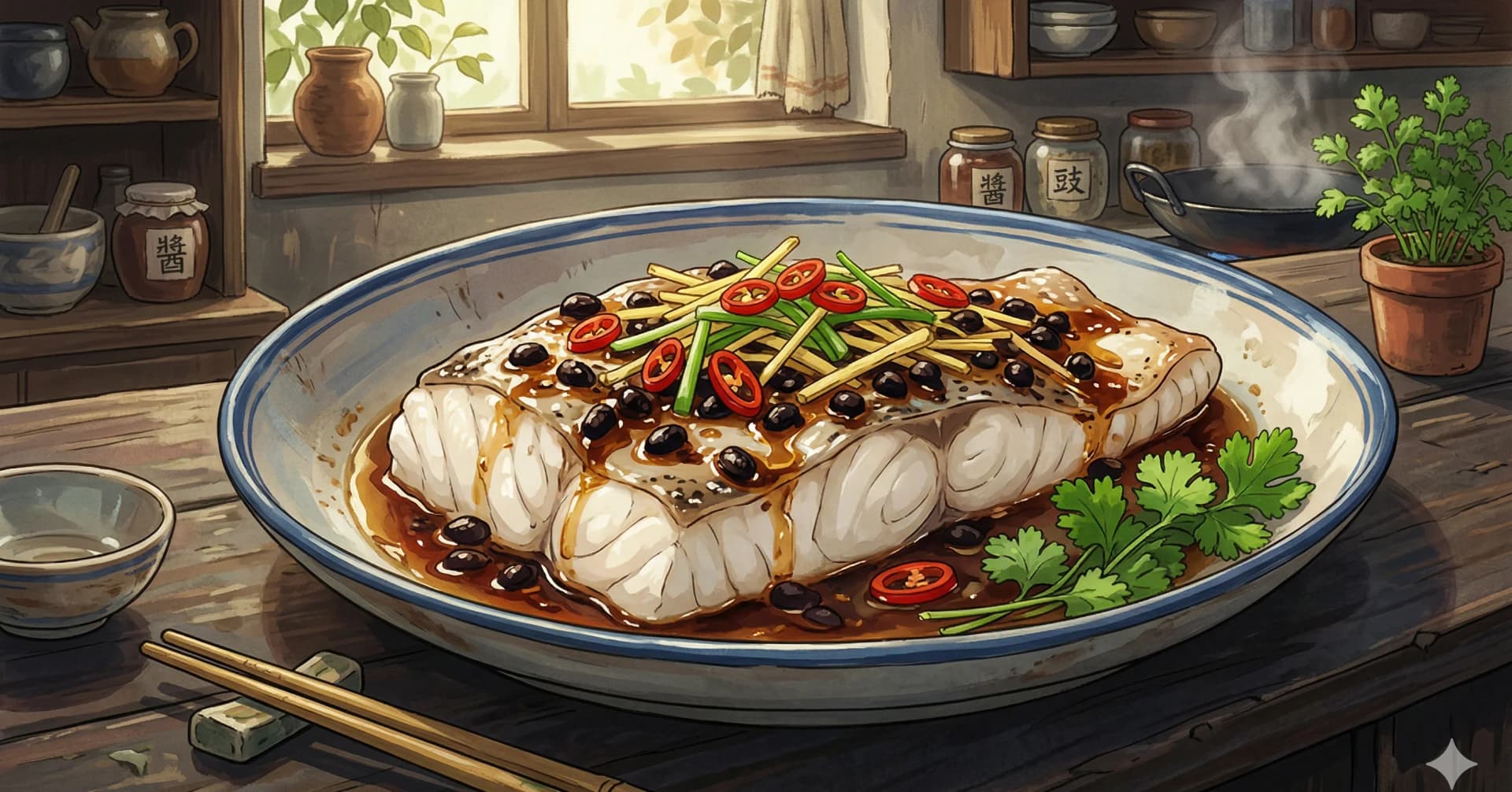
Dou Chi Zheng Yu (Steamed Fish with Black Bean Sauce)
Delicate steamed fish fillets topped with pungent fermented black beans, ginger, and scallion
Steaming is the most honest way to cook fish. There is nowhere to hide: the freshness of the fish, the precision of the timing, and the quality of the seasonings are all exposed. When done right, the flesh turns opaque and flakes at the touch of a chopstick, moist and tender, carrying the clean, sweet flavor of the sea. The fermented black beans scattered across the top provide a counterpoint that is salty, earthy, and deeply savory, their intensity tempered by thin slices of ginger and the bright freshness of scallion.
This preparation is a pillar of Cantonese home cooking, where steaming is the preferred method for fresh seafood. The Cantonese reverence for ingredient quality is fully on display here: a perfectly steamed fish needs very little adornment. The fermented black beans (dou chi) add complexity without masking the fish's natural flavor, and the brief application of sizzling hot oil at the end, poured over the scallion and ginger, releases a burst of fragrance that ties everything together.
Fermented black beans are one of China's oldest condiments, with a history stretching back over two thousand years. They are made from black soybeans that have been salted, fermented, and dried. Their flavor is concentrated, pungent, and deeply umami, and a small amount goes a long way.
The practical key is timing. Fish steams quickly, and the difference between perfectly cooked and overcooked is a matter of 1 to 2 minutes. Start checking early, and remove the fish the moment the flesh turns opaque and flakes easily.
At a Glance
Yield
3 servings
Prep
10 minutes
Cook
12 minutes
Total
22 minutes
Difficulty
Easy
Ingredients
- 1 lbwhite fish fillets (sea bass, cod, or snapper), about 2 cm thick
- ¾ ozfermented black beans (dou chi), rinsed and roughly chopped
- 2½ tbspfresh ginger, julienned
- 3 clovesgarlic, minced
- 1small red chili, thinly sliced (optional)
- 2scallions, julienned into thin strips
- 2 tsplight soy sauce
- 1 tspShaoxing wine
- 1¼ tspsugar
- 2 tbspvegetable oil (for finishing)
- 1 tspsesame oil
- —Fresh cilantro leaves for garnish (optional)
Method
- 1
Pat the fish fillets completely dry with paper towels. Place them on a heatproof plate that fits inside your steamer.
- 2
Rinse the fermented black beans briefly under cold water to remove excess salt. Chop them roughly. You want some pieces broken and some left whole for textural contrast.
- 3
In a small bowl, combine the chopped black beans, garlic, half the julienned ginger, and the chili slices. Add the light soy sauce, Shaoxing wine, and sugar. Stir to combine.
- 4
Scatter the remaining ginger julienne over the fish fillets. This bottom layer of ginger serves as an aromatic bed and lifts the fish slightly off the plate, allowing steam to circulate underneath.
- 5
Spoon the black bean mixture evenly over the top of the fish fillets, distributing the beans, garlic, and sauce across the surface.
- 6
Bring water in your steamer or wok to a vigorous boil before placing the fish inside. The steam must be at full force for even, rapid cooking.
- 7
Place the plate of fish in the steamer. Cover tightly.
- 8
Steam over high heat for 8 to 10 minutes, depending on the thickness of the fillets. A 2 cm thick fillet needs about 8 minutes. Check by pressing the thickest part gently with a finger: the flesh should feel firm but spring back slightly, and it should flake when a chopstick is inserted.
- 9
While the fish steams, prepare the scallion garnish. Separate the julienned scallion strips and set them aside. Heat the vegetable oil in a small pan over high heat until it shimmers and just begins to smoke.
- 10
When the fish is done, carefully remove the plate from the steamer. There will be liquid pooled on the plate, a mixture of fish juices and condensed steam. Some cooks drain this off for a cleaner presentation; others leave it as part of the sauce.
- 11
Scatter the julienned scallion strips over the top of the fish.
- 12
Immediately pour the hot oil over the scallions and black beans. It will sizzle dramatically and release a burst of fragrance as the oil hits the aromatics. This step blooms the flavors and slightly cooks the raw scallion.
- 13
Drizzle with sesame oil. Garnish with cilantro if desired.
- 14
Serve immediately with steamed rice. Spoon the sauce from the plate over each serving.
Key Ingredient Benefits
White fish is a lean protein source, low in saturated fat and rich in selenium, phosphorus, and B vitamins. Steaming preserves more nutrients than frying, as there is no exposure to high-temperature oil.
Fermented black beans are one of the oldest fermented foods in the world. As a fermented soy product, they contain isoflavones and naturally occurring glutamate. Research suggests that fermented soy consumption is associated with improved gut health and cardiovascular benefits.
Ginger pairs with fish not only for flavor but also because its gingerol compounds are traditionally believed to neutralize the "fishy" quality in Chinese culinary medicine. Some modern research supports ginger's ability to mask trimethylamine, the compound responsible for the fishy smell.
Why This Works
Steaming cooks fish gently and evenly, without the browning or fat required by other methods. The moist heat preserves the fish's delicate texture and natural moisture, producing flesh that is tender and clean-tasting. The high heat of vigorous steam is important: it cooks the fish quickly, reducing the window for overcooking.
Fermented black beans provide glutamate (umami) and a complex, slightly funky savoriness that complements the mild sweetness of fresh fish. Rinsing them before use removes surface salt, allowing their flavor to come through without making the dish overly salty.
The hot oil poured over the scallions at the end is a classic Cantonese finishing technique. The sudden burst of heat flash-cooks the scallions and releases volatile aromatic compounds from the ginger, garlic, and black beans. It is a small step, taking only seconds, but it transforms the dish from a simple steam into something vibrant and aromatic.
Substitutions & Variations
- Fish: Any firm, white-fleshed fish works. Sea bass, cod, snapper, grouper, and halibut are all excellent. Whole fish can be used following the same method, with increased steaming time (12 to 15 minutes for a 600 g fish).
- Fermented black beans: There is no true substitute. In a pinch, a tablespoon of black bean sauce from a jar (like Lee Kum Kee) can be used, but it is sweeter and less complex.
- Spicy version: Add a tablespoon of chopped fresh red chili or a drizzle of chili oil along with the hot oil finish.
- With clams: Scatter a handful of fresh clams around the fish on the plate. They will open during steaming and add their briny juices to the sauce.
Serving Suggestions
Serve as the centerpiece of a simple Chinese meal, with steamed rice and a stir-fried green vegetable. The clean, light flavors of steamed fish pair well with richer dishes like braised pork or three-cup chicken if you are serving multiple courses. A light soup, such as wintermelon or egg drop, rounds out the table without competing for attention.
Storage & Reheating
Steamed fish is best eaten immediately, as the texture degrades quickly. If you must store leftovers, refrigerate in an airtight container for up to 1 day. Reheat by steaming briefly (3 to 4 minutes) or in a microwave at low power. The fish will be drier and less delicate than when fresh. Flake any leftover fish and toss with rice or noodles for a quick second meal. Not recommended for freezing.
Cultural Notes
Dou chi zheng yu (豉汁蒸魚, "black bean sauce steamed fish") is the Cantonese steamed whole fish dish in which a fresh whole fish (most often grouper, sea bass, or rock cod) is topped with fermented black beans, garlic, ginger, scallion, and a splash of light soy sauce, then steamed for ten to twelve minutes over high heat until the flesh is just barely opaque and pulls cleanly from the bone. The dish belongs to the same Cantonese seafood philosophy as steamed-fish-ginger-scallion: the freshest fish should be cooked as briefly and simply as possible so the diner tastes the fish itself rather than the sauce.
The defining ingredient is the douchi (豆豉, fermented black soybeans), which are cooked through traditional Chinese fermentation of black soybeans with salt and sometimes ginger or chili. The beans are deeply savory, slightly funky, and intensely fragrant when warmed in oil, and they provide the flavor backbone that lets the dish stand apart from the more delicately seasoned ginger-scallion version. The beans are typically rinsed briefly to remove excess salt, lightly crushed with the side of a knife (which releases their aromatic compounds), and combined with finely chopped garlic and ginger in a small amount of hot oil before being spooned over the prepared fish.
The technique demands a few specific decisions. The fish should be live or recently killed and scaled, gutted, and scored with shallow diagonal cuts on both sides to help the heat penetrate and the seasoning enter. The steamer must be large enough to hold the whole fish flat on a heatproof plate, with the water at a rolling boil before the fish goes in. Hong Kong restaurants typically test for doneness by inserting a chopstick into the thickest part of the back: if the chopstick goes through with no resistance, the fish is done. A final flourish of just-cooked hot oil is poured over the fish at the table, which sizzles the scallion and ginger toppings and releases the aromatic compounds in a final cloud of fragrance. The dish is meant to be eaten immediately, before the residual heat of the plate continues cooking the fish past optimal.
Nutrition Facts
Calories: 276kcal (14%)|Total Carbohydrates: 6.3g (2%)|Protein: 31.9g (64%)|Total Fat: 13.2g (17%)|Saturated Fat: 1.2g (6%)|Cholesterol: 83mg (28%)|Sodium: 483mg (21%)|Dietary Fiber: 1g (4%)|Total Sugars: 2.1g
You Might Also Like
 Medium
Chinese Cuisine
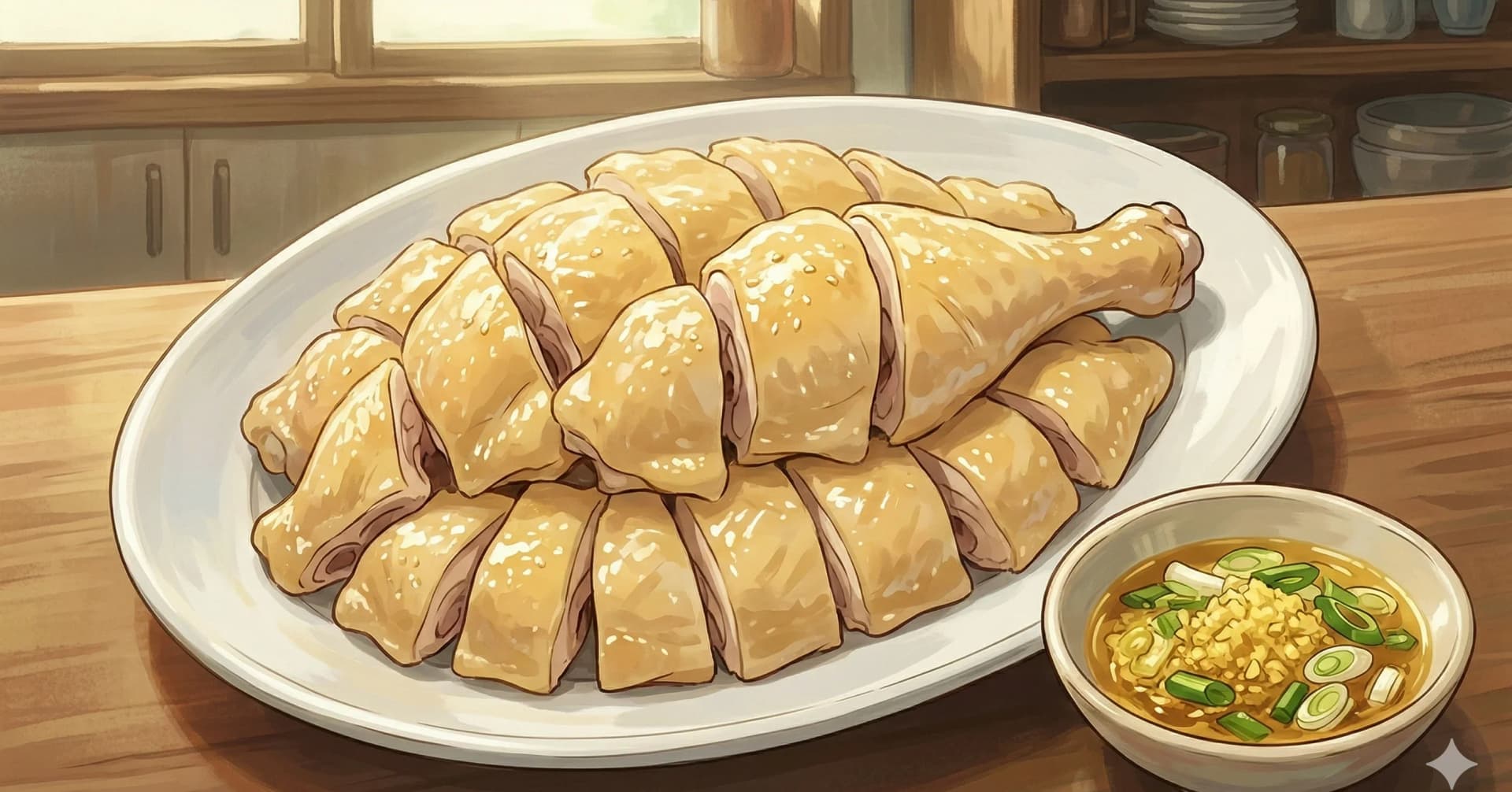
Bai Qie Ji (White Cut Chicken)
4 hours 30 minutes
 Easy
EasyTraditional Chinese Medicine · China
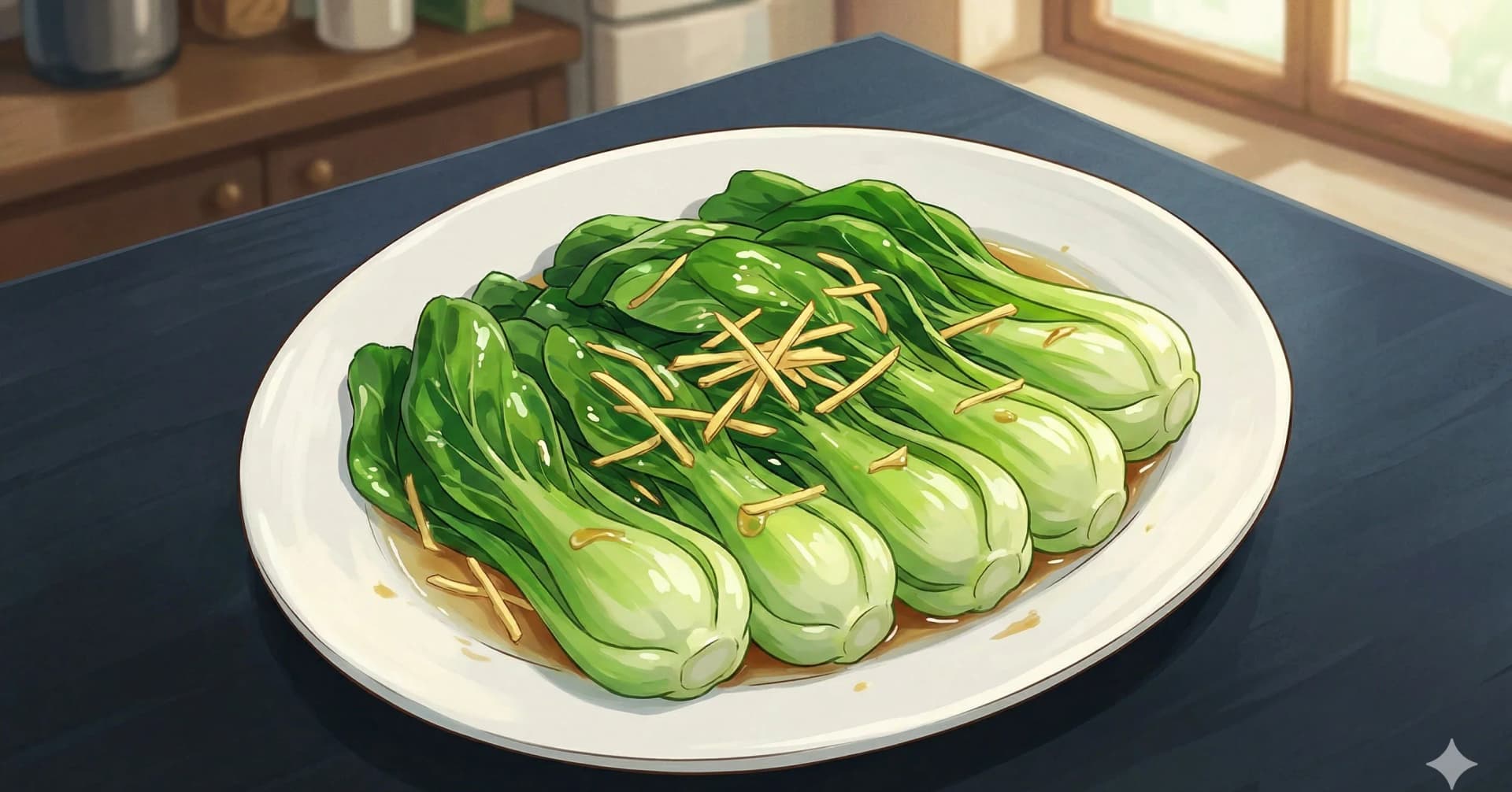
Bok Choy in Ginger Sauce (姜汁白菜)
6 minutes
 Medium
Chinese Cuisine
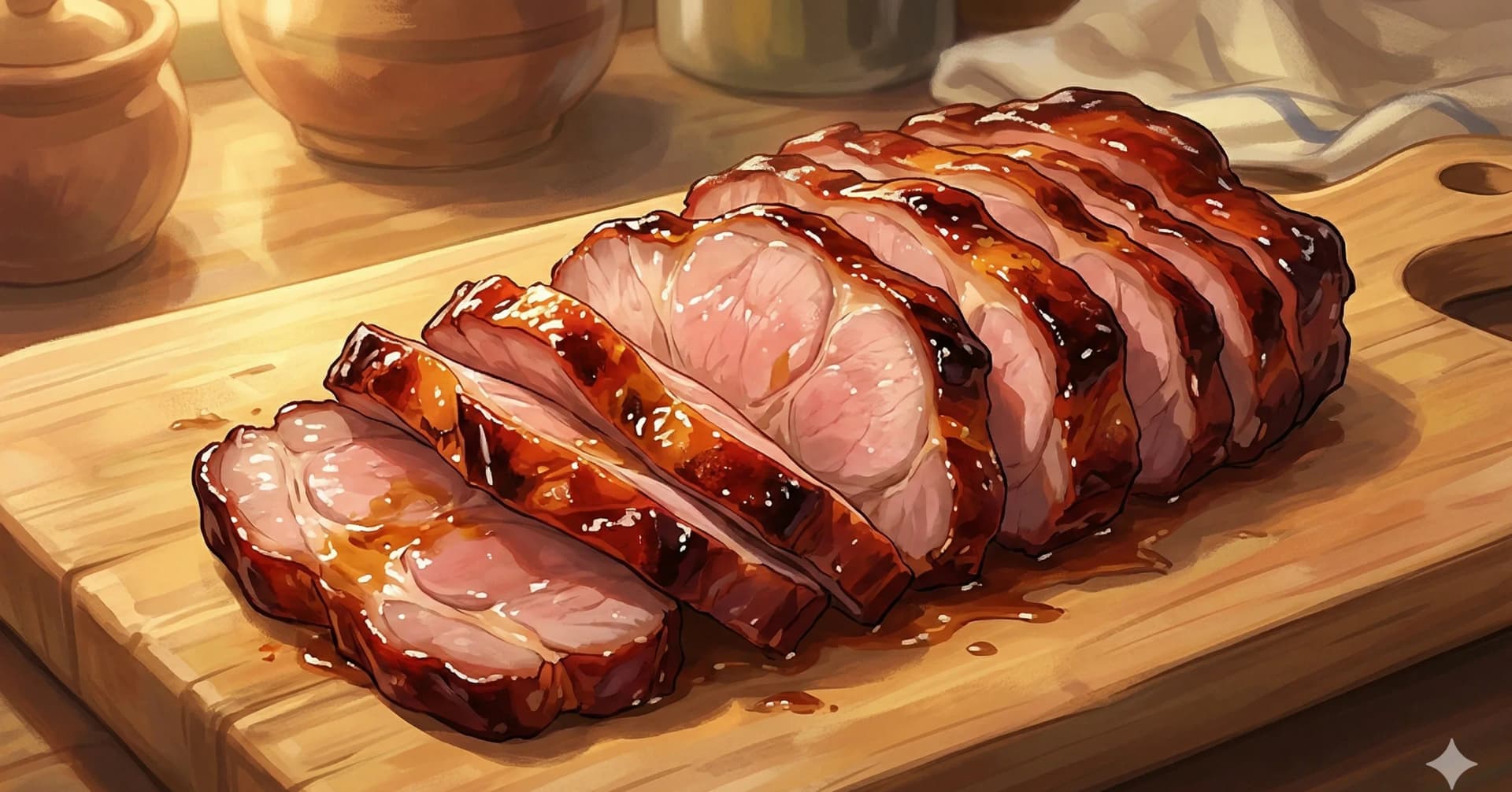
Char Siu (Chinese BBQ Pork)
9 hours (including marinating)
 Medium
Chinese Cuisine
Niu Rou Yang Cong Jiaozi (Beef and Onion Dumplings)
60 minutes
Ratings & Comments
Ratings & Comments
Ratings
Share your thoughts on this recipe.
Sign in to rate and comment